




"I don't want to be a brake on the city's development, but I intend to require investors to ensure that their development projects respect cultural heritage and treat it as a resource and inspiration for design activities, " Agnieszka Rózga-Micewicz, who took over as the Municipal Conservator of Monuments in Gdansk, says in an interview with A&B. Her predecessor sat in this position for. more than 30 years.
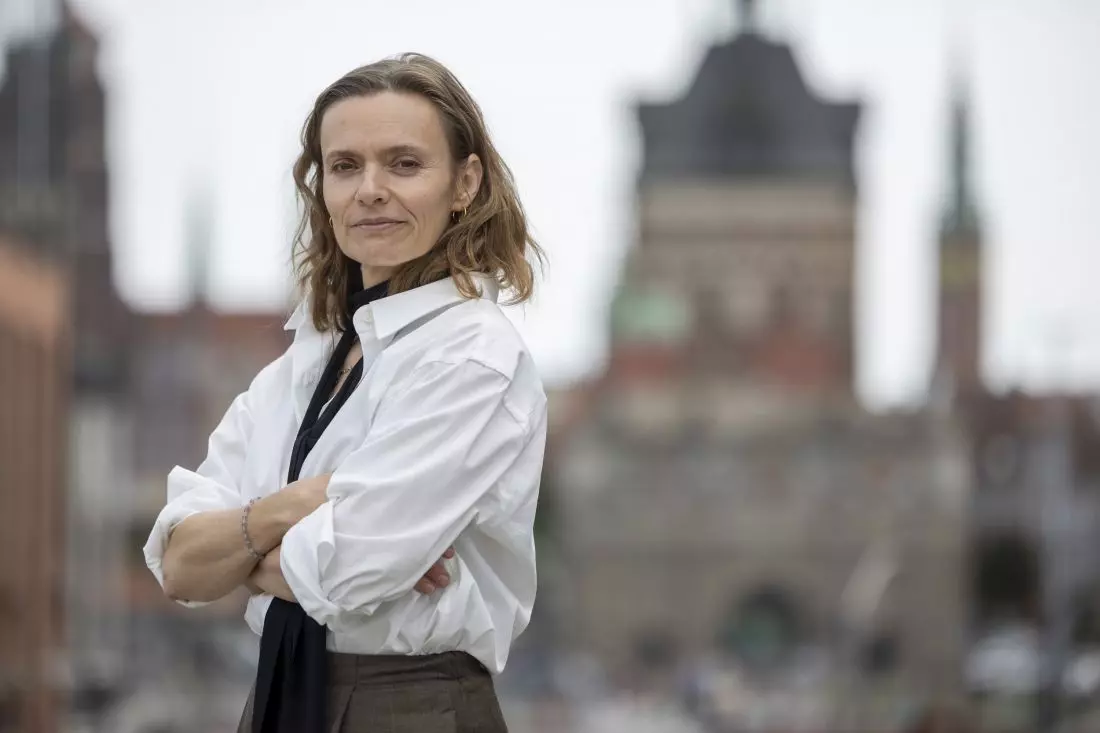
Agnieszka RÓZGA-MICEWICZ - has served as Municipal Conservator of Monuments and Deputy Director in the Office of the City Architect since May 4, 2026. She is an urban planner and a graduate of the Faculty of Architecture and Urban Planning at the Gdansk University of Technology. She completed postgraduate studies: revitalization of urban areas at the Gdansk University of Technology and an MBA at the Paweł Adamowicz Civic Study at the Civitas University in Warsaw. She gained professional experience working for 19 years in the Gdansk Development Office as a designer and two years in the Gdańsk-Gdynia-Sopot Metropolitan Area as a coordinator for land use and climate. For the last year, she was head of the spatial analysis team at the Spatial Planning Office of the City of Gdynia. Since 2007, she has been combining her expert activity in spatial planning projects, revitalization and urban development strategies with her own urban planning practice and creative activity. Her passion is art, and privately she often paints herself (painting and graphic design exhibitions).
Ewa Karendys: In Gdansk, both the city and Pomeranian conservationists have been given the patch of being "pro-investment", going along with developers. Do you intend to continue such a policy?
Agnieszka Rózga-Micewicz: It is necessary to combine preservation with investment development in Gdansk, but in a very balanced and harmonious way. Without investors, the city does not develop, there are no new buildings, development complexes and public spaces for residents to use. From my point of view, as an urban planner and a long-time planner, it is very important that this process proceed harmoniously. As a Municipal Historic Preservationist, I would like to approach this in a responsible manner. Both I and the Pomeranian conservator hold very dear the identity of our city and those solutions that take into account the cultural heritage and historical identity of buildings and urban assumptions.
Ewa Karendys: Are there areas or monuments that, in your opinion, require more care from the city conservator in Gdansk today?
Agnieszka Rózga-Micewicz: There are many such areas and monuments entered in the register of monuments in Gdansk. I will try to take care of all these areas, acting in accordance with what our tasks set by the mayor allow us to do. I certainly don't want to be a brake on the city's development, but I intend to require investors that their development projects respect cultural heritage and treat it as a resource and inspiration for design activities.
Ewa Karendys: The distribution of competencies between provincial and municipal conservators looks different, depending on the cities. How is it currently in Gdansk?
Agnieszka Rózga-Micewicz: The Pomeranian Voivodeship Conservator of Monuments is responsible for all objects entered in the register of monuments, the Municipal Conservator of Monuments for those in the municipal register of monuments. The exceptions are the areas of the Main and Old Town in Gdansk, which are entirely under the responsibility of the PWKZ.
Ewa Karendys: What are the most important goals you set for yourself when taking up your post?
Agnieszka Rózga-Micewicz: It is important for me to be creatively inspired by cultural heritage, to treat it as a resource, a multi-layered matter that can be used in various ways. To preserve, to take into account, to be inspired by... Without this we will not be able to maintain the identity of our city. Because of my training and experience as an urban planner, I will emphasize seeking solutions based on historical urban assumptions. The biggest challenge is to play the modern development of the city with its historical identity.
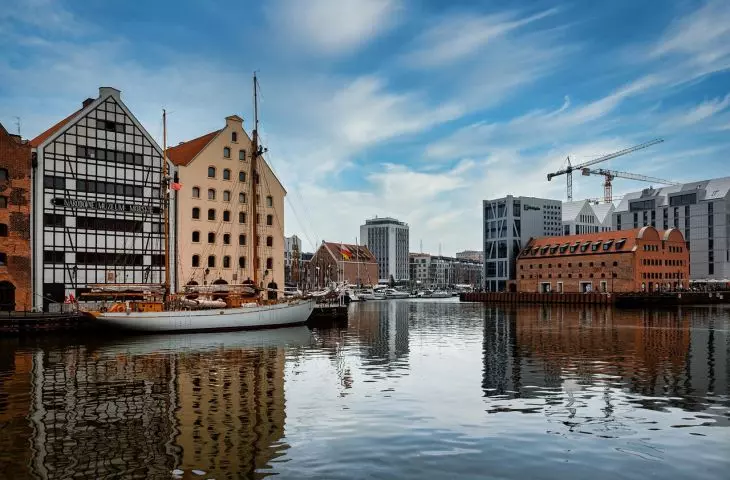
Ewa Karendys: Downtown Gdansk has been experiencing an investment boom in recent years. Buildings are arriving, among others, on the northern and southern tip of Granary Island, the left bank of the Motława River and the area of Torunska Street with the Lower Town. In your opinion, do the emerging investments fit well into the historic neighborhood?
Agnieszka Rózga-Micewicz: Some things are done in accordance with the art of architecture and urban planning, but there are some that could be improved. In architecture, there will always be something to discuss. A lot depends on the quality of materials used and workmanship.
Ewa Karendys: So what investment do you consider successful in downtown Gdansk?
Agnieszka Rózga-Micewicz: I think a good example is the area of the former Gdansk Shipyard, where the coordination of the investment process is done in a coherent way. The main axes that need to be preserved, the links to the water and to the waterfront boulevards are well delineated. The new buildings have very different architecture, different materials and details, while together they combine into a coherent whole and preserve the main tracts of public spaces that lead to the water. Development of the areas: Gdansk Shipyard, Polski Haka and the areas of the World War II Museum will ultimately form a harmonious whole and connect with the existing pedestrian routes in the Old Town and Main Town areas.
Ewa Karendys: When you took up your post, you said that one of the goals would be to design for changing climatic conditions. That's very interesting, because conservators so far have rather not dealt with such issues....
Agnieszka Rózga-Micewicz: These issues are very important to me, while we are looking for a legal framework that will allow the office of the Municipal Conservator of Monuments to support such solutions. The climate is changing, and with it our needs. We want energy use in buildings to be efficient. It is important today to reuse materials that are still in good condition. Such an approach is not only sustainable, but can make up the identity of a building. I will look for opportunities to support those design solutions that move toward sustainable architecture and urbanism. At the same time, the outside is also important: how the building is positioned on the plot and in what kind of environment. Betting on greenery and blue-green infrastructure elements is very important today.
Ewa Karendys: There are discussions in Gdansk about the need for a Cultural Park in the city center. The problem is the lack of compromise between residents who support the idea, and entrepreneurs who are concerned about the restriction of freedom. Will the Cultural Park also help to better protect and display monuments?
Agnieszka Rózga-Micewicz: I think the provisions of this resolution are very necessary, we will strive to work out such a solution that will support both entrepreneurs - because without them the heart of Gdansk will not live - and the needs of residents. The Office of the City Historic Preservation Officer has submitted many indications, amendments and proposals to the park project. The Cultural Park will help regulate the rules for public spaces, facades of buildings, and will support the creation of an authentic expression of the historic part of the city.
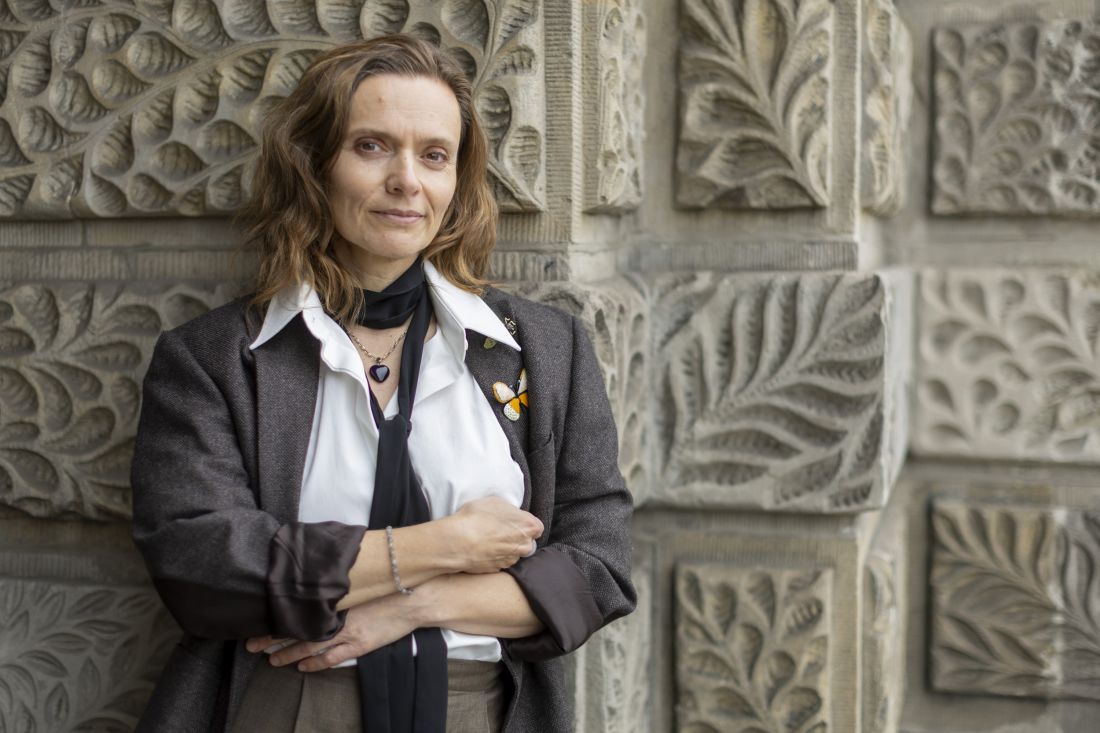
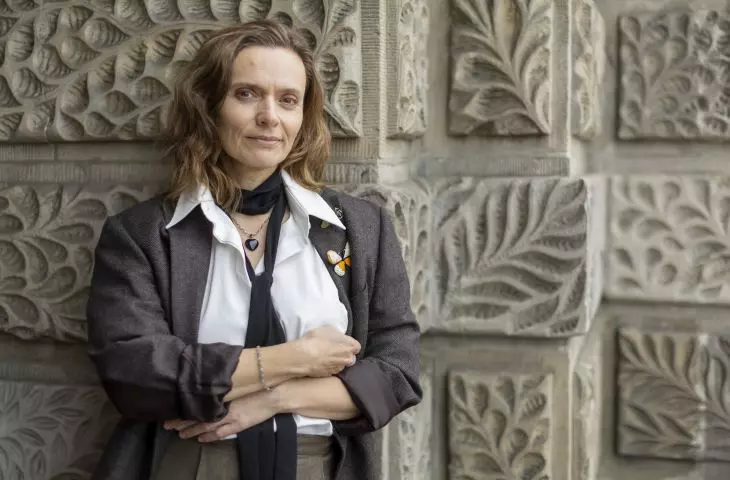
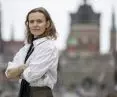
Agnieszka Rózga-Micewicz, City Historic Preservation Officer
Photo: Piotr Wittman/Gdańsk.pl
Ewa Karendys: It's also hot around the plans to demolish the PKS bus station in Gdansk. Should modernist buildings like the Gdansk bus station and the LOT building get more conservation protection?
Agnieszka Rózga-Micewicz: The city's conservator maintains a list of modern cultural assets, and modernist buildings are on this list as much as possible. Architecture from that period is particularly close to me because of my sense of aesthetics, approach to designing details and appropriate composition. During the modernist era, designers planned a coherent appearance of the massing and the interior. I will strive for the conservator's office to support the modernization and renovation of such buildings.
Ewa Karendys: Listing the PKS and LOT bus station building in the register of monuments is a good idea?
Agnieszka Rózga-Micewicz: The details preserved in the PKS station building are valuable, from my point of view the object should be protected. On the other hand, expert analyses are always needed in this type of case and a study of how much of the original building has survived, what elements can be used. Such analyses are needed especially in the case of the LOT building.
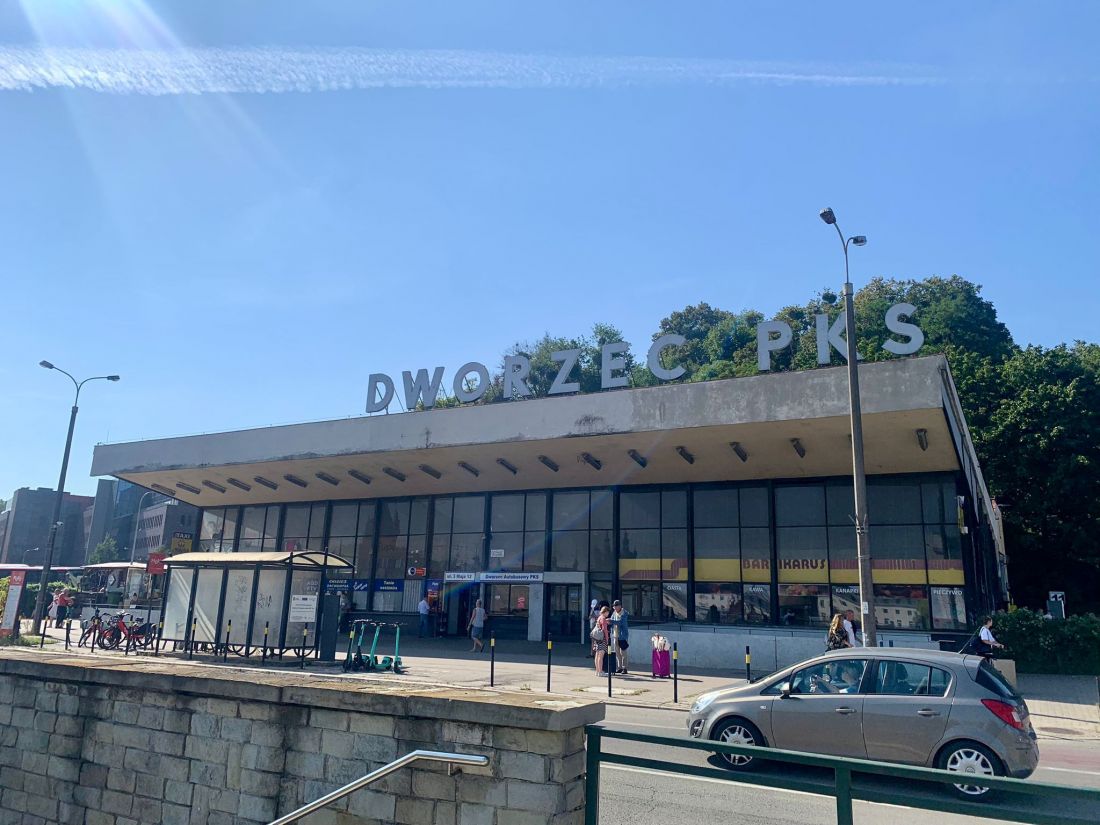
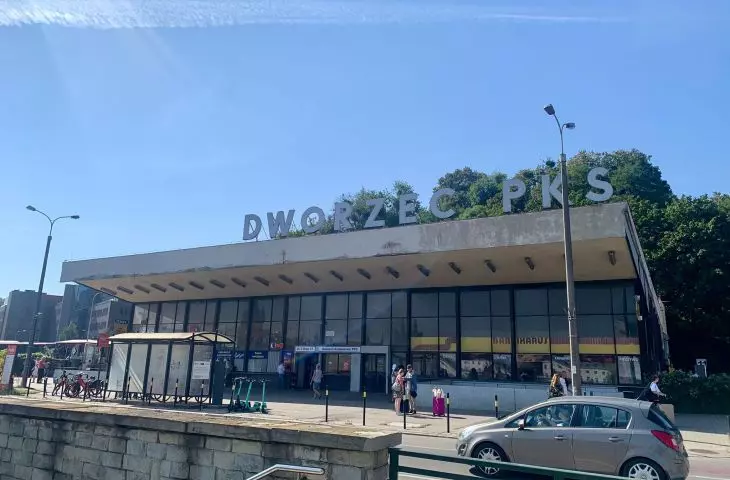
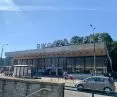
The modernistic building of the bus station in Gdansk
photo: Ewa Karendys
Ewa Karendys: The current LOT building was erected in 1961 as the Furniture House. The snag is that the building has been remodeled many times, which has stripped the modernist exterior of its character and lightness. Protecting the building should involve restoring it to its original state.
Agnieszka Rózga-Micewicz: Yes, but if analyses prove that valuable elements have been preserved in the building, it is worth restoring the original form - then I am most in favor of increasing protection.