










Labyrinth "A Voz do Mar" on Sangres,
designed by Pancho Guedes,
Pedro Ressano Garcia
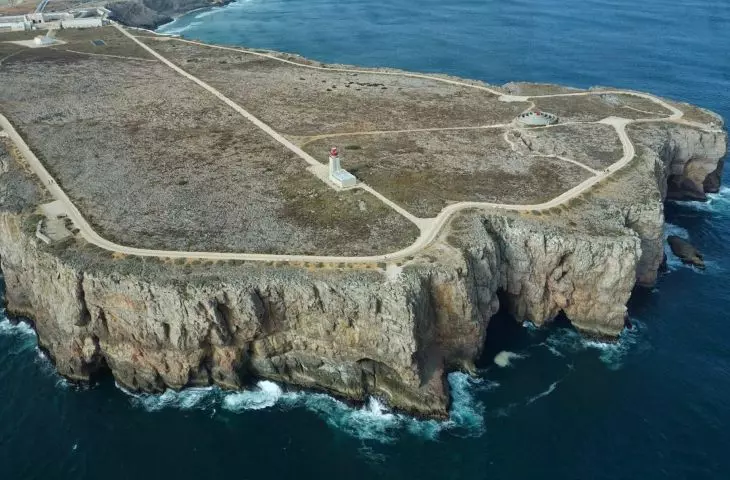
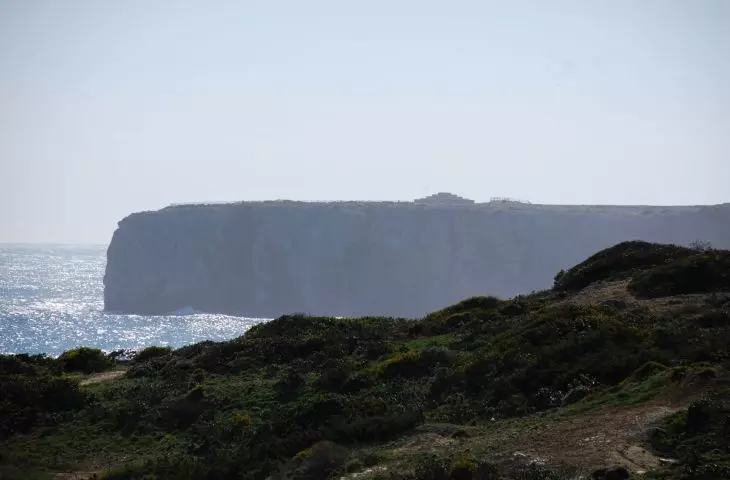
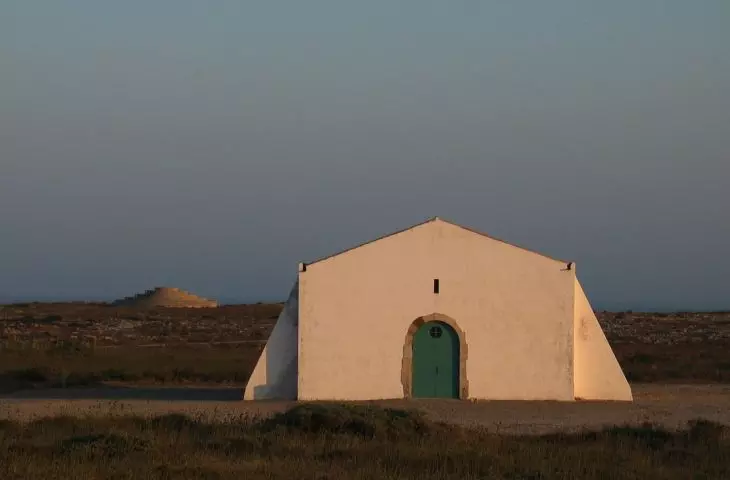
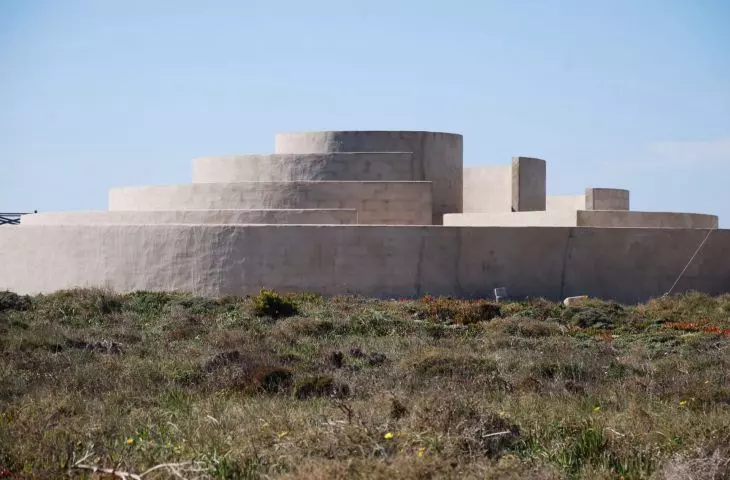
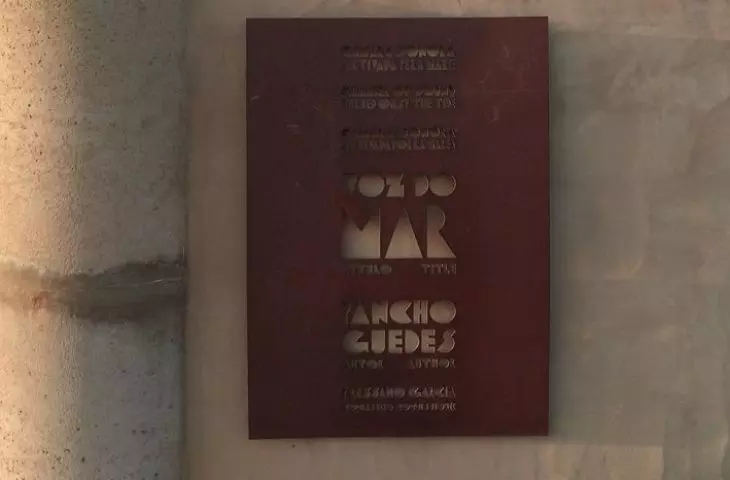
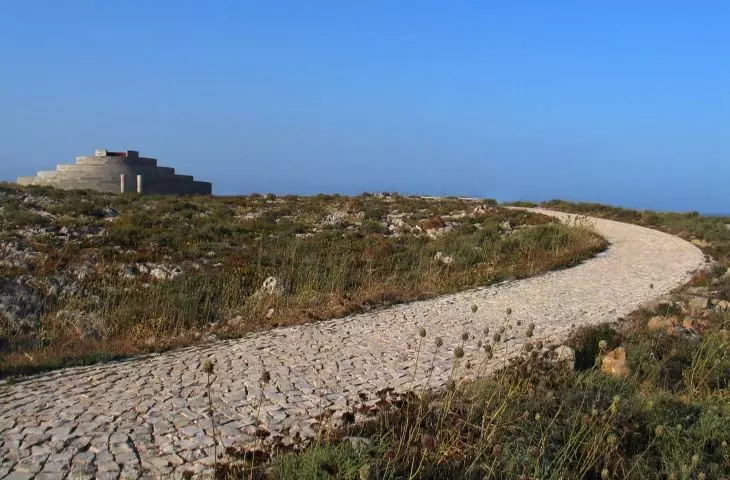
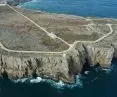
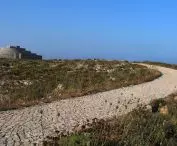
In the countryside of Sagres, near Cape St. Vincent, at Portugal's most southwestern point, a labyrinth has been created that redefines the way we think about space, landscape and the role of architecture in relation to nature. "A Voz do Mar" (Portuguese for "Voice of the Sea") is an intervention designed by Pancho Guedes, in collaboration with Pedro Ressano Garcia, founder of Ressano Garcia Arquitectos. Although formally it has the character of a spatial installation, it is first and foremost a tool for experiencing a place. It's an architecture that doesn't focus on visual form, but rather on the way the space is perceived through the senses - primarily through hearing.
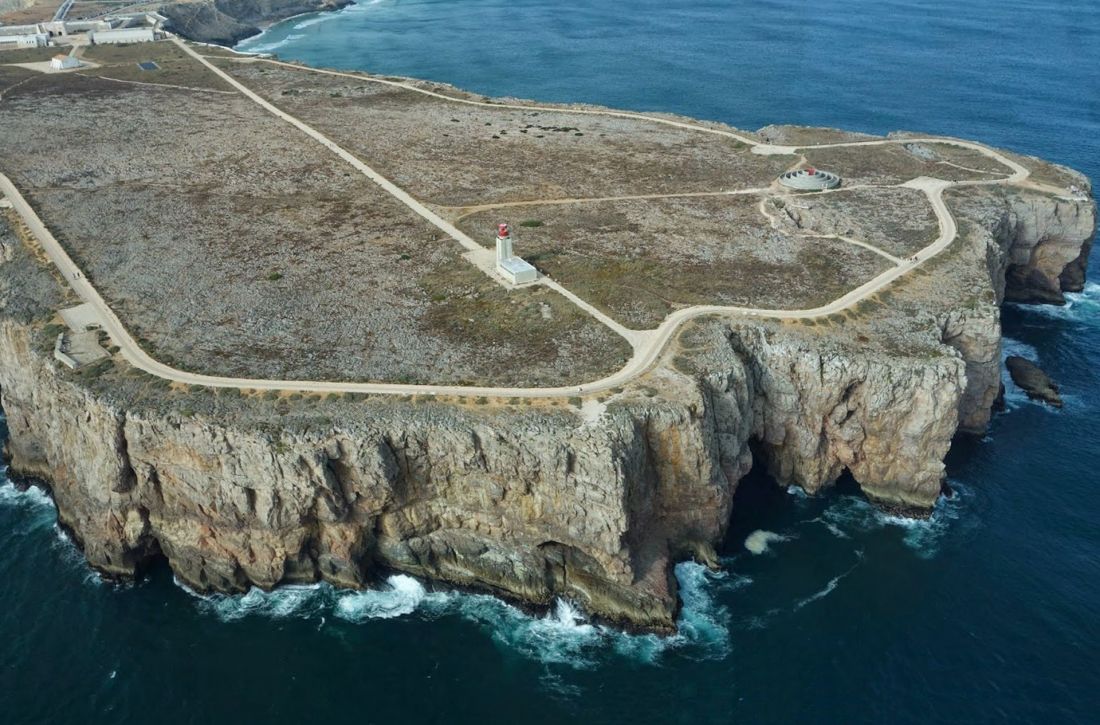
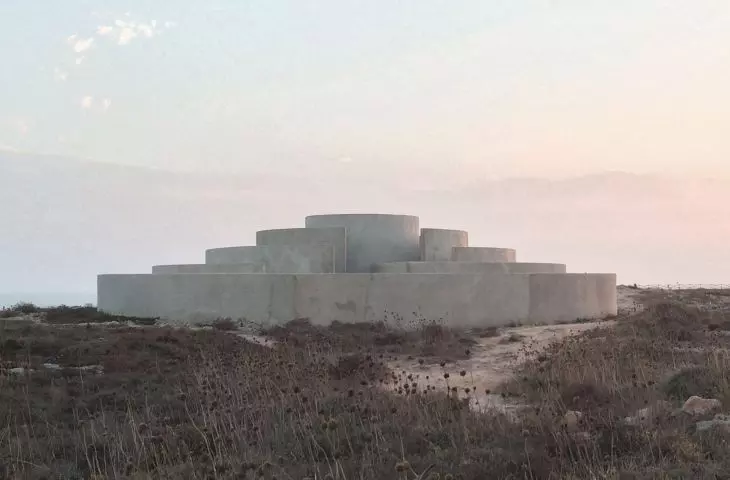
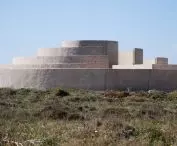
Labyrinth on Sagres - the project is titled "A Voz do Mar," which means from Portuguese: "Voice of the Sea"
© A Terceira Dimensão
from temporary installation to permanent intervention
The project was originally conceived as a temporary art installation in 2010, as part of the Allgarve Contemporary Art program, with the main goal of deepening the experience of a particular place by muting visual stimuli and focusing attention on sound. After five years, in 2015, Pedro Garcia was invited to transform the installation into a permanent realization that would become an integral part of the village of Sagres - without compromising its structure and character. This process required a rethinking of materials, form and the way the space interacted. Not only was the physical structure changed, but also the way visitors interact with the site.
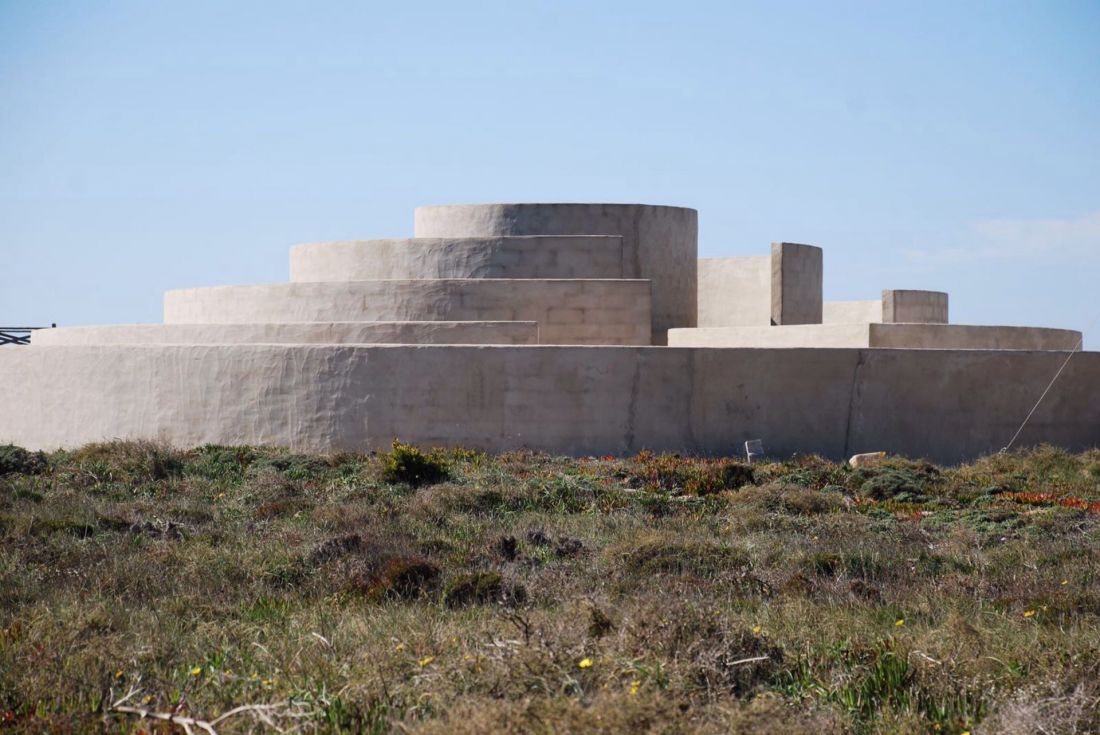
Labyrinth on Sagres - the project was originally conceived as a temporary art installation in 2010, but five years later Garcia was invited to transform the installation into a permanent realization
© RESSANO GARCIA ARQUITECTOS
a structure that leads toward sound
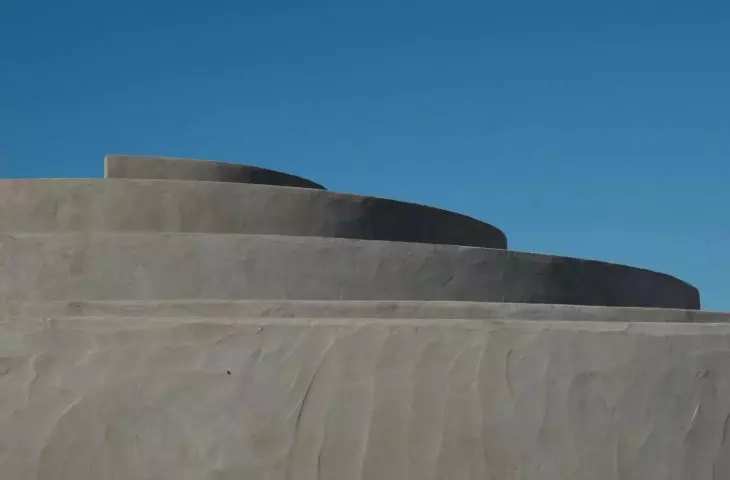
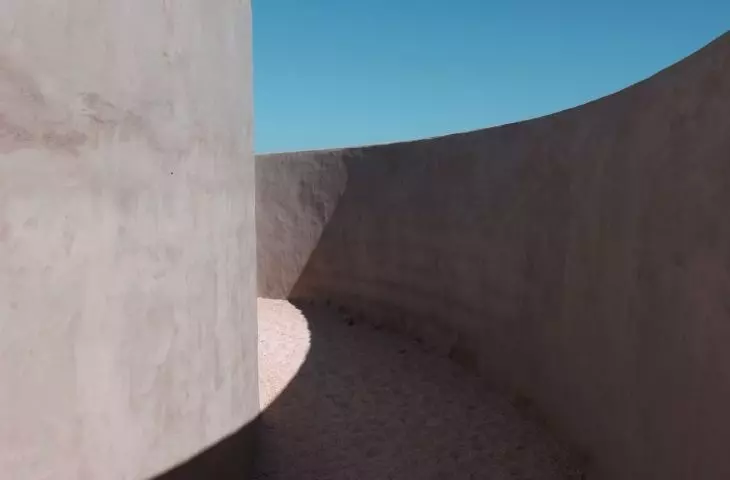
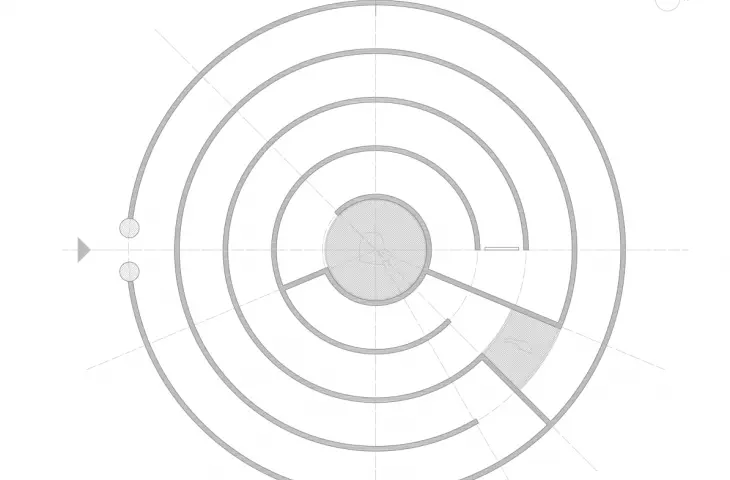
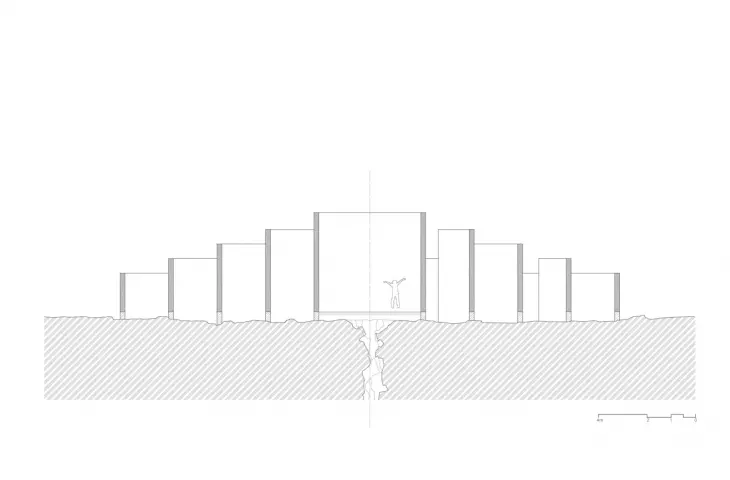
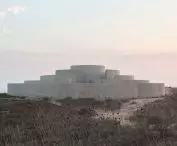
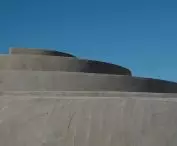
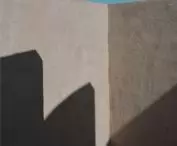
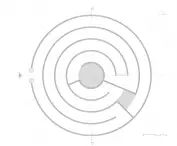
"A Voz do Mar" takes the form of a labyrinth composed of four concentric rings. Each of them has different proportions and heights, and their arrangement gradually limits the field of vision, leading the visitor deeper and deeper towards the center. It is there that the empty circular square - the most important point of the entire installation - is located.
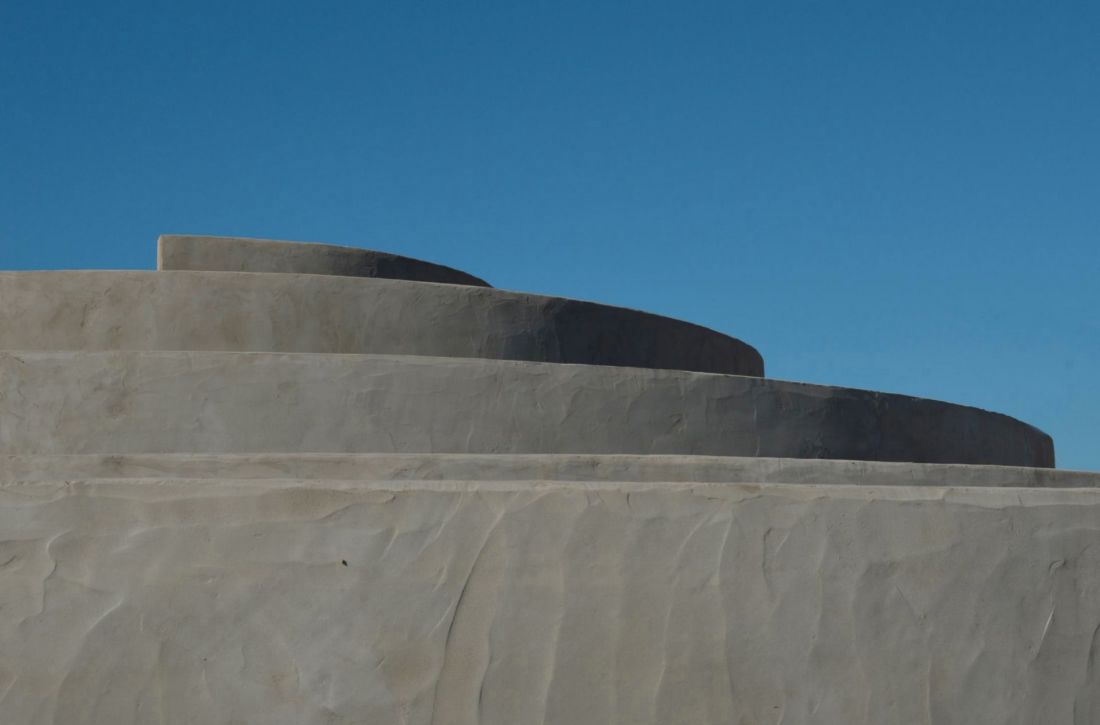
Labyrinth on Sagres - the structure is made up of four concentric rings
© RESSANO GARCIA ARQUITECTOS
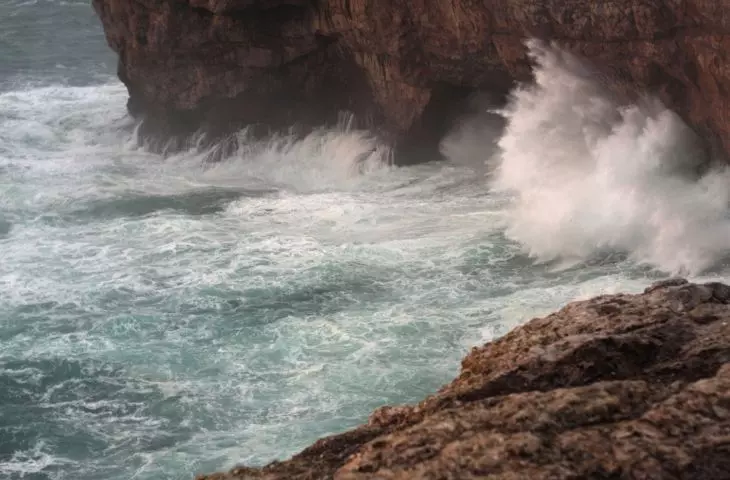
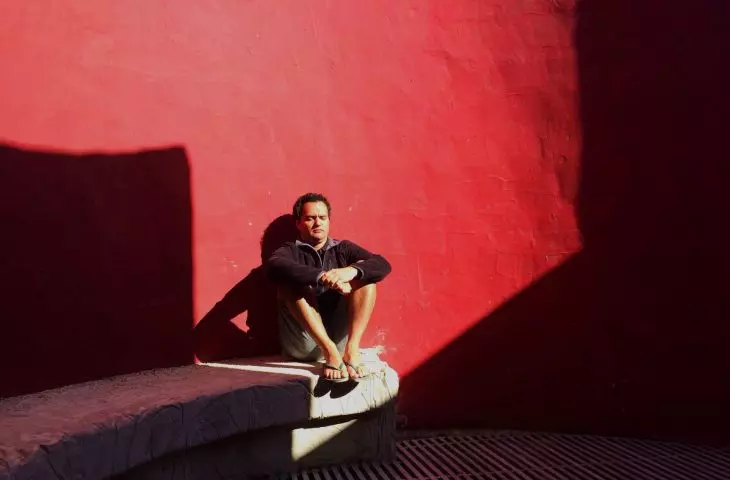
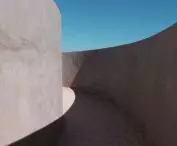
Here the waves hitting the rocky shore can be heard with greater intensity. The sound is amplified by the form of the space, but also by the reduction of all other stimuli. There are no decorative elements, no unnecessary messages. There is only a relationship: person - place - sound.
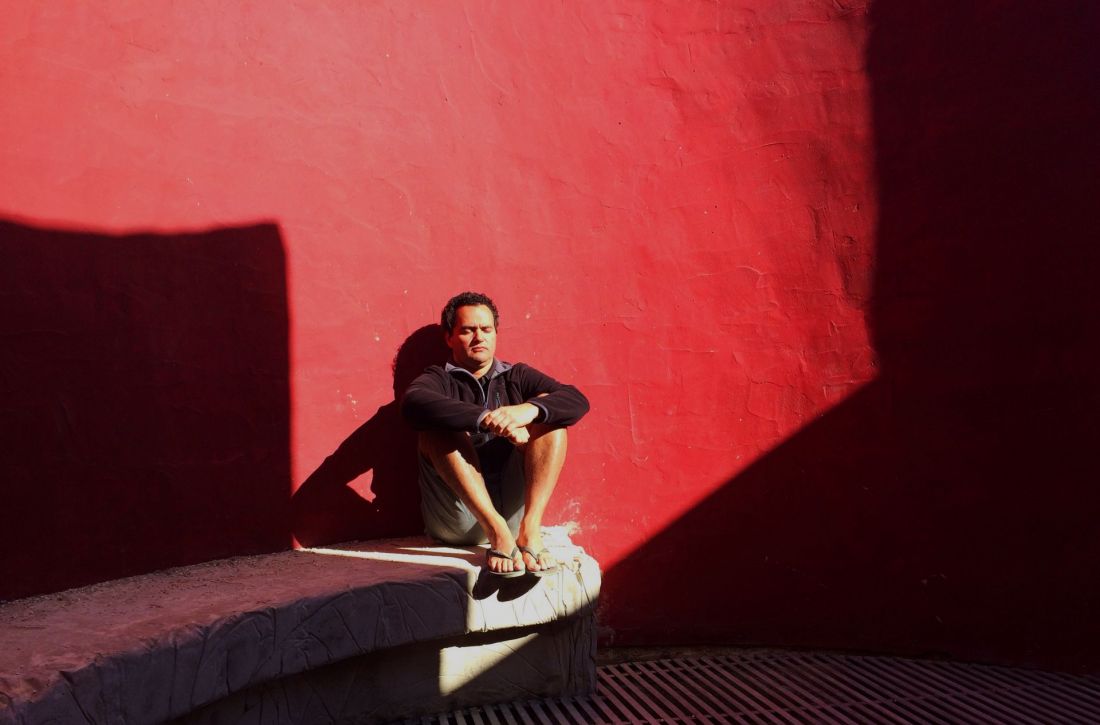
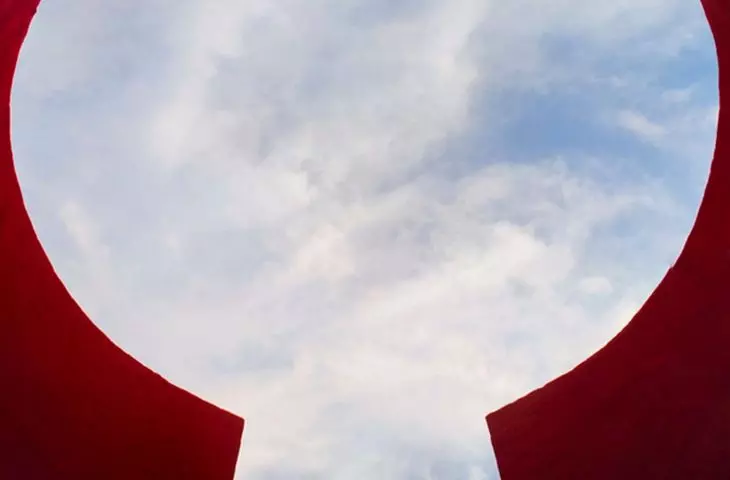
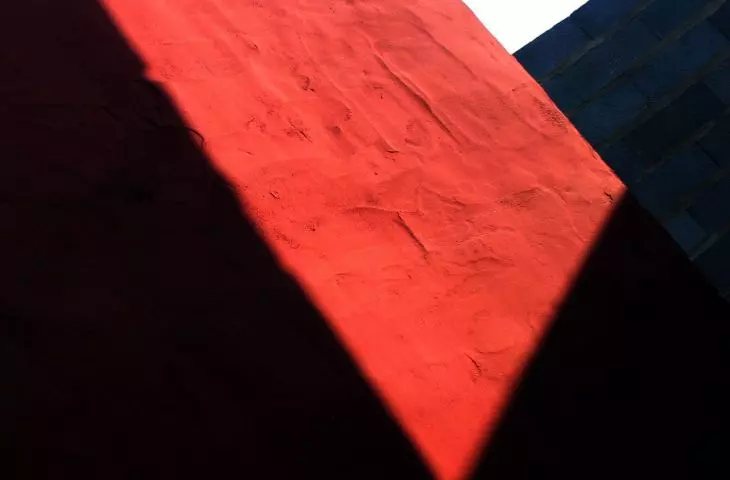
Labyrinth on Sagres - inside the labyrinth is a plaza, which is surrounded by walls of intense red color
© RESSANO GARCIA ARQUITECTOS
sound as the main means of expression
The title of the intervention - "A Voz do Mar" (Portuguese for "Voice of the Sea") - indicates that sound is the key vehicle of content. The sound of the waves, which usually accompanies a walk along the seashore naturally, here becomes deliberately exposed and focused. The architecture acts as a filter - it separates what is irrelevant and directs attention to what is usually overlooked.
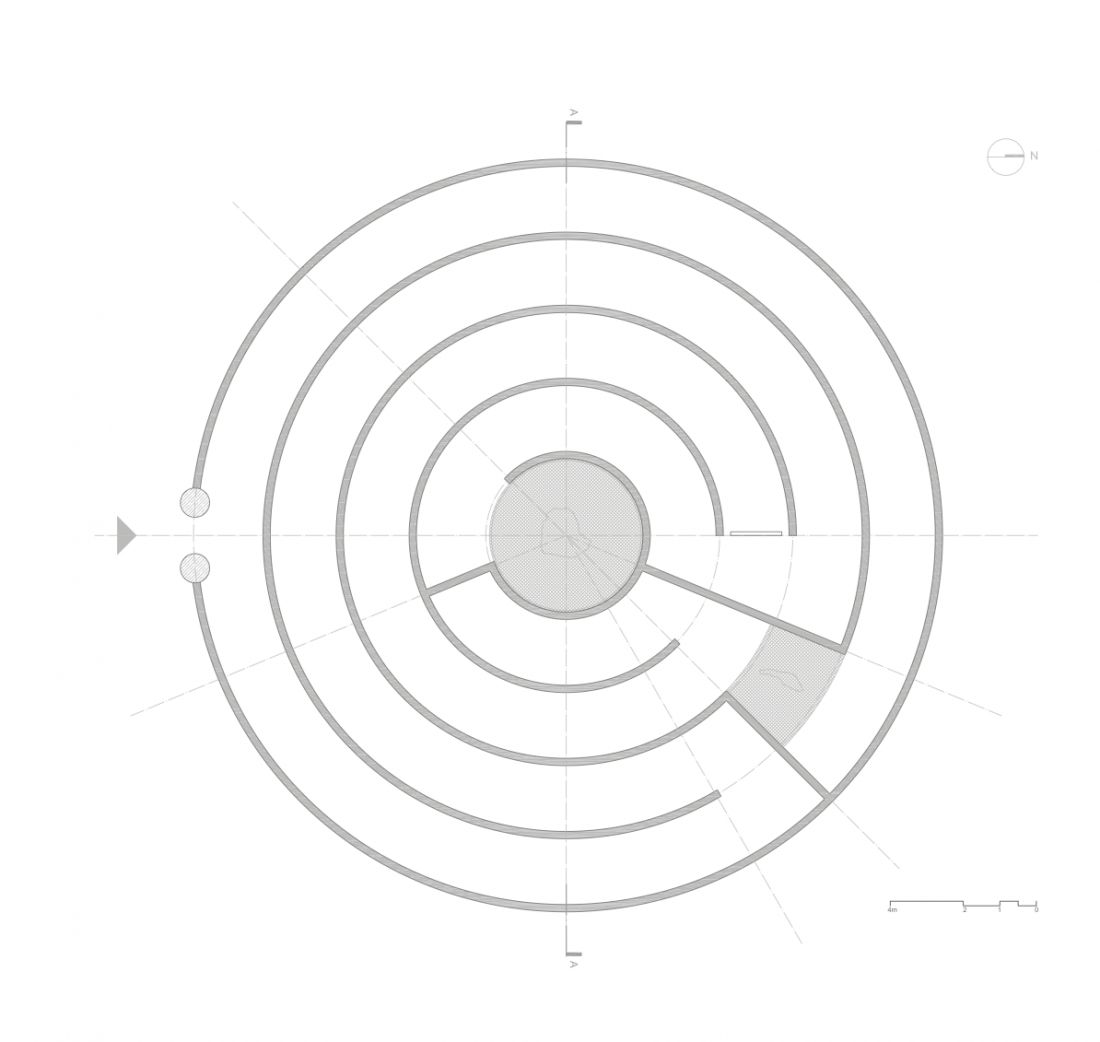
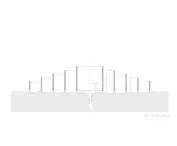
Labyrinth on Sagres - project plan
© RESSANO GARCIA ARQUITECTOS
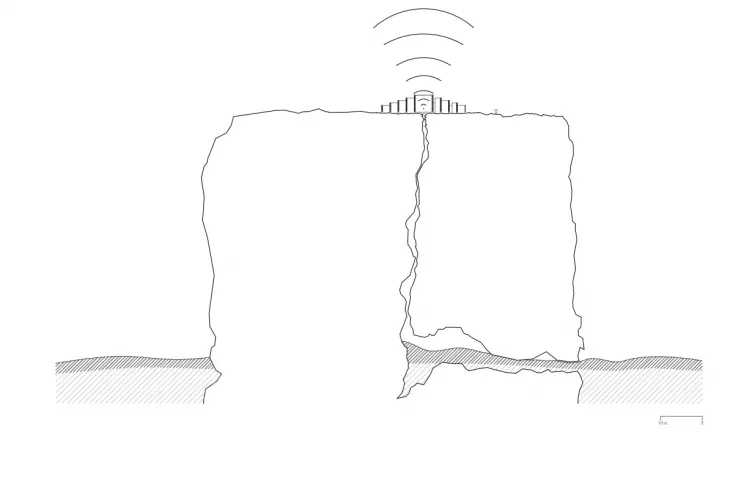
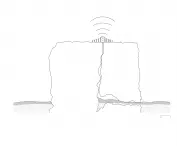
This spatial solution can be compared to an acoustic chamber - not technological, but natural. The central point of the installation is located directly above a geological fault, which further enhances the reception of sound waves. Instead of using advanced technical means, the design is based on precise modeling of the space and conscious use of the existing context.
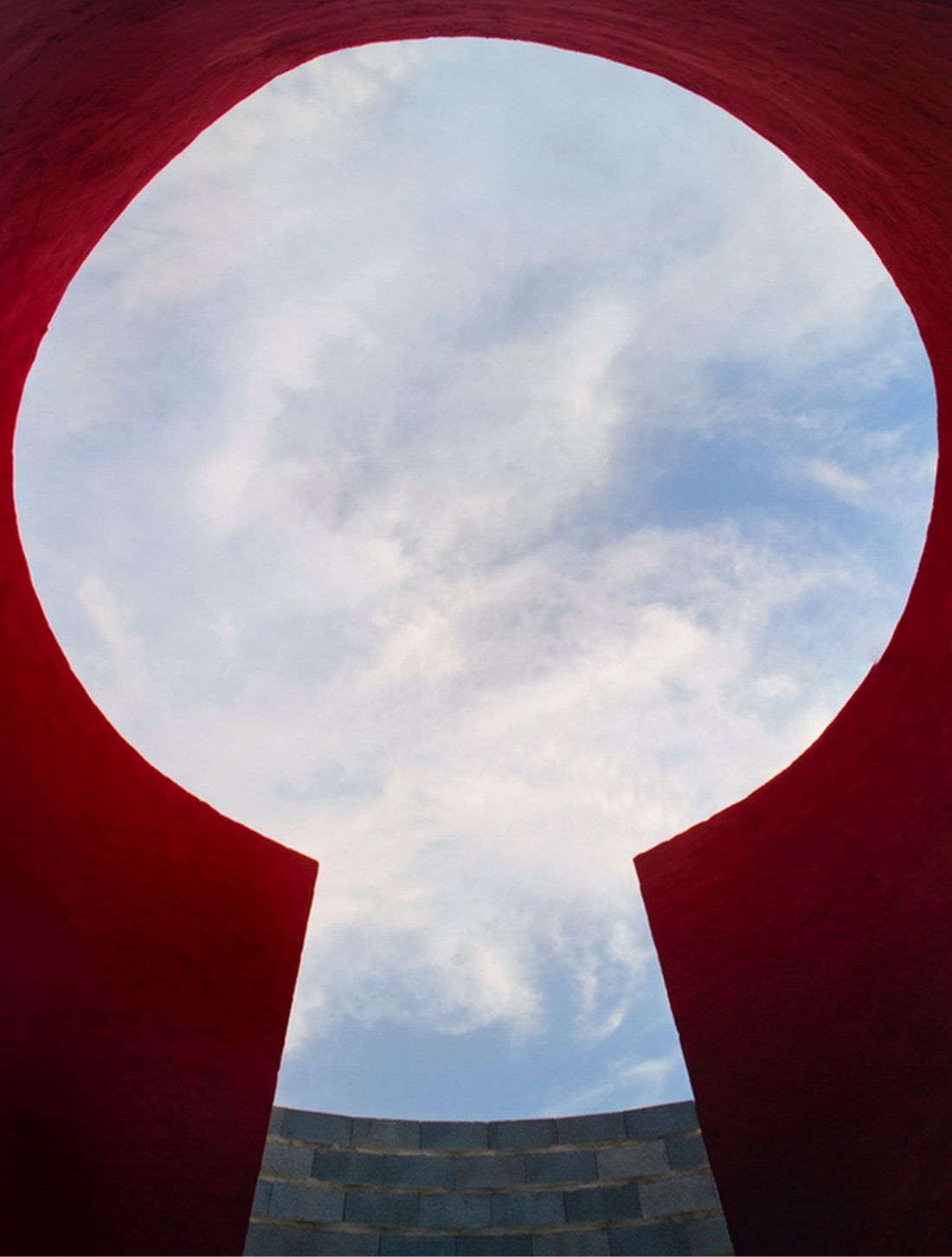
Labyrinth on Sagres - view from the perspective of the central square
© Vasco Célio
respect for place and landscape
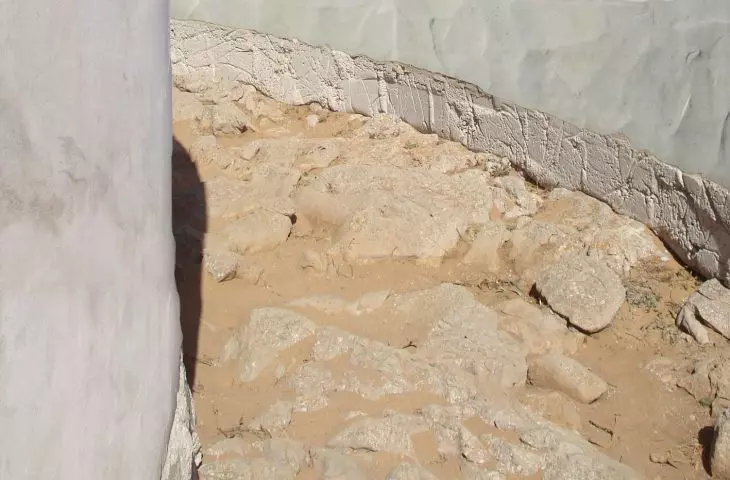
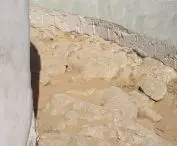
One of the most important considerations of the project was minimal interference with the site. The path surfaces were made of permeable materials to preserve the natural soil structure. The entrance to the installation faces south - towards the ocean - emphasizing the direction of movement and the symbolic meaning of the space. The form of the labyrinth not only leads toward the sound, but also forces one to slow down, change perspective, and be more attentive. The installation does not offer one imposed way of moving - each of the possible paths leads to the same point, but each explores the space slightly differently.
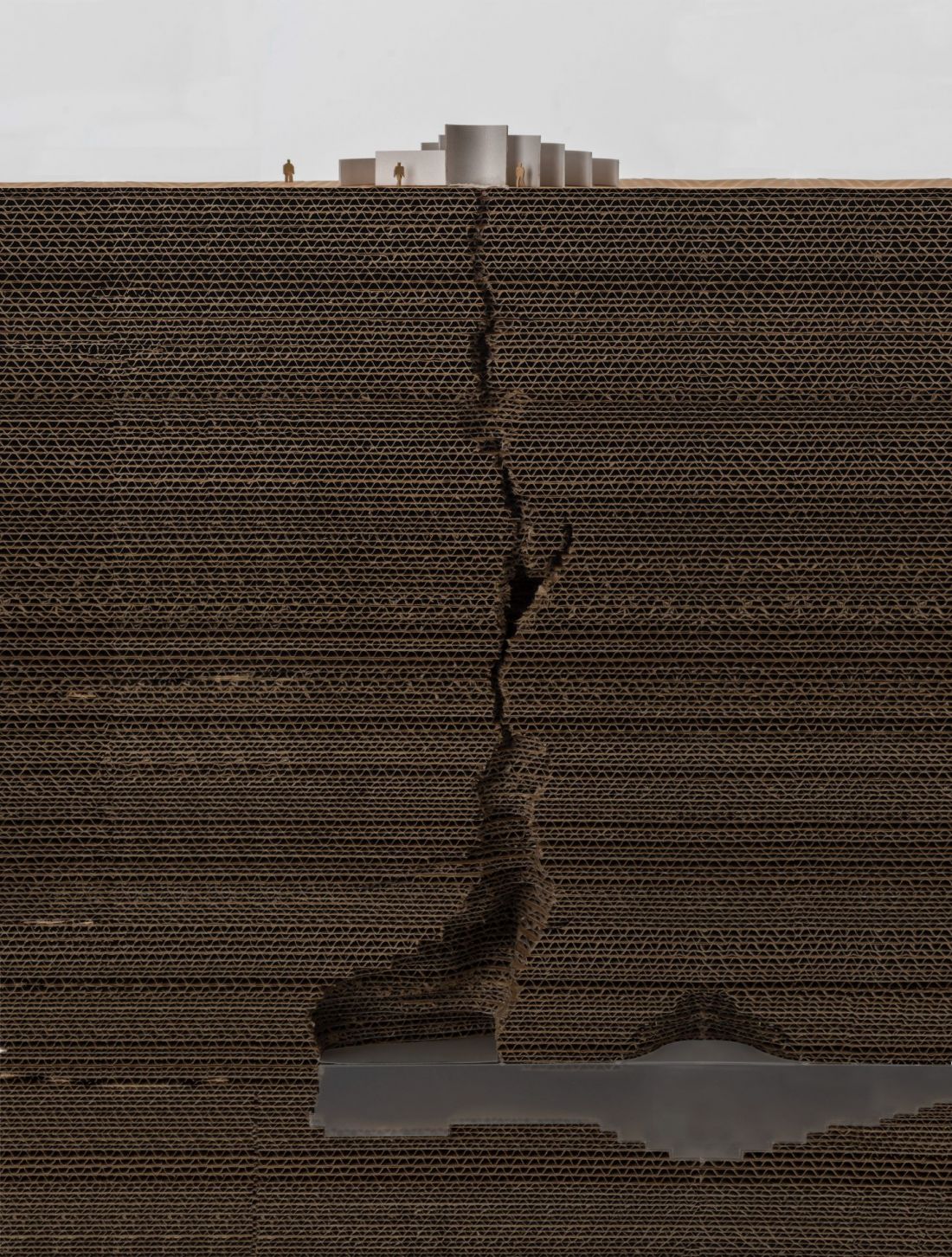
Labyrinth on Sagres - project model
© RESSANO GARCIA ARQUITECTOS
architecture as a tool for contemplation
Guedes and Garcia's design has no utilitarian function in the traditional sense. It is not a vantage point, nor is it a monument. It is a space designed for reflection, for attentive listening, for discovering the value of a place through the senses. "A Voz do Mar" proposes an experience built on simplicity and concentration. It does not impose content or explain symbolism. Instead, it allows one to come into direct contact with the landscape and its natural features. It is not an object to be viewed from the outside - it is an experience that requires presence. It does not register in the memory as an image, but as a state - a moment of tranquility, attentiveness and contact with the essentials: earth, air and sound.
Elaborated: Anastazja Gibas
Illustrations provided courtesy of Ressano Garcia Arquitectos studio.