




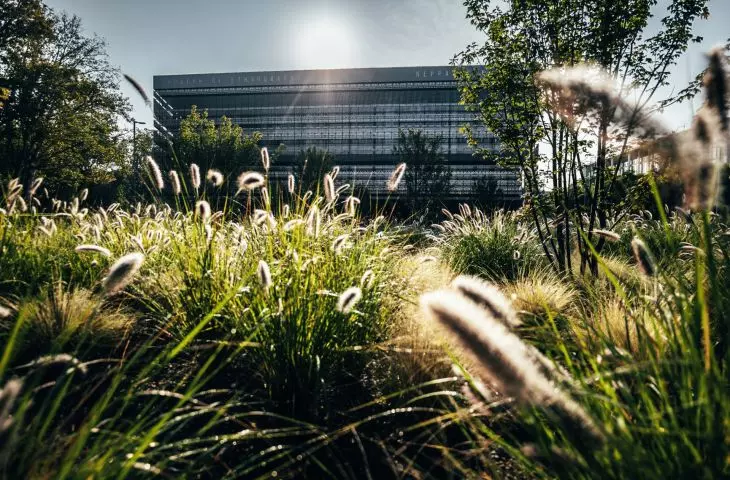
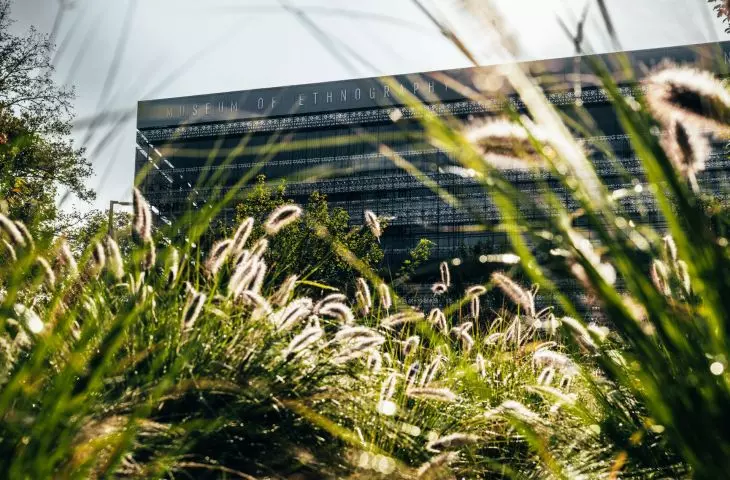
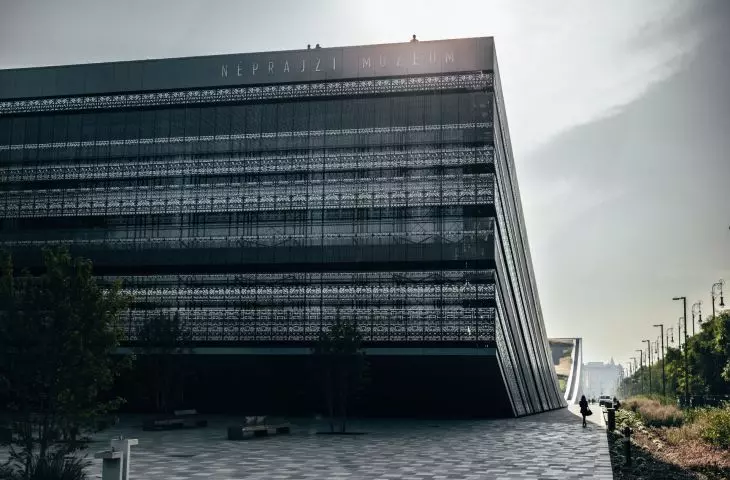
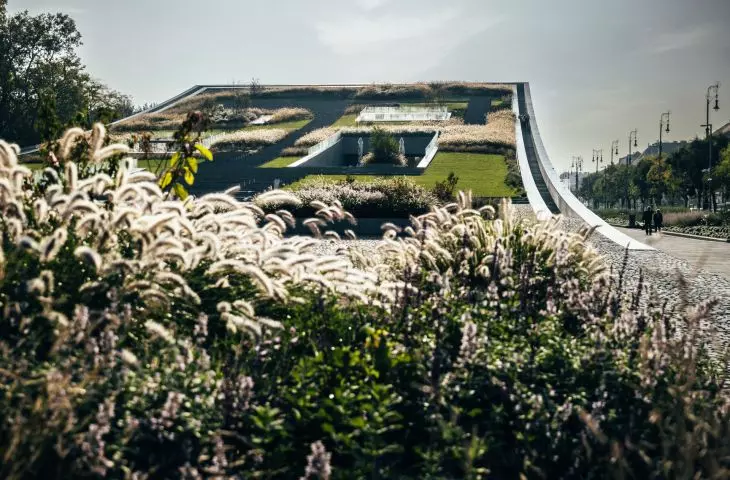


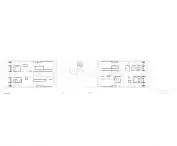
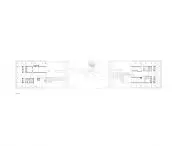
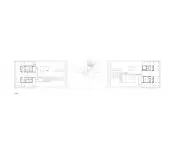
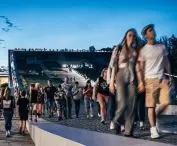
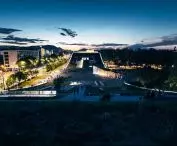
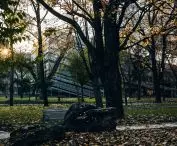
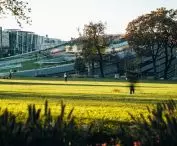

The headquarters of the Ethnographic Museum,
design: Napur Architect
The new headquarters of the Ethnographic Museum opened in Budapest in 2022. The building is not only impressive in its architectural form, but also represents a significant turning point in the history of Hungarian culture. Designed by Marcel Ferencz and the Napur Architect studio, the building was constructed as part of the extensive Liget Budapest project - Europe's largest cultural urban space revitalization project. However, the new museum is much more than an institutional headquarters - it is a space where history, modernity and reflection on the heritage of societies from around the world meet.
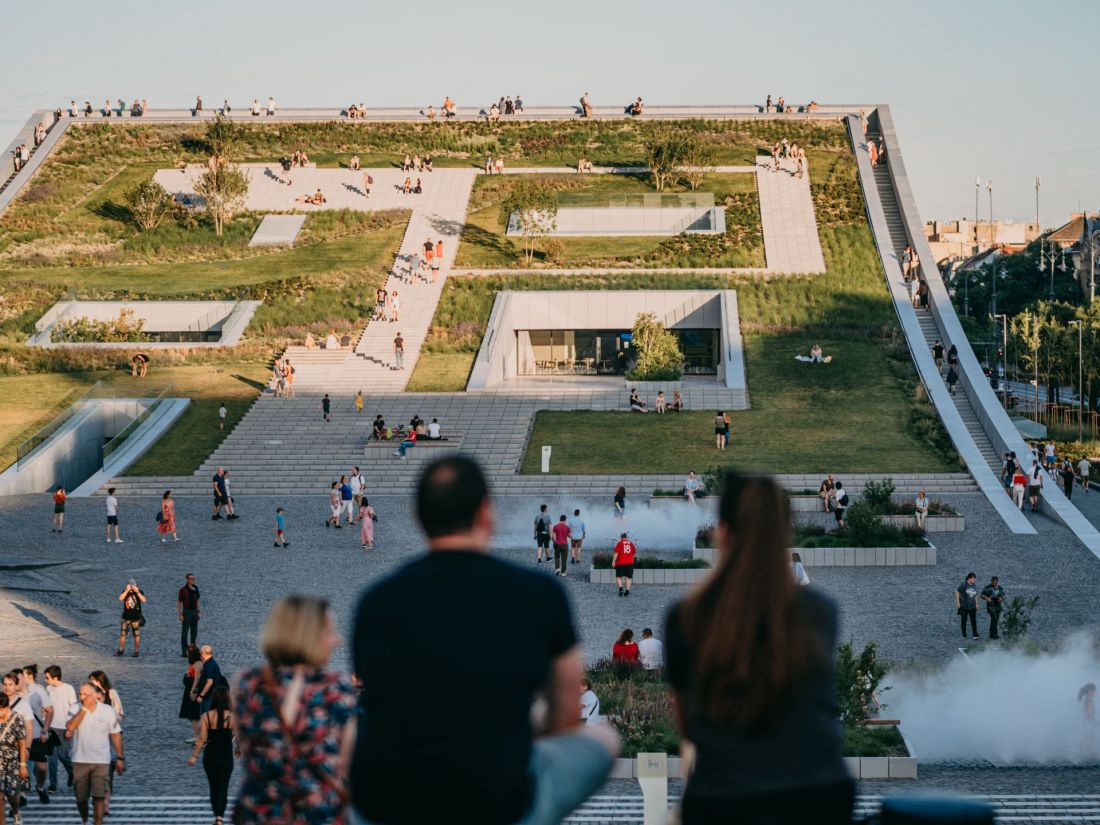
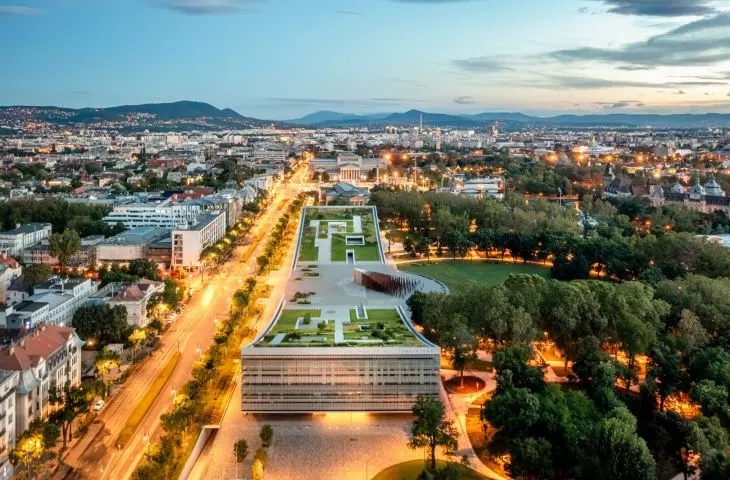
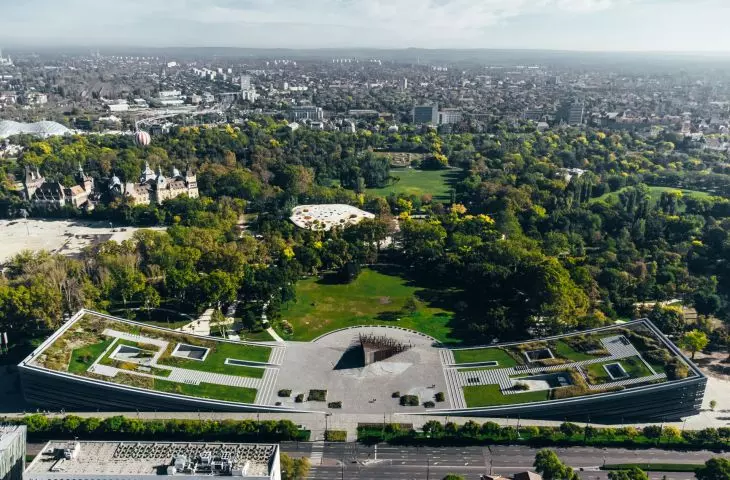
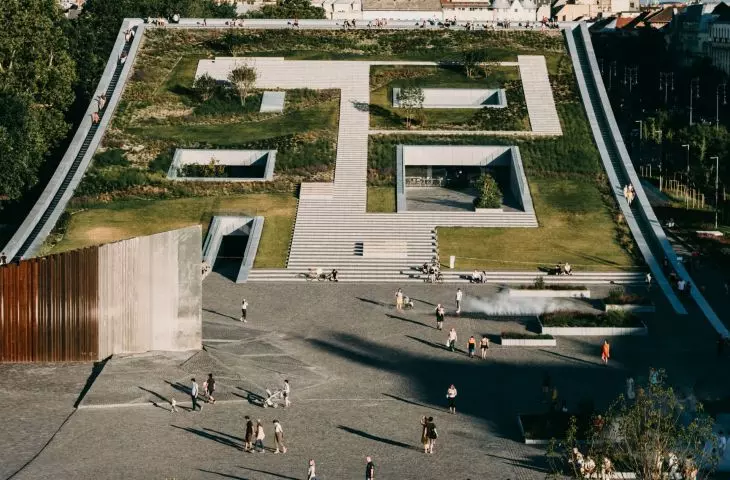
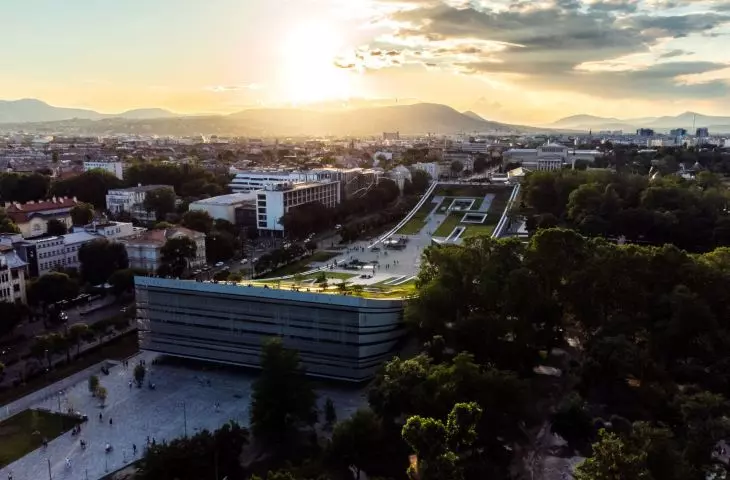
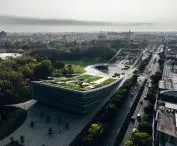
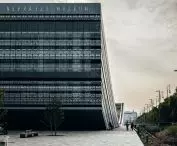
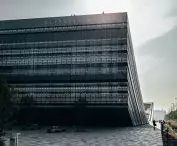
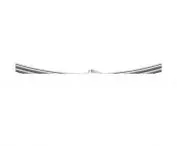
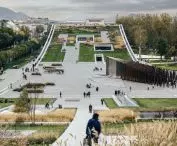
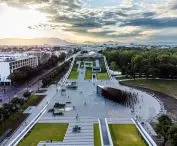
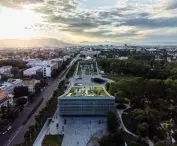
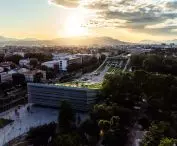
Headquarters of the Ethnographic Museum, Budapest - the building's subtly curved silhouette creates a symbolic transition, connecting the city space with the greenery of the park
photo by Incze László © Napur Architect
architecture as a language of storytelling
The body of the new museum was selected through an anonymous international competition, to which the most respected names in contemporary architecture were invited, including the studios of Zaha Hadid, Bjarny Ingels, Rem Koolhaas and Bernard Tschumi. In the end, the jury unanimously chose the design of the local team NAPUR Architect.
The fact that the Hungarian project beat such strong competition is one of the greatest achievements of contemporary Hungarian architecture
-noted Benedek Gyorgyevics,
CEO of Városliget Zrt.
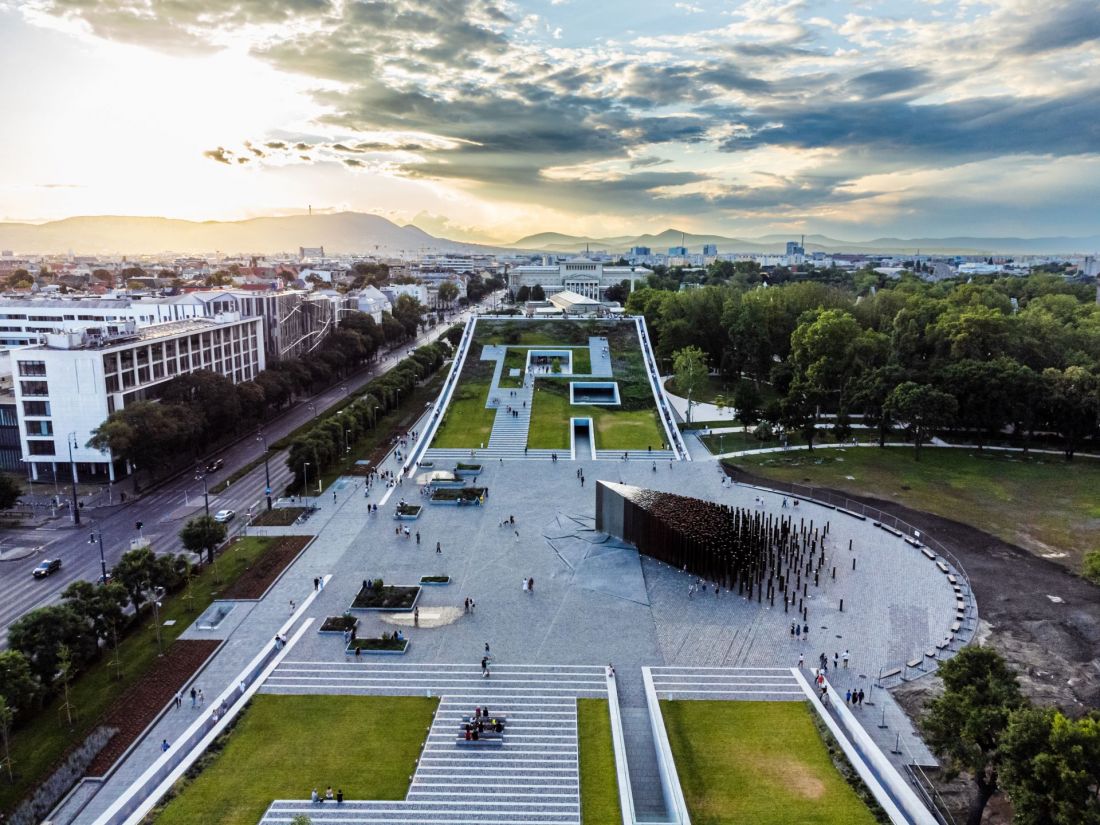
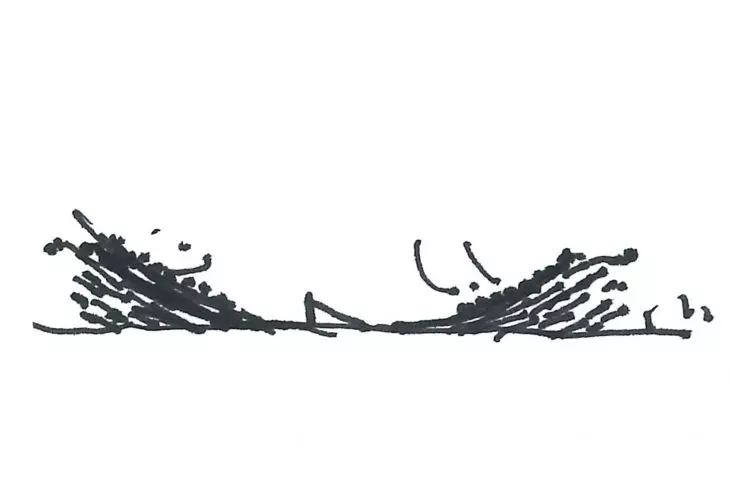
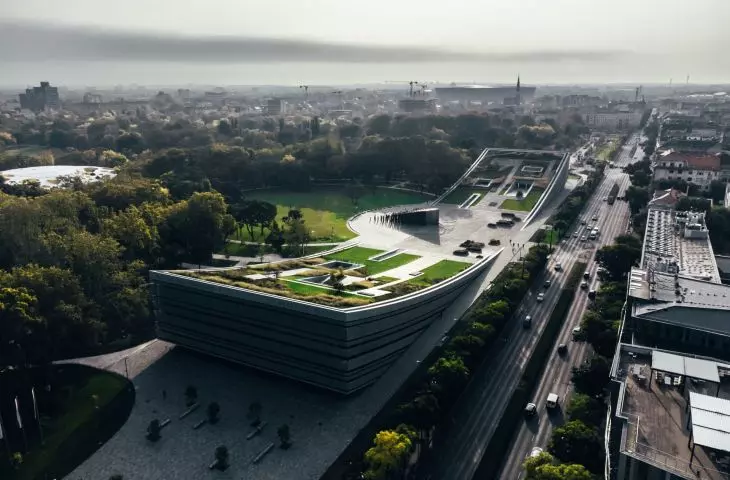
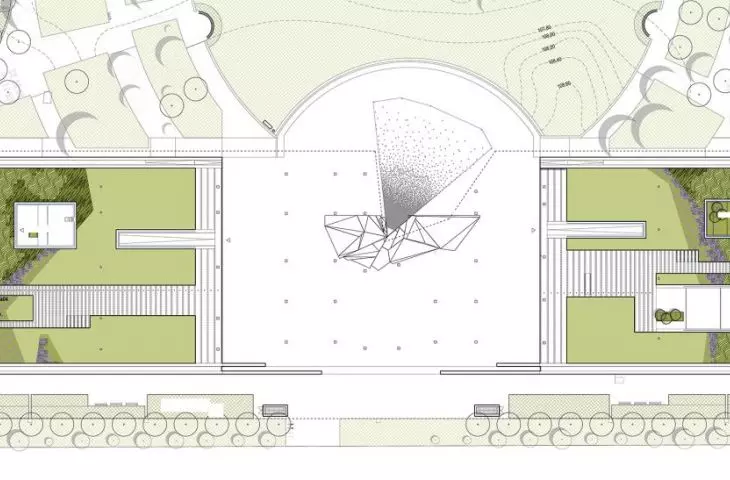
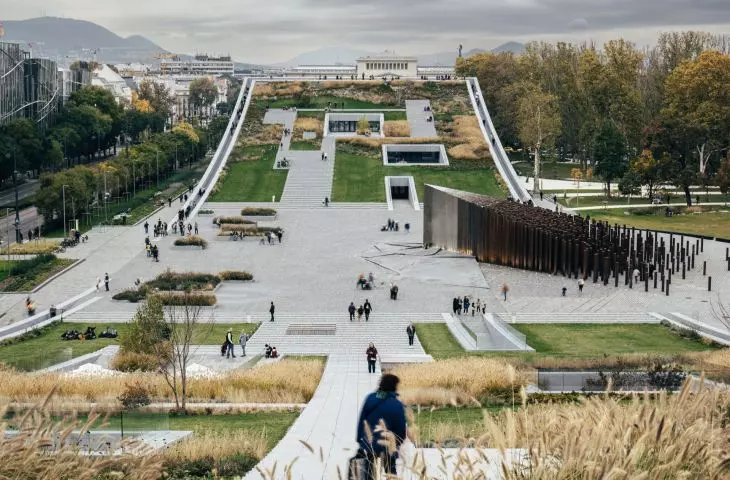
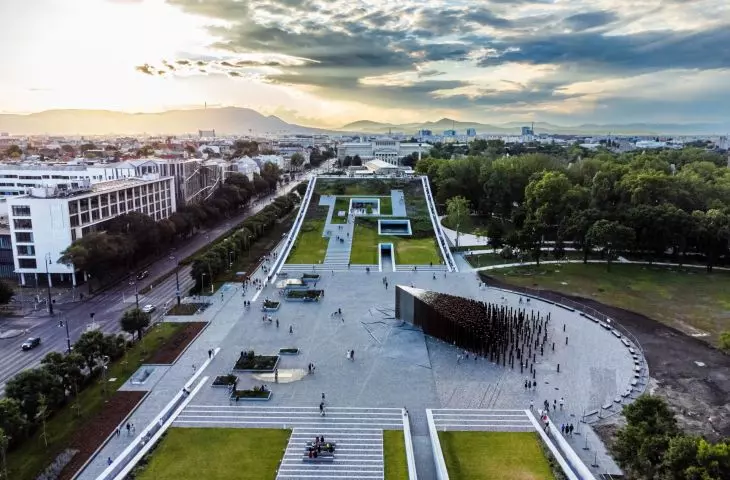
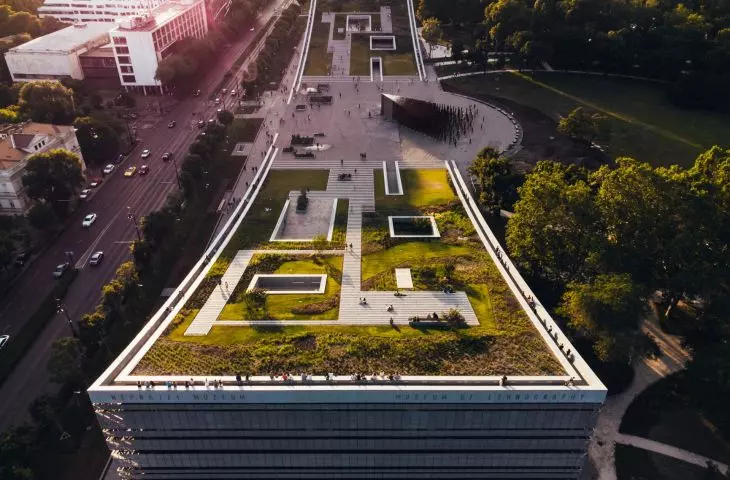
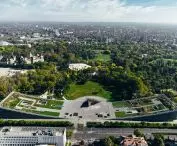
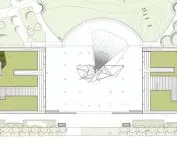
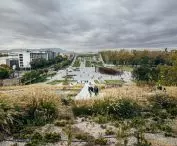
Headquarters of the Ethnographic Museum, Budapest - between the two wings is the 1956 Revolution Monument
photo by Incze László © Napur Architect
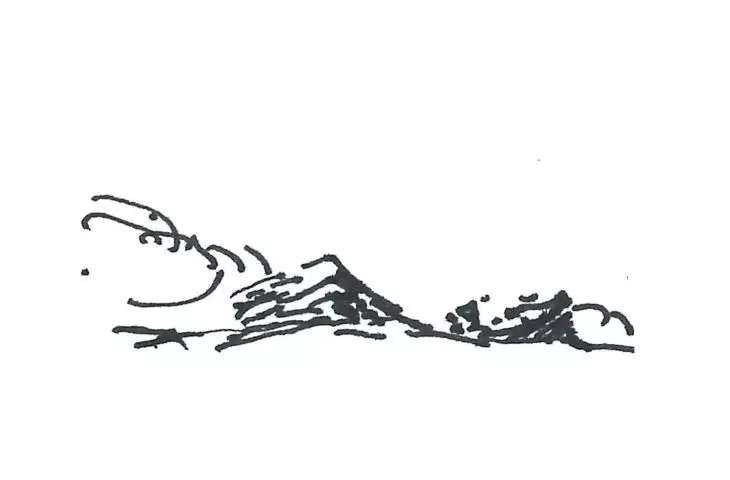
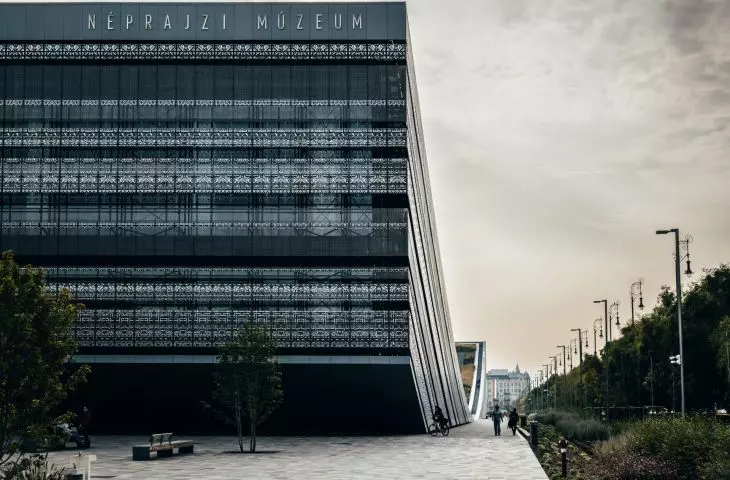
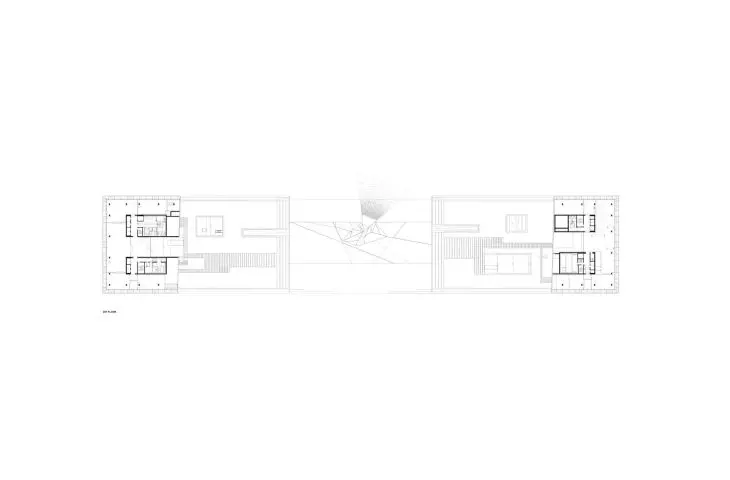
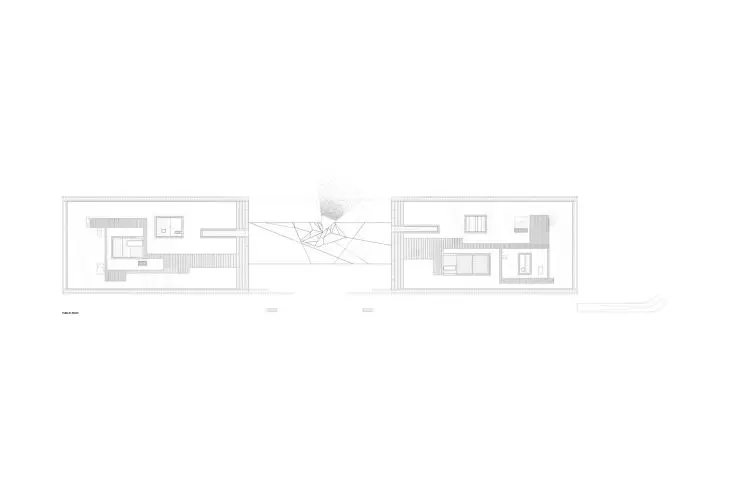
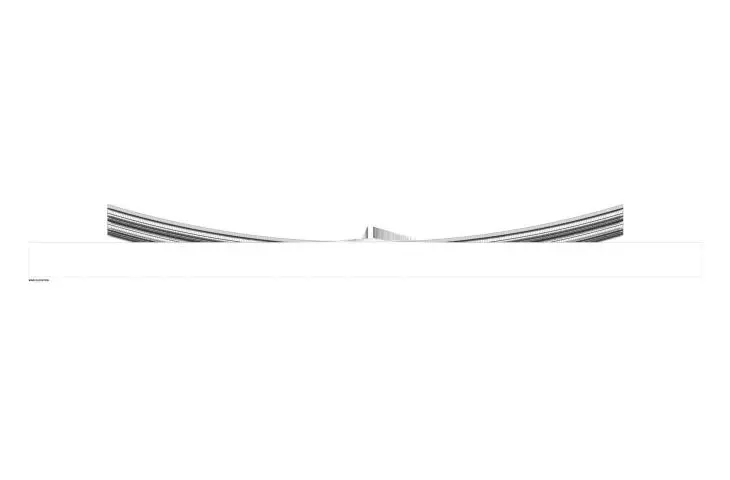
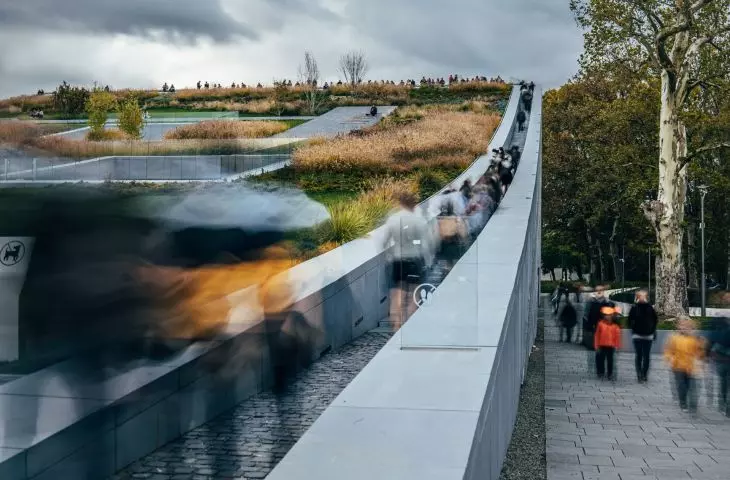
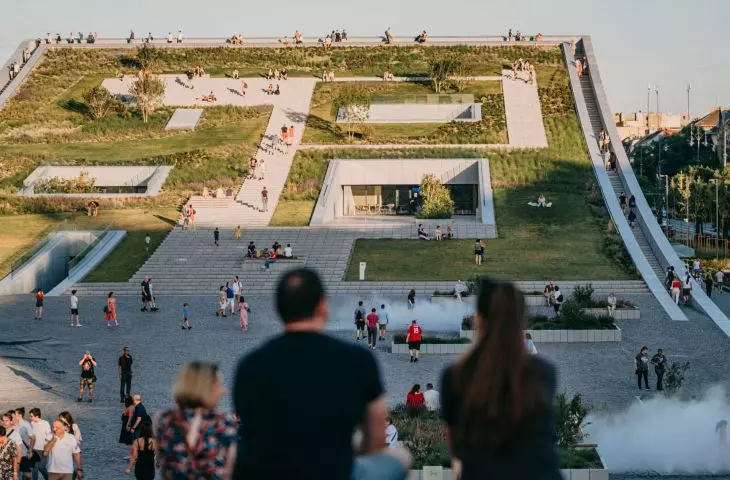
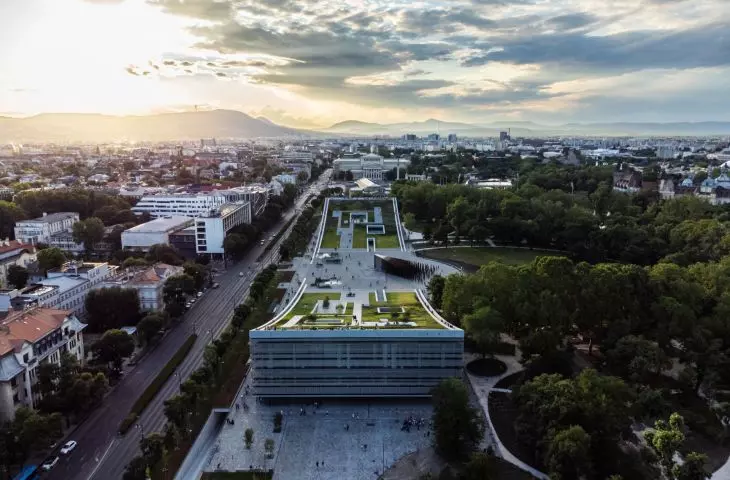
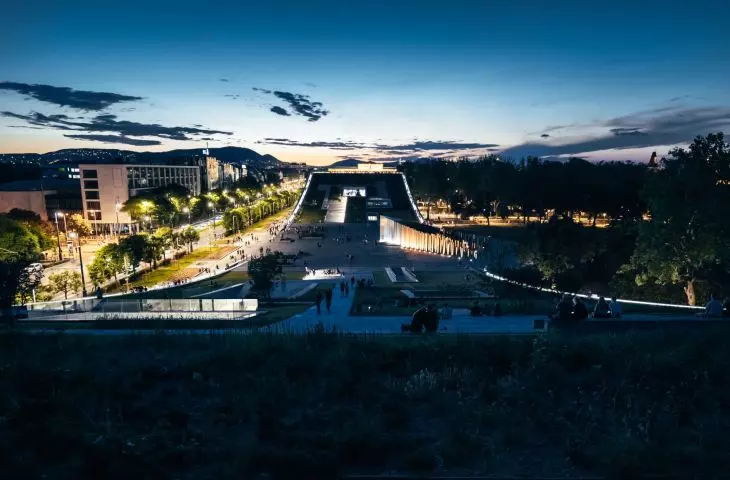
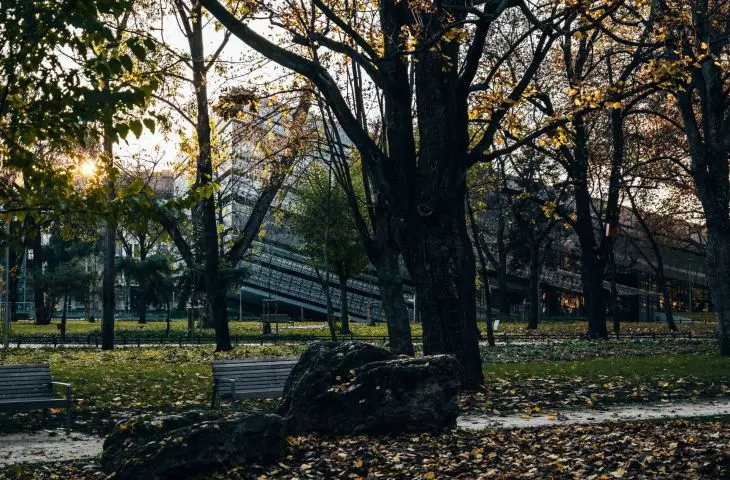
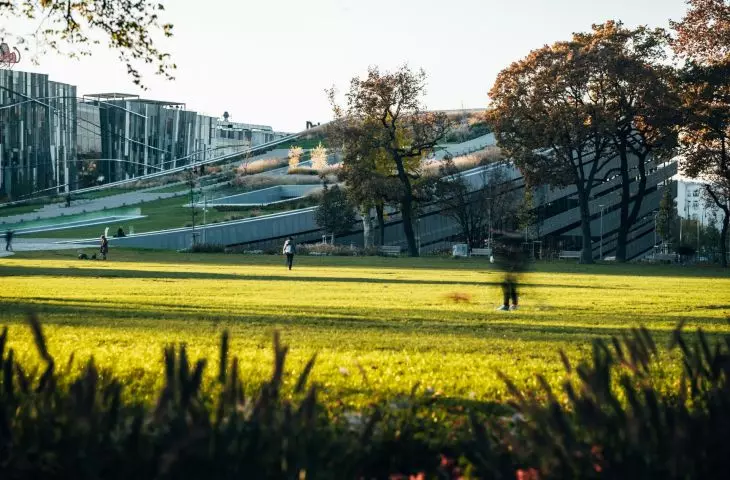
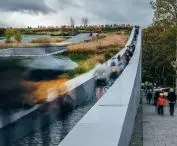
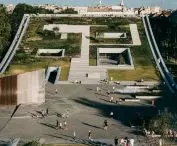
The project is characterized by a dynamic form that blends seamlessly into both the park's natural surroundings and the urban structure. The building's subtly curved silhouette creates a symbolic transition, connecting the city space with the greenery of the park. The building's form resembles two touching hills, blending into the landscape of the City Park (Városliget). Between them is an open space in which the 1956 Revolution Monument is placed, further reinforcing the building's symbolic rooting in the country's history.
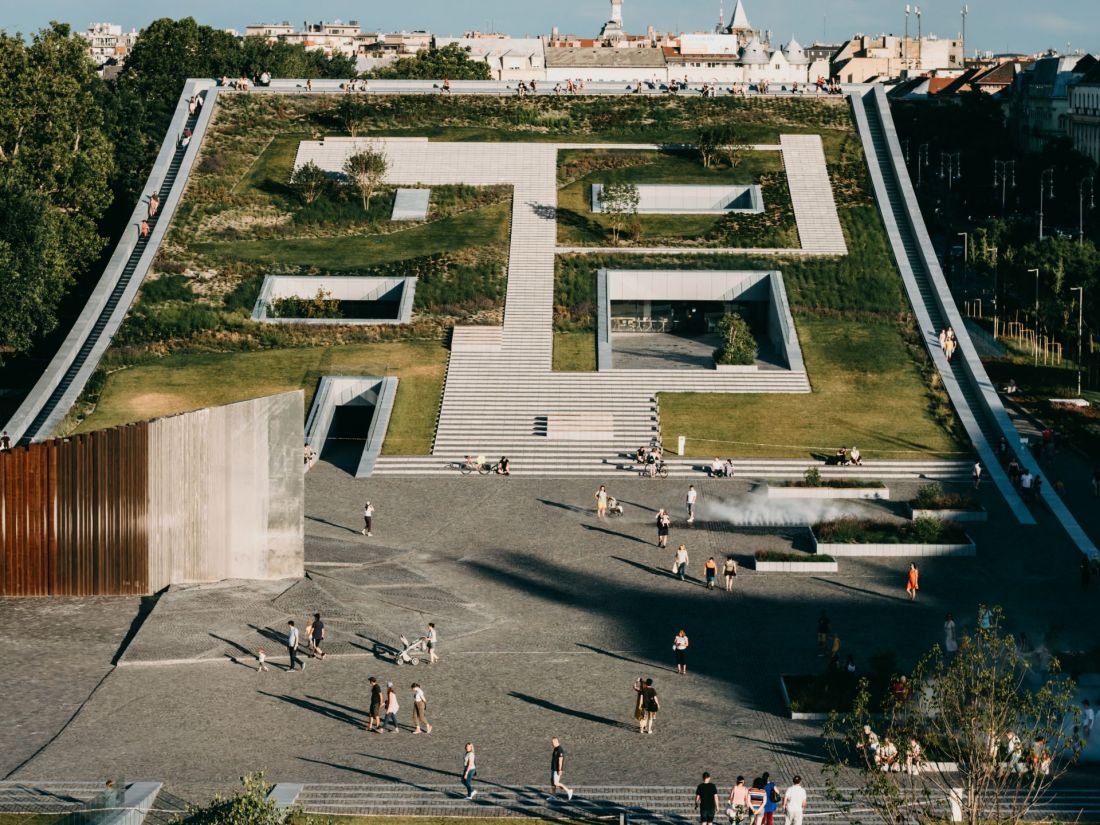
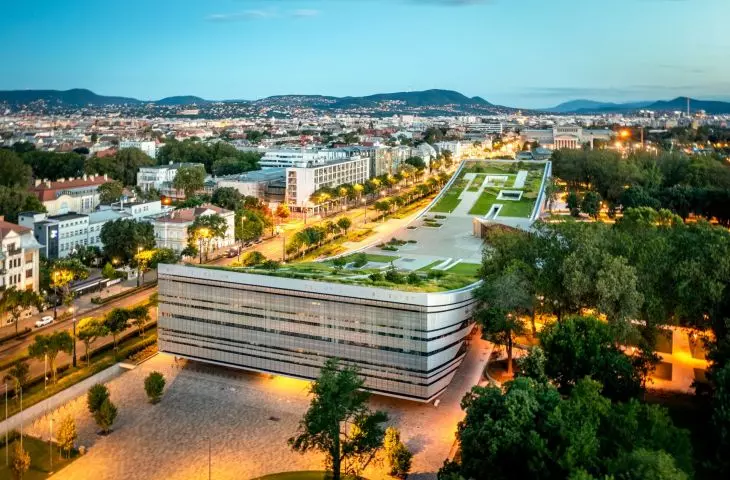
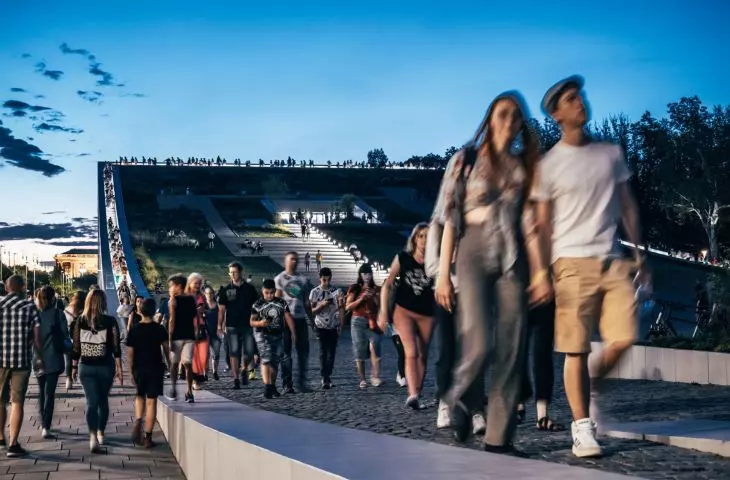
Headquarters of the Ethnographic Museum, Budapest - the wings of the museum gently descend, creating a fluid, organic form
photo by Incze László © Napur Architect
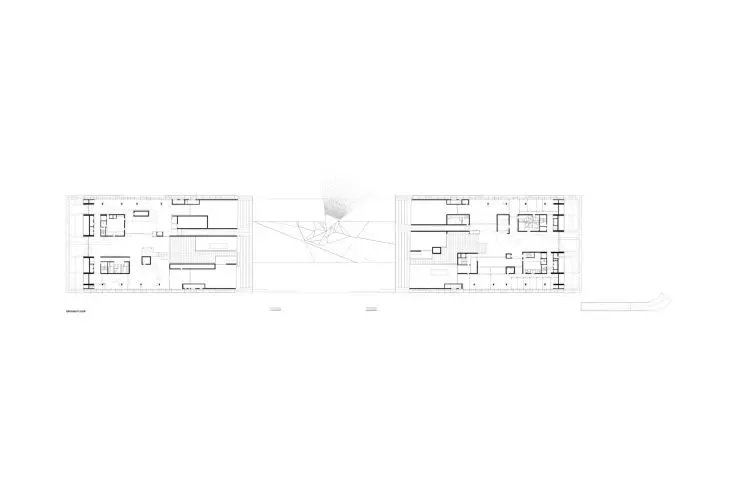
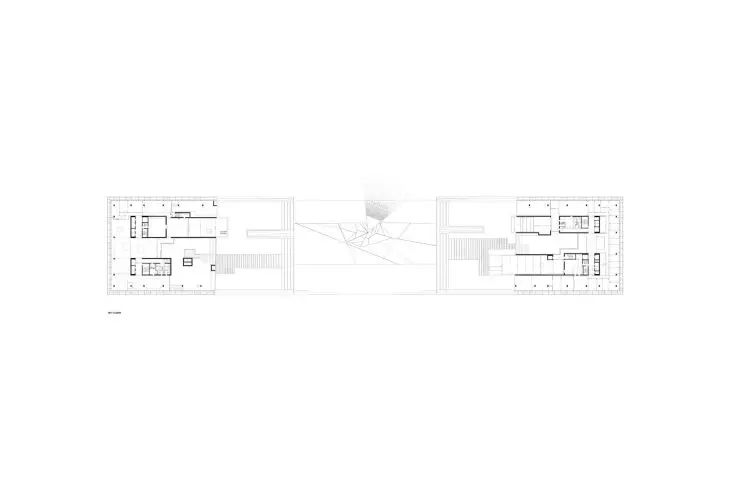
One wing serves a public function - housing educational rooms, a restaurant, a visitor center, a museum store and meeting spaces. The other serves research and administrative activities - this is where the archives, library, conservation facilities and offices are located. The entire structure combines modernity with functionality - the structure based on post-tensioning technology (usually used in bridge construction) is one of the rarest applications of this type of solution in European public architecture.
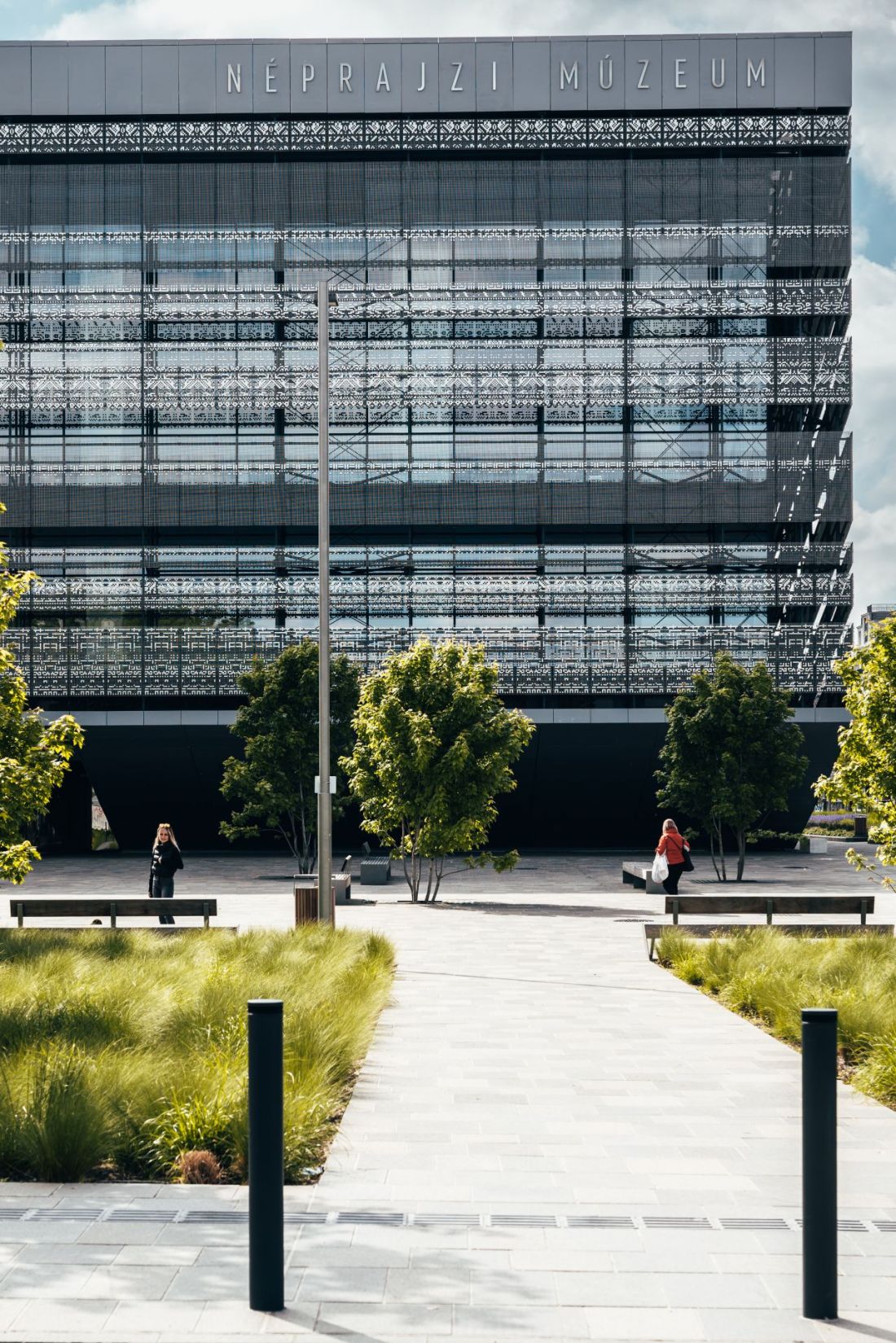
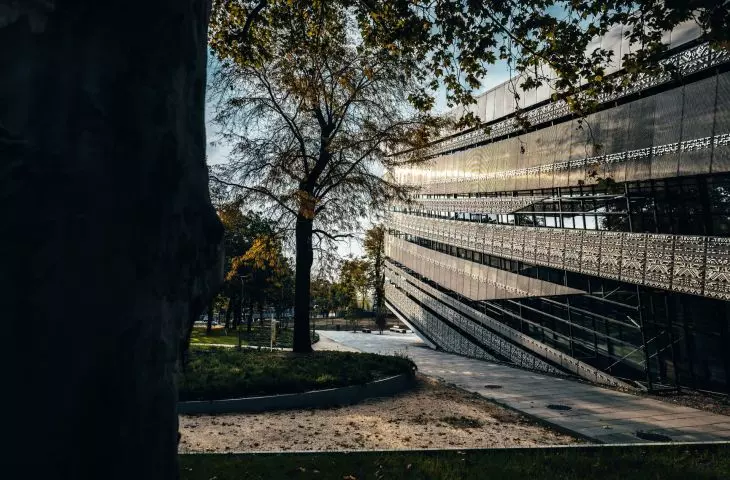
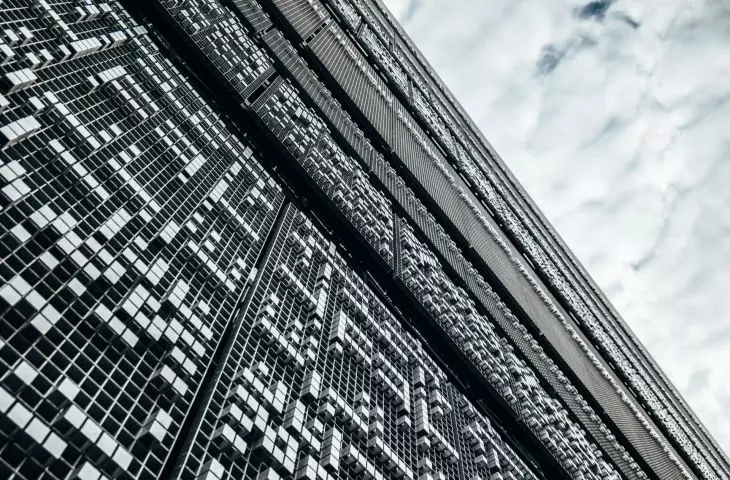
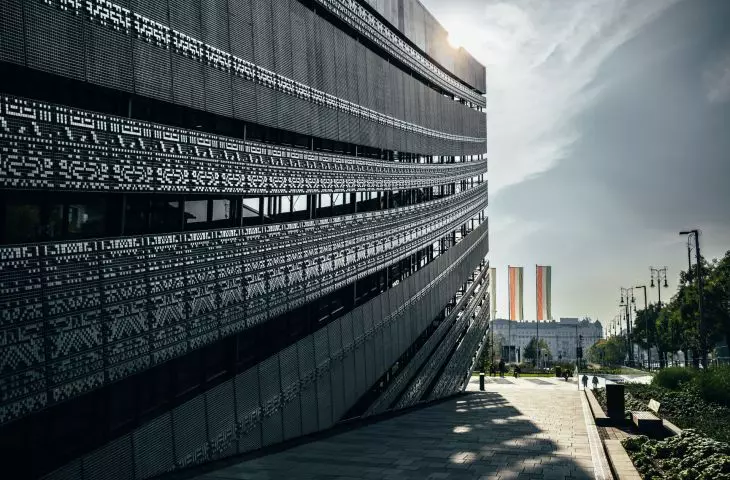
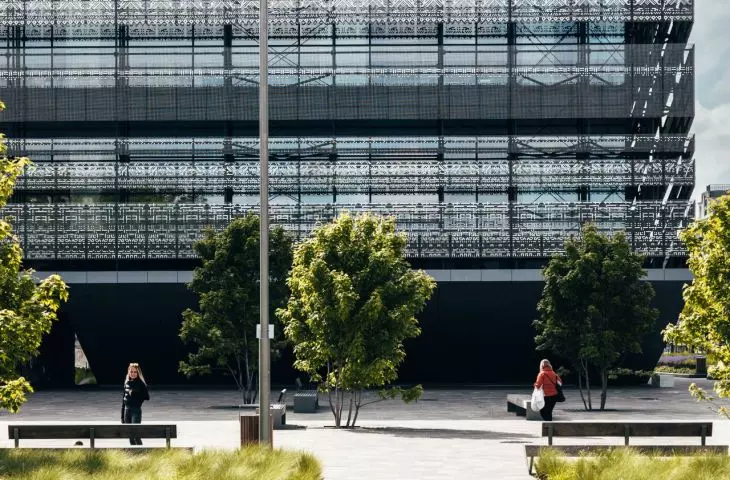
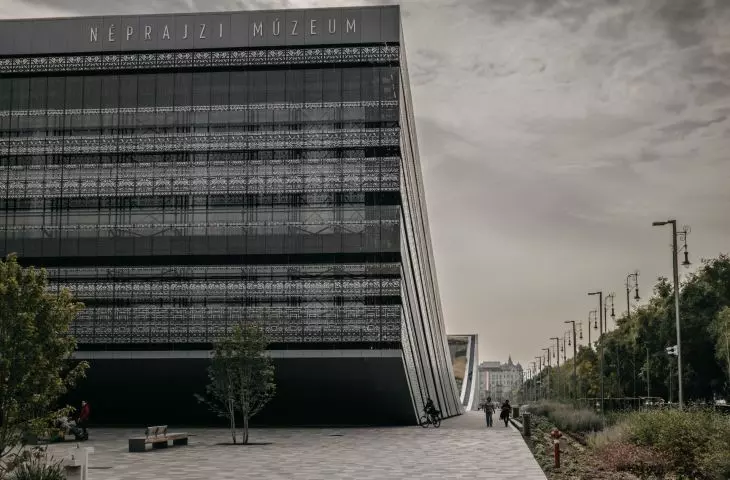
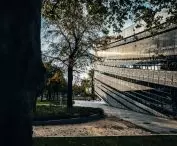
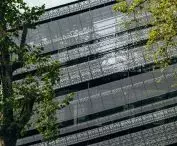
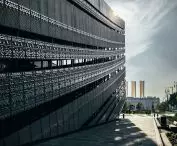
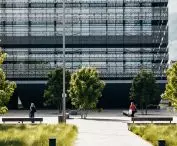
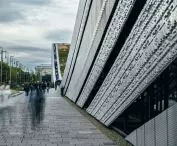
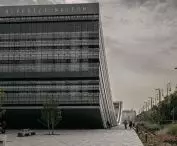
Headquarters of the Ethnographic Museum, Budapest - the metal facade consists of more than two thousand aluminum panels
photo by Incze László © Napur Architect
A facade of half a million pixels
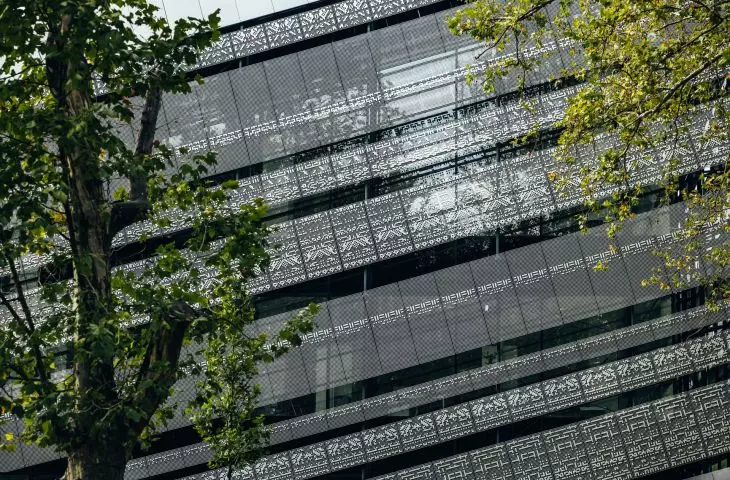
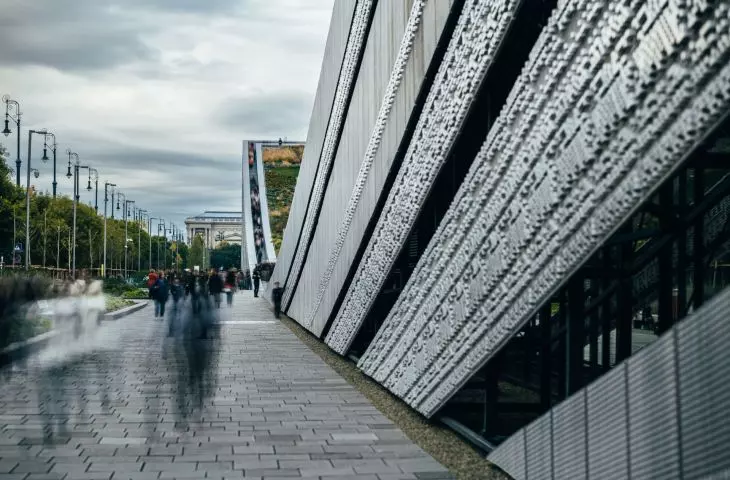
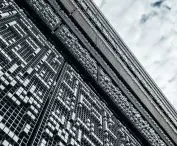
The facade is the most recognizable sign of the new museum. The metal grid, formed from more than two thousand aluminum panels, creates patterns inspired by 40 ethnographic motifs - 20 each from Hungary and from different regions of the world, from Melanesia to South America. The geometric ornaments created from nearly half a million pixels not only give the building a unique visual rhythm, but also provide shading and promote the building's energy efficiency. The façade is therefore not just decoration - it is a communication layer that tells the story of the collection even before you cross the museum's threshold.
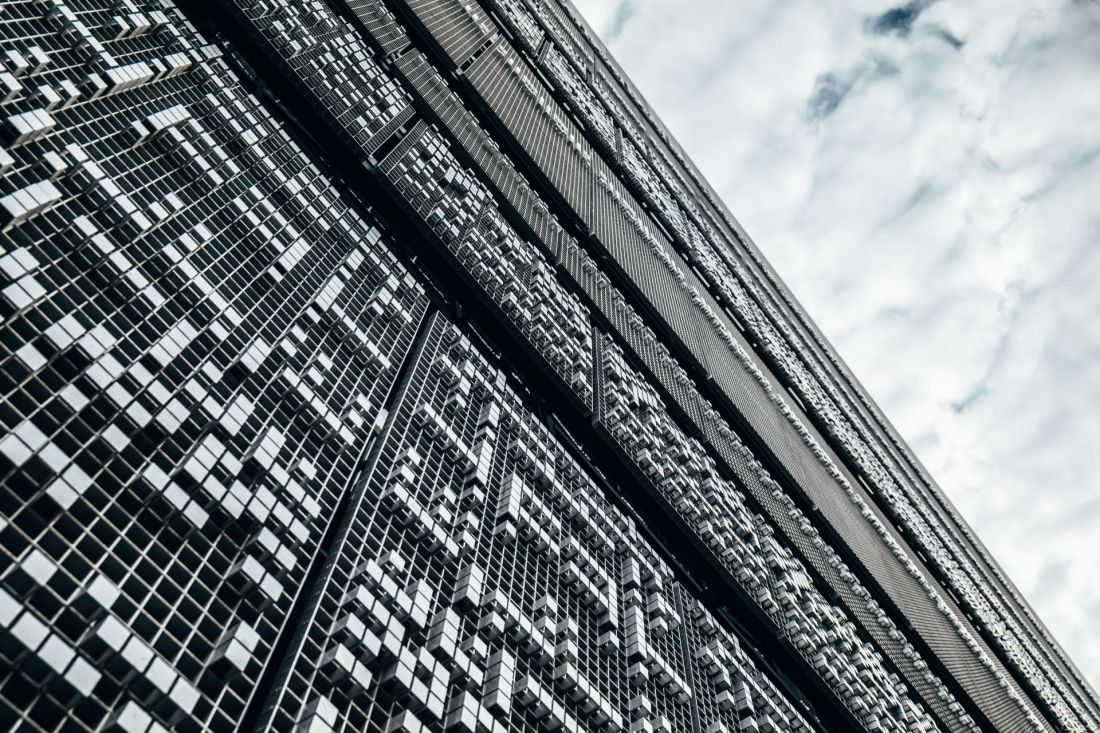
Ethnographic Museum Headquarters, Budapest - the metal facade is covered with patterns inspired by 40 ethnographic motifs
photo by Incze László © Napur Architect
underground - light and space
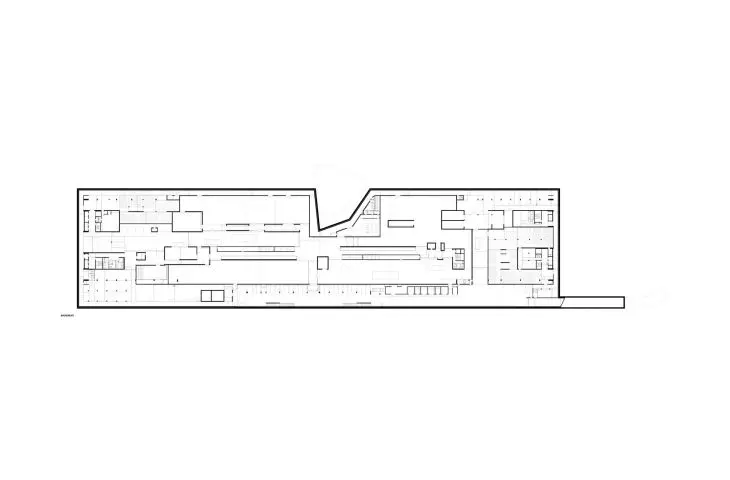
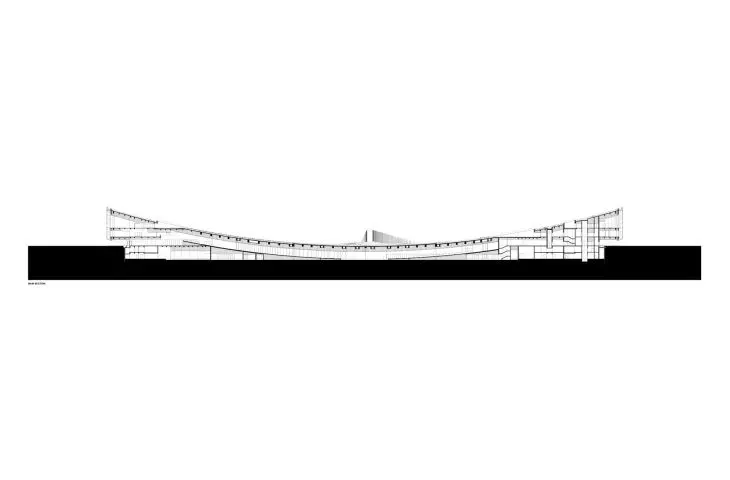
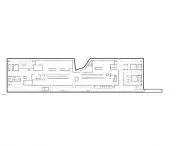
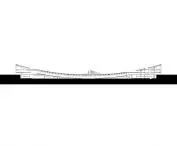
As much as 60 percent of the volume of the new headquarters is underground. As a result, the museum does not visually dominate its surroundings, while at the same time offering excellent exhibition conditions in line with the latest museum standards. The exhibition space amounts to nearly 7,000 square meters - three times more than in the previous headquarters on Kossuth Square. It has been designed to allow for both large thematic exhibitions and more intimate shows.
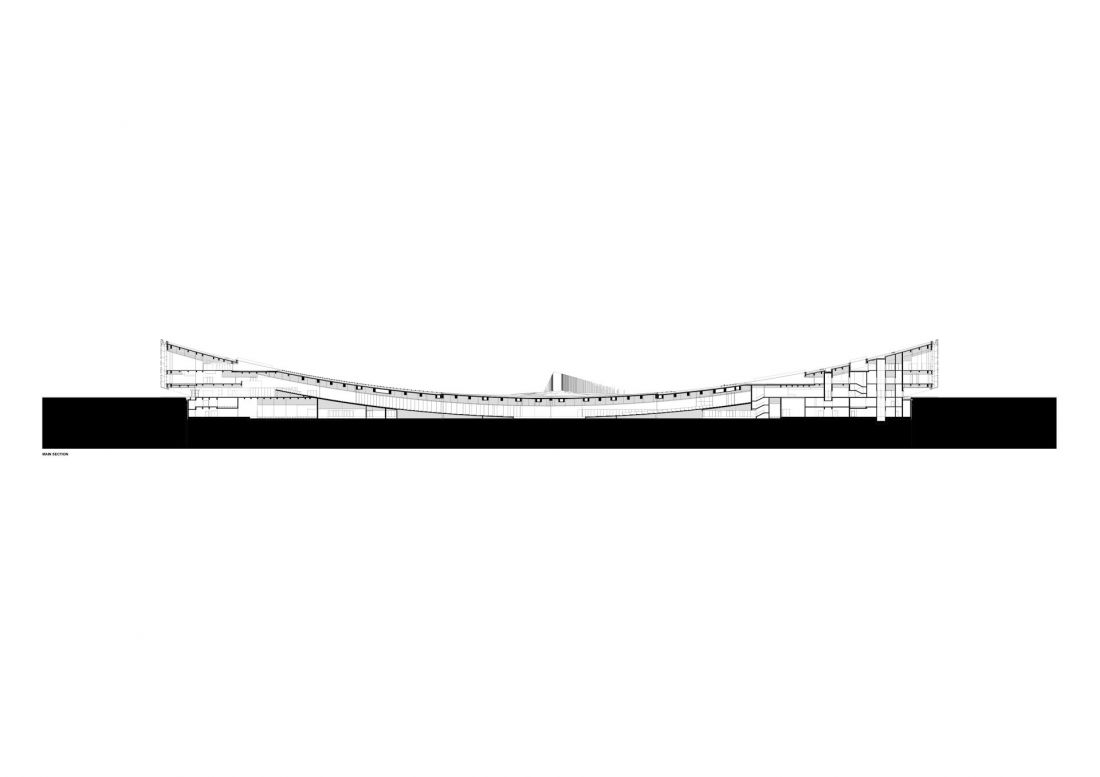
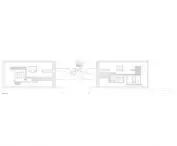
Headquarters of the Ethnographic Museum, Budapest - longitudinal cross-section of the building
© Napur Architect
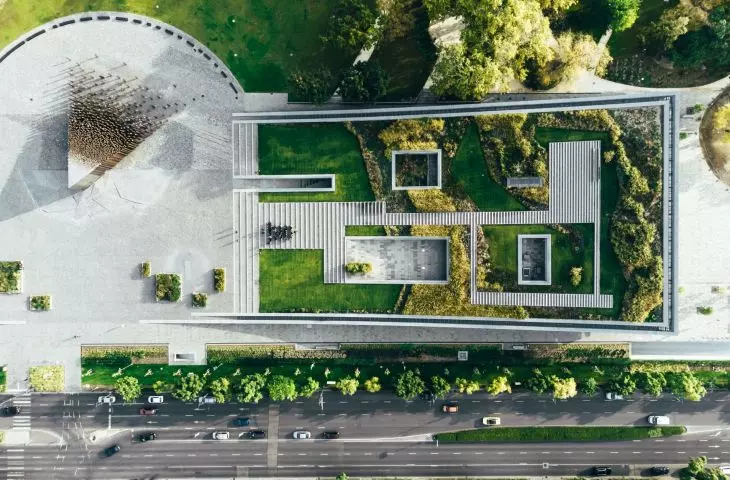
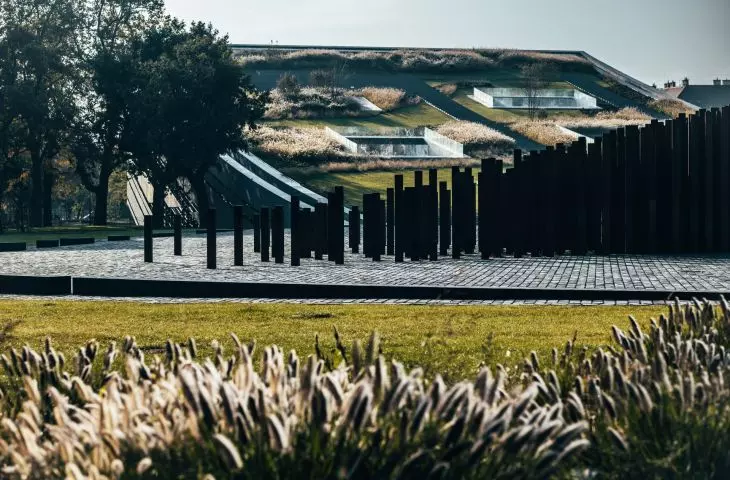
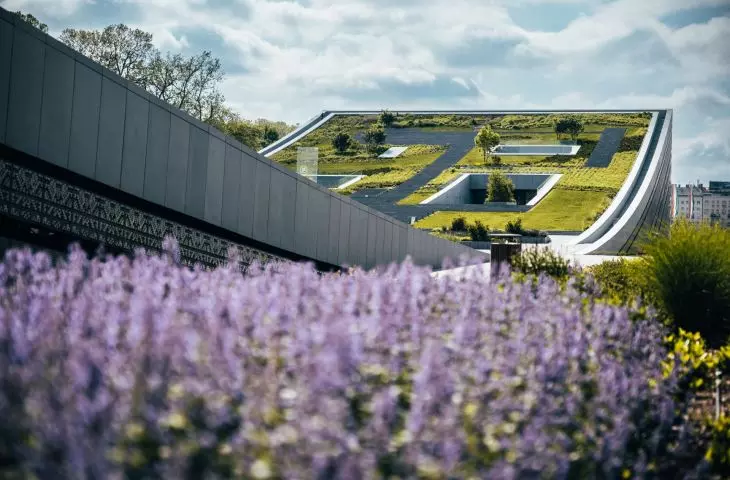
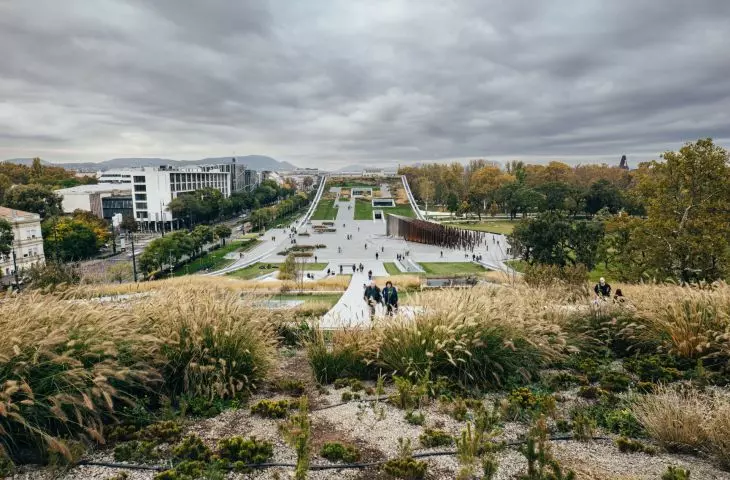
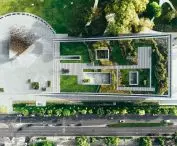
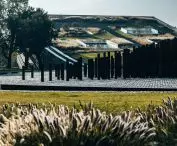
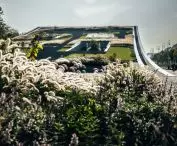
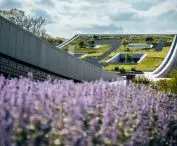
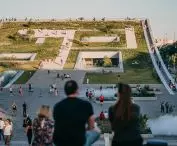
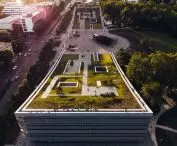
On the roof of the building is a 7,300-square-meter garden. It is a green extension of the City Park, created with 3,000 square meters of soil, planted with perennials, grasses and shrubs. The roof not only serves a recreational function - its vegetation helps water retention and stabilizes the microclimate around the building.
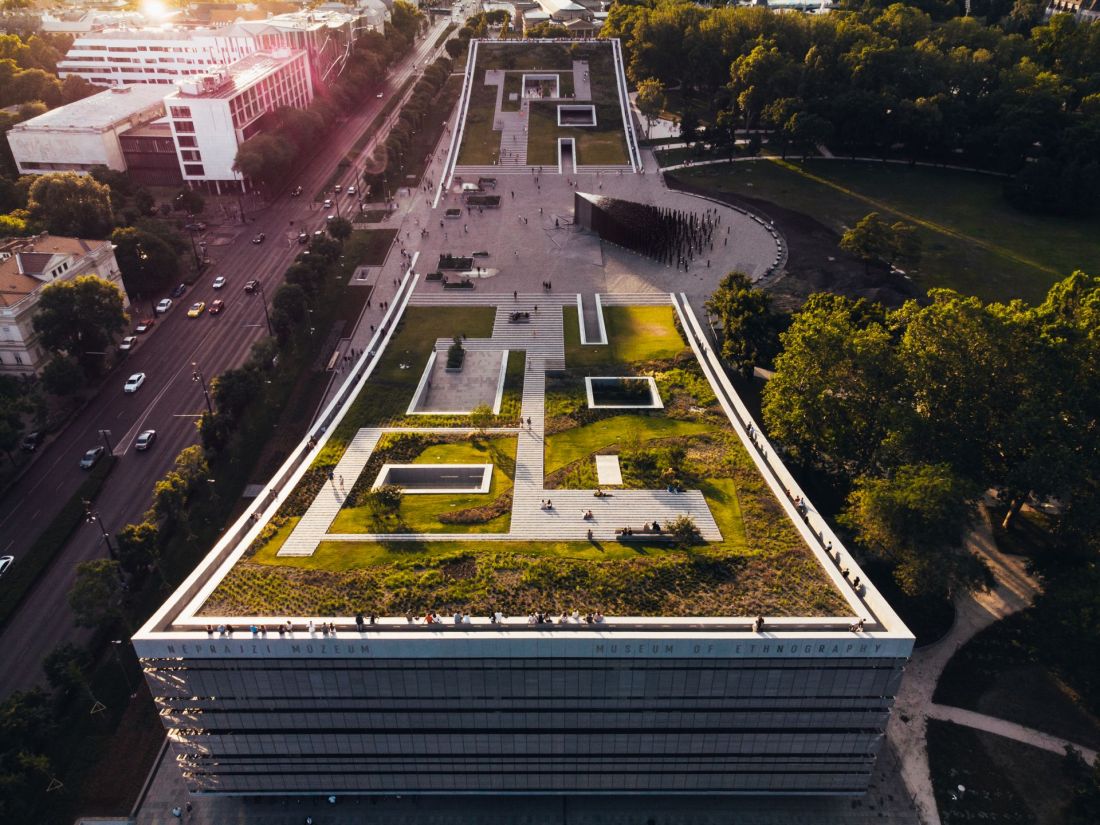
Headquarters of the Ethnographic Museum, Budapest - there is a green garden on the roof of the building
photo by Incze László © Napur Architect
back to the birthplace
The Ethnographic Museum's new headquarters is not just a move - it's a return to the place where the institution began. The collection was first presented to the public in the City Park in 1896, as part of the Millennium Exhibition. Over the following decades, the museum operated in various locations, never having its own dedicated building.
Despite numerous difficulties, the museum's collection and its social and scientific activities grew rapidly. Thanks to systematic research and collection work, the Budapest Ethnographic Museum has become one of the leading ethnographic museums in the region
- Director Lajos Kemecsi said.
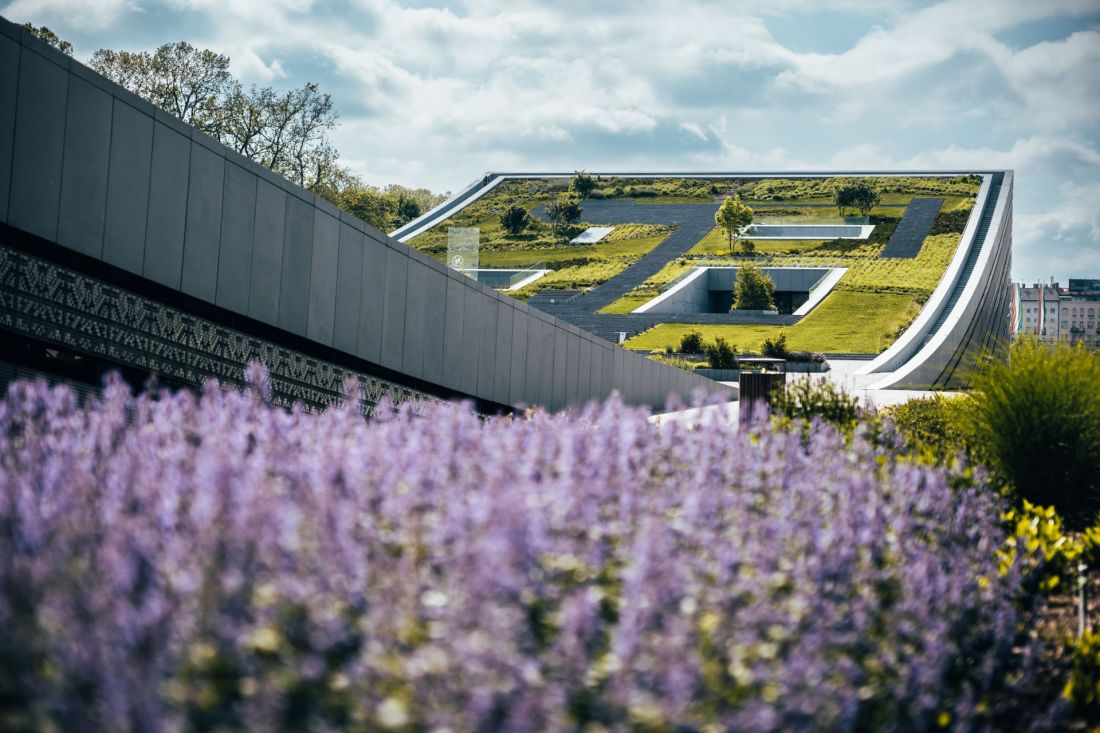
Headquarters of the Ethnographic Museum, Budapest
photo by Incze László © Napur Architect
The revitalization of the City Park is not just about new museums and public spaces. It's a model of thoughtful urban planning that puts people, history and nature at the center of city design.
The opening of the new headquarters of the Ethnographic Museum is not only a milestone in the history of the collection, but also an important stage in the realization oftheLiget Budapest project - Europe's largest urban culturalproject
- emphasized László Baán,
minister plenipotentiary for the project.
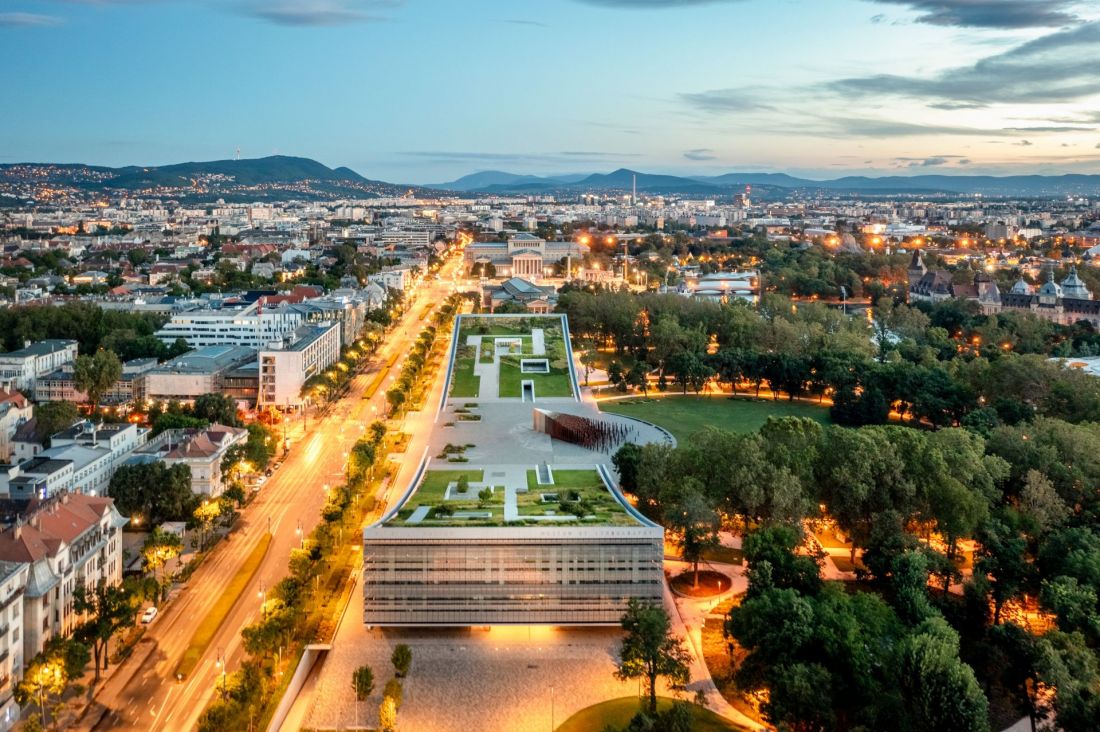
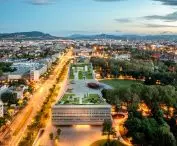
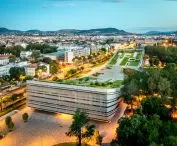
Headquarters of the Ethnographic Museum, Budapest - bird's eye view
photo by Molnar Jozsef © Napur Architect
The new Ethnographic Museum is not a monument - it is an open space for meeting and exchange. It fits the new definition of a cultural institution as a place of dialogue - between past and present, between Hungary and the world.
Elaborated: Anastazja Gibas
Illustrations provided courtesy ofNapur Architect studio.