




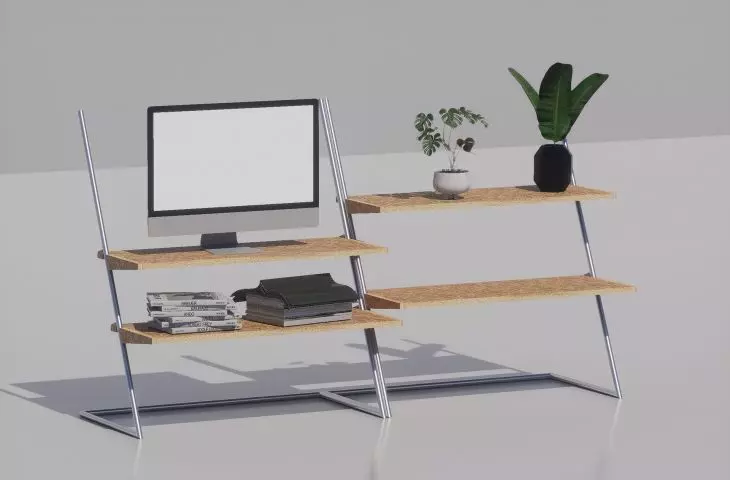
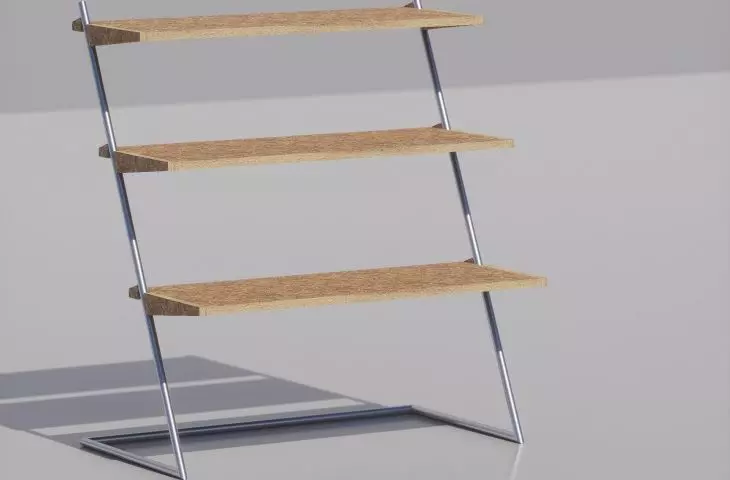
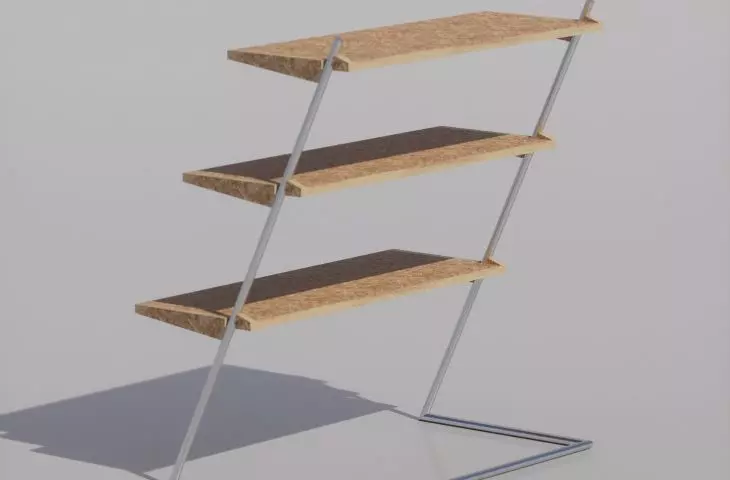
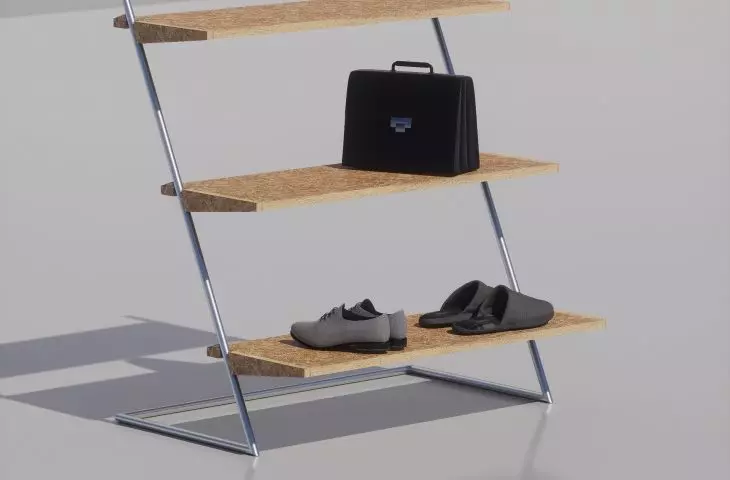
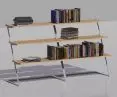
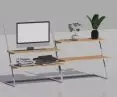
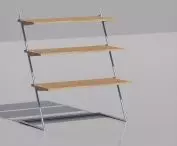

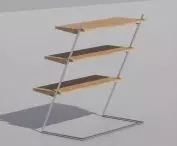

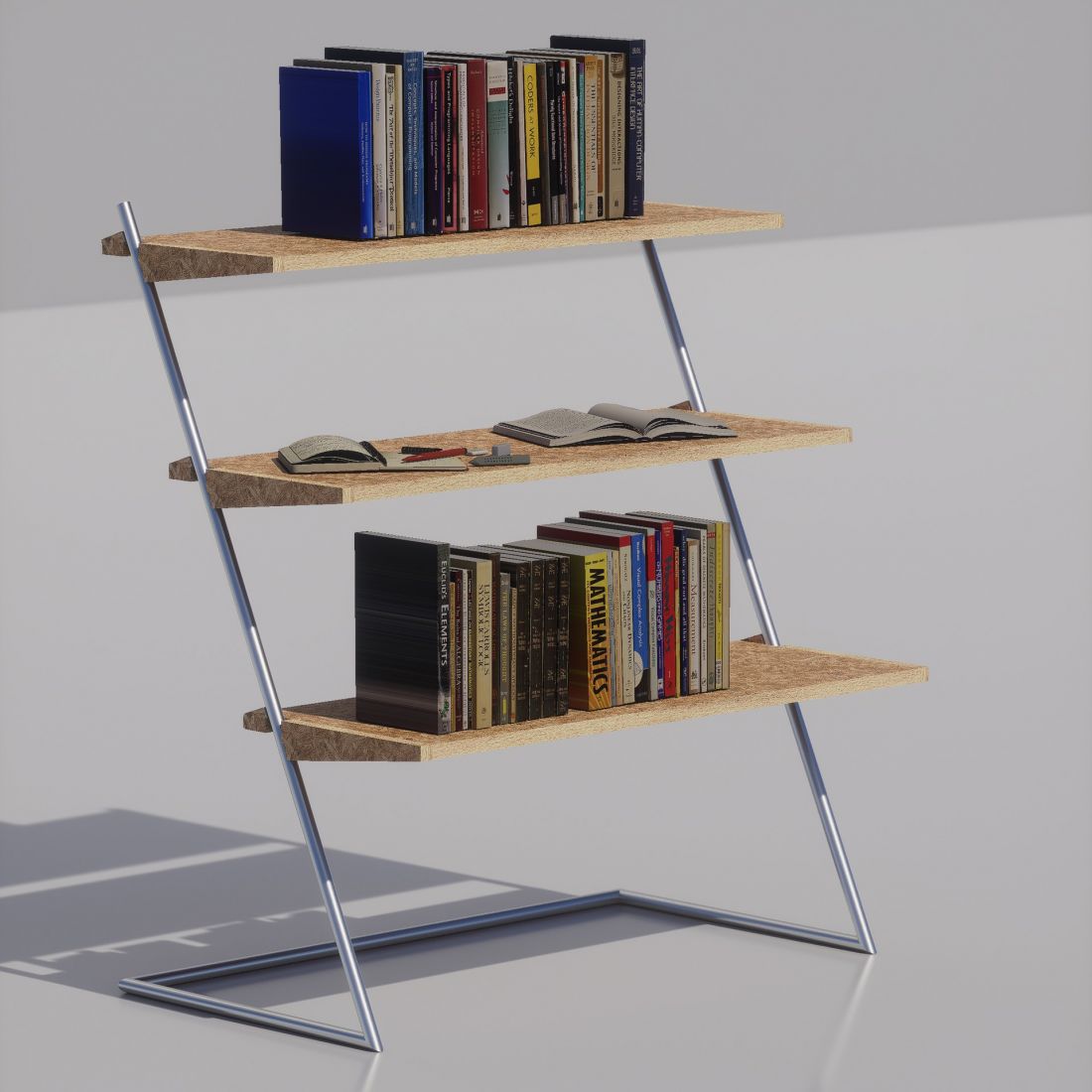
The design of the storage system by Filip Jarecki of the Faculty of Interior Design at the Jan Matejko Academy of Fine Arts in Cracow, redefines the way of thinking about furniture as a closed form. It's a concept in which the user is not just a recipient of the finished product, but a co-creator of its structure and function. The project was created in the 1st Furniture and Interior Elements Design Studio under the supervision of Prof. Lukasz Sarnat and Weronika Kadei. The most important assumption was to create a system that actively responds to the needs of the user, instead of imposing a ready-made scheme of space organization. The form here is not an end in itself - it results directly from the action of physics, material and weight.
© Filip Jarecki
entelechy of furniture - the user as co-author of form
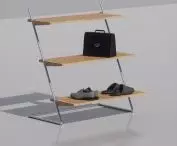
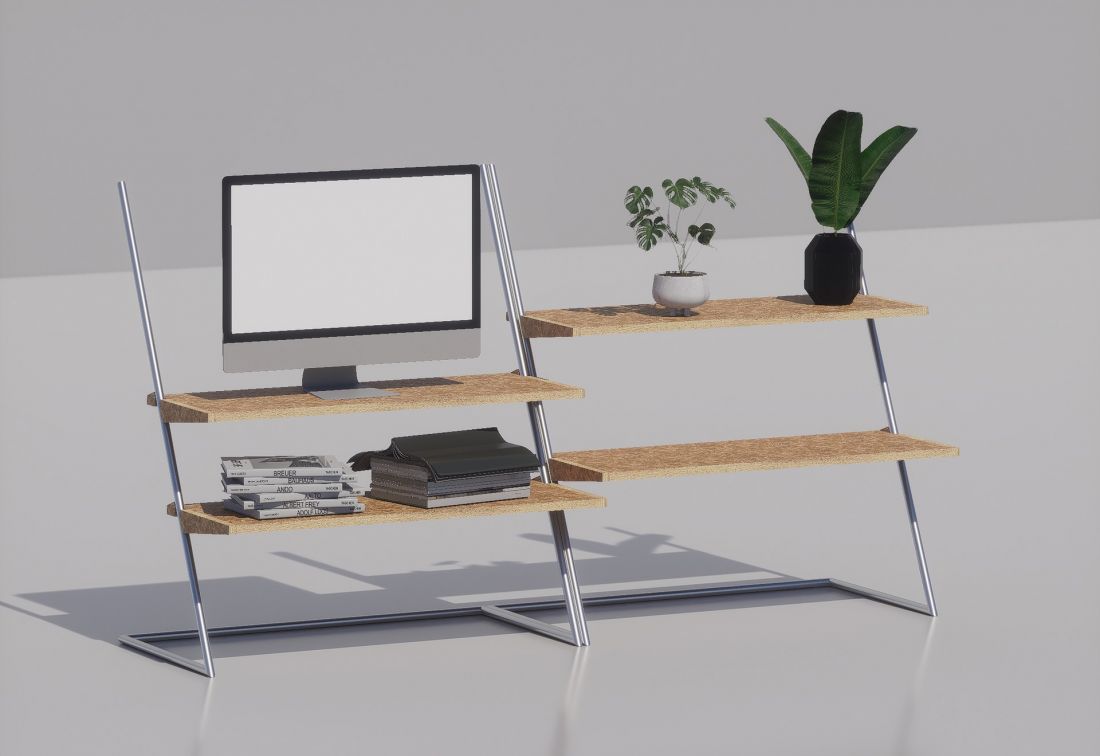
The design is based on the idea of entelechy, or potential, which is revealed only in action. The storage system does not have one final form - its final form is created only in relationship with the user. It is the user who decides on the layout of the modules, the proportions of the space and the manner of use.
The furniture ceases to be a static object and becomes a process - a tool that can be constantly reconfigured. Personalization is not an add-on, but the primary function of the system.
© Filip Jarecki
construction without screws, stability through physics
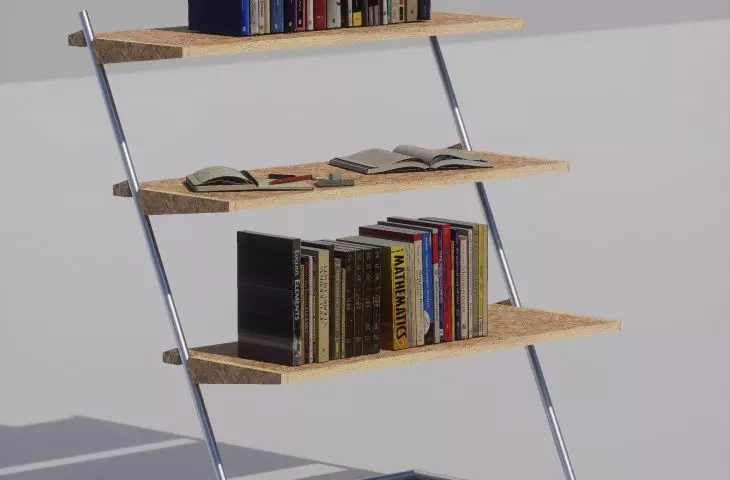
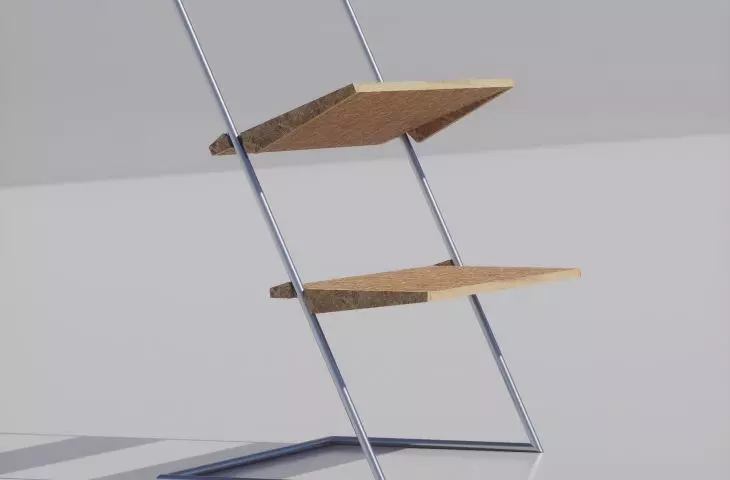
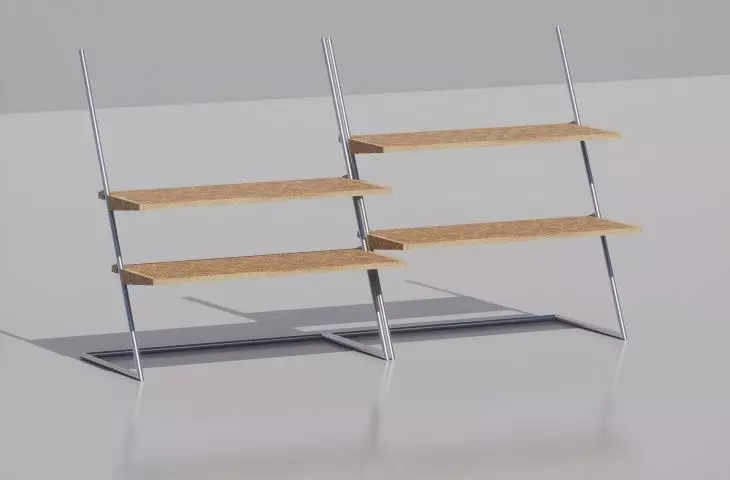
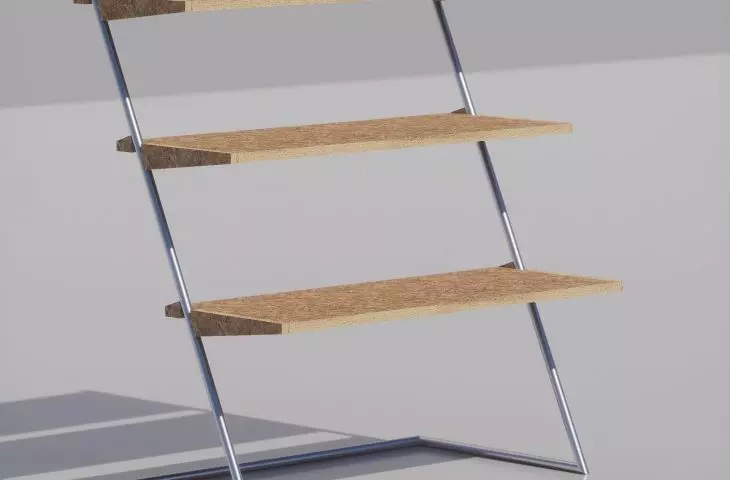
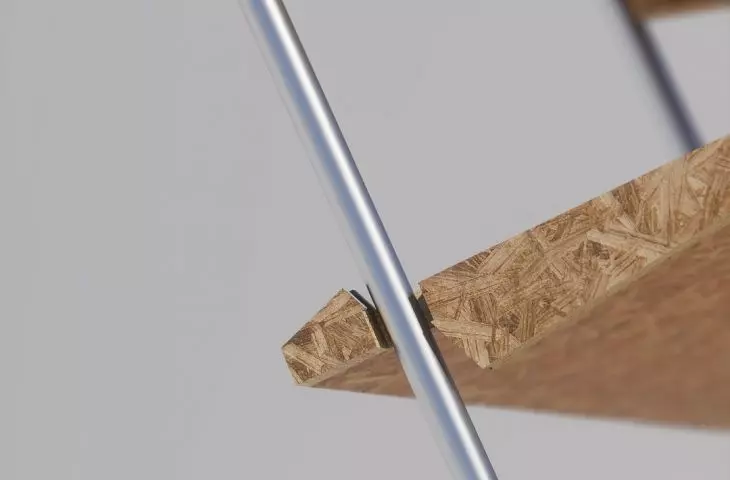
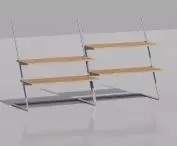
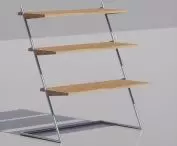
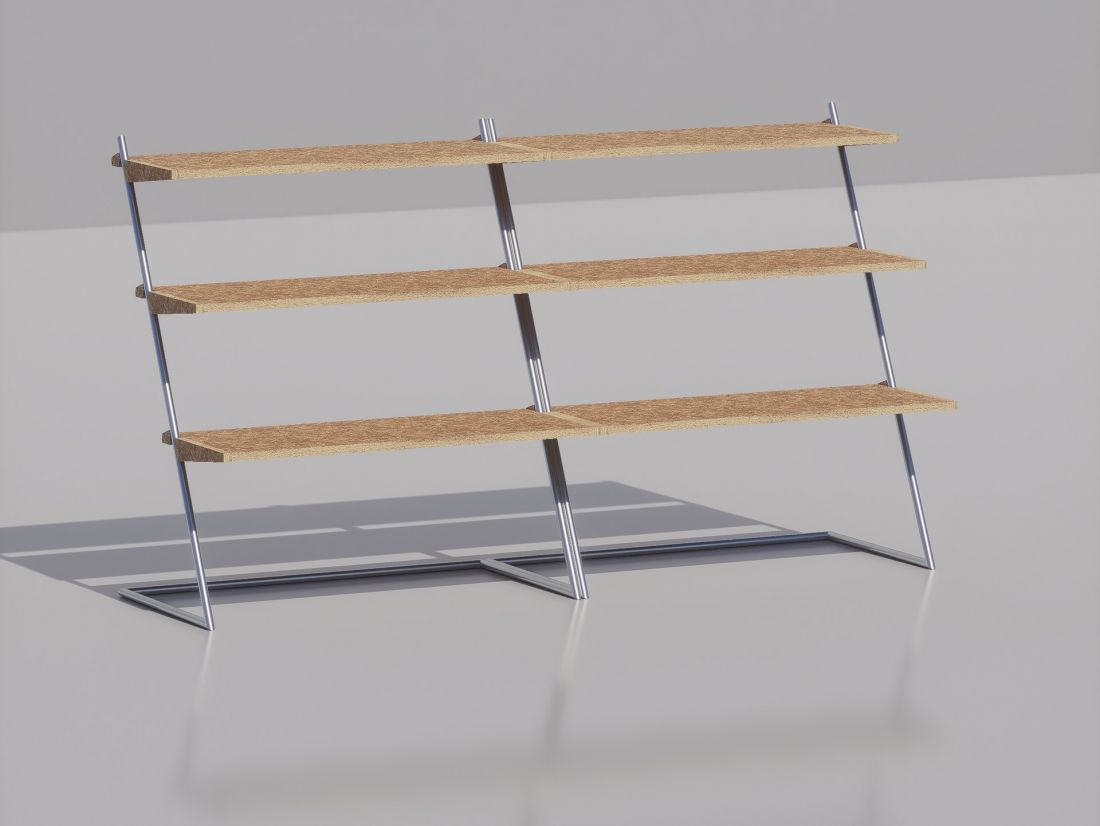
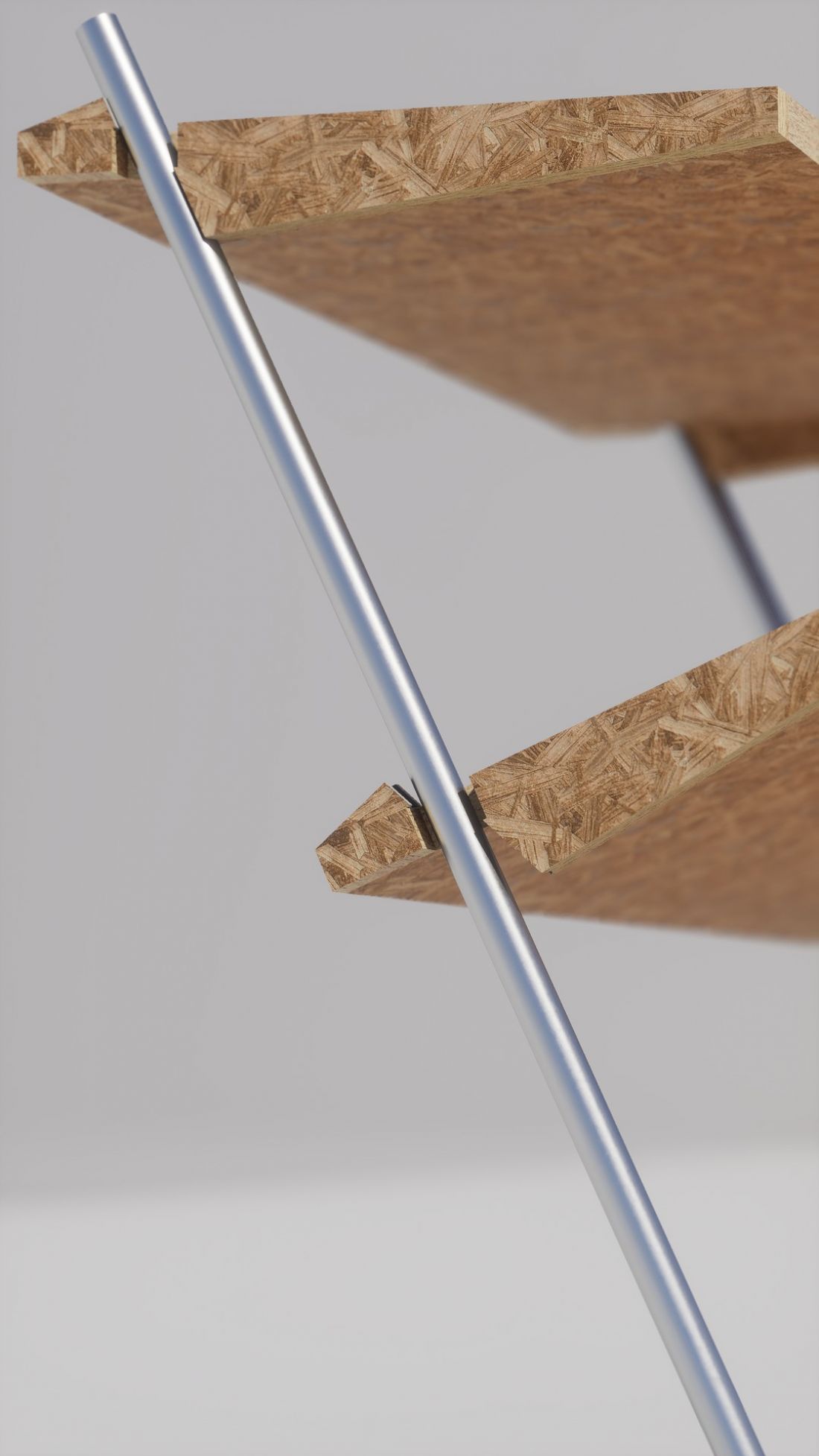
At the heart of the project is an innovative approach to the load-bearing structure. Instead of traditional mechanical connections, a solution based solely on frictional force and gravity was used. Horizontal modules intersect steel sections inclined at an angle of 65 degrees - the parameter that gives the project its alphanumeric name.
It is this angle that causes the elements to self-seal under their own weight, creating a stable self-block. The design does not require screws, hinges or complex hardware, yet it retains full security and high load-bearing capacity.
© Filip Jarecki
The effect is groundbreaking - the adjustment of the position of the modules is smooth, stepless and absolutely free. There is no imposed hole raster or system restrictions. The user can move the shelf by a millimeter or a meter, adjusting the layout to actual needs.
the material that leads the movement
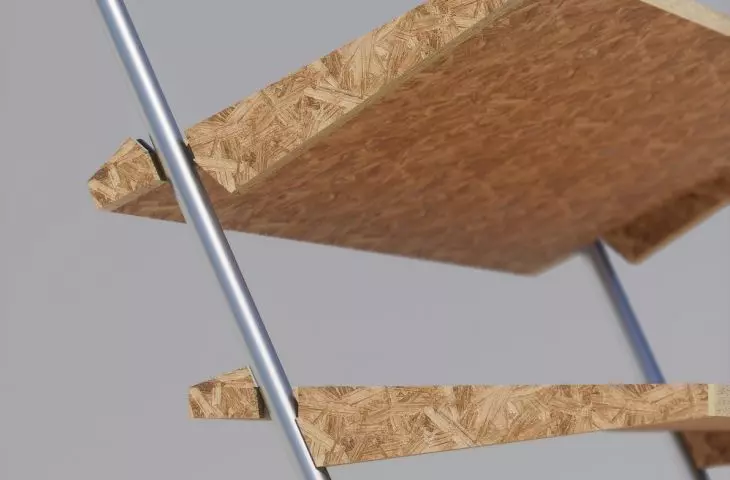
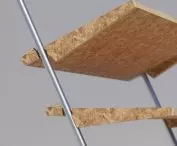
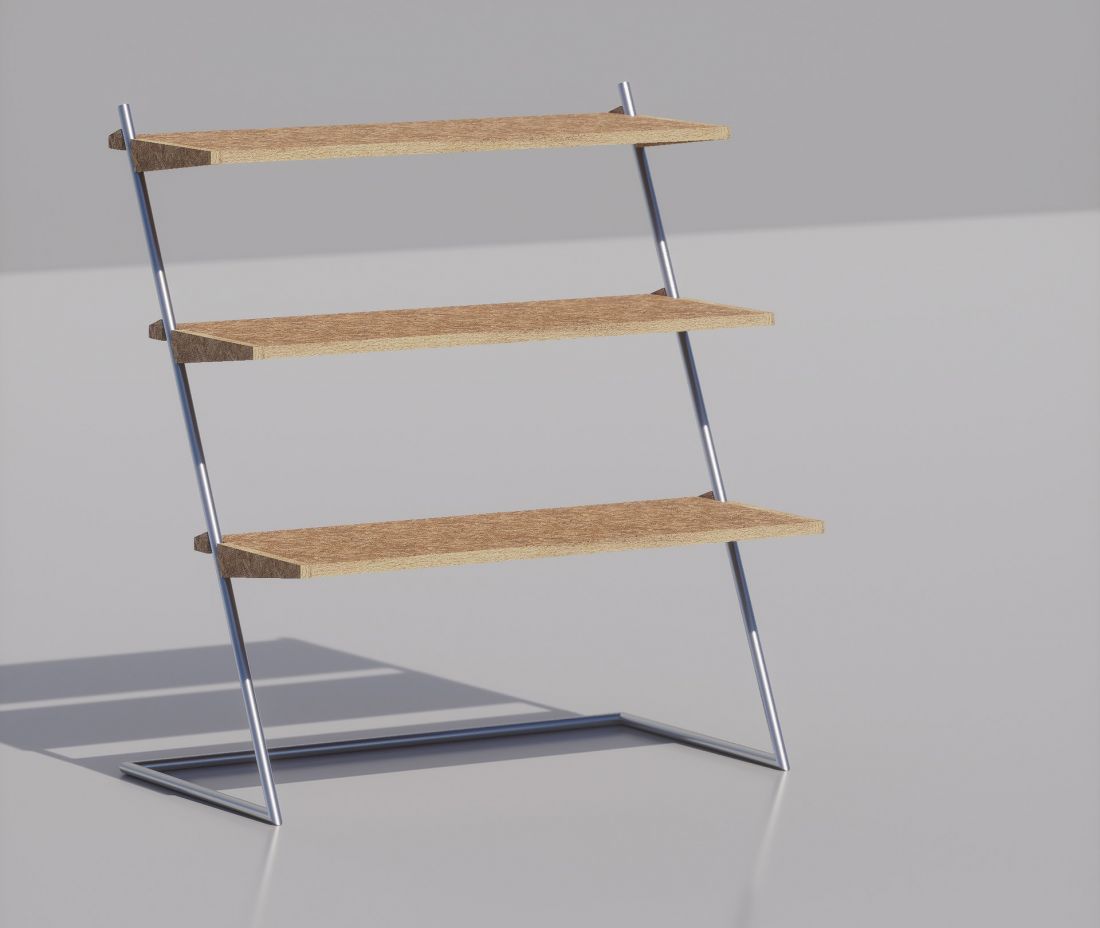
The lightness of the system is provided by OSB boards with precision milling, so that the steel structure acts as a guide. Changing the configuration does not require tools - just swing the module out and move it to a new location.
The design was developed with technological accessibility in mind. It can be made using basic CNC machining or laser cutting, without the need for advanced manufacturing technologies. This is a conscious effort to democratize design.
© Filip Jarecki
The visual layer of the design stems from the contrast. The rough, warm OSB structure is juxtaposed with sterile, cool steel. This juxtaposition builds a tension between organic and technical, between naturalness and precision. The form remains austere, almost archetypal. Its neutrality makes the system suitable for a wide variety of spaces - from private apartments to public interiors or studios.
scalability without limits
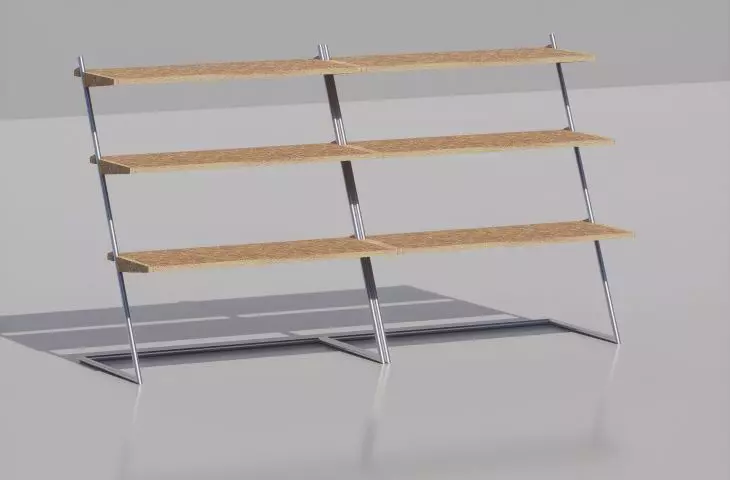
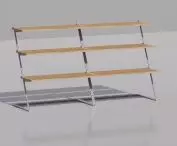
The project's greatest strength is its open structure. The system can be expanded almost without limit - from a single bookcase to multi-meter linear layouts. Modularity is not a structural addition, but the organizing principle of the whole.
It is a design that combines minimalism of form with maximum functionality, while remaining technologically and economically accessible. The furniture doesn't just store - it cooperates, reacts and changes with the user.
© Filip Jarecki
The designer consistently explores minimalism not only as an aesthetic, but also as a design attitude. Limiting the number of elements, honesty of materials and subordination of form to physics lead to an object that works as logically as it looks.