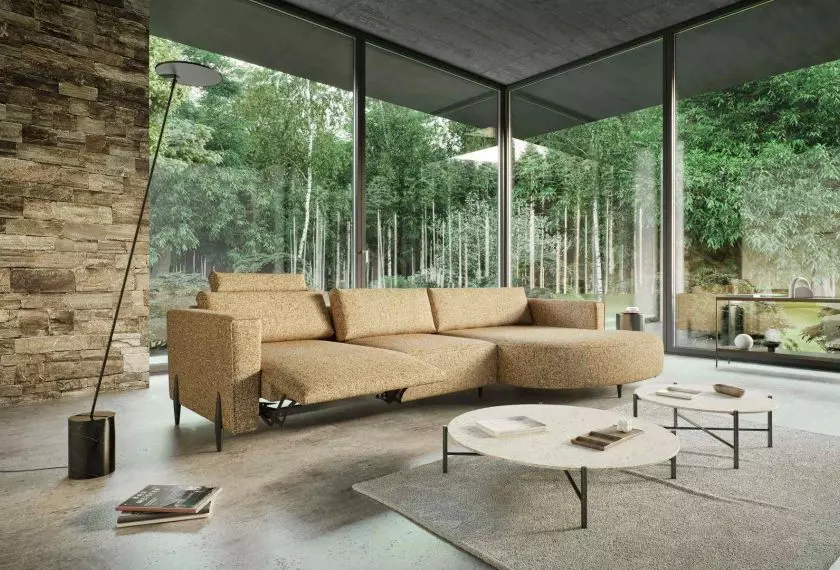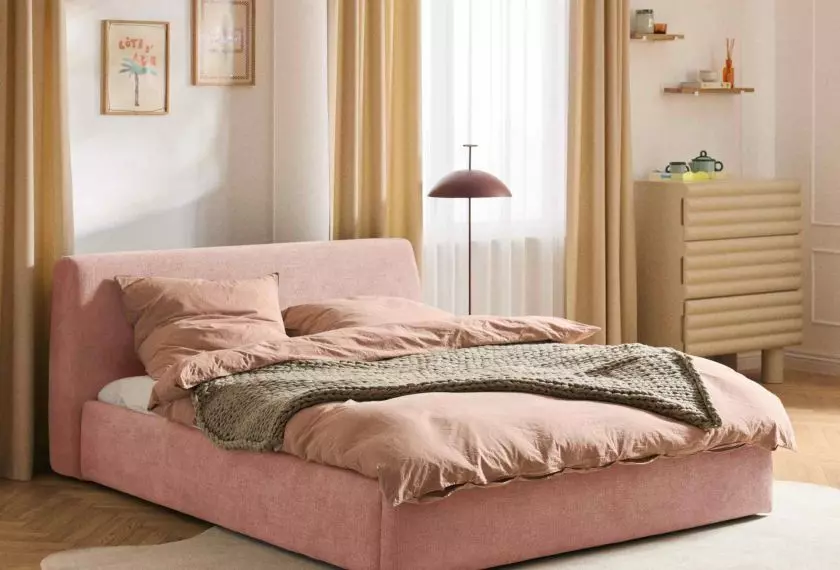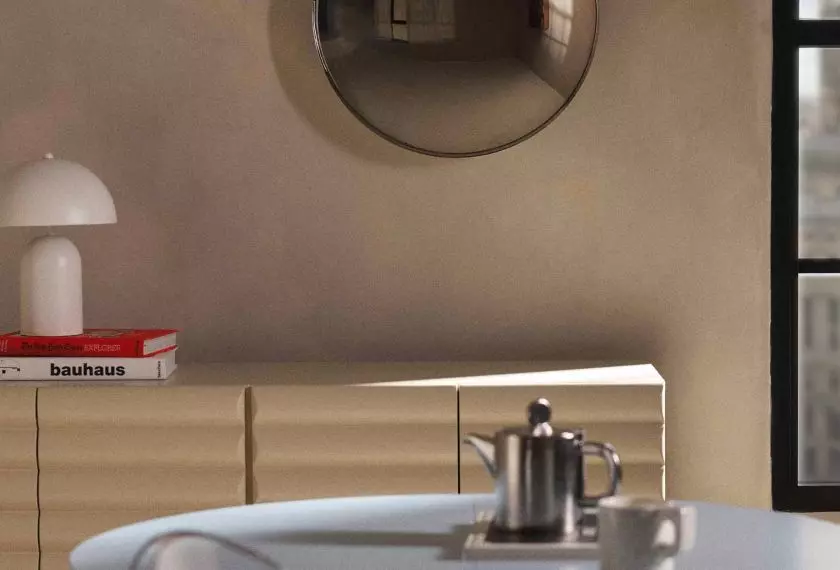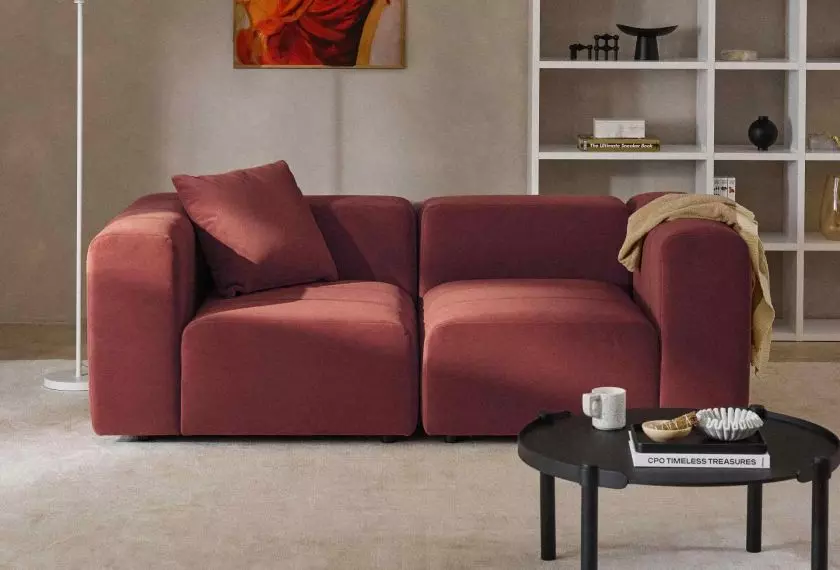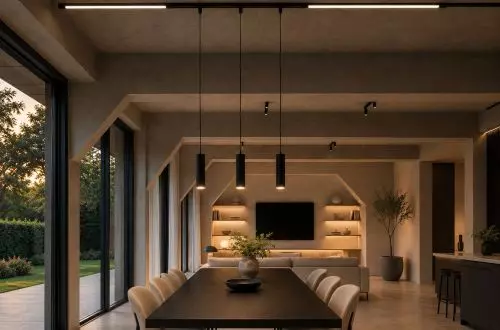



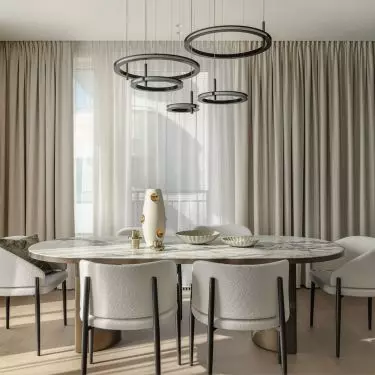
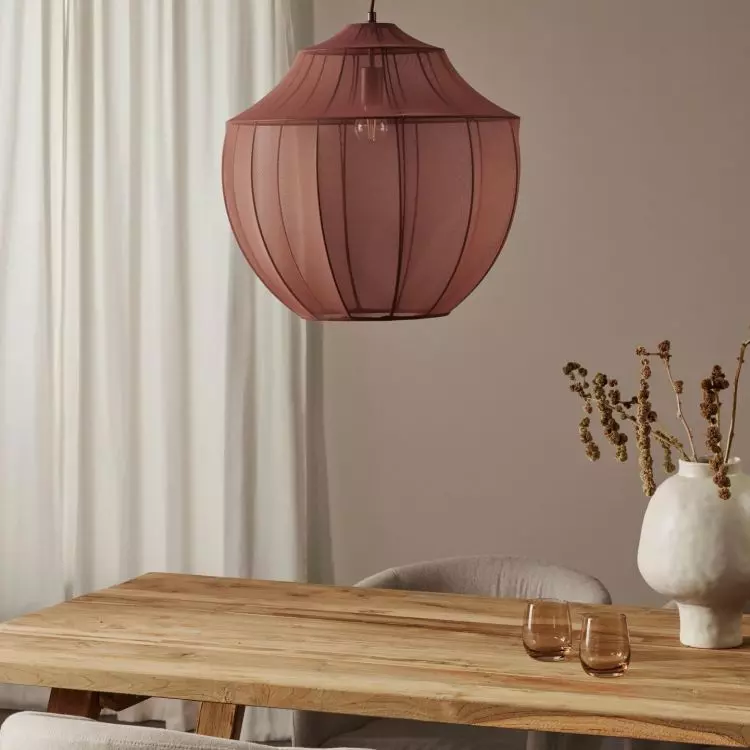
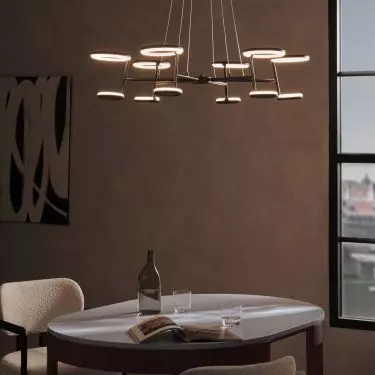
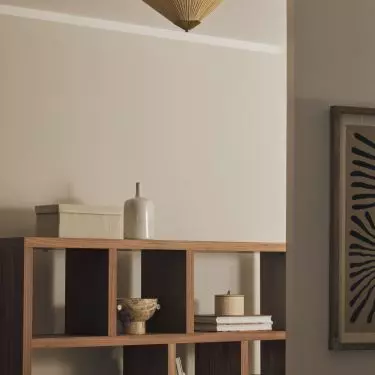
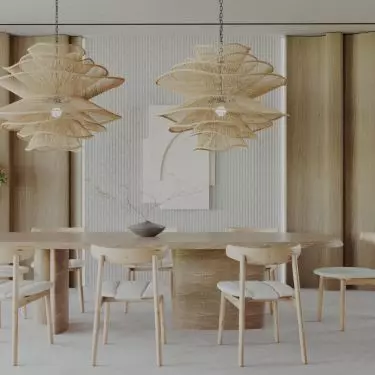
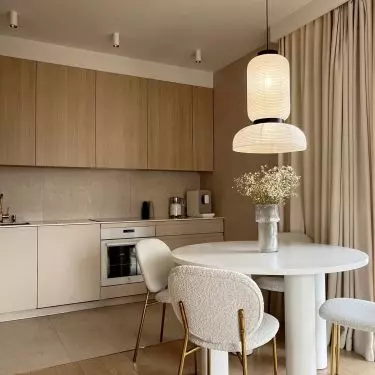
When designing an interior, consider choosing a lamp that deliberately does not match the rest of the arrangement. This may sound like a design oversight - a ceiling lamp deliberately mismatched with the decor? Nothing could be further from the truth. This treatment is not the result of chance or inconsistency on the part of the designer. On the contrary - it is a conscious introduction of an element that breaks from the dominant aesthetics, which creates a distinctive counterpoint and shifts the weight of meaning to light as a carrier of the interior story.
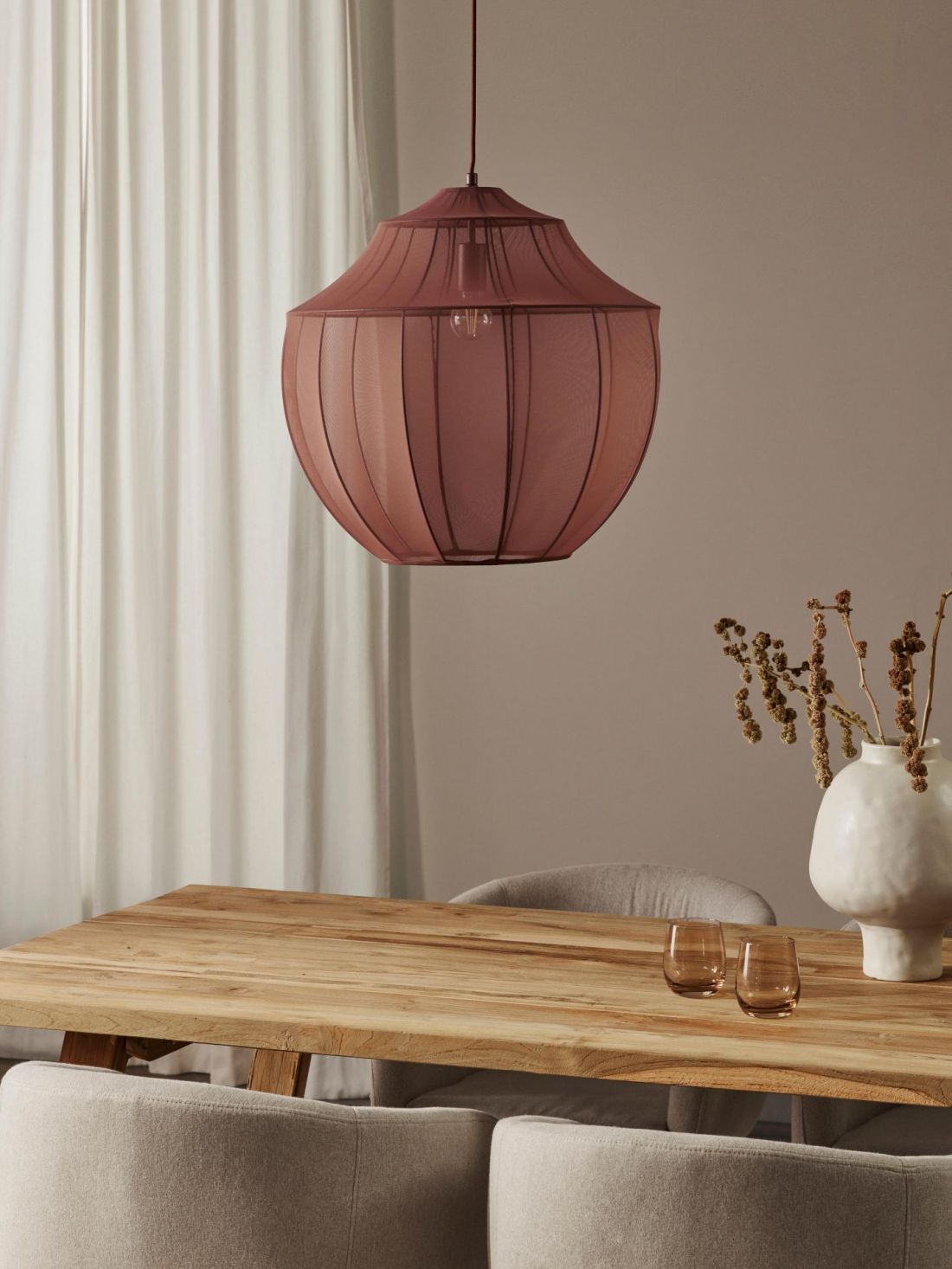
A ceiling lamp deliberately mismatched with the decor? It's a thoughtful aesthetic strategy
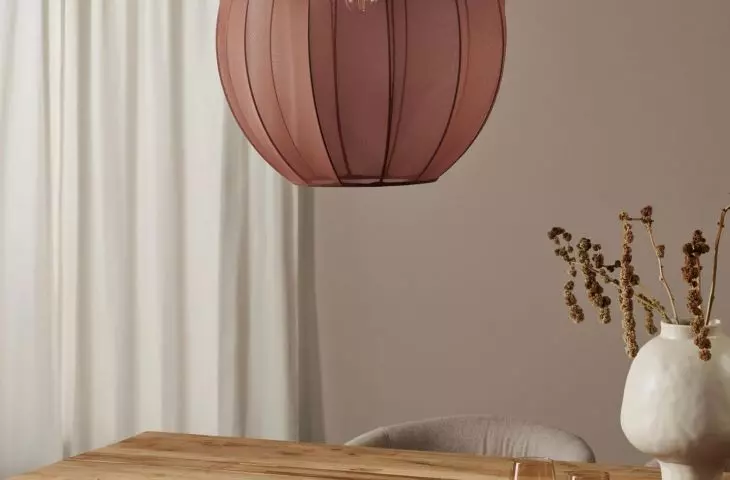
© Westwing
The principle of inconsistency: breakthrough aesthetics
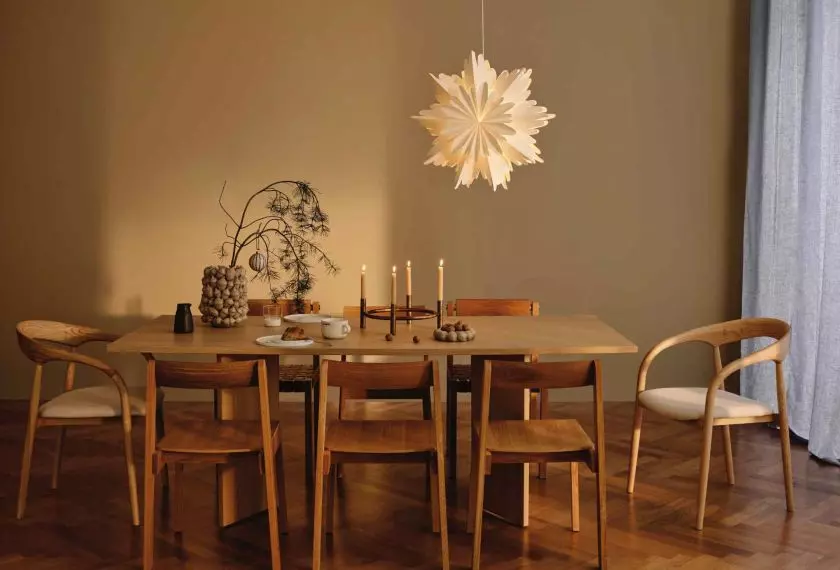
Interiors whose composition is based on consistent adherence to one aesthetic undoubtedly give the impression of order. Scandinavian style with white and light wood, loft with metal and concrete, classicism with symmetry and ornamentation - each of these trends has its logic, its palette, its forms. However, where everything is predictable, it is easy to get into a visual rut. That's why there is an increasing need to break this order. A lamp that breaks out of the interior style acts as a point of visual suspension - it disrupts the rhythm, but not to break it, but to emphasize it. Its presence introduces a tension that acts like a counterpoint in music: it brings out the structure of the whole, but at the same time adds life to it. In the theory of visual composition, we then speak of the principle of dominance, that is, the conscious focusing of attention on one clearly distinguishable element. In this case - on the light.
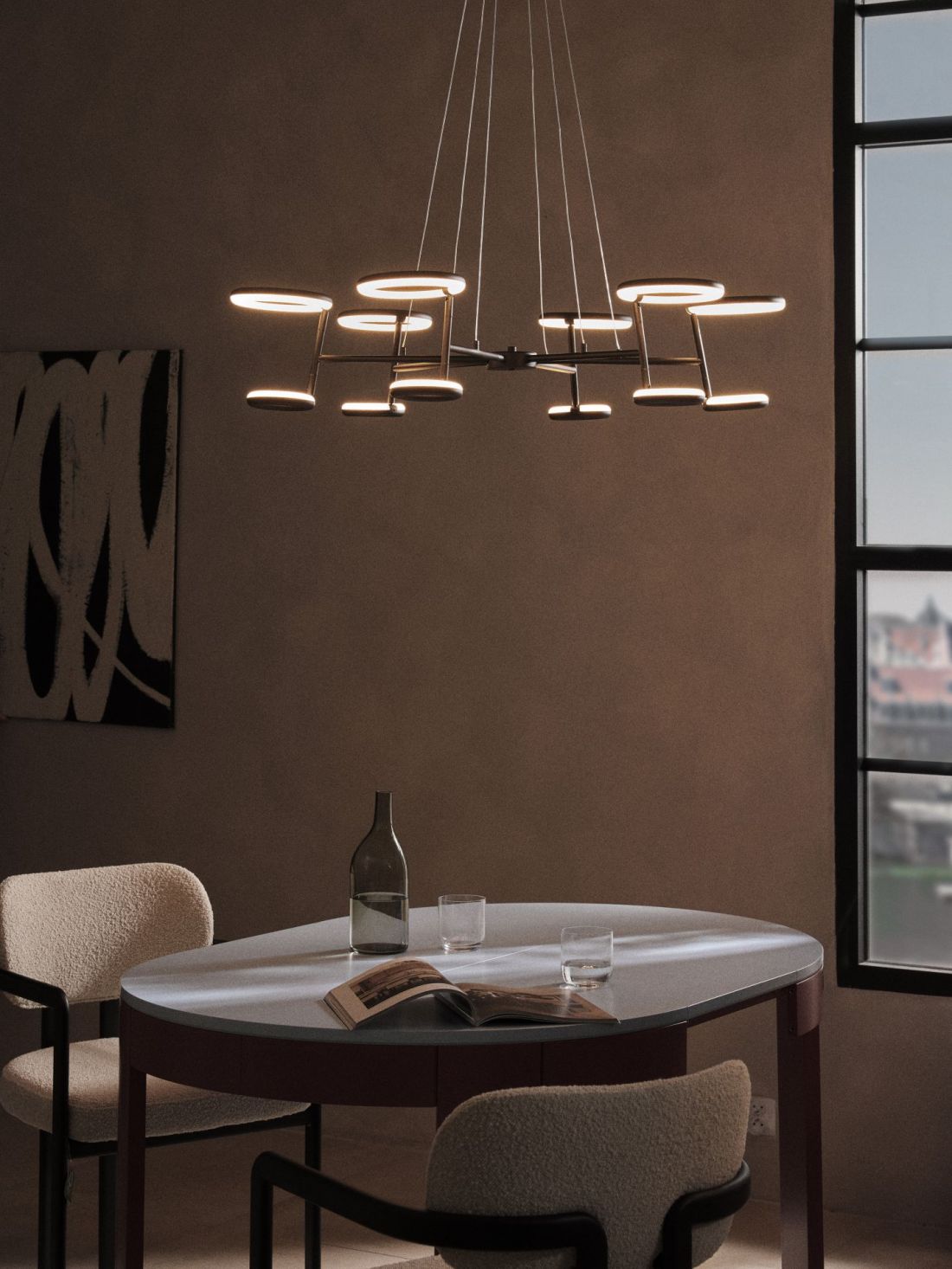
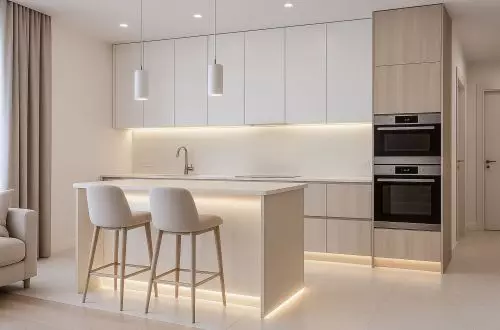
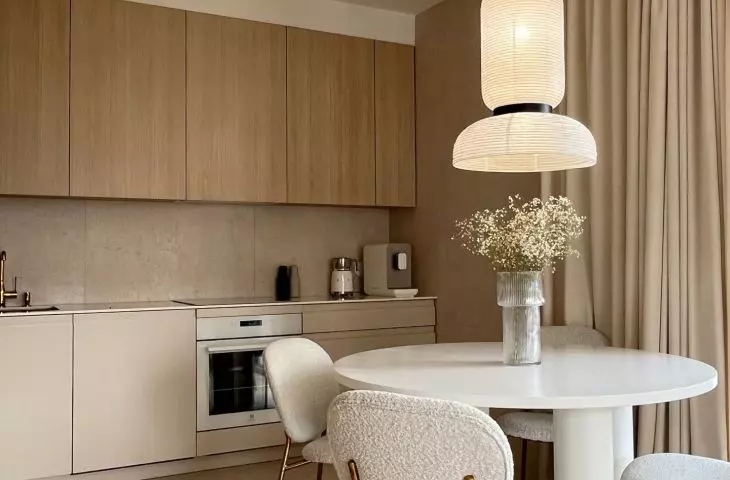
Lamp as a focal point in a minimalist interior
© Westwing
Light that speaks
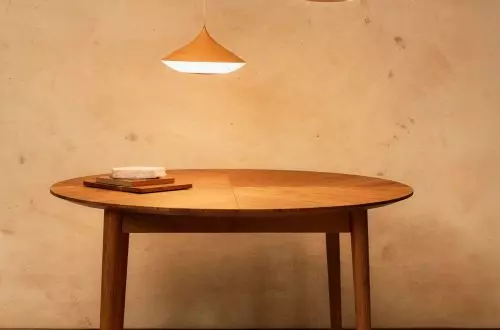
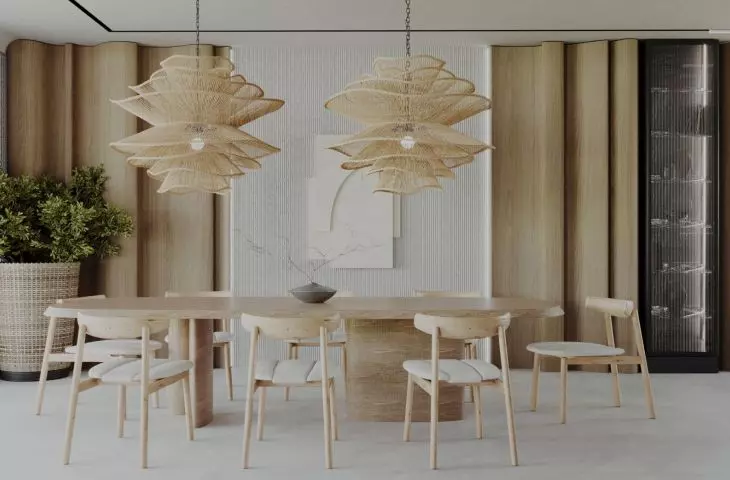
By definition, a ceiling lamp has a utilitarian function - it illuminates. But in contemporary design it also becomes a narrative tool. Its form, material, color and the way it casts light can tell a completely different story from the rest of the interior. They can be a gesture that says: "stop here", "pay attention to this part of the space", "not everything has to be obvious". Examples? In an apartment with a sparing color palette and low emotional tone - decorated in the spirit of japandi or minimalism - a sculptural lamp suddenly appears, made of hand-blown glass, with a distinct color or form that resembles an organic solid. Seemingly "incongruous", in fact, it becomes the axis of the interior, its emotional focus. In another case: a loft interior, with raw textures and pure geometry, is broken by a crystal chandelier in the spirit of Belle Époque. The clash of eras not only does not demolish the composition, but actually creates a new quality - in which the light acquires a symbolic, historical, almost scenographic dimension.
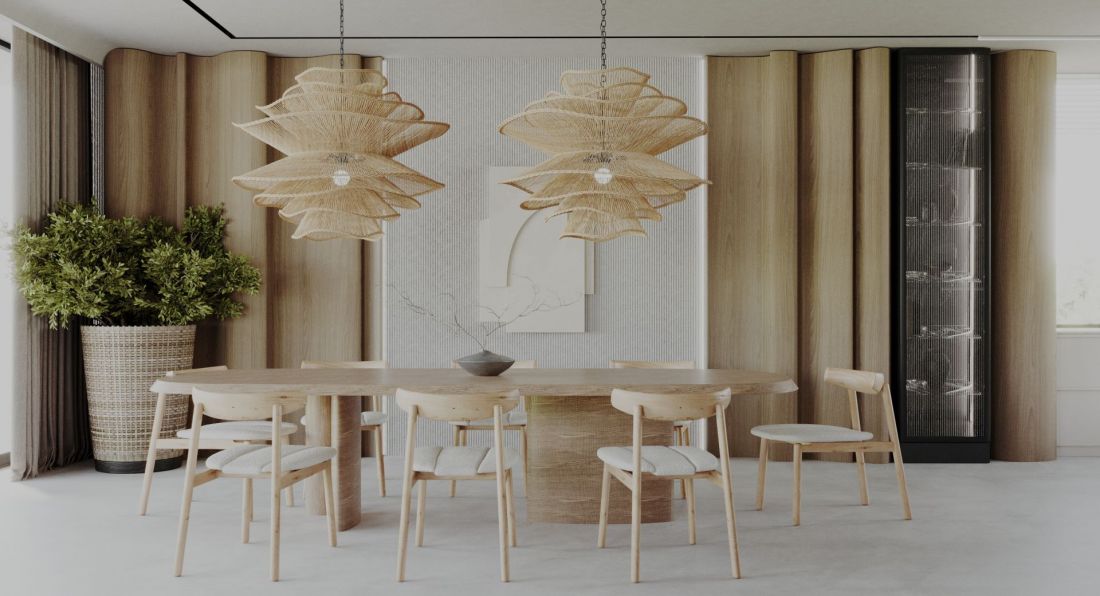
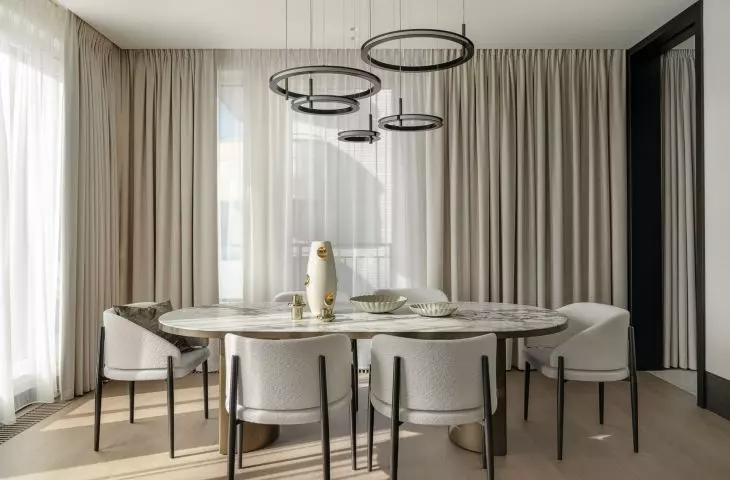
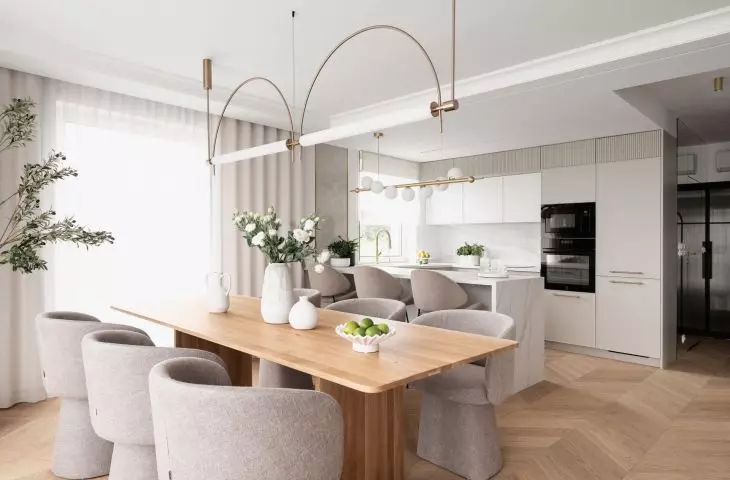
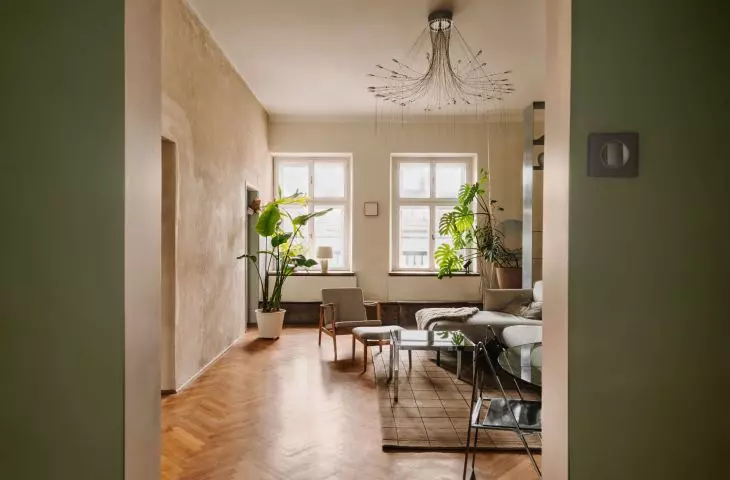
The size of the lamp deliberately "interferes" with the ideal symmetry of the interior
© Interiors
Psychology of the gaze and the lamp as a "point of disturbance"
From the point of view of the psychology of perception, the gaze is naturally directed towards what stands out from the rest. Our brain - programmed to recognize patterns - reacts immediately to what disrupts those patterns. An interior in which every detail fits into a single style becomes legible, but predictable. An interior in which a single element - a lamp, for example - breaks out of this rule provokes a closer look. In such a context, light becomes more than a functional tool. It becomes a language. A lamp of a different scale, texture or style than the rest of the interior interrupts the usual way of thinking about space - and precisely because of this it draws attention to what is most important in it: relationships, tensions, details.
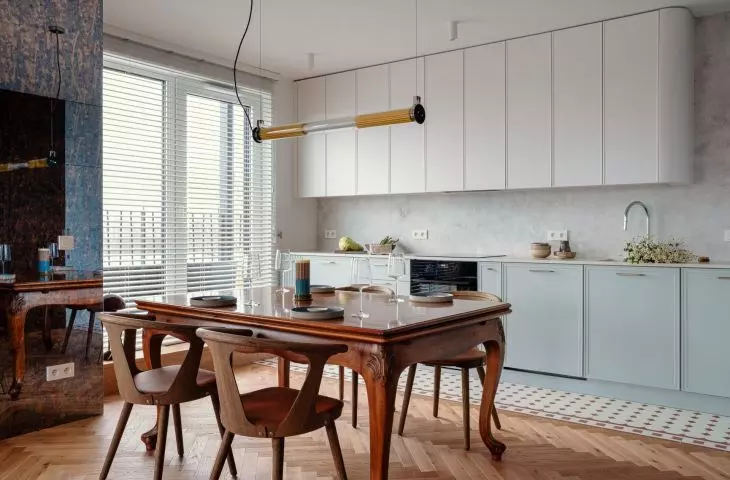
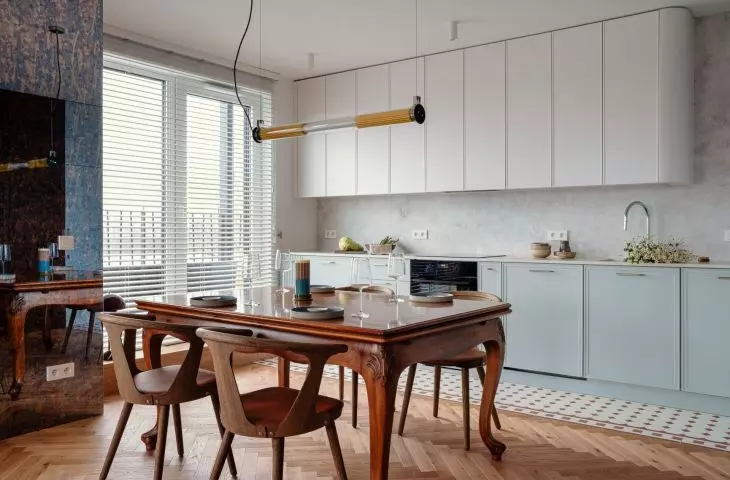
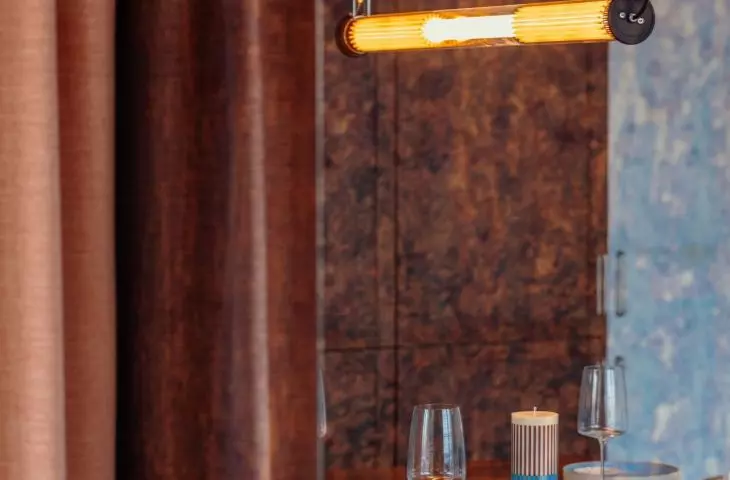
A crude industrial lamp suspended in a stylized vintage interior becomes an aesthetic counterpoint - it does not break the coherence of the space, but consciously breaks it, giving the arrangement a contemporary rhythm photo by Hanna Połczyńska / Chronicles 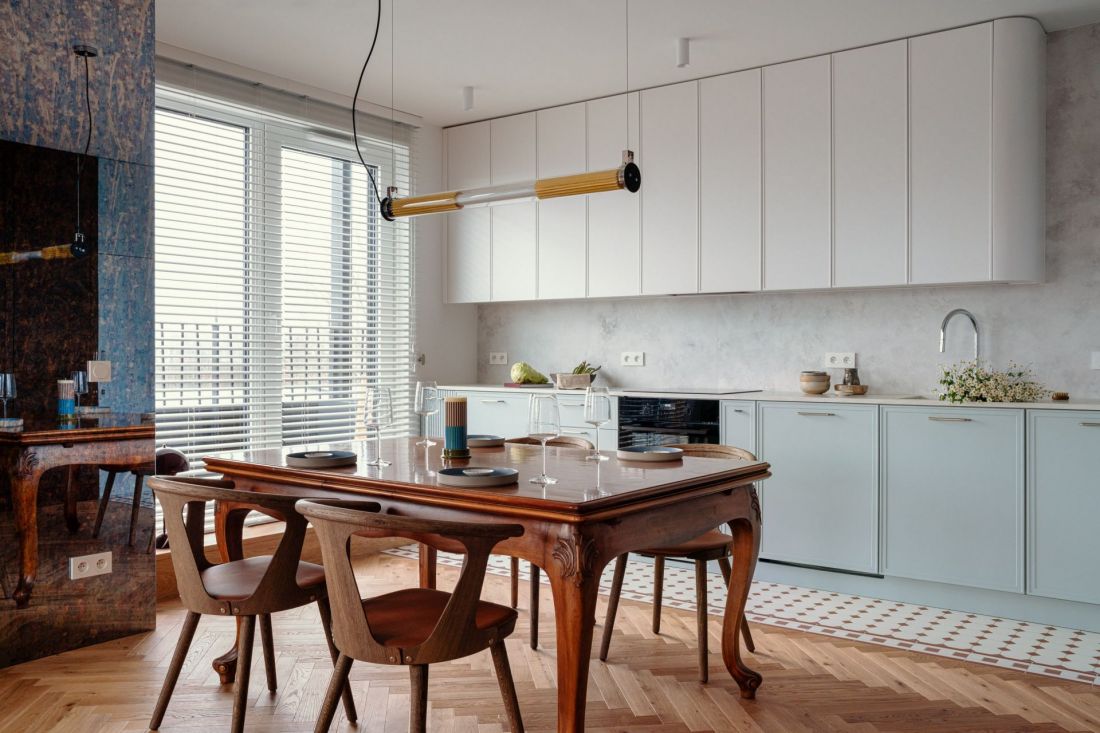
A bold design decision - but not accidental
It is worth emphasizing that the "mismatched" lamp is not the result of an oversight. It is the result of a well-thought-out aesthetic strategy, which requires not only a sense, but also courage. Designers consciously introduce this element, which very often becomes the symbol of the whole realization. For investors who decide on such a step, it is also an expression of individuality. In a world of mass solutions and catalog interiors, one unobvious element can give a space an identity.
How to approach this in practice?
- It's not about randomness, but a clear aesthetic choice - preferably one that emphasizes the theme of the interior, rather than contradicting it.
- The lamp should stand out, but not dominate.
- It is worth considering the function of the light: should it bring out a particular space? Create a zone? Build tension between light and shadow?
A space that stays in the memory
The interiors we remember are rarely perfectly symmetrical, predictable or completely consistent with one trend. They become memorable through details - especially those that break out of the pattern. A lamp that seemingly doesn't fit in with the rest, but actually leads the eye, builds meaning and tells a story, is just such a detail.