


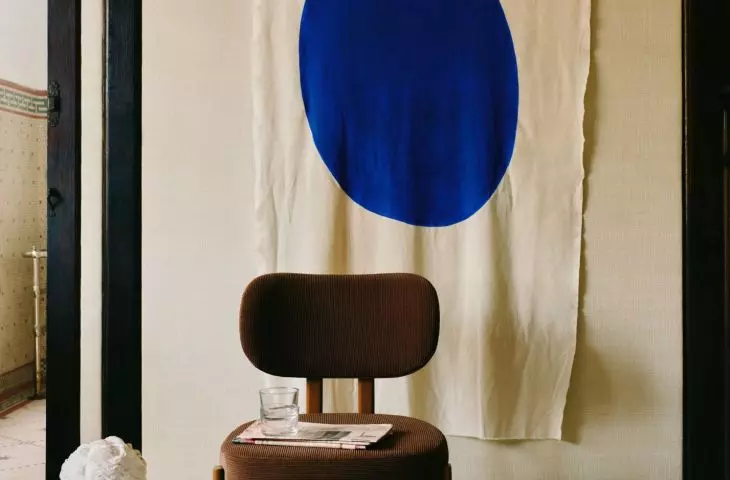
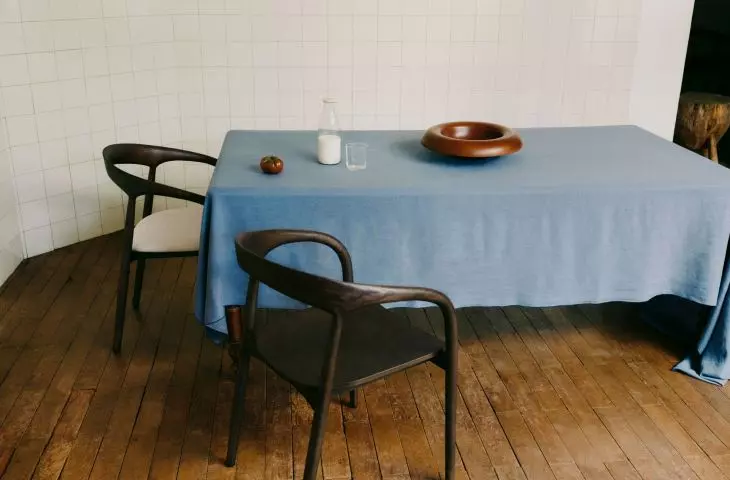
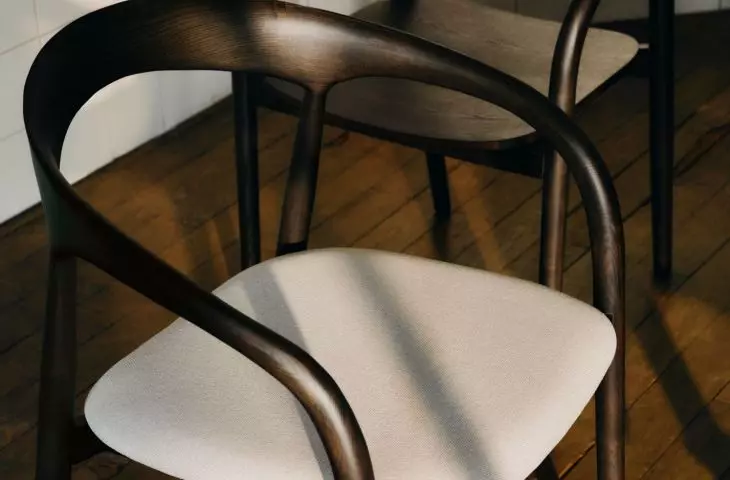
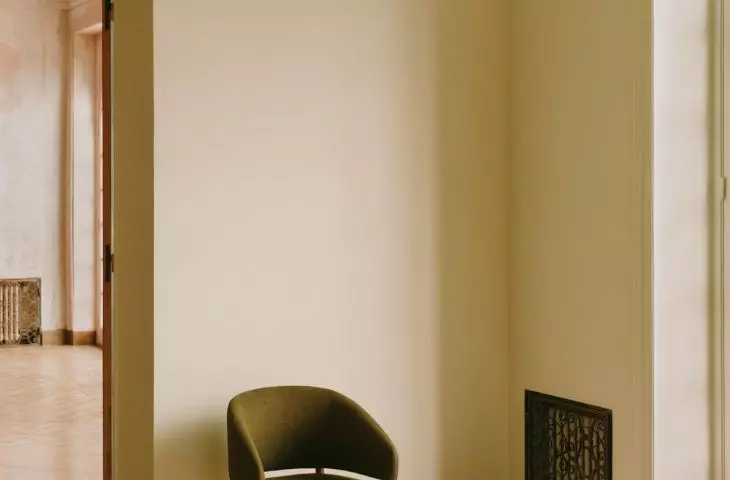









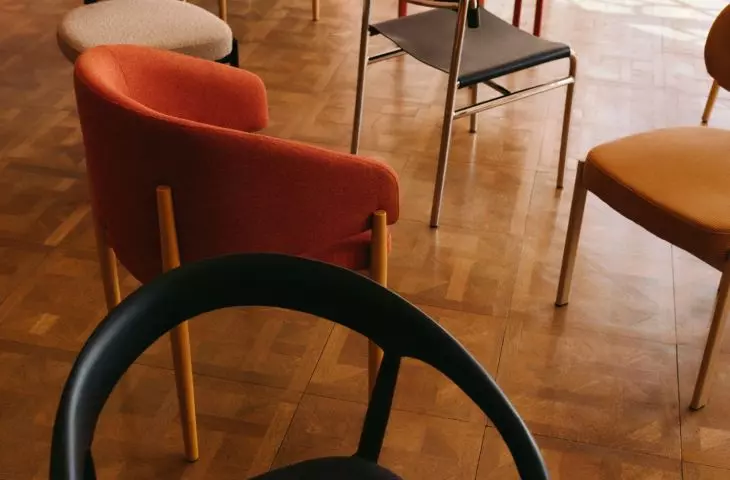


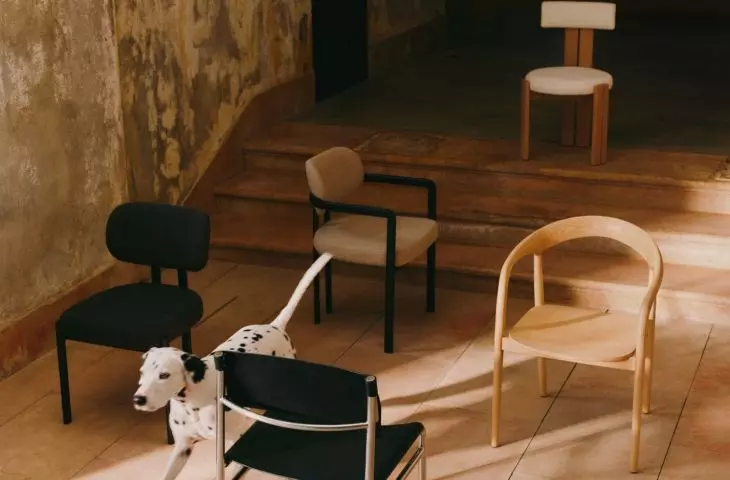

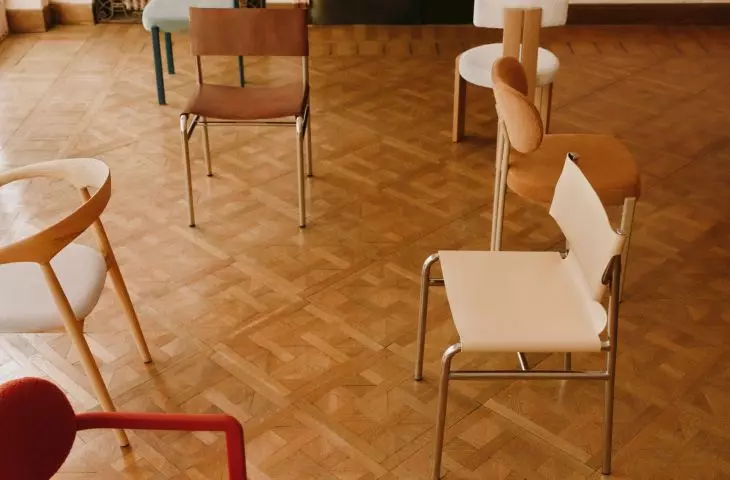


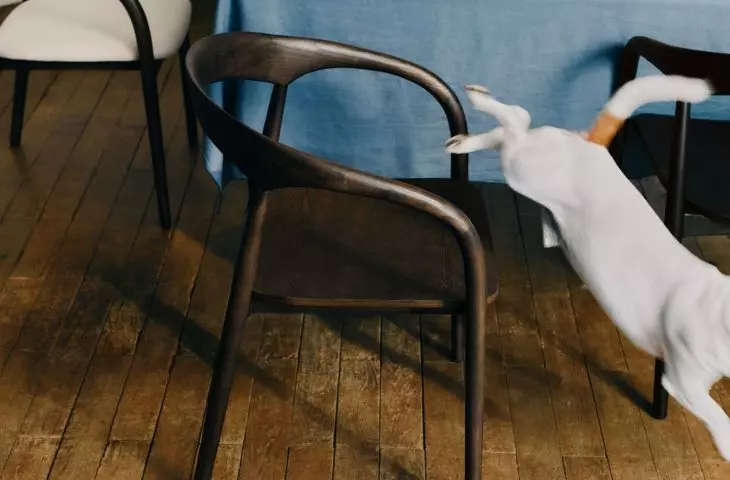

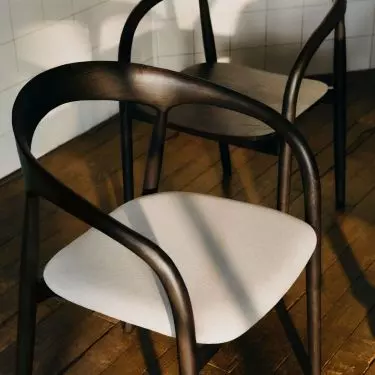

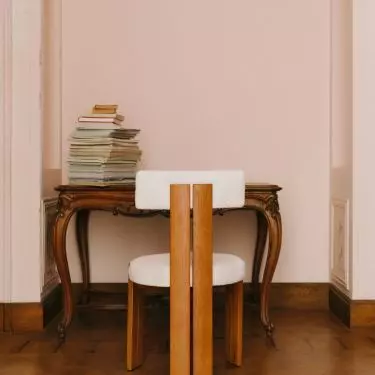
Chairs are not only an everyday essential, but also an important design element that often determines the final climate of an interior. From the kitchen to the dining room to the living room or office, they are the ones that invite a moment of rest, conversation, a shared meal or work. Thus, a seemingly minor choice becomes fundamental, because a chair should combine comfort with matching the rhythm of our lives and the style of the house. So how to choose furniture that will be both practical and "play" with the rest of the decor?
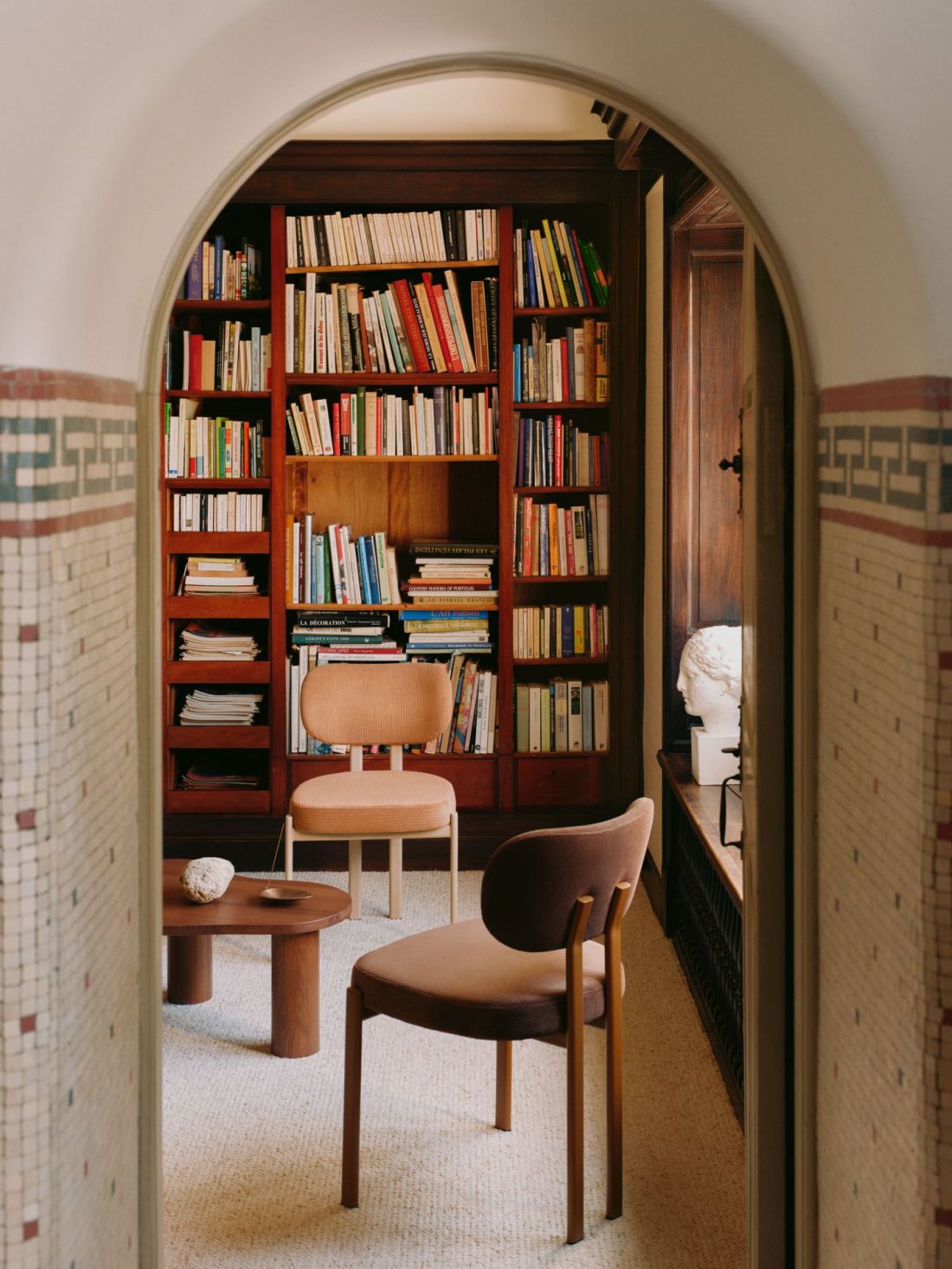
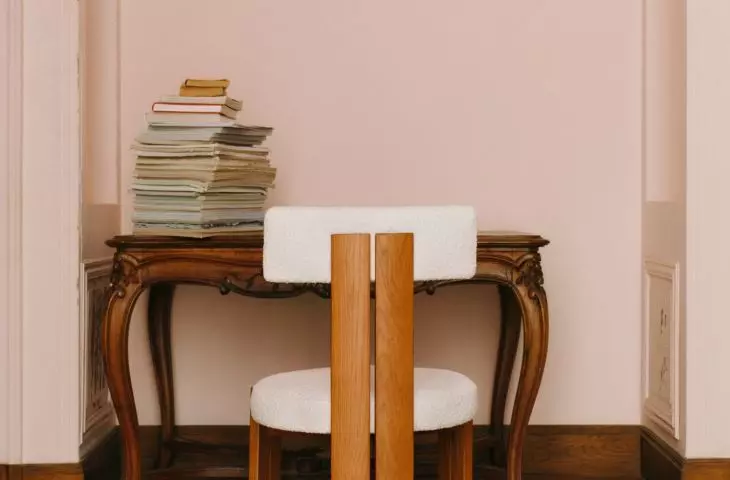
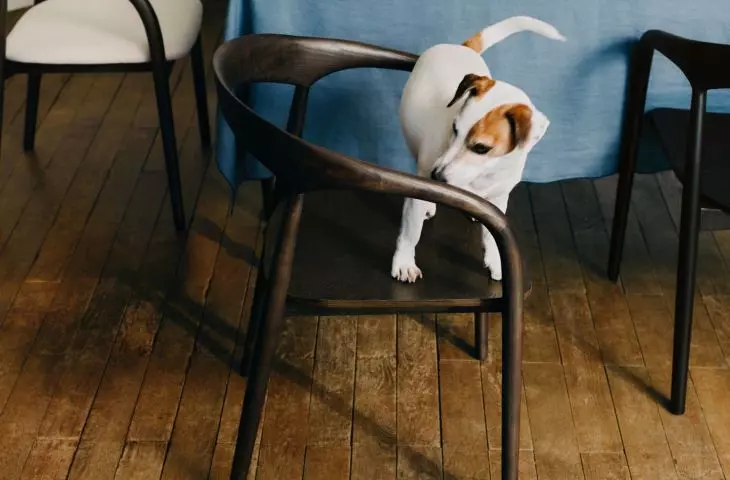
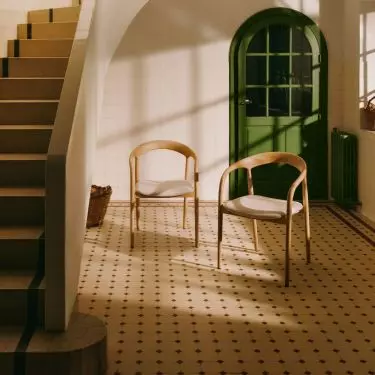
Choosing chairs is an investment in durability. Solid materials and precise workmanship ensure that the furniture not only looks good, but also retains its functional qualities over the years
© Westwing
Seat height - the foundation of comfort
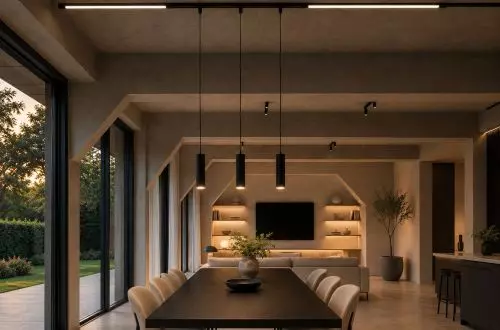
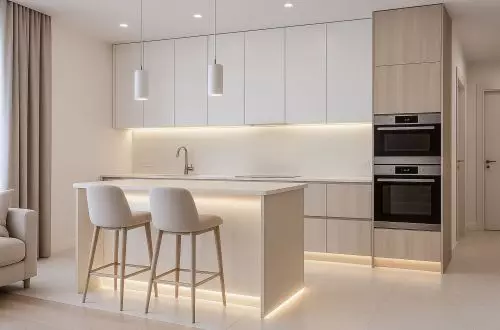
The first step is to match the height of the seat to the table. A standard tabletop is about 75 centimeters high, so you should opt for chairs with a seat height of 45-48 centimeters. This is a simple rule of thumb that ensures that even after sitting for a long time you won't feel discomfort - your legs fit under the table comfortably, and your back isn't excessively bent. In the case of kitchen islands or bar tables, it is worth reaching for bar chairs - their height and ergonomics are adapted to higher surfaces, which ensures comfort and natural ease.
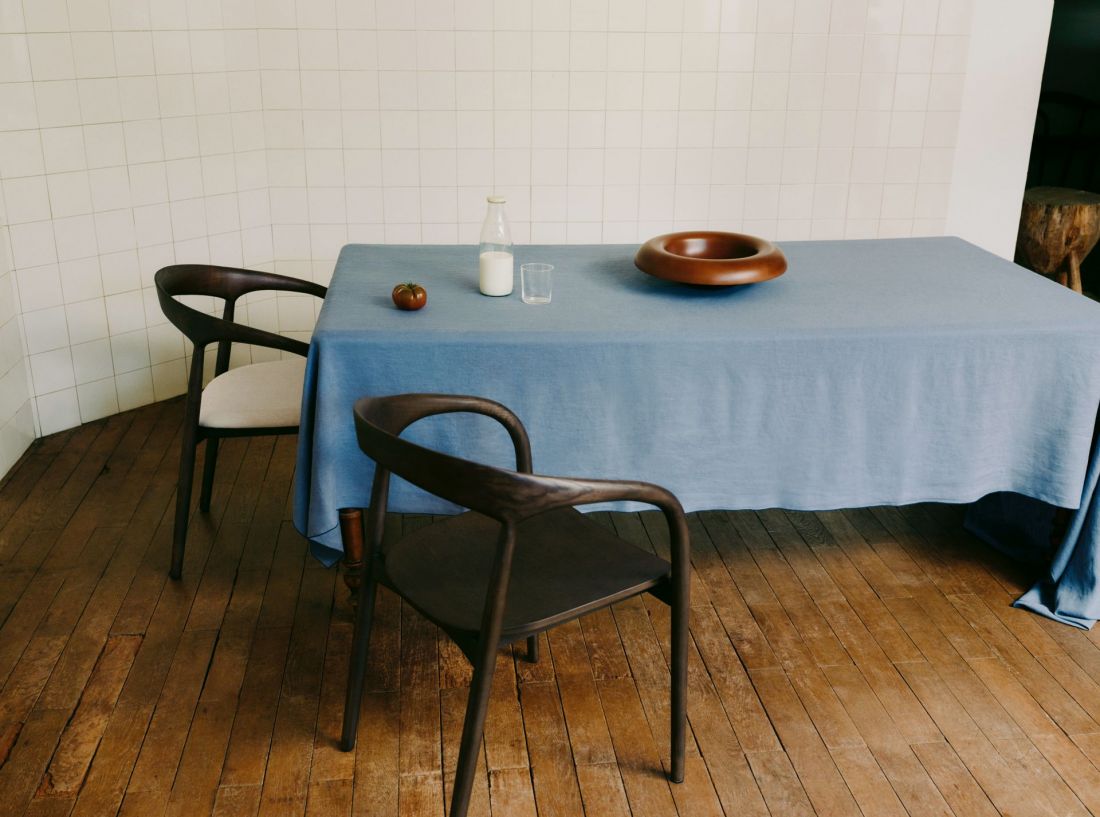
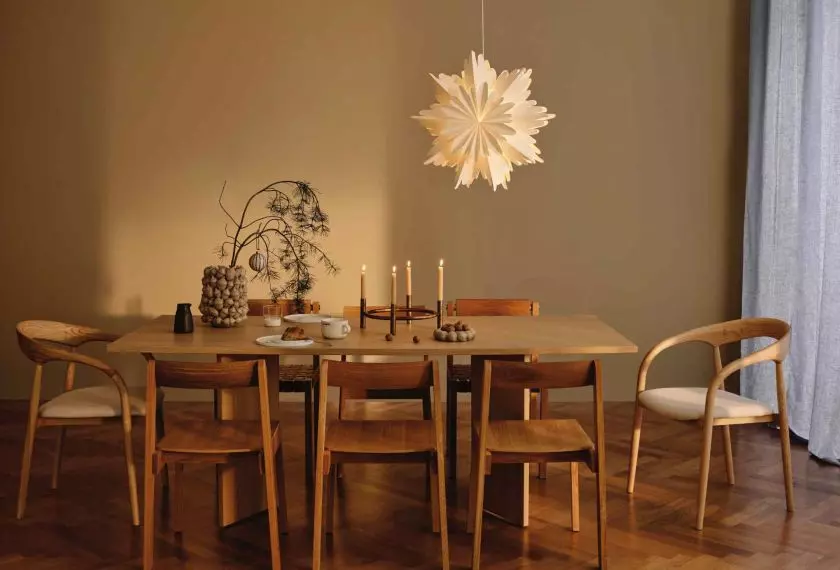
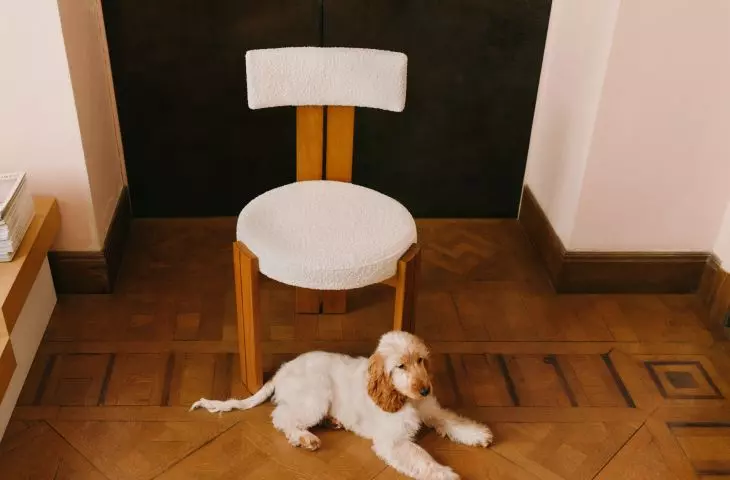
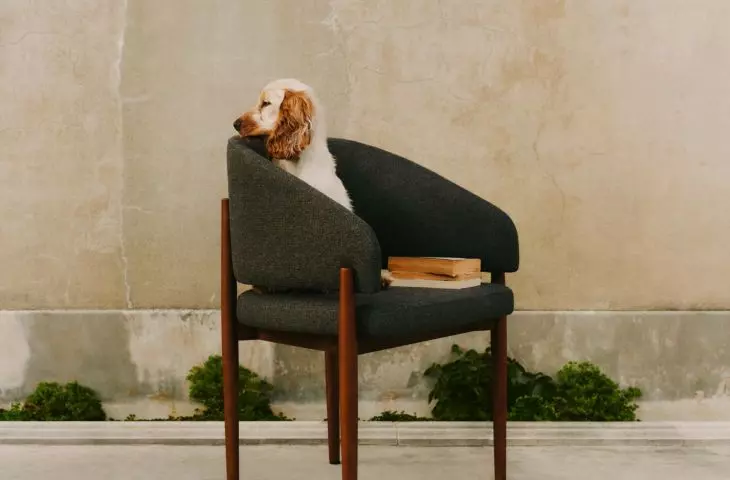
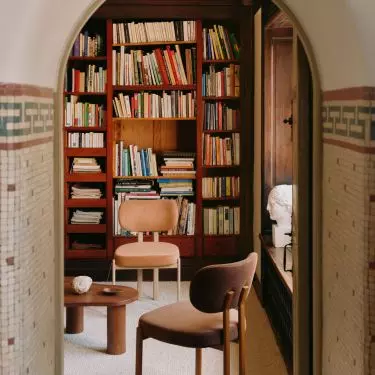
Chairs are not only a place to sit, but also a carrier of individual style that helps create a cohesive and harmonious space
© Westwing
Seat and backrest - ergonomics and freedom of movement
Do not overlook the issue of seat dimensions, which translate into everyday comfort. The depth should allow you to fully support your back, but not make your knees hang in the air - the optimal is 40-45 cm. A width in the order of 45 cm and more is a safe choice for a variety of figures, guaranteeing freedom and no feeling of pressure. The quality of the upholstery is also important - neither too hard nor too soft a seat surface can maintain a comfortable posture and a healthy spine for many hours.
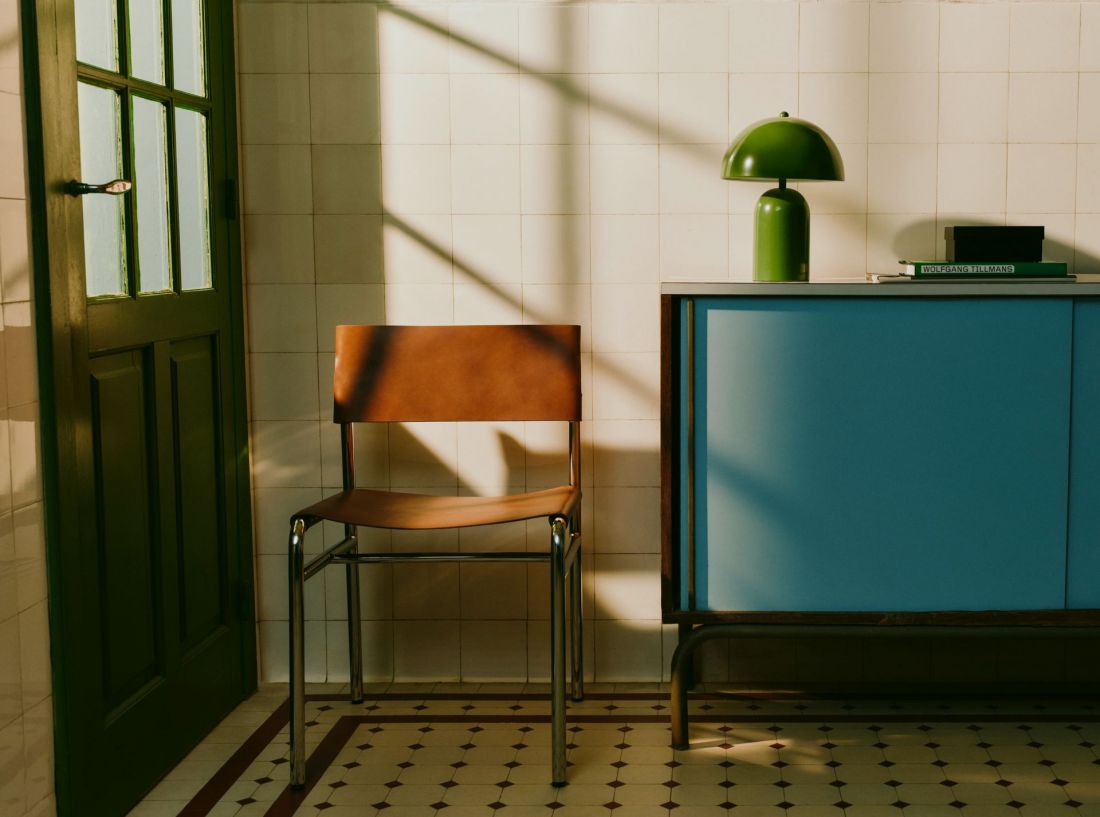
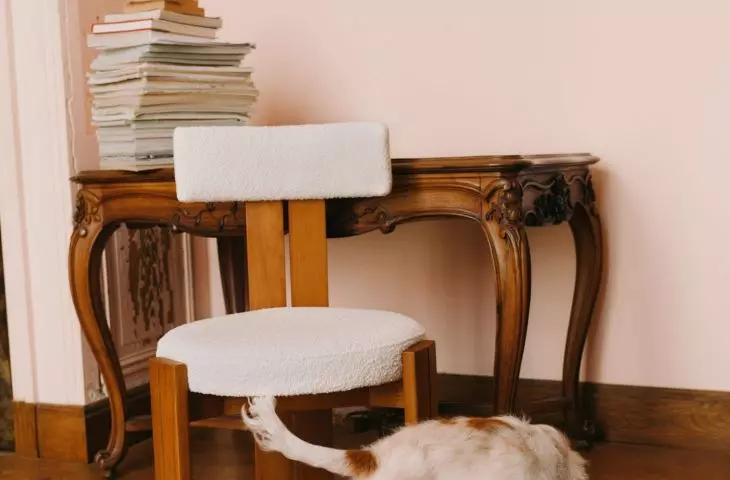
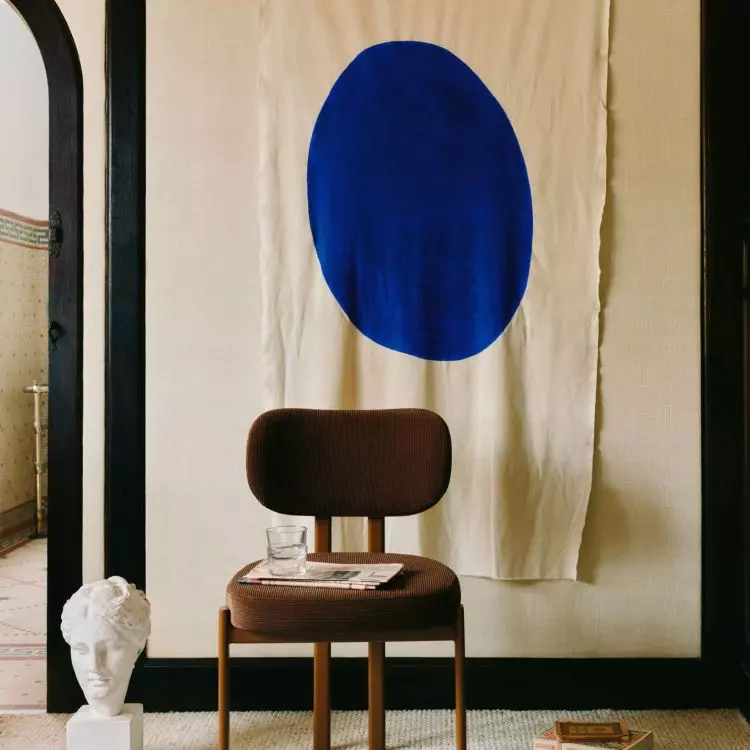
In office spaces, ergonomics and support for the spine become a priority
© Westwing
Materials - from functionality to interior character
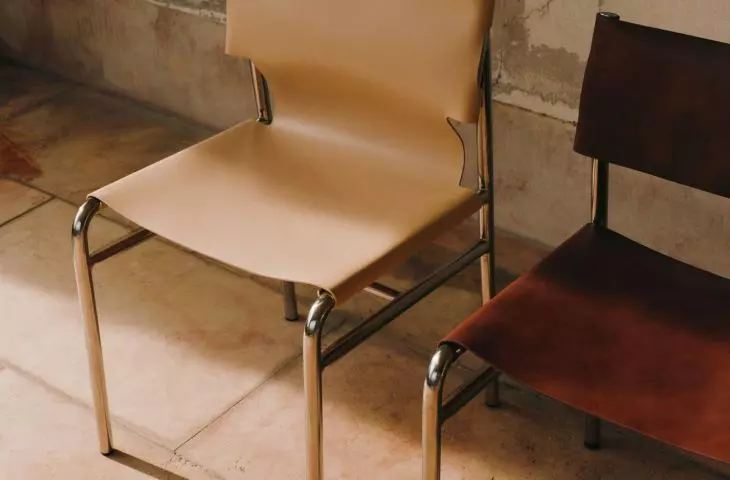
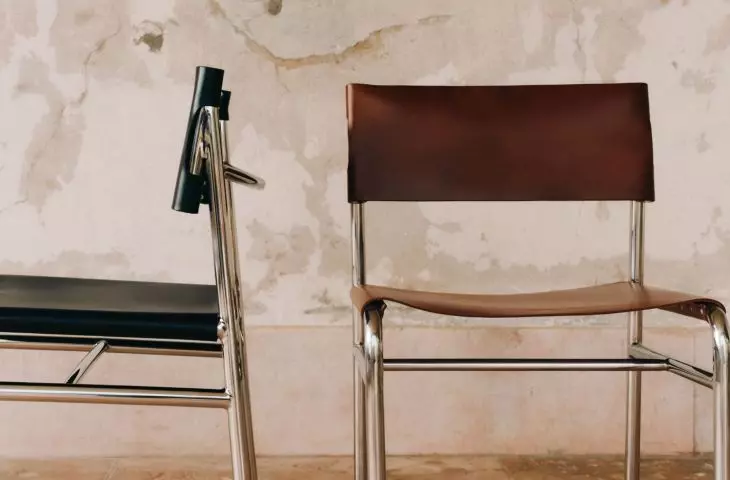
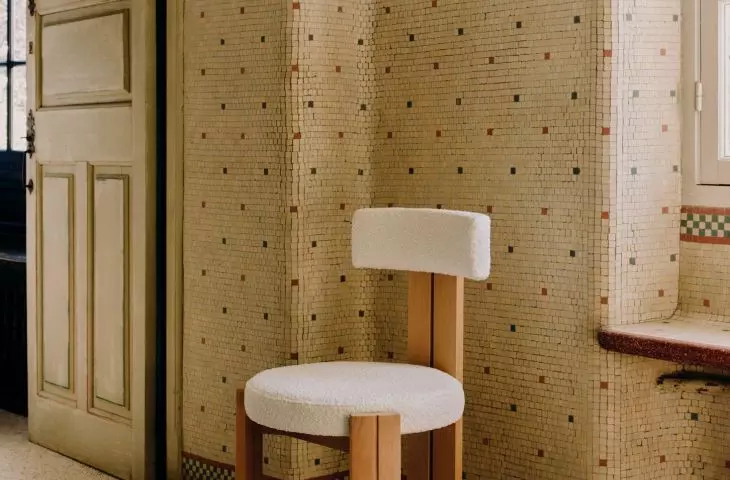
The choice of materials affects both the durability of a piece of furniture and its visual perception. Wood is a classic, which, thanks to its natural structure, brings warmth and a friendly atmosphere to the interior. However, it is worth paying attention to the species of wood and the finish - resistance to moisture and scratches are assets, especially in heavily used spaces. Metal chairs bring a modern touch and industrial chic to the room, plus they are practical and easy to clean. Plastic, thanks to its lightness and wide range of colors, works well where freedom and ease of use are important.
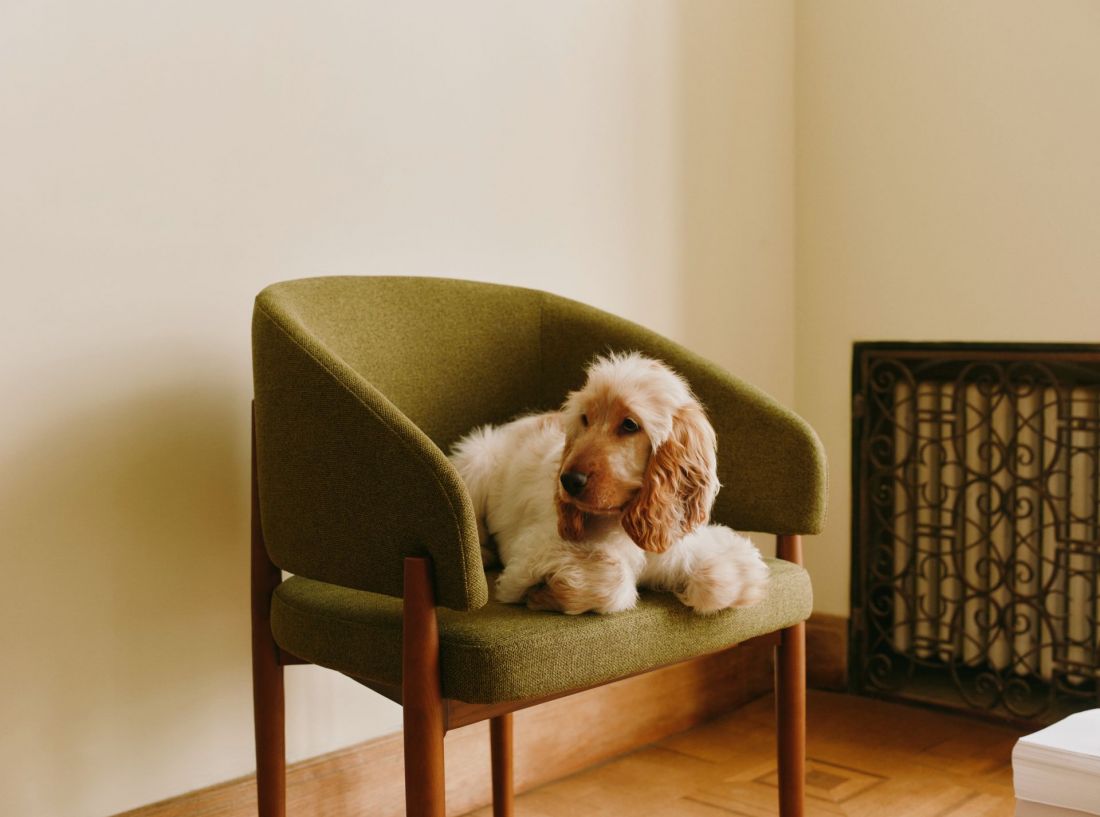
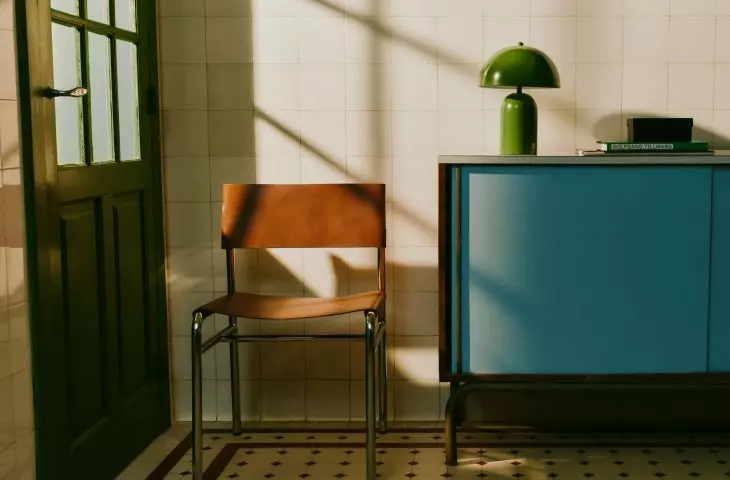
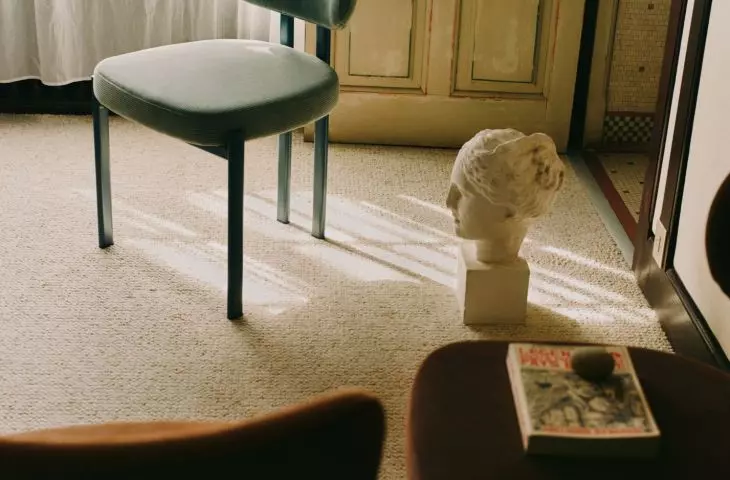
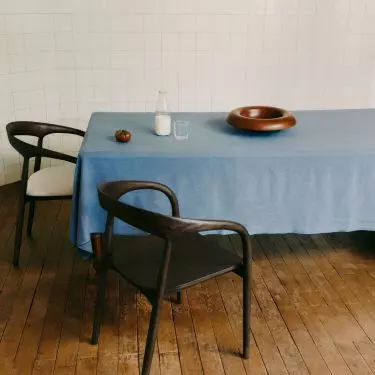
Upholstery, although it requires more attention, guarantees more comfort and can be a decorative element - fabrics with stain-resistant coatings or easy to refresh will do well, which is a huge help in everyday use
© Westwing
Ergonomics and lifestyle - how to ensure health and comfort
A well-designed chair is one that respects the needs of the body and supports it in its natural position. A contoured backrest with lumbar support helps maintain a healthy posture, and optional armrests add comfort, especially when you spend more time in the chair - for example, when working remotely or having long family meals. However, it's worth remembering that chairs with armrests take up more space and can make it difficult to slide them under the table, so it's a good idea to measure the available space before buying.

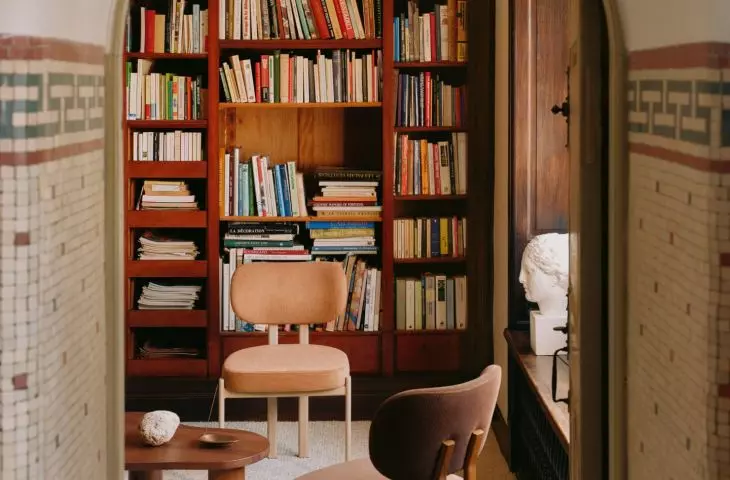
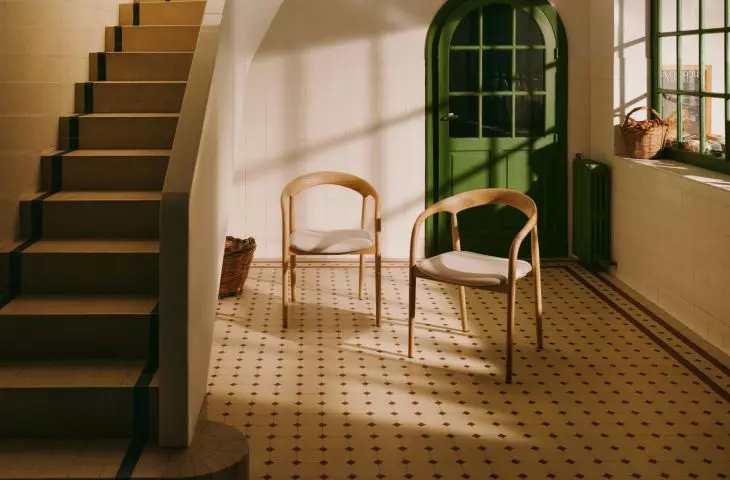
An important aspect in choosing chairs is their versatility. Models with simple forms and neutral colors are easier to match with different arrangements, allowing more freedom to change decor or accessories
© Westwing
Matching to space - small and large interiors
In small apartments it is worth betting on lightweight, openwork chairs or models made of transparent materials, which do not overwhelm the space and visually open it up. In larger rooms you can afford more massive and upholstered chairs, which are a strong design accent and introduce a comfortable, cozy atmosphere.
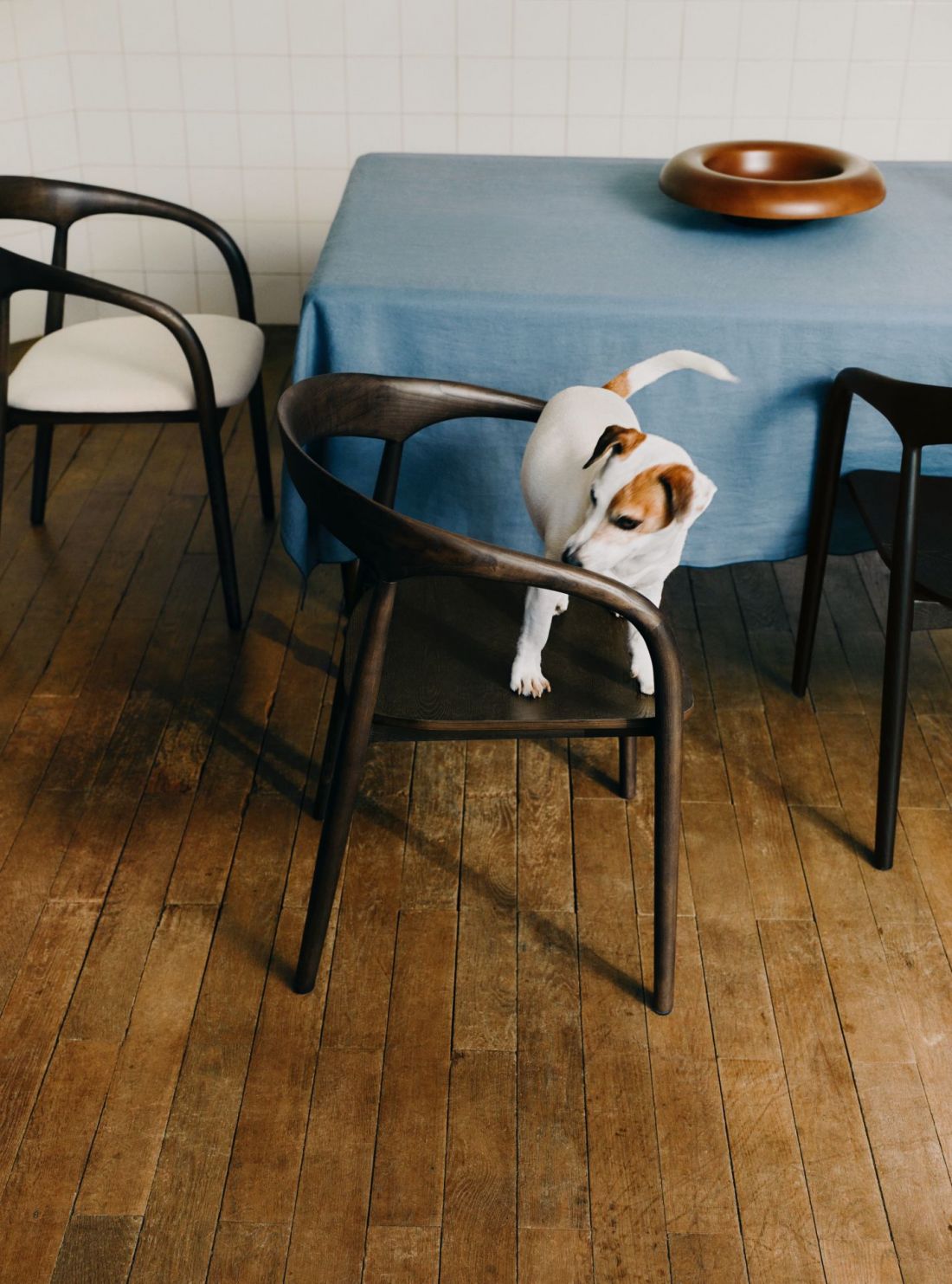
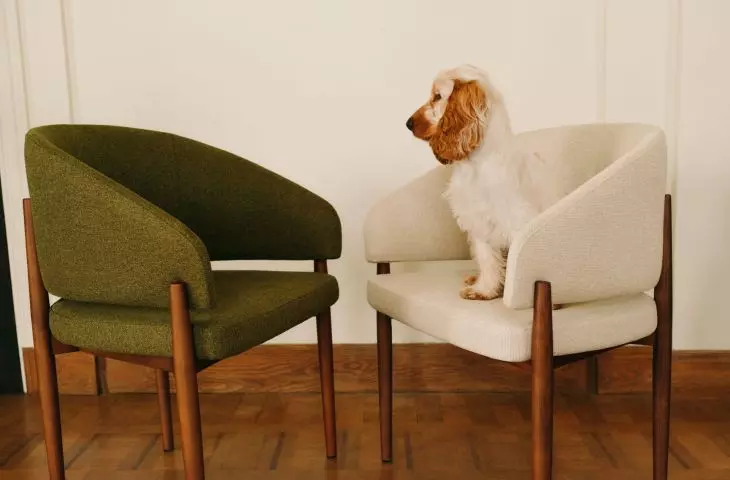
Armrests work well in larger interiors, where they do not restrict freedom of movement, but allow for a moment of relaxation
© Westwing
How to set up chairs to promote relationships and freedom
Proper placement of chairs is not only a matter of comfort, but also of space organization. A minimum of 10 cm of free space should be left between chairs at the table so that everyone can get up and sit freely without moving the furniture. When planning the width of the seating area, it is worth counting about 60 cm per person.
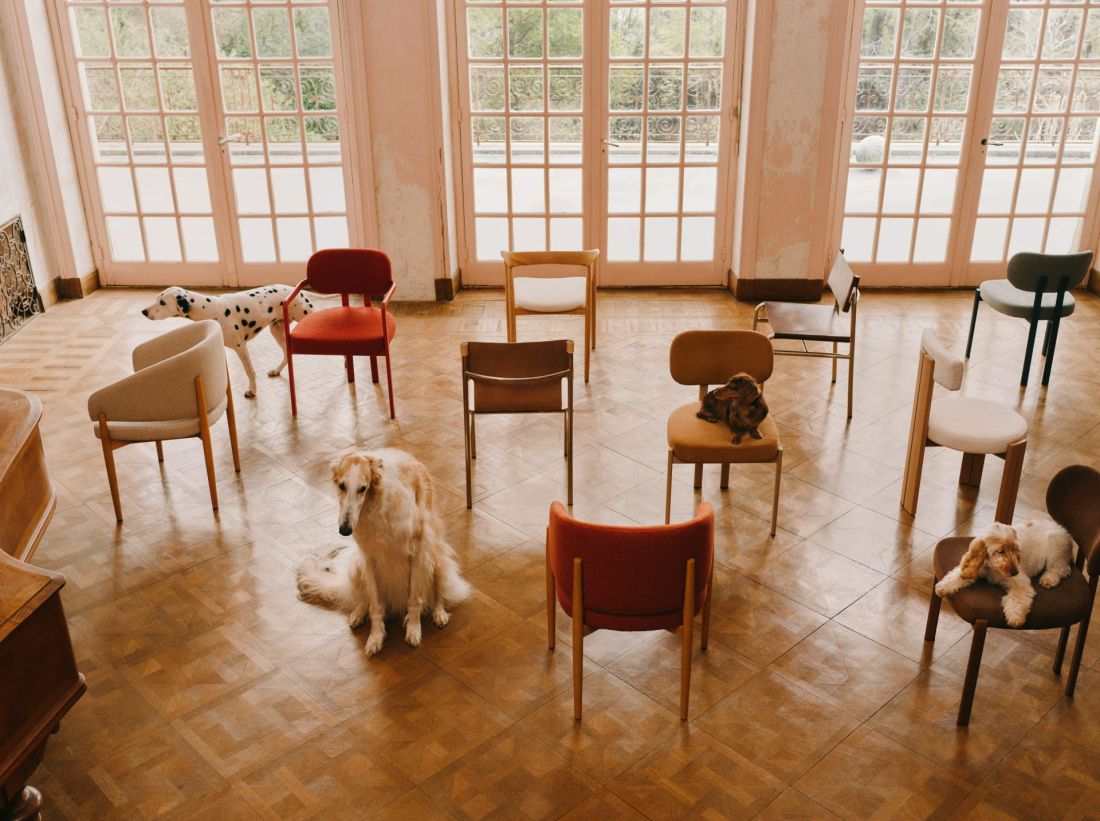
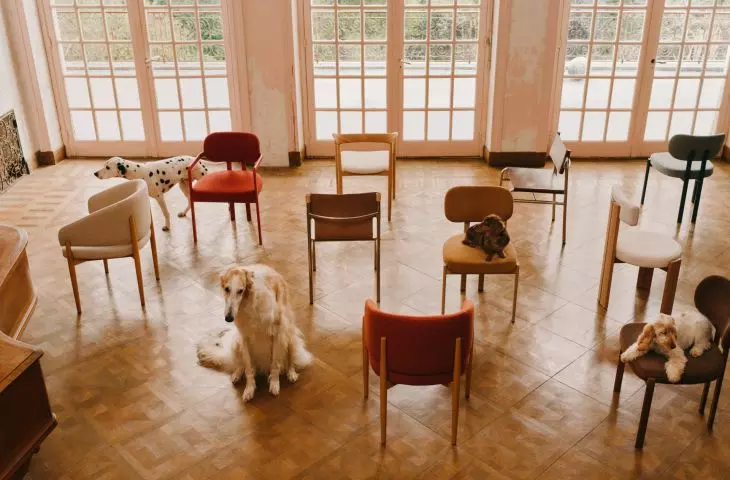
In lounge areas, it's a good idea to arrange chairs in a way that promotes conversation - for example, in pairs or in a gentle arc, which facilitates eye contact and builds an atmosphere of closeness
© Westwing
Chairs at home with children - safety and practicality
In a home with children, the choice of chairs takes on added importance. The furniture must be durable, easy to clean and safe - without sharp edges or parts that can come loose. An excellent choice will be models made of plastic or upholstered with stain-resistant fabrics. The stability of a piece of furniture is crucial here to prevent tipping over and guarantee freedom of play.
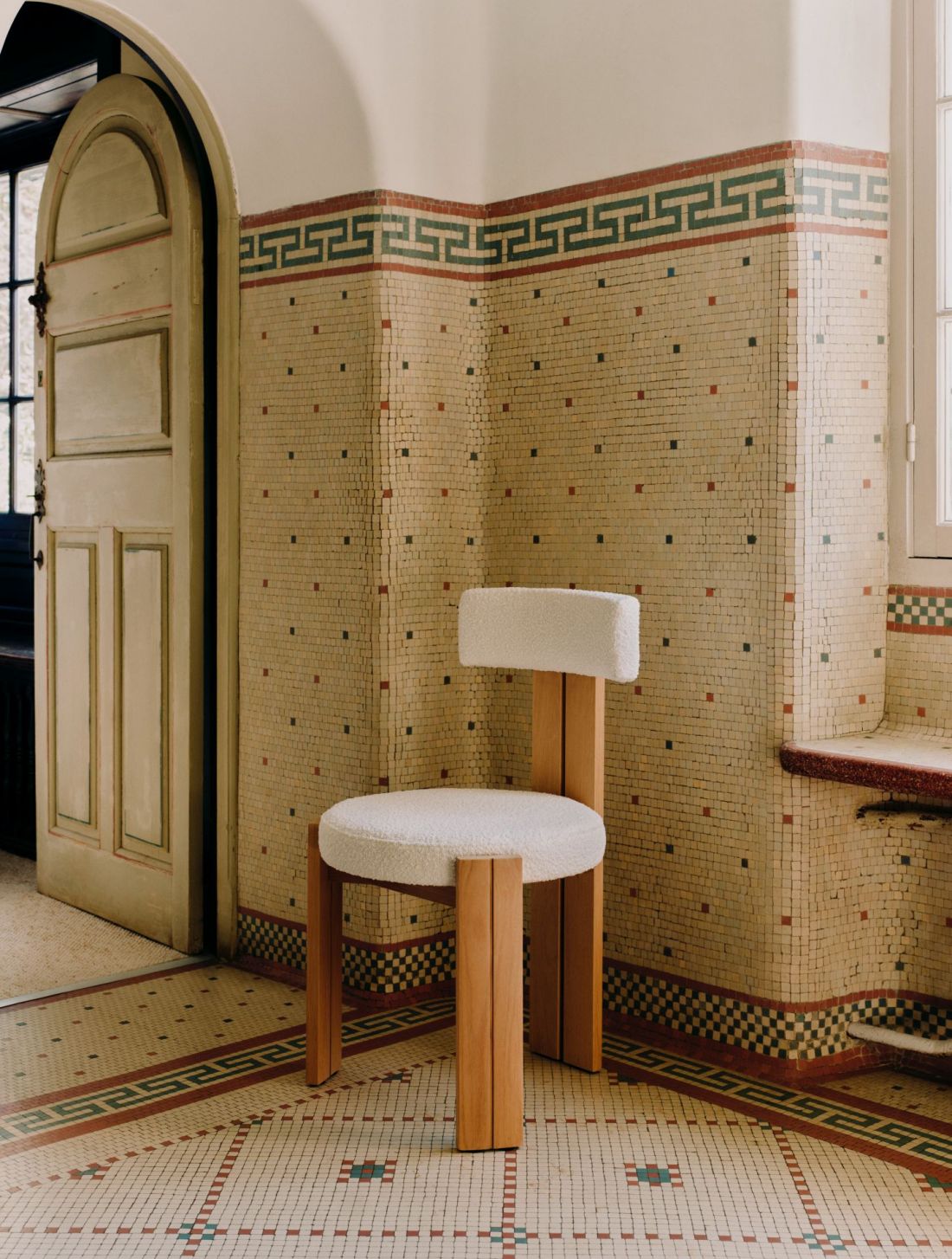
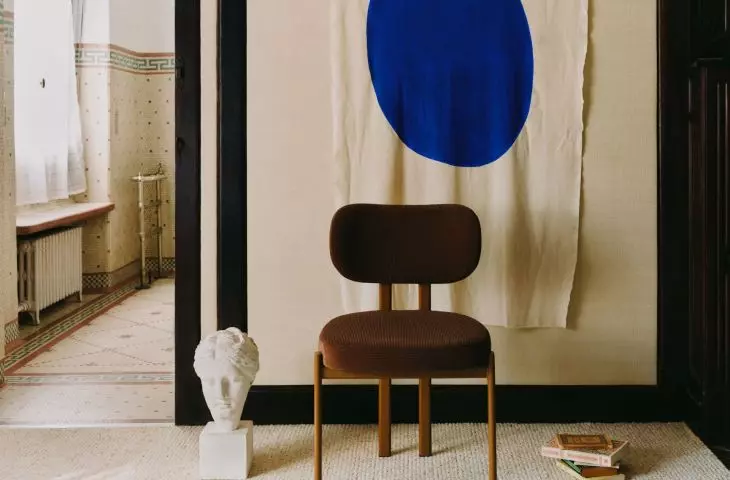
Chairs are one of the most important elements of interior design, which affect not only the comfort of users, but also the perception of the entire space
© Westwing
Trends and ecology - a modern approach to tradition
Chairs made of eco-friendly materials such as bamboo, hemp fibers or recycled plastics are gaining popularity. Modular designs allow you to combine elements at will and adapt them to the changing needs of household members.
Choosing chairs as an investment in comfort
Choosing chairs is a decision that has a real impact on our daily life and perception of the interior. Therefore, it is worth devoting time and attention to it, betting on furniture that fits your lifestyle, is ergonomic and durable. In this way, chairs will become not just a place to sit, but a real element that combines functionality with aesthetics, affecting the comfort and atmosphere of the home.