









 Download all
From the series “Eco-Friendly Solutions — Trends and Technologies 2026”
How ATermFarb technology redefines the concepts of thermal insulation and fire safety, addressing challenges in historic buildings, cold zones, and engineering structures.
Contemporary architecture faces a dual challenge: stringent energy efficiency requirements and growing spatial and preservation-related constraints. Traditional insulation methods, based on thick layers of expanded polystyrene or mineral wool, are increasingly encountering technological and aesthetic barriers. The answer to these challenges is the ATF PSC system from ATermFarb — a groundbreaking thermoreflective coating technology based on vacuum-sealed quartz microspheres, which, in its latest iteration, combines uncompromising thermal protection with a certified fire protection system for wooden and steel structures.
Building Physics Revisited: How Do Vacuum Microspheres Work?
Traditional thermal insulation works by slowing heat conduction through its thickness. The ATF PSC (Power Smart Coat) system reverses this paradigm by relying on the phenomenon of thermal reflection. The key component of the coating is advanced vacuum-sealed quartz nanospheres. They act like miniature mirrors—their internal vacuum structure reflects up to 92–93% of thermal radiation (TSR >93%).
As a result, the system—applied using painting methods with a total wet thickness of just 1.0–1.5 mm—can provide thermal protection that exceeds traditional standards. For the interior system, a coating thickness of up to 0.40 mm replaces up to 5 cm of polystyrene insulation, while on the exterior of the building, a layer of up to 1.2 mm corresponds to up to 11 cm of polystyrene insulation. Thin-film technology eliminates the need for heavy, multi-centimeter-thick cladding, opening up entirely new possibilities in shaping building forms and architectural details.
Historic Monuments Under Special Protection: Accredited Silicate Technology
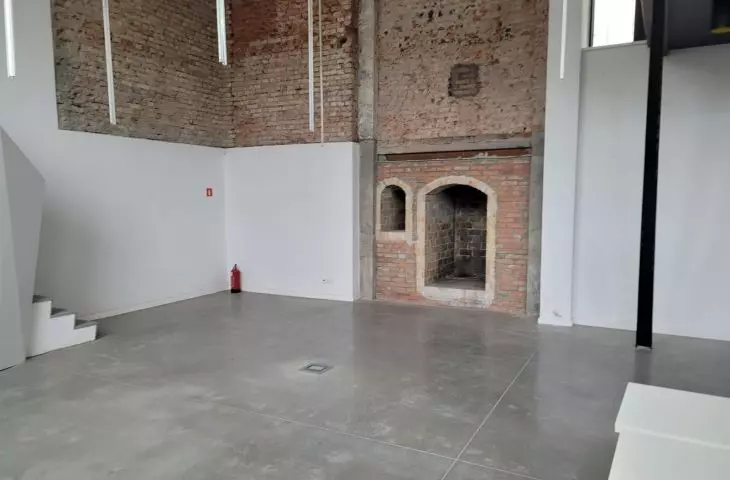
For architects involved in the restoration of historic buildings, ATF PSC coatings are a tool of strategic importance. Thermal retrofitting of historic buildings from the exterior is usually impossible due to the need to preserve the original stucco, facade details, or the unique texture of the masonry. On the other hand, insulating from the inside with traditional materials drastically reduces the usable floor area (UFA) and carries a huge risk of biological deterioration of the walls.
Coatings designed for historic buildings are based on a specialized silicate dispersion and are characterized by the highest class of water vapor permeability (designation V1 according to PN-EN 1062-1:2005) and extremely low water absorption (classification W3 according to PN-EN 1062-1:2005). Crucially for conservators, the system underwent rigorous testing at Nicolaus Copernicus University in Toruń under the supervision of Prof. Piotr Niemcewicz, Ph.D. (Head of the Department of Conservation and Restoration of Architecture and Sculpture), receiving full approval and authorization for use in historic buildings.
As a result, the coatings have a completely neutral effect on old walls, wooden structures, and plaster and do not undergo any chemical reactions with them. Furthermore, aging tests conducted at the Kraków University of Technology confirmed their unique resistance to UV radiation and weather conditions, determining the coatings’ durability to be up to 25 years. An additional advantage is the ability to tint the coatings to any color (e.g., from KEIM’s prestigious mineral palette) in full consultation with a historic preservation specialist.
Dew point shift and advanced dedicated systems
The use of a thermoreflective system modifies the temperature distribution within the wall cavity. By raising the surface temperature of the wall, it effectively shifts the dew point outside the wall structure, completely preventing moisture condensation and, consequently, the formation of mold or algae. Two ready-to-use systems are available to designers:
- Interior system (ATF PSC INTERIOR+): BASIC B primer + ECI+ insulating coating (total thickness up to 0.4 mm; equivalent to 5 cm of polystyrene). It perfectly preserves interior volume.
- Exterior system (ATF PSC ELEWACJA+): BASIC B primer + BUILD insulation coating + ECO+ outer layer. For full protection against vandalism, the system can be supplemented with an invisible ATF PSC NANOSHIELD protective layer (0.05 mm) that protects against graffiti.
Retrofitting Existing Buildings: Improving Insulation Without Replacing Trim
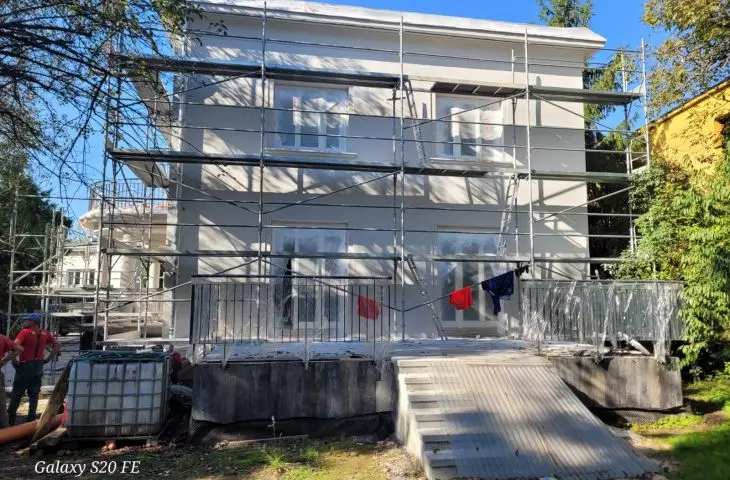
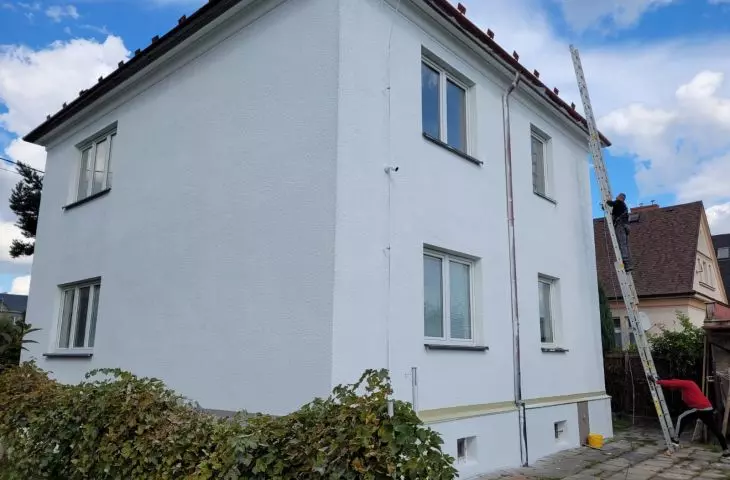
A major market challenge today is the need to improve the thermal performance of buildings that have already been insulated with expanded polystyrene (often only 5–10 cm thick, which is insufficient by today’s technical standards). Adding another thick layer of polystyrene foam (“polystyrene on polystyrene”) generates enormous additional costs. This is because it requires the complete removal and repositioning or replacement of flashings, gutters, and downspouts, as well as setting the windows deeply back into the facade, which drastically reduces the amount of daylight entering the rooms.
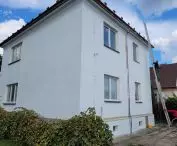
Using the ATF PSC system as an external renovation and thermal insulation layer completely eliminates these problems. The thin-film application, with a thickness of only about 1–1.2 mm, significantly increases the thermal resistance of the entire building envelope (equivalent to adding up to 11 cm of traditional insulation) directly onto the existing facade structure. The developer avoids any costs associated with modifying flashings and replacing gutter systems, which drastically reduces the budget for the entire project and completely prevents the generation of construction waste that is difficult to dispose of.
Solving the Problem of Cold Zones: Stairwells, Elevator Shafts, and Garages
A common challenge in the design and thermal retrofitting of multifamily buildings is the so-called “cold zones” and partitions separating heated from unheated spaces. These include stairwells, elevator shafts, vestibules, as well as the ceilings and walls of unheated underground or above-ground garages. The use of traditional, thick-layer insulation in these spaces is often impossible due to restrictive fire safety regulations (the need to maintain a minimum width for escape routes) or clearance and usable height limitations (in the case of garage ceilings).
The ATF PSC system provides the ideal solution to this problem. Thanks to the coating’s minimal thickness, its application on stairwell walls or in elevator shafts does not interfere with the geometry of the passageways in any way. In the case of ceilings above unheated underground garages, the ATF PSC coating prevents heat from escaping from ground-floor apartments, protecting their floors from troublesome freezing and eliminating the risk of harmful mold growth in the corners. Furthermore, the coatings’ certified non-flammability allows for their completely safe use in garages and along evacuation routes, meeting the strictest fire safety requirements.
Uncompromising Fire Protection: PSC 555T and PSC 1200T Systems
Ensuring the fire safety of structures is a fundamental responsibility of every architect and structural engineer. The unique physicochemical properties of ATF PSC technology have made it possible to create a specialized product line dedicated to providing absolute fire protection for construction materials such as wood and steel.
The key pillars of this system are the advanced **PSC 555T** and **PSC 1200T** coatings . They have undergone rigorous testing at leading, accredited European laboratories, including the **Institute of Ceramics and Building Materials (Łukasiewicz Research Network — Center for Fire Safety and Acoustics)**, resulting in official classification reports (including **KG-167/25**).
The use of these coatings on engineering structures guarantees the highest safety parameters:
Fire Reaction Classification A2-s1, d0: The systems have received this prestigious classification, which defines them as **non-combustible products**.
Complete absence of burning droplets (d0): Upon direct contact with flames, the material does not melt, drip, or produce falling burning particles, which is of paramount importance for protecting human life and keeping escape routes clear.
Extremely limited smoke emission (s1): The products are characterized by the lowest possible rate of toxic smoke emission, which prevents smoke from filling escape routes and facilitates firefighting efforts.
Effective endothermic barrier: The applied layer (with low consumption of 0.3 l/m²) forms an insulating barrier when exposed to heat, cutting off the oxygen supply and drastically slowing the heating of the steel core or the charring of load-bearing wooden beams, effectively protecting the surface from fire and structural collapse.
Modular and Container Architecture: Combating Condensation
The dynamic growth of modular and container architecture, as well as structures based on steel profiles, presents designers with the challenge of extreme thermal bridges and intense water vapor condensation on metal surfaces. Steel, as an excellent heat conductor, generates localized moisture condensation when exposed to temperature differences, leading to rapid corrosion and degradation of interior finishes.
In container systems, the ATF PSC INDUSTRY coating (consisting of the vapor-impermeable BASIC A primer, the HP/HP+ insulation layer, and the EC/EC+ protective layer), applied directly to the sheet metal, acts as an anti-condensation barrier. By eliminating direct contact between warm, humid air and the cold metal surface, condensation is completely prevented. Additionally, these coatings provide excellent corrosion protection in environments with high corrosion classes (C4 and C5), ensuring the longevity of modular structures.
Summer overheating and attic protection: Year-round comfort
Traditional insulation materials heat up completely after a few hours of intense sunlight and begin to act as heat accumulators, releasing heat into the building’s interior long after sunset. This results in drastic overheating of attics and the top floors of buildings during the summer, leading to enormous air-conditioning costs.
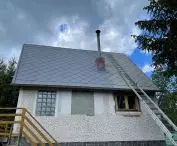
ATermFarb works by thermal inertia in a fraction of a second. When applied to roofing materials (the ROOF or ELASTIC systems for roofing felt and PVC) and to the facade, it reflects solar radiation directly outward, preventing thermal energy from penetrating the roof or wall structure. The use of ATermFarb systems enables real energy savings totaling up to 35% per year.
Tangible Economic Benefits: Arguments for Developers and Investors
Choosing ATF PSC technology is not only a response to technical challenges but also a strong business case backed by hard market metrics:
Space savings (larger usable floor area): Replacing multi-centimeter-thick insulation with a coating preserves the building’s volume and recovers valuable square meters of usable space for sale or rent.
Up to 60% reduction in investment costs: The thin-film system drastically reduces the costs of auxiliary materials, scaffolding, and logistics compared to traditional insulation methods.
Four-fold reduction in project time: Simple application (using hydrodynamic spraying, a roller, or a brush) shortens the project timeline by 75%, eliminating the need for complex roofing and sheet metal work and reducing waste generation.
100% Elimination of thermal bridges and safety: The liquid form perfectly replicates the structure and shape of the original surface without distorting architectural details. The systems are completely non-flammable (they have the highest fire resistance class for coatings: A2-s1, d0 and B-s1, d0 according to PN).
Spectacular reference projects: Technology proven in practice
The effectiveness of ATF PSC systems has been fully confirmed by client references in demanding conservation and engineering projects:
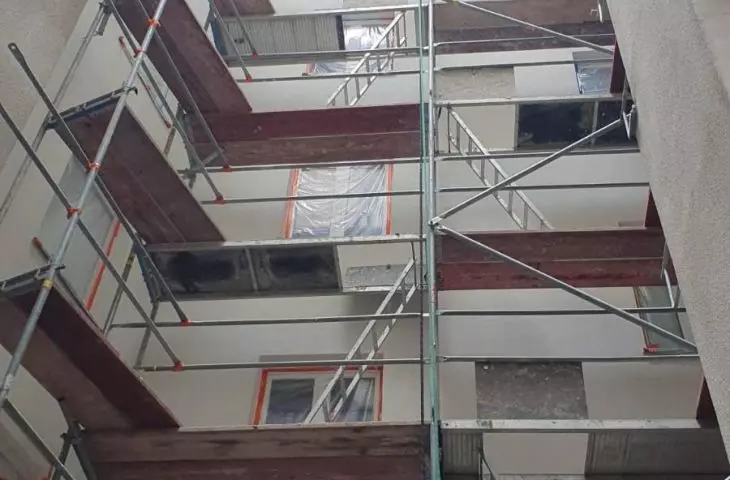
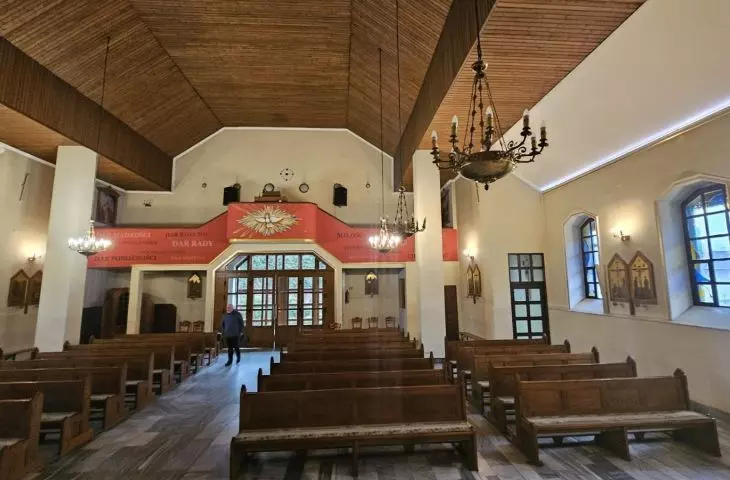
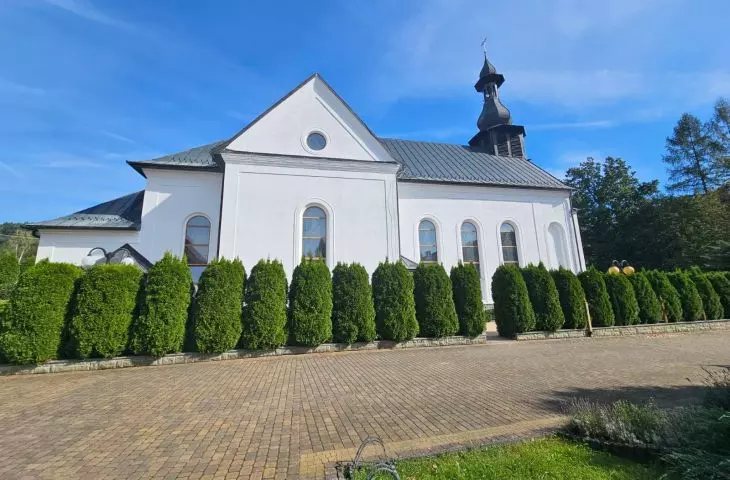
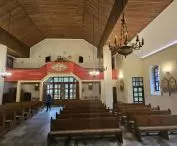
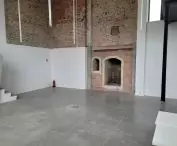
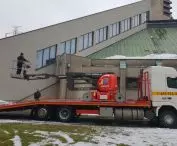
Interior of the church in Wola near Pszczyna: Comprehensive thermal modernization of the interior covering an area of 2,500 m². The work was completed using the hydrodynamic spraying method (BASIC B primer + INTERIOR insulation) in just 4 weeks. The church remained fully operational and open to the congregation throughout the entire duration of the work.
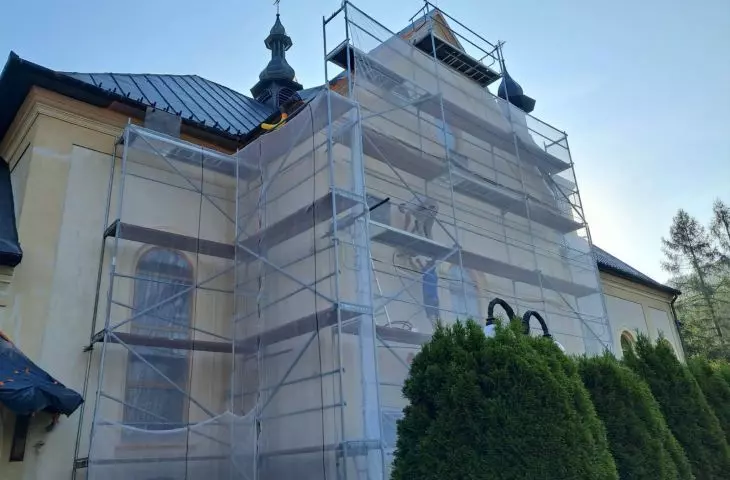
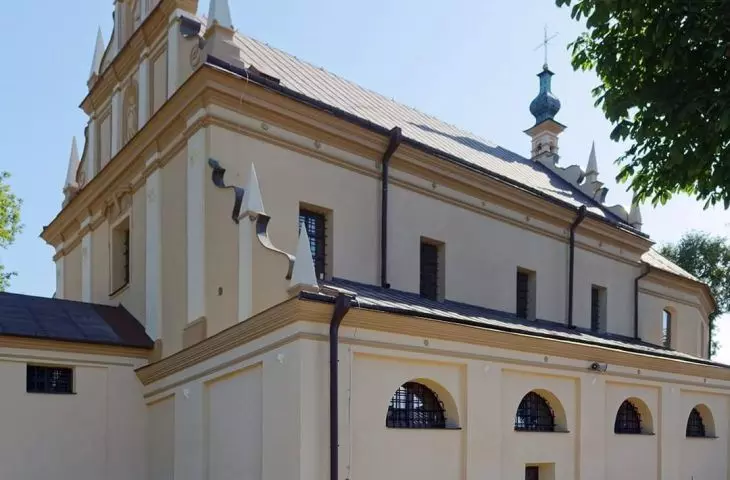
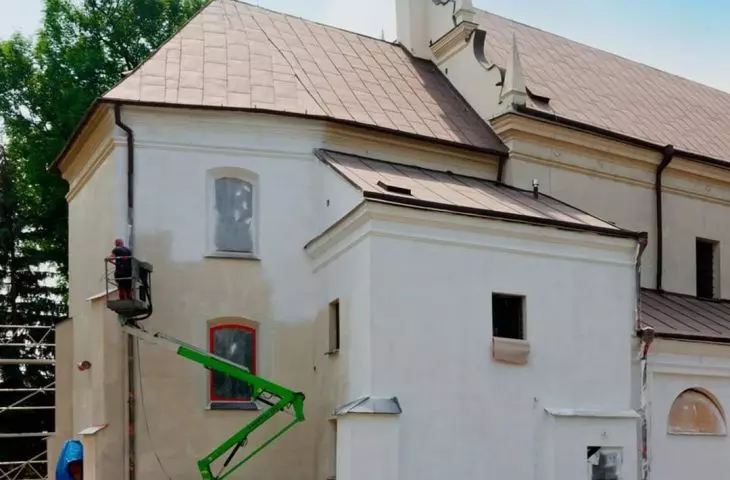
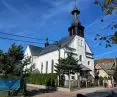
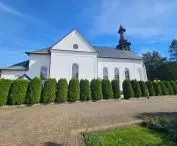
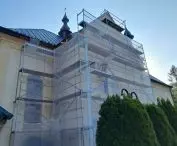
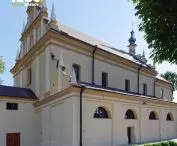
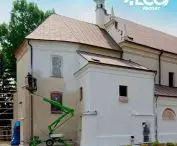
The Renaissance church in Kurów (Lublin Province): Installation of approximately 900 m² of energy-efficient facade cladding on the Renaissance parish church. Installation work using a three-layer exterior system (BASIC B + BUILD + ECO OUTSIDE) was carried out under strict conservation supervision in a record time of 3 weeks.
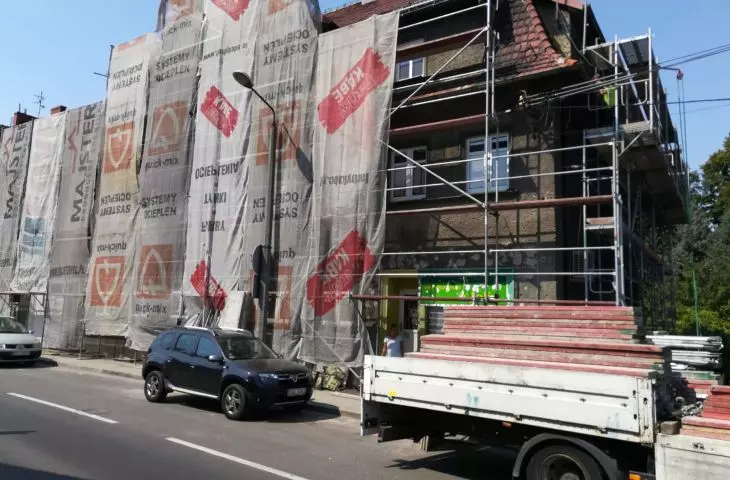
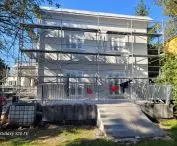
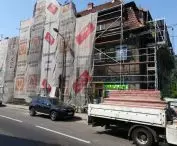
Historic tenement house in Bydgoszcz (corner of 42 Śniadeckich St. and H. Sienkiewicza St.): An eclectic building from 1883, designed by the renowned architect J. Święcicki. The facade is characterized by exceptionally rich ornamentation: projections, cornices, elaborate pediments, columns with capitals, corbels, and rustication. In just two weeks, the plasterwork was repaired and a thermoreflective system was applied, topped with an OUTSIDE coating tinted in three historical colors from the KEIM mineral palette, in accordance with the guidelines of the Municipal Conservator of Monuments.
Technical Collaboration for Architectural Firms
ATermFarb provides full design support at every stage—from the physical and structural analysis of building partitions to precise calculations of energy balance and fire resistance. We provide complete documentation covering over 50 chamber tests, TÜV NORD certificates, conservation expert opinions from the Municipal Office of the Conservator of Monuments in Toruń, and official fire classification reports from the Łukasiewicz Institute of Ceramics and Building Materials. We invite architectural firms to contact us to implement uncompromising engineering of the future in your current projects.
For more information, visit the Atermfarb company page on the PdA portal.