










From the series “Eco-Friendly Solutions — Trends and Technologies 2026”
Modern residential construction is placing increasingly high demands on ventilation system designers. Airtight windows, energy-efficient construction technologies, and residents’ growing expectations regarding living comfort mean that a properly designed central ventilation system is becoming one of the most important elements of any multi-family building. Its purpose is not merely to remove unpleasant odors or excess carbon dioxide. Equally important is the effective removal of moisture and chemical pollutants emitted by finishing materials, furniture, floor coverings, cleaning products, and everyday appliances. A lack of adequate air exchange can lead to a decline in residents’ quality of life, mold growth, and the deterioration of building components.
The Importance of Centralized Ventilation in Multifamily Buildings
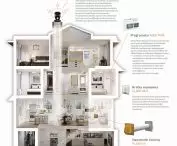
In multi-story residential buildings, the ventilation system must ensure uniform and stable air exchange in all units, regardless of their location relative to the ventilation risers. This is particularly important in four- and five-story buildings, where pressure differences can cause the system to operate unevenly.
Centralized Ventilation in Residential Construction
© Uniwersal
A properly functioning system should ensure:
-
a constant supply of fresh air to living spaces,
-
effective removal of stale air from kitchens, bathrooms, and toilets,
-
maintenance of an appropriate humidity level,
-
reduction of the risk of mold and mildew growth,
-
low noise levels,
-
minimal electricity consumption.
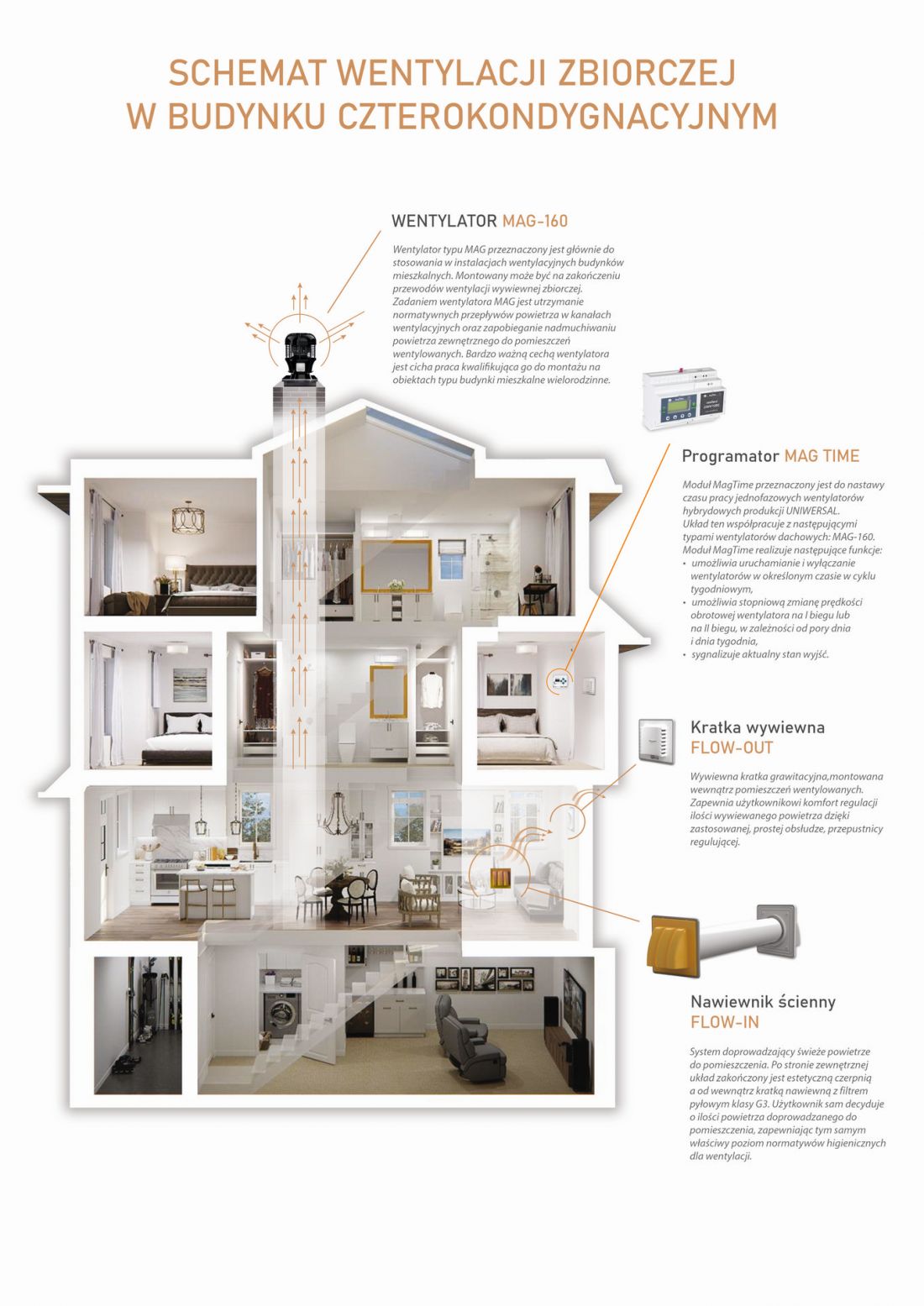
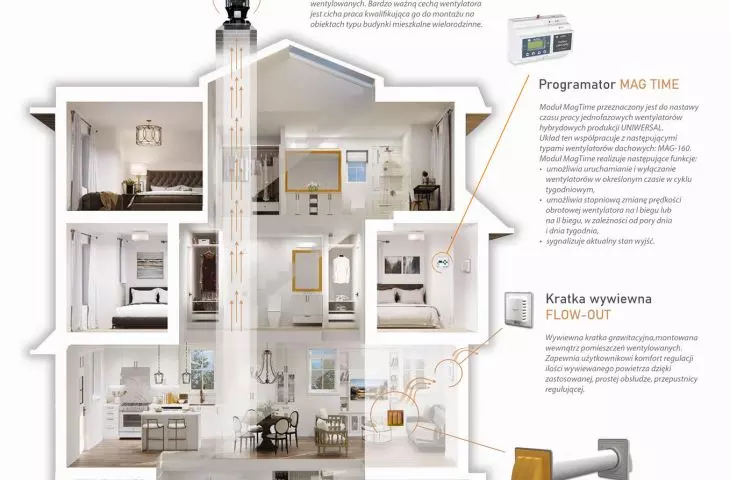
Centralized ventilation in residential buildings — diagram of centralized ventilation in a four-story building
© Uniwersal
Key Design Challenges
Designing central ventilation requires consideration of numerous technical and operational factors. Particular attention must be paid to the even distribution of air among all floors of the building. The following factors are of key importance:
Airflow balance
Each apartment should receive a similar amount of fresh air while ensuring effective exhaust from bathrooms and kitchens. This requires the precise selection of ducts, grilles, and control devices.
Proper selection of equipment
The designer must select a fan with parameters that match the building’s actual needs. Oversizing equipment leads to higher investment costs, greater energy consumption, and increased noise.
Acoustic comfort
In residential buildings, it is particularly important to minimize noise emissions. Modern systems should operate virtually unnoticed by residents both during the day and at night.
Operational Stability
A ventilation system should maintain its performance parameters for many years of operation without requiring user intervention. Unauthorized adjustment of grilles or air outlets can lead to the entire system becoming misaligned and a deterioration of ventilation conditions in other apartments.
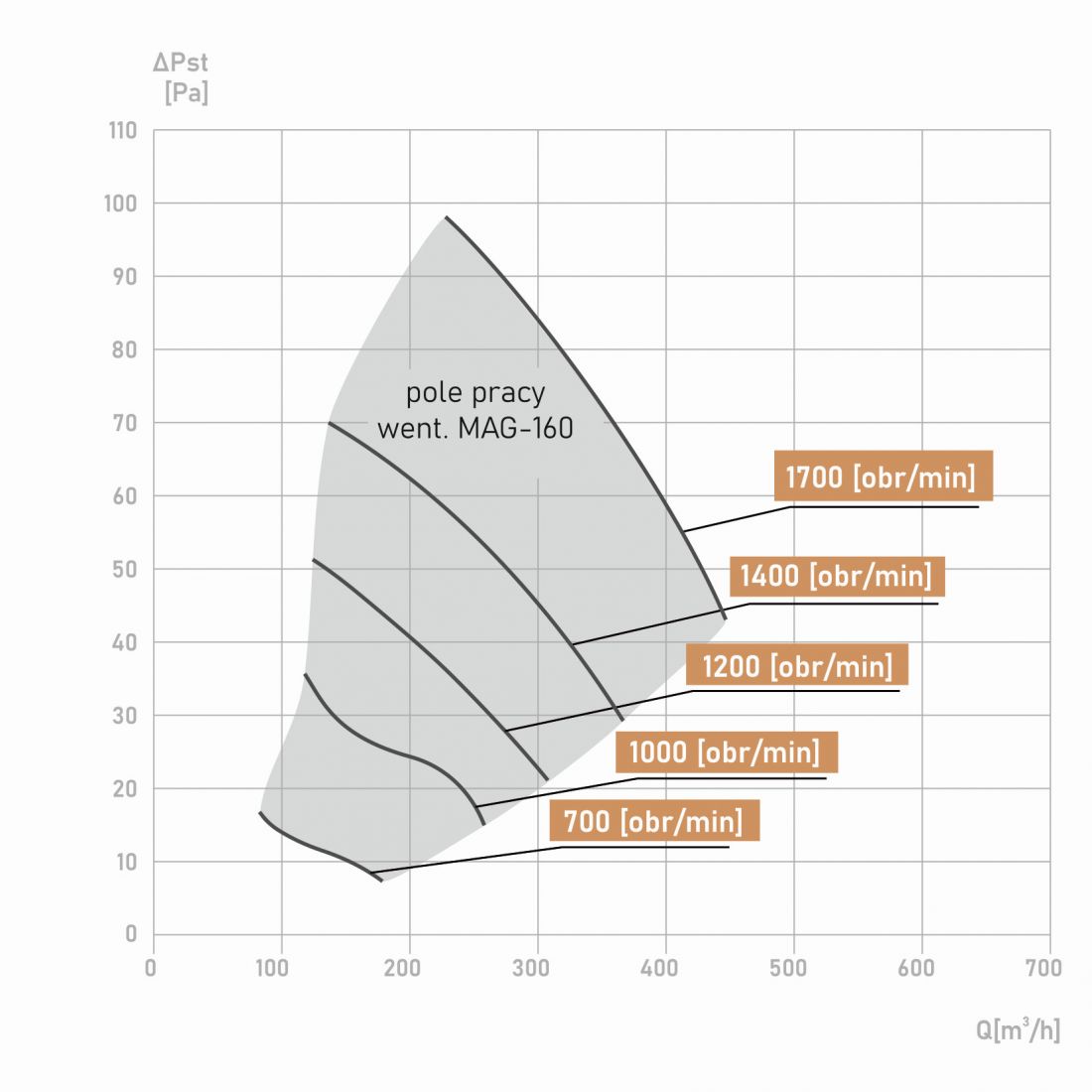
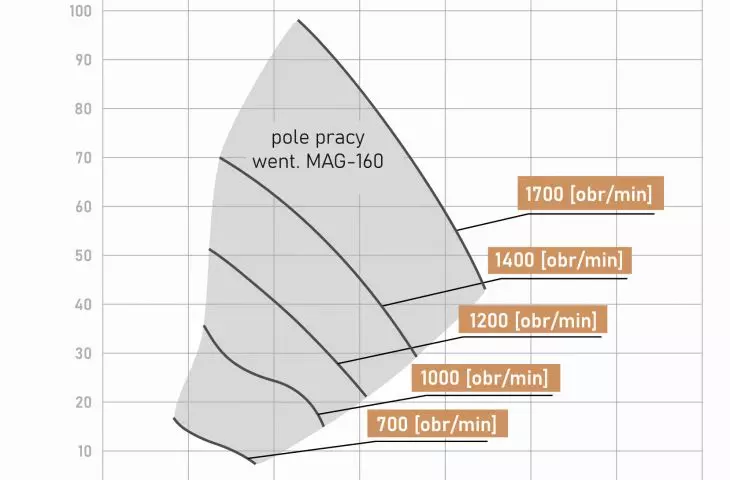
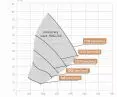
Centralized Ventilation in Residential Buildings — MAG-160 Flow Characteristics
© Uniwersal
The roof fan as the heart of the system
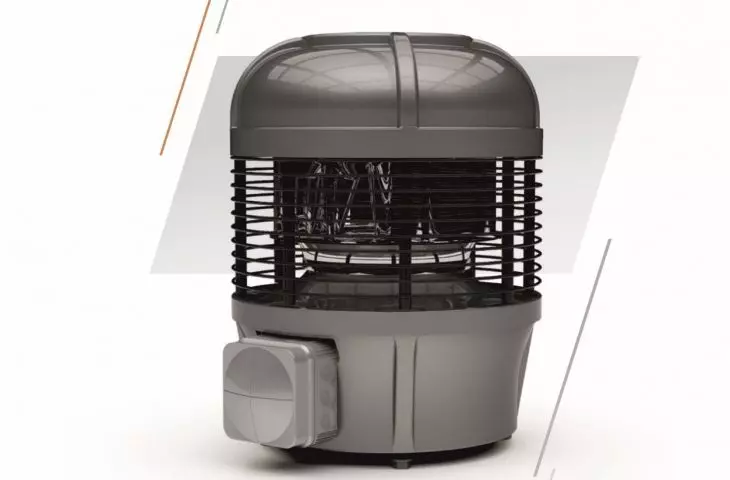
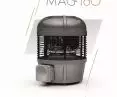
In modern central ventilation systems, roof fans equipped with energy-efficient electronically commutated (EC) motors are increasingly common. This solution allows for precise adjustment of capacity to the building’s current needs. An example of such a device is the MAG-160 roof fan, designed specifically for residential buildings.
Its key advantages include:
-
compatibility with standard ventilation ducts,
-
a capacity of 500–600 m³/h,
-
the ability to operate at negative pressure ranging from 20 to 70 Pa,
-
very low noise level,
-
an energy-efficient EC motor,
-
three-speed control,
-
an aesthetically pleasing design suited to contemporary architecture.
Thanks to its carefully selected operating characteristics, the unit can effectively serve ventilation shafts constructed, among other things, from modular ventilation blocks used in multi-family housing.
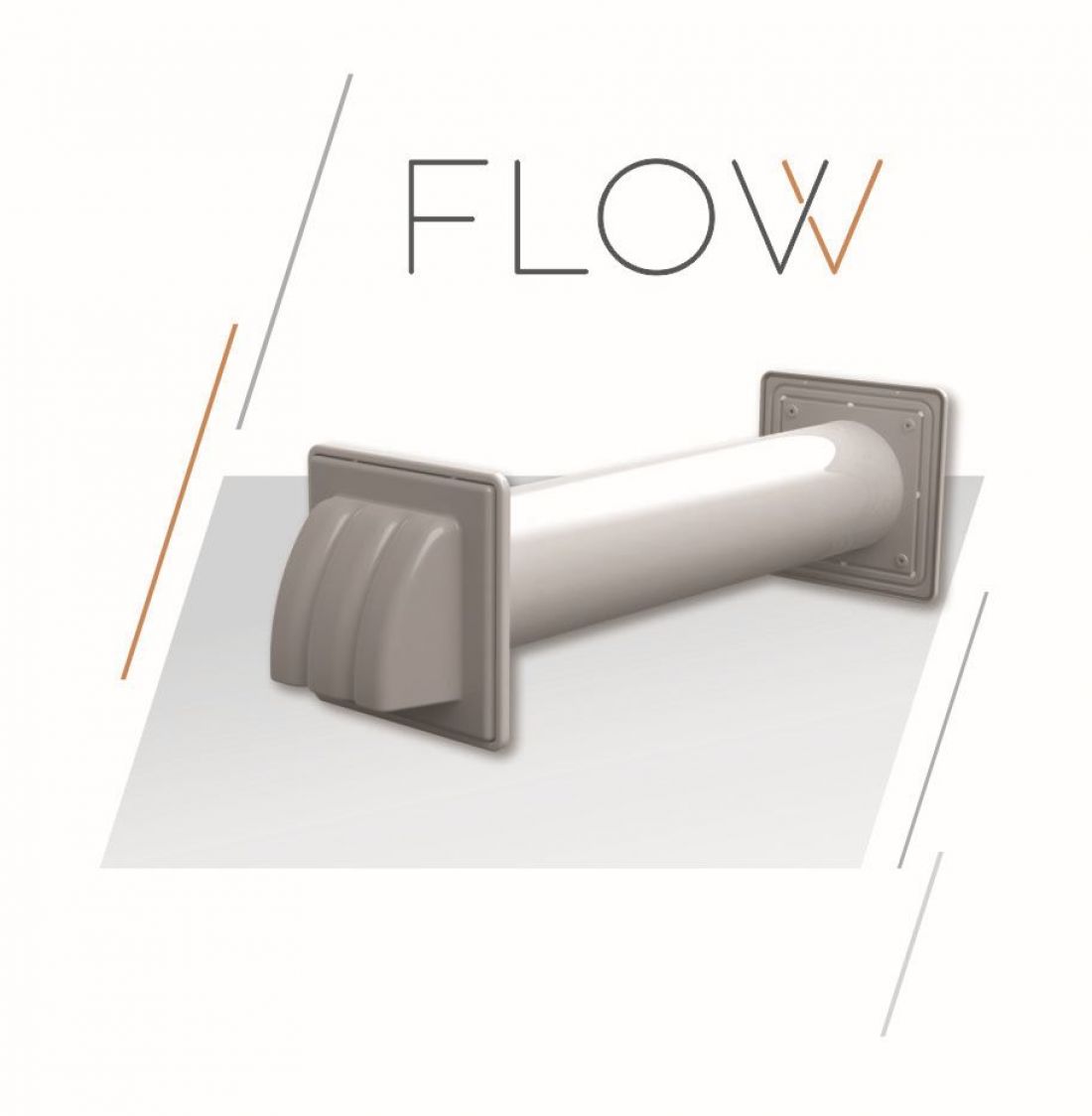
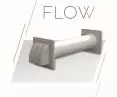
Centralized Ventilation in Residential Buildings — FLOW
© Uniwersal
The Role of the Supply Air System
Any effective ventilation system requires not only the removal of air but also the controlled supply of fresh air. Otherwise, the system will not be able to achieve its design parameters. Modern supply and exhaust systems use wall- or window-mounted supply vents that deliver fresh air to bedrooms and living rooms. It then flows through the apartment to the kitchen, bathrooms, and toilets, from where it is removed through exhaust grilles. This solution ensures proper airflow direction and the effective removal of moisture and pollutants.
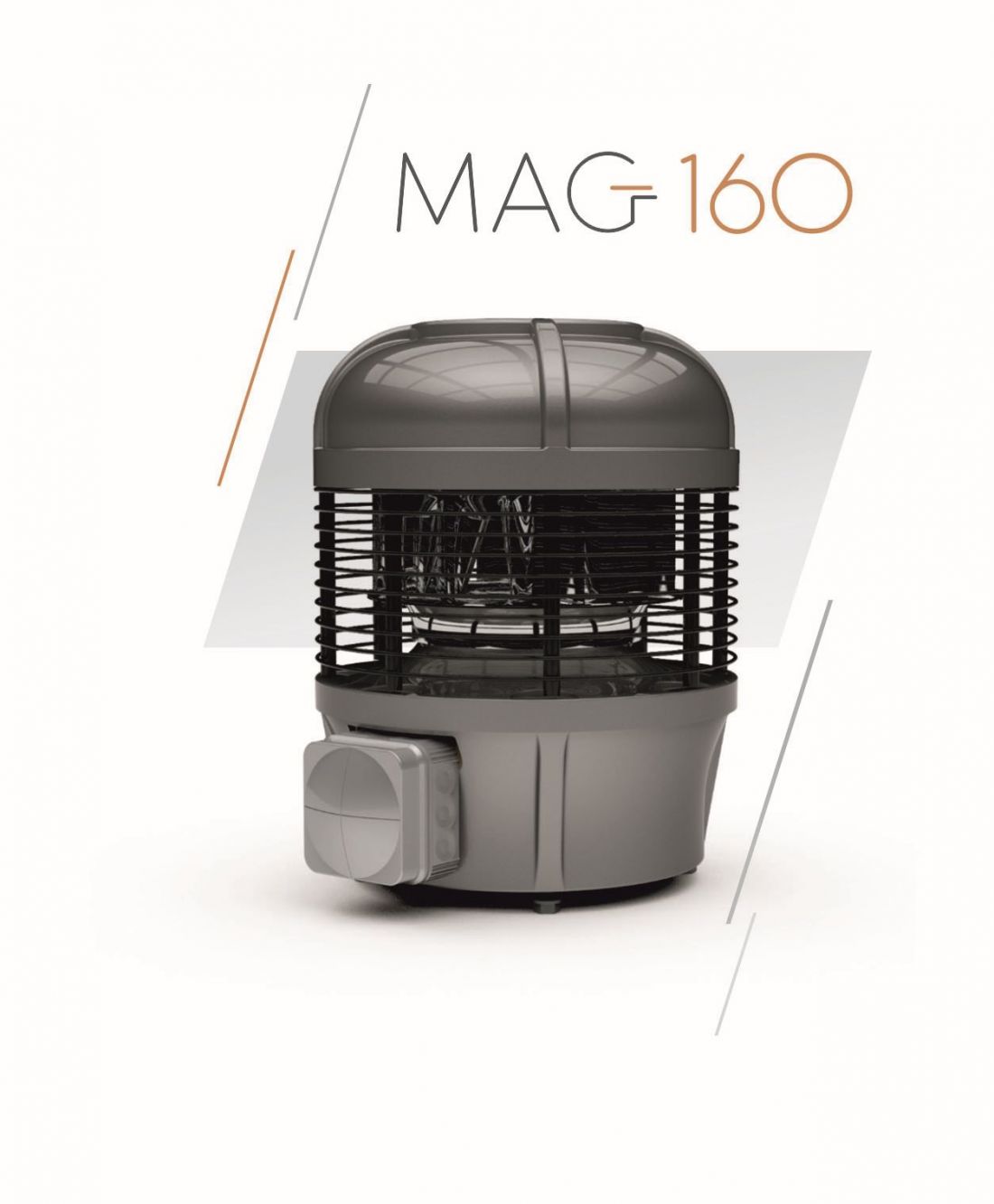
Centralized Ventilation in Residential Buildings — MAG-160
© Uniwersal
Automation and Smart Control
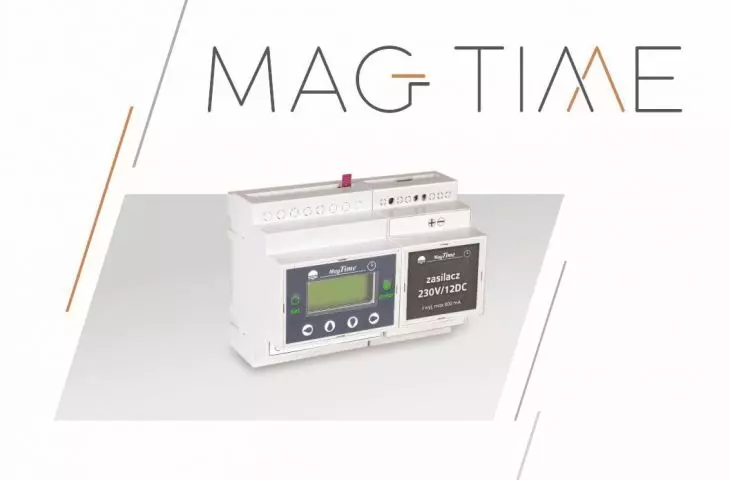
Rising energy prices are making the automation of ventilation systems increasingly important. Programmable controllers allow the fan speed to be adjusted depending on the time of day. During nighttime hours or when the building’s occupancy is low, the system can operate at lower speeds, reducing energy consumption and noise levels. During periods of increased demand, such as in the morning and evening, ventilation capacity can be automatically increased. This solution combines high user comfort with cost-effective operation of the system.
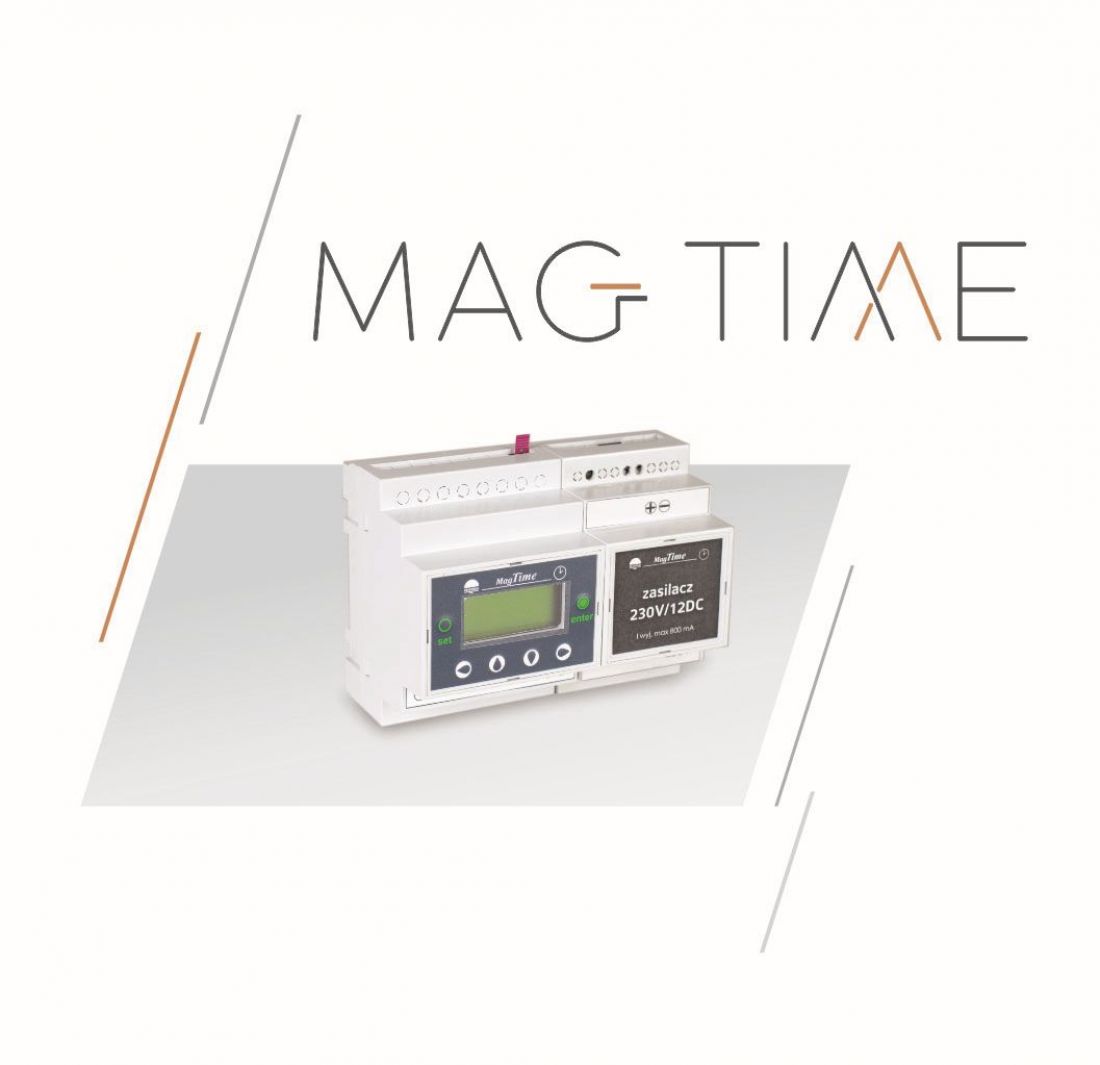
Centralized Ventilation in Residential Buildings — MAG TIME
© Uniwersal
Operational Performance and Resident Comfort
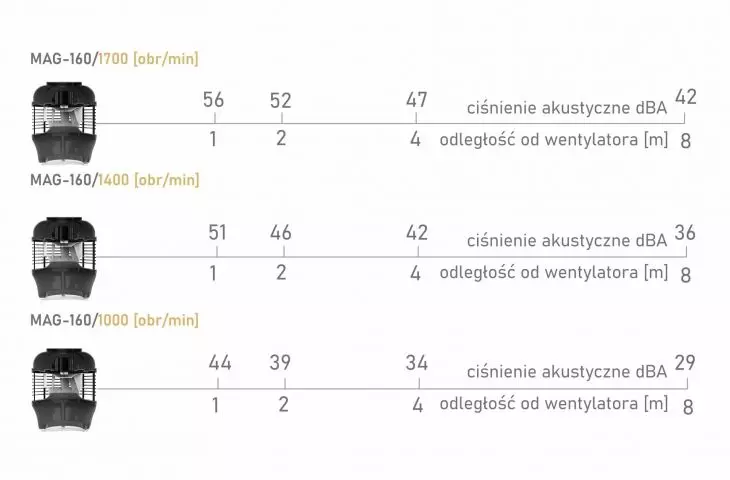
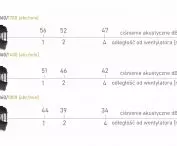
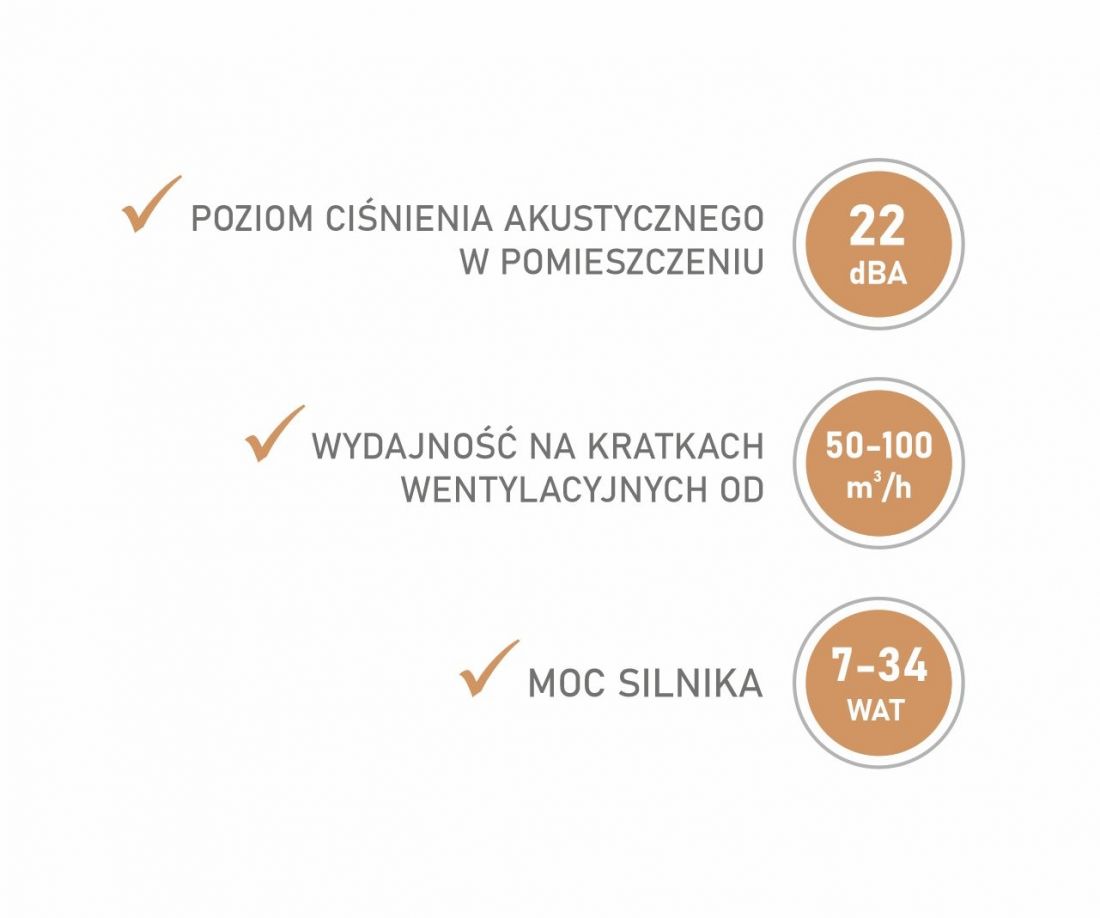
Experience with modern central ventilation systems shows that it is possible to achieve stable airflow rates exceeding 50 m³/h at exhaust outlets. These values meet the hygiene requirements for modern residential buildings. Noise level is an equally important parameter. In well-designed systems, the sound pressure level at the ventilation grilles can remain below 25 dBA, meaning the system operates virtually silently for residents.
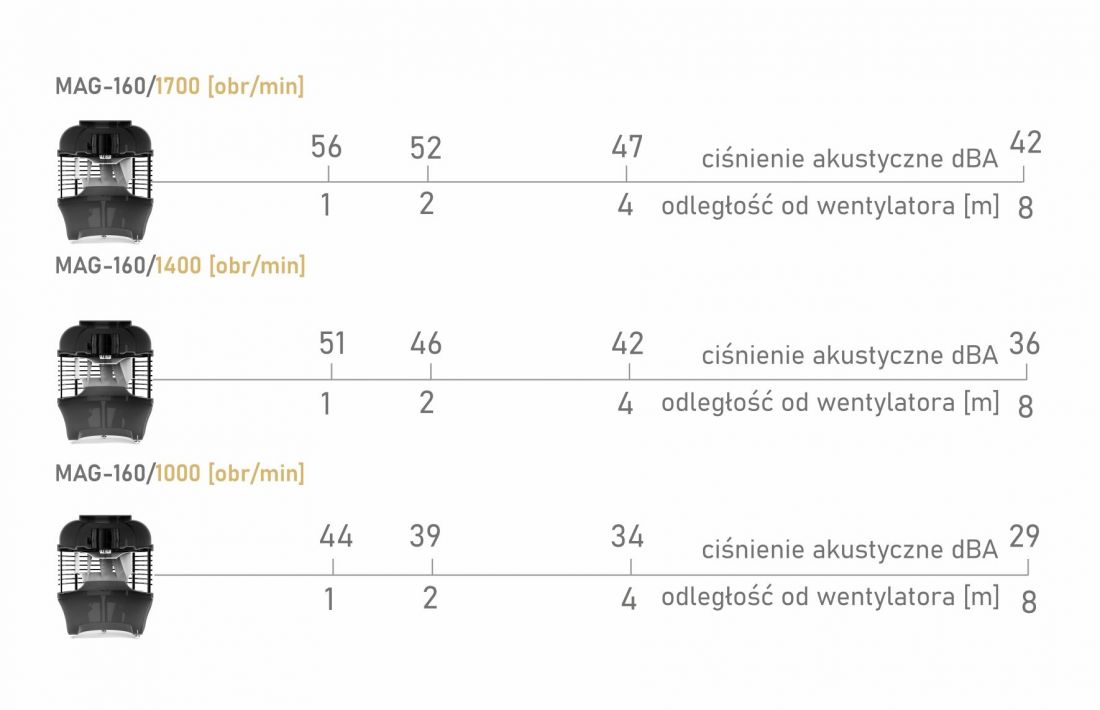
Centralized Ventilation in Residential Buildings — Acoustic Spectrum of the MAG-160
© Uniwersal
Summary
Central ventilation is one of the key factors influencing the quality of life for residents of multi-family buildings. A properly designed system ensures a healthy indoor climate, effectively removes moisture and pollutants, and guarantees a high level of acoustic comfort. The combination of modern roof fans, effective supply air diffusers, self-regulating exhaust components, and intelligent automation allows for the creation of a system that meets the requirements of modern residential construction—energy-efficient, reliable, and user-friendly.
For more information, visit the Uniwersal Sp. z o.o. website on the PdA portal.