





Modern technology in the service of historic architecture.
Preserving the continuity of architectural heritage is one of the greatest modern responsibilities of designers, conservators and investors.
Buildings erected hundreds of years ago - Gothic churches, Renaissance towers, brick factory halls, Art Nouveau townhouses and 19th-century public buildings - still function in the urban fabric, but today are subject to requirements that no one could have thought of at the time of their construction. One of them is modern, efficient and quiet ventilation, which is necessary to maintain the microclimate and safety of users. Standard ventilation devices in such places usually cause visual dissonance: modern solids, shiny aluminum, aggressive shapes and industrial character when juxtaposed with the ornamentation of Gothic or the subtle geometry of modernism create an impression of foreign intrusion. Therefore, there is an increasing need to design equipment that does not interfere with the character of the building, but becomes a natural complement to it.
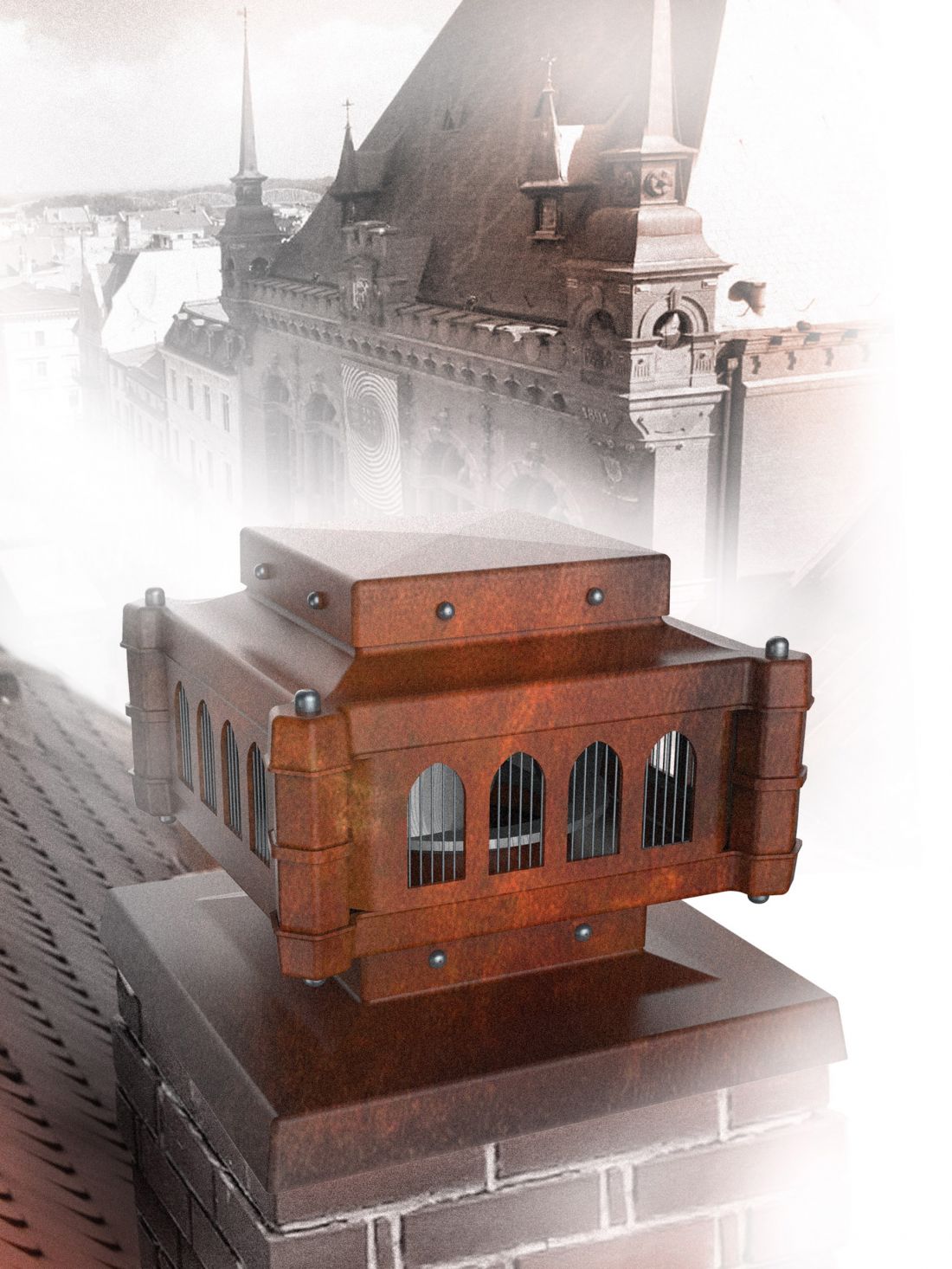
Installation visualization
© UNIWERSAL
This is how the concept of Classico-250 was born - a roof fan created specifically for historic architecture, inspired by the Gothic style, but versatile enough to also blend in with masses from later eras. When Gothic architecture began to develop in the 13th century, the dominant idea was to give solids lightness and vertical expression. Sharp-arched windows, tall towers, rhythmically placed buttresses and brick walls of varying texture created a distinctive, monumental style, still present in many European cities today. However, Gothic is not only sacred monumentality. It is also numerous secular buildings: town halls, fortresses, granaries, city gates, manufactories and merchants' houses. Many of them are still standing today - often transformed, adapted, modernized. Each such place requires adequate ventilation, whether because of its large volume, damp walls or the needs of the modern user. It is in such a space that technical devices should not only be functional, but also worthy of the architecture they complement.
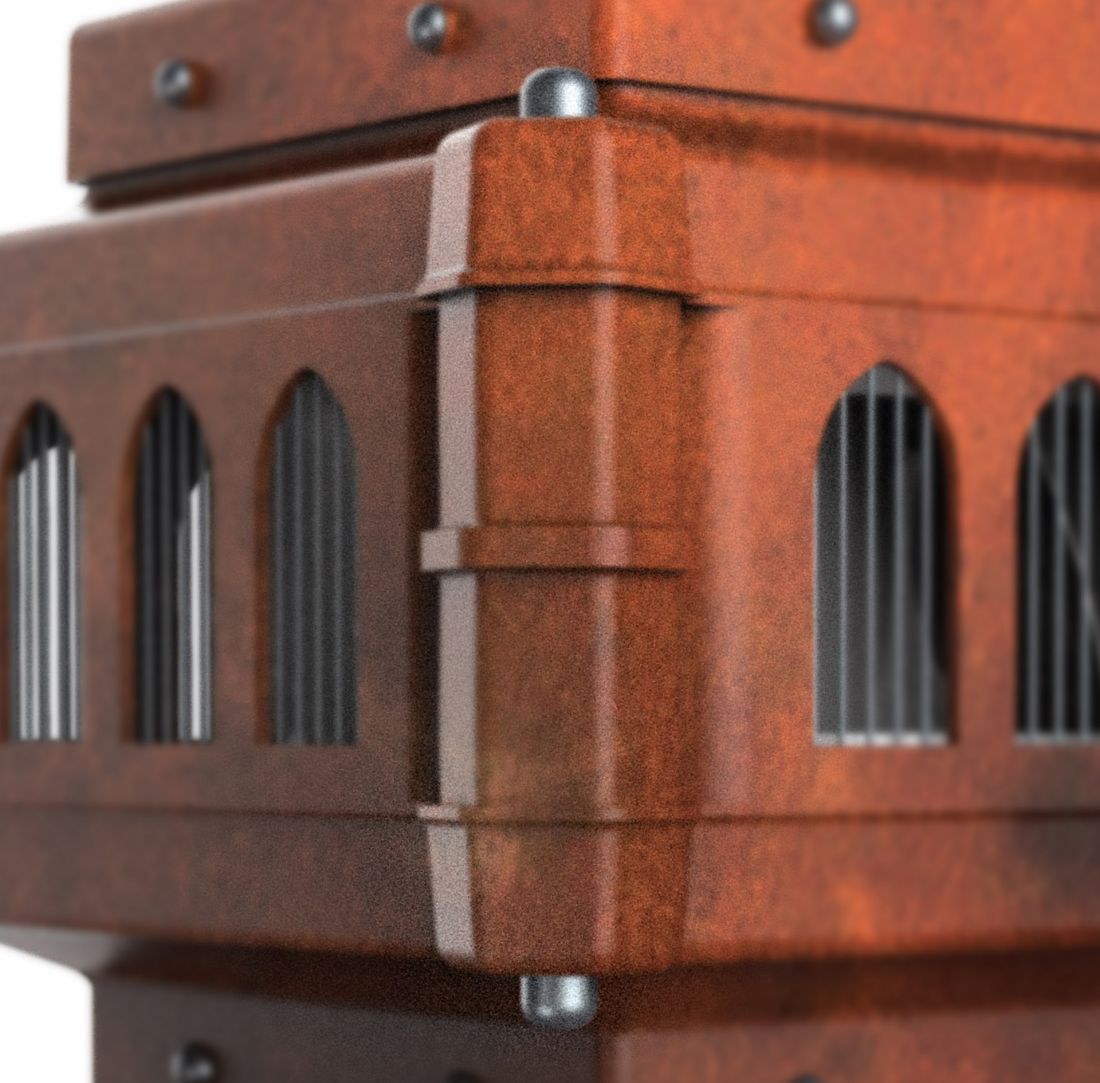
Gothic-inspired pinnacle corner
© UNIWERSAL
Classico-250 - a fan that looks like it has always existed
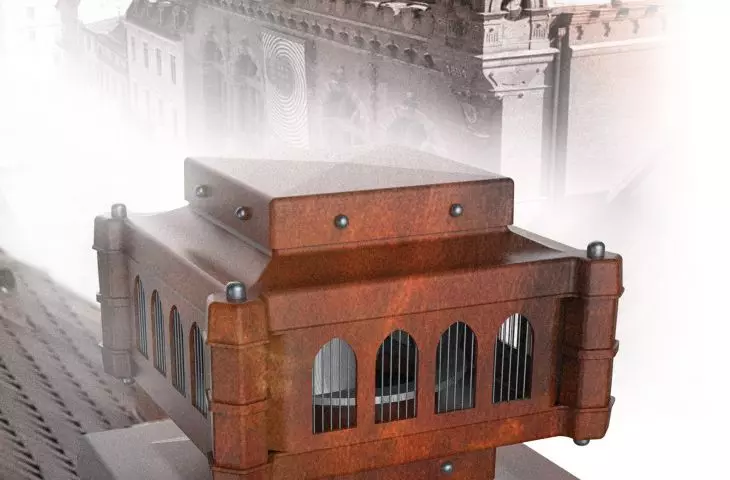
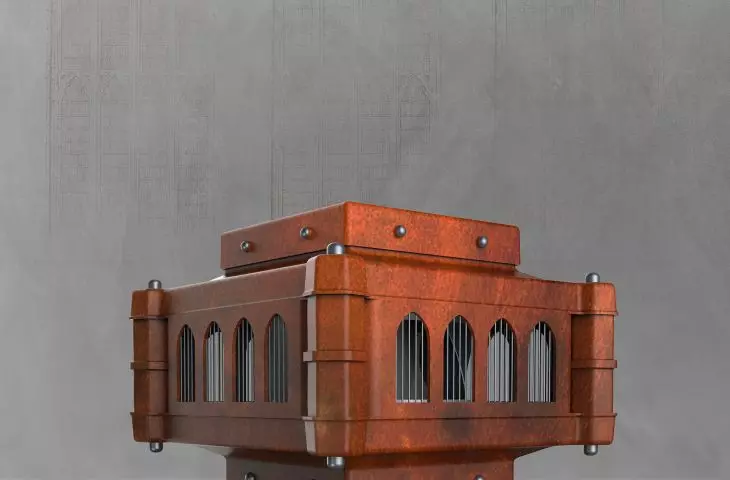
Looking at the Classico-250, it's hard to get the impression that it's a technical device. Its form was designed to harmonize with the aesthetics of masonry buildings - especially those made of brick, clinker or clay tile. A finish that resembles naturally aged, lightly patinated steel or deep-fired brick. Warm rust-brown tones with subtle discoloration mimic the refined surface that develops on roof tiles and architectural elements after many years of exposure to sun, rain and wind. This is no coincidence - most historic roofs are covered with red, brown clinker or brick of varying tones. Classico-250 blends perfectly with them, without creating dissonance. The body of the unit is massive, but not heavy - so it does not compete with the architecture, but complements it. The individual surfaces have clear geometric folds, giving them a structural character. This is a reference to ancient carpentry and masonry techniques, where each element had a clear structural function.
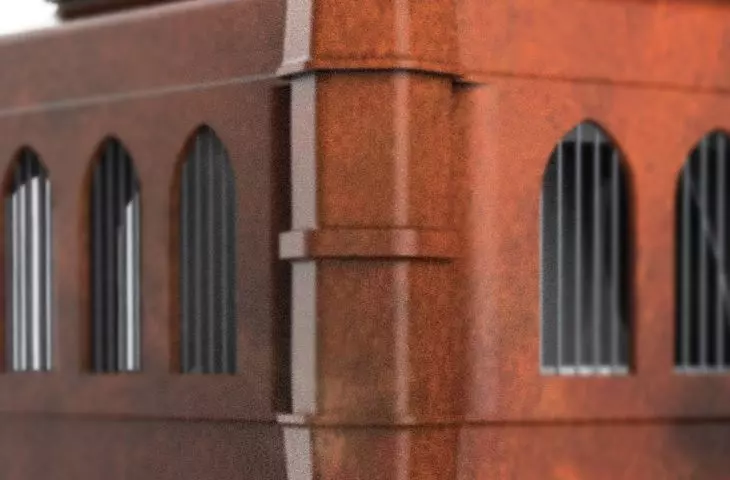
The most distinctive element of Classico-250 are the sharp-arched vents - prominent on each elevation of the unit. This shape is clearly reminiscent of Gothic windows of churches and towers, but in a simplified, modern form. Vertical metal louvers emphasize the rhythm, while obscuring the interior of the fan and giving it a sense of depth. In practice, this makes the fan look like a miniature turret or small architectural superstructure, rather than a technical device.
Small fasteners and rivets were used on the corners, which visually resemble metal fittings from the late medieval era. The whole thing gives the impression of an artisan-crafted period piece, instead of a machine-made product. This is a conscious effort - thanks to this, the device does not "exude modernity." Although from the outside Classico-250 brings to mind architectural detail from centuries ago, inside it hides modern technology.
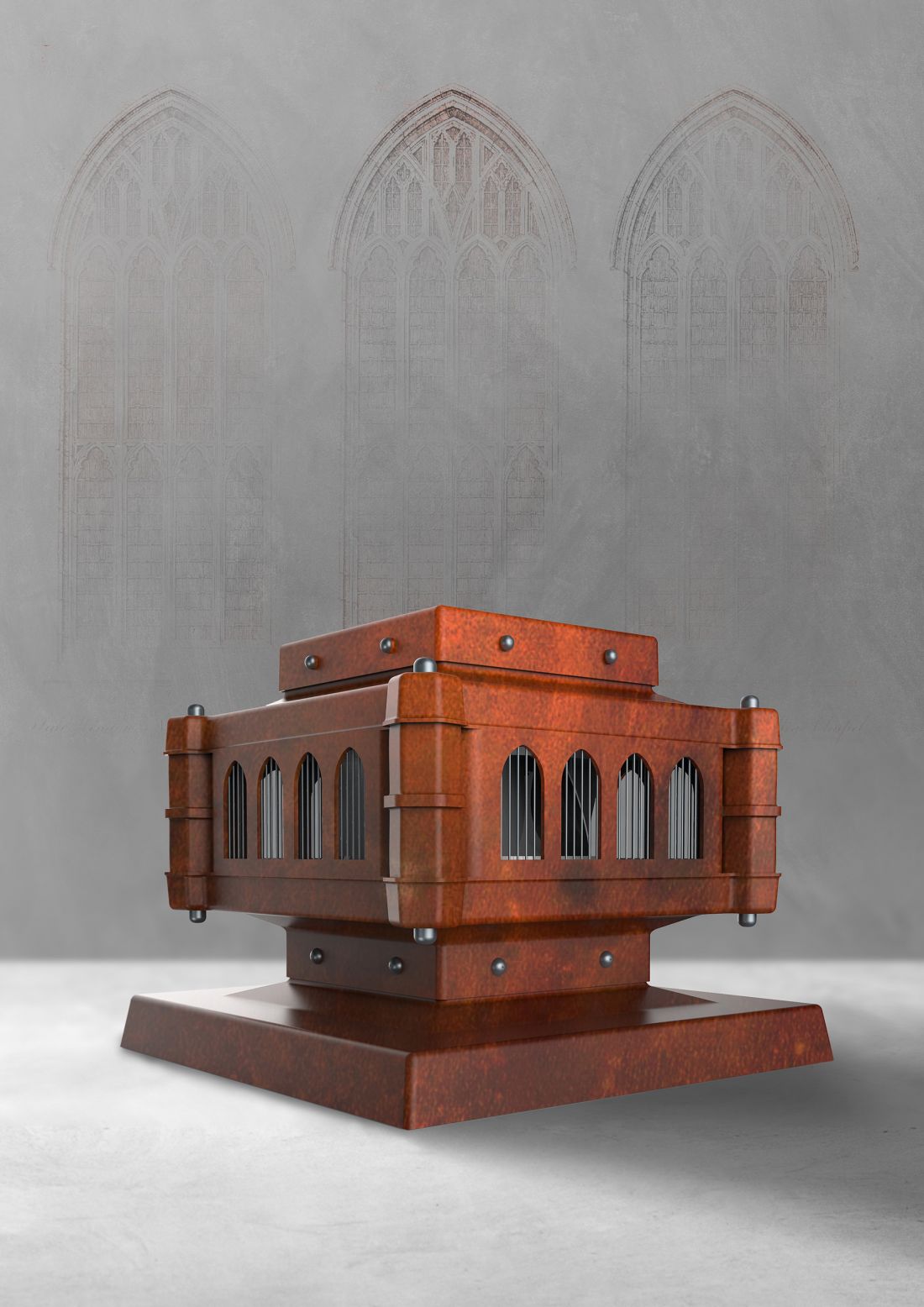
Classico-250 roof fan
© UNIWERSAL
The fan is equipped with an electronically commutated EC motor, characterized by:
- very high energy efficiency
- low power consumption at high efficiency
- smooth regulation of rotations
- stable operation with long operating time
- minimal noise, both mechanical and aerodynamic.
EC motors are now the standard in premium applications where durability and efficiency matter - the Classico-250 takes full advantage of their benefits. In historic buildings, noise can sometimes be a problem. In a museum, church or gallery, any sound bounces off the walls and can disturb users. That's why the various components of this unit have been designed for maximum noise reduction:
- aerodynamically optimized rotor blades
- airflow-efficient housing
- vibration damping at mounting points
- the structure's own weight to limit resonance.
As a result, the Classico-250 operates virtually noise-free, making it ideal for facilities requiring silence. The speed control allows you to precisely adjust the fan performance to:
- the size of the volume
- moisture level
- technological requirements
- expected noise level
- maintenance restrictions.
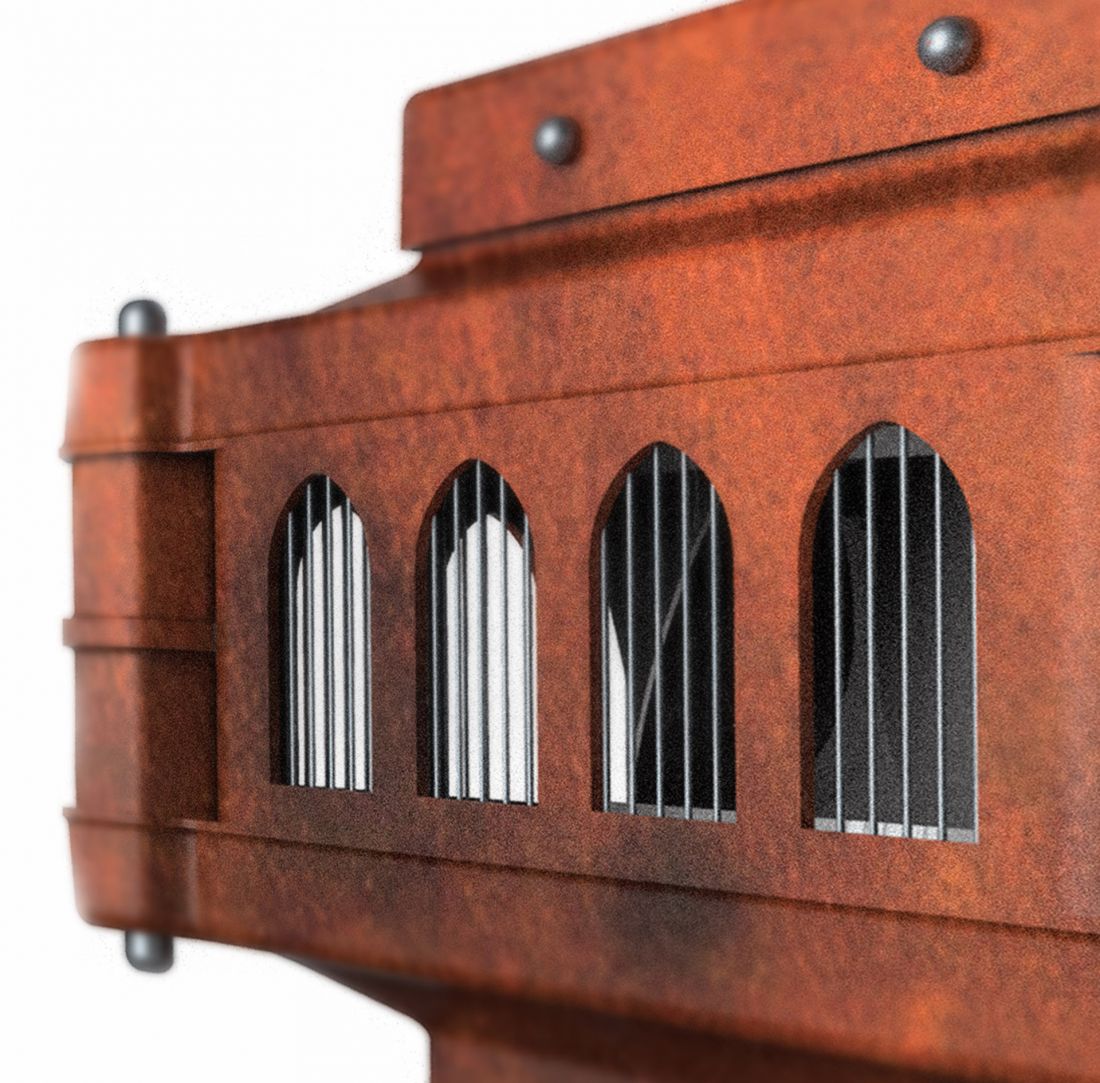
Spur openings
© UNIWERSAL
This makes it suitable for large church attics, as well as small museum halls orhistoric staircases. There are thousands of facilities in Europe that require HVAC upgrades. These include:
- Gothic churches and chapels
- brick schools and offices from the 19th century
- Art Nouveau townhouses
- palaces and manor houses
- historic factories and breweries
- city halls and historic train stations.
In each of them a traditional fan would look alien. Classico-250 is a device created specifically to ensure that a modern installation is not at odds with the spirit of the place. Classico-250 is an example of a device that combines two seemingly contradictory worlds: historical aesthetics and modern technology. It looks like a piece of historic architecture - it has pointed "windows", patinated colors, a massive geometric body and a detail that does not disturb the composition of the roof. At the same time, it offers the highest technological class: EC motor, full speed control, quiet operation and excellent efficiency. This is a fan that was created with respect for history.
For more information, visit the company's Uniwersal Sp. z o.o. page on the A&B portal.