







In modern educational facilities, air quality is not only a matter of comfort, but also of health, concentration and learning efficiency. In classrooms with as many as 30 students, CO₂ levels can exceed acceptable standards after just a dozen minutes. The answer to the increasing design and sanitary requirements is TeachAIR, a recuperator from Alnor, designed specifically for schools, kindergartens and universities.
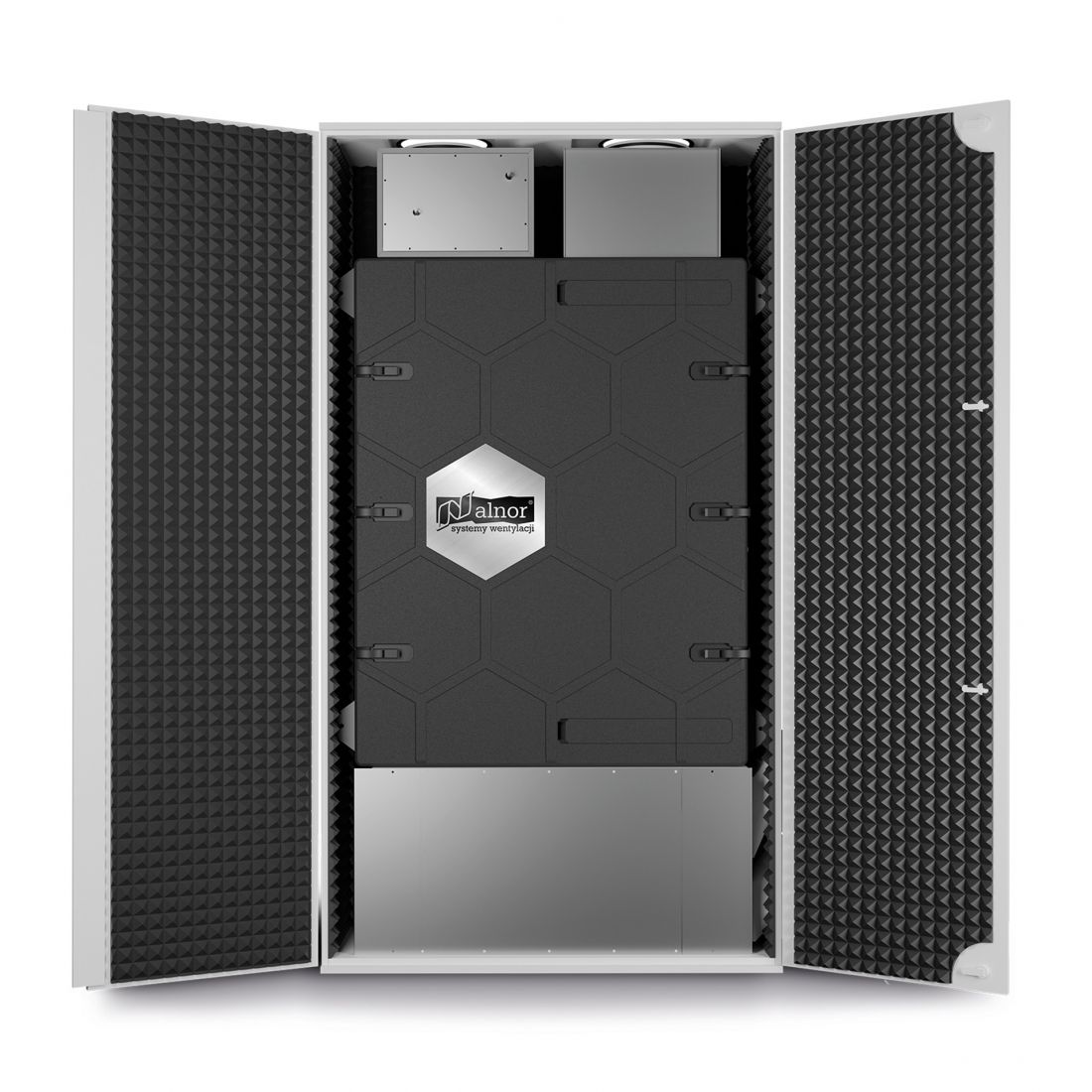
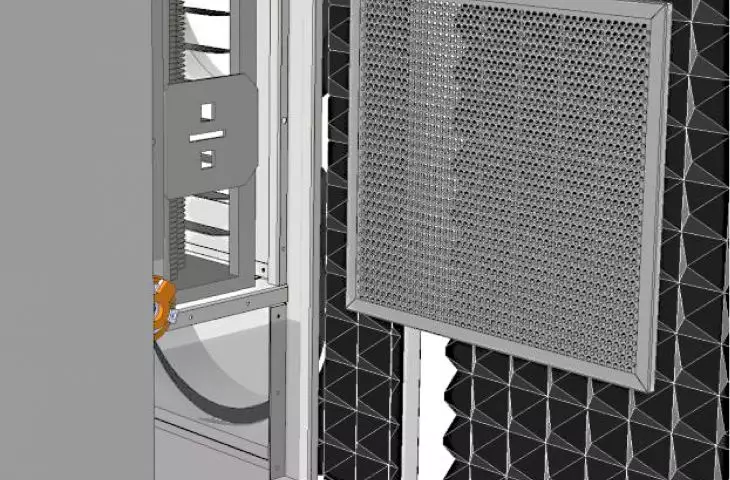
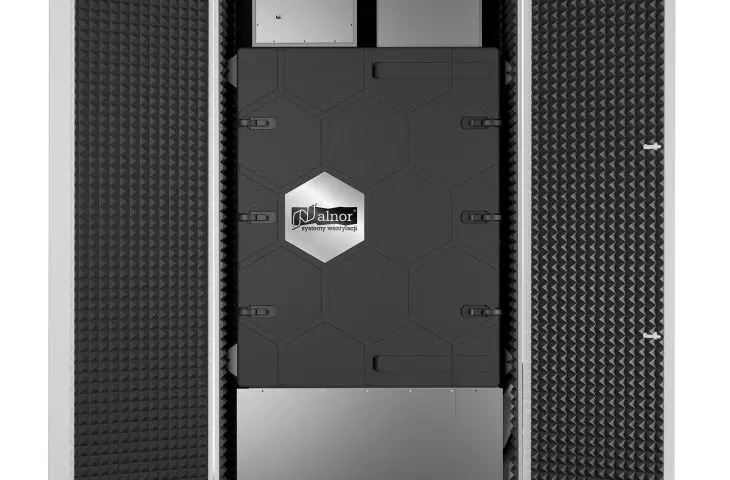
TeachAIR housed in an acoustic cabinet, so it operates silently and does not emit noise outside
© ALNOR
Air quality in education - a design challenge that requires a technological answer
According to current guidelines, each person in a teaching room should be provided with at least 30 m³ of fresh air per hour. In a typical classroom, this means up to 900 m³/h, which is much more than natural ventilation can provide. Opening windows doesn't solve the problem: in winter it leads to room cooling and energy loss, and in summer to overheating and an influx of smog and outside noise. School designers are therefore increasingly looking for systems to meet stringent standards while ensuring the comfort of users.
TeachAIR - a ventilation system designed specifically for educational institutions
TeachAIR is the result of Alnor's many years of experience in designing HVAC systems for public facilities. The unit comes in two variants - 700 and 900 m³/h, which allows for effective air exchange in classrooms of 25-30 students. The recuperator meets the requirements of the EN 13141-7 standard and EU directives 1253/2014 and 1254/2014, which gives architects confidence that the project with its application will comply with current regulations and sanitary recommendations.
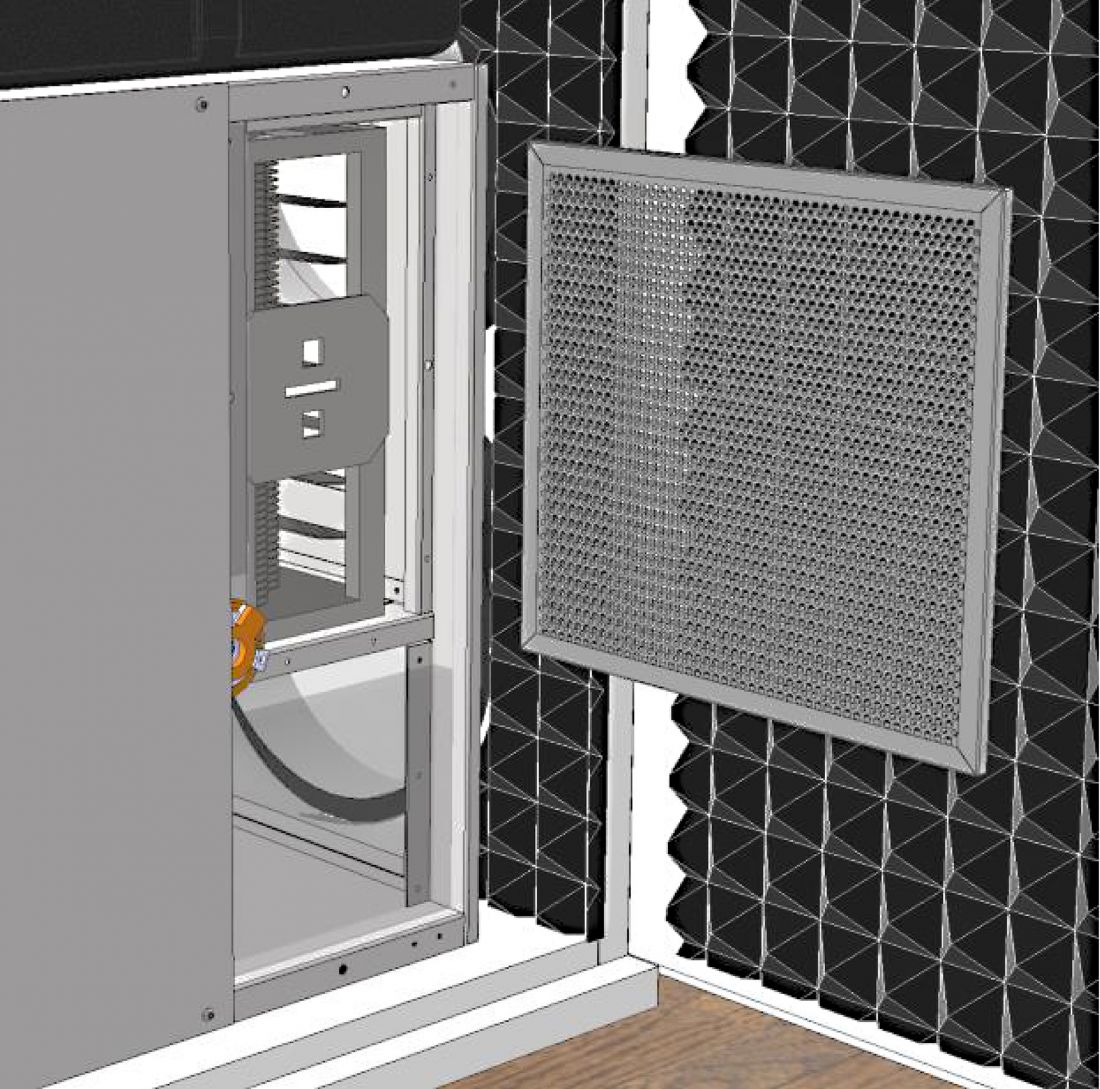
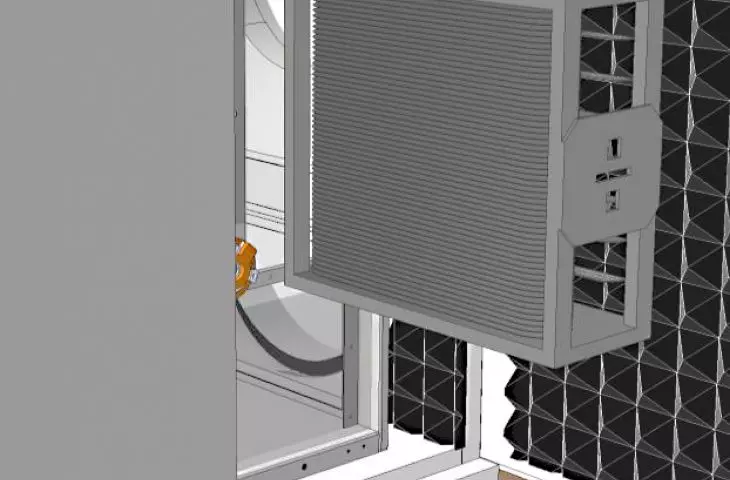
Pre-filter (mesh) - retains larger particles such as dust, small leaves, insects
© ALNOR
Lab-level filtration - real protection against dust and gases
TeachAIR is distinguished by a two-stage filtration system that significantly exceeds the standards of typical air handling units. It uses an electrostatic filter that removes PM10, PM2.5 and PM1 particulate matter, and a carbon filter that effectively eliminates nitrogen oxides (NOx), sulfur dioxide (SO₂), ozone (O₃), carbon monoxide (CO) and volatile organic compounds (VOC/VOC) - including formaldehyde, benzene and toluene.
Stable airflow and quiet operation - acoustic comfort at the center of the design
The Constant Flow (CF) system used in the unit automatically maintains a constant air flow, regardless of dirty filters or changes in duct pressure. TeachAIR operates with a noise level of about 30 dB, which allows it to be installed directly in classrooms - without affecting acoustic conditions. This is especially important for school designers, where sound comfort is one of the key design criteria.
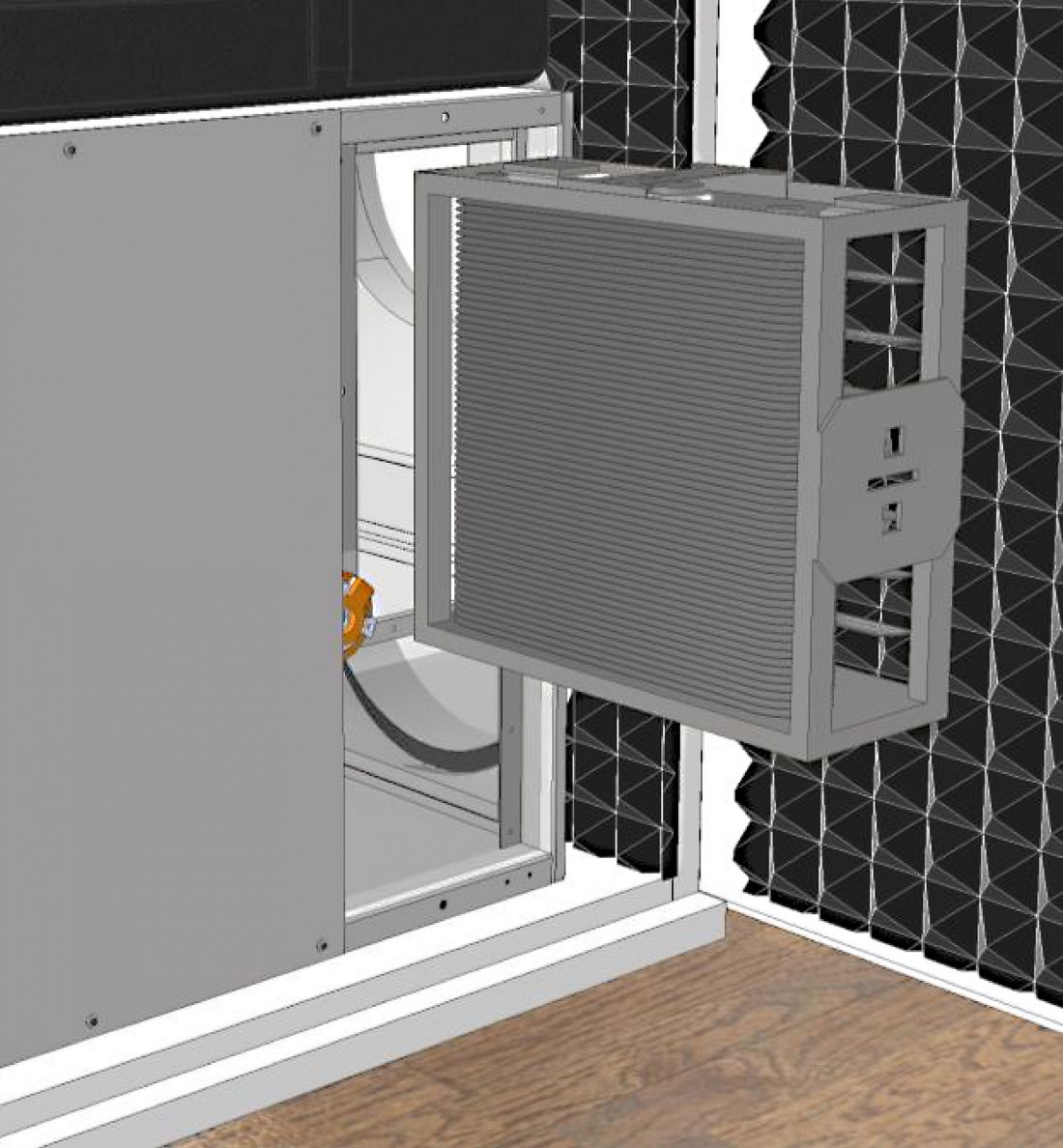
Electrostatic filter (ESP) - removes soot, smoke, smog, grease aerosols, very fine dust and ash
© ALNOR
Energy efficiency and climate control - high heat and moisture recovery
TeachAIR is a solution that supports sustainable energy design. The unit offers heat recovery of up to 95% and moisture recovery of up to 73%, significantly reducing building energy requirements. The air recirculation function and optional cooler/heater enable the system to maintain a stable temperature and thermal comfort even outside of school hours. The system can be integrated with a BMS or SmartHOME (e.g., Loxone), and the control algorithm, based on CO₂ and humidity sensors, independently adjusts the intensity of ventilation operation.
TeachAIR in educational projects - what advantage does it give?
Thanks to parameters that comply with current sanitary standards, TeachAIR simplifies the design and permitting process for public investments. Architects can use the solution in new buildings and retrofits, gaining a scoring advantage in energy-efficient and environmentally friendly projects.
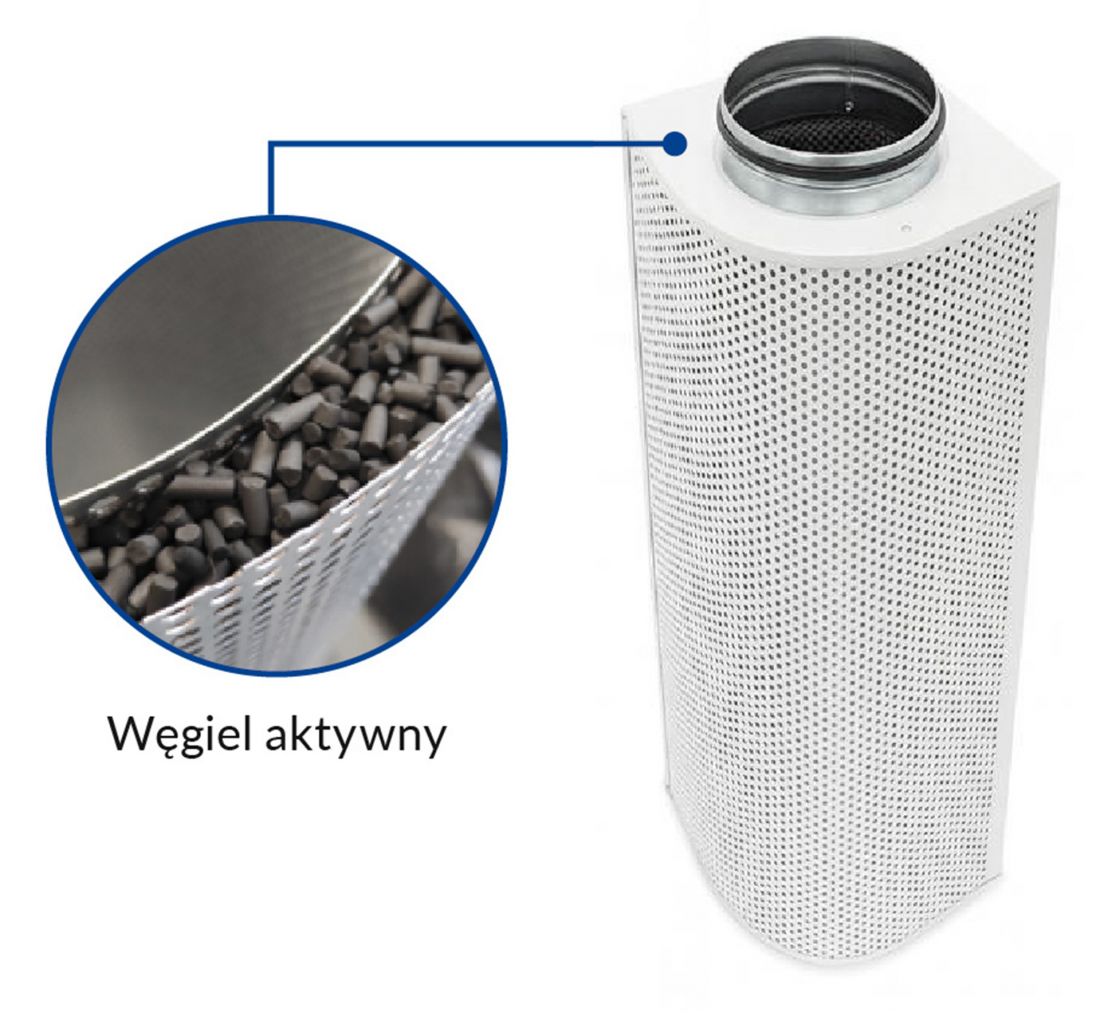
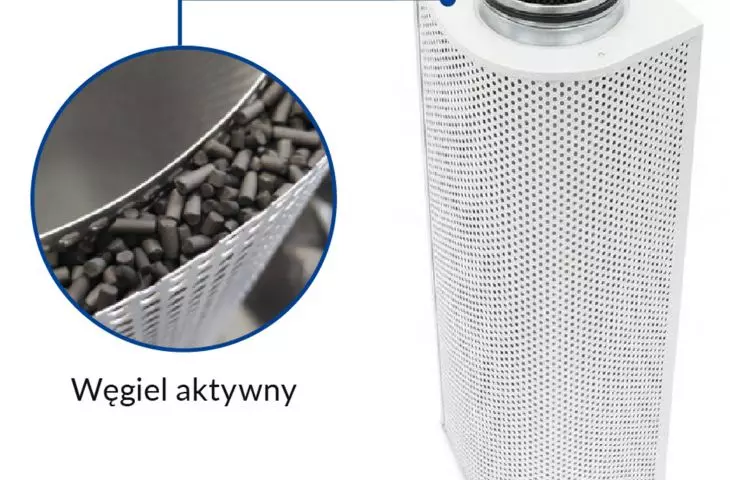
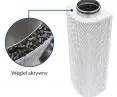
Displacement ventilator with carbon filter - reduces gases and odors but especially VOCs (VOC/VOCs) and toxic gases (SO₂, H₂S, NH₃).
© ALNOR
Comfort, health and efficiency - real benefits for building occupants
With TeachAIR, students and teachers breathe clean, pollution-free air, resulting in better well-being, concentration and lower sickness absenteeism. Schools gain a stable microclimate all year round, and architects gain a solution that combines technical functionality with design aesthetics.
Alnor - Polish manufacturer of HVAC technologies to support contemporary architectural projects
Alnor Systemy Wentylacji has been developing modern HVAC solutions for 30 years, supplying products to thousands of investments in Poland and abroad. For design offices, Alnor offers a BIM library, technical documentation and consulting support at every stage of the investment. Alnor focuses on energy efficiency, workmanship and reliability, making it a partner trusted by architects, designers and investors.
Displacement ventilator with carbon filter - reduces gases and odors but mainly VOCs (VOC/VOCs) and toxic gases (SO₂, H₂S, NH₃).
© ALNOR
TeachAIR from Alnor - fresh air that supports learning
For more information, visit the company's ALNOR® Systemy Wentylacji page on the A&B portal.