



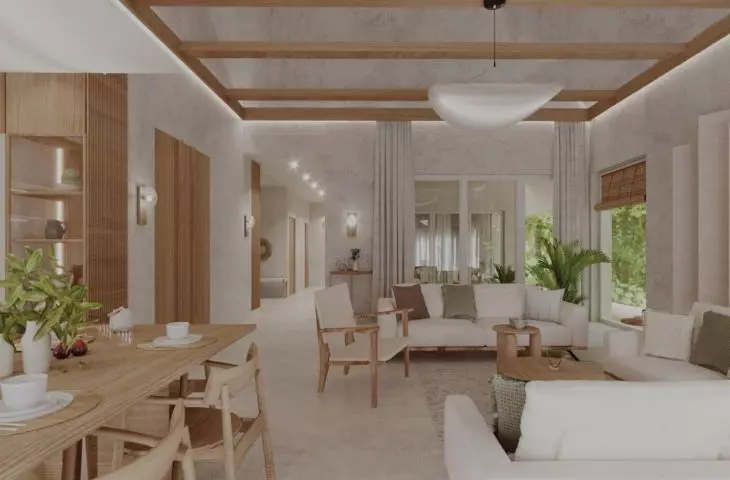
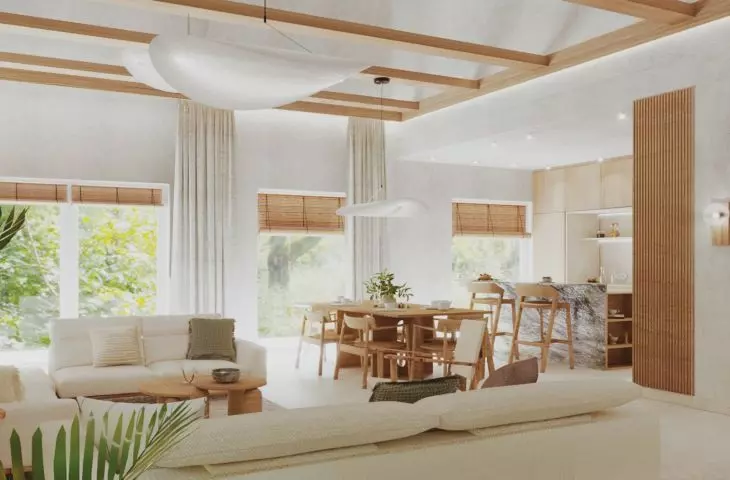
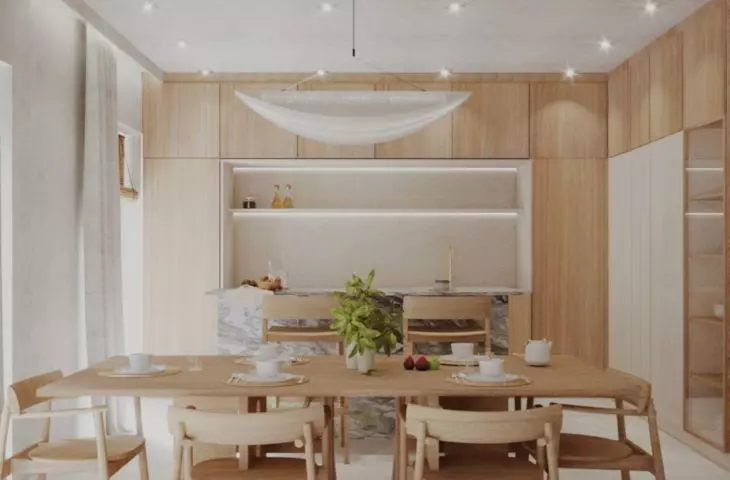
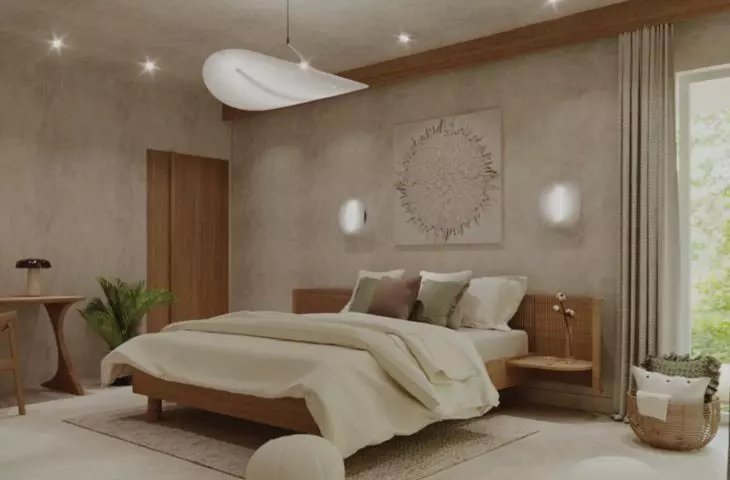
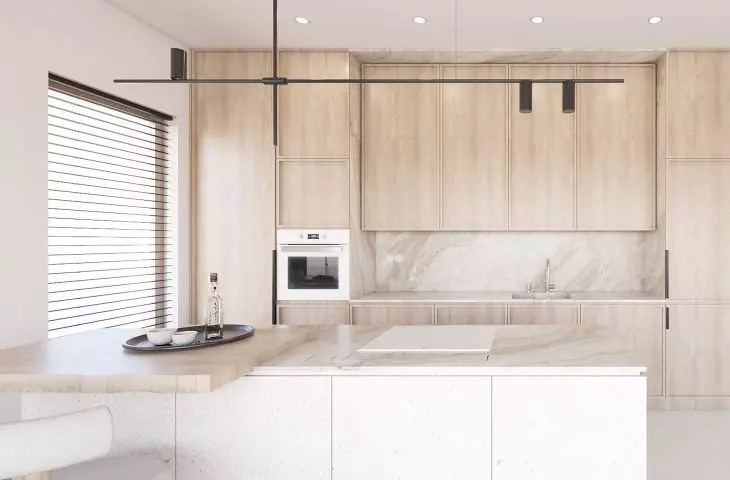
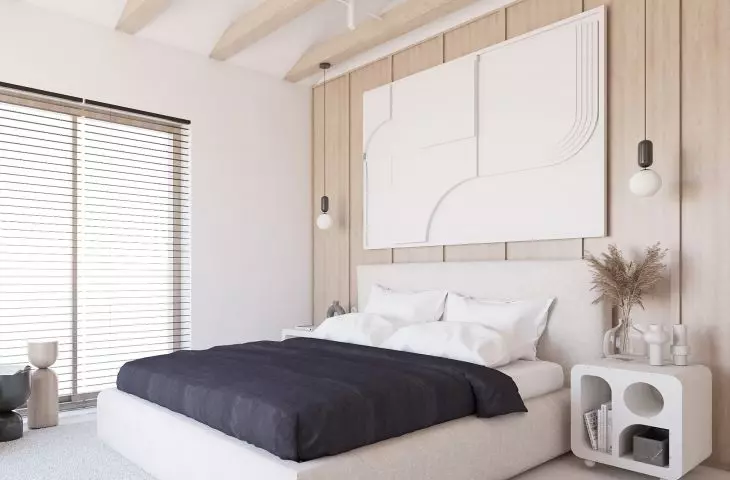
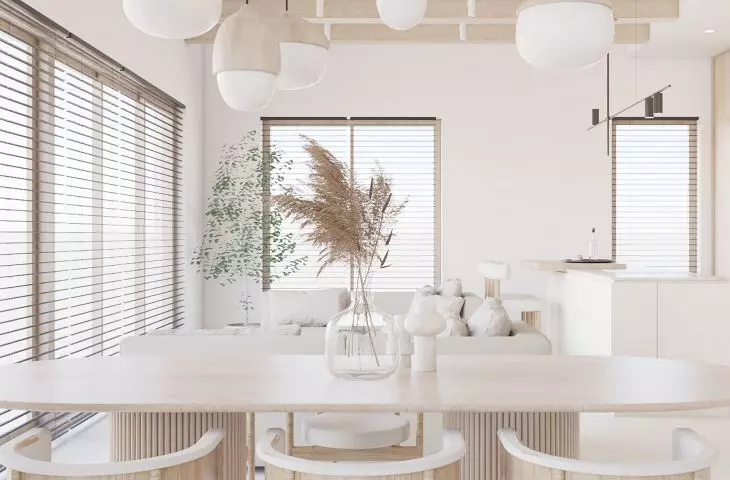
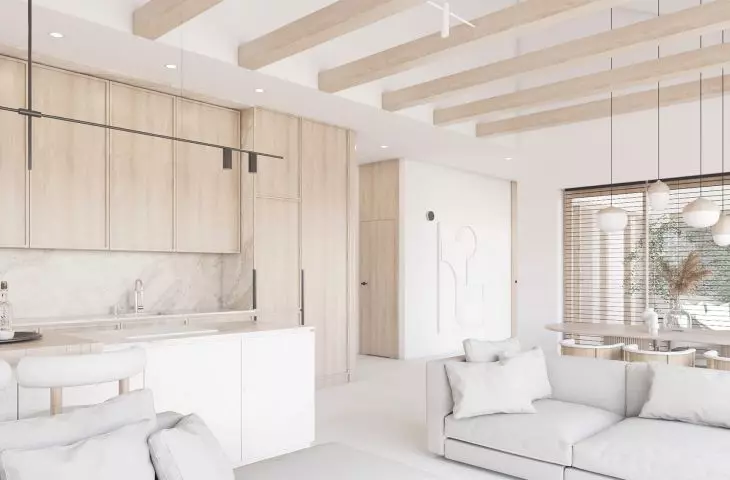
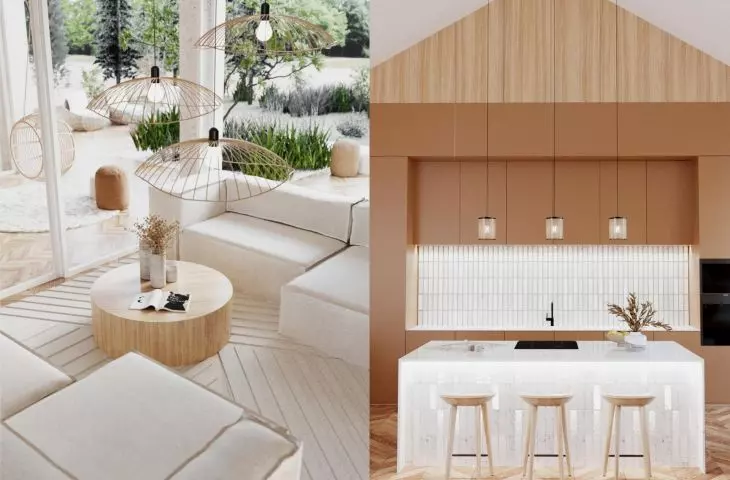
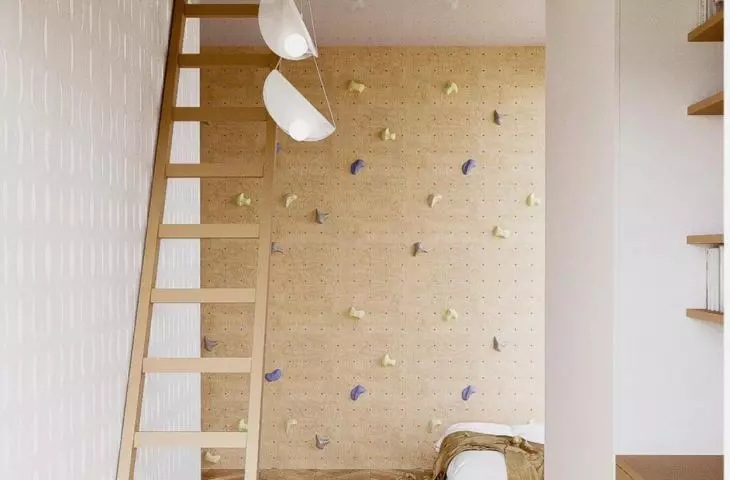
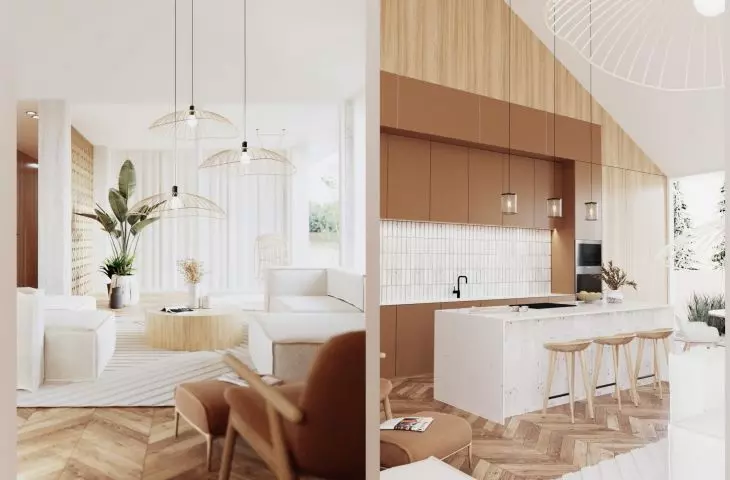
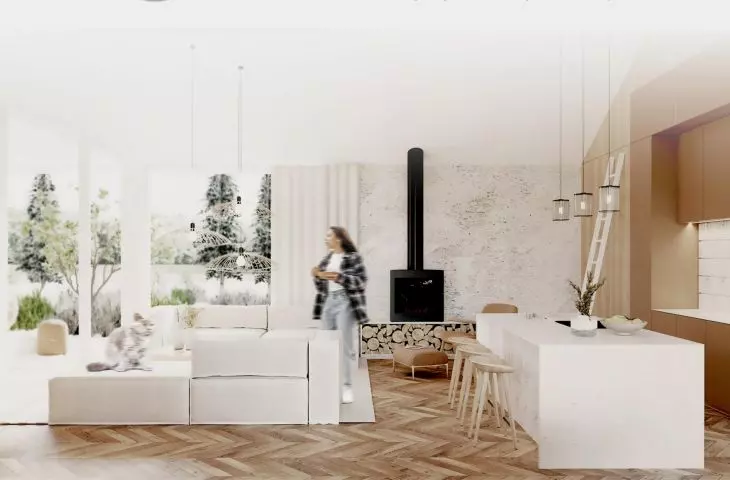
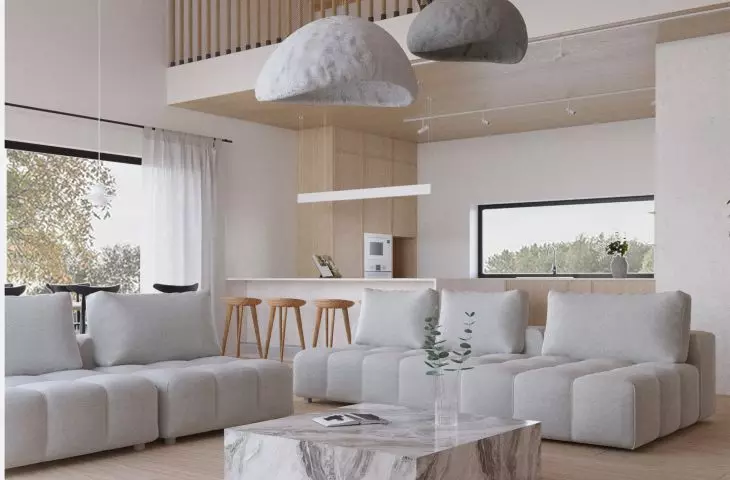
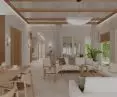
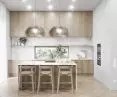
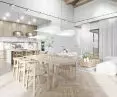
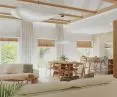
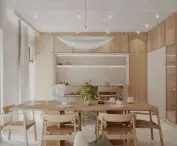
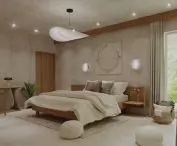
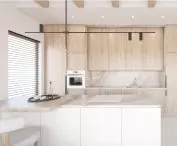
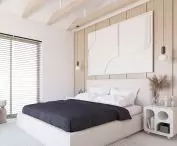
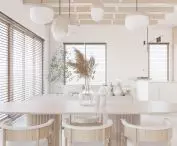
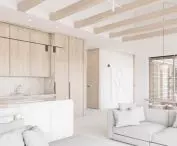
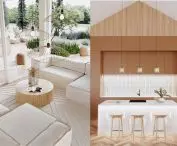
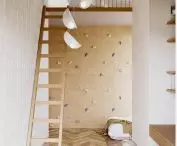
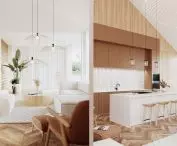
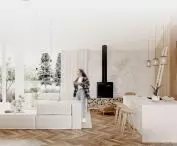
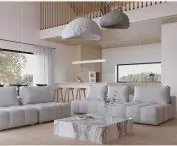

Students of interior design at Poznan University of Technology undertook the task of creating original concepts for the interiors of single-family houses, fully embedded in the idea of sustainability, as part of a design class taught by Dr. of Art Barbara Linowiecka. The young designers focused on low-emissions, locality of raw materials and an ethical approach to creating spaces.
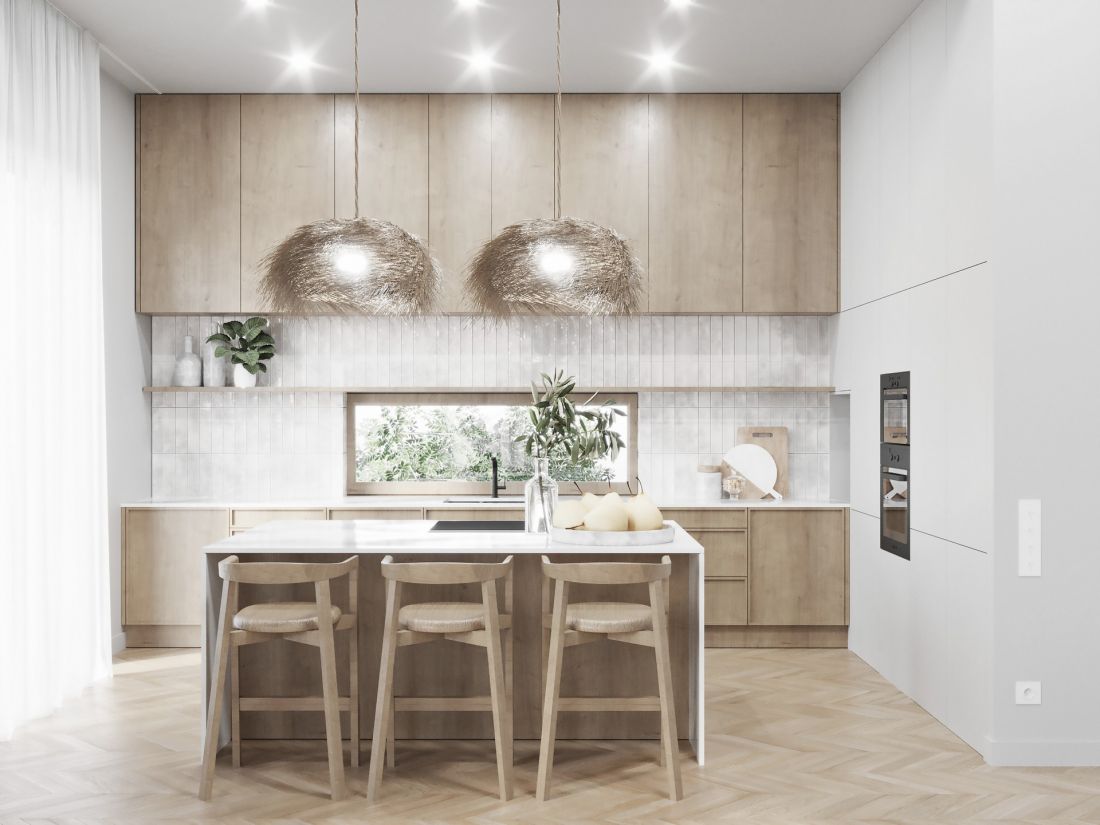
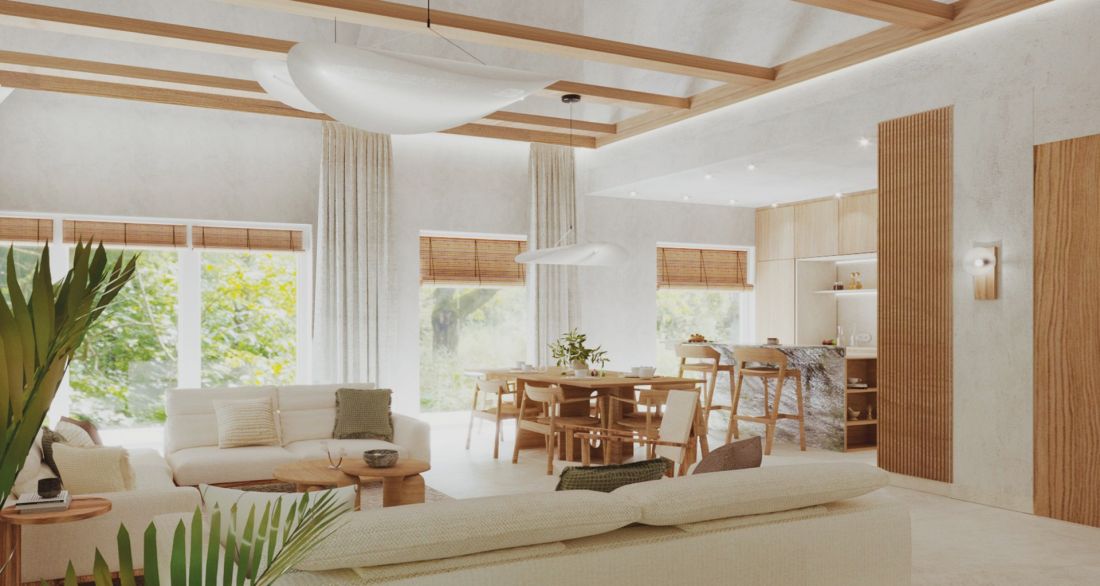
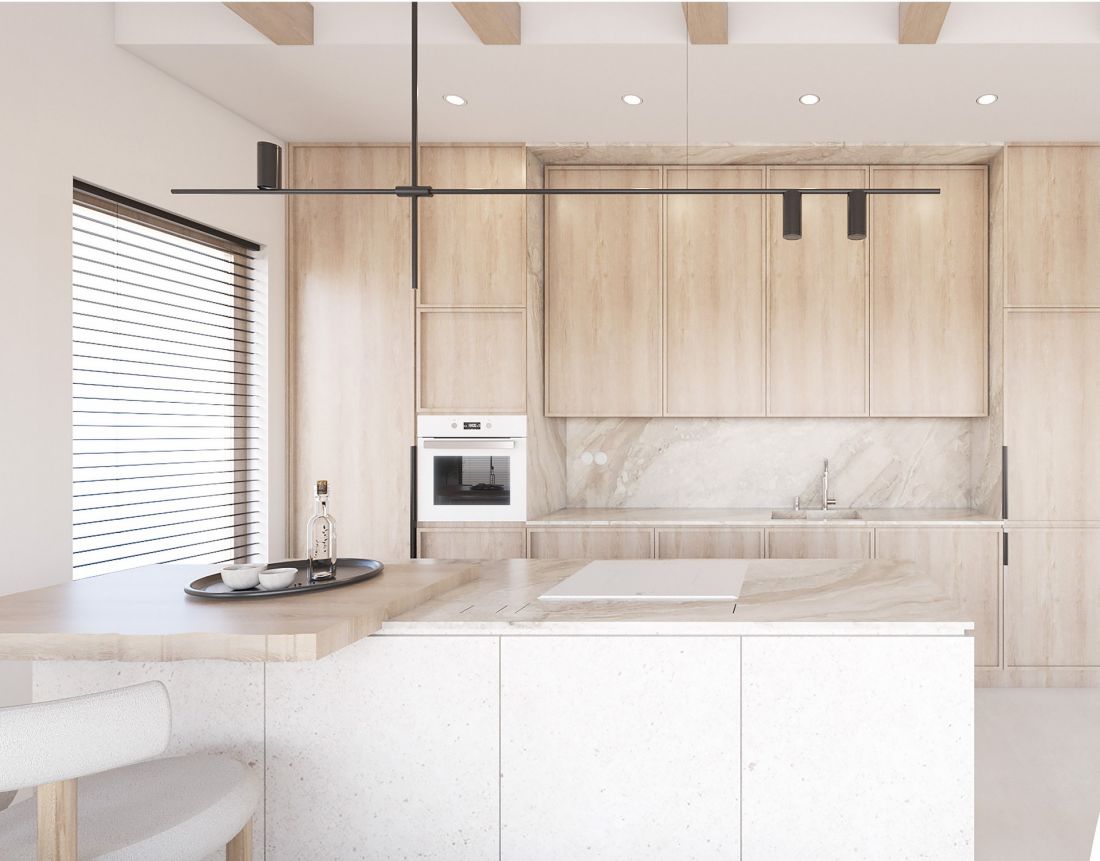
Eco house_design consciously. A house project designed in accordance with the 8R roof.
© Adrianna Chodzyńska
A generation responsible for the future
Barbara Linowiecka, experienced in the subject of ecology and conscious design, accompanied the young creatives throughout the design process, inspiring them to choose materials with the smallest possible carbon footprint and to think about space in terms of the 8Rs (reduce, reuse, recycle, rethink, refuse, rehome, repair, rot). As a result, the work undertaken goes beyond the standard design task and exemplifies a responsible approach to the role of an interior designer, fully aware of the environmental impact of her decisions.
transforming space in harmony with nature
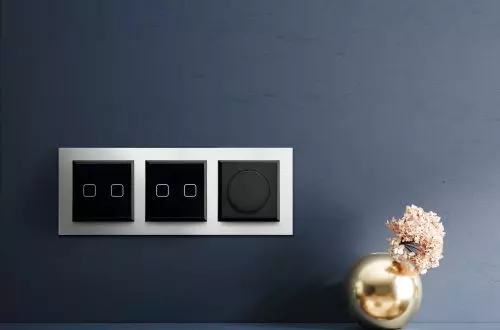
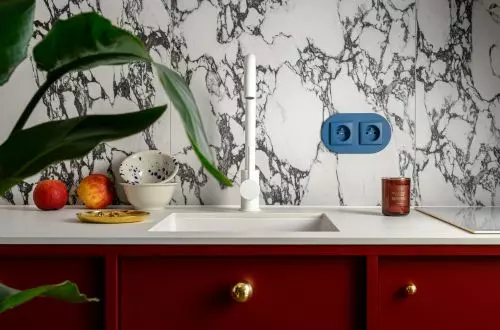
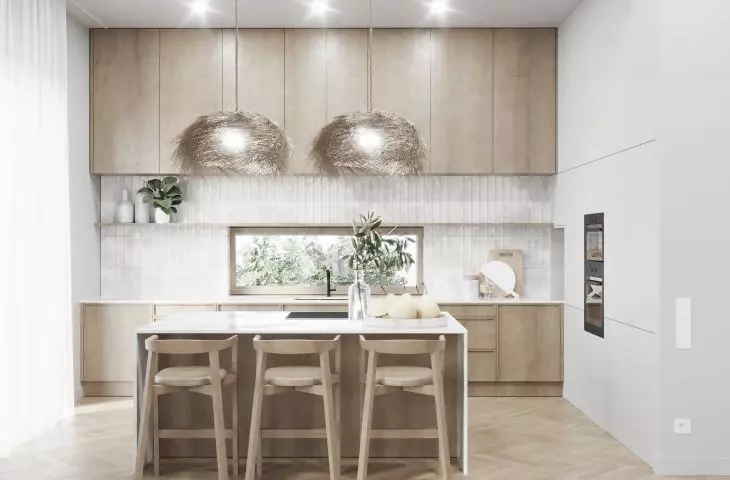
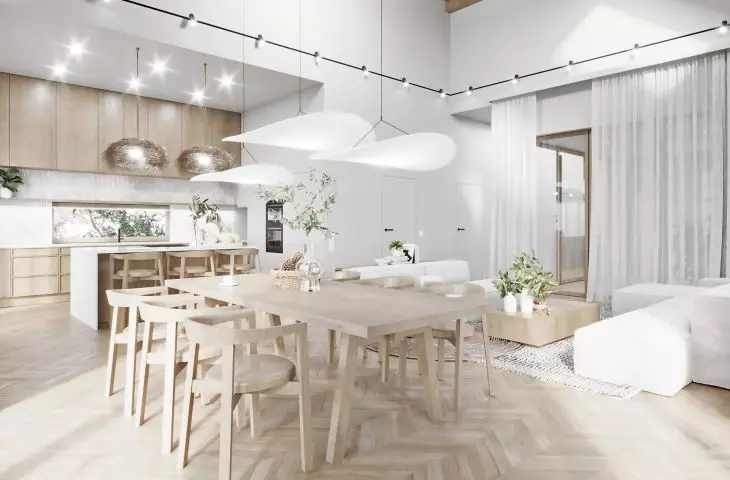
The students developed interiors that integrate natural elements and modern technological solutions, showing that functionality and harmony with nature can go hand in hand. Adrianna Chodzyńska proposed an interior in warm earth tones, where accents of solid wood and stone create a cozy living area. Her design was based on maximizing the use of daylight, so as to reduce the need for artificial lighting; bright walls of natural paints, oiled oak floors and stone details bring warmth and coziness, while remaining completely ecological. Patrycja Dubinskaya, on the other hand, focused on the philosophy of biophilia - she introduced plant walls into the apartment, which act as natural air filters, and designed targeted access to skylights, so that the rooms have a pleasant microclimate. Her modular furniture, made of solid wood and pine-needle composite, can be reconfigured at will, depending on the needs of the homeowners, which fits perfectly with the principle of reuse. In Jolanta Snioszek 's design, the emphasis is on ergonomics and modularity - furniture made from recycled materials (such as selected planks from the demolition of old buildings) is designed in such a way that in case of damage or rearrangement, it can be easily repaired or reused. The use of reclaimed planks, carefully sanded and protected with natural varnish, gave the interior a unique character, while saving virgin raw materials. Meanwhile, taking into account the principles of a smart home, Aleksandra Kupsik designed an energy management system that includes energy-efficient LED lighting with motion sensors, as well as ventilation using natural filters from potted plants. The whole system was combined with a simple panel that monitors power consumption in real time, allowing residents to optimize costs and minimize waste. Her project demonstrated that modern technology and ecology do not have to be mutually exclusive - by intelligently controlling the systems, it is possible to achieve comfort while taking care of the environment.
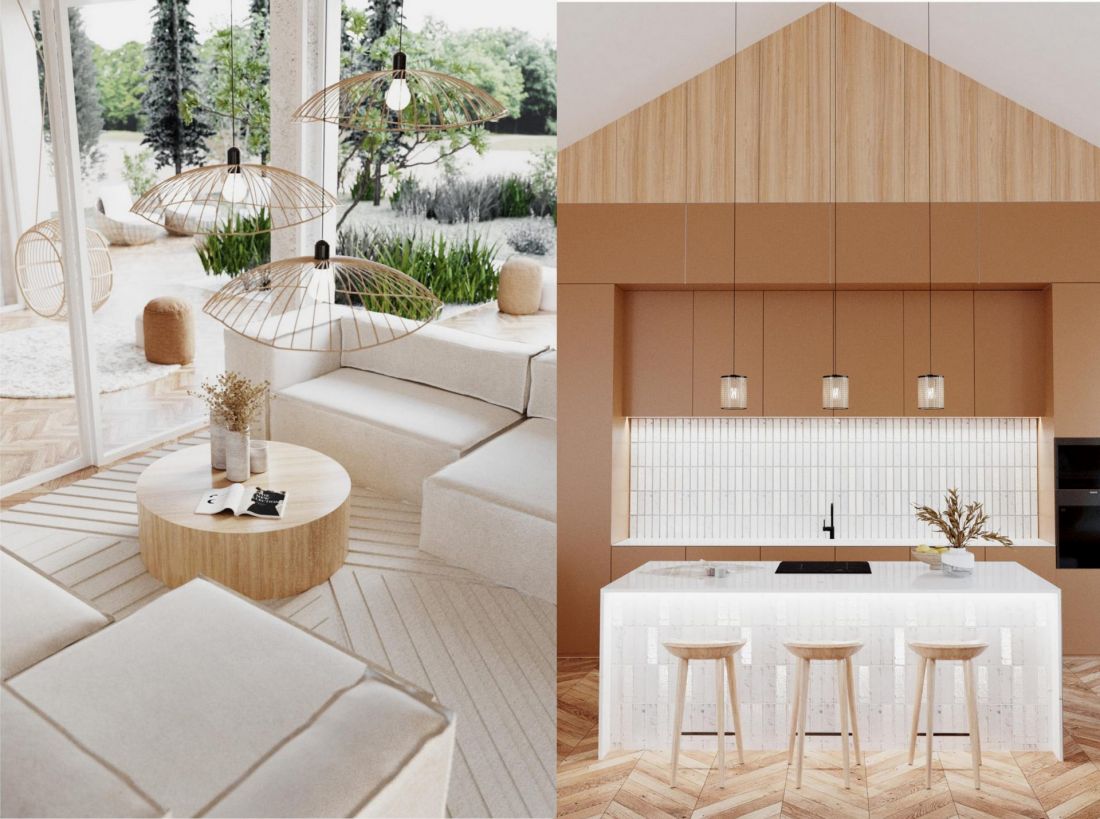
Eco house_design consciously. A house project designed in accordance with the 8R canopy
© Jolanta Snioszek
educational process and the role of the mentor
A key element of dry Barbara Linowiecka 's activities was to introduce the students to the topics of life cycle analysis of materials and environmental certification. The ecological design course included lectures and workshops, during which students learned about the criteria for evaluating materials, methods for calculating carbon footprints, and how certification systems such as LEED and BREEAM work. Divided into teams, they simulated CO₂ emissions calculations related to the transportation, processing and disposal of various raw materials. This way they knew whether a particular type of wood or plaster really deserved to be called environmentally friendly, or whether it would rather burden the budget and contribute to increased emissions. Dr. Barbara Linowiecka stressed that the role of an interior designer is not only the choice of colors, textures and patterns - it is the responsibility to reliably inform the investor about the ecological effects of the planned solutions, and the ability to negotiate compromises between aesthetics and nature protection.
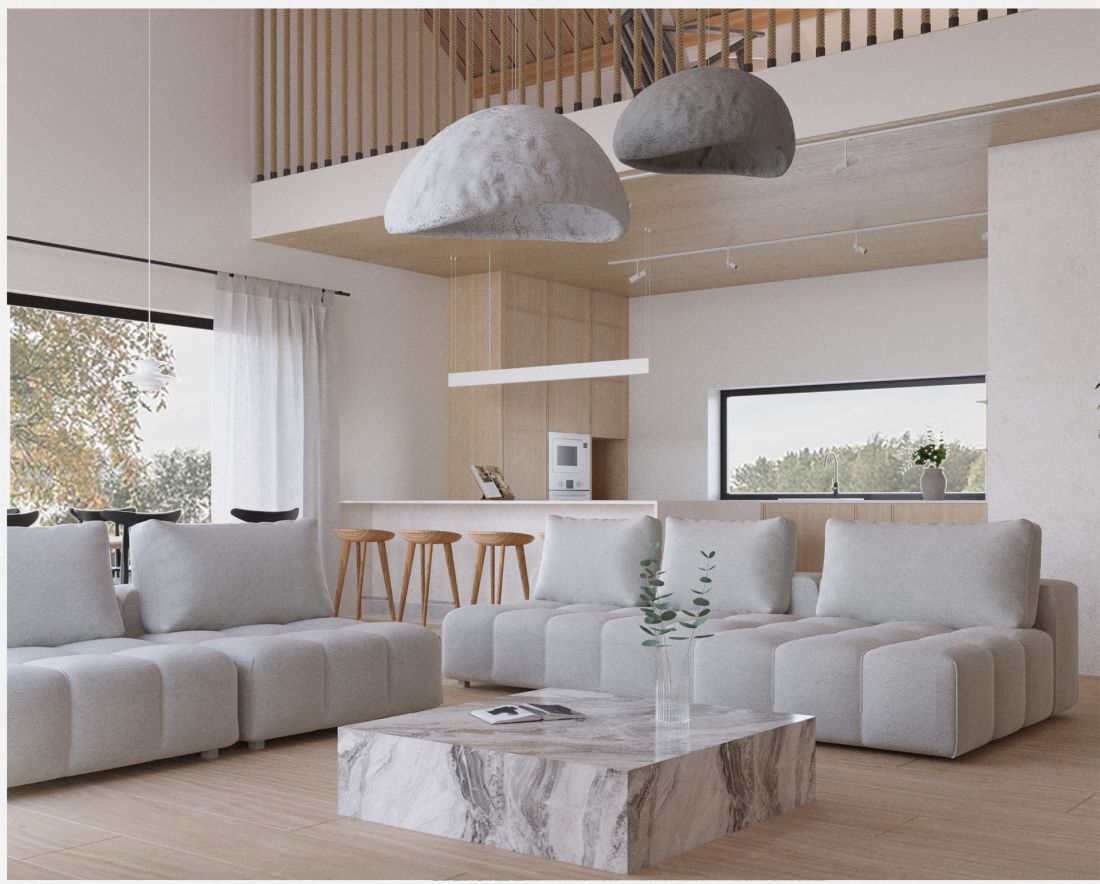
Eco house_design consciously. A house project designed in accordance with the 8R canopy
© Patrycja Dubinskaya
Surveys conducted after the end of the semester showed that thanks to this mentorship, the young designers not only sorted out their knowledge of the life cycle of materials, but also learned to reject raw materials with too high an "ecological cost" and understood that the interior designer is the actual ambassador of the idea of sustainability. During the course of the class, every design decision had to be supported by concrete data: the origin of the material, the way it was produced, as well as the possibilities of recirculation or composting. This critical approach changed the way of thinking - students learned that ecology is not an add-on, but an integral part of the design process.