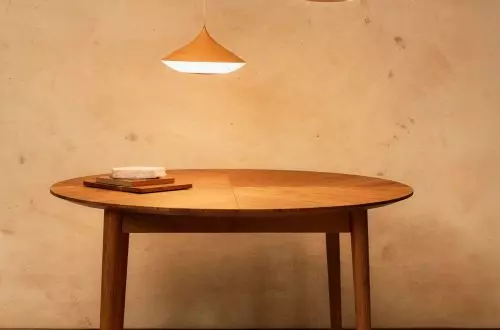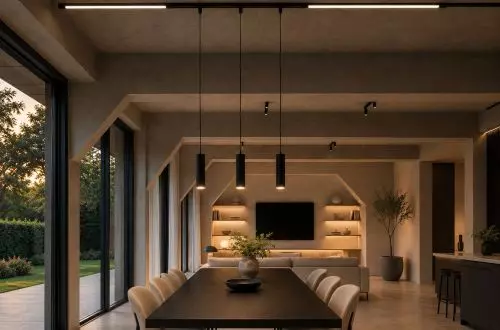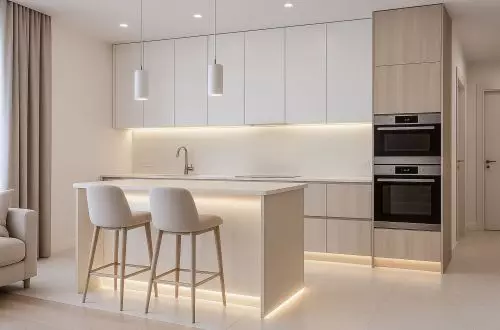








from the series "Facade and wall materials - trends 2025"
In today's landscape of architecture and construction, it is extremely important to achieve a balance between aesthetic appeal and environmental responsibility. Exterior facade panels made of high-pressure laminate (HPL) are becoming a versatile material that meets these requirements. Thanks to their durability, design flexibility and sustainable nature, HPL facades are becoming an increasingly popular choice among architects and builders who focus on environmentally friendly solutions.

© GREENLAM
HPL exterior panels are created from multiple layers of kraft paper soaked in thermosetting resins, which are then bonded together under high pressure and temperature. This method of production distinguishes HPL facades from more traditional materials, such as wood or metal, which often require more intensive use of natural resources. By choosing HPL facades, builders can reduce the use of wood, contributing to forest conservation and sustainable use of natural resources. This makes HPL panels a responsible choice for building facades and shows concern for the environment.
HPL panels are recyclable and reusable. At the end of their life cycle, they can be recycled into new panels or other products, significantly reducing the amount of waste going to landfills. They can also be dismantled and reused in new projects without generating construction debris. This capability minimizes environmental impact and fits in with the principles of a closed-loop economy, in which materials are continually recycled instead of discarded.
Another advantage of HPL exterior panels is their energy efficiency and excellent thermal insulation properties. The insulating qualities of HPL help maintain a stable internal temperature, reducing the need for artificial heating and cooling. This energy efficiency translates into lower carbon emissions and reduced energy costs, making HPL facades an economical and environmentally friendly solution in the long run.
Greenlam is a company known for its superior HPL facade products. Greenlam Clads employs sustainable manufacturing practices, including using low-emission resins, minimizing production waste and using renewable energy sources where possible. Through such measures, environmental impact is reduced at every stage of the product life cycle. What's more, the raw materials used by Greenlam Clads are often sourced from responsibly managed forests, which supports sustainability goals and reduces the overall environmental footprint.
Greenlam Clads also holds a number of certifications and meets standards to prove its green credentials. Certifications such as Greenguard, GRIHA, FSC, CE, EPD and NRO ensure that Greenlam's products meet rigorous quality and sustainability standards. They confirm the company's commitment to environmentally, socially and ethically sound practices, further emphasizing the value of HPL panels as a sustainable material.
HPL exterior facades offer many environmental benefits - from environmentally friendly manufacturing to energy efficiency to recyclability. Choosing HPL panels improves a building's performance and aesthetics and supports global environmental goals, making them a smart choice for modern building projects.
For more information, visit the company's GREENLAM POLAND Sp. z o.o page on the PdA portal.