



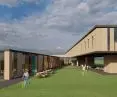



Brunswick, a city with a rich history and harmoniously integrated modern architecture, may in the future gain a new spot on the map of inclusive accommodations. Designed by Magdalena Razny of the Faculty of Architecture at the Cracow University of Technology, the youth hostel on Kaiserstrasse is a response to the needs of a modern, open society. Its proximity to recreational areas and educational facilities makes the location particularly attractive for young people and those looking for a comfortable place for a short stay.
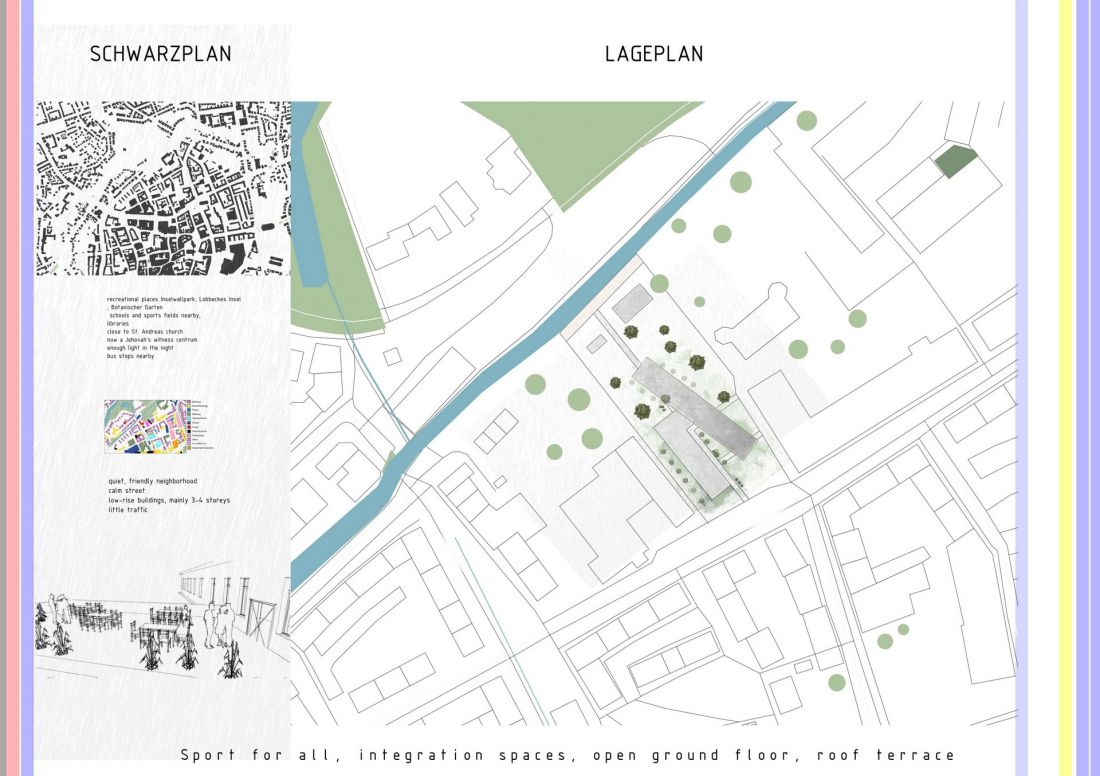
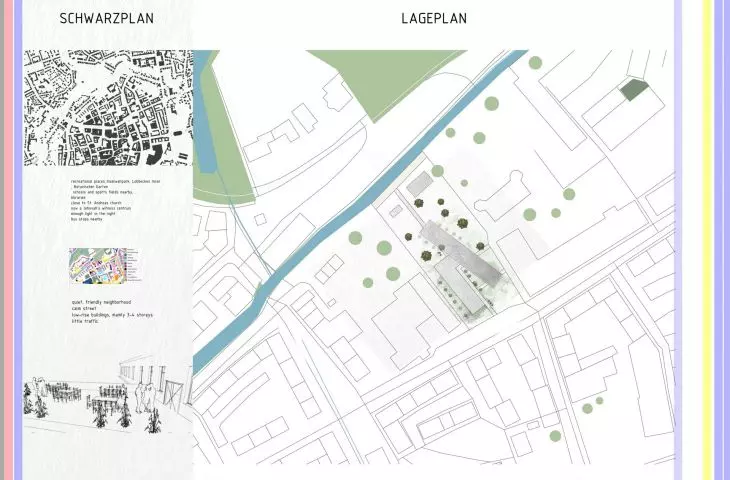
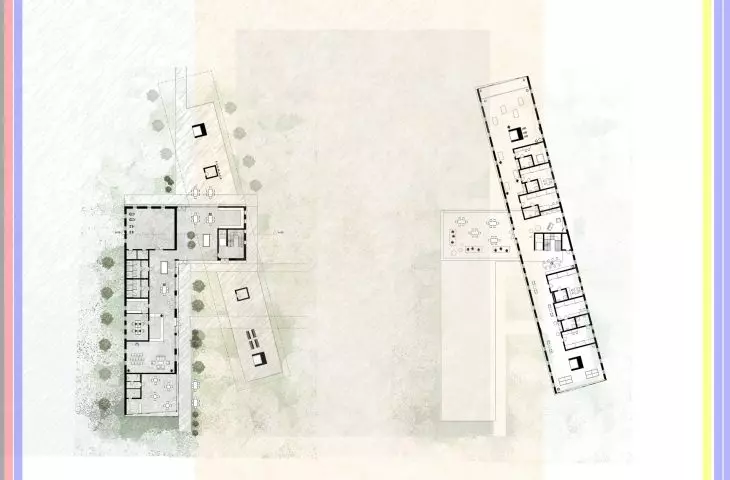
site development plan
© Magdalena Raźny
modern space in a historical setting
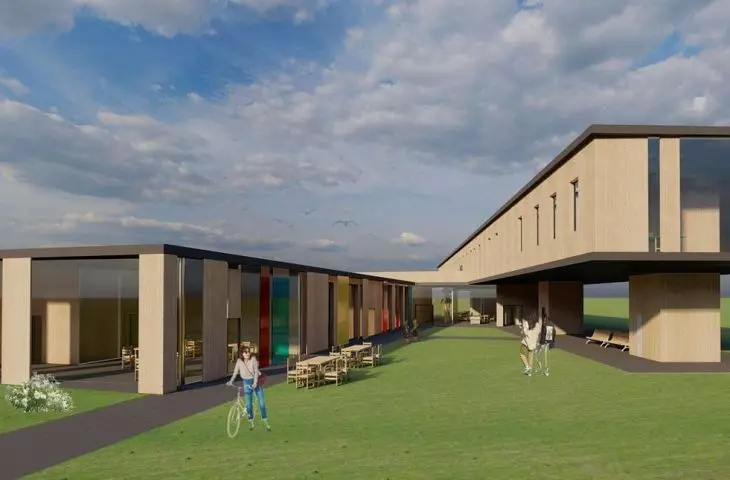
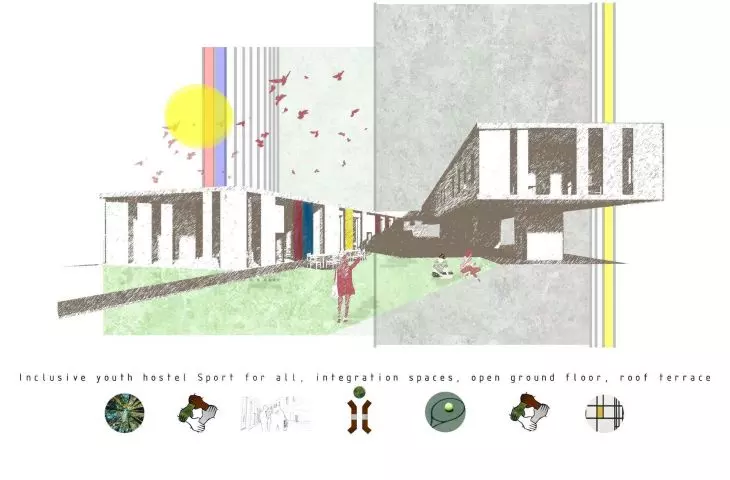
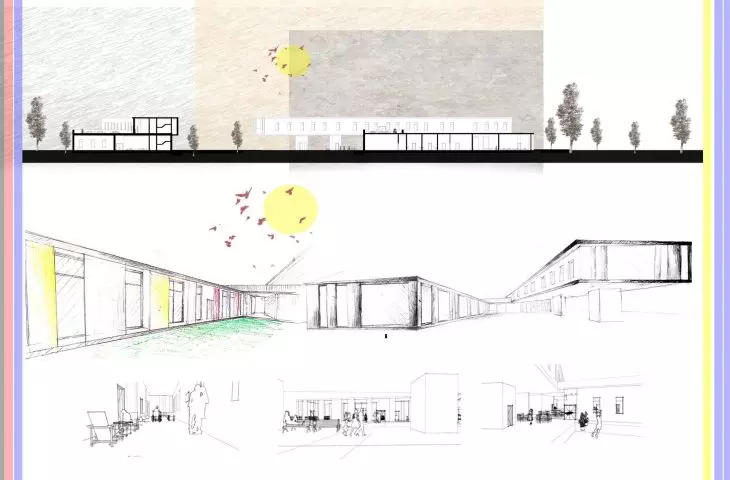
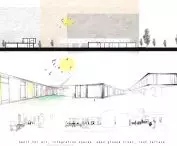
The hostel was designed with the integration of users/users and their comfortable functioning in the urban space in mind. The layout of the building is based on an inner courtyard, which becomes a center of interaction and a meeting place. Glazed sections in the central part of the building give it transparency and emphasize its openness to the surroundings.
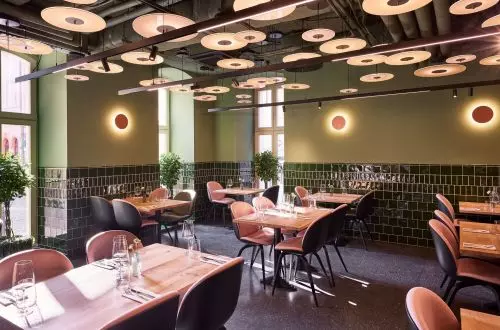
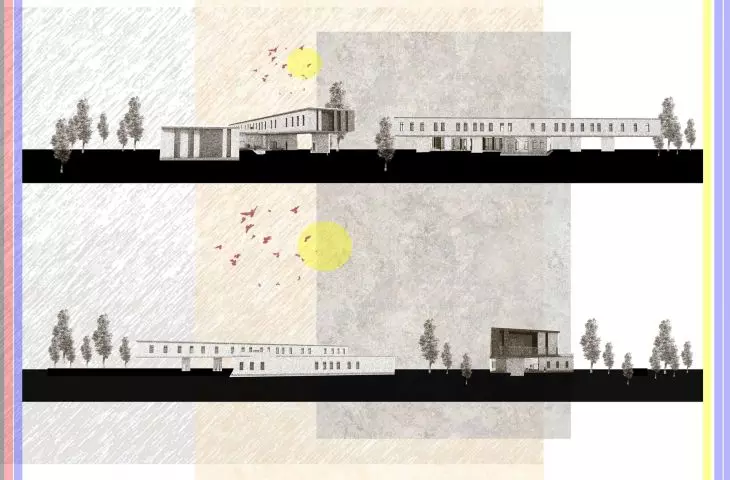
Finishing materials, such as wood on the facade, introduce a natural and warm character. The interiors are kept in light colors, broken by accents of green and orange, symbolizing harmony and joy. Every detail of the design has been thought out to create an atmosphere conducive to both relaxation and making new friends.
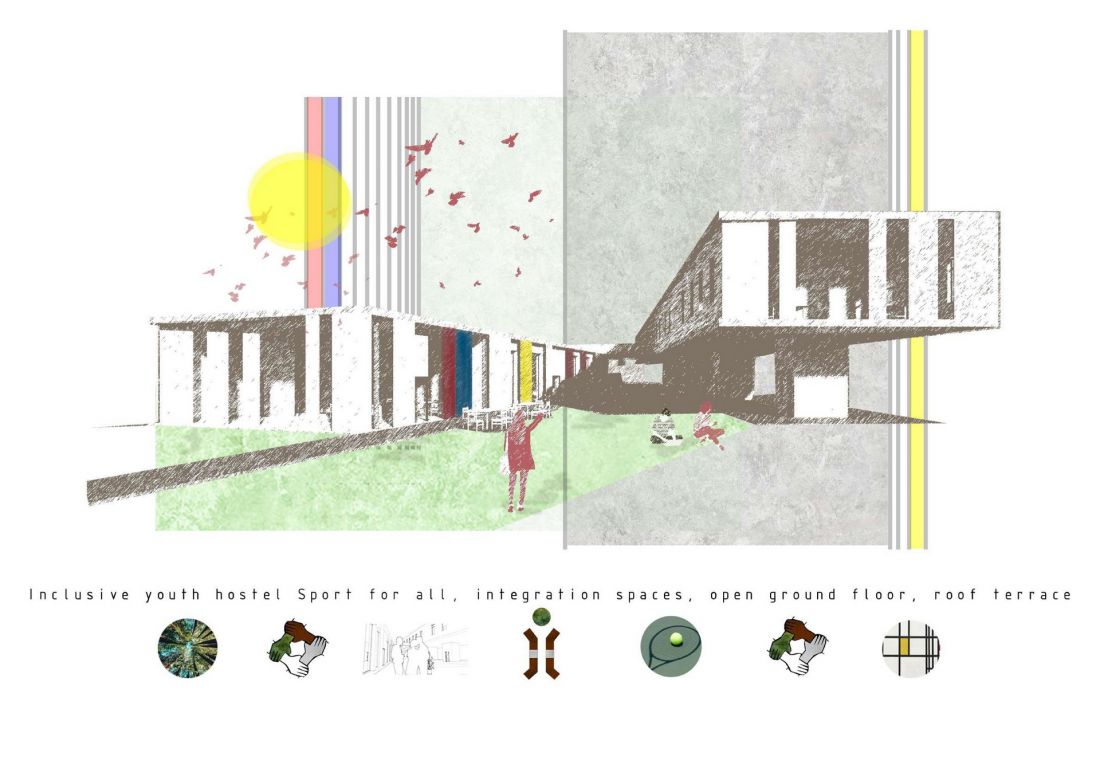
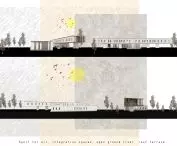
elevation
© Magdalena Raźny
accessibility without compromise
Inclusive architecture is one of the key elements of the project. The hostel was planned to be accessible to all users/users, regardless of their fitness level. Wide corridors, elevators and ergonomic solutions ensure that every guest can move freely around the facility.
In addition, the use of a clear division of space and intuitive communication solutions allows for seamless use of the infrastructure. Common spaces, such as the kitchen, meeting rooms and relaxation areas, allow integration and community building, an important aspect of inclusivity.
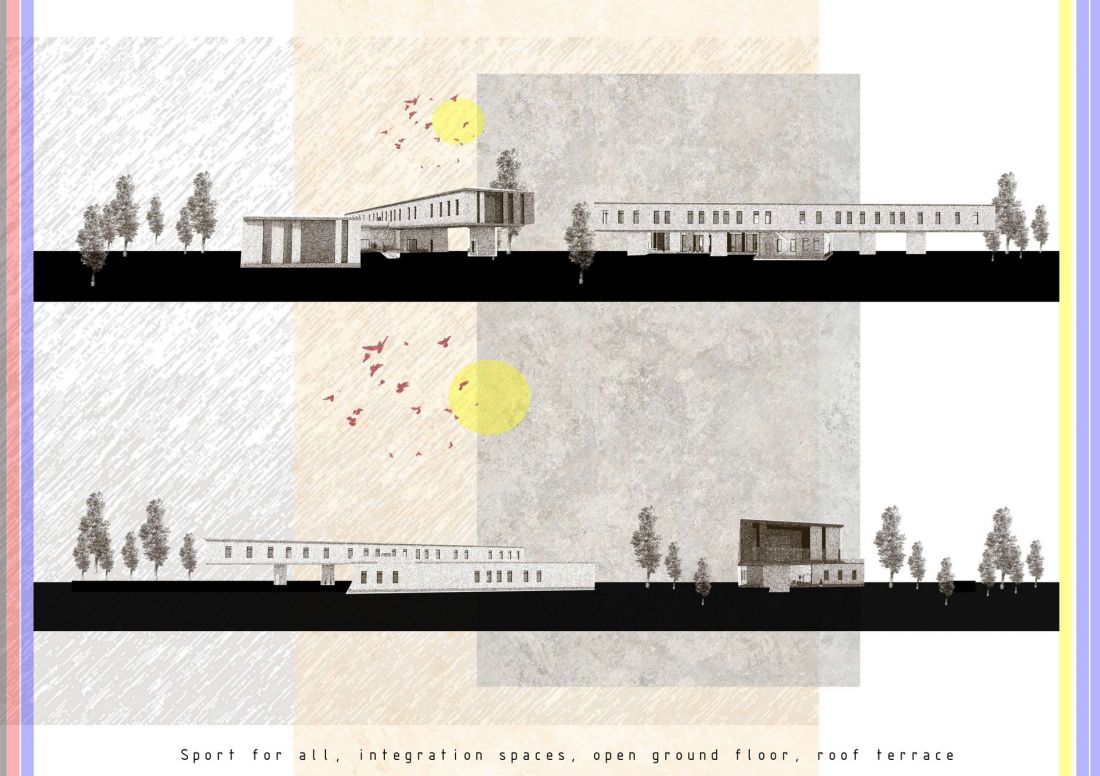
cross sections
© Magdalena Raźny
integration with the environment
The building was designed to harmonize with the existing urban fabric. The façade opens to the street, creating a visual invitation to passersby and neighborhood residents. This concept promotes the building's environmental acceptability and its integration into the local context.
Its proximity to Insellwallpark, the botanical garden and sports facilities makes the hostel a place not only for travelers, but also for the local community. The open form and accessible common spaces allow free use of the facilities not only by residents, but also by people outside the facility.
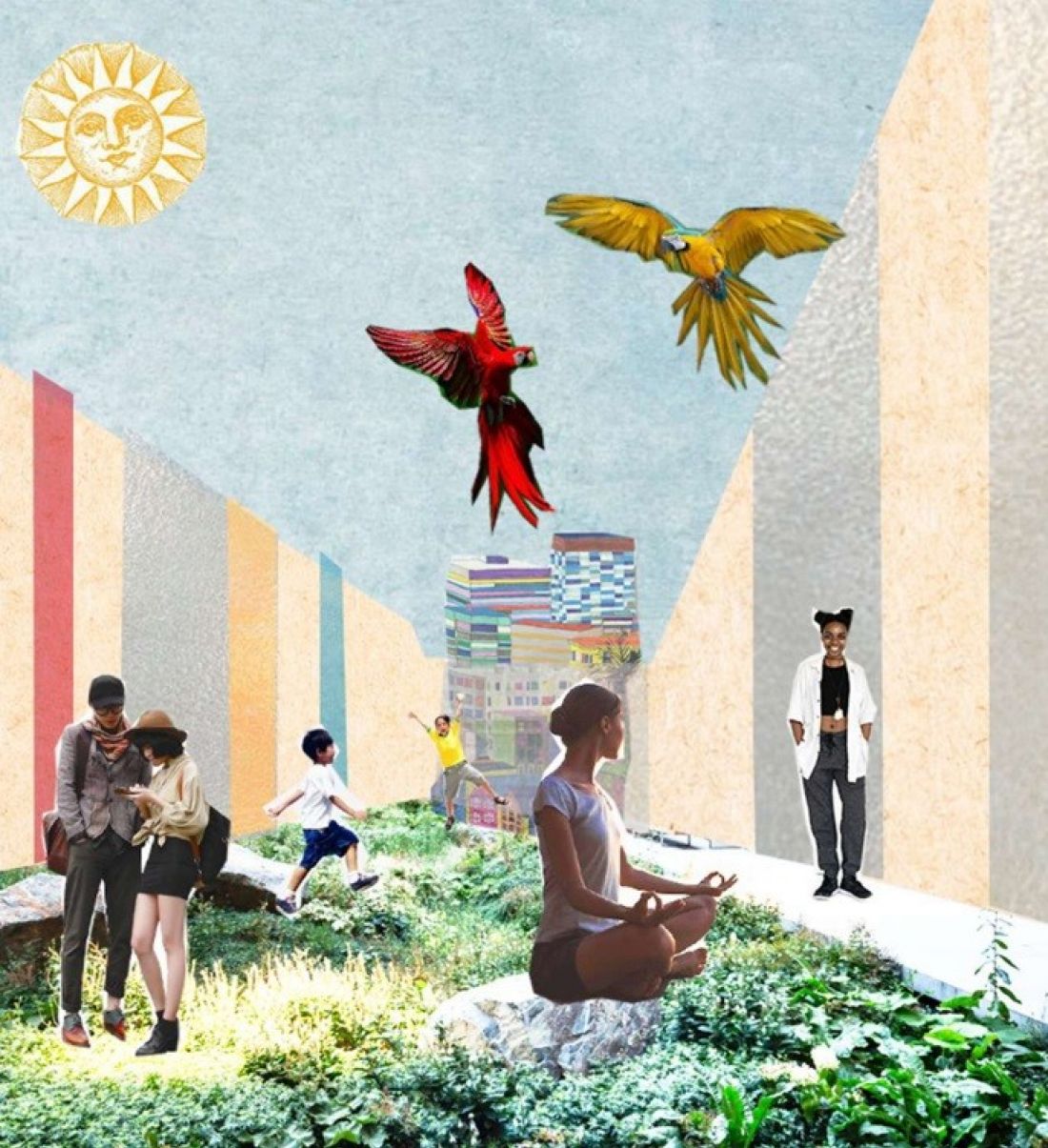
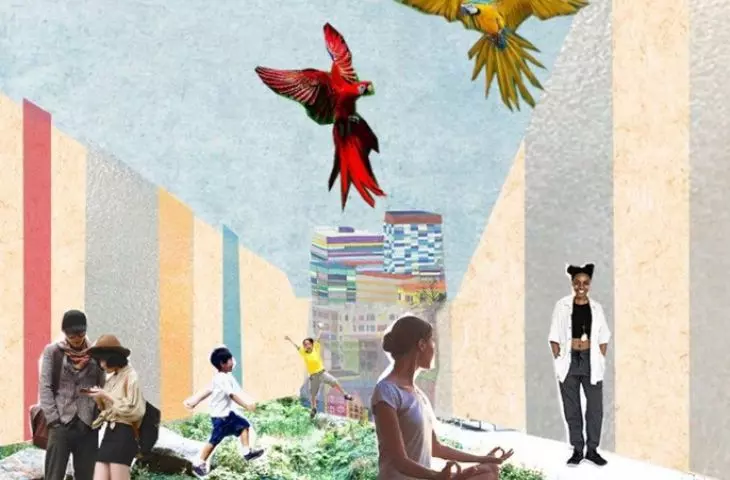
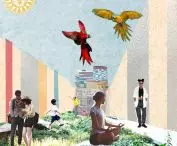
visualization
© Magdalena Raźny
a future with people in mind
The design of the hostel in Brunswick is not only a response to the needs of contemporary architecture, but also an expression of the desire to create spaces accessible to everyone. Through modern solutions and conscious integration with the environment, the building will become an example of responsible design for the benefit of the community. This hostel is not just a place to stay - it is a space, supporting integration, building relationships and giving a sense of belonging, regardless of the background, age or individual needs of those using it.