



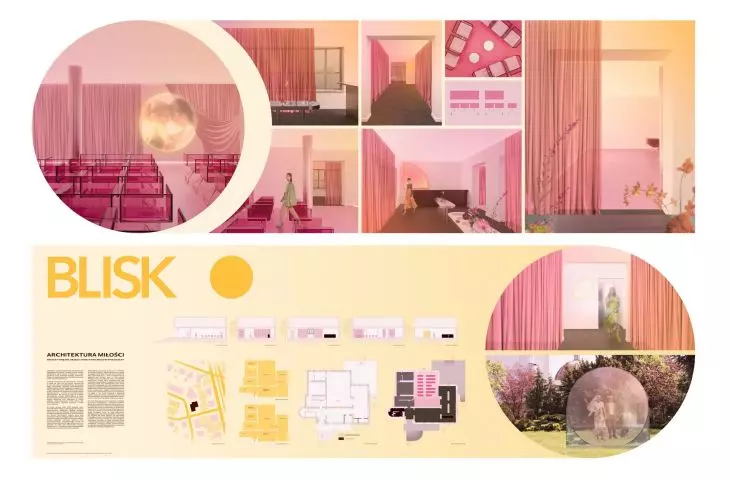
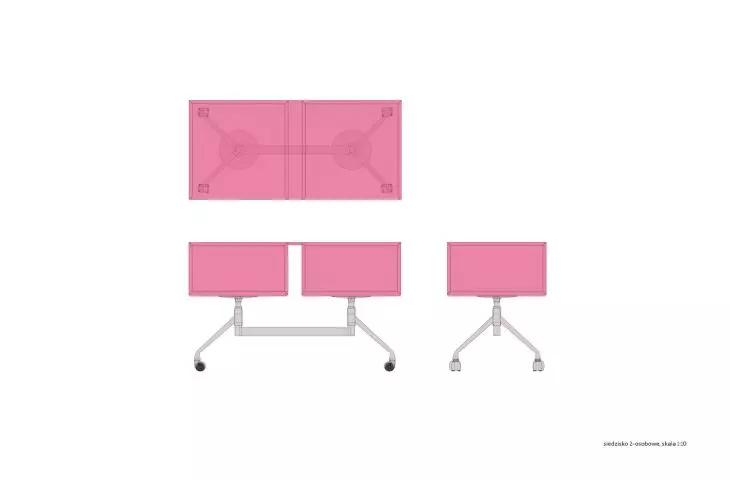
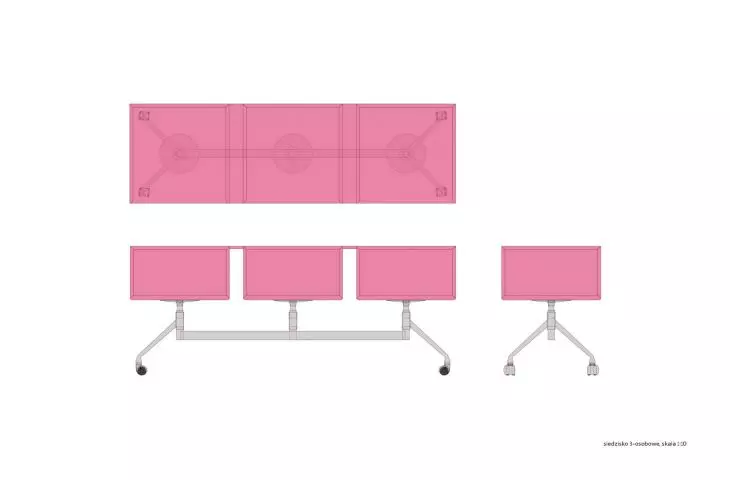
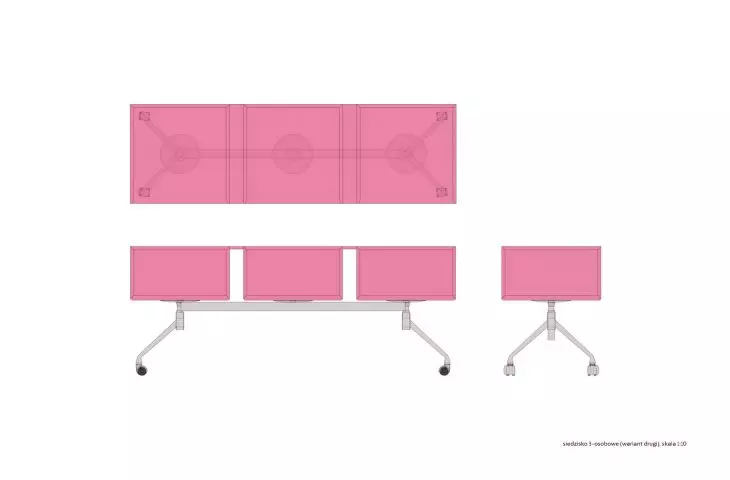
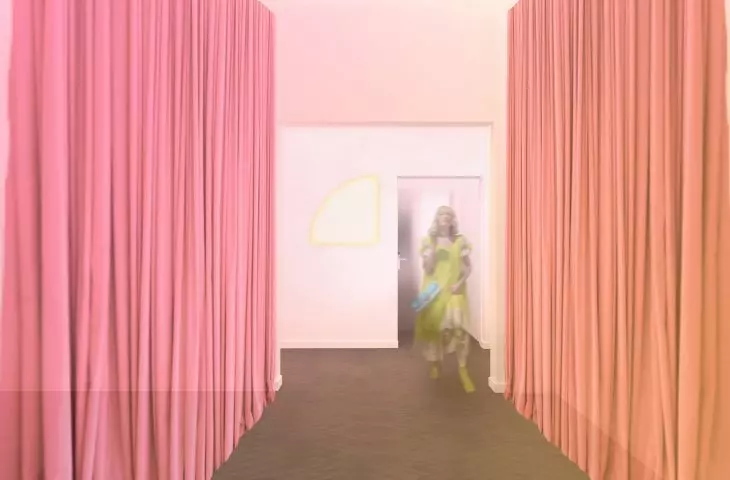
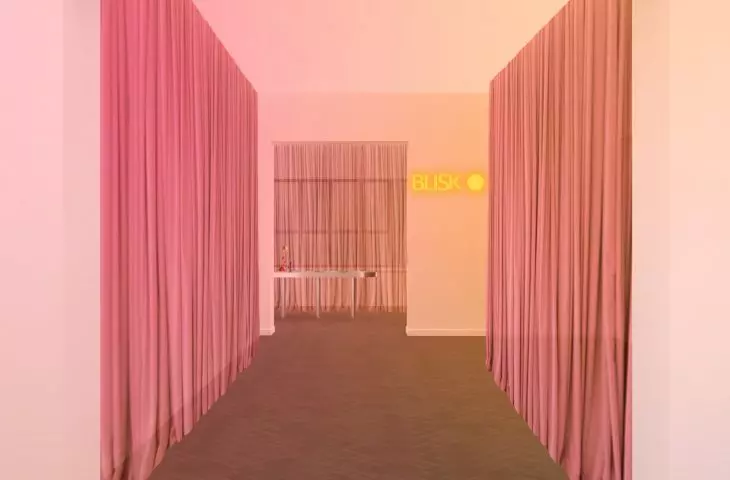
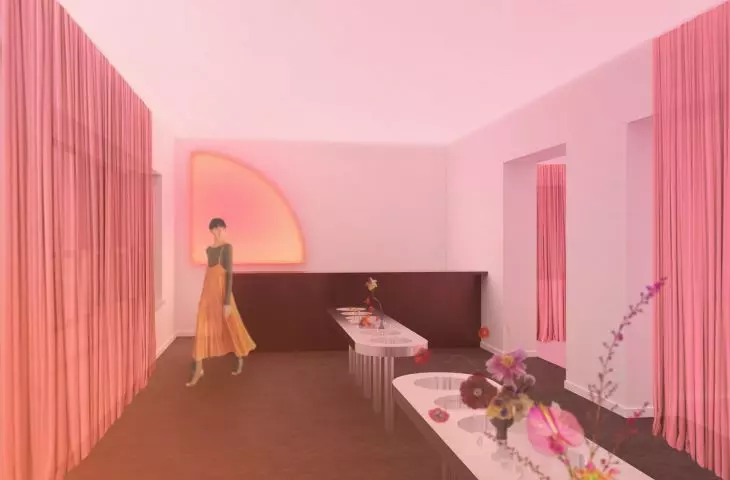
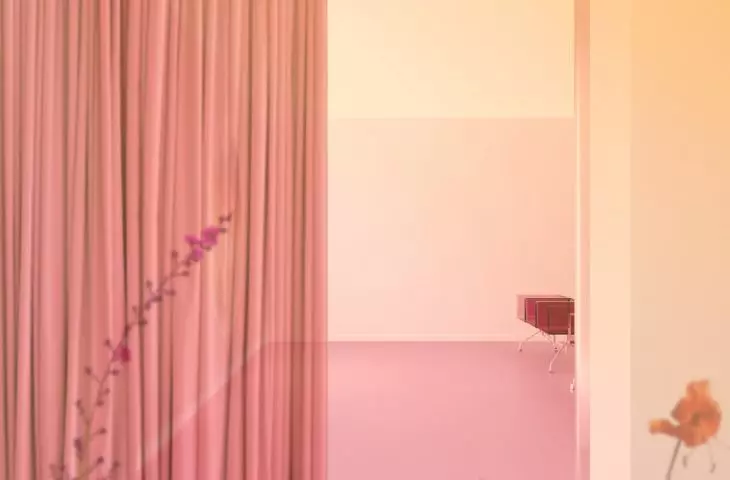
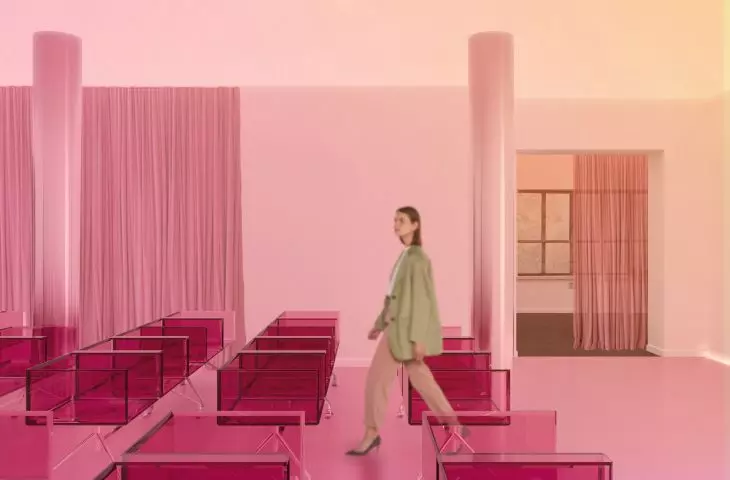
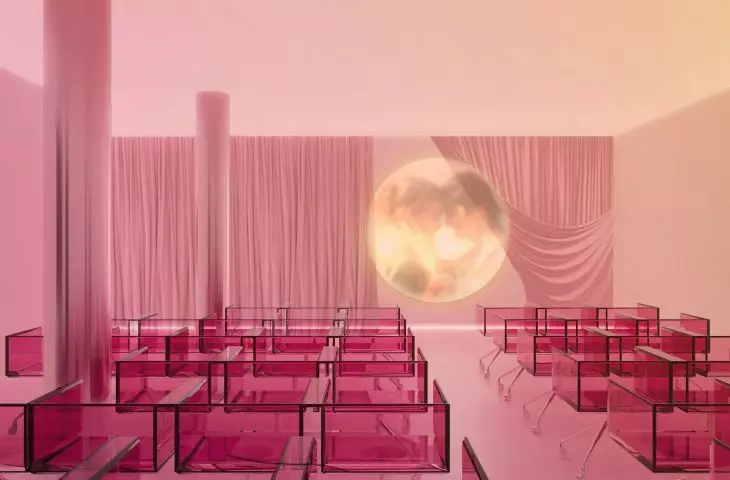
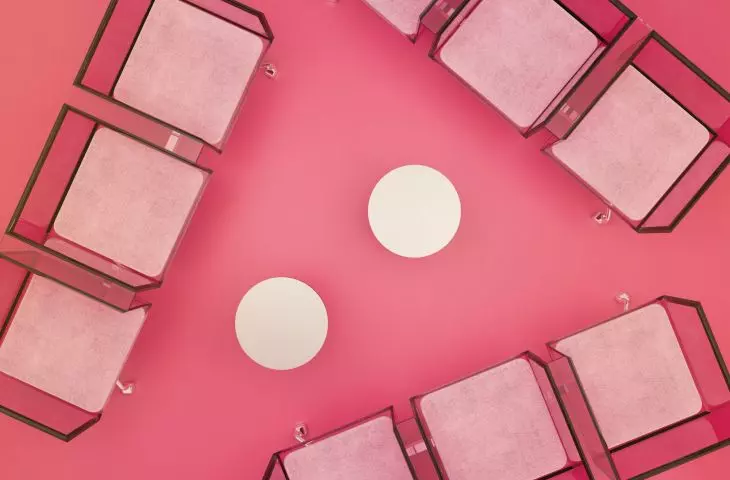




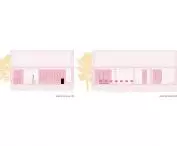
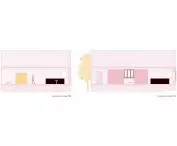
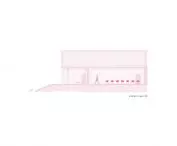
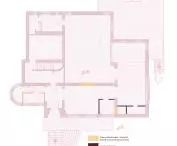









Work submitted for the competition
"Best Interior Diploma".
Man is considered a herd creature - he cannot and even does not want to live without others. Pair bonding is a characteristic of our cultural circle. The most strongly normalized arrangement of a romantic relationship is a monogamous heterosexual relationship. Defining, naming, and adopting certain patterns makes it easier to function, to understand abstract concepts. We are not afraid of what we can unambiguously name. Love, however, in its essence is an extremely broad spectrum, escaping strict definitions and being forced into tight templates. It can take on different faces, be shape-shifting, capricious, impulsive, or quiet and subtle.
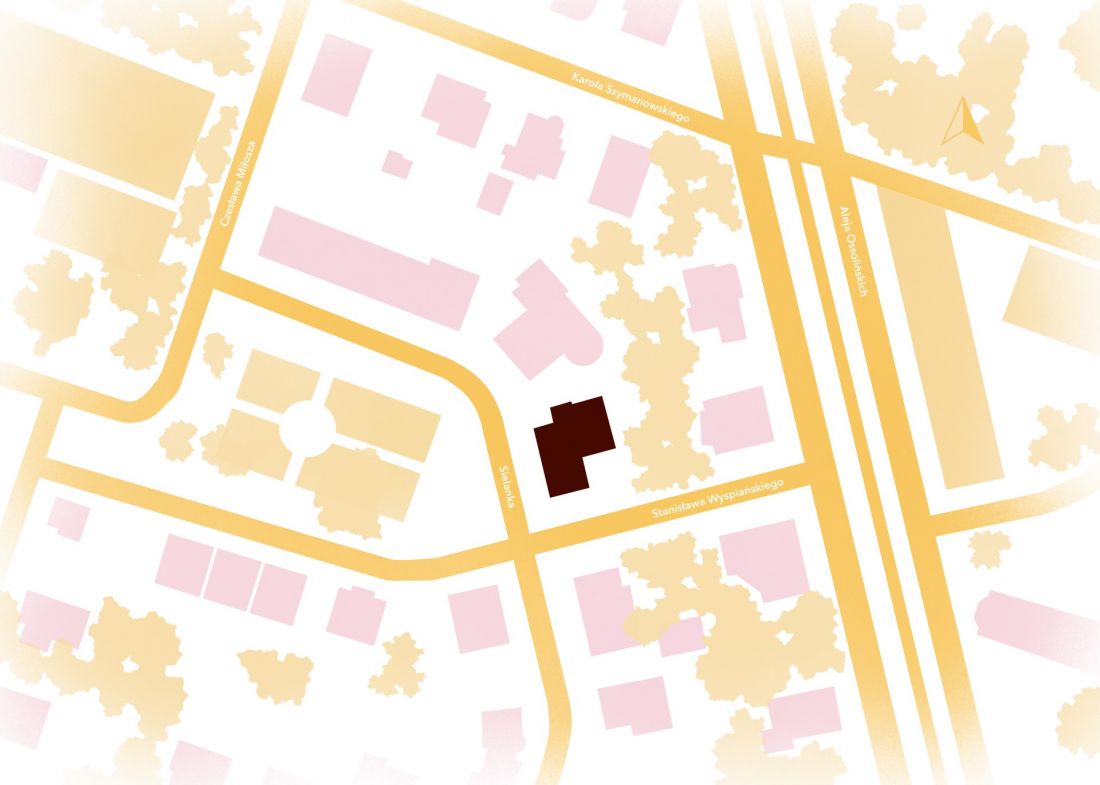
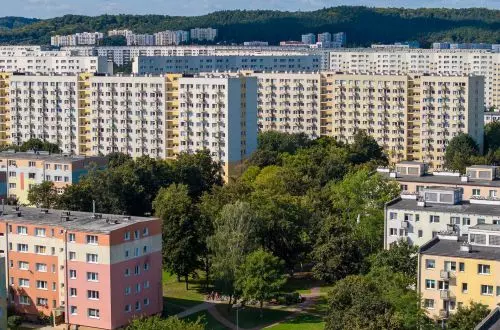
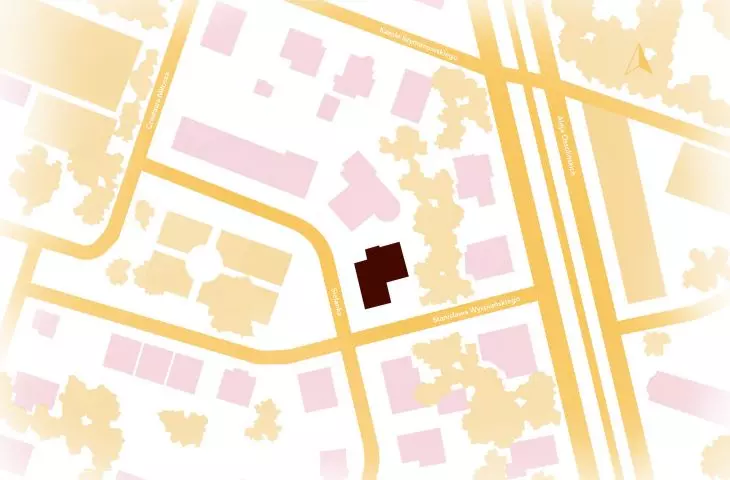
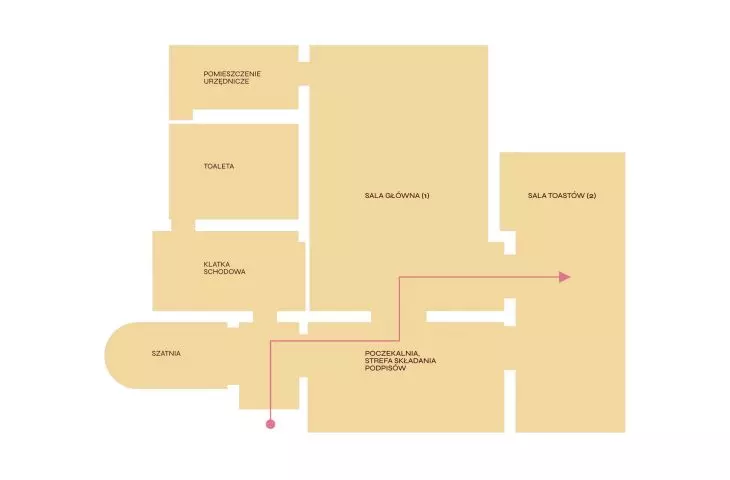
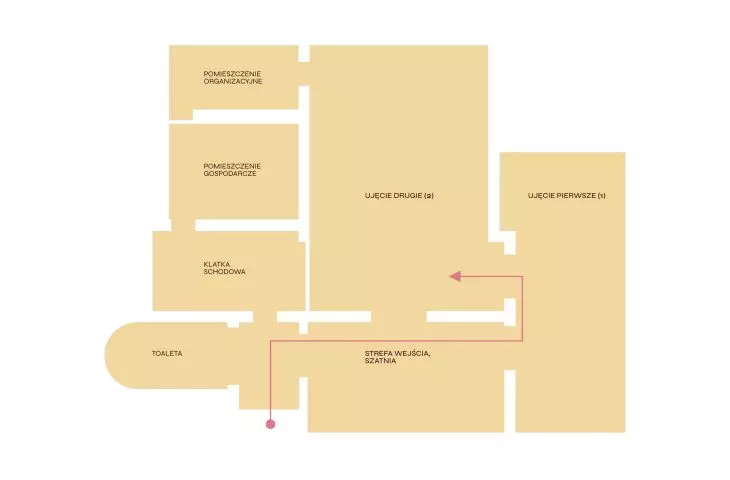
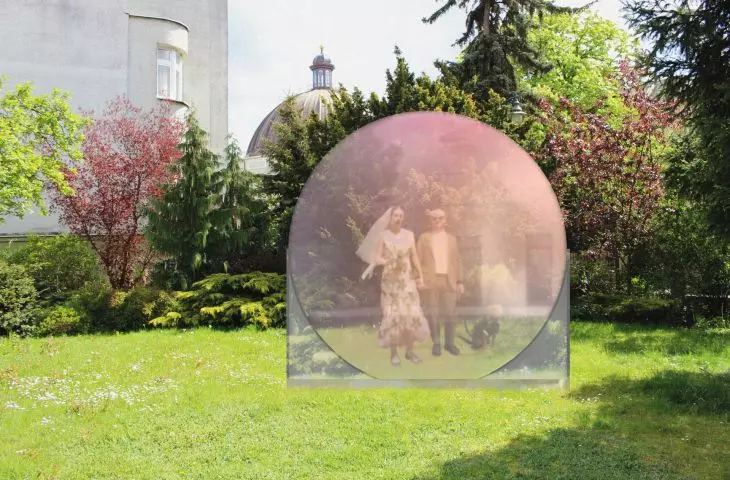
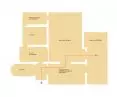
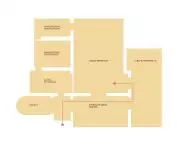
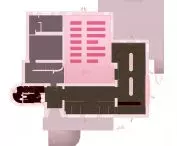
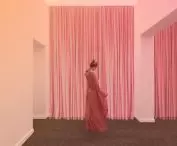
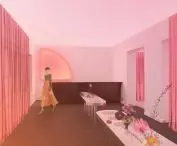
map
© Julia Broszkiewicz
"By intertwining two existences, love accumulates accumulated wisdom, separate histories, resources, legacies, different ways of enjoying life, friendships, countries. It multiplies contacts, opportunities. It opens doors in our identity that we didn't even suspect existed."
There are about 3,000 registry offices in Poland, which, among other things, handle the day-to-day registration of marriages. According to Polish law, however, this is an institution aimed only at a circle of heteronormative people, making it impossible for same-sex couples to formalize their union. Currently, only civil ceremony alternatives are available for those legally excluded. There are organizations offering to perform a humanist wedding, tailored in form to individual needs. Different-sex couples are also opting for this type of ceremony. The reasons range from the lack of need to formalize the union to the desire to celebrate in a personalized, intimate way. However, it is worth noting that this is not a substitute for civil weddings, registered by offices, due to their lack of legal force. I would like to make it clear - a humanist wedding does not provide the same rights as a civil wedding. Therefore, this topic is strongly connected with the problem of exclusion. The project I am presenting is therefore a proposal, providing a solution in the context of the current law, and a solution that could still be of interest to non-excluded people if the law changes.
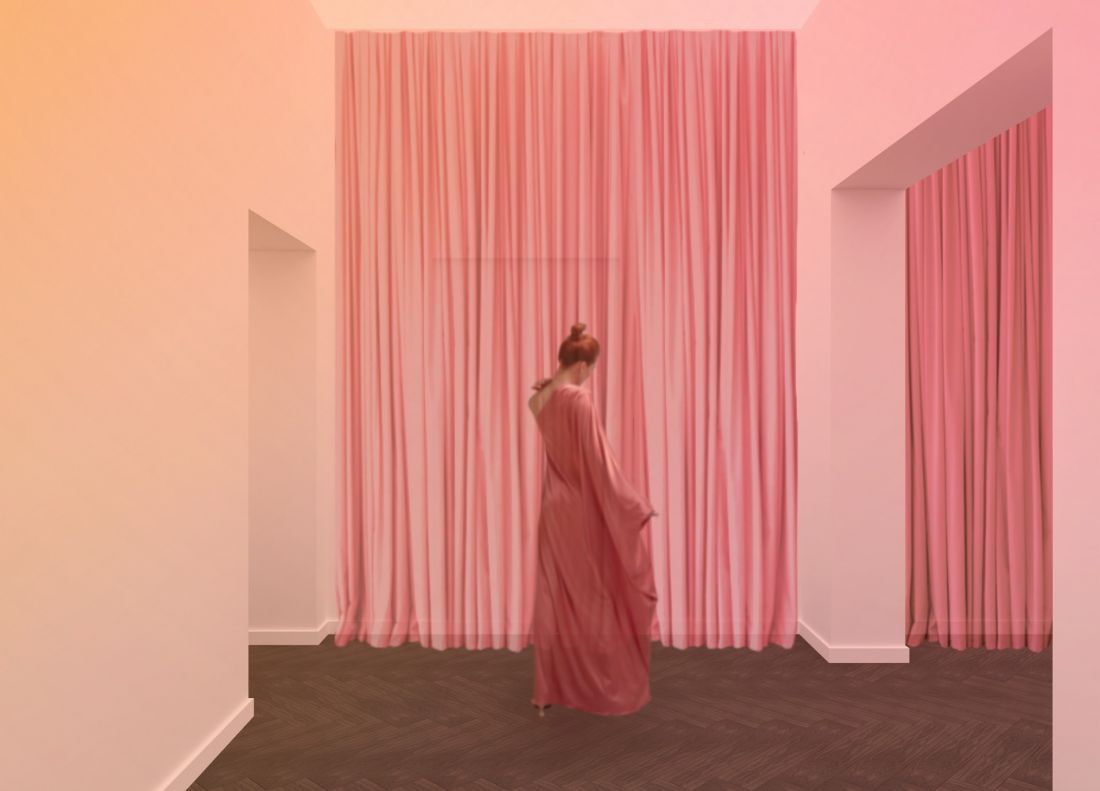
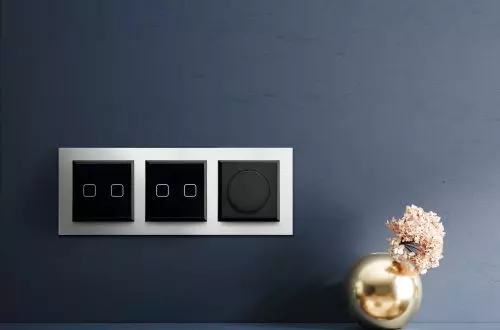
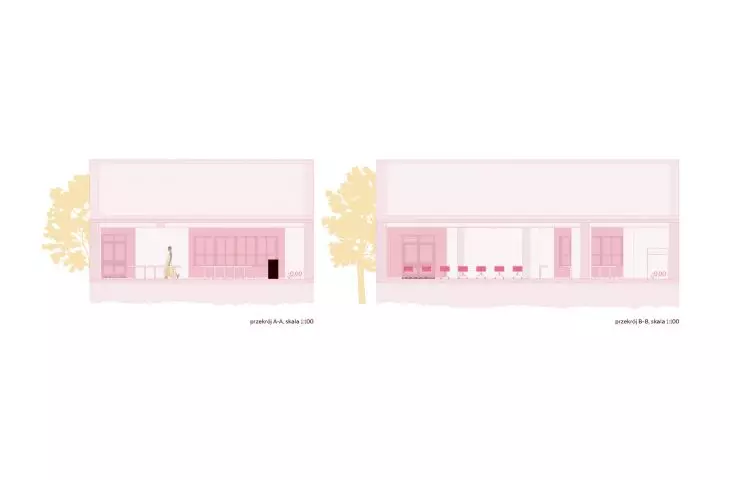
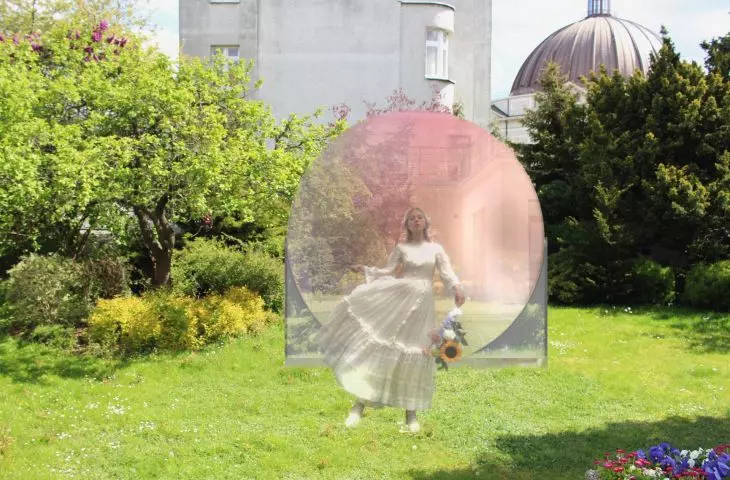
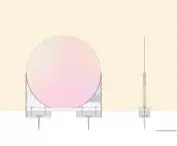
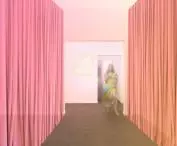
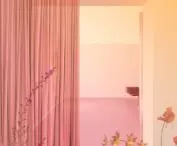
visualization
© Julia Broszkiewicz
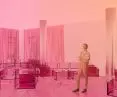
Humanist weddings, thanks to their non-obvious, freedom-providing form, may grow in popularity over time. The world is changing very dynamically, which each of us can probably easily observe in our own surroundings. Our pace of life, the way we manage our time is changing, and with it the dynamics of the relationships we are in. Rigid, binary boundaries are slowly disappearing, leading to new solutions and ways of thinking.
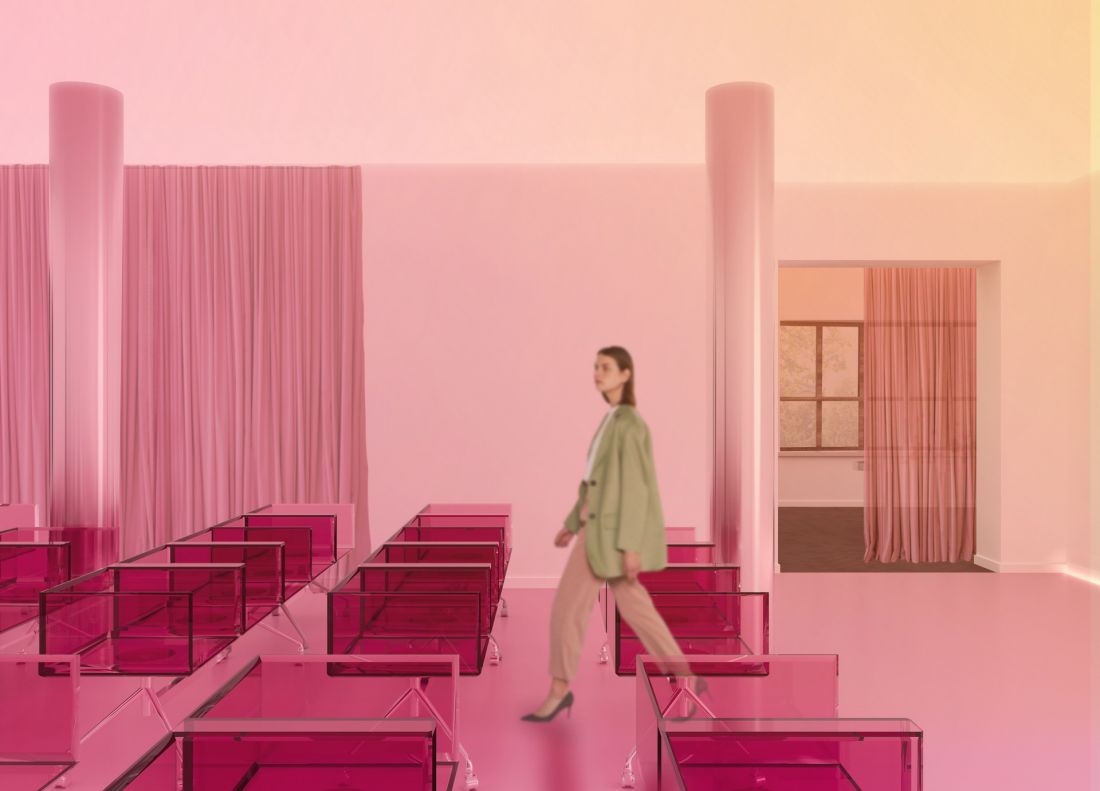
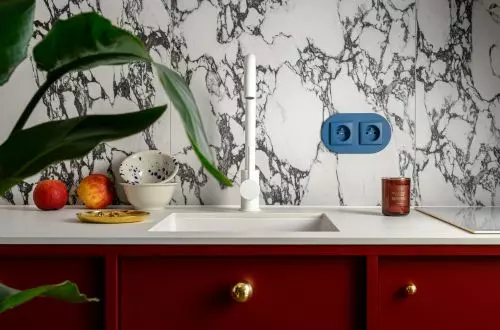
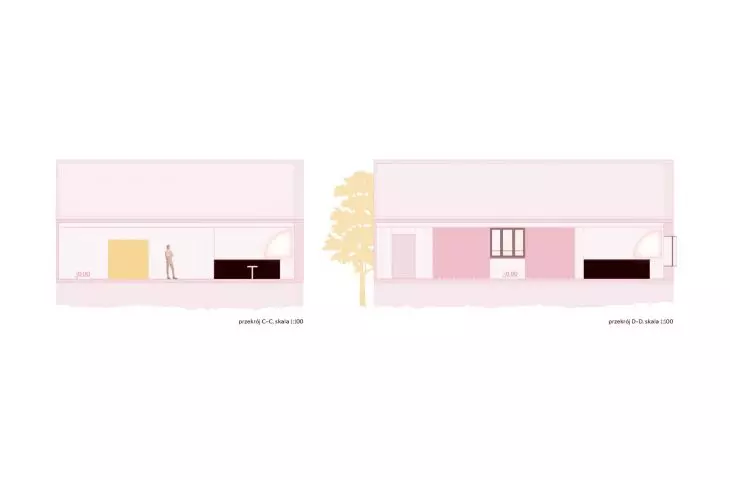
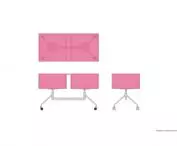
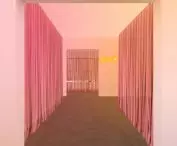
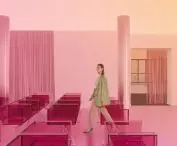
visualization
© Julia Broszkiewicz
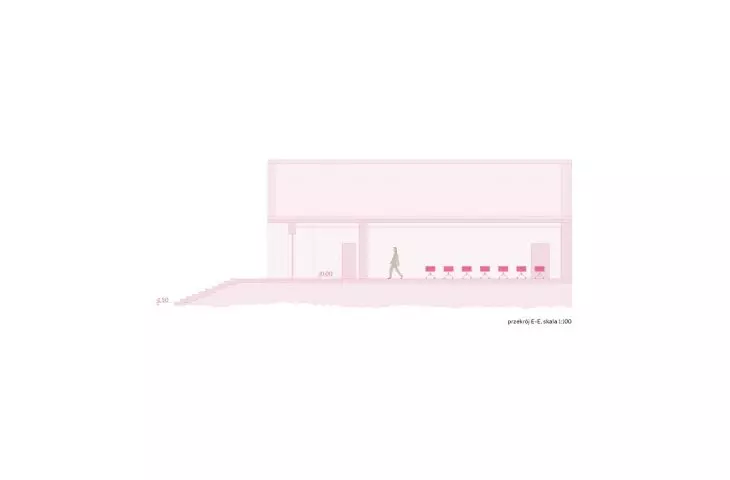
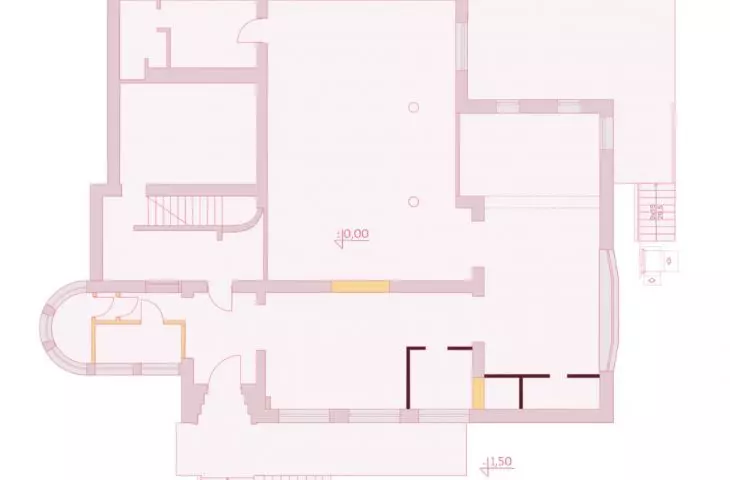
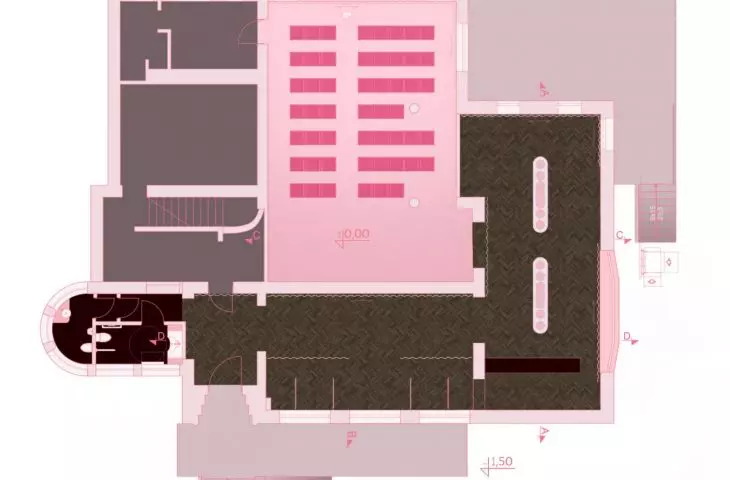
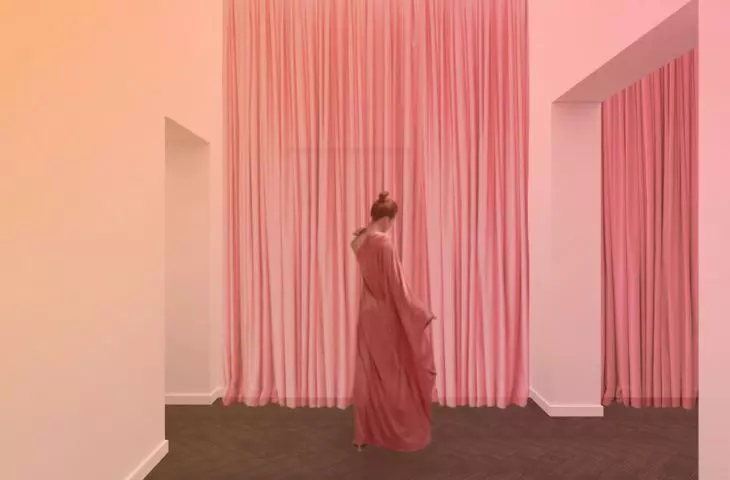
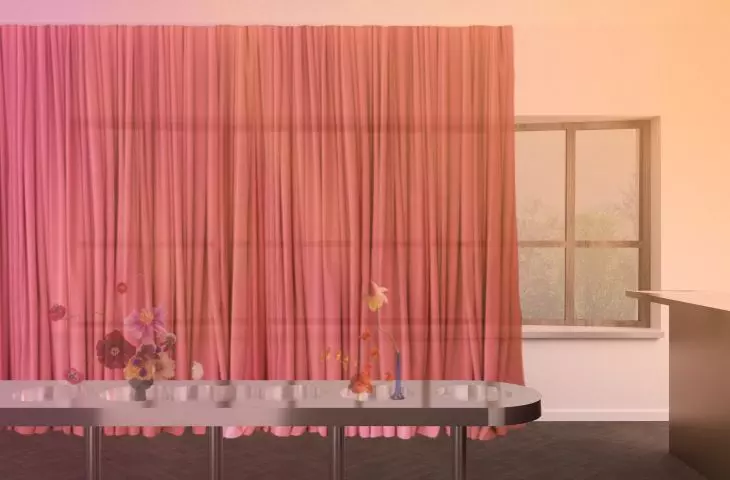
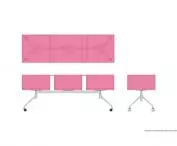
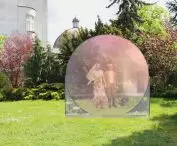
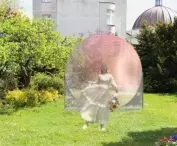
I think design should be open to the unfamiliar, within limits that don't harm the environment, of course. This does not mean, of course, that we should suddenly change existing habits for new ones, but we can give them space to exist. Many solutions can coexist harmoniously with each other. They do not have to be mutually exclusive, nor do they have to be an opposition or threat to each other. Given the complexity of each person, a wide range of possibilities seems desirable. Injecting everyone into one particular form - not necessarily. As part of my project, I would like to present a concept of a place for organizing humanist weddings in the space of the registry office in Bydgoszcz.
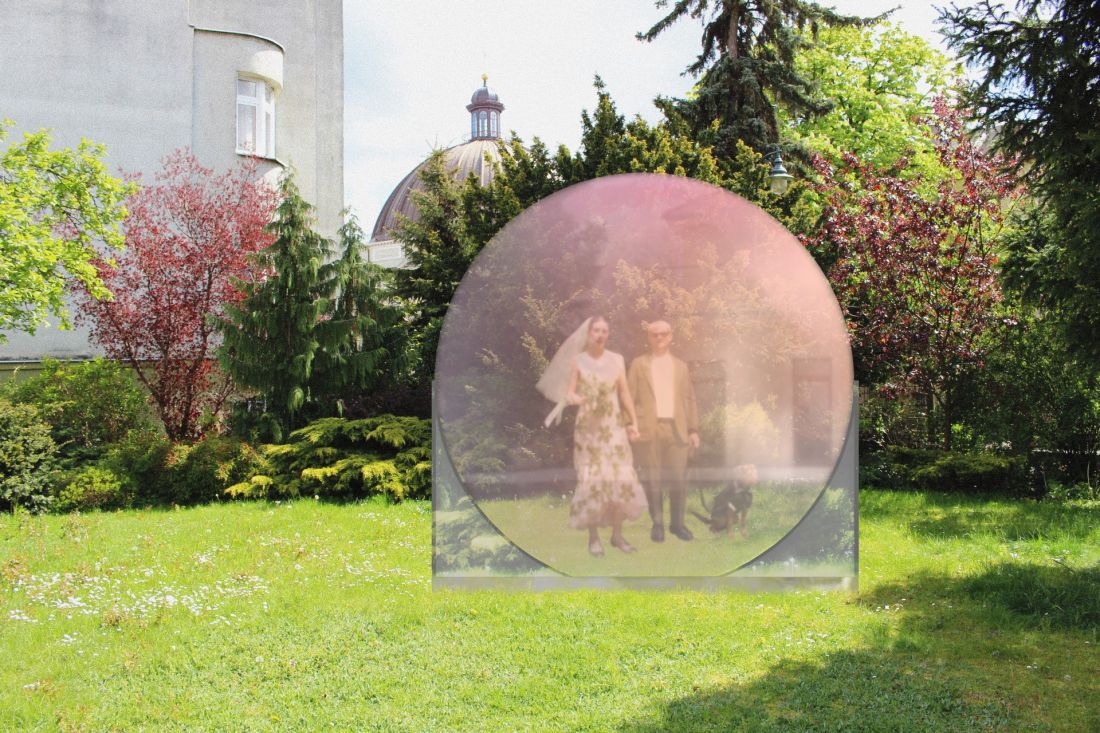
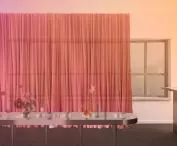
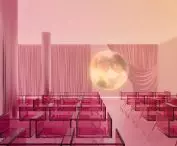
visualization
© Julia Broszkiewicz
1 M. Chollet, Reinventing love. How patriarchy sabotages relationships between men and women, transl. J. Giszczak, Karakter, Krakow 2022, p. 7.
2 bell hooks (owned by G. J. Watkins), Ready for Change. On men, masculinity and love, transl. M. Kunz, Krytyka Polityczna, Warsaw 2022, p. 187.
3 Law of February 25, 1964, Family and Guardianship Code, Internet System of Legal Acts, https://isap.sejm.gov.pl/isap.nsf/download.xsp/WDU19640090059/O/D19640059.pdf [accessed 03-05-2024].
4 Data obtained courtesy of Joanna Humerczyk (celebrant, founder of a company providinghumanistwedding servicesin Poland).
{tag:studenci}
Illustrations: © Author .