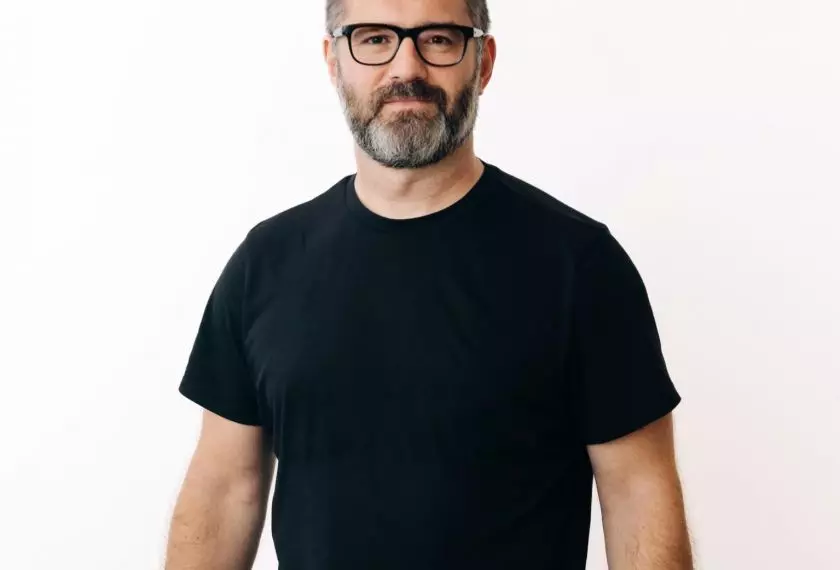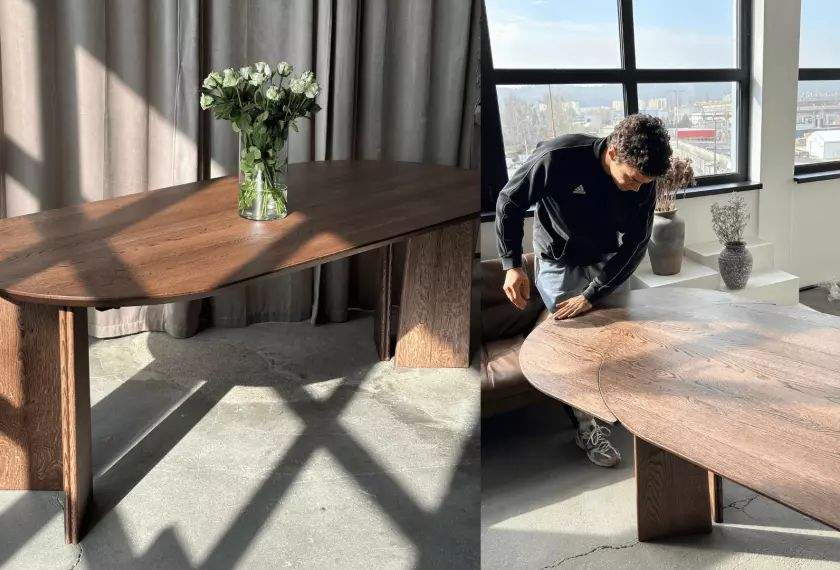



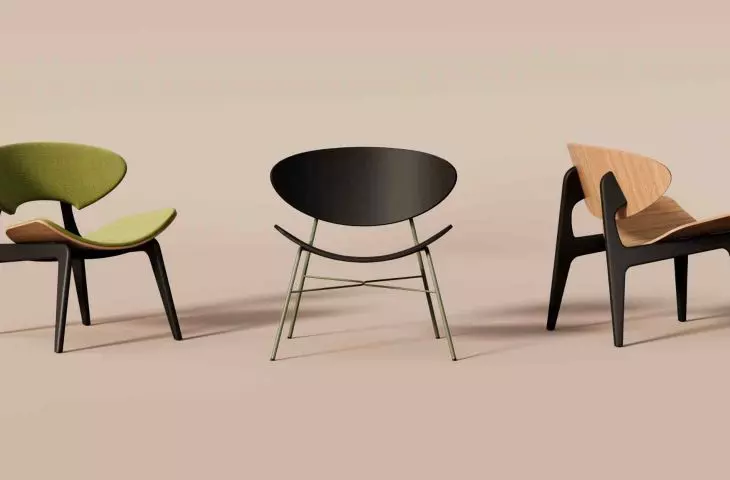
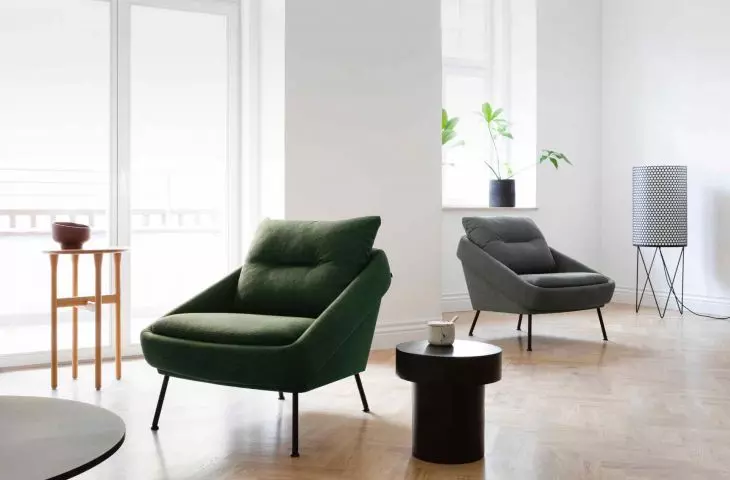
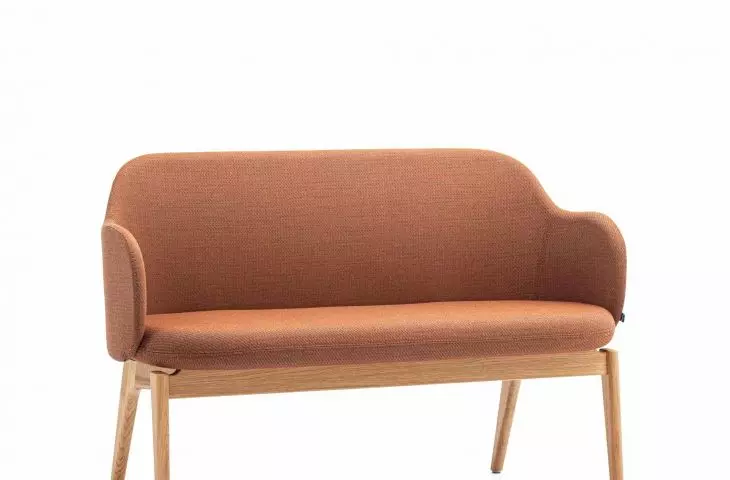
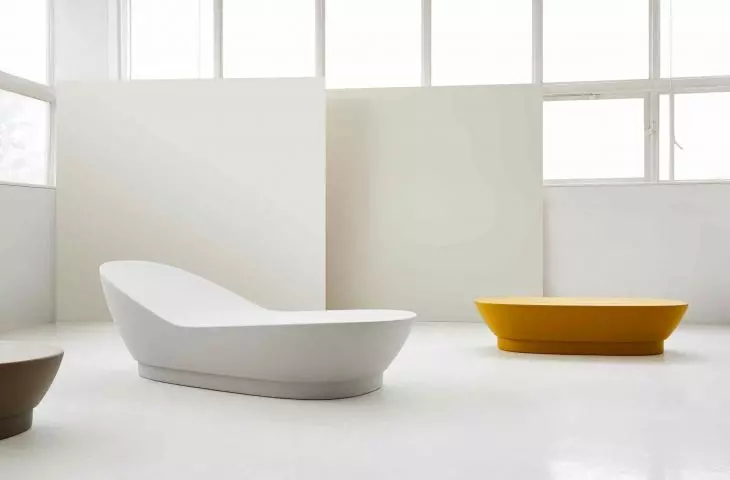
In our latest series titled "Designer Icons," we take a look at designers whose work goes far beyond classic design - from furniture to lighting to entire public and private spaces. Today's episode features Tomasz Augustyniak, industrial design designer and founder of Tomasz Augustyniak Studio. For more than 20 years he has been working with industry, institutions and individual clients, creating designs in the areas of home, office and public places.
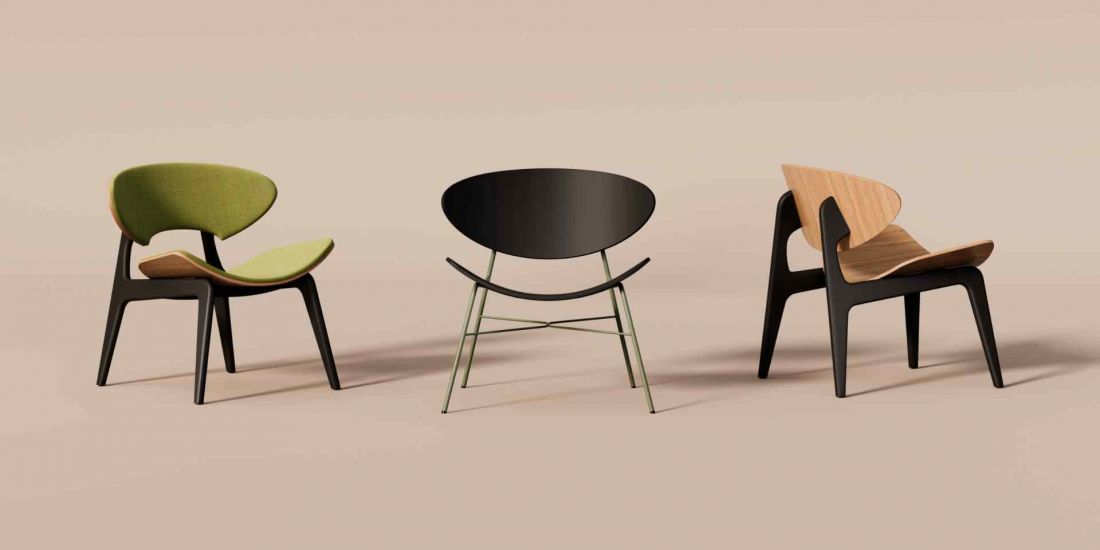
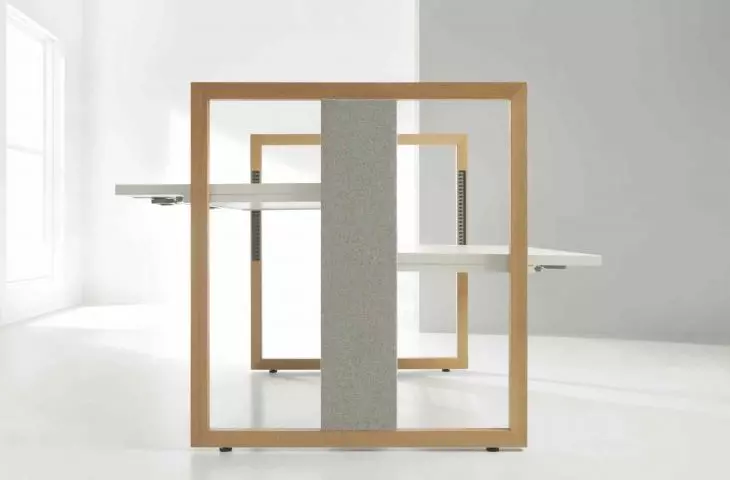
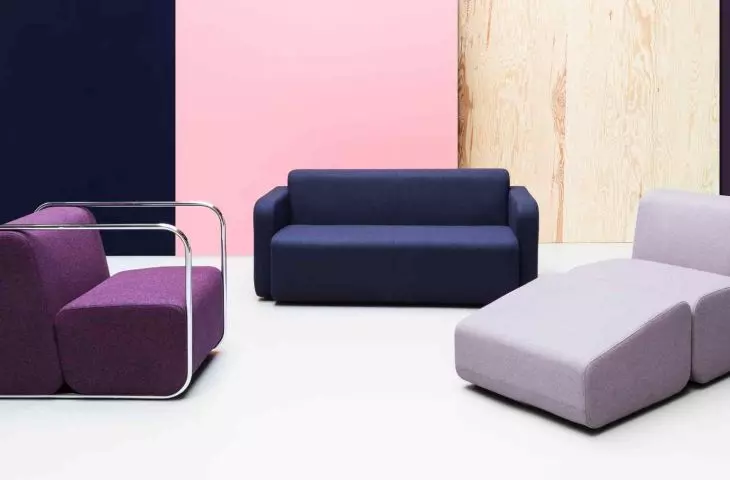
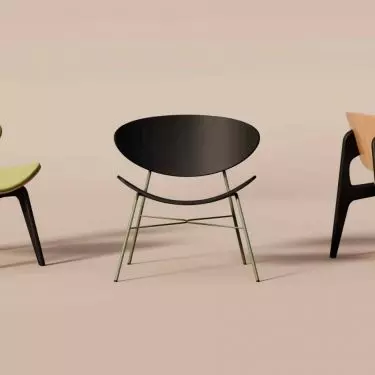
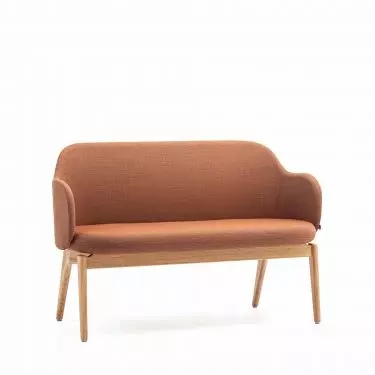
KUSCH+CO, Kanu
© Kusch+Co
1 What inspires you most in your creative work and where do you get ideas for new projects?
Man and his everyday life, from birth to the end of life, nature, colors, textures, materials, everything is inspiring. Besides, in working on a specific project, possibilities and limitations are inspiring, especially limitations, they lead to the search for new solutions.
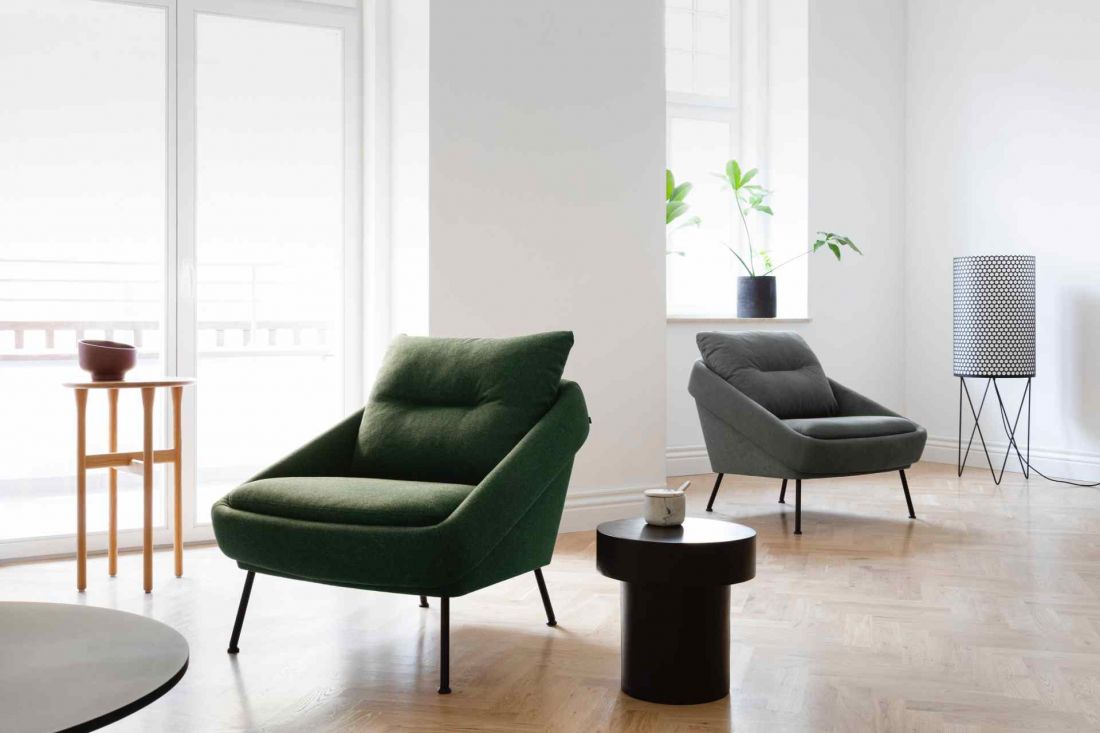
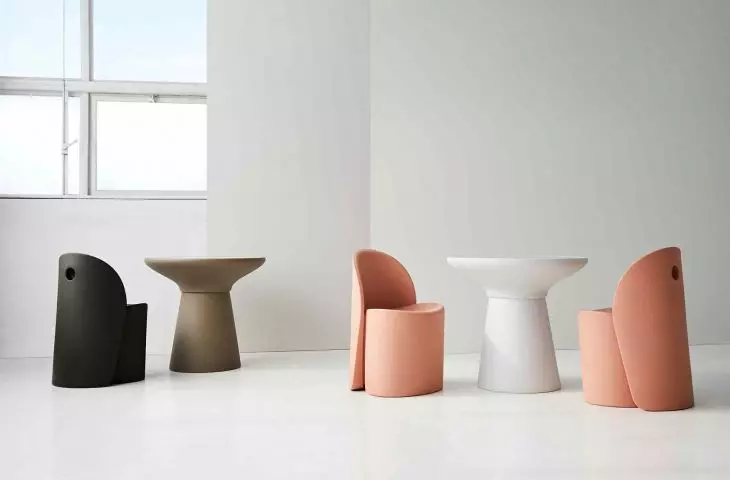
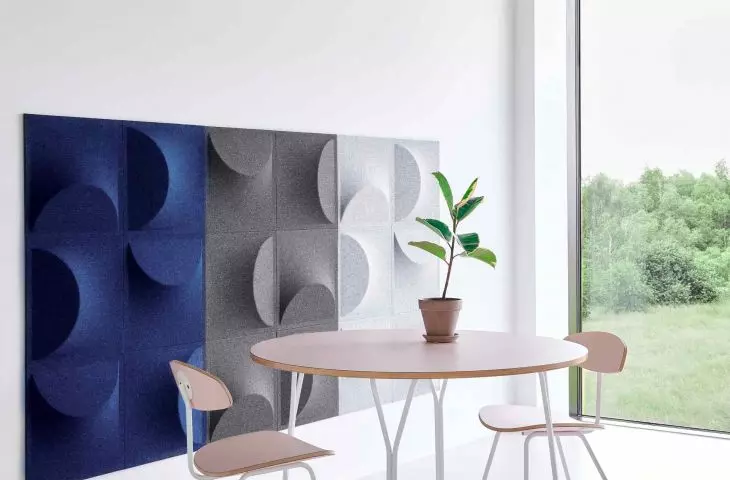
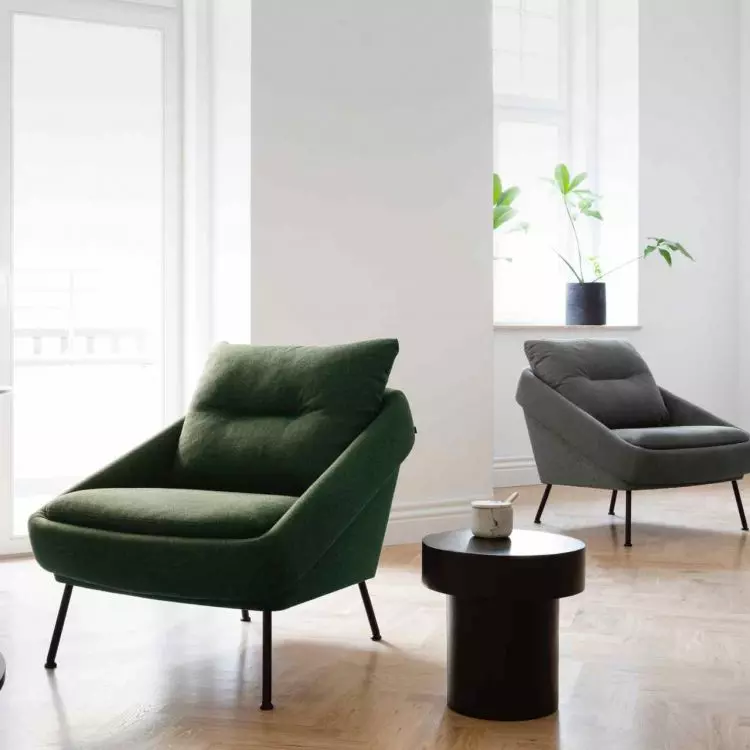
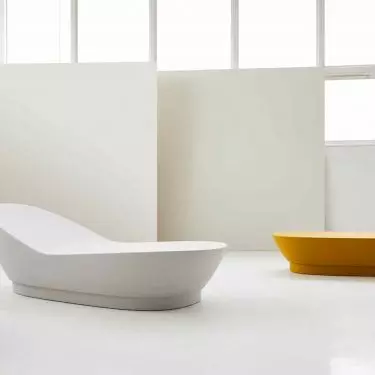
NOTI, Nome
© Weronika Trojanowska
2 What does the design process look like in your case - from the first concept to the finished product?
In my case, the process starts with organizing information, acquiring additional data missing from the design brief. The next stage is to set a road map to the goal, this allows you to more or less identify possible difficulties. Already in the conceptual work, from the beginning, I move within the set and agreed limits of technological and budgetary possibilities, this saves time for everyone involved in the project. Of course, if possible, it is always worthwhile to work with the client throughout the process to find better solutions to achieve the goal. Sometimes this leads to expanding the scope of the project.
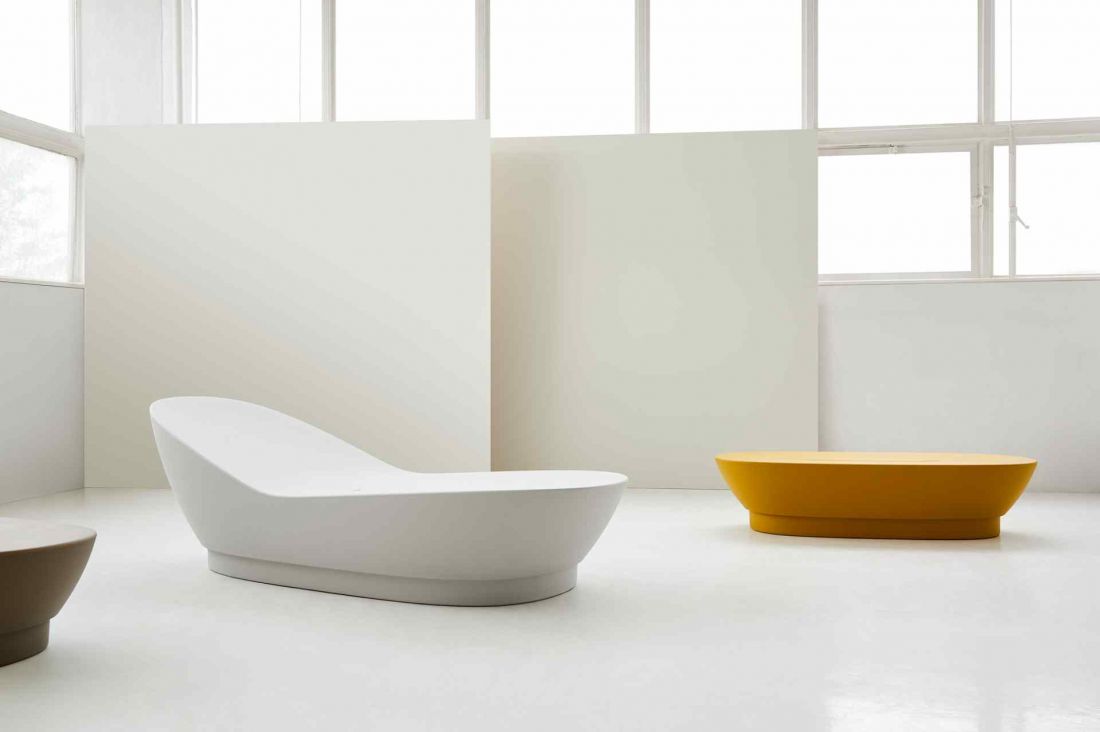
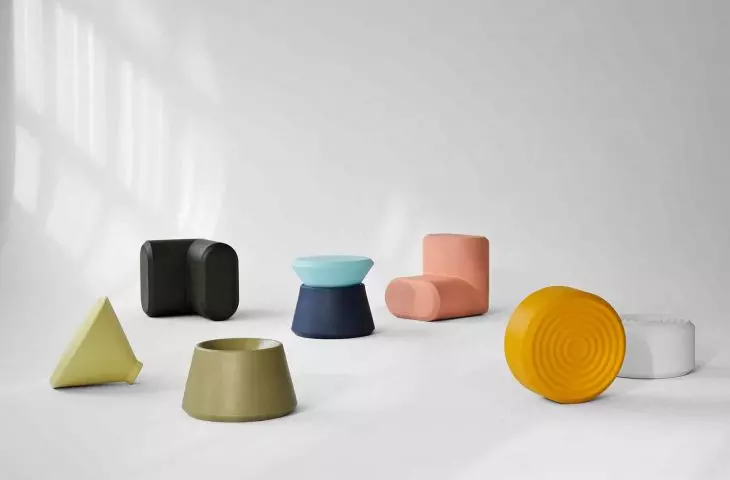
VENVE, Collection 3
© Weronika Trojanowska
3 How do you select the materials and technologies that best reflect the nature of your projects?
When working for industry, materials and technologies are already specified to some extent and sometimes very specifically in the design brief. Industrial production is a chain consisting of many dependencies arising not only from technology, but also from the organizational specifics of the manufacturer and many other factors. The design process must take this into account. The nature of designs beyond technology and materials, therefore, derives not from the materials or technology used, but from the way they are used. Decisions in this regard are crucial and always related to the personality of the designer, his hierarchy of values, sensitivity, sense of aesthetics and the way he approaches the final recipient.
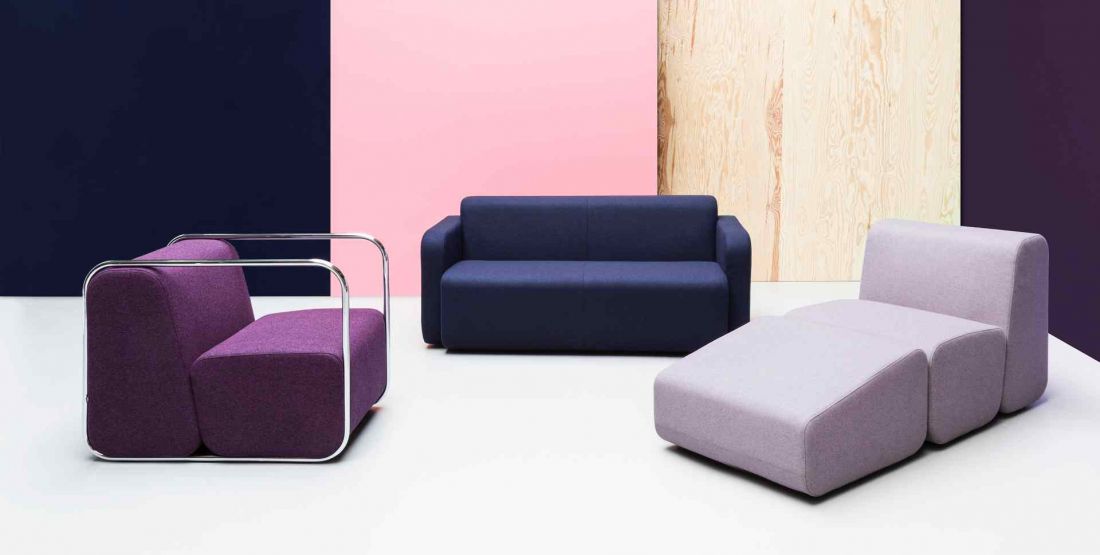
NOTI, Stone
© Weronika Trojanowska
4 How would you describe your design style and what characteristics distinguish your work?
I don't know if they distinguish, but when designing an object or anything else, I am aware that the design will include a mutual relationship in addition to form and function. I strive to make it clear and understandable.
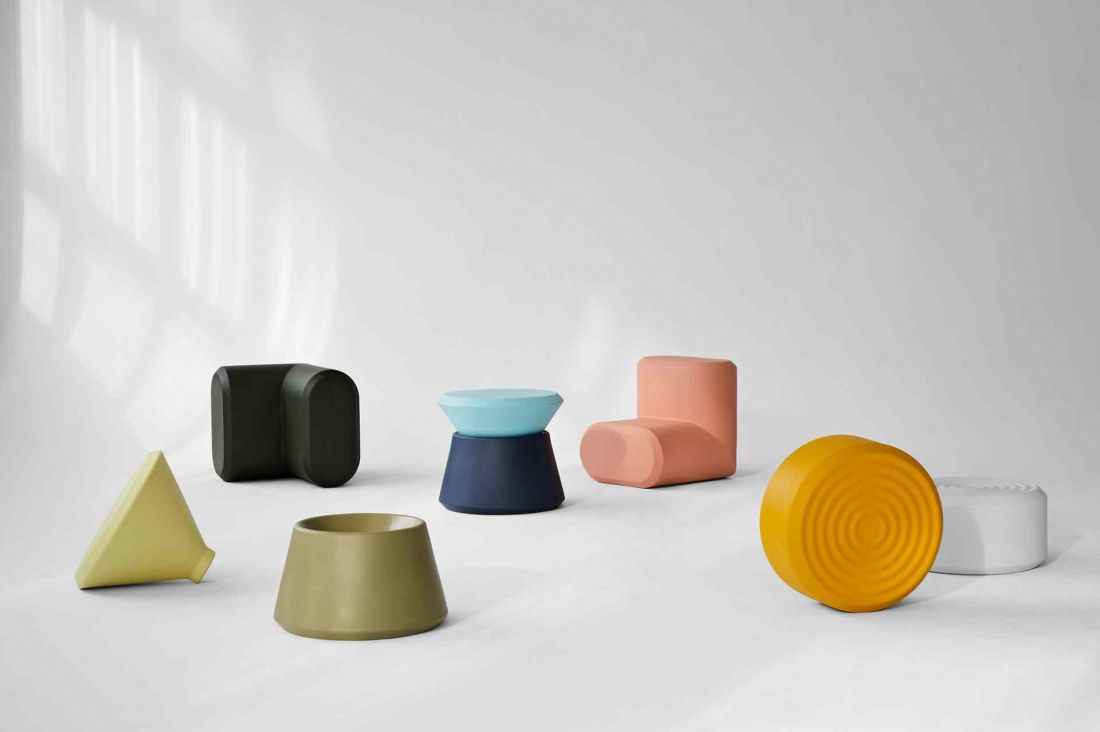
VENVE, children's sensory furniture
© Weronika Trojanowska
5.Is there a project that particularly stuck in your memory or was a unique challenge?
Yes, a project in furniture board technology, under very strict process line conditions, and at the same time requiring a non-standard approach to the project. The idea was to design box furniture with the possibility of changing its overall size by the customer in the online configurator, and thus, possibly changing the function of the furniture. This required designing the solids in such a way that they perform their functions and at the same time remain in the right proportions without any "falsity". The project involved more than a dozen solids, several of which were stand-alone furniture, while the remaining solids could be assembled into sets. The design process itself required an approach as if simultaneously from the beginning and from the end, since it was necessary to anticipate the effects that were the result of a great many variables, which could be determined by the client in the configurator. In this project, the principle of possibilities and constraints, which themselves become the resultant of the final design, proved exactly right.
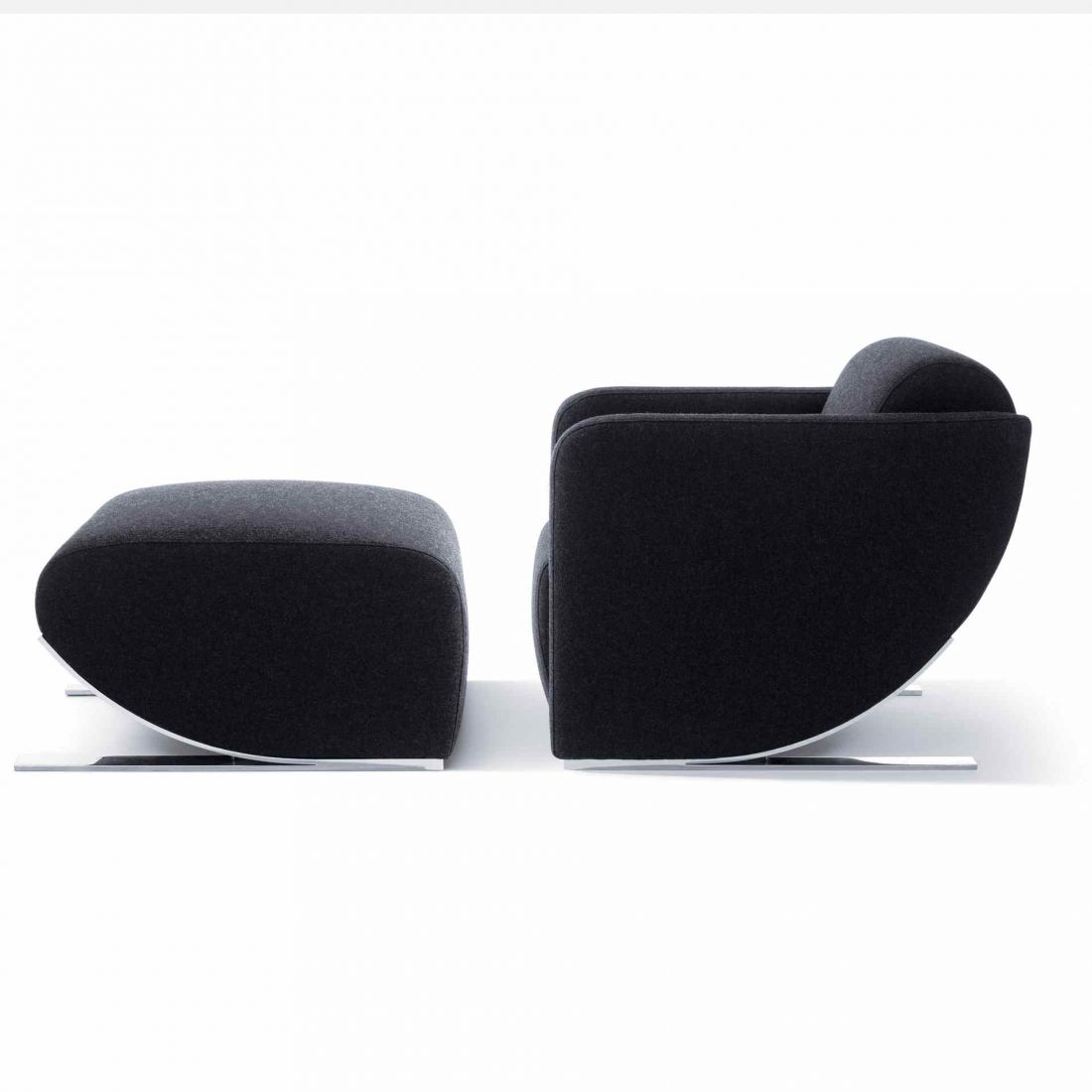
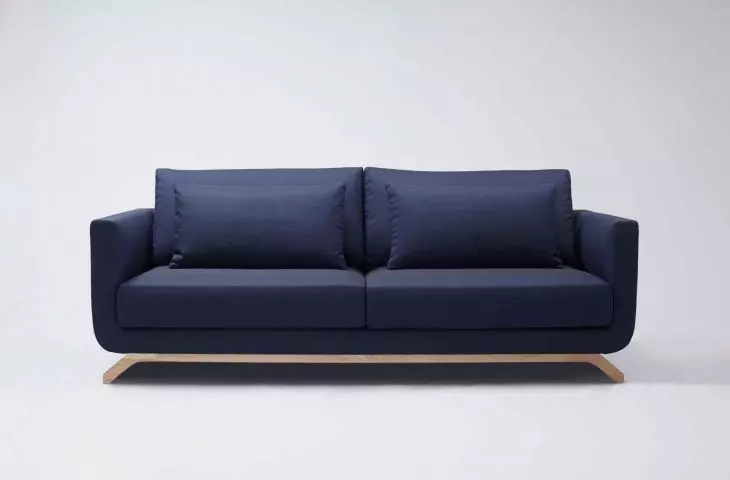
COMFORTY, Fado
© Rafal Kolasinski
6 How do you react when the project changes during implementation - do new, unplanned solutions then arise?
I try to agree well on the design brief with the client, this is a very important stage in the design process. Working within a well-defined framework brings the best results and benefits for both parties, both in terms of the final product effect, but also in terms of optimal implementation time. "Reluctance" on the part of the designer to change the design is not due to attachment to a particular project, but to the difficulties that the change entails. Often the principal does not realize that one or another design solution is a consequence of many previous design decisions being as if in a chain of activities, and a change at the final stage of one element destroys the coherence of the whole. However, it happens, for independent reasons, that changes in the project are necessary, then I try to respond to the client's need. Such forced changes while working on the project sometimes bring surprising results, often positive.
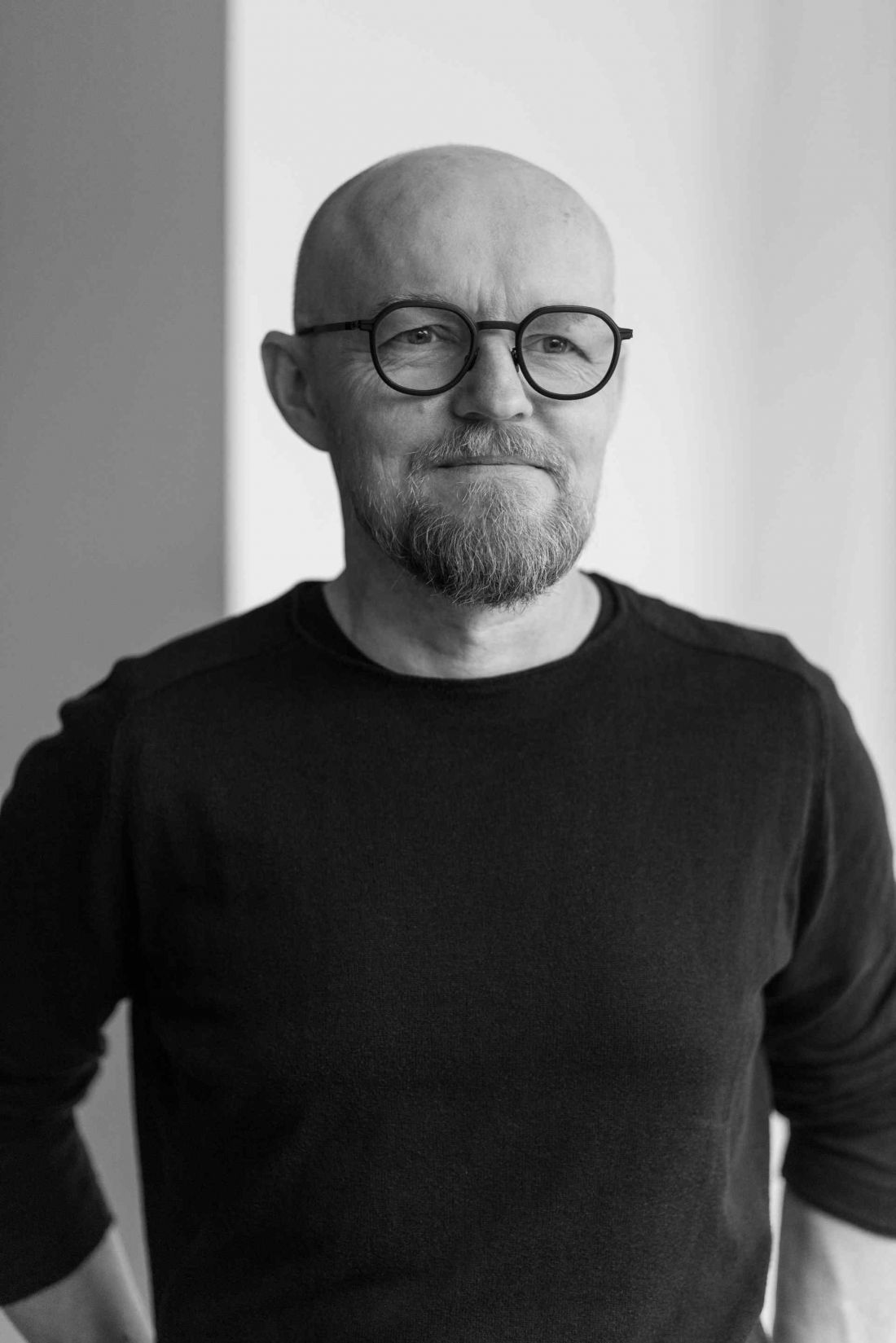
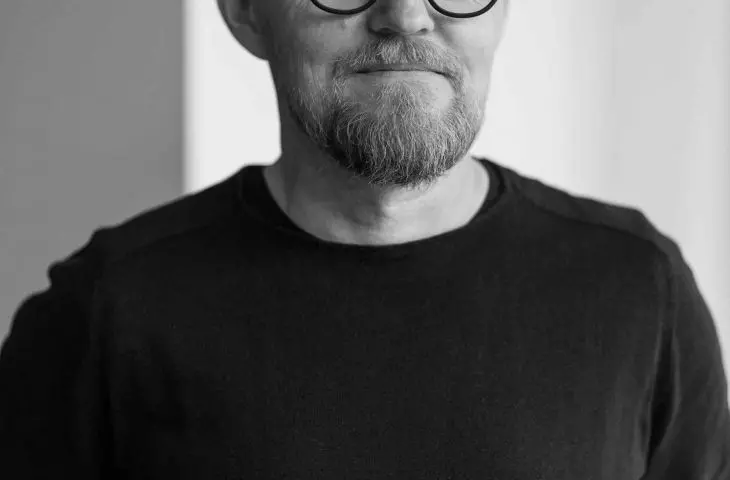
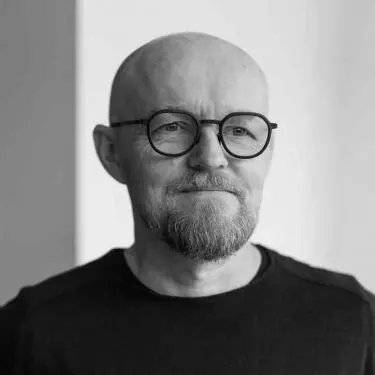
Tomasz Augustyniak
photo by Franciszek Augustyniak
7 Do you try to convey an idea, emotion or story in your projects?
It seems obvious that when a work, a creative activity is the result of a natural personal need for realization, a certain attitude towards people and events is included in this.
8 What is your collaboration with other creators, craftsmen or producers?
Often the implementation of larger projects requires collaboration with other creators, the creation of a team. This is always a very good time, good relationships with other people, creators on our side and workers on the clients' side are the basis of a successful project. Each project is the result of the work of many people on both sides, I care that this time is a good experience both professionally and personally. The sum of experiences and choices builds our potential.
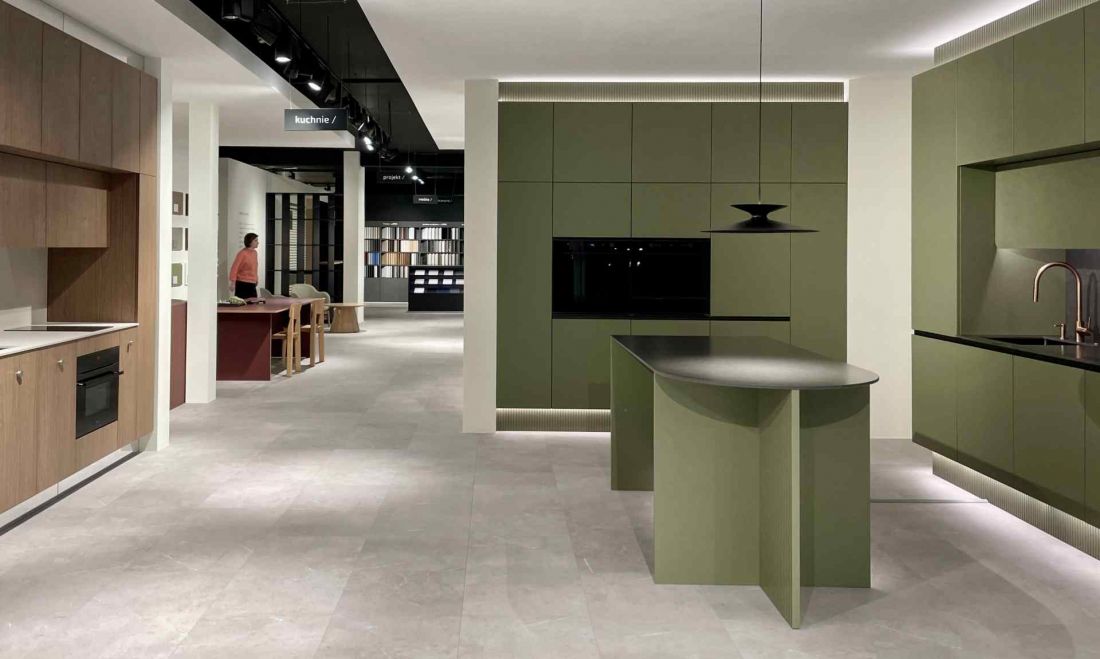
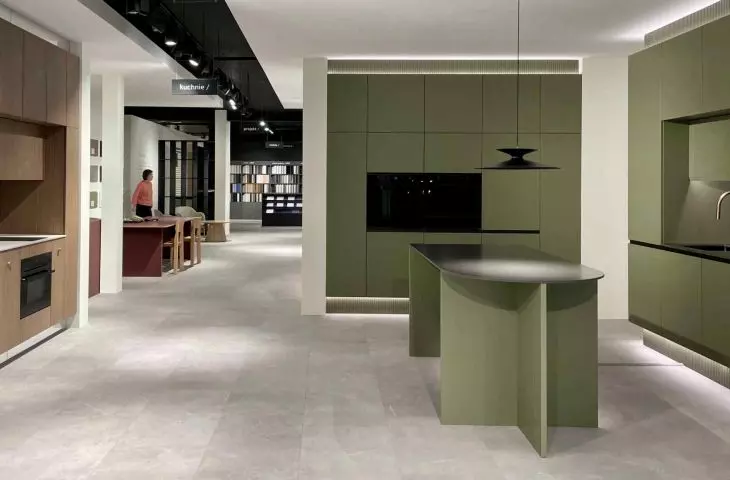
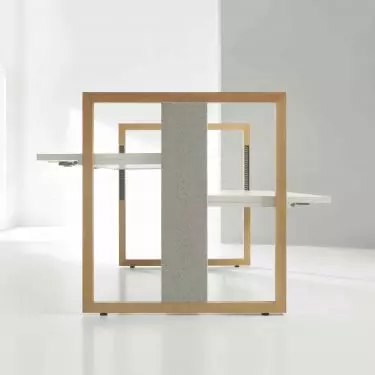
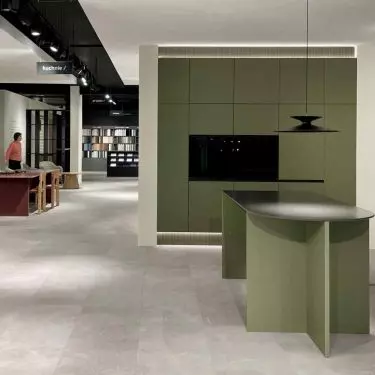
MEBLE.pl, custom furniture
© showroom Krakow
9 What projects give you the most satisfaction and why?
Projects that cover a larger scope, projects that involve defining the direction of development or product ordering of companies, designing entire collections that are the beginning of something new. This gives you space and allows you to grow.
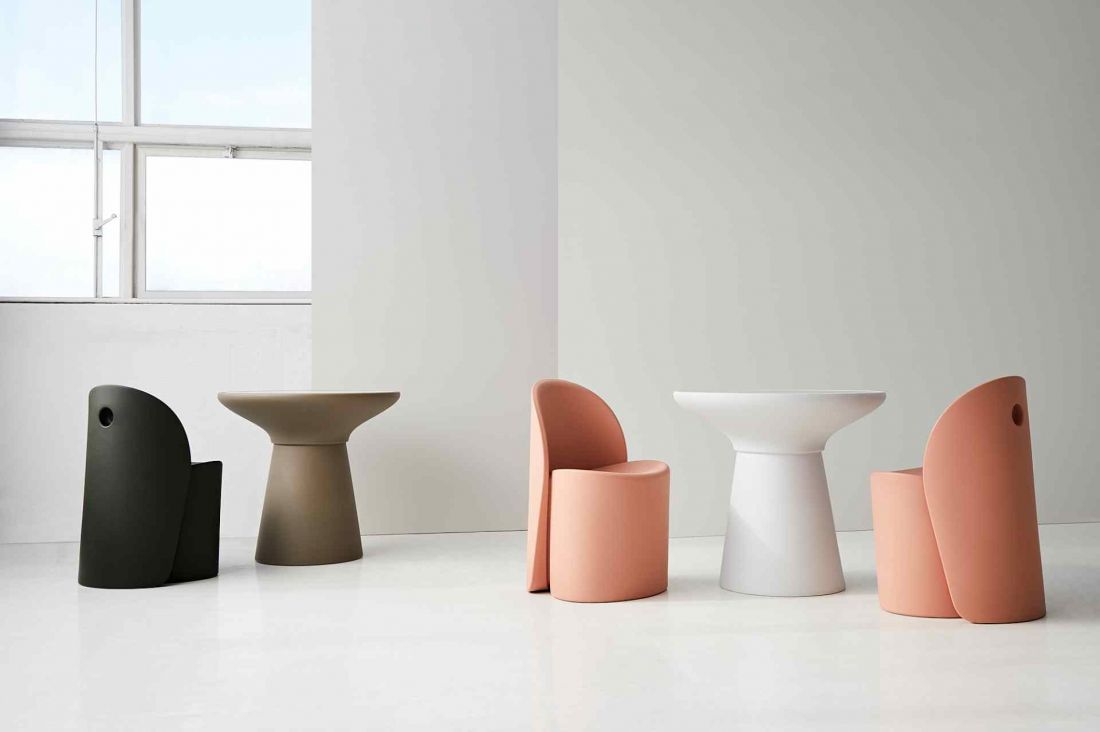
VENVE, Collection 1
© Weronika Trojanowska
10 How do you envision the future of your work - what directions would you like to explore?
Often new tasks are a surprise, they result from various coincidences. In this sense, I imagine that there will be new challenges, and this is always interesting and inspiring. As for directions, who knows, maybe vehicles, lighting, sacred spaces....