





Glasshouse Theater,
design: Snøhetta
The Glasshouse Theater, a new 1,500-seat stage that is already regarded as one of Australia's most distinctive architectural developments, has opened in Brisbane. The project was a collaboration between Australian studio Blight Rayner Architecture and studio Snøhetta.
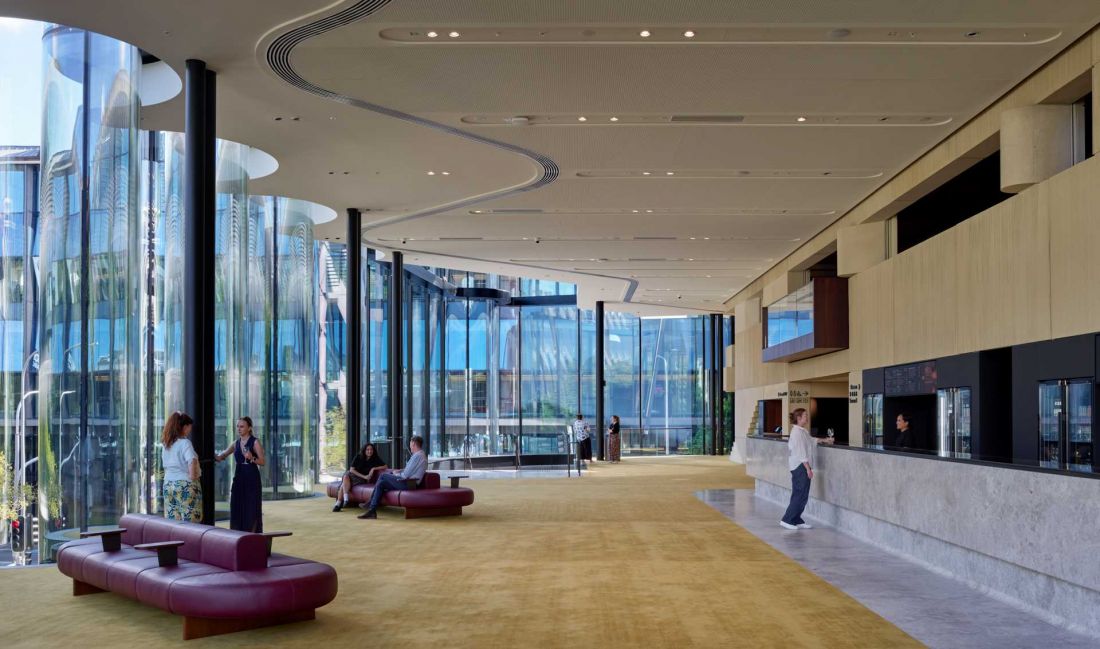
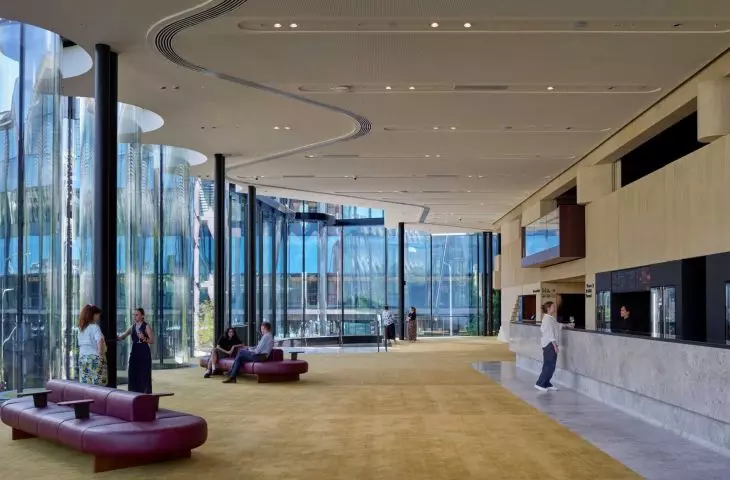
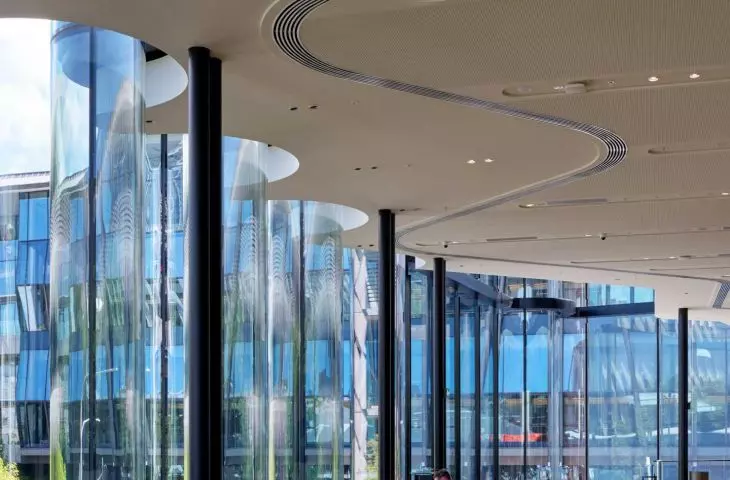
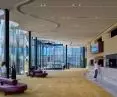
Glasshouse theater in Brisbane, Australia - view of the foyer
photo by Christopher Frederick Jones
The city as a stage
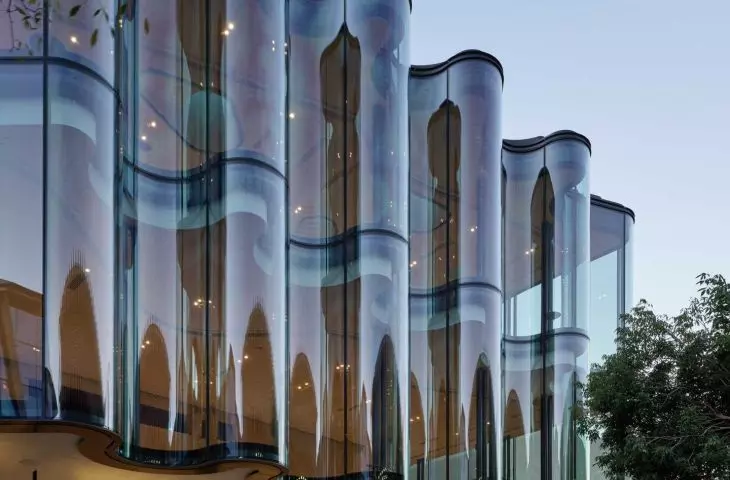
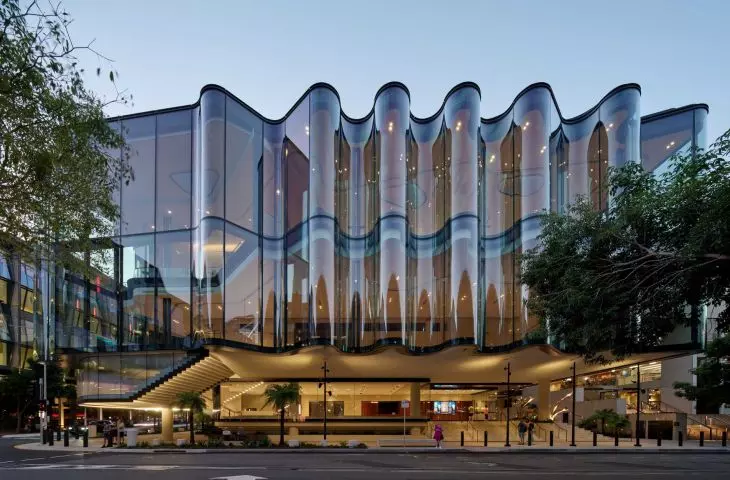
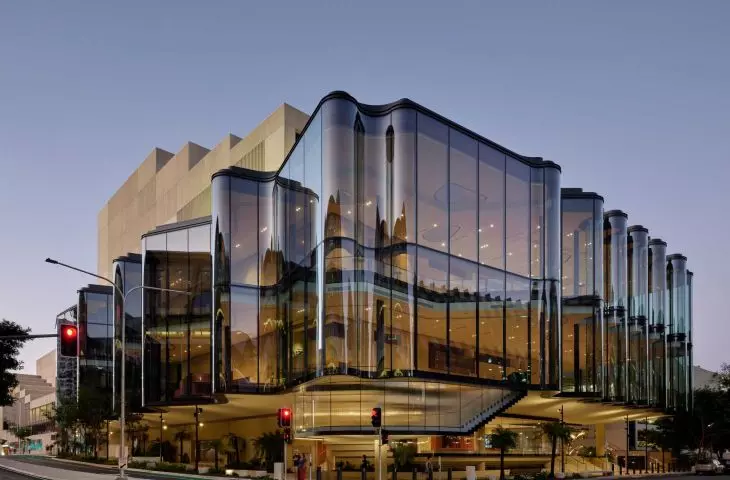
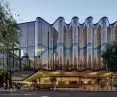
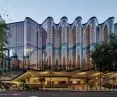
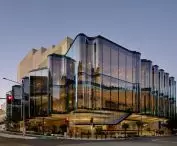
The most distinctive element of the building is the storey, which extends about six meters above the street and is supported by pillars. It gives the impression that the block is floating in the air, making the whole building light and dynamic. At the same time, this solution made it possible to make maximum use of the plot in the dense urban fabric - the building was "stretched" over the existing space, opening it up to two streets simultaneously. The wavy glass facade surrounding the structure acts like a translucent curtain. On the one hand, it lets light into the interior, while on the other, it reveals the life of the foyer to passersby. As a result, the boundary between the city and the theater blurs, and everyday life gains the dimension of a spectacle.
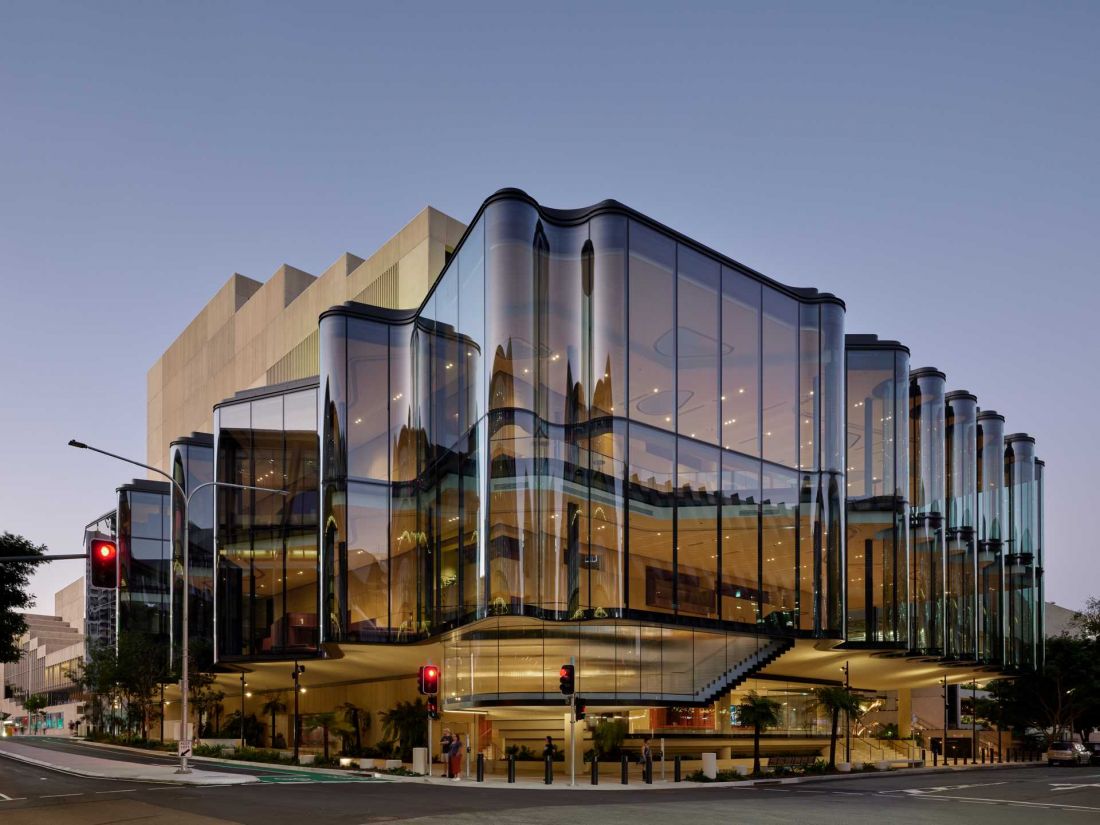
Glasshouse theater in Brisbane, Australia
photo by Christopher Frederick Jones
Architecture inspired by nature
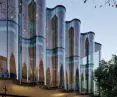
The form of the facade is no accident. Its soft, undulating lines allude to the Brisbane River - its current, reflections of light and movement hidden beneath the surface. The building's glass skin seems to pulsate, changing with the time of day and weather conditions. The façade consists of tall, multi-layered glass panels with ceramic inserts to reduce heat and reduce harsh sunlight. As a result, the visual effect goes hand in hand with functionality and energy efficiency.
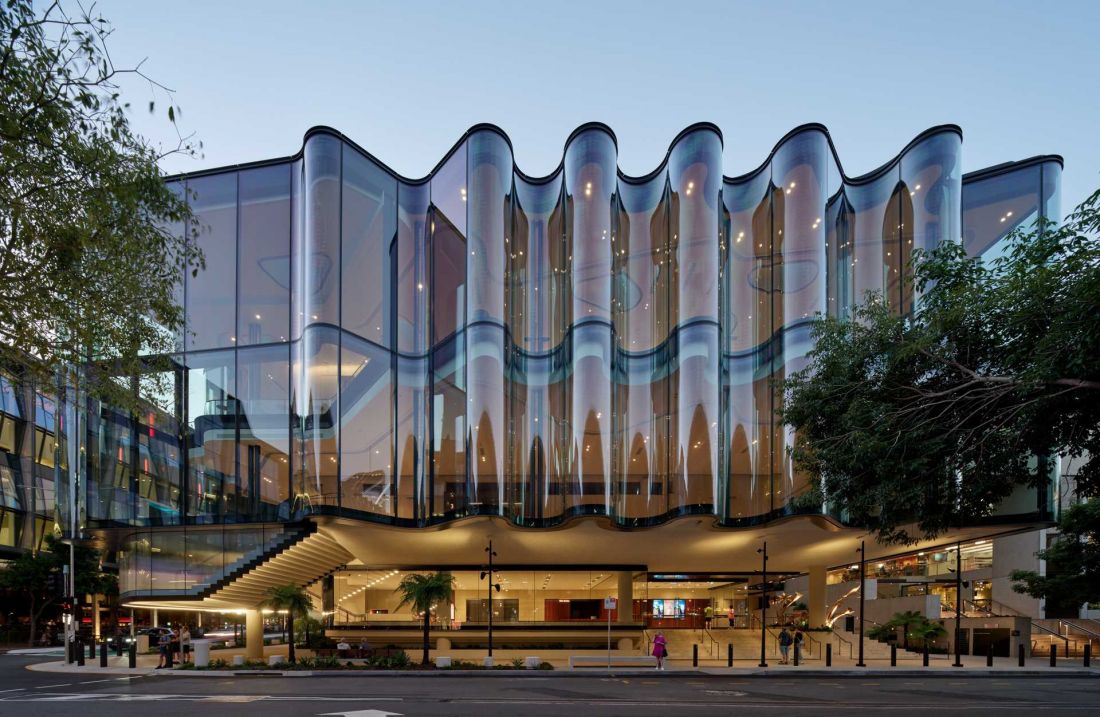
Glasshouse Theater in Brisbane, Australia - the wavy facade refers to the Brisbane River
photo by Christopher Frederick Jones
Traces of place and memory
The design subtly fits into the cultural context of the region. Seven skylights are arranged on the roof, symbolically referring to Queensland's seven watersheds. It is a gesture of rooting the architecture in the landscape and history of the place, while at the same time attempting to tell the story in a contemporary language.
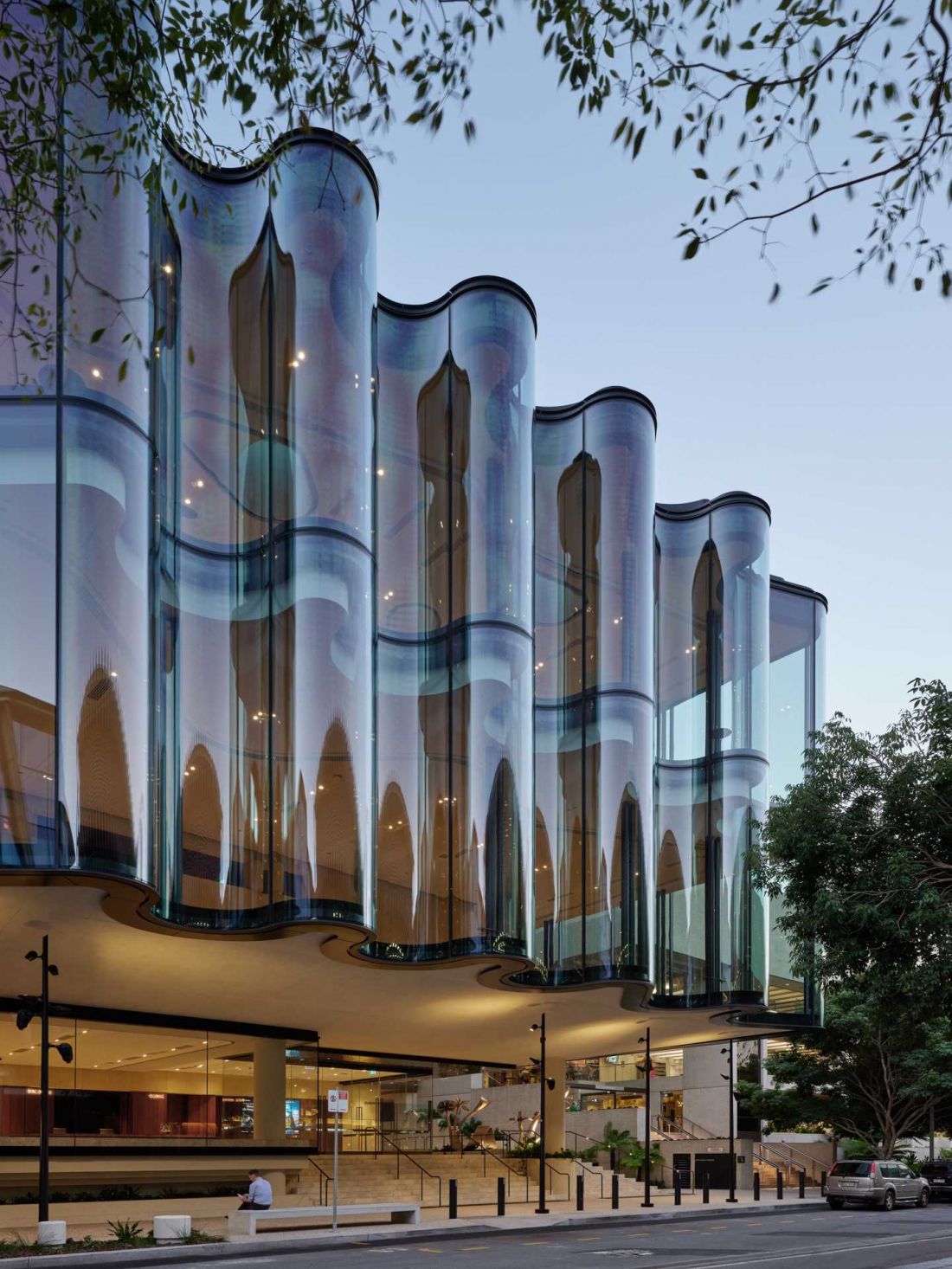
Glasshouse theater in Brisbane, Australia
photo by Christopher Frederick Jones
Intimacy despite scale
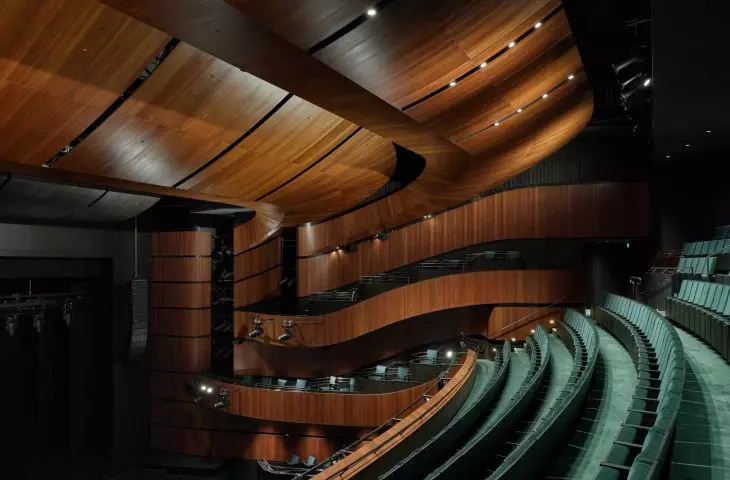
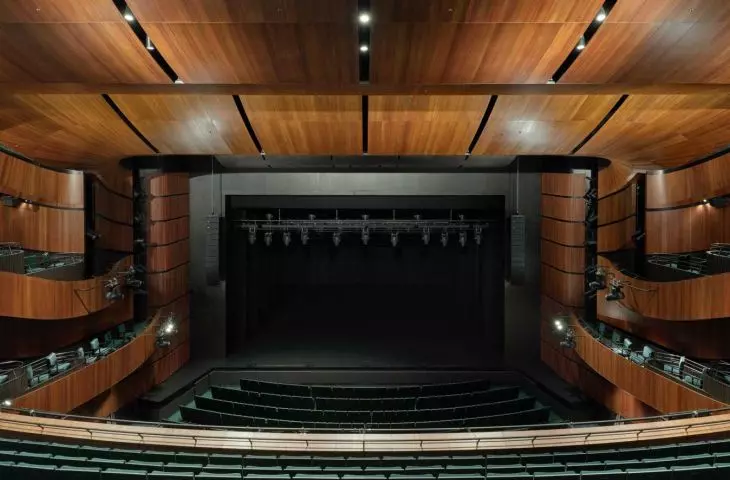
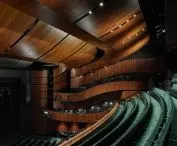
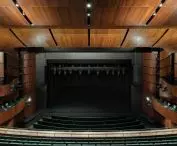
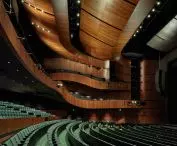
The auditorium has been laid out to maintain proximity between the stage and the audience. The first floor seats about a thousand spectators, the balcony another five hundred, but even from the farthest seat the stage remains surprisingly close. The distance of 28 meters makes one receive the performance almost physically - no distance, no sense of anonymity. The balconies surrounding the stage further enhance the impression of immersion in the event, making the viewer a participant, not just an observer.
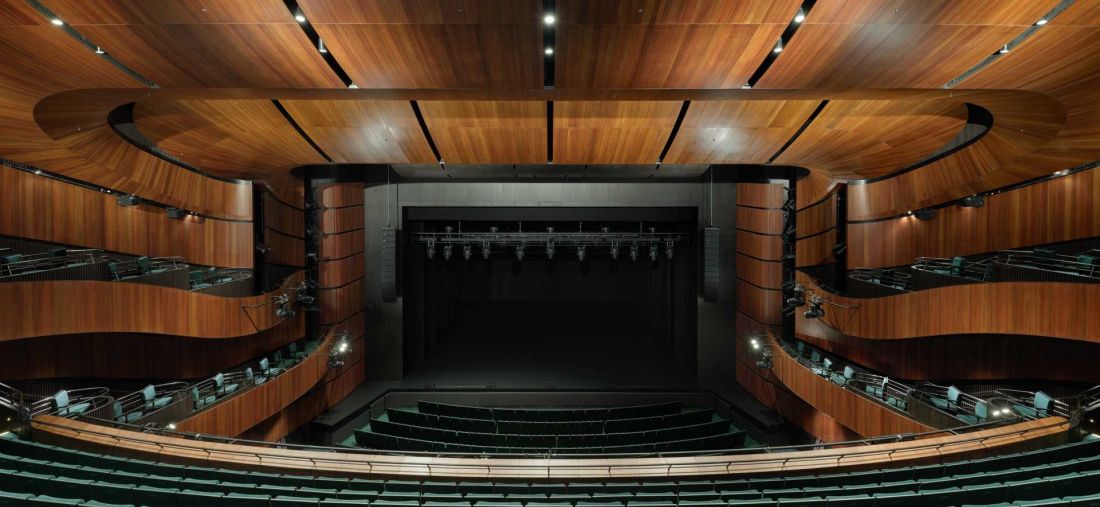
The Glasshouse Theater in Brisbane, Australia - the auditorium was laid out to maintain proximity between the stage and the audience
photo by Christopher Frederick Jones
Light and shadow
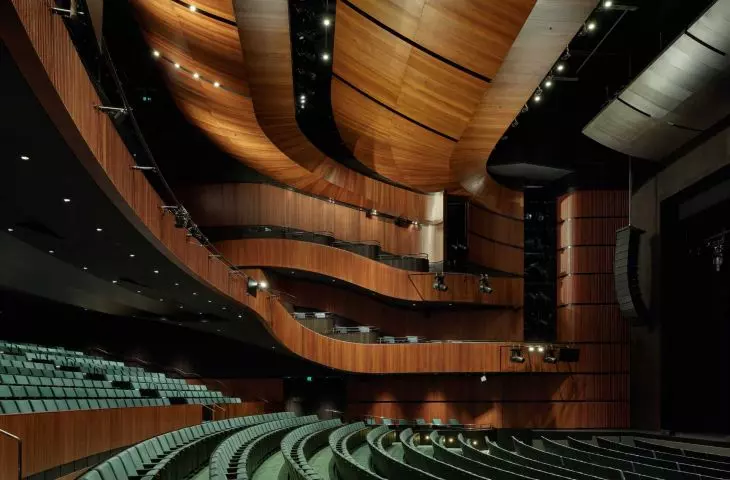
The contrast between the foyer and the theater room is clear and intentional. The bright, glazed entrance space is full of light and movement, while the interior of the auditorium is muted and closed off. Walls finished in eucalyptus wood and dark green carpeting build an atmosphere of concentration, reminiscent of a dense, damp forest. It's a space that cuts you off from the outside world and directs your attention solely to the stage.
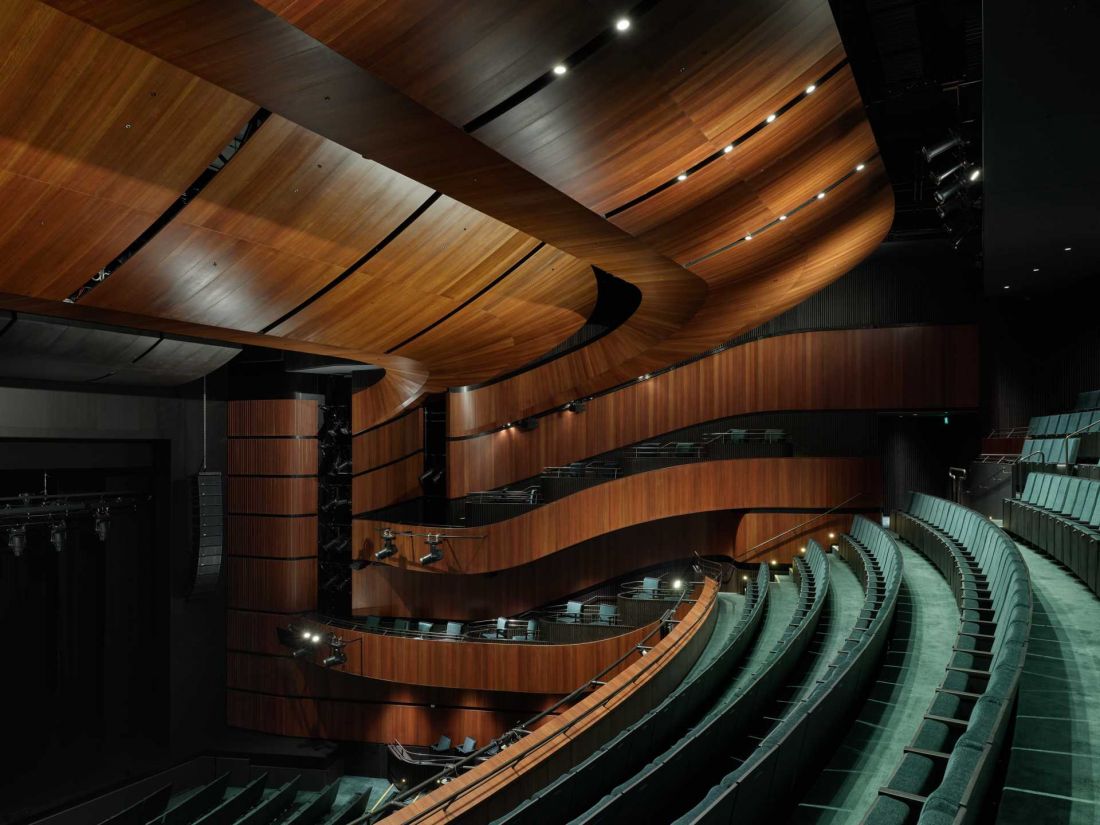
Glasshouse Theater in Brisbane, Australia
photo by Christopher Frederick Jones
A theater ready for anything
The Glasshouse Theatre was designed as a tool for the arts - flexible, precise and ready for a variety of scenarios. An orchestra moat of three movable segments can be configured at will, and an elaborate stage system allows for seamless operation of scenery, lights and movement over the audience. Behind the scenes, an advanced technical infrastructure is in operation, allowing the theater to meet the demands of both opera and modern multimedia shows.
A new point on the map of culture
The opening of the theater is not only an investment in architecture, but also a clear signal of the city's ambition. Brisbane is consolidating its position as an important cultural center, capable of attracting international productions and artists. In the context of preparations for the 2032 Olympic and Paralympic Games, the Glasshouse Theatre becomes part of a larger puzzle - a modern, open and identity-conscious cultural space that not only presents art, but becomes a form of art itself.
Elaborated: Anastazja Gibas
Illustrations provided courtesy of Snøhetta studio.