



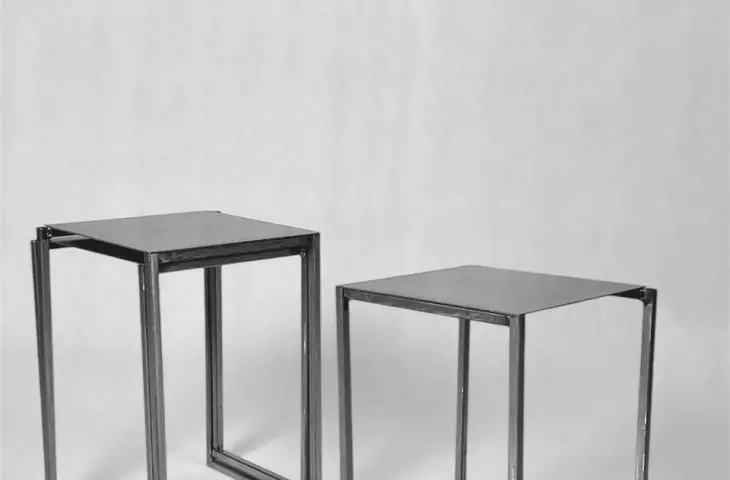
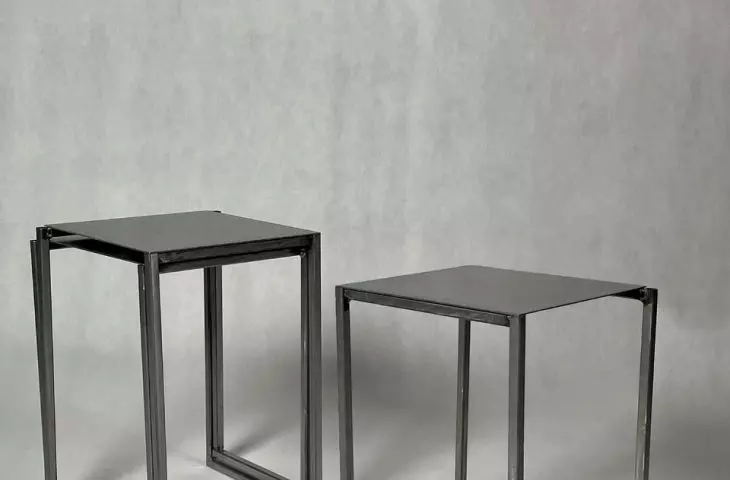
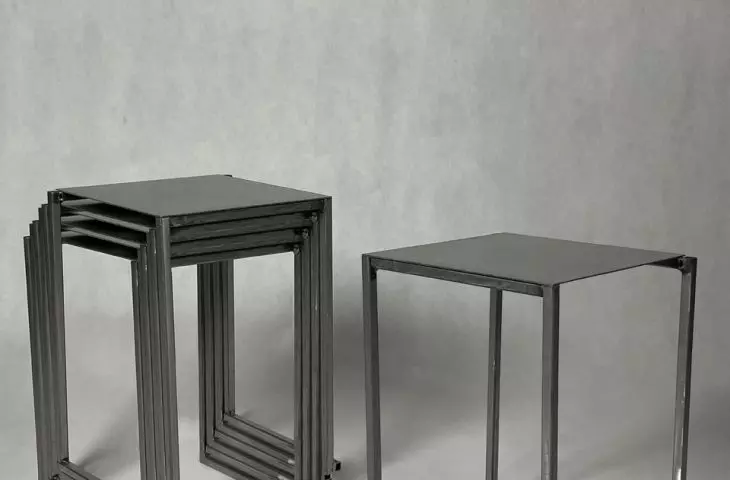

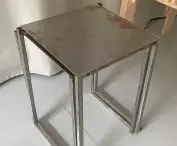
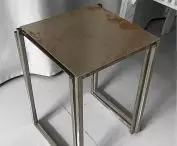
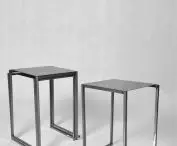
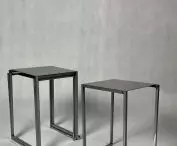
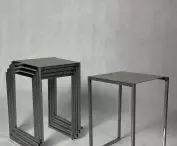
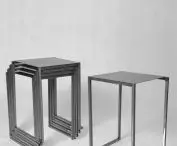
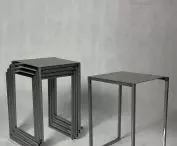

The goal of this project was to create an object that responds to contemporary challenges in design, including the unique balance between form, function, durability and manufacturing ethics. A {tag:student} from the Faculty of Interior Design at Krakow's Academy of Fine Arts, he set out to create a project that answers the question of what a responsibly designed everyday object should look like. Inspired by the work of Jasper Morrison, Jarecki opted for minimalism and durability, creating a piece of furniture that rejects unnecessary ornamentation and trending fashions.
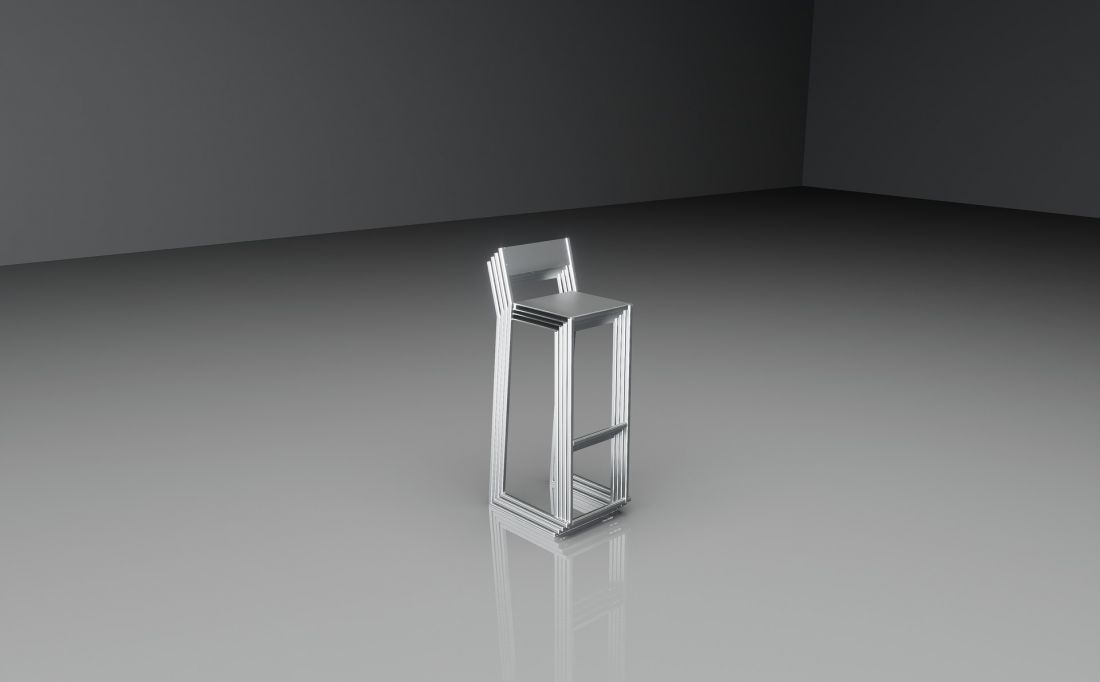
hocker
© Filip Jarecki
thoughtful design - modern minimalist form
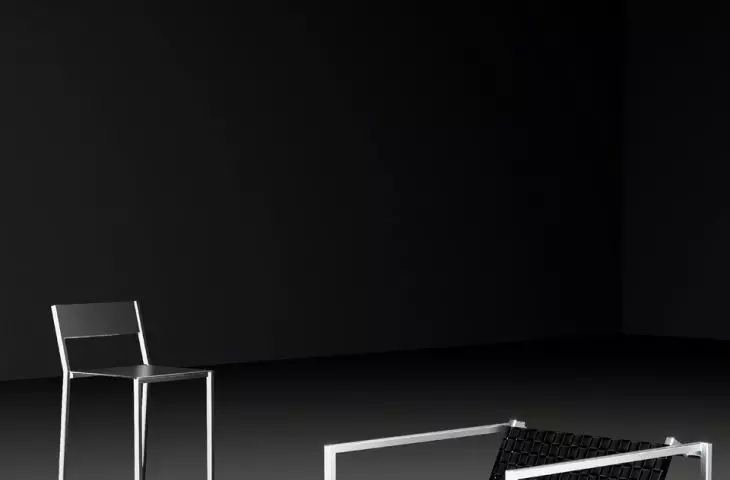
With the goal of creating a timeless stool, Filip Jarecki departed from the contemporary microtrends that dominate design. His concept was to develop a form of furniture that would not be just a fashion accessory, but a utilitarian object that would stand the test of time. The design of the stool is based on the idea of function, honesty of material and durability, eliminating unnecessary decoration. Jarecki opted for a simple, archetypal form, which can serve as a base for other elements, such as a hocker or lounge chair.
The use of steel - lightness, strength and ecology
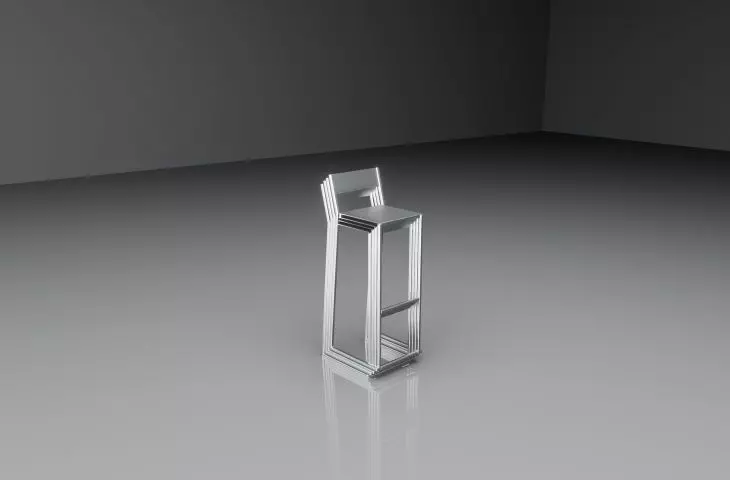
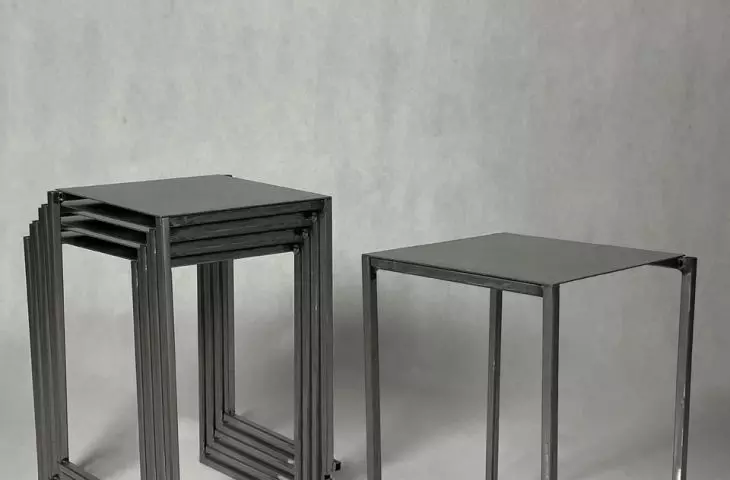
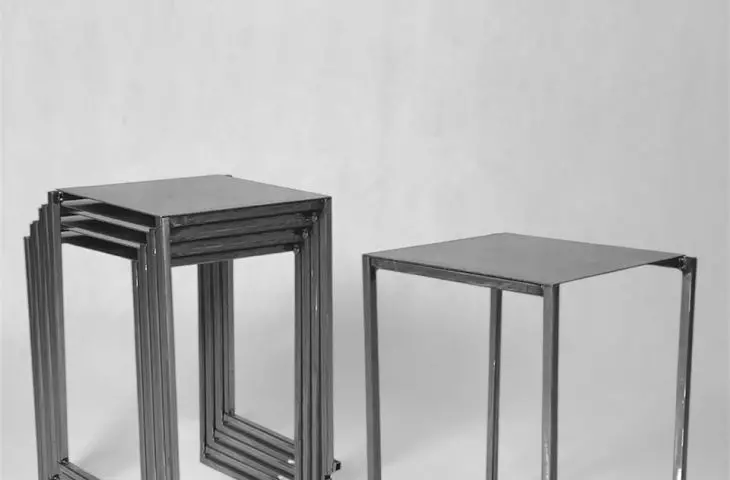
The decision to use steel as the main material for the stool was key to achieving thin but very strong sections. Steel minimizes the use of materials while maintaining both visual and physical lightness. The stool is designed for minimal storage volume, allowing for efficient stacking and transportation. As a result, the product is more eco-friendly, as less space is taken up by storage and transportation processes, which also reduces the environmental impact.
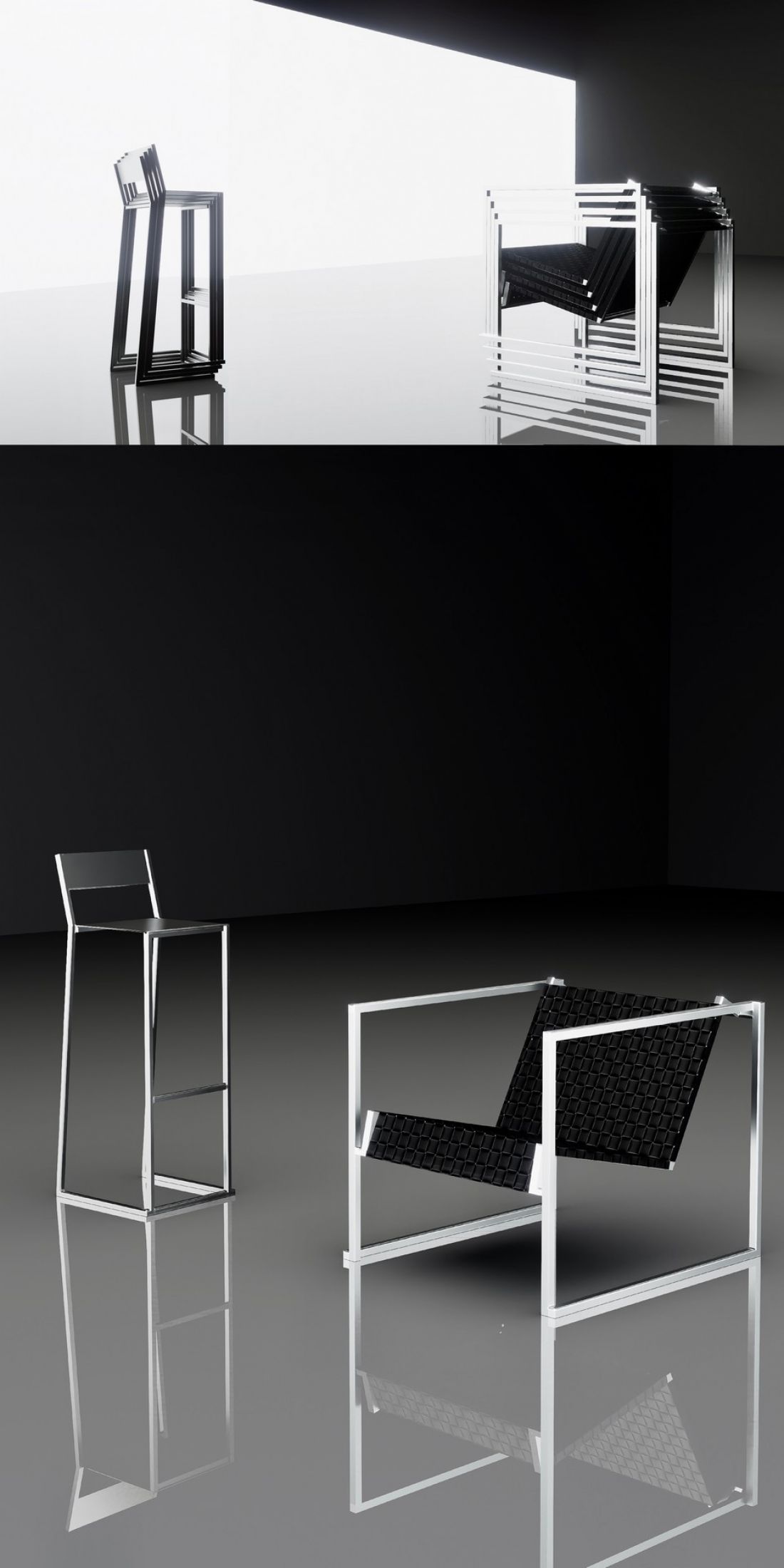
hocker, lounge
© Filip Jarecki
functionality and versatility - ergonomics and comfort
The design of the stool not only focuses on simplicity of form, but also high ergonomics. Thanks to its well-thought-out design, the furniture is comfortable to use, regardless of the context in which it is placed. Jarecki's stool fits into a variety of spaces, from private apartments to public spaces, catering or offices. The minimalism of the form does not exclude the user's comfort - on the contrary, it emphasizes the simplicity of everyday life.
handmade - the art of craftsmanship
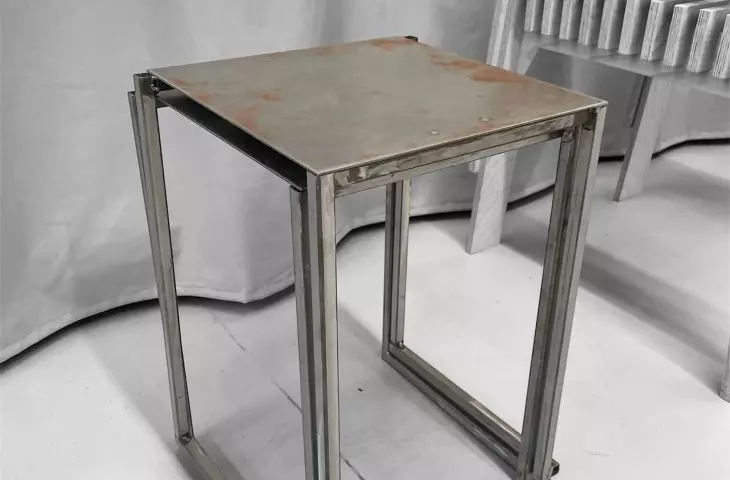
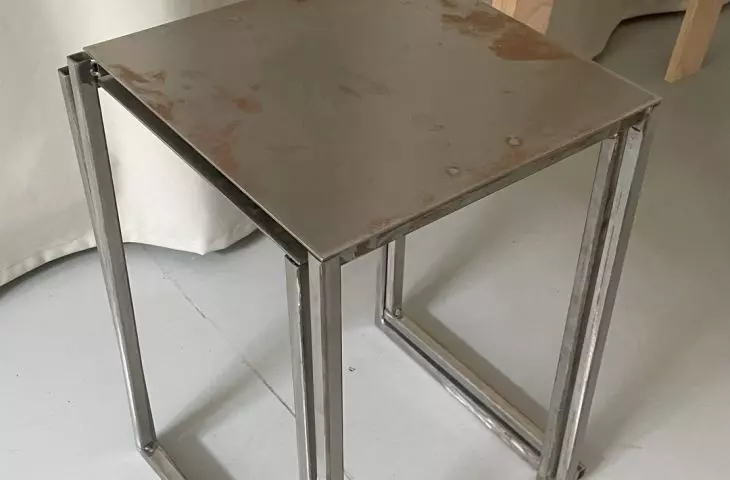
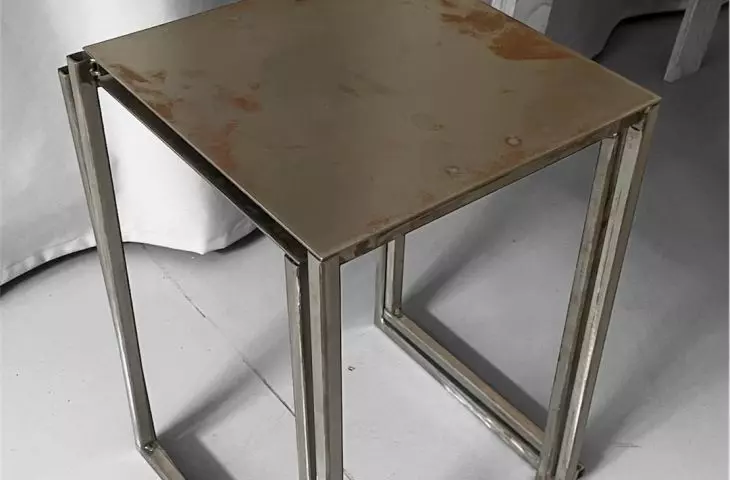
The furniture was made by hand, using a welding machine, which gives it a unique character. Handmade makes each piece unique, and the traces of work become an integral part of the aesthetics of the object. The stool does not age "ugly", but gains in value over time, just like a well-worn pair of jeans. The natural patina formed by use only emphasizes the unique character of the piece of furniture.
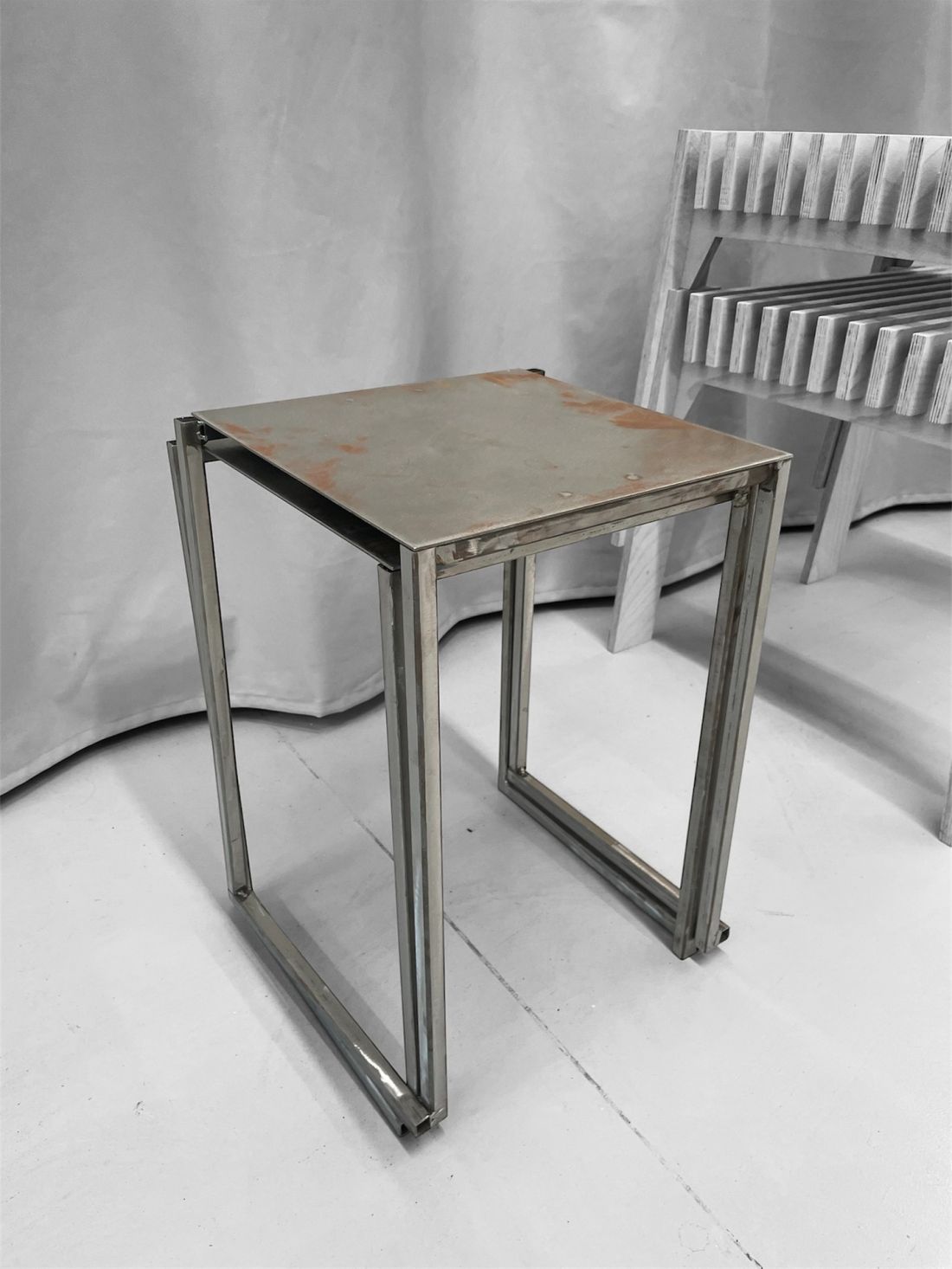
patina
© Filip Jarecki
In a time of overconsumption and rapid wear and tear of everyday objects, Jarecki's stool focuses on durability, functionality and simplicity, which promotes sustainability. His design is not about finding new fads, but about creating things that will have value for years to come. Jarecki's stool is intended not only to be useful, but also to provide the user with an emotional connection to the product that will accompany him for a long time.
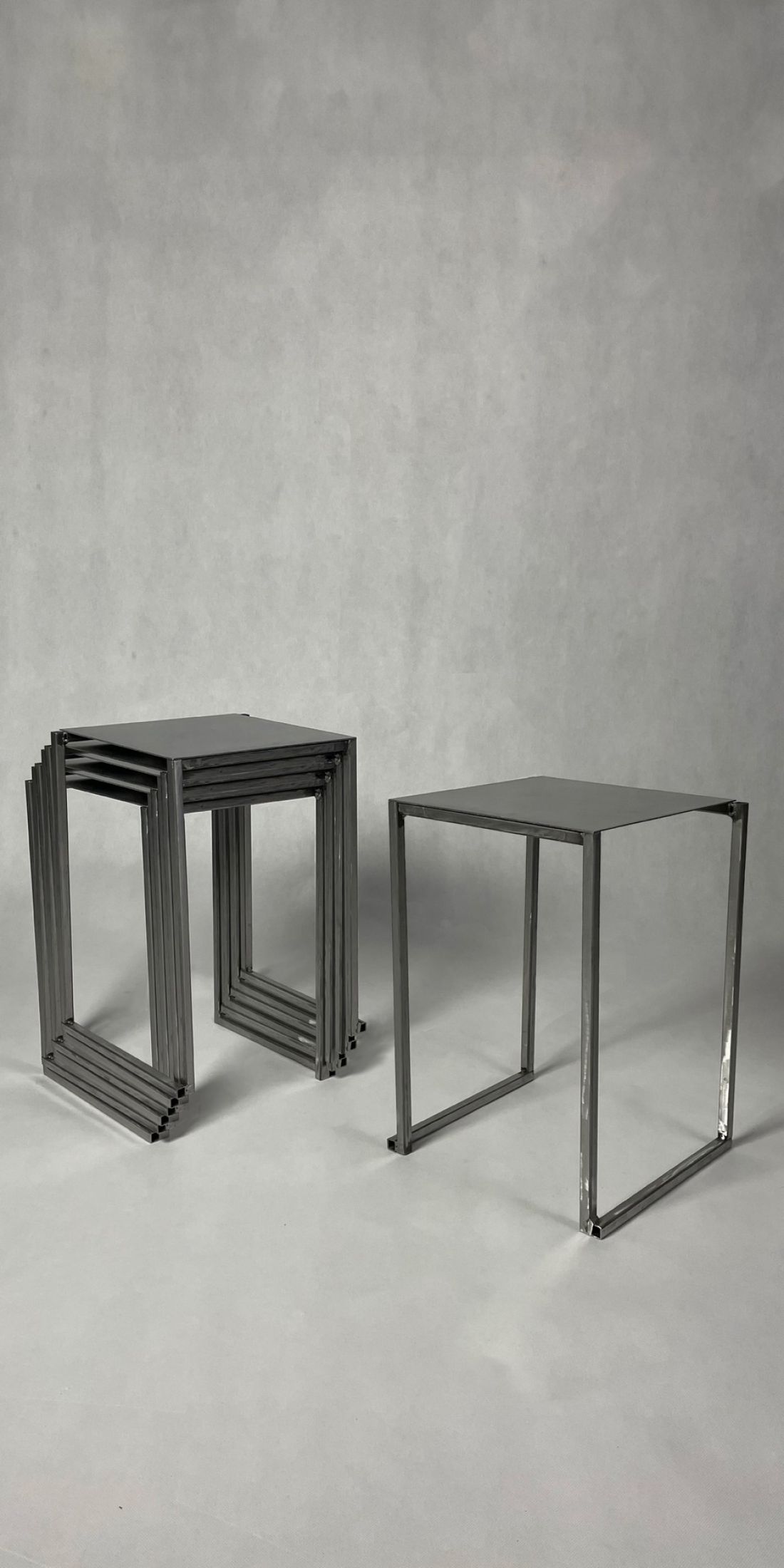
stacking
© Filip Jarecki
time-varying design
Filip Jarecki's stool design is an example of design that enters into contrast with the rapid pace of change and overconsumption that dominate the modern world. Instead of following transient trends, the design is based on the values of sustainability, simplicity and responsibility. The stool not only serves a utilitarian function, but is also a manifesto for a responsible approach to design, in which material, form and production method are as important as its practical role.