











from the series "Windows, doors, hardware, guards - trends, technologies 2025"
Light in architecture is not just a technical parameter. It is an emotion. It's the way a space breathes, matures during the day, changes its rhythm and character. Interior designers and architects are increasingly looking for solutions that allow not only to control light, but also to consciously shape the atmosphere of the interior. Blinds are becoming an invaluable tool in this context - subtle, yet expressive. At Sun & Shade, we treat window covers as an integral part of the space - an element that affects its character and functionality. We manufacture them in Poland, in a state-of-the-art factory, combining precise technology with an artisanal approach. Behind each product is an experienced team that cares about the quality of workmanship and details.
Sun & Shade blinds
© Sun & Shade
Light that works with space
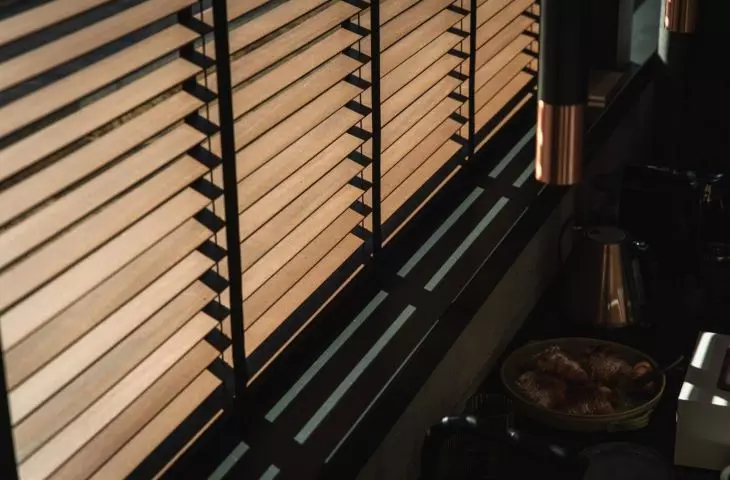
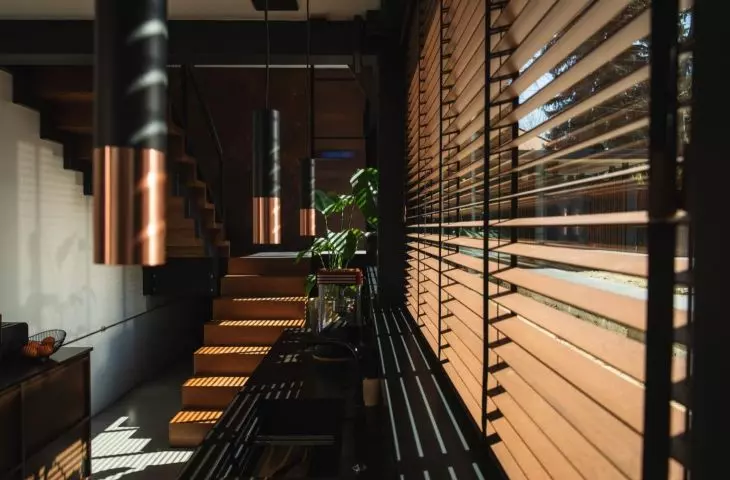
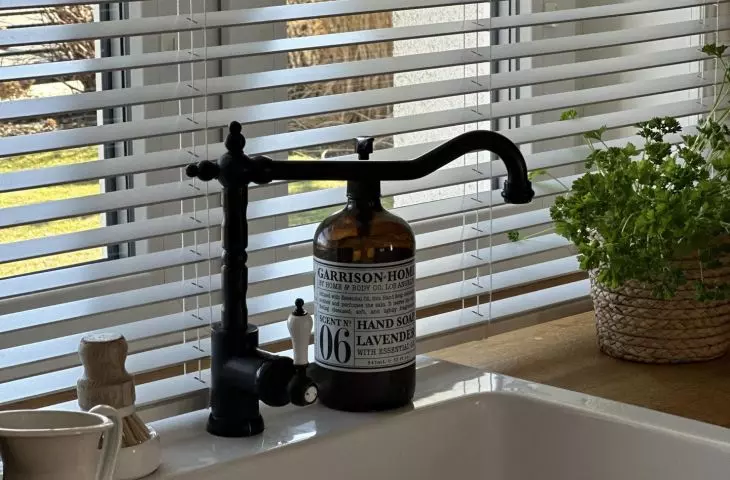
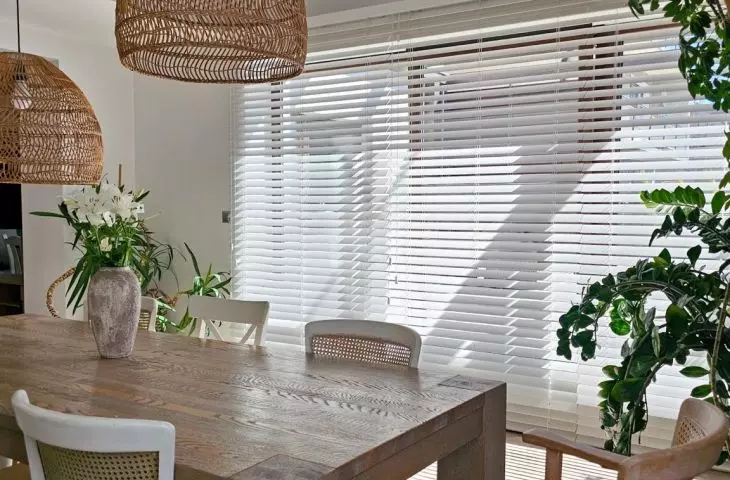
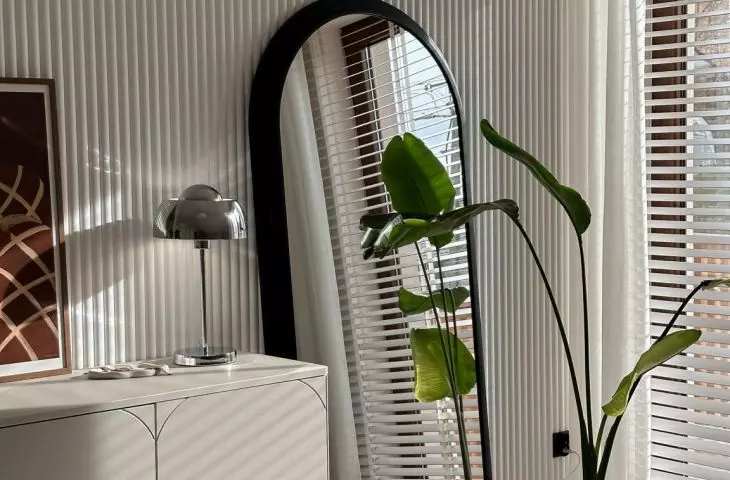
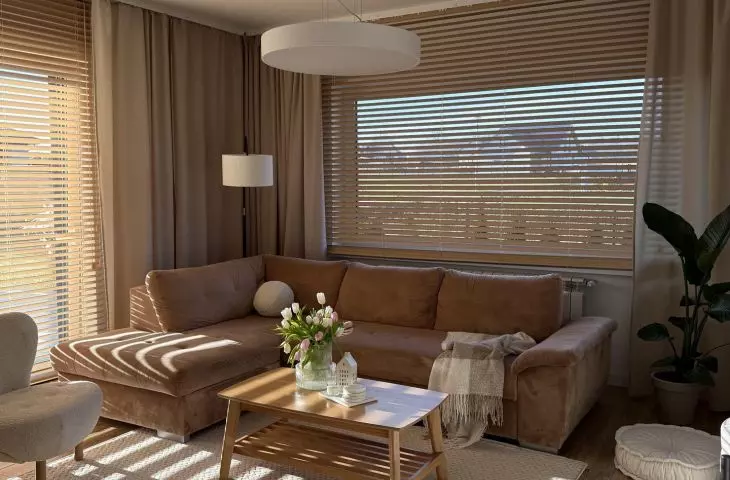
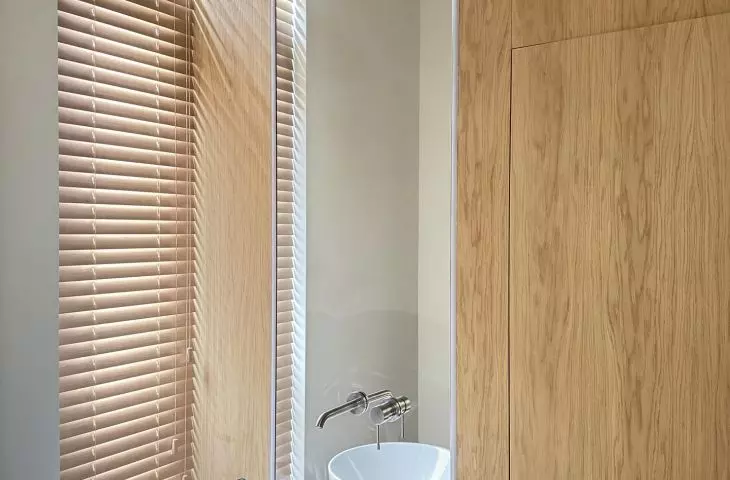
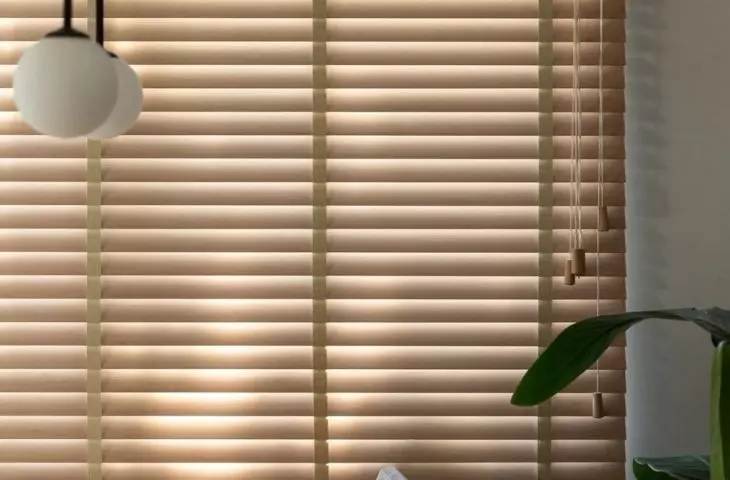
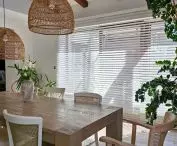
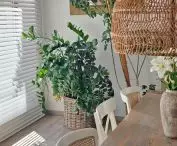
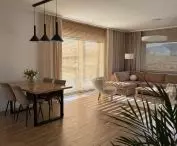
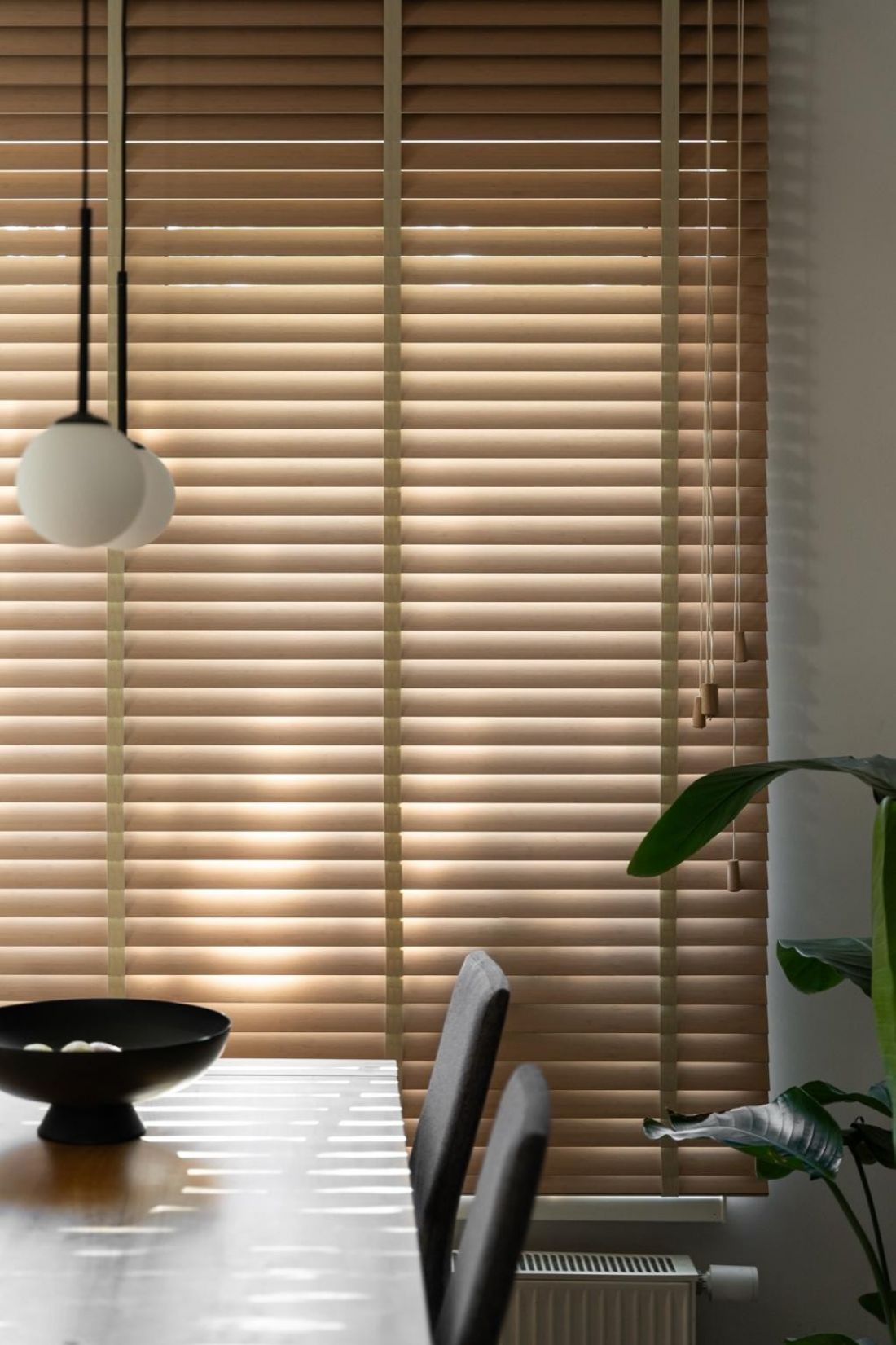
One of the biggest advantages of using blinds is their flexibility - they allow you to regulate the intensity of the light, direct its stream and even stop it completely. Depending on the placement of the blinds, the interior can change its character: from bright and open to intimate and muted. Thus, blinds are not just a filter. They help set the right mood for the interior - when you need to focus, relax, or just catch your breath.
Sun & Shade blinds
© Sun & Shade
Collections created with diversity in mind
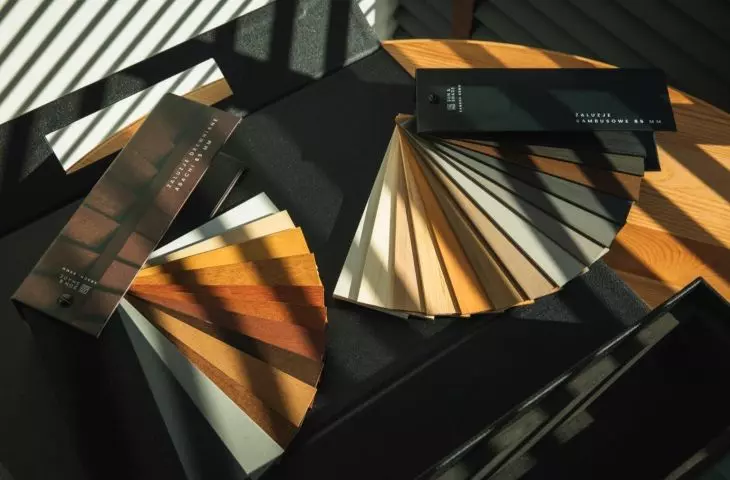
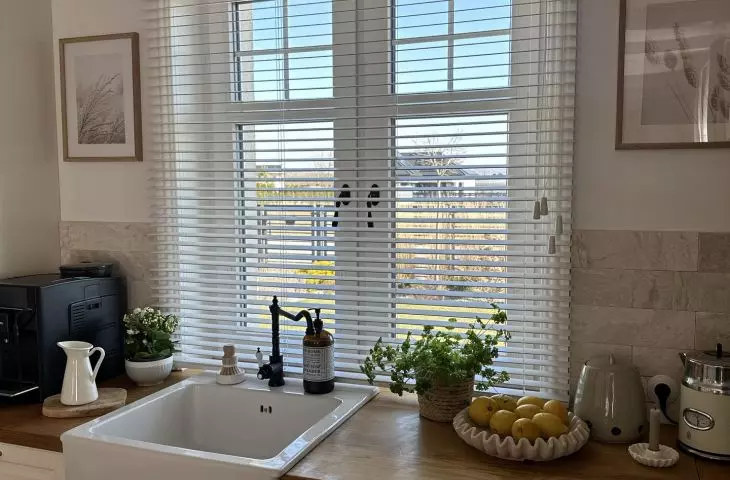
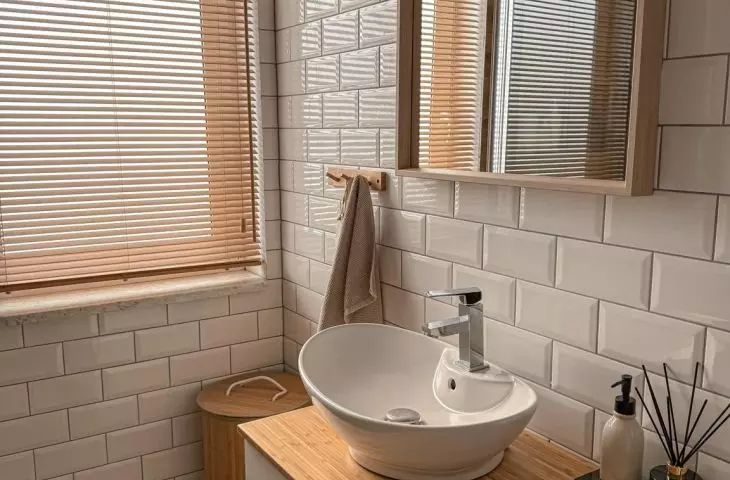
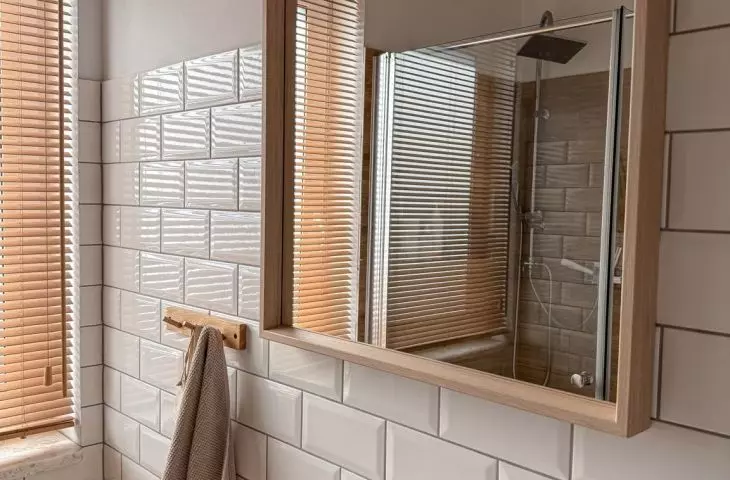
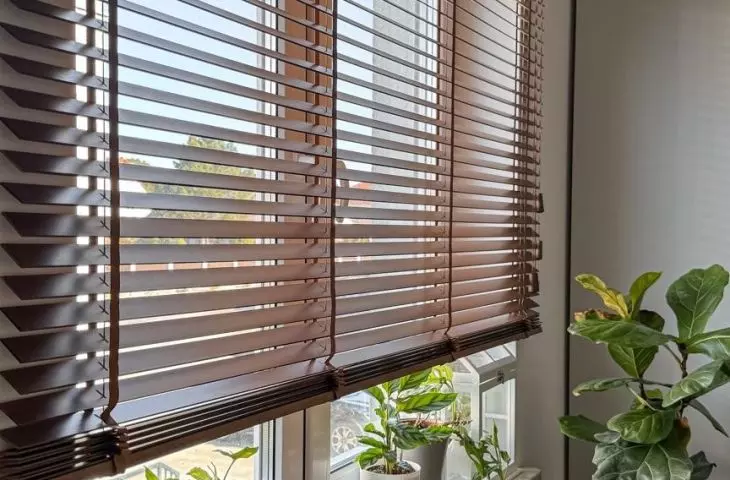
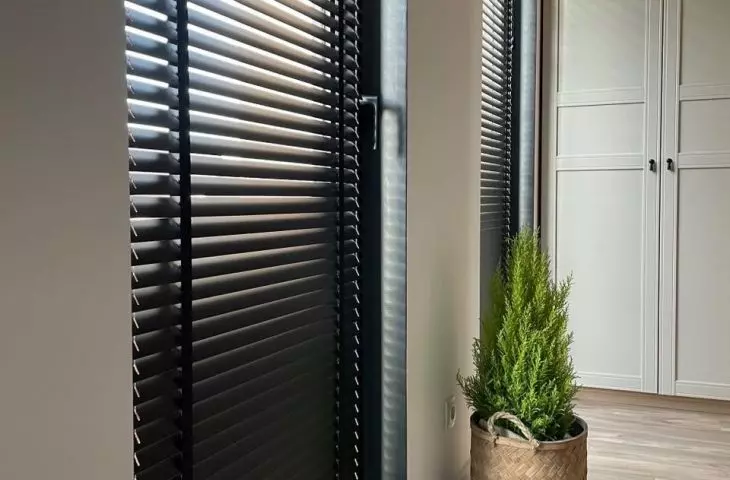
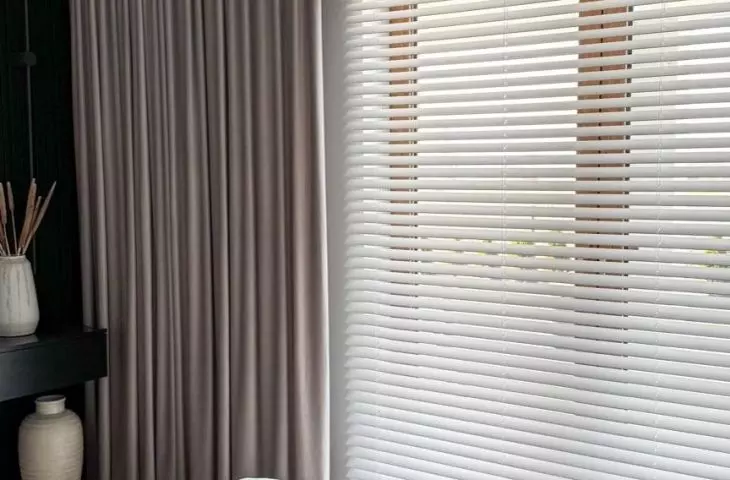
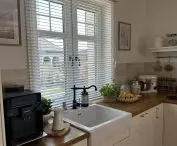
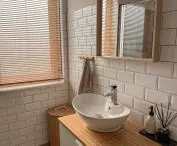
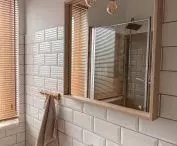
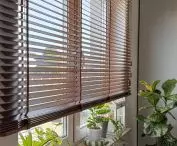
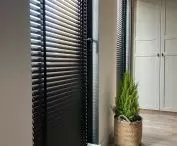
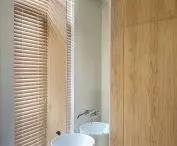
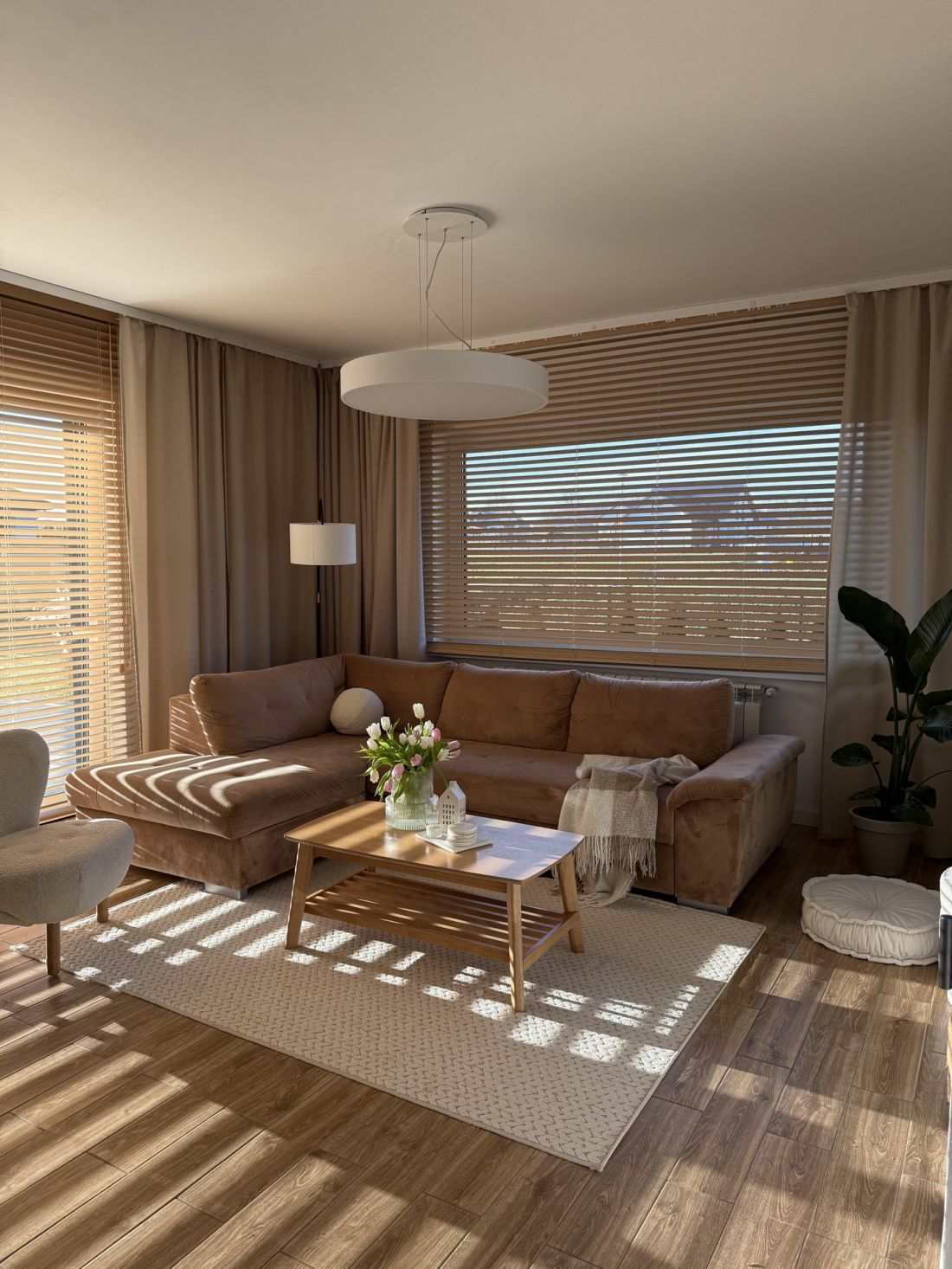
Interior design is a game of proportions, material and light - that's why Sun & Shade's blind collections were created with different design approaches in mind. Depending on your needs, you can choose from models made of natural wood, expressive bamboo, exotic and elegant abachi, as well as aluminum and wood imitation plastic - PVC.
Sun & Shade blinds
© Sun & Shade
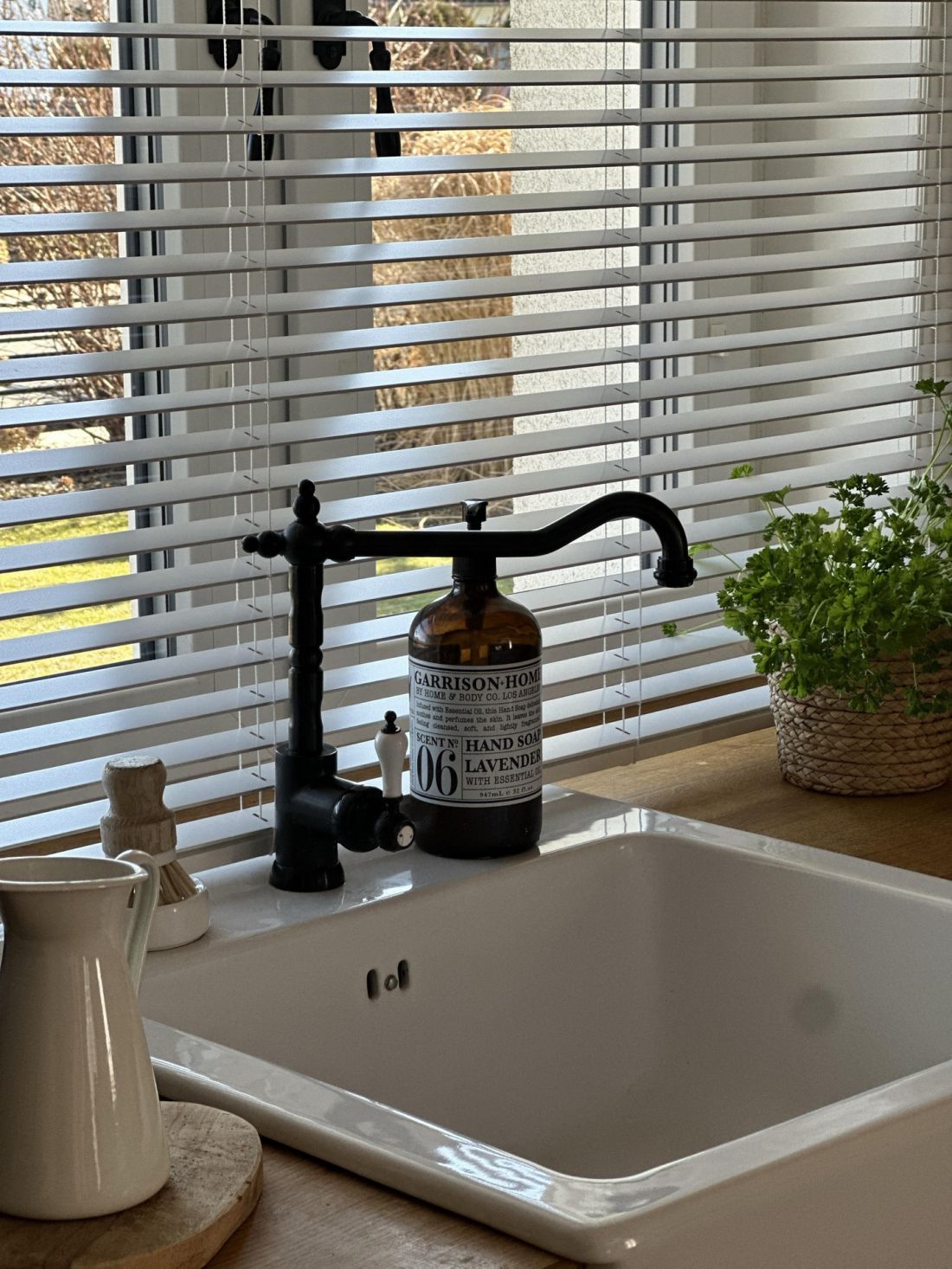
Each of these materials brings a different energy - from cozy, to minimalist, to austere and technical. The blinds are available in four lamella widths: 25, 35, 50 and 65 mm, allowing you to precisely match them to the scale of a particular project and the desired effect.
Sun & Shade blinds
© Sun & Shade
Style and function go hand in hand
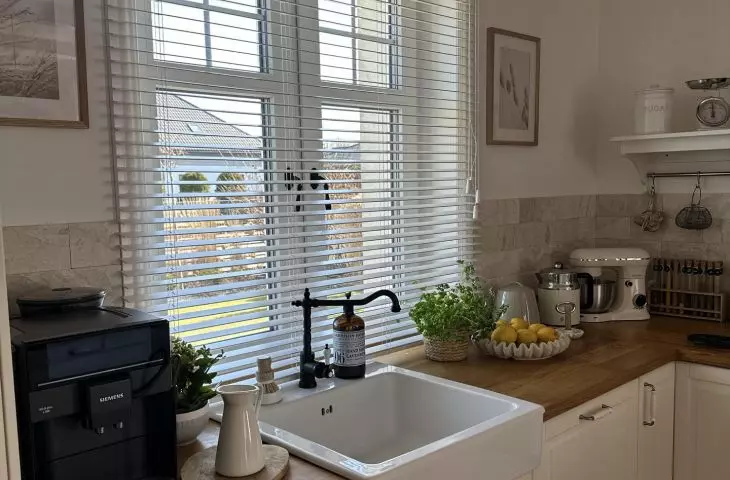
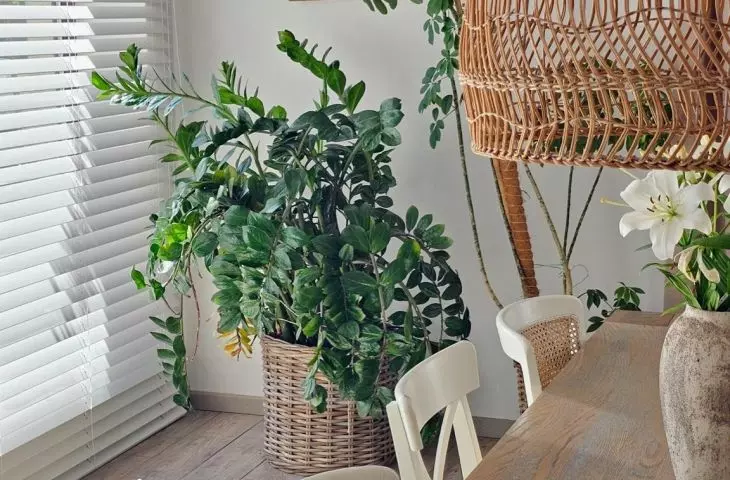
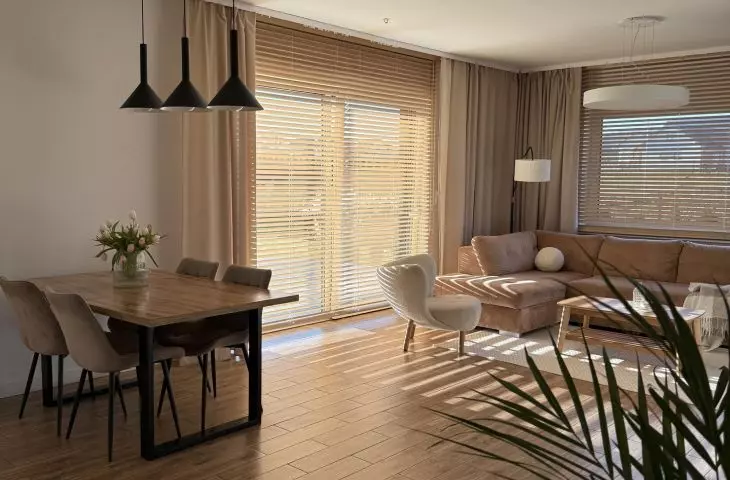
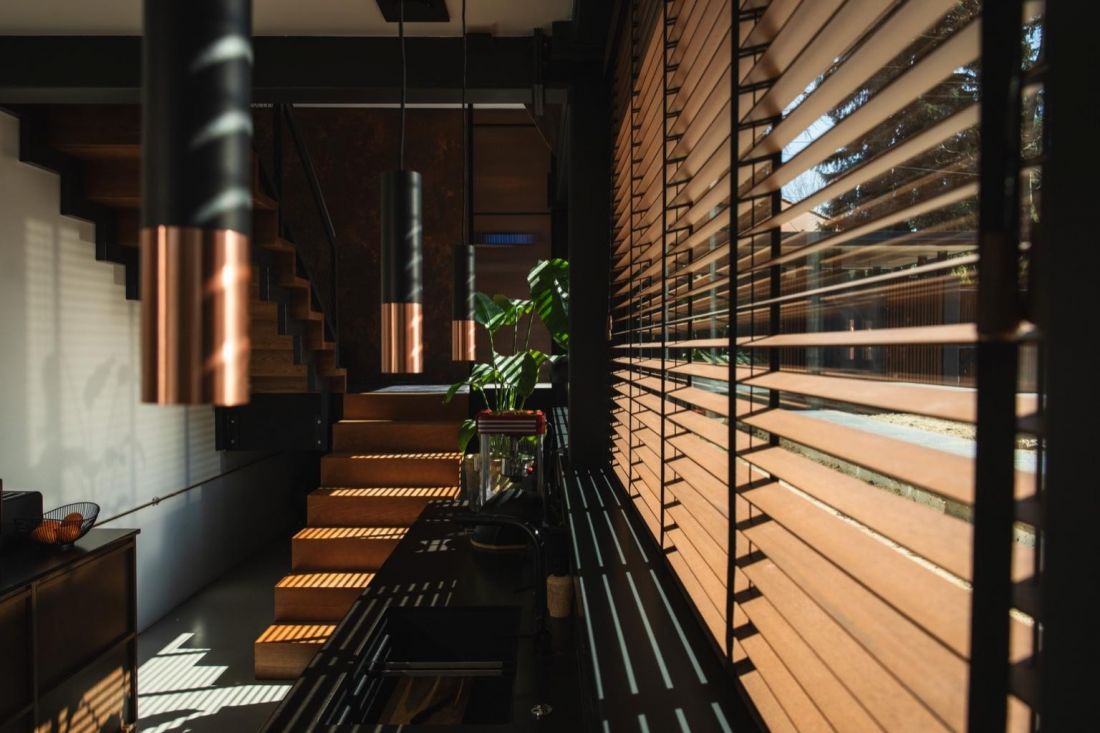
Modern interiors are increasingly designed to adapt to the rhythm of life of the household members. The flexibility offered by the ability to regulate light becomes an important element of comfort in such an approach. Blinds can be a discreet background to the arrangement or a strong geometric accent - depending on the material and color chosen.
Sun & Shade blinds
© Sun & Shade
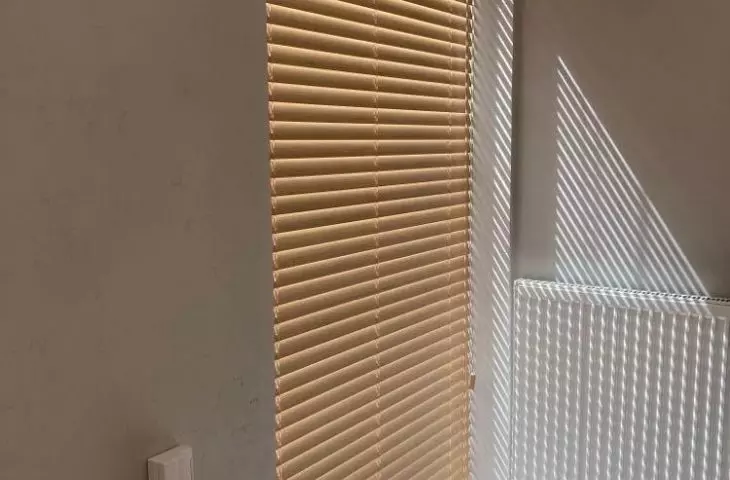
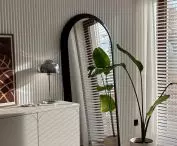
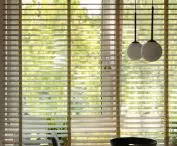
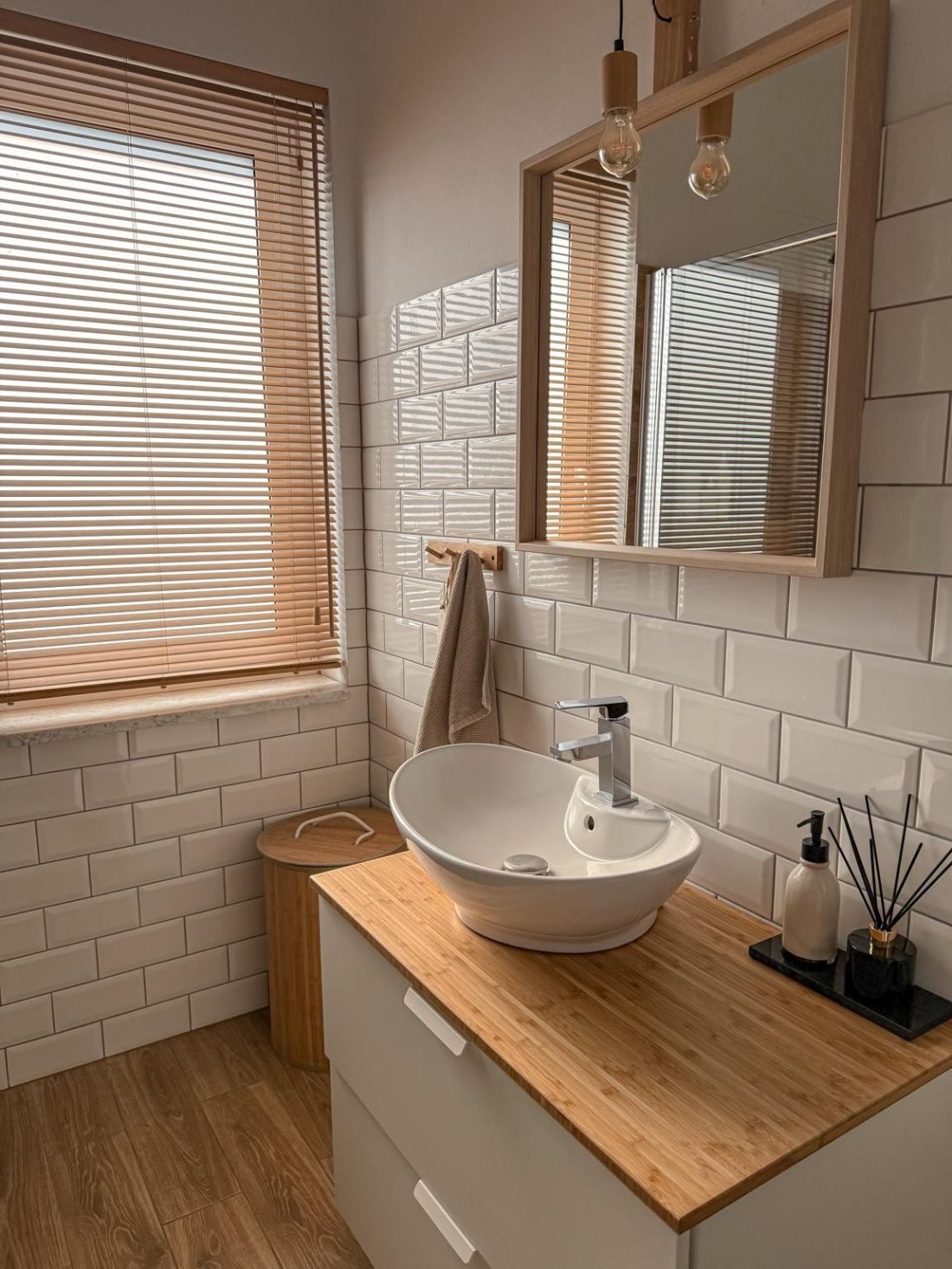
In many projects they also have a structural function: they introduce line and repetition that harmonize with the architecture. This is not just functionality, but a conscious aesthetic decision.
Sun & Shade blinds
© Sun & Shade
Technology in the service of simplicity
While blind systems may seem simple, their production requires precision. At Sun & Shade, each piece is made to order - tailored to a specific size, style and purpose. This approach maintains design and stylistic consistency. A well-chosen window covering can emphasize the line of the frame, harmonize with the division of the facade or blend completely into the background.
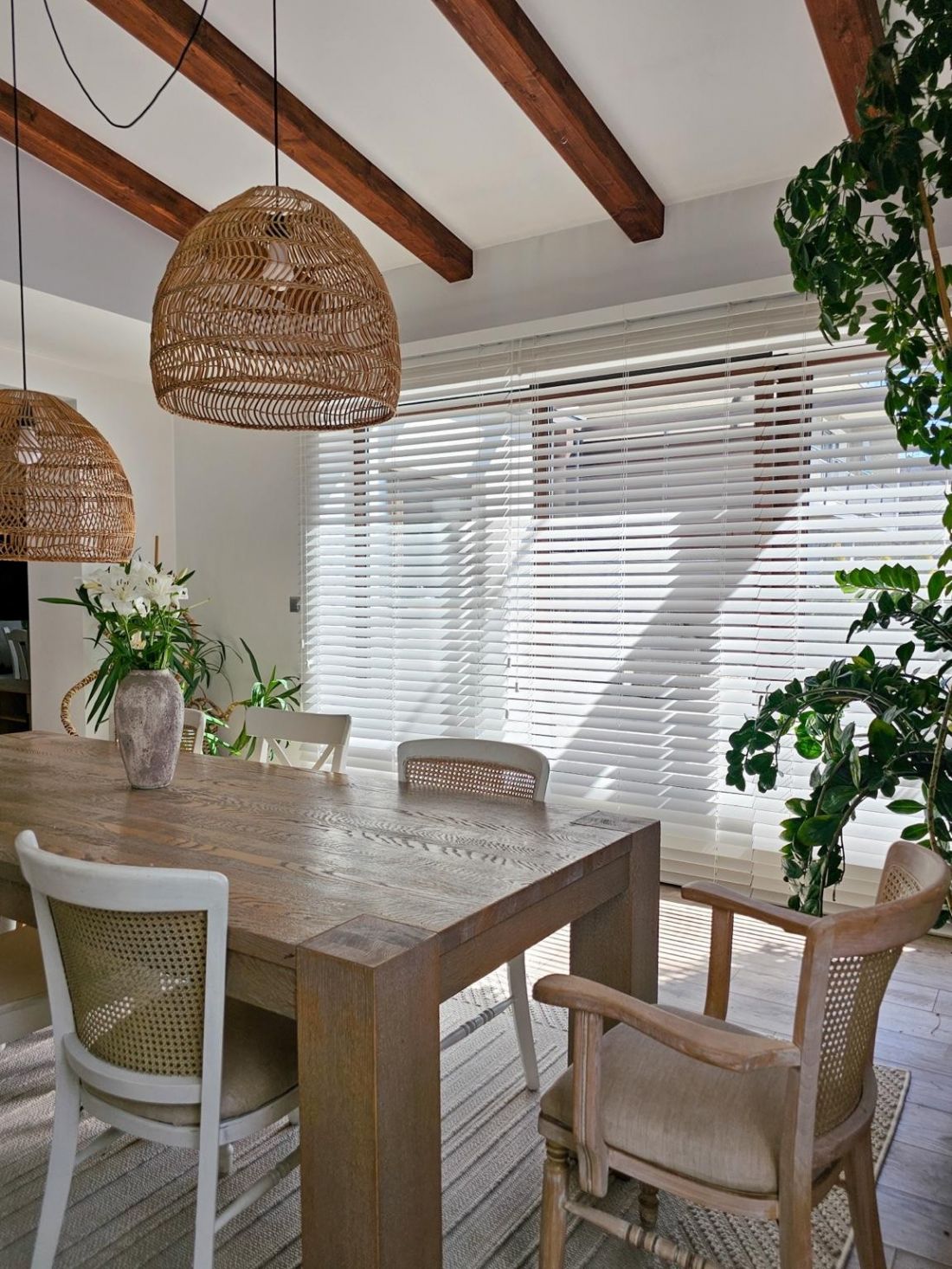
Sun & Shade blinds
© Sun & Shade
Conscious light design
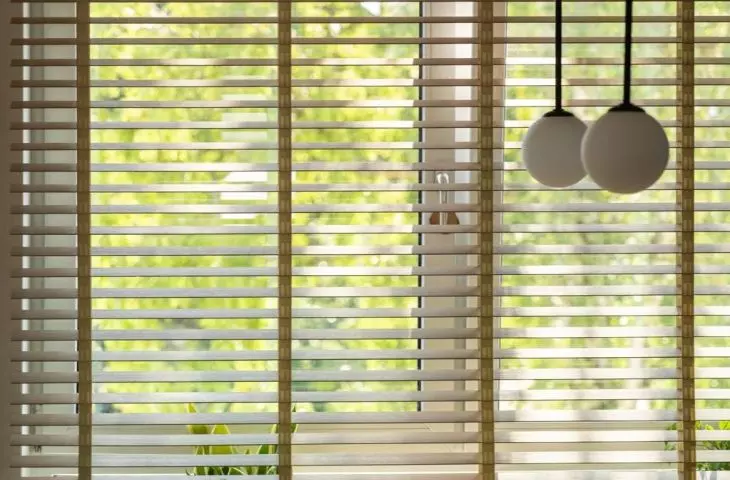
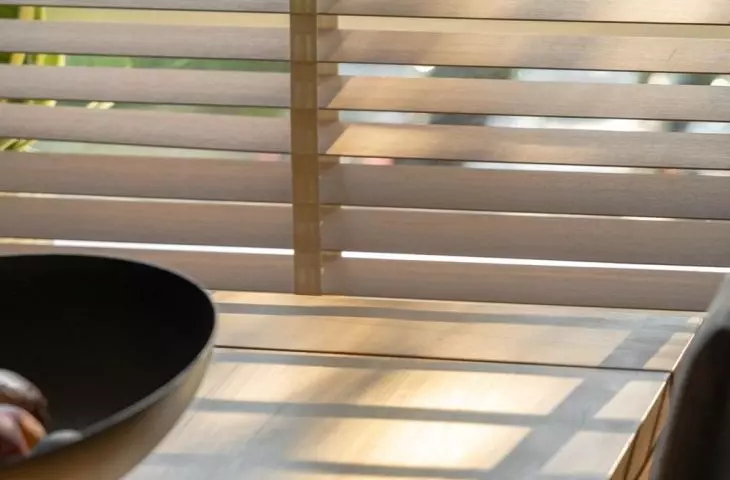
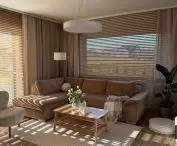
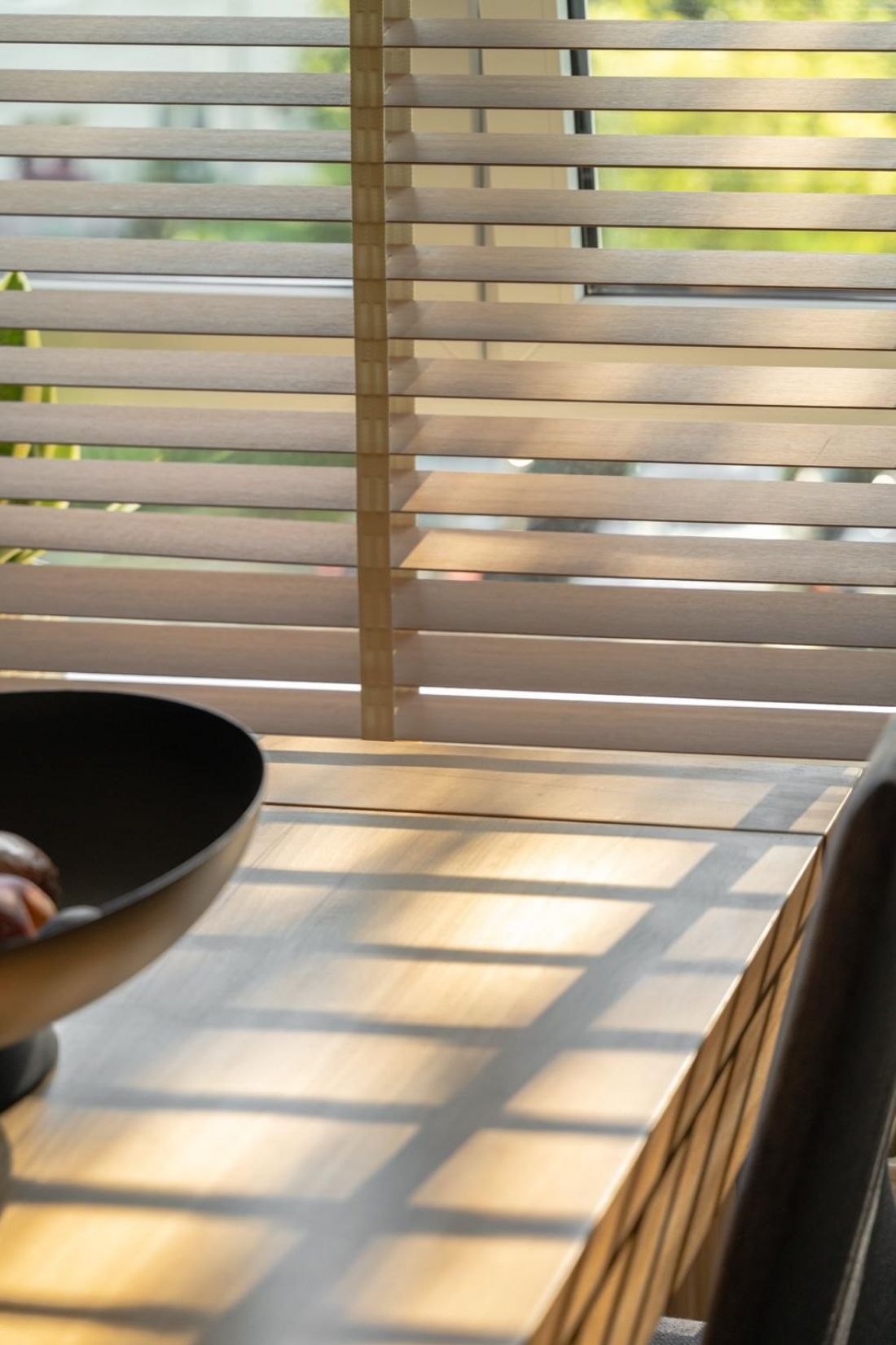
Light design is a separate competence today - as important as material selection or ergonomics. A properly selected blind not only protects against excess sunlight, but helps achieve the desired visual and functional effect: softly diffusing light, highlighting textures or creating a half-shade conducive to work.
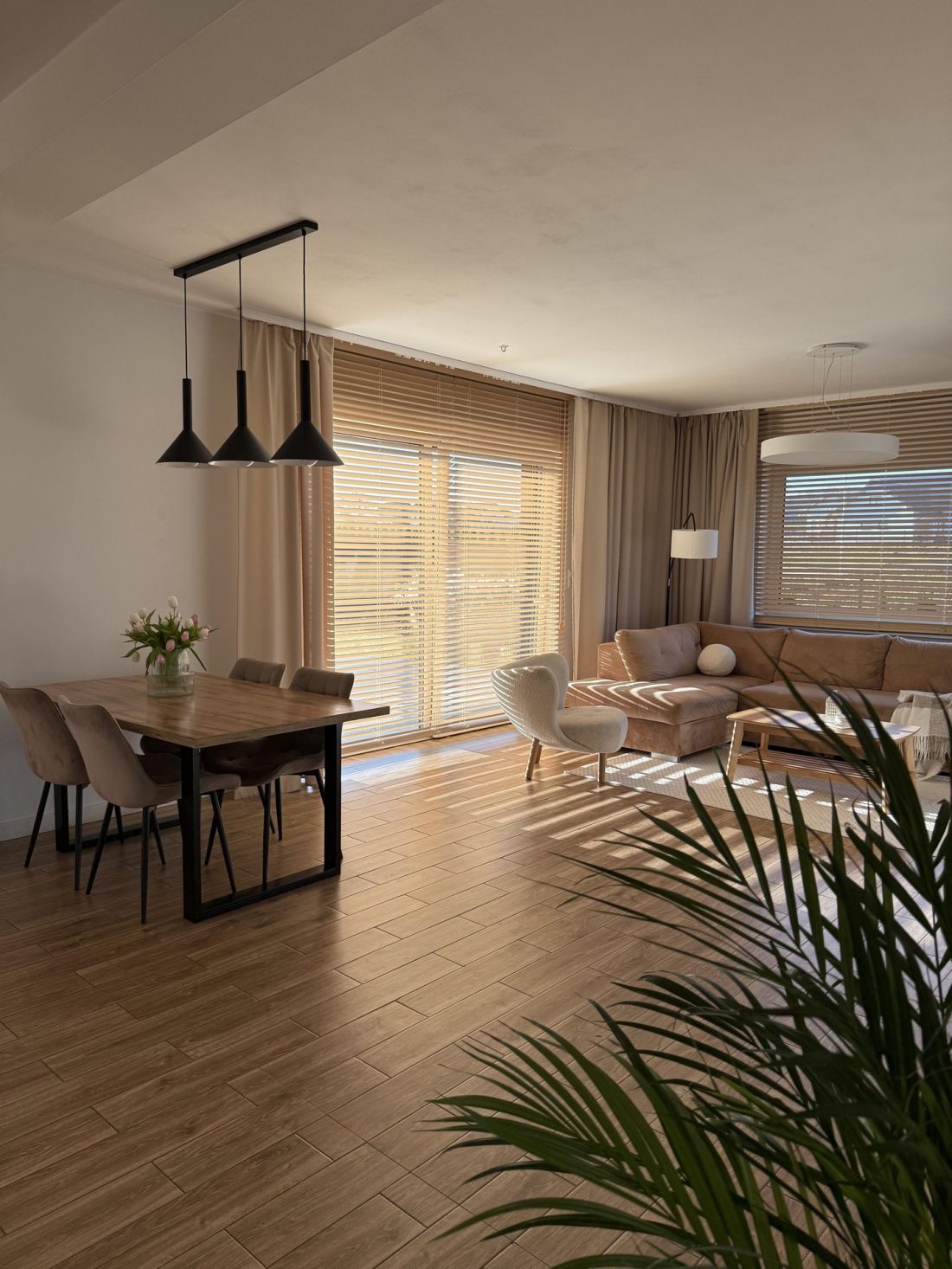
Sun & Shade blinds
© Sun & Shade
It's also a matter of everyday comfort - the ability to change the mood of an interior without moving furniture or repainting walls. At the meeting point of light and shade, a space with character is born - dynamic, changeable, lively. Blinds help to arrange this relationship anew: precisely, functionally, aesthetically.
For many architects and users, it is this detail that turns out to be crucial - because it allows to control what is the most difficult to tame: light.
For more information, visit the company's SUN & SHADE page on the PdA portal.