





From the series “Eco-Friendly Solutions — Trends and Technologies 2026”
Sustainable construction is no longer a niche field. In 2026, eco-friendly solutions are one of the fundamental criteria for designing public buildings, offices, medical facilities, and educational institutions. Architects are increasingly analyzing not only a building’s energy efficiency but also the environmental impact of the materials and equipment used throughout their entire life cycle.
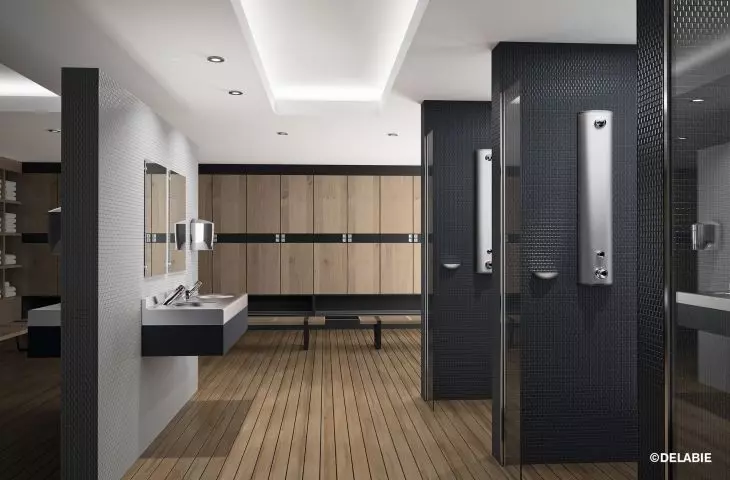
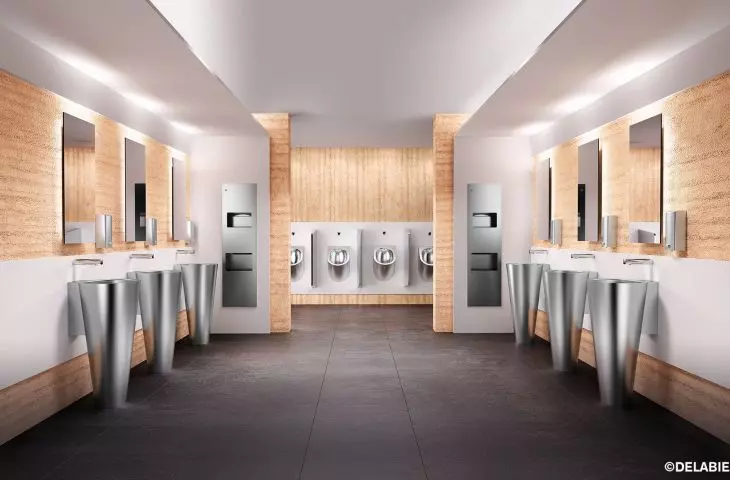
Sanitary spaces, though often treated as a secondary element of a design, have a huge impact on water and energy consumption as well as on a building’s operating costs. Properly selected fixtures help reduce a project’s environmental footprint while increasing user comfort and the facility’s durability.
How can we design public restrooms that conserve resources and remain functional for decades? Karolina Kozłowska, Marketing & Communications Manager at DELABIE—a company specializing in restroom fixtures for public spaces—answers this question.
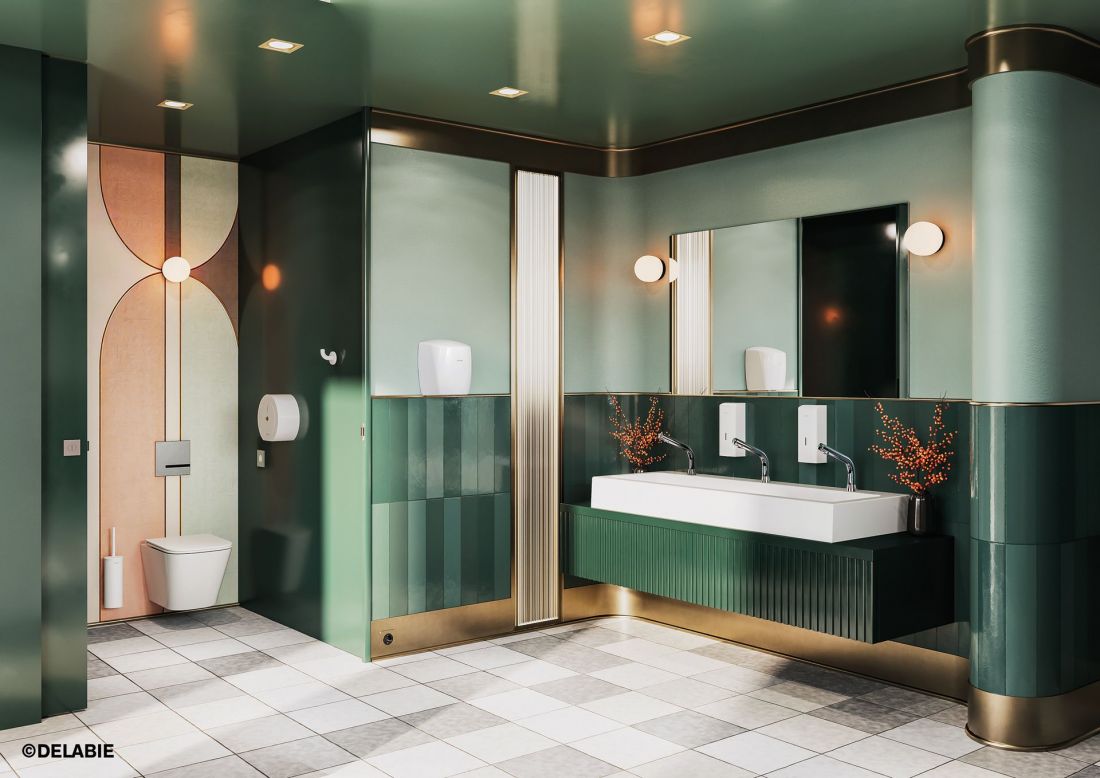
Design with Delabie—so that TOMORROW makes sense!
© DELABIE
STEP 1: Choose materials with a low environmental footprint
An eco-friendly design starts with responsible material selection. Today, it’s not enough for a product to be durable —it’s equally important what it’s made of and what will happen to it at the end of its life.
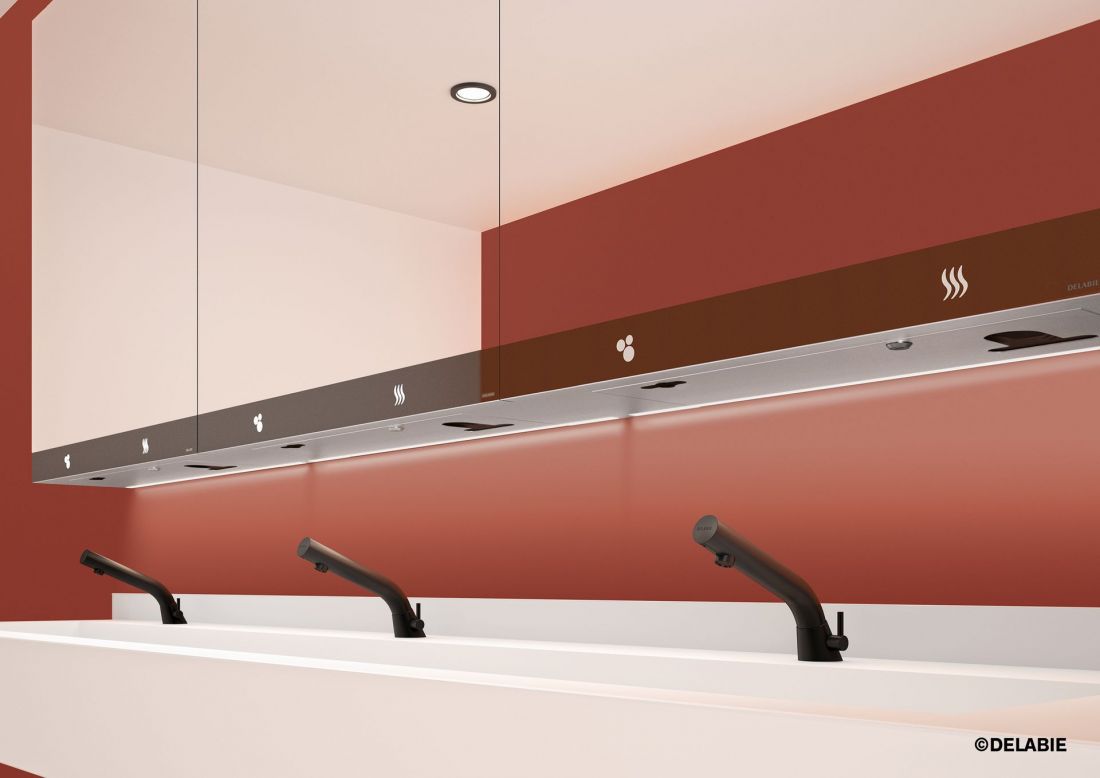
Recycled and recyclable materials are playing an increasingly important role. In bathroom fixtures, this primarily means using brass, stainless steel, or aluminum, which can remain in a closed-loop system for many years.
Design with Delabie—so that TOMORROW makes sense!
© DELABIE
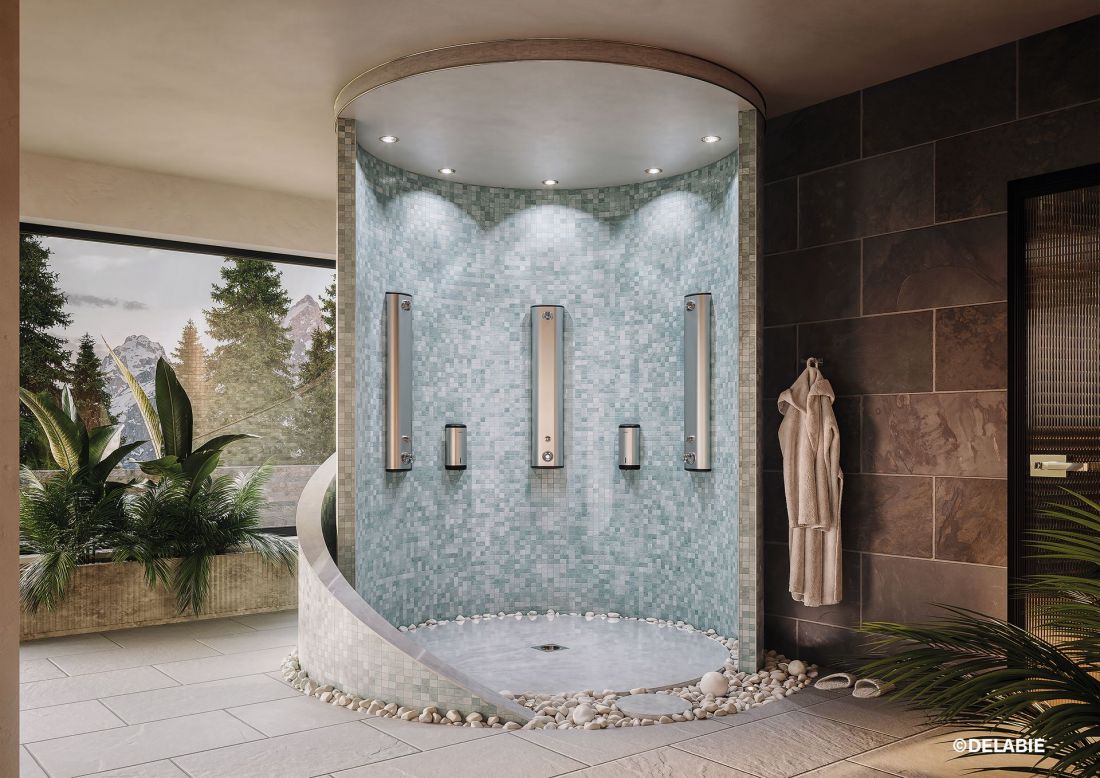
At DELABIE, these materials form the basis of production. The brass used to manufacture fixtures comes almost entirely from recycled sources, as do stainless steel and aluminum alloys. This approach helps reduce the consumption of virgin raw materials and lower CO₂ emissions associated with the production of new materials.
For architects, this means the ability to create projects that, right from the design stage, align with the principles of the circular economy and meet investors’ increasingly stringent requirements for sustainable construction.
Design with Delabie—so that TOMORROW makes sense!
© DELABIE
STEP 2: Save water—without compromising on comfort
Water is becoming one of the most valuable resources of the 21st century. Poland is among the countries with relatively limited water resources per capita, which is why reducing water consumption is one of the most important challenges for the construction sector.
When designing a bathroom, it’s worth paying attention to two parameters: flow rate and how the fixtures are controlled.
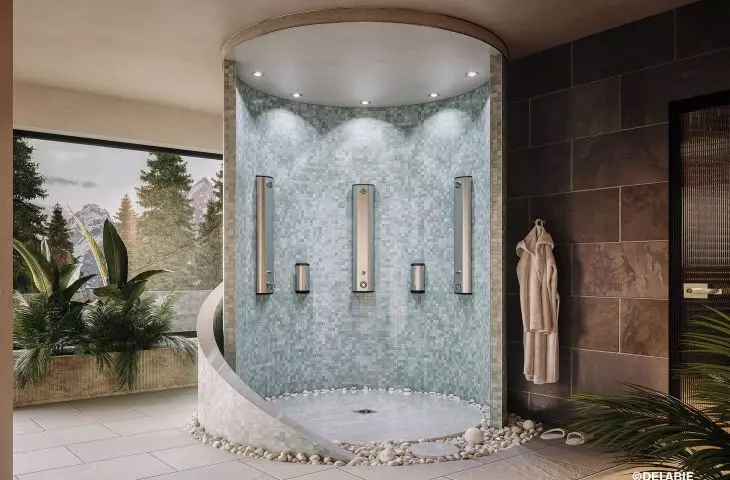
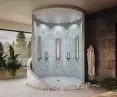
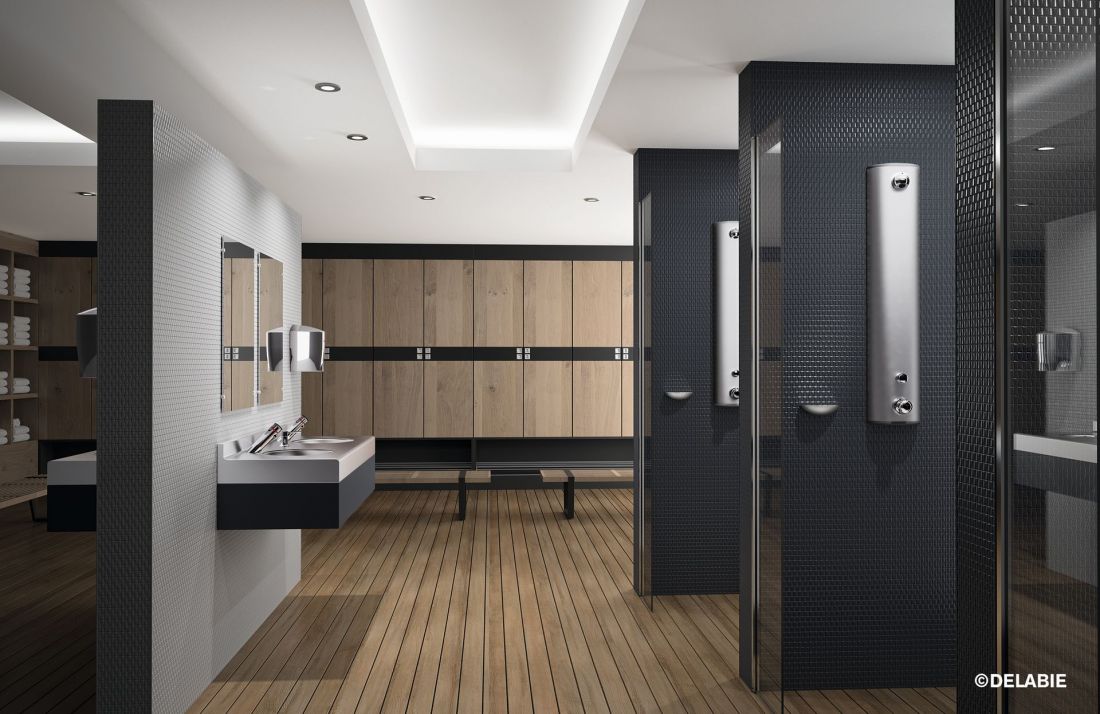
Modern fixtures allow for a significant reduction in water consumption while maintaining user comfort. For sinks, it is possible to limit the flow rate to as low as 3 l/min, and for showers, to 6 l/min. These values are among the lowest on the market and translate into real operational savings.
Design with Delabie—so that TOMORROW makes sense!
© DELABIE
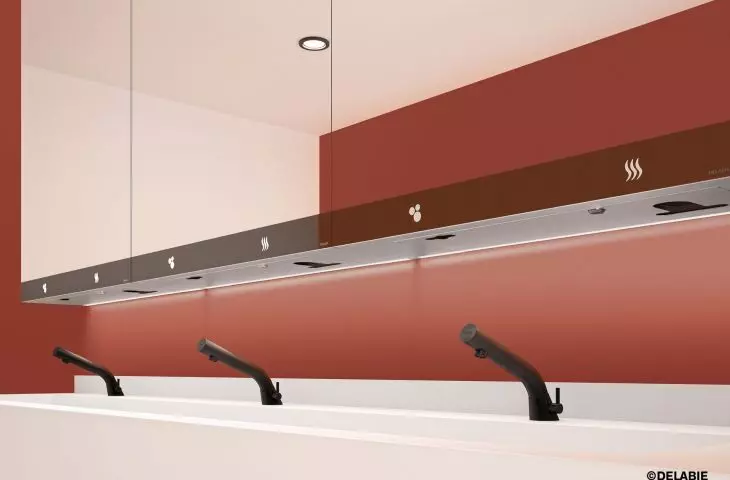
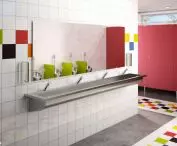
Automation is even more important. Timer-controlled fixtures limit the flow time to a few seconds, while electronic models activate the water flow only when the user is within the detection zone. This completely eliminates the risk of leaving a faucet running and reduces water consumption by 80 to as much as 90 percent.
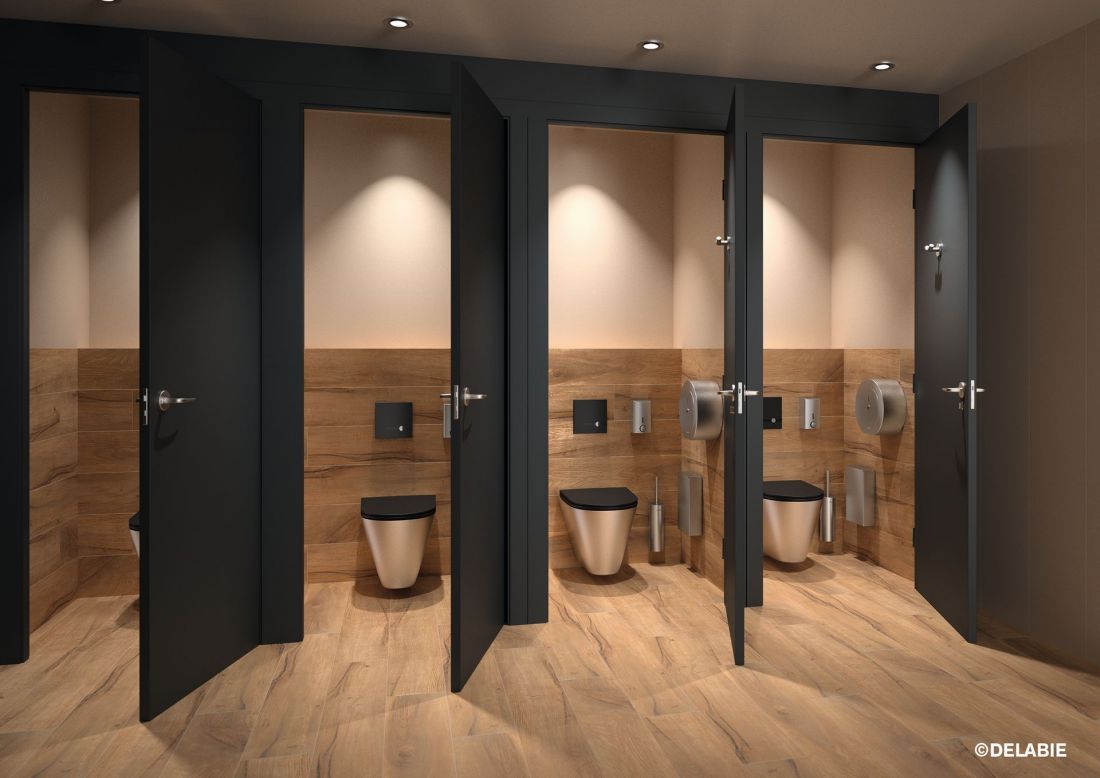
These savings also apply to flushing systems, which account for a significant portion of water consumption in public facilities. That’s why smart solutions—which adjust water usage to the actual needs of users and the facilities themselves—are becoming increasingly popular.
Design with Delabie—so that TOMORROW makes sense!
© DELABIE
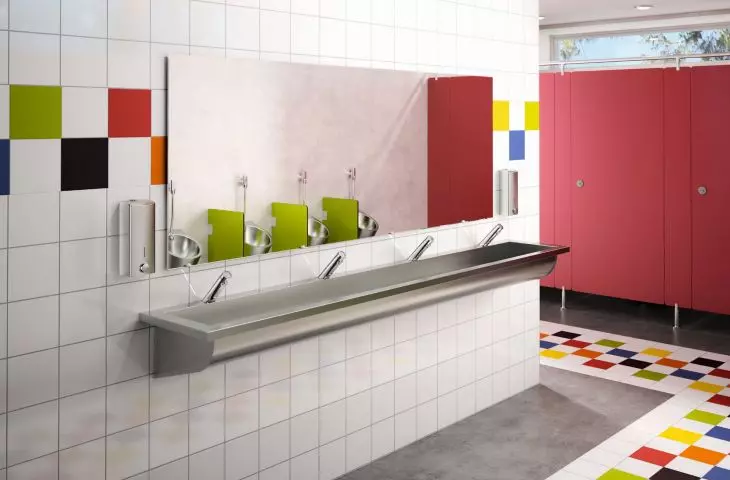
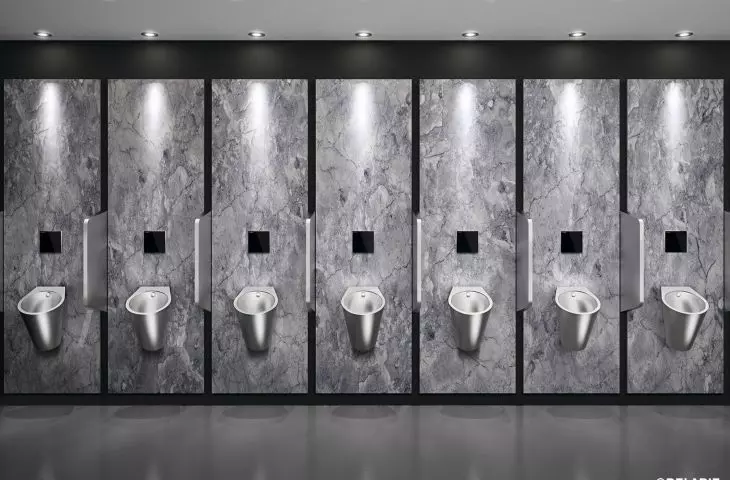
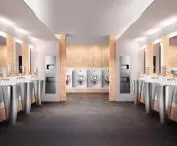
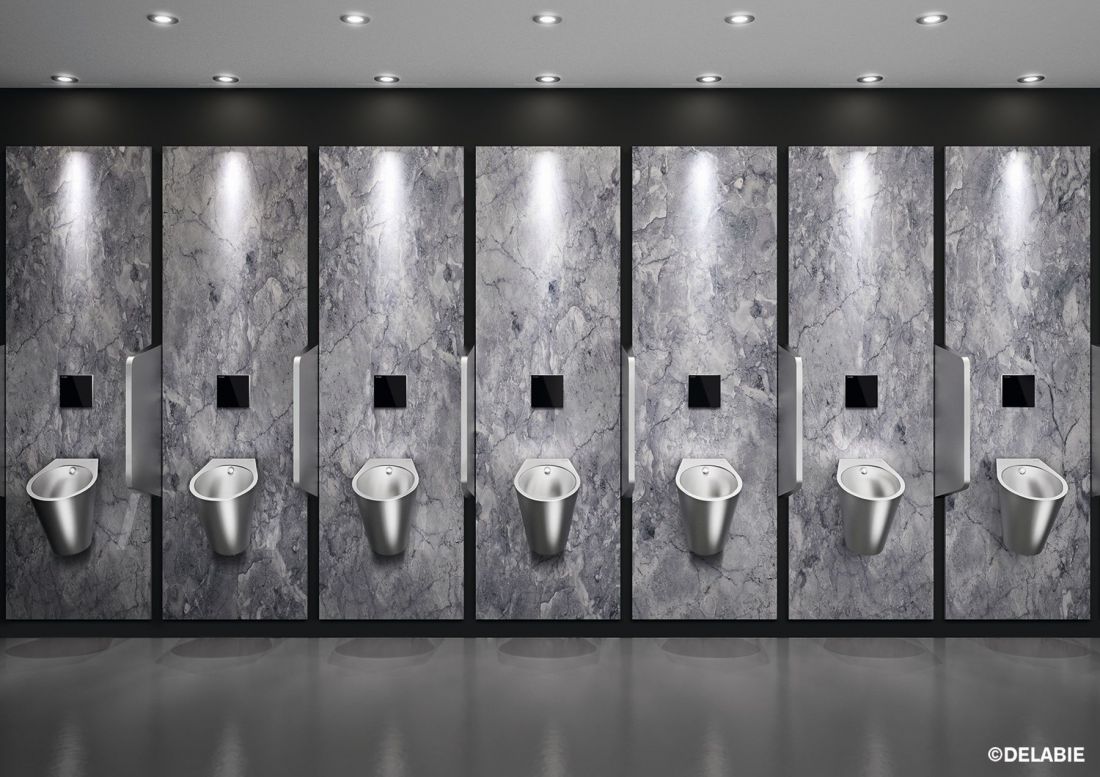
For urinals, electronic flushing systems—which activate only after the device is used—are an effective solution. Additionally, some models are equipped with an “intensive mode” feature that automatically adjusts the frequency and volume of flushing to the current traffic volume. This ensures the facility remains hygienic even during peak hours, while avoiding excessive water consumption.
Design with Delabie—so that TOMORROW makes sense!
© DELABIE
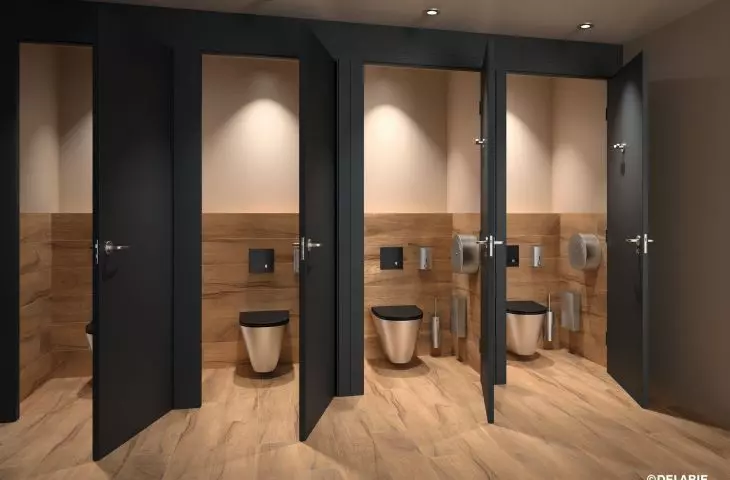
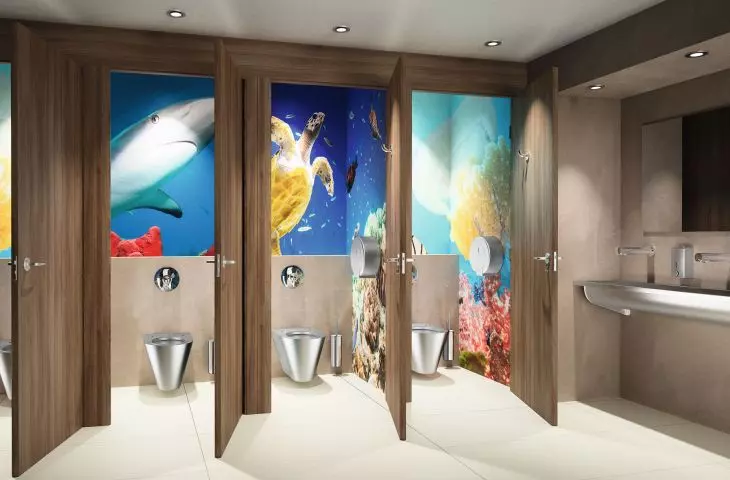
The flushing method also plays an equally important role. Traditional cistern frames are increasingly being replaced by pressure-flush systems. This solution does not require storing water in a cistern, which reduces the number of components prone to wear and failure. This is particularly important from an environmental perspective, as even a small leak in a tank-based flushing mechanism can lead to losses of several hundred liters of water per day, often going unnoticed for a long time.
For architects, this means the ability to design spaces that are not only more environmentally friendly but also easier to maintain and cheaper to operate.
STEP 3: Think about energy right from the design stage
Energy savings aren’t limited to heating or ventilation systems. Increasing attention is also being paid to everyday appliances, including bathroom fixtures.
Design with Delabie—so that TOMORROW makes sense!
© DELABIE
In many facilities, timer-controlled fixtures remain an excellent solution, as they operate entirely mechanically and require no power supply. However, modern electronic fixtures can also feature very low energy consumption.
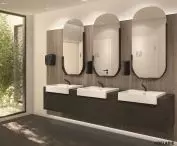
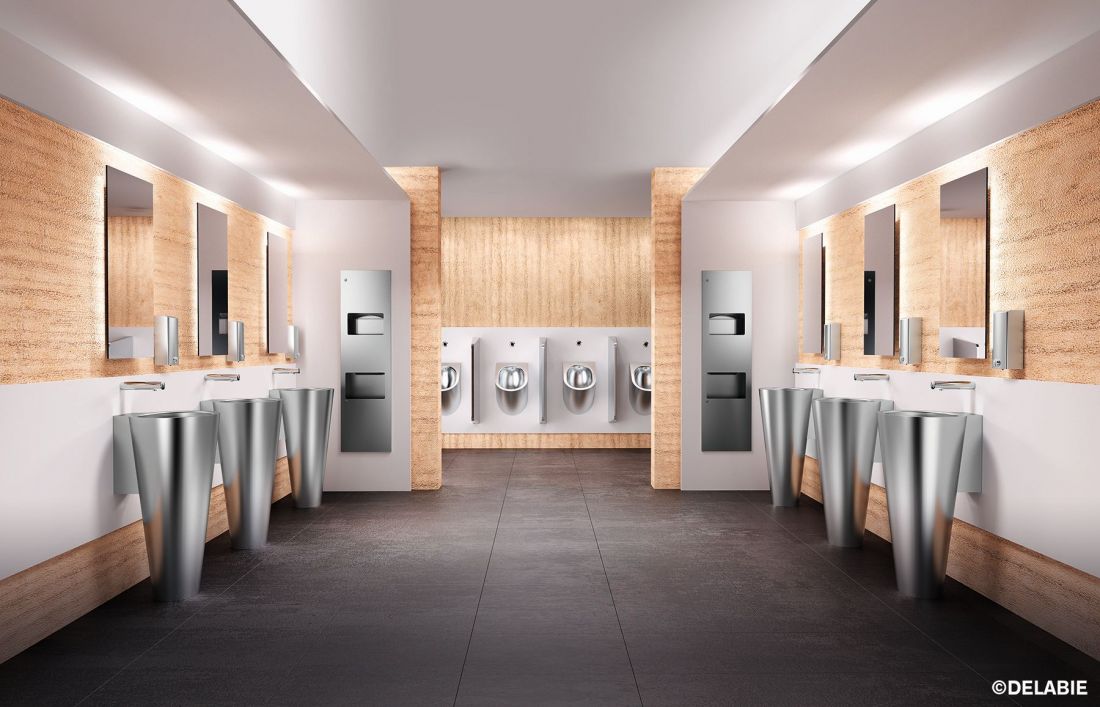
It’s worth looking for devices equipped with active pulsed infrared sensors, which help reduce energy consumption while maintaining high reliability. In practice, this means years of operation for fixtures powered by standard lithium batteries (approx. 350,000 cycles), which are also recyclable.
Design with Delabie—so that TOMORROW makes sense!
© DELABIE
For designers, analyzing the total cost of ownership of a device is becoming increasingly important—not just the purchase price, but also energy consumption, the frequency of component replacement, and maintenance costs.
This approach aligns with the concept of responsible design, where every element of a building is evaluated based on its environmental impact throughout its entire life cycle.
Design with Delabie—so that TOMORROW makes sense!
© DELABIE
STEP 4: Design with long-term use in mind
One of the most important eco-friendly trends of 2026 is the shift away from a throwaway culture.
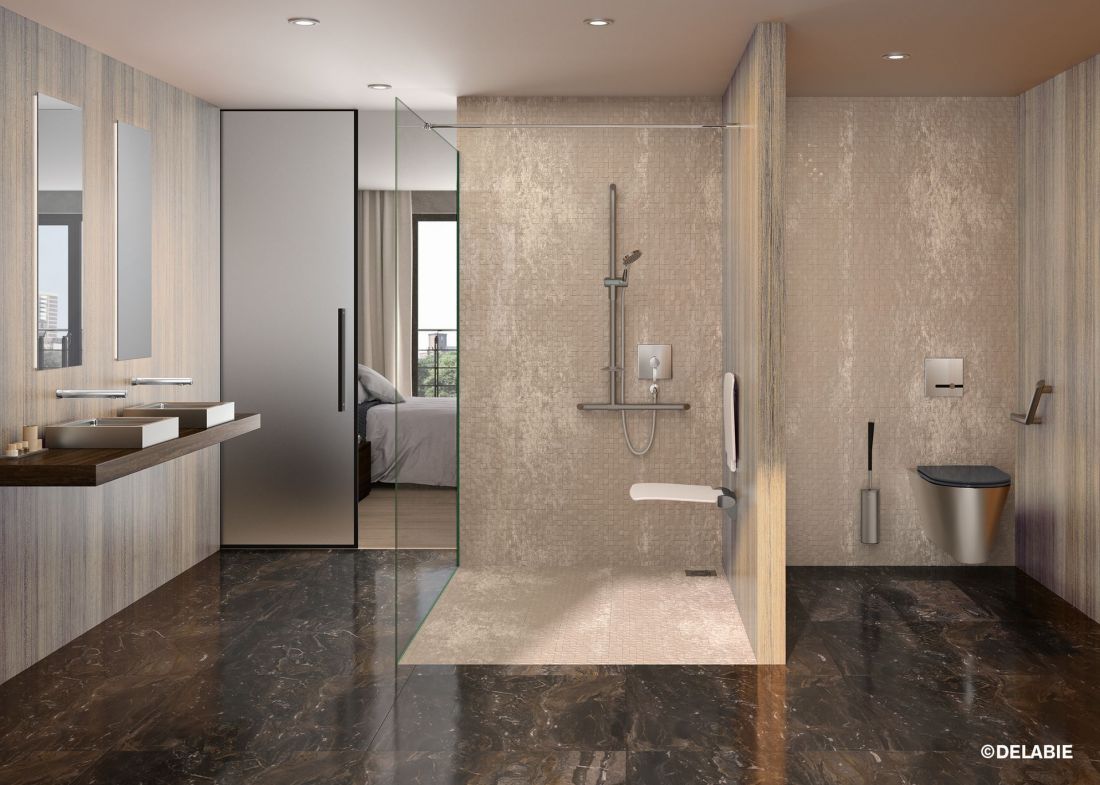
It’s increasingly recognized that the most eco-friendly product is one that doesn’t need to be constantly replaced. In practice, this means choosing durable fixtures that are easy to maintain and designed for long-term use.
This is particularly important for public facilities. Intensive use requires solutions that are extremely resistant to wear and tear, vandalism, and frequent cleaning. At the same time, investors expect that, if necessary, equipment can be repaired rather than replaced and discarded.
Design with Delabie—so that TOMORROW makes sense!
© DELABIE
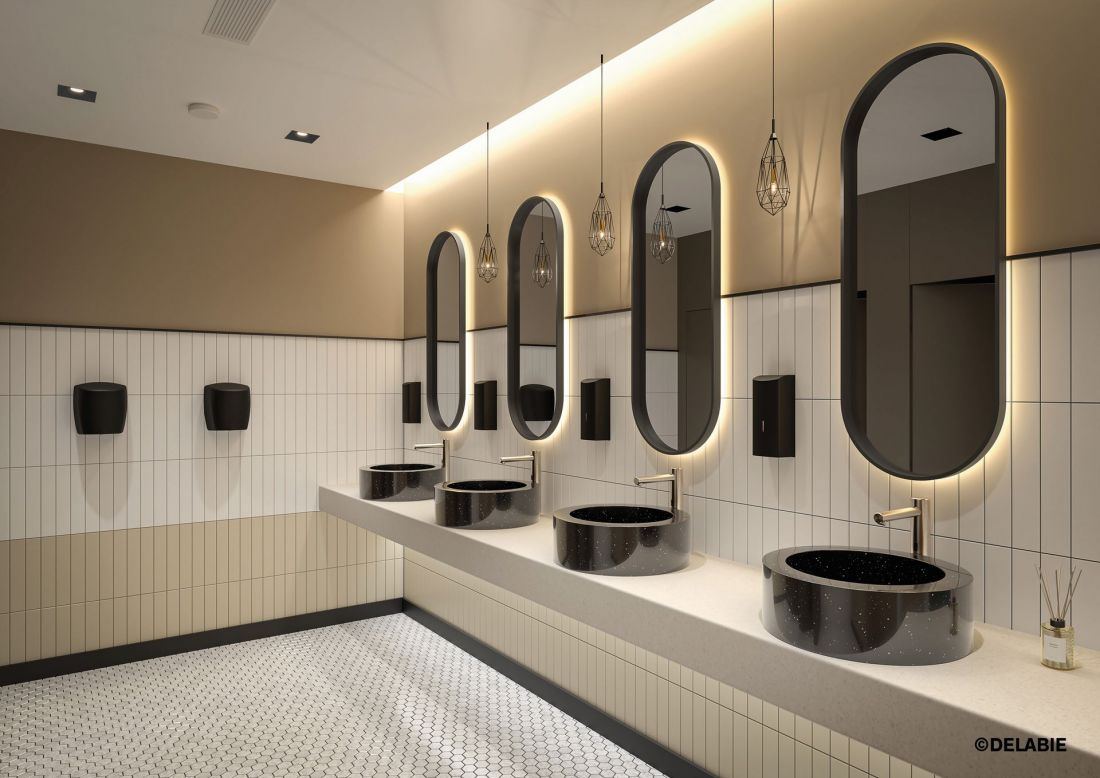
That is why increasing importance is being placed on the availability of replacement parts and the ability to provide rapid service. Standardized components, interchangeable heads, and modular device designs significantly extend their service life and reduce waste.
It is precisely this durability that is becoming one of the most important environmental parameters today. A product that can function for several decades has a much smaller environmental impact than a solution that requires regular replacement.
Design with Delabie—so that TOMORROW makes sense!
© DELABIE
The future begins on the drawing board…
Sustainability in architecture is no longer just about meeting standards or obtaining certifications. It’s a way of thinking about a building as a whole—from the choice of materials, through resource consumption, to the possibility of repairing and reusing the solutions employed.
The bathroom space is becoming one of the key pieces of this puzzle. Properly selected fixtures help reduce water and energy consumption, lower operating costs, and extend the building’s lifespan.
In 2026, eco-friendly solutions are no longer just an add-on to a design. They are an integral part of it—and one of the most important tools in the hands of an architect who wants to create buildings that are durable, functional, and environmentally responsible.
Find out how you can save water with a pressure-flush toilet:
For more information, visit the DELABIE website on the PdA portal.