






Can agriculture save a city? Patrycja Moszczynska of Wydział Architektury Politechniki Warszawskiej created a project in which degraded land on brownfield sites is given new life through an urban agriculture complex. Her work won first place in a national competition for a pro-environmental diploma.
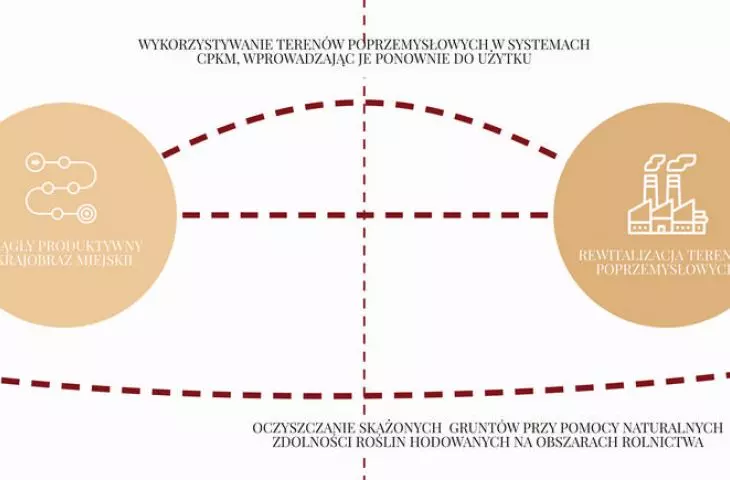
Patrycja Moszczynska explores the idea of urban agriculture. The project involves the creation of the concept of a Continuous Productive Urban Landscape (CPKM), in which an infrastructure is created that connects agricultural initiatives and allows individual sites to support each other.
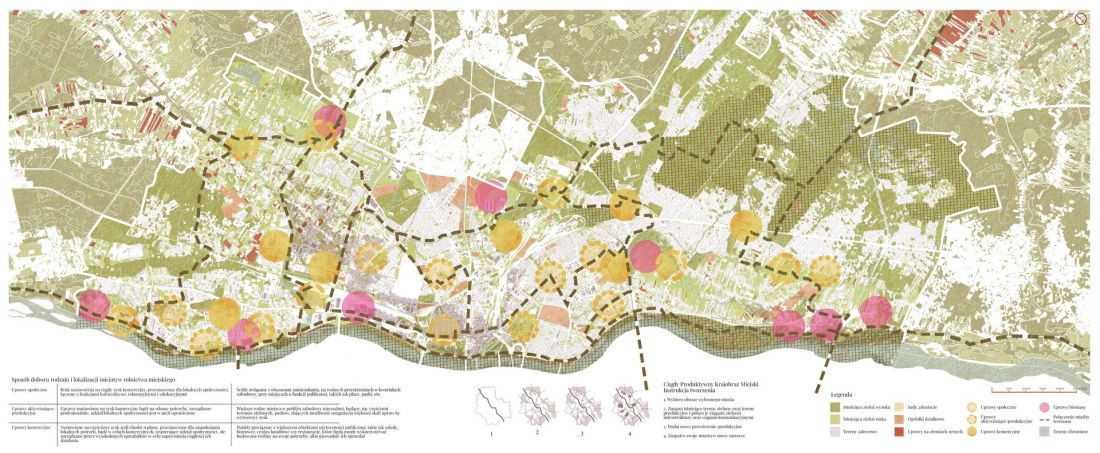
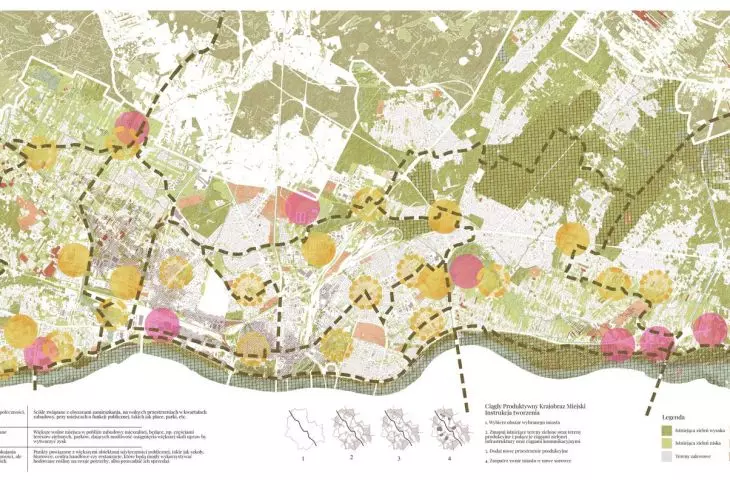
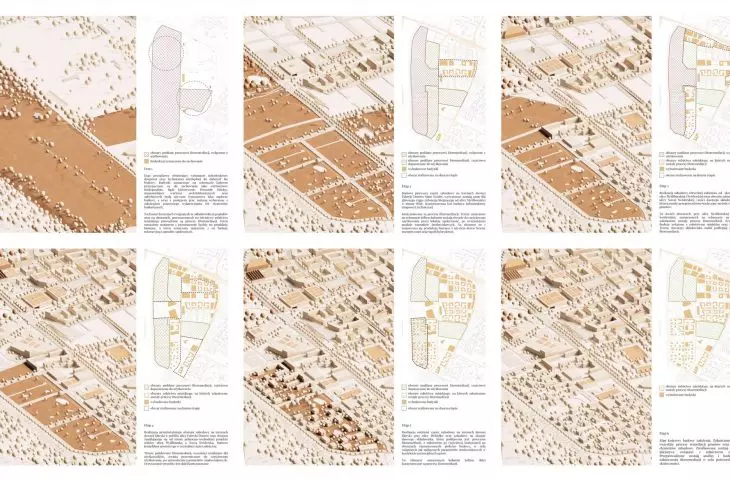
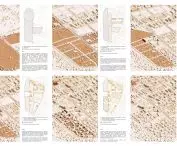
CPKM for the right bank of Warsaw with a description of production sites, their categorization and the stages of the process of designing such systems
proj.: Patrycja Moszczyńska
How to reclaim degraded land?
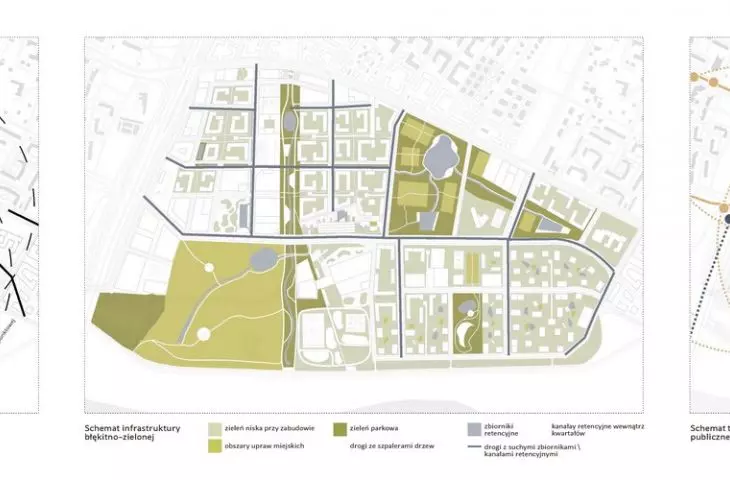
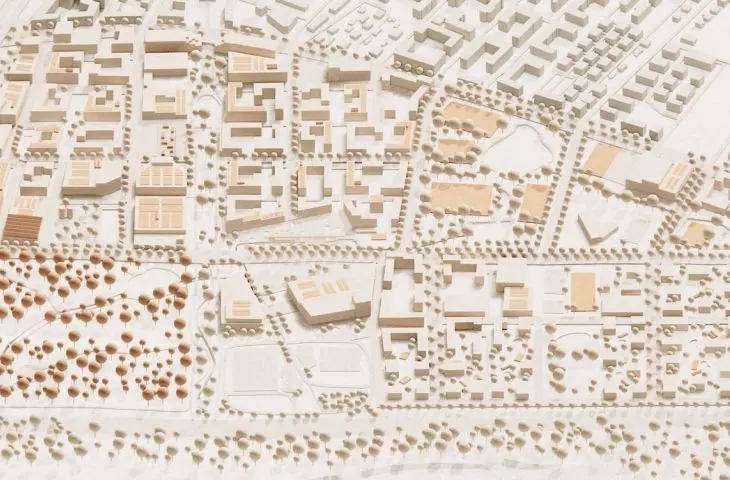
In the design part of her work, Patrycja Moszczyńska created a CPKM system for the right bank of Warsaw, as well as a detailed functional and spatial concept for the area of Stare Świdry - a post-industrial area associated with the House Factory, as well as a disused landfill of ashes from the "Żerań" thermal power plant.
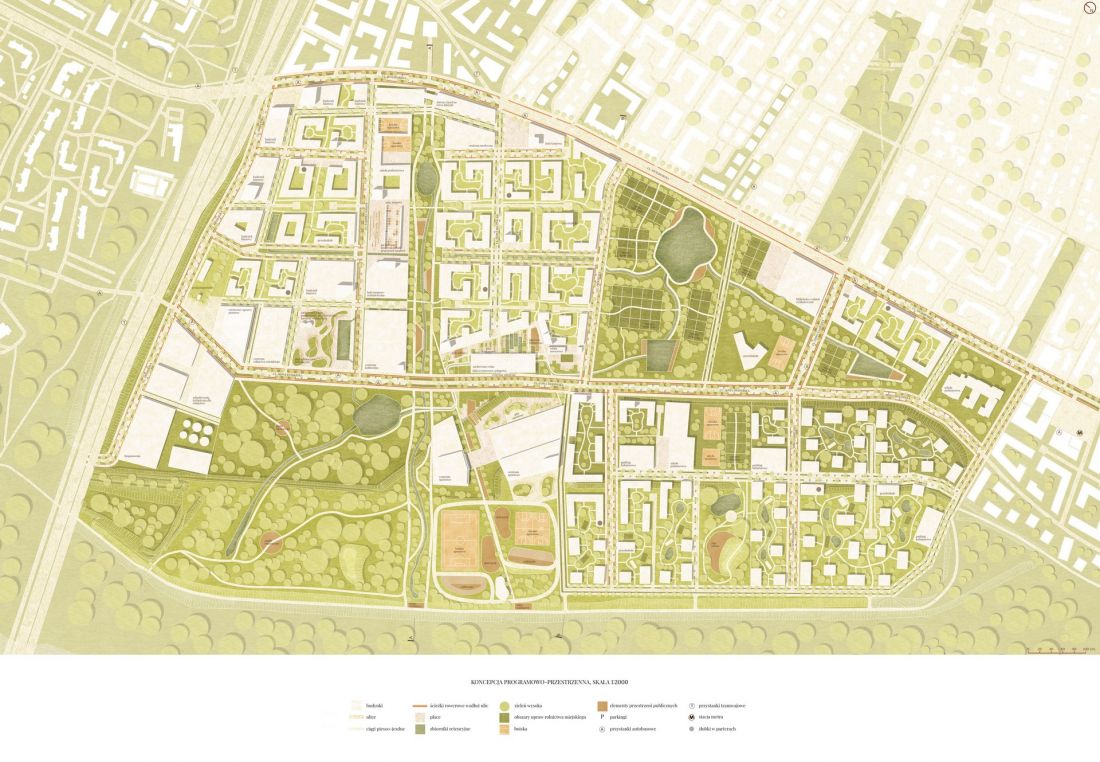
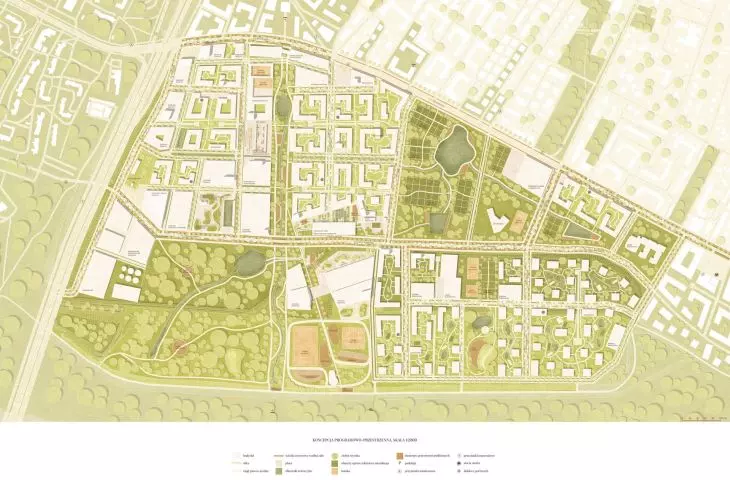
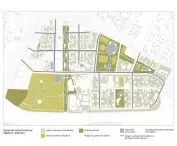
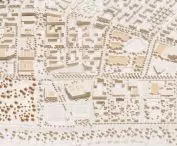
masterplan
designer: Patrycja Moszczyńska
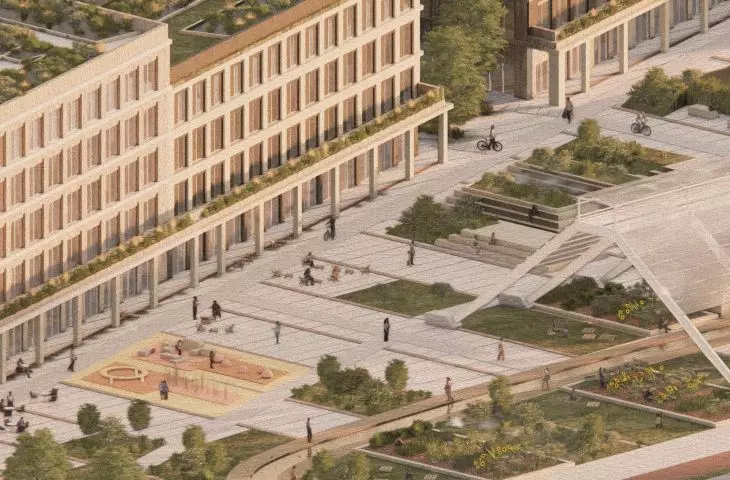
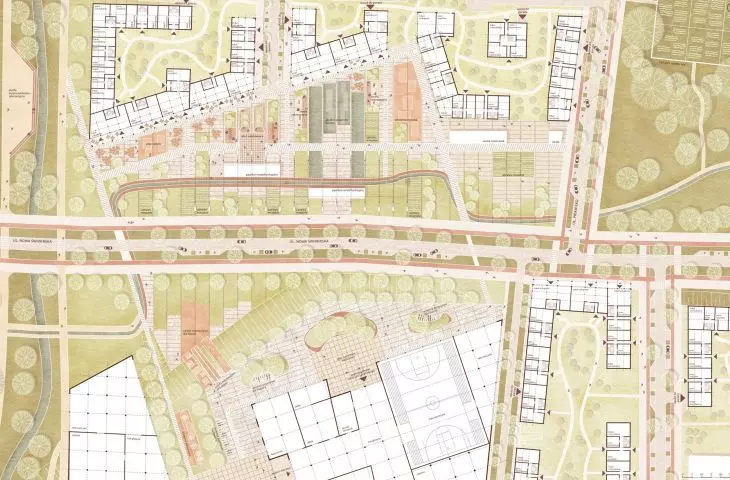
In the study area, the author proposed a multifunctional complex. It includes both residential development and buildings performing functions missing in the area - office, service and commercial, recreational and cultural development. It is connected by a new, coherent communication system and blue-green infrastructure, including, of course, areas of productive greenery, as well as recreational areas.
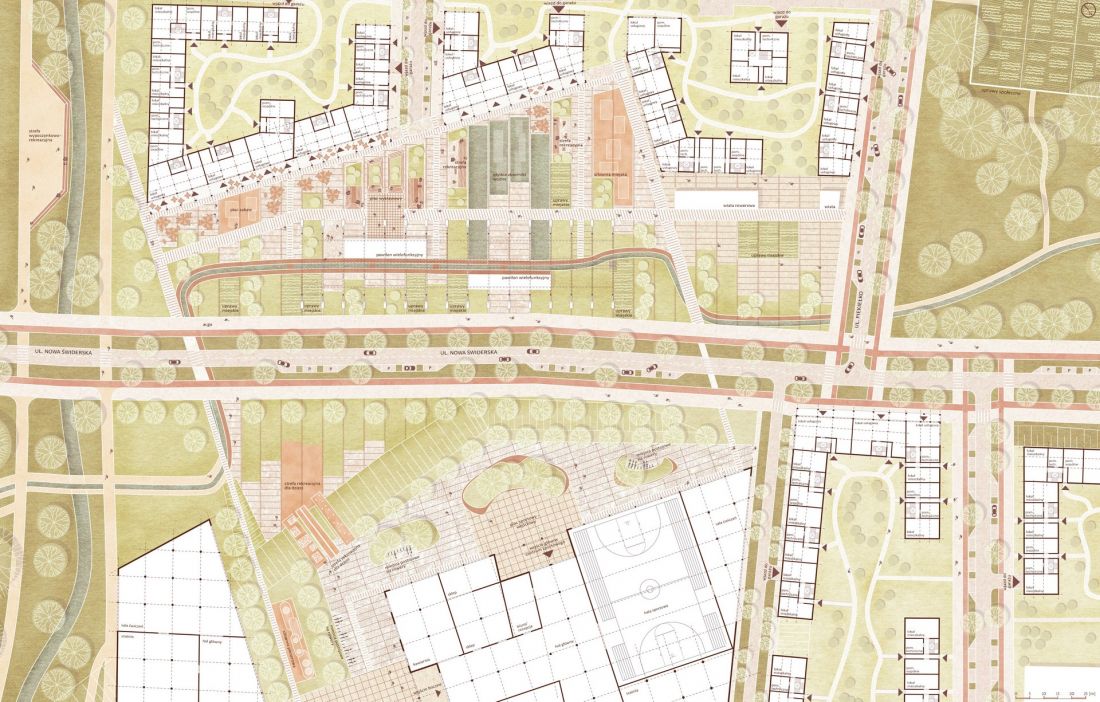
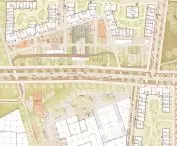
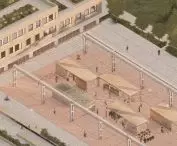
projection - central part
proj.: Patrycja Moszczyńska
The project is divided into five functional zones with a central core space. The center is distinguished by a viewing axis defined by the left edge, which runs towards the Vistula River and opens to the dome of the Camaldolese church.
strength in local activities
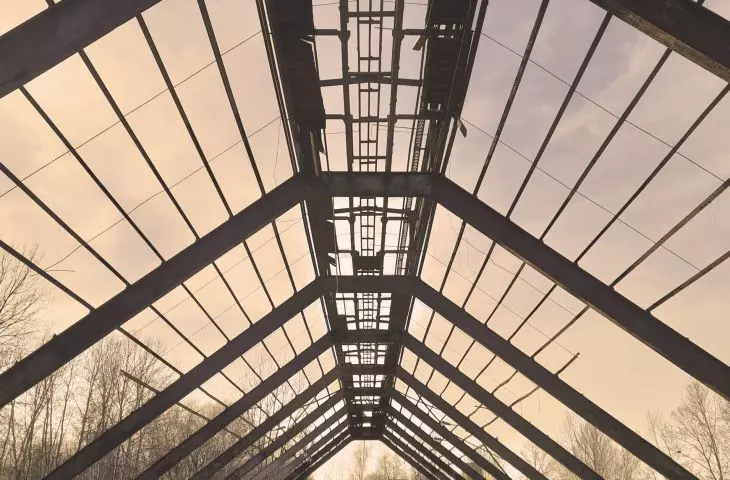
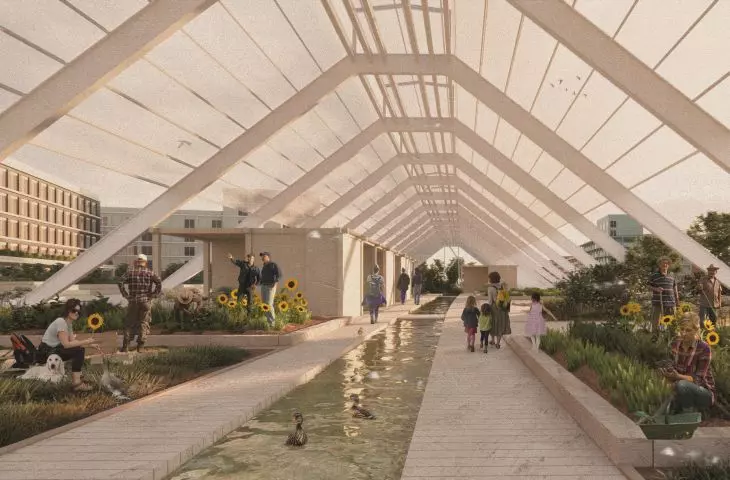
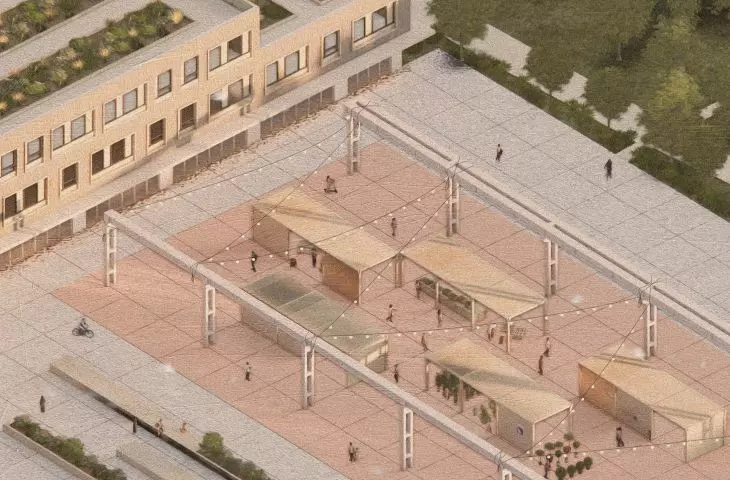
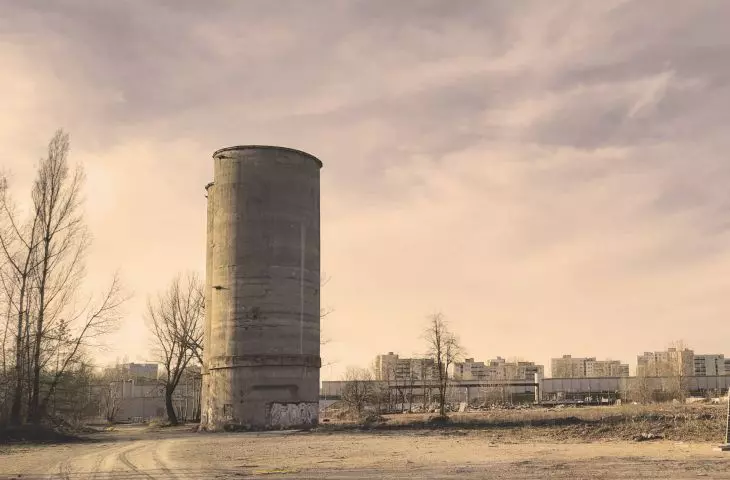
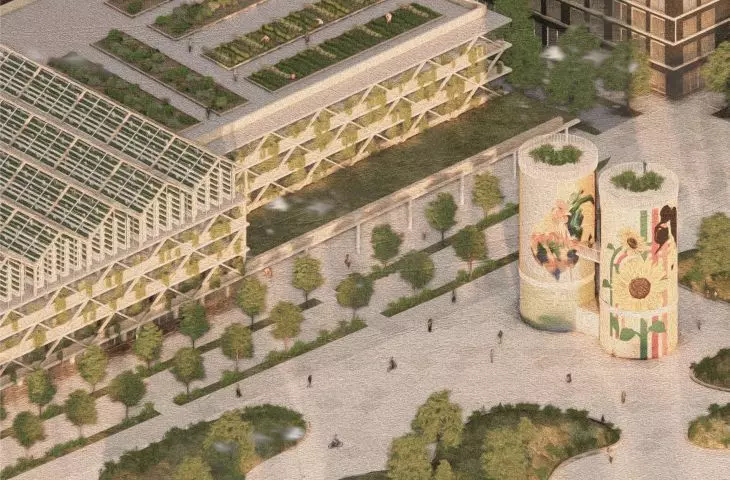
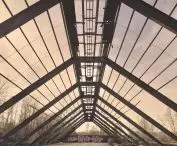
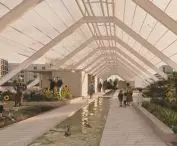
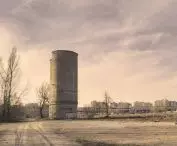
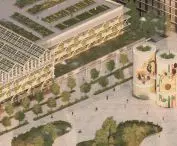
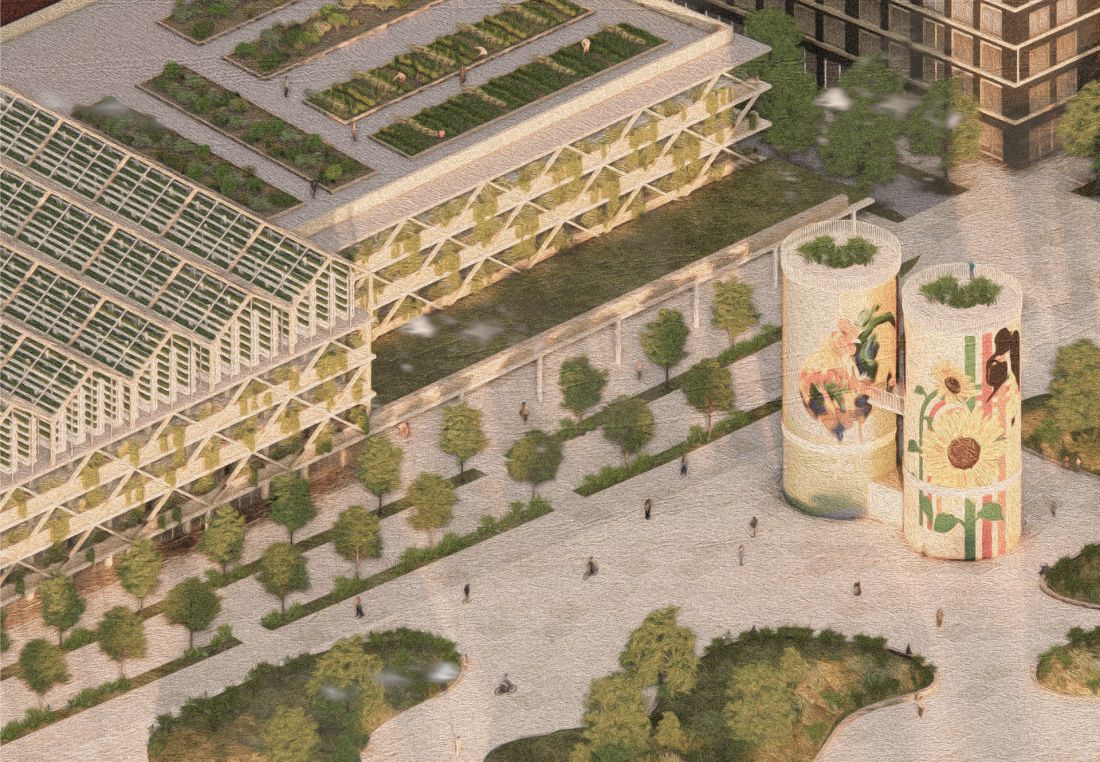
The adaptation of the existing structures in the development area allowed the site's industrial heritage to be preserved. A former factory hall has been turned into a local market, and two silos have been used to house a café and observation deck.
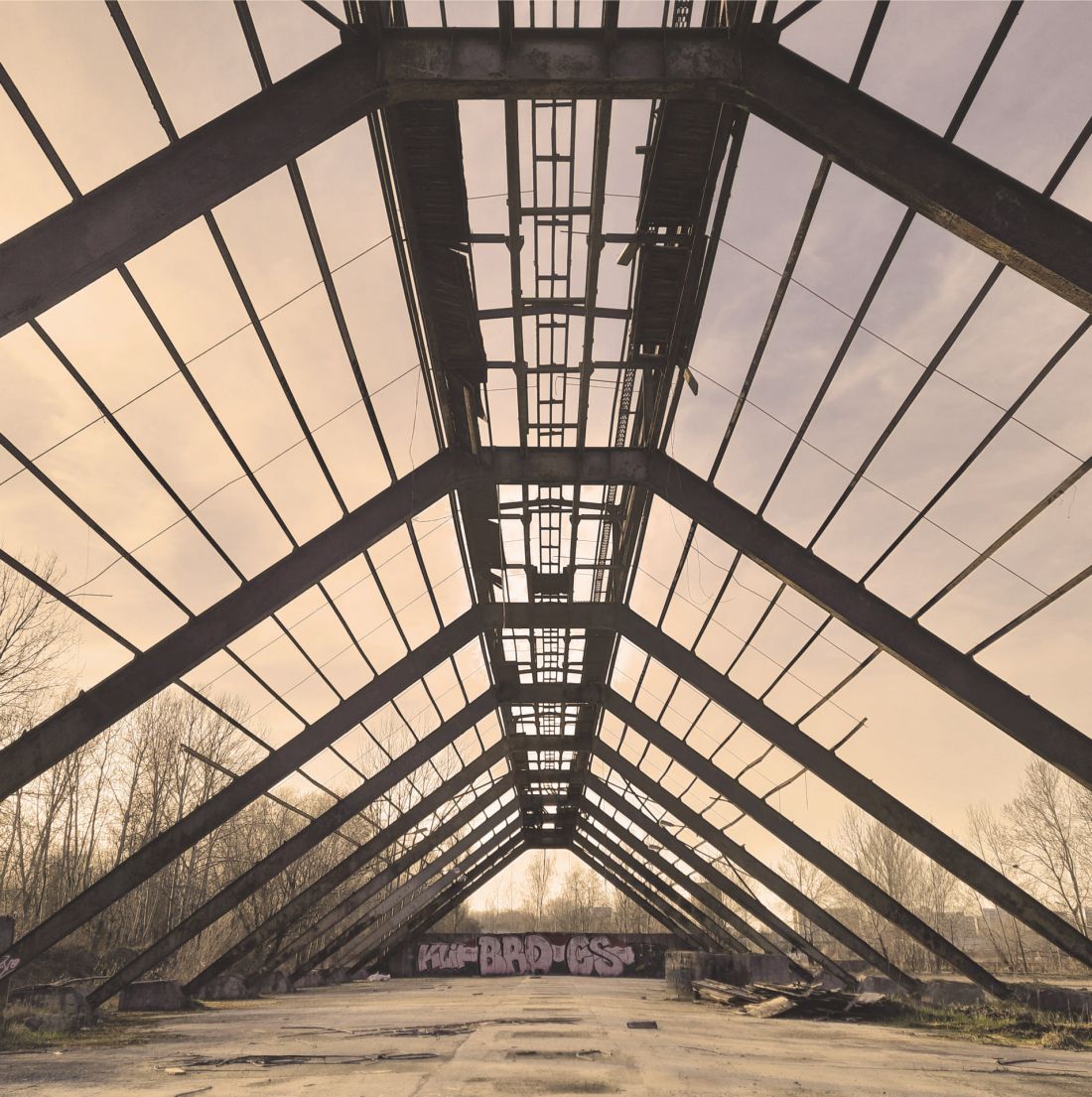
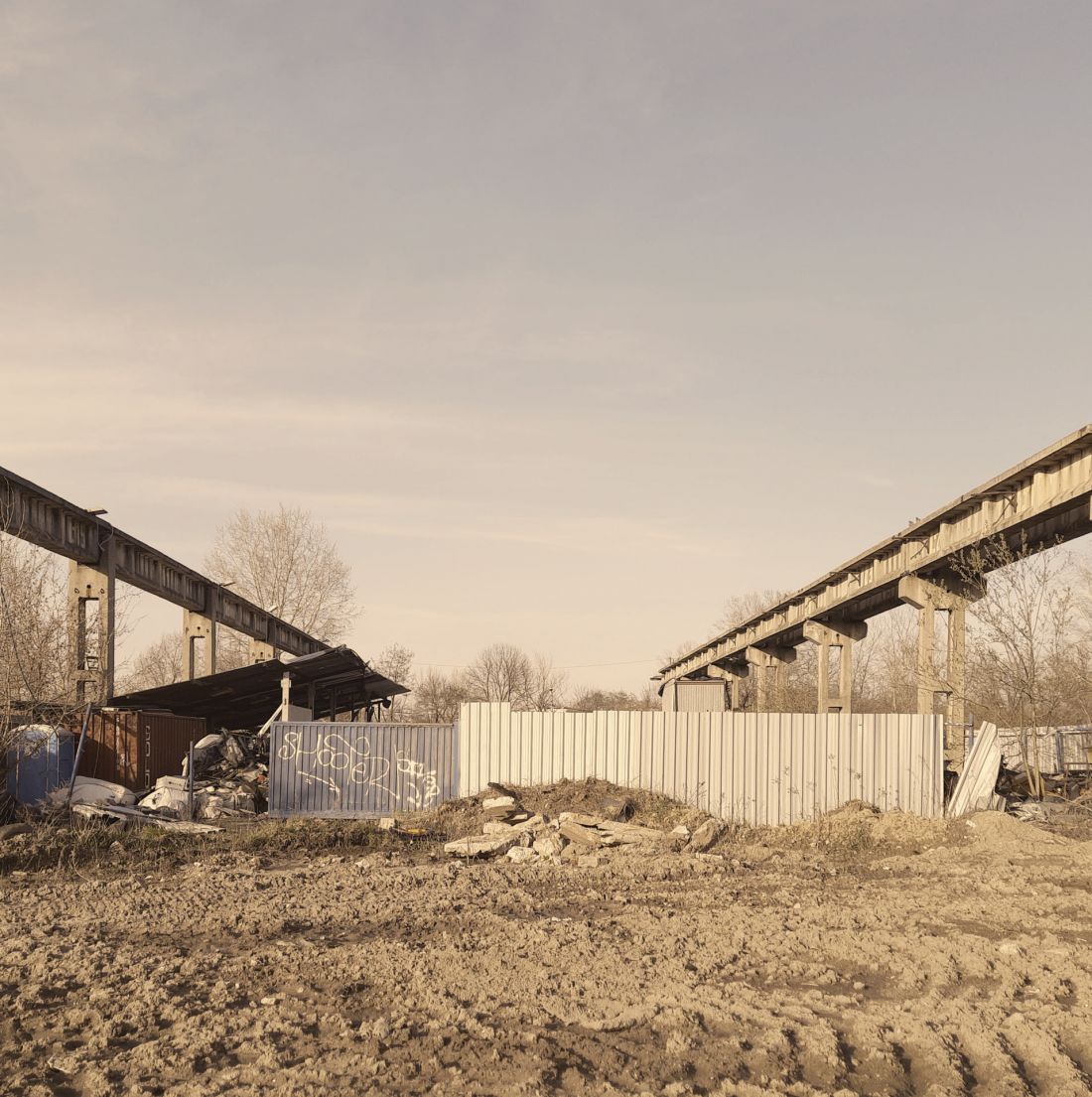
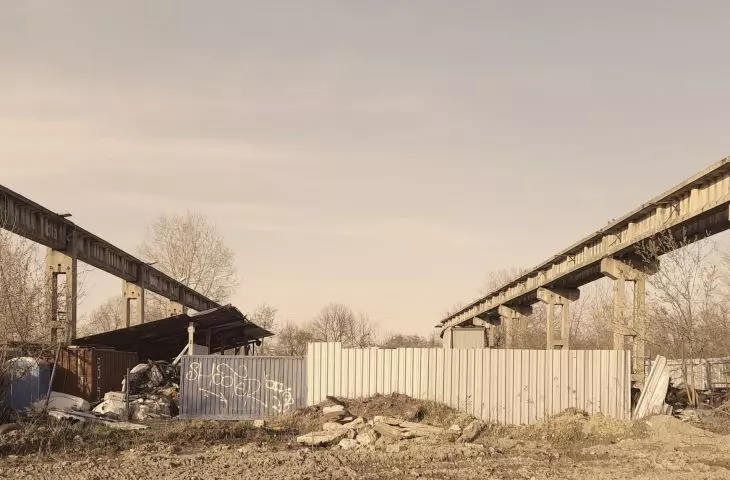
Photo of the current state of the former factory roof structure
proj.: Patrycja Moszczyńska
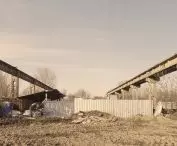
photo of the remains of one of the factory buildings
proj.: Patrycja Moszczynska
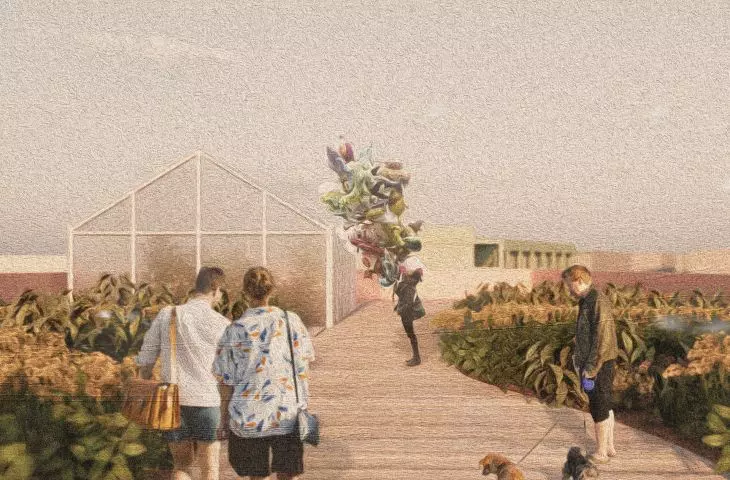
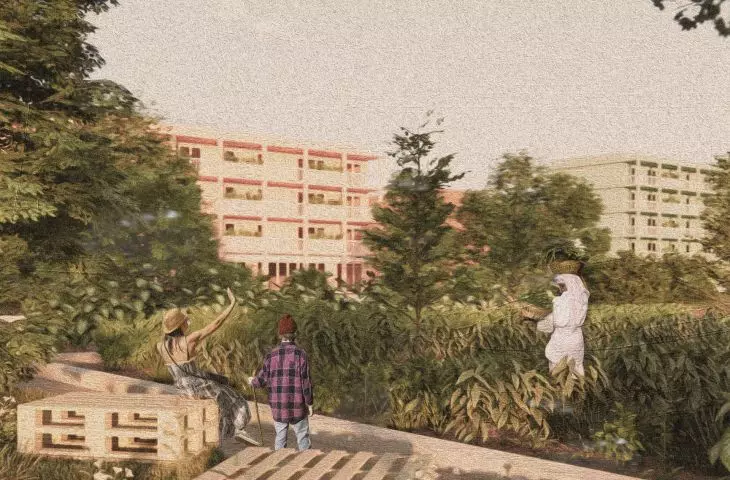
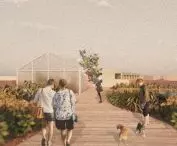
The basis of the development, however, are agricultural spaces - community gardens and biomass crops, used to cover the energy needs of the complex.
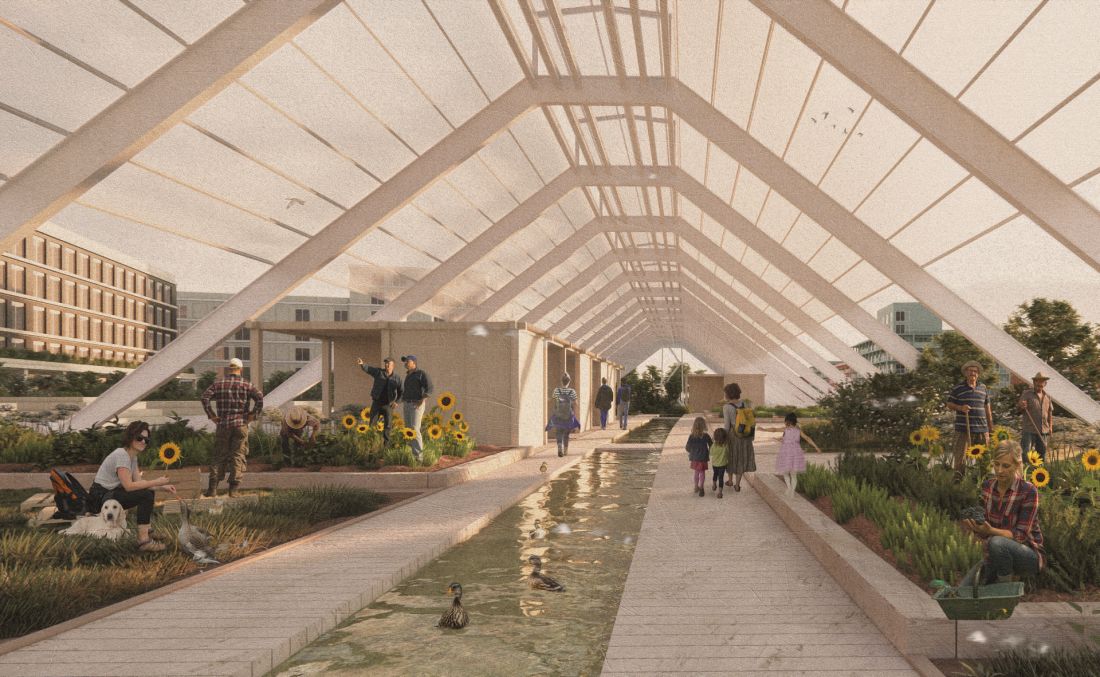
A visualization showing a proposal to transform this structure into a facility with exhibition and service functions
proj.: Patrycja Moszczyńska
The author envisioned the next stages of the project, in which phytoremediation processes will be applied - in this way degraded land will be transformed for future housing and urban cultivation.
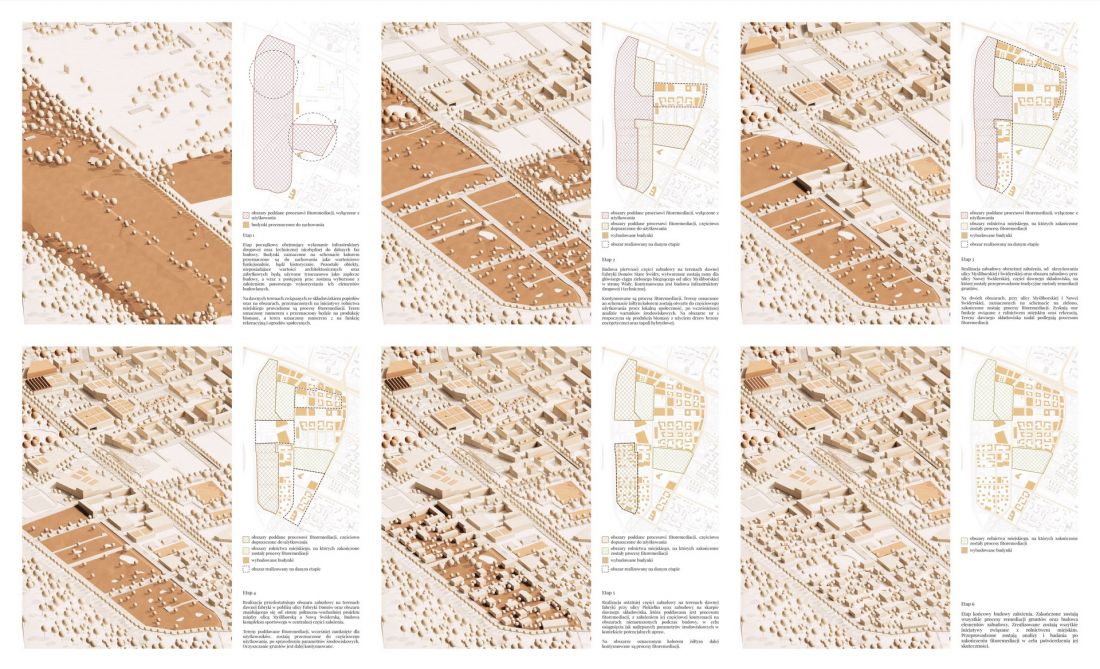
phasing
proj.: Patrycja Moszczynska
The work is extremely mature. The author consistently moves through the different scales: planning, urban planning and architecture showing an effective method of building the so-called Continuous Productive Urban Landscape (CPKM) of urban cultivation as an element of creating a reslient, circular and environmentally responsible city [...]. Ms. Patricia, in her graduation project, proved that urban agriculture "is a key issue [...] in sustainable and circular urban development
- reads an excerpt from the jury's justification.
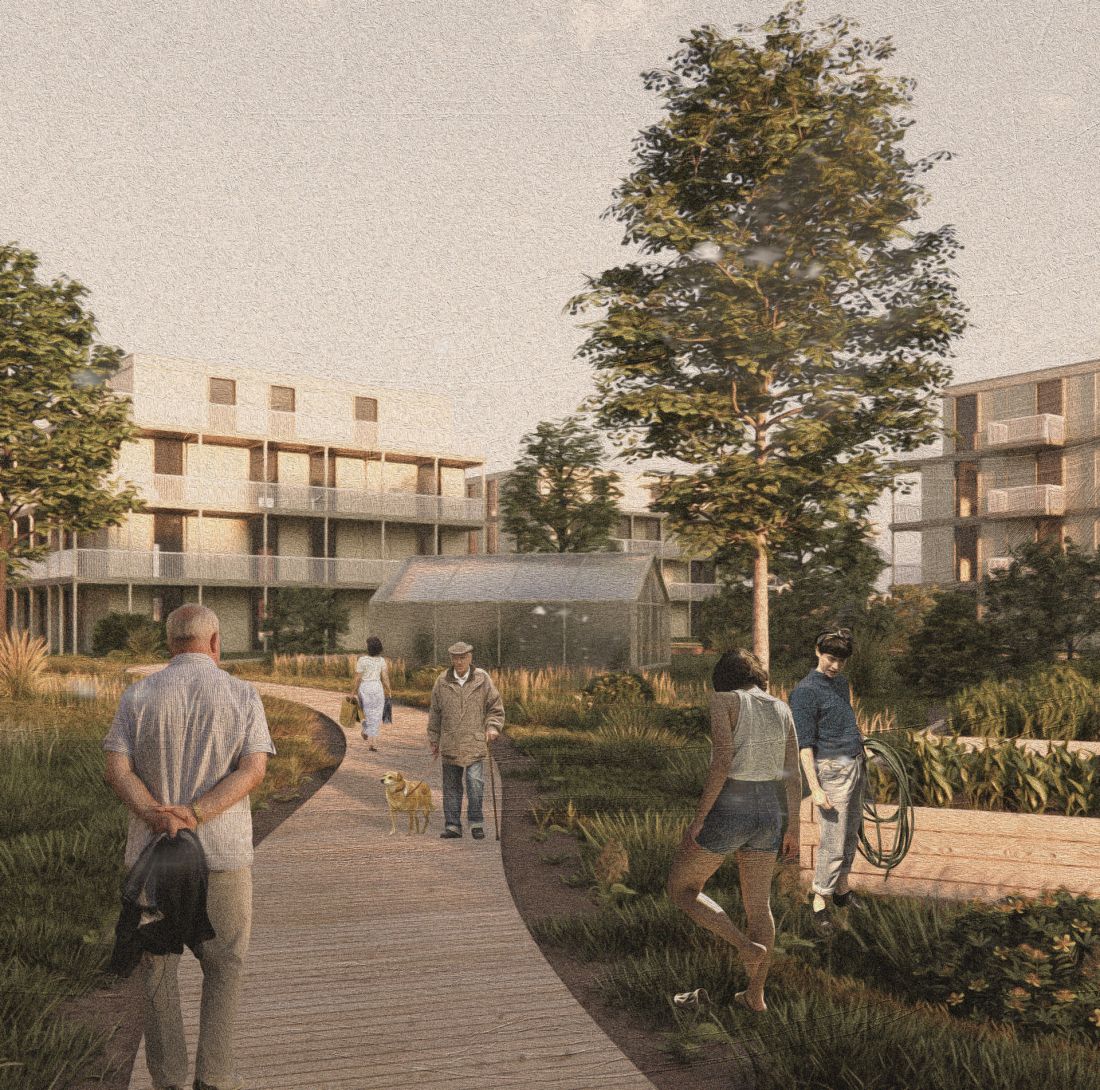
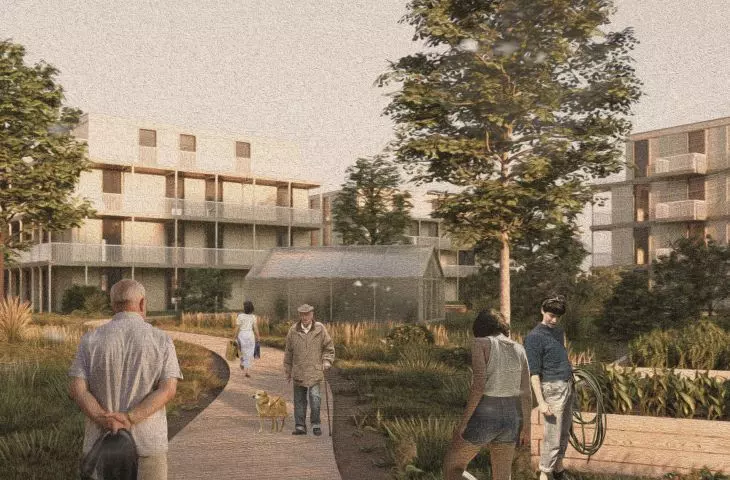
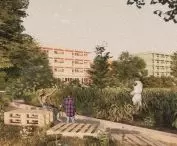
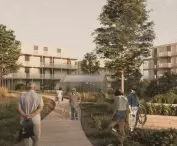
visualization of a multifamily development with elements of cultivation located between buildings
designed by Patrycja Moszczyńska
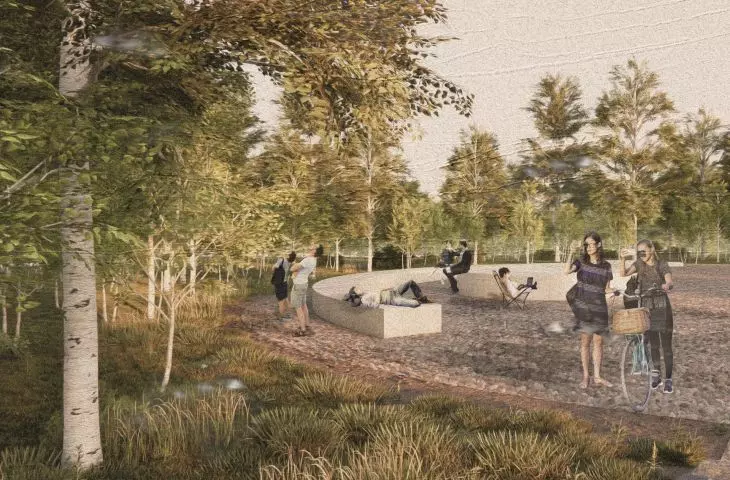
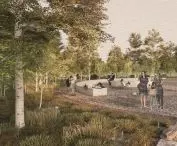
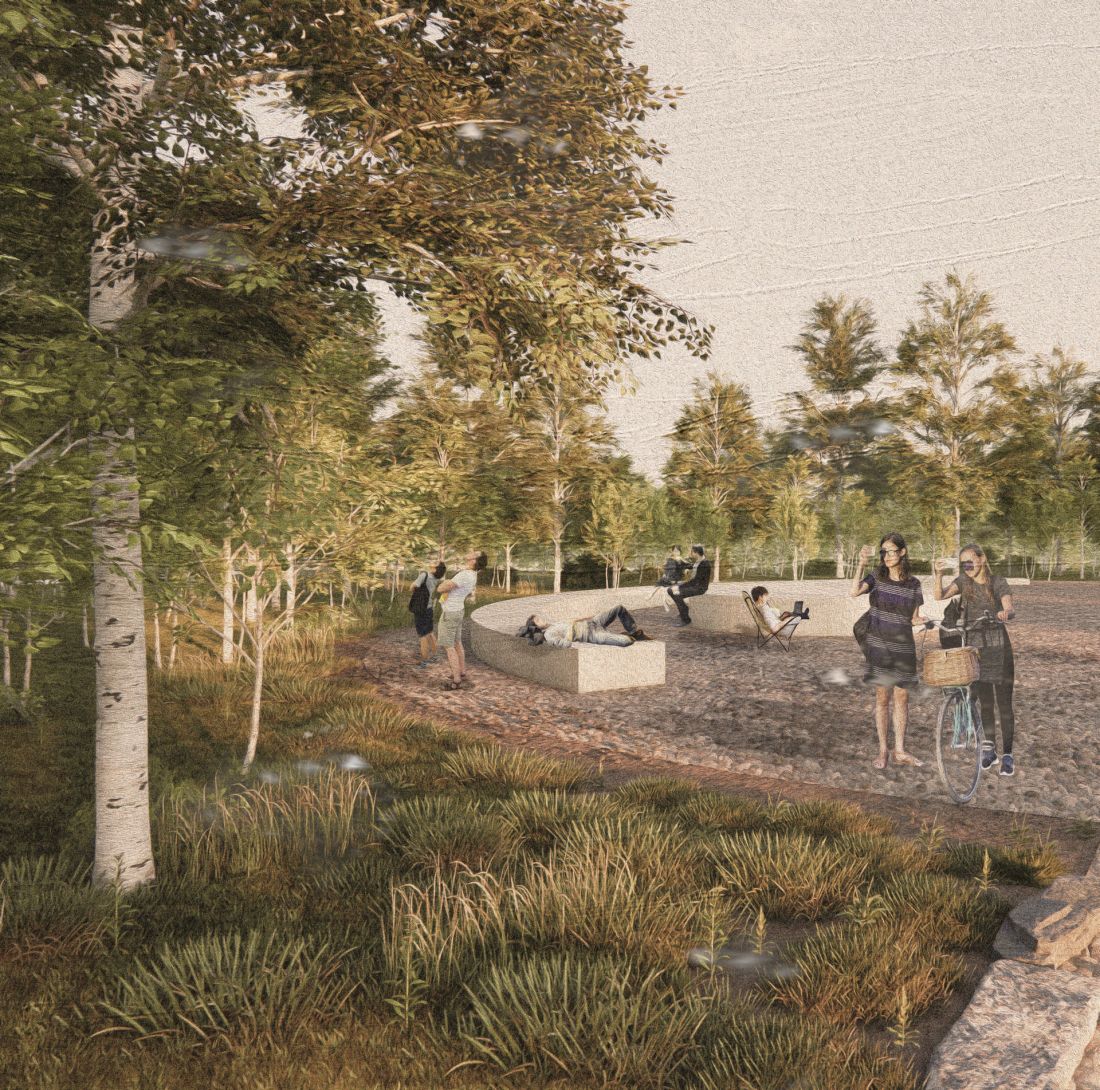
visualization of an area with biomass crops combined with recreational spaces
proj.: Patrycja Moszczynska
The author emphasizes how many advantages on a social, environmental and cultural level urban agriculture has. Cultivation of crops in urban spaces has not only economic benefits, but also has a positive impact on the quality of life of residents and the condition of the ecosystem.
The project won first place in the master's degree category in the national competition for a pro-environmental diploma organized by the Warsaw University of Technology. The thesis was promoted by Dr. Artur Jerzy Filip. Congratulations!
Maria Cipińska
See other projects awarded in the National competition for a pro-environmental diploma:
- Justyna Zwiernik - "Ecological urban villa in Bartoszowice".
- Zofia Sobieraj - "Rural Housewives' House. Resident's center in Moja Wola "
- Wiktor Sawoch - "Concept for a passive residential building on the site of a former textile factory in the Czech village of Brnenece."
- Paweł Białas - "Design proposal for the development of the heap area in Zabrze-Biskupice".