









Modern architecture is increasingly redefining the role of heating and cooling systems. They are no longer just a technical installation, but an integral part of space design that affects the comfort of users, the energy efficiency of the building and its aesthetics. In this context, Jaga's solutions fit into an approach in which technology remains at the service of architecture.
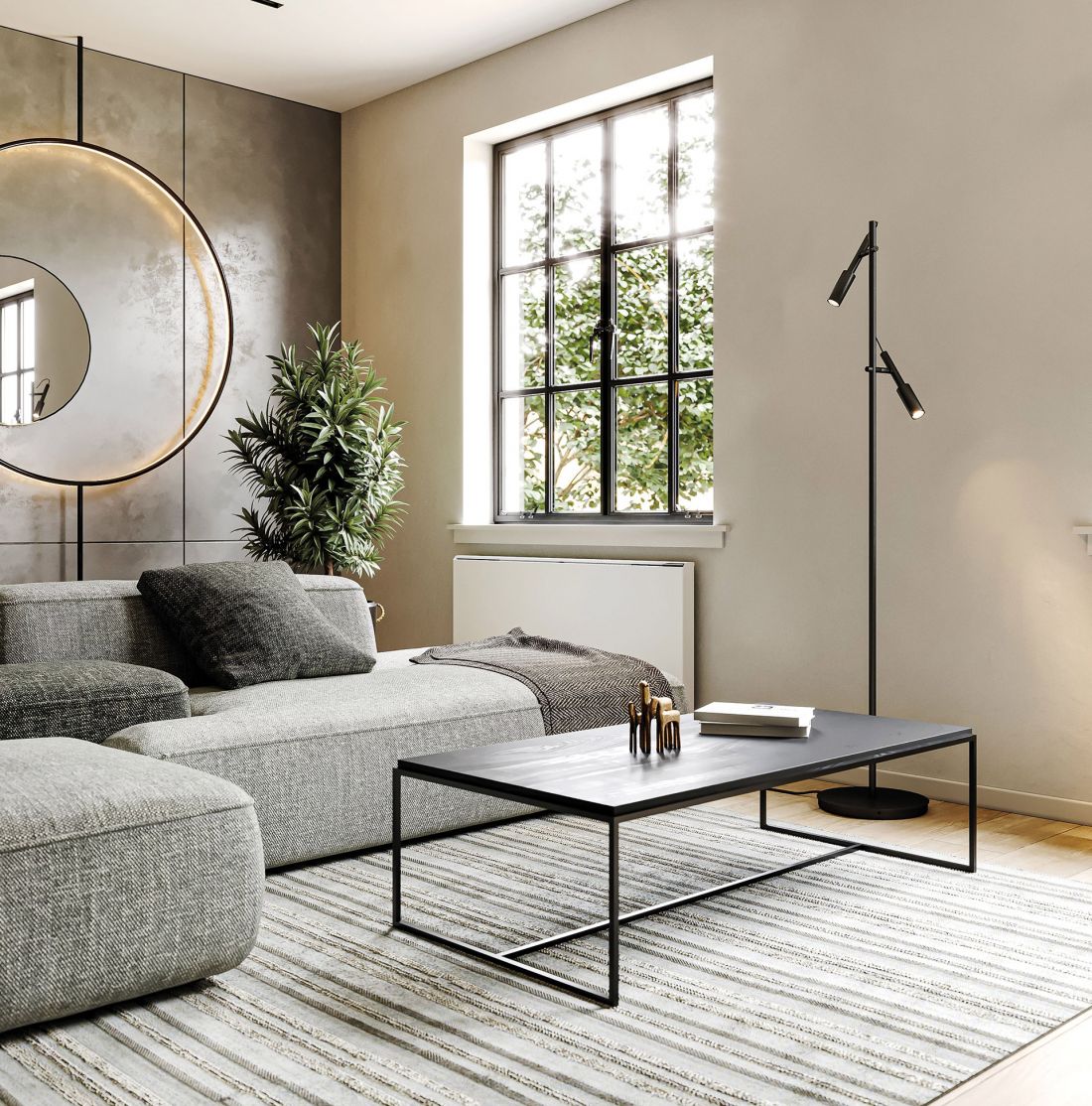
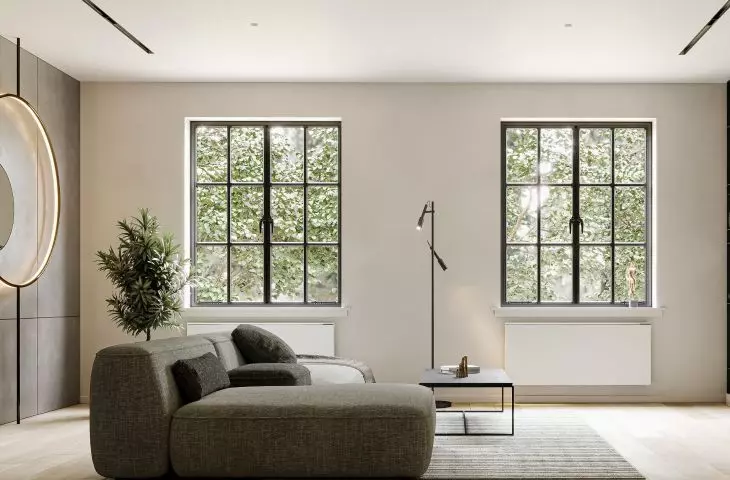
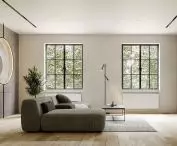
Jaga's Briza Net Zero radiator, wall-mounted version
© JAGA
The development of low-energy construction and the growing popularity of heat pumps are changing the way installations are designed. Systems that operate at low flow temperatures, are able to respond quickly and provide both heating and cooling are becoming crucial. Low-H2O technology, based on a minimum amount of water in the exchanger, is the answer to these needs, allowing dynamic temperature control and reducing thermal inertia.
Combined with Dynamic Boost Hybridsolutions, using low-noise fan support, it is possible to achieve high power output while keeping the units compact. As a result, heating and cooling systems can be designed more flexibly without compromising on space.
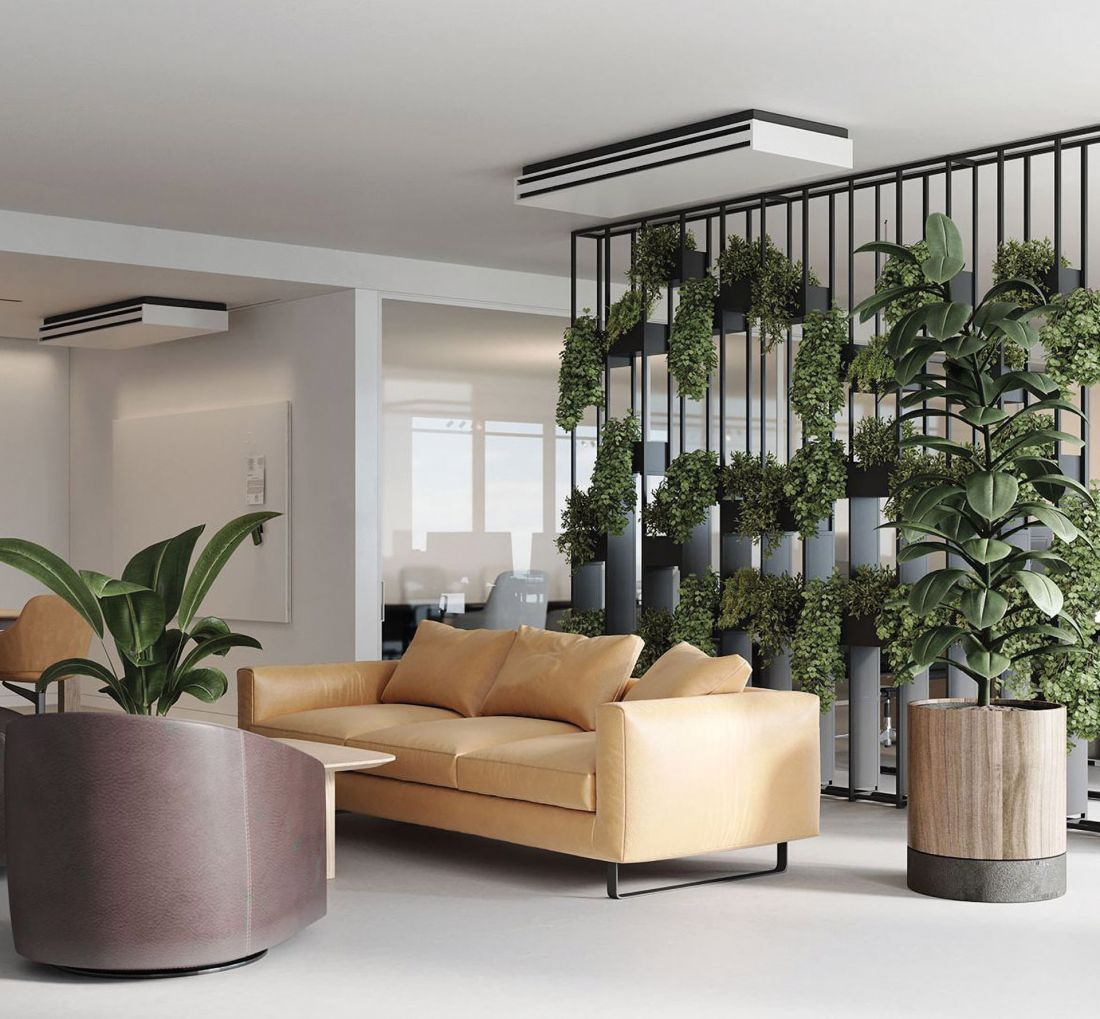
Jaga's Briza Net Zero radiator, ceiling version
© JAGA
Briza Net Zero - an integrated approach to interior climate
The Briza Net Zero is an example of a device that combines heating and cooling functions in a single system. This makes it possible to maintain stable indoor conditions throughout the year, while working with low-temperature installations. An important aspect is not only the efficiency, but also the nature of operation - quiet, even air distribution directly affects the perceived comfort of the user.
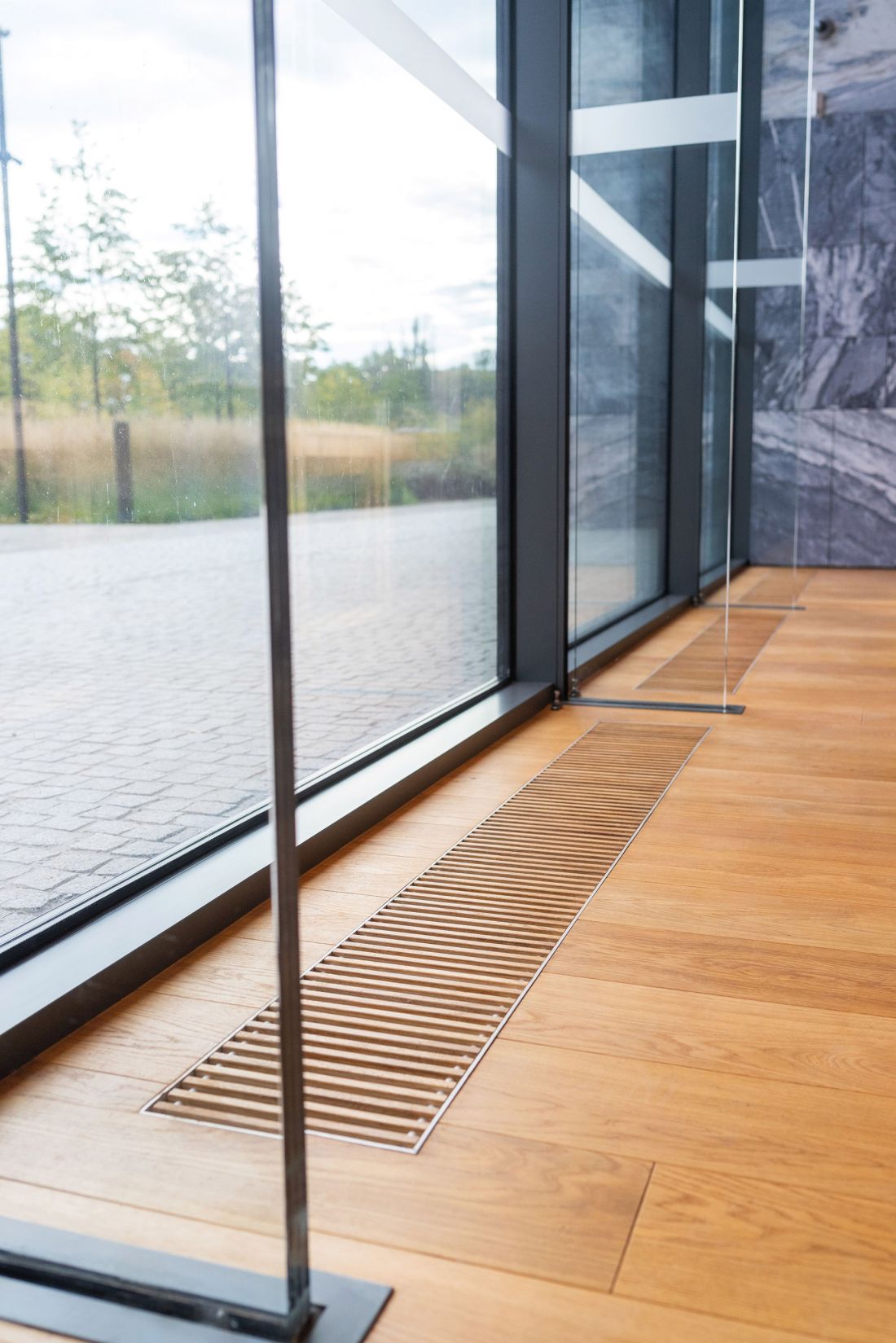
Jaga duct heater
© JAGA
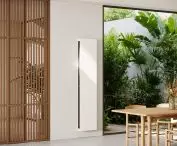
Vertilina Hybrid - vertical form as a design alternative
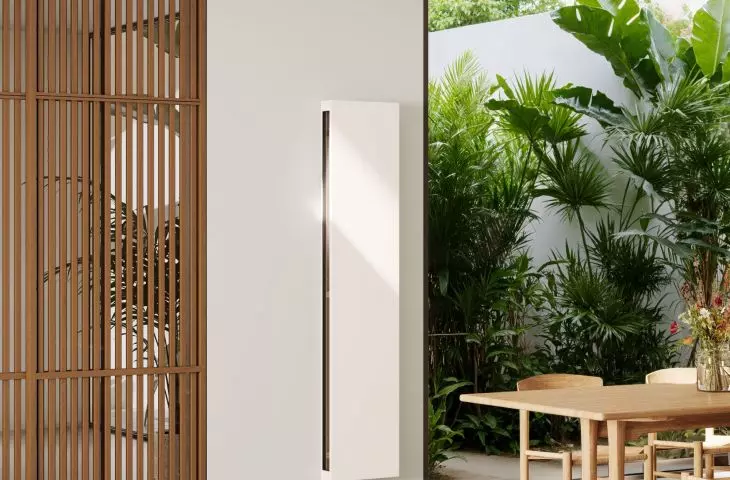
The Vertilina Hybrid radiator introduces new design possibilities for vertical heating elements. Its slender 41 cm wide form allows it to integrate into the layout of a space without dominating it visually. At the same time, the unit offers both heating and cooling without condensation, making it a year-round solution. Unidirectional airflow and fast system response contribute to the comfort and predictability of the system's operation.
Strada Hybrid - adaptability in plant design
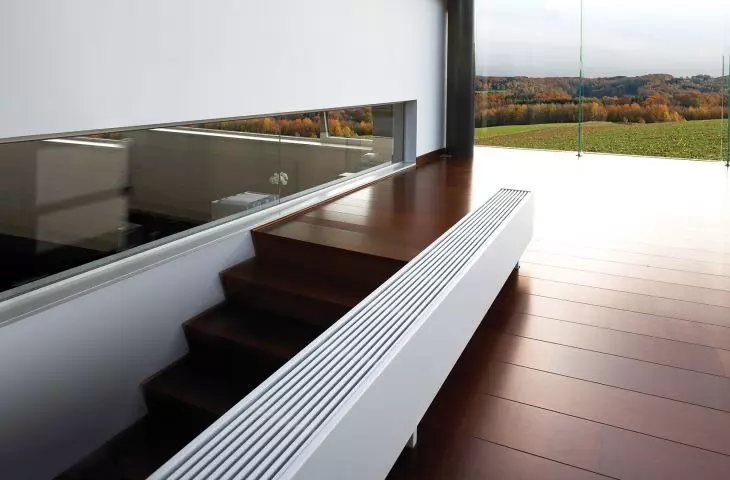
Strada Hybrid provides a versatile solution to adapt the system to different building types and design objectives. The ability to choose between dynamic and static versions allows you to consciously shape the operating characteristics of the installation - from maximum efficiency to completely passive, noiseless operation.
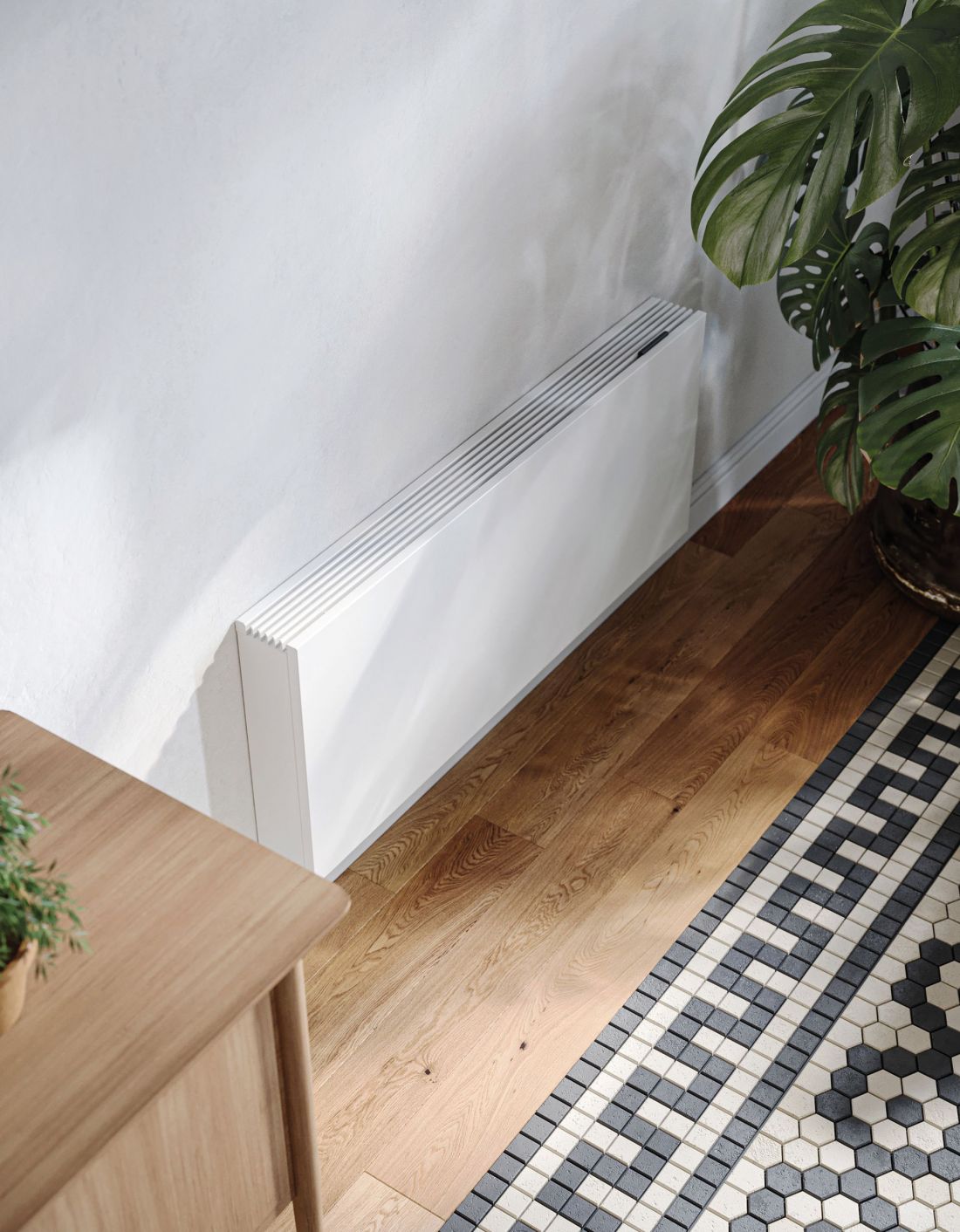
Jaga Strada Hybrid MM radiator
© JAGA
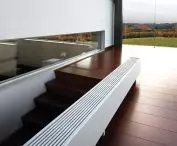
Clima Canal and Mini Canal PRO - integration with glazing architecture
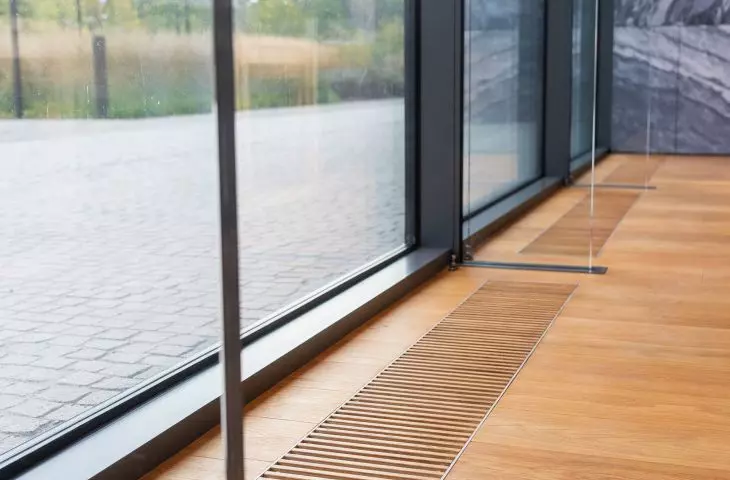
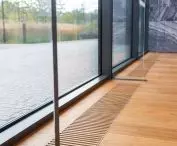
Modern projects are increasingly using large glazings that require precise thermal comfort management. Duct solutions such as Clima Canal and Mini Canal PRO allow for the discreet introduction of a heat source in the window zone. Depending on your needs, it is possible to use dynamic or static systems, with minimal interference with interior aesthetics.
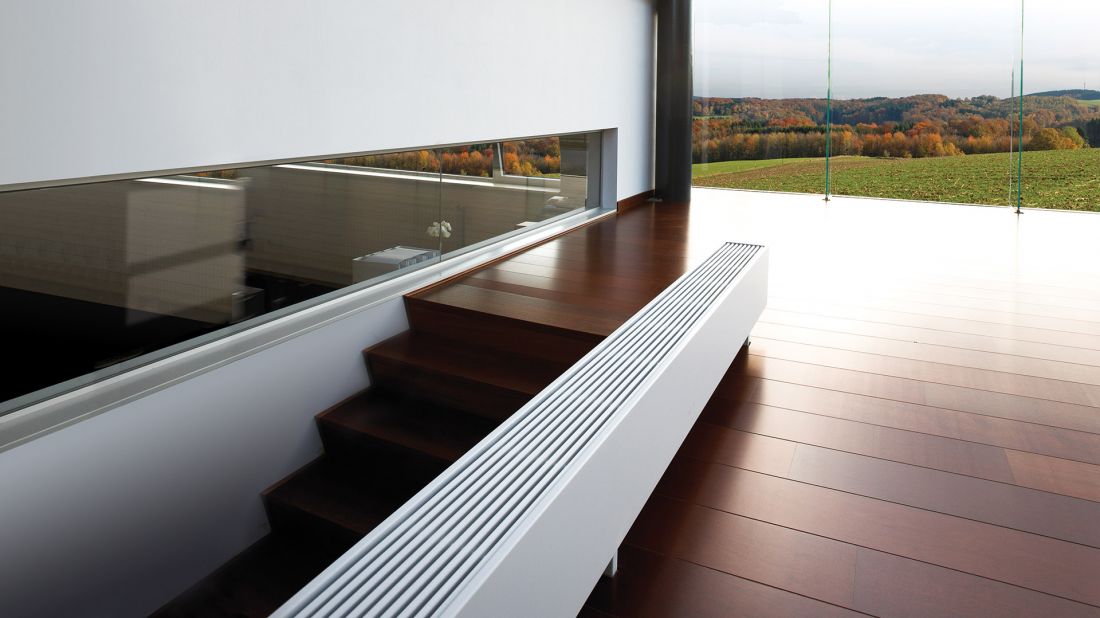
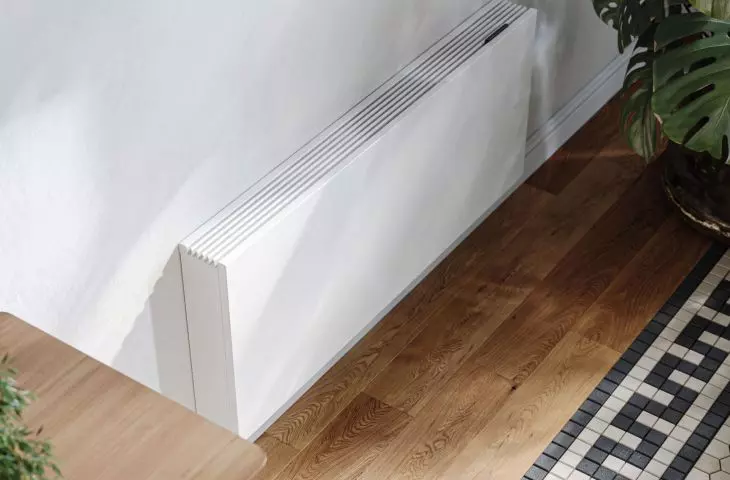
Mini Jaga Standing Radiator
© JAGA
Mini - the answer to space limitations
The Mini radiator is an example of a solution created for projects where available space is limited. The unit's low height allows it to be used where traditional systems can't find space, without sacrificing performance.
Recessed solutions - invisible infrastructure
Reducing visible technical components is increasingly important in architecture. Jaga's built-in systems make it possible to completely conceal installations, leaving the architecture fully free to express itself. At the same time, full functionality and the ability to precisely control internal conditions are retained.
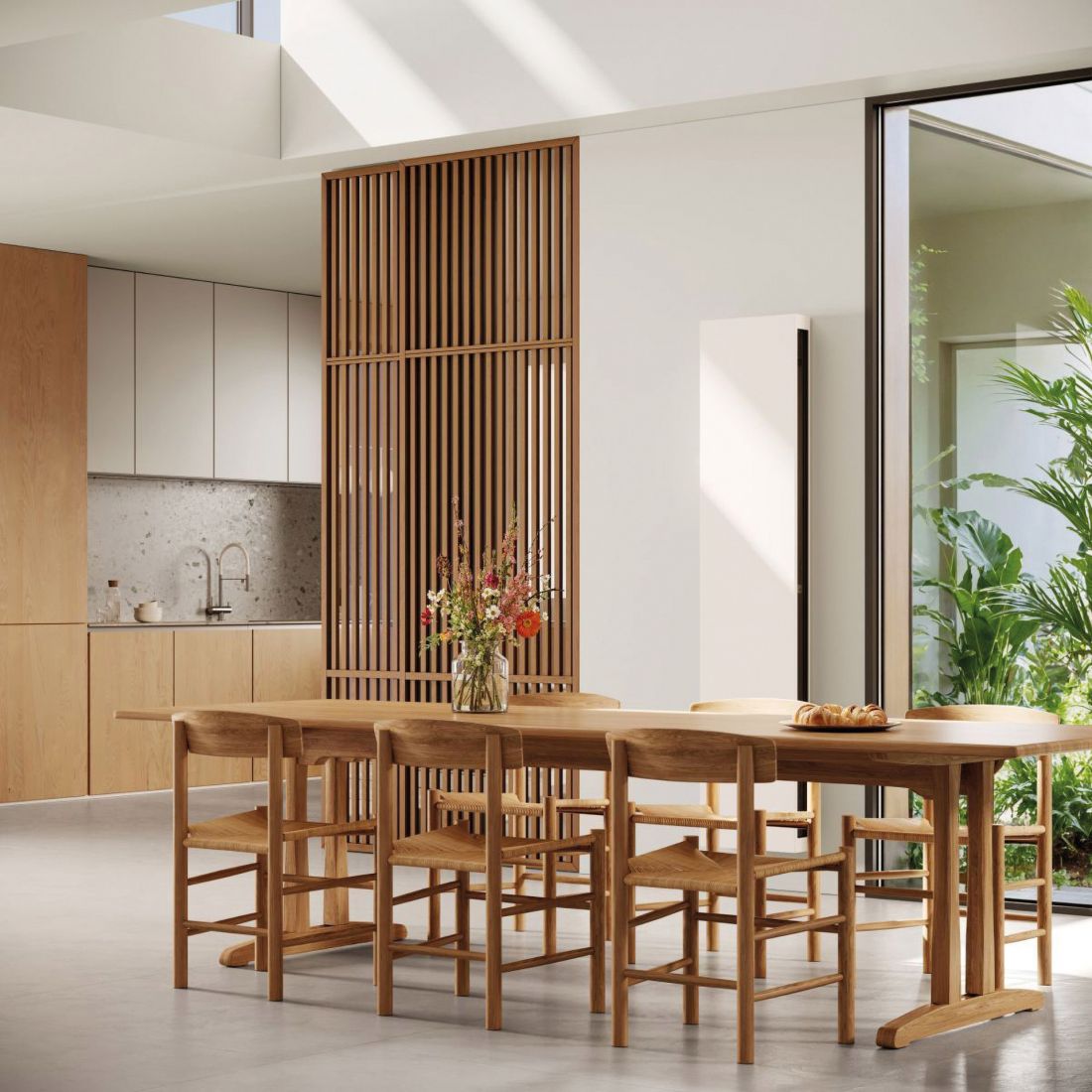
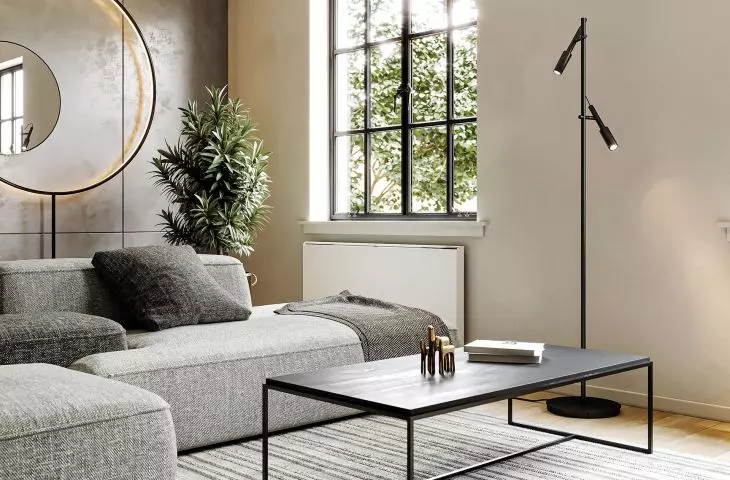
Jaga's Vertilina Hybrid radiator
© JAGA
Jaga's solutions are part of the direction in which thermal comfort is not an addition to architecture, but an integral part of it - co-creating the quality of the space and the way it is used.
For more information, visit the company's Jaga Polska Sp. z o.o. page on the A&B portal.