










The creators of the exhibition „Lares and Penates. On Building a Sense of Security in Architecture” in the Polish Pavilion at the Venice Architecture Biennale are interviewed by Przemysław Ciępka
Architecture has various functions in human societies — from housing, economic and aesthetic, to those related to symbolism or authority—building. Its primary function, however, has always been protection from the forces of nature, enemies or hostile powers. Przemysław Ciępka talks about a sense of security in architecture, construction horoscopes and the role of intuition in design with Aleksandra Kędziorek, Katarzyna Przezwańska, Maciej Siuda and Krzysztof Maniak, creators of the exhibition „Lares and Penates” in the Polish Pavilion at the Venice Architecture Biennale.
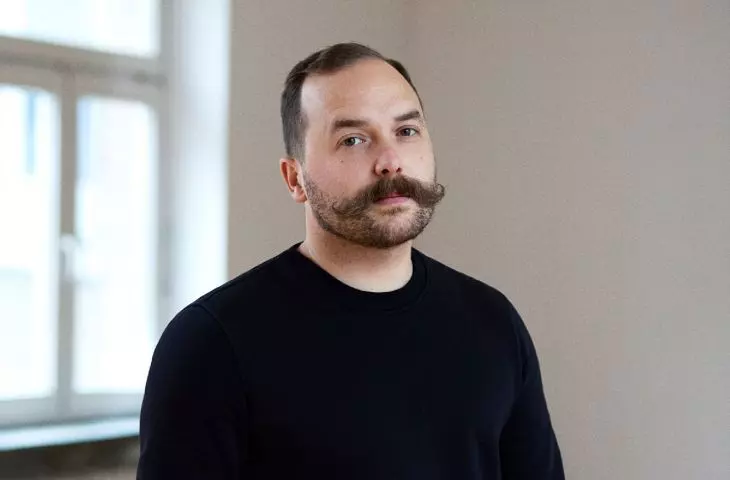
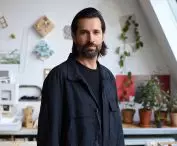
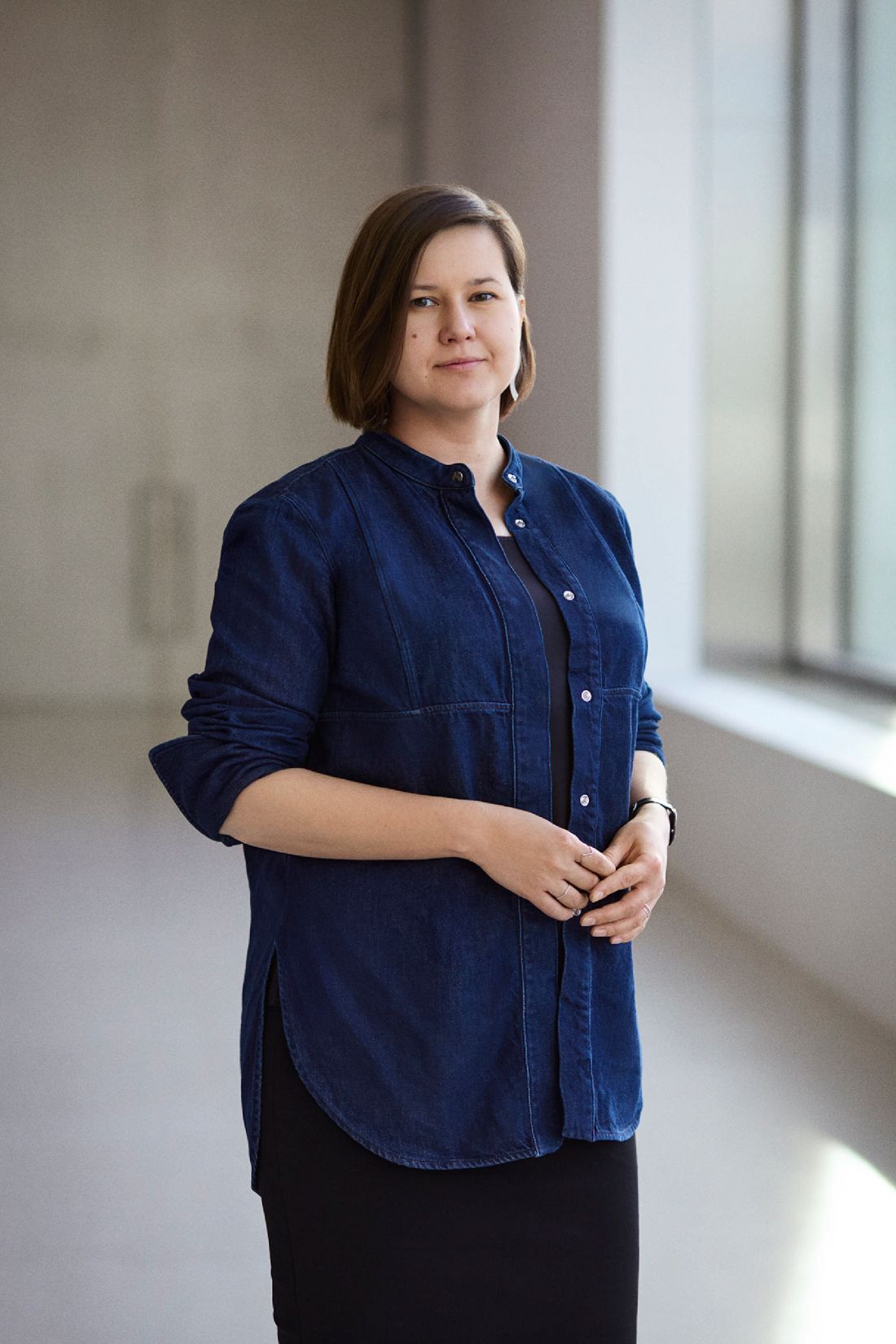 Aleksandra KĘDZIOREK — Art historian, curator, editor, graduate of the Institute of Art History at the University of Warsaw and CuratorLab at Konstfack University of Arts, Crafts and Design in Stockholm. She works at the intersection of architecture, design and visual arts, both in institutions and independently. In her curatorial practice, she seeks to confront historically contingent and thought—provoking contexts. She uses her research skills to look to the past for inspiration and creative responses to contemporary challenges. Her recent focus has been on the use of textiles in interiors before the spread of electricity (the exhibition „The Clothed House” prepared with Alicja Bielawskaand the Centrala design group for the London Design Biennale, 2021) and the role of water plants in modernist architecture (Centrala”s artistic intervention „Nenúfars blancs” at the Mies van der Rohe Pavilion in Barcelona, 2022). Previously, she coordinated an international research and exhibition project on Oskar and Zofia Hansen at the Museum of Modern Art in Warsaw and took care of their summer house in Szumin (2013–2017).
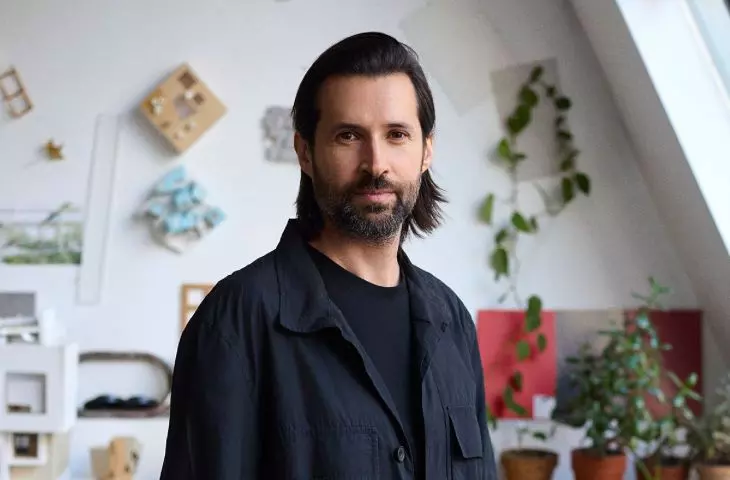
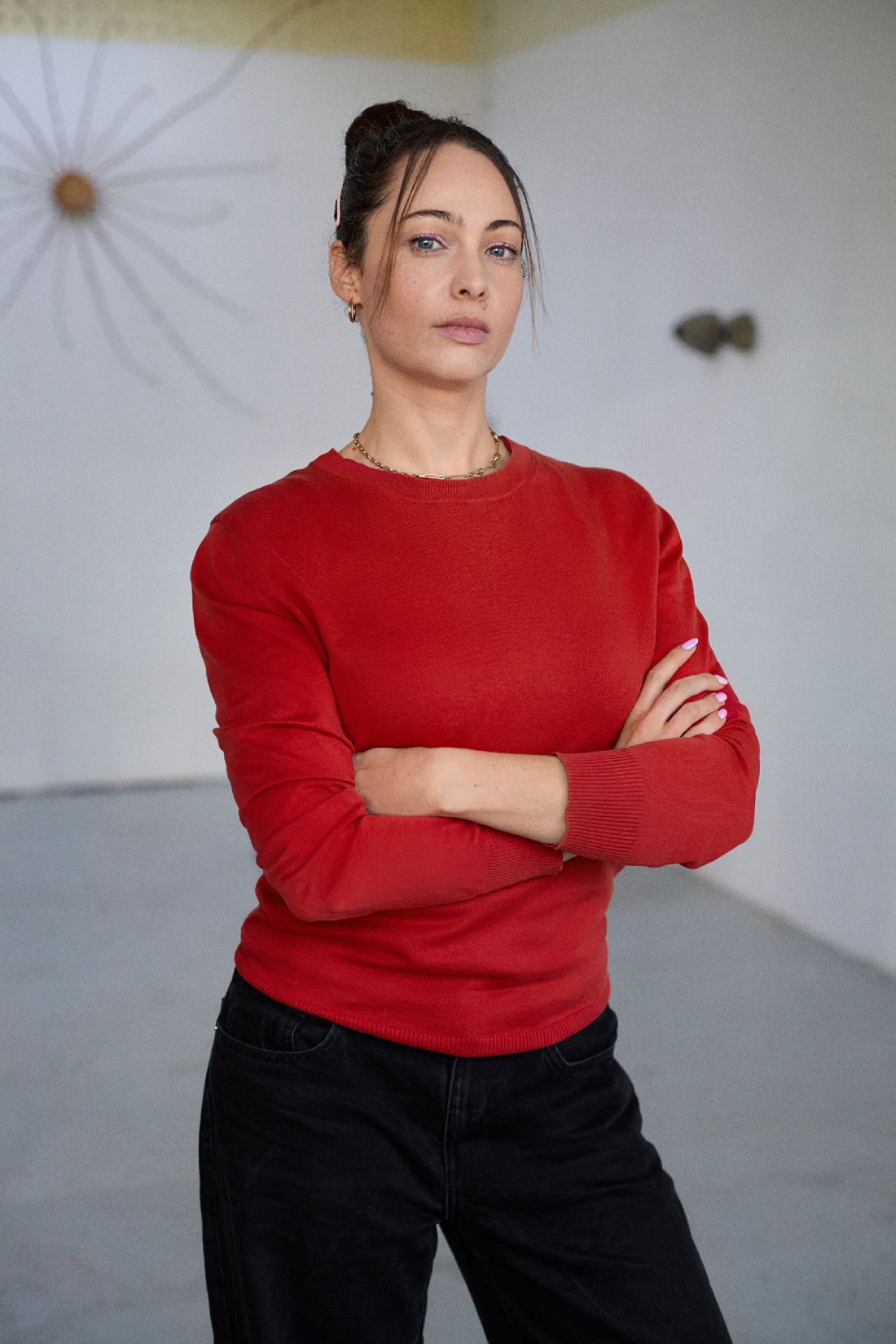 Katarzyna PRZEZWAŃSKA — Graduate of the Faculty of Painting at the Academy of Fine Arts in Warsaw. She is the author of sculptures, architectural interventions, installations and paintings, in which she often uses natural materials: rocks, minerals and plants. In her works she refers to nature and to architecture, combining both areas in an effort to improve the quality of human life and make her art useful. She is inspired by vernacular architecture, as well as the classics of the 20th century, geological phenomena and vegetative processes of plants. Among other things, she designed a playground in Lublin and a square for students at the University of Warsaw, and collaborated on the design of a state elementary school with a kindergarten on Zaruby Street in Warsaw (with Maciej Siuda”s studio). She has participated in many art exhibitions at institutions such as the Ujazdowski Castle Center for Contemporary Art, the Museum of Modern Art in Warsaw, Zachęta—National Gallery of Art, the National Museum in Warsaw, Kunsthallein Tallinn, Museum Abteiberg in Mönchengladbach, and the International Biennale of Contemporary Art in Riga.
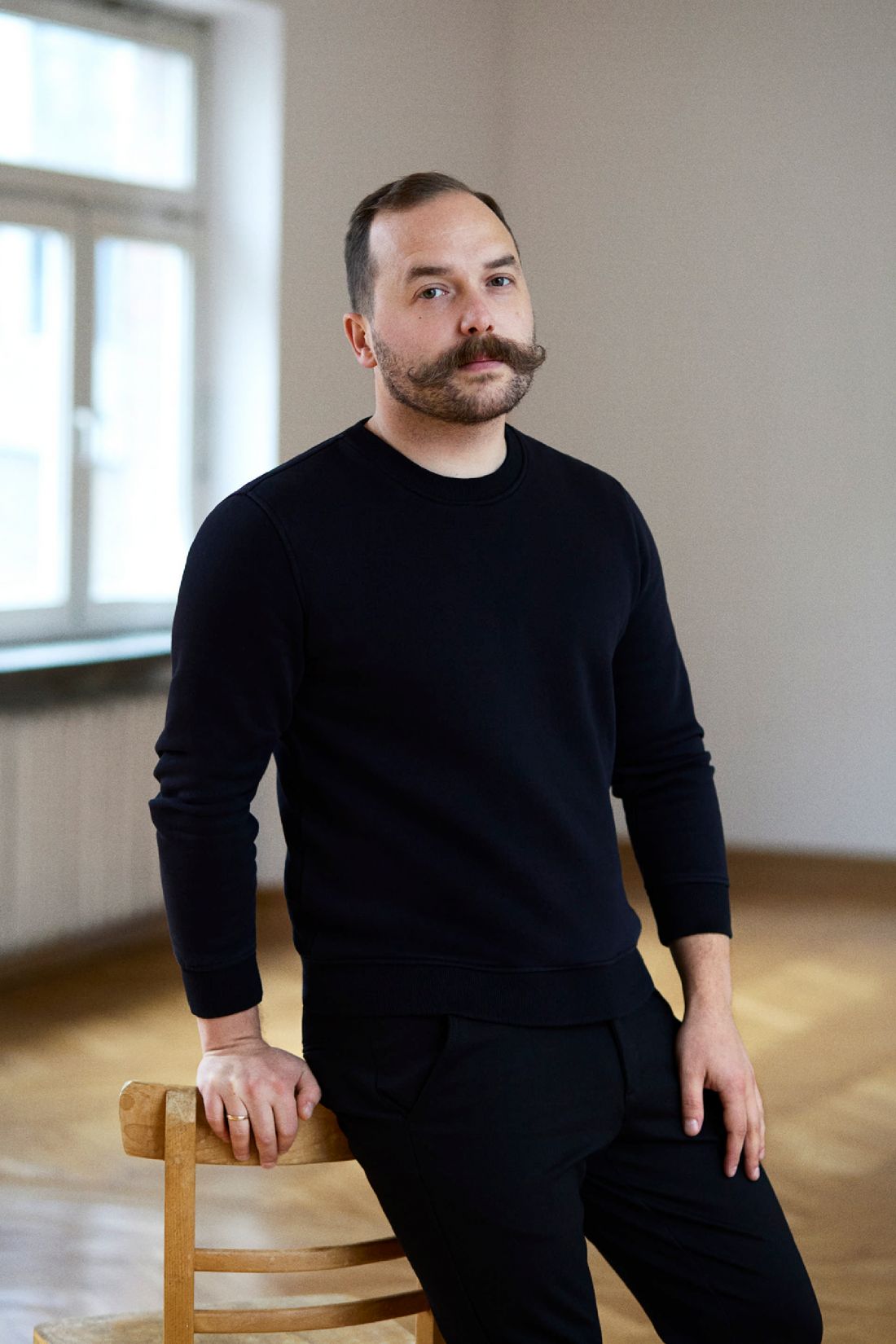 Krzysztof MANIAK — Graduate of the Faculty of Intermedia at the Academy of Fine Arts in Krakow, received his doctorate in 2018, and works in the Department of Intermedia Art Phenomena at the academy. His artistic practice is based on actions in the landscape — these are usually discrete, simple gestures and interactions with nature. He creates while wandering through forests, meadows andhills in Tuchów, where he lives. These places are both the backdrop for his actions and the material for temporary installationsand the source of props used in performances. He is the winner of, among others, the 14th edition of the Artystyczna Podróż Hestii competition, the Grand Prix of the 5th Spring Salon at BWA in Tarnów, the 10th edition of the „Spojrzenia” competition at Zachęta — National Gallery of Art. His works could be seen in, among others: Museum of Modern Art in Warsaw, SALT Ulus in Ankara, BWA in Katowice, BWA in Tarnów, Galeria Bielska BWA, BWA Municipal Art Gallery of Bydgoszcz, BWA in Warsaw, ABC Gallery, Biała Gallery in Lublin, Baltic Gallery of Contemporary Art, State Art Gallery in Sopot, Galeria El in Elblag, Gallery of Contemporary Art in Opole, Museum of Contemporary Art in Krakow MOCAK, within the framework of the Post Art Congress in Sokołowsko.
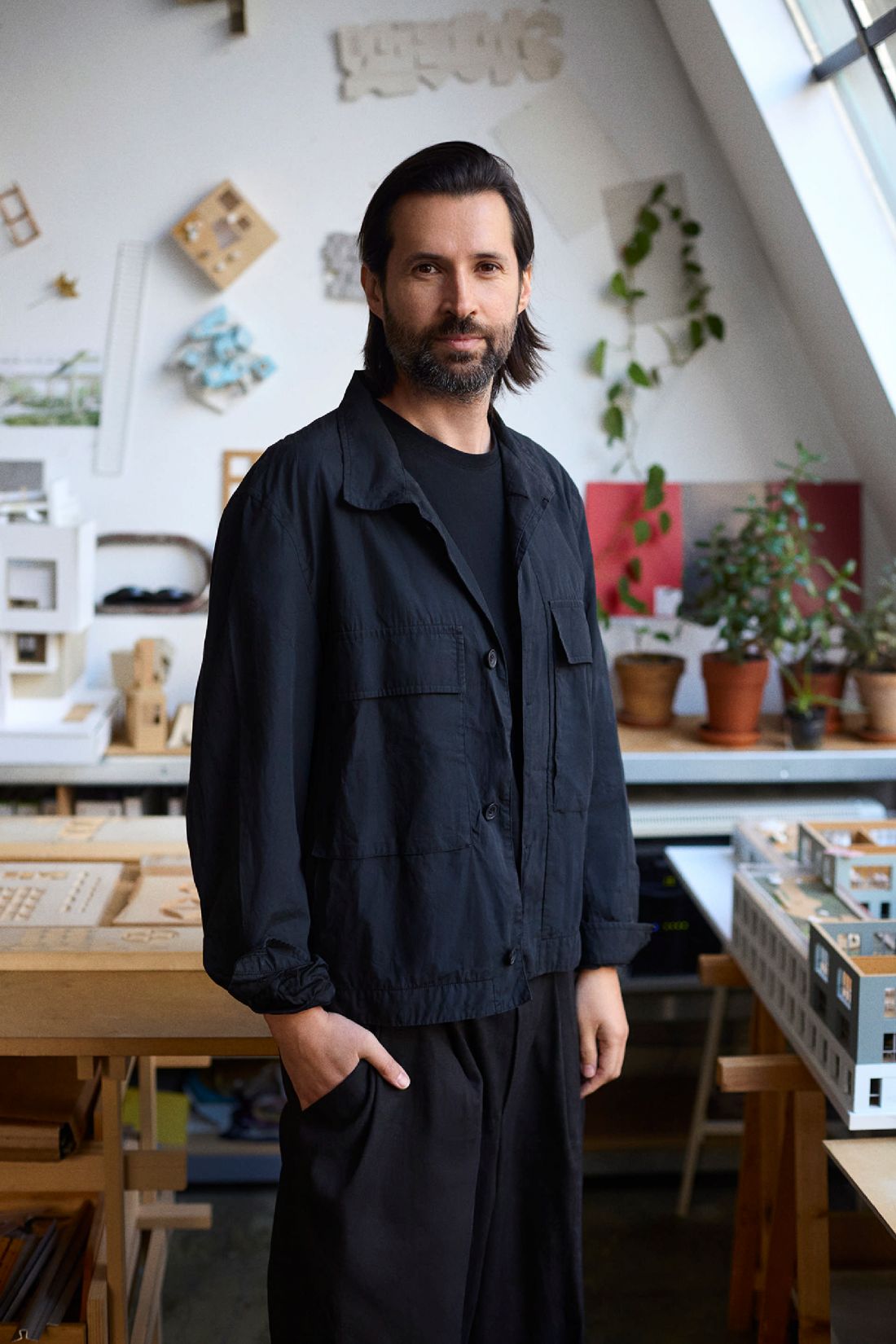 Maciej SIUDA — Architect and designer, graduate of the Faculty of Architecture and Urban Planning at the Wrocław University of Technology. He works at the intersection of architecture, humanities and art. He is interested in combining research with practice, experimentation, the potential for collaboration, working with the primary and material tools of the architect (mock—up, drawing,sample) juxtaposed with the immateriality of the idea, and the change of scale. He creates objects, small objects, installations, exhibitions and buildings. Co—author, among others, of the Polish MYCOsystem pavilion at the XXII Triennale di Milano and the Devebere pavilion at the 2012 Venice Architecture Biennale, exploring air as a building material. He is the author of thearchitecture of the „Spór o odbudowę” exhibition at the 7th Warsaw Under Construction Festival, as well as the wooden relief as part of the „Polish Table” installation at the Dubai Expo (2020) and the „Primary Forms” exhibition in Chiang Rai during theThailand Art Biennale (2024). Architectural realizations include an elementary school with a kindergarten in Warsaw, and, as part of the Balon collective, a school in Jacmel, Haiti. He is currently co—curating an exhibition for the London Design Biennale 2025.
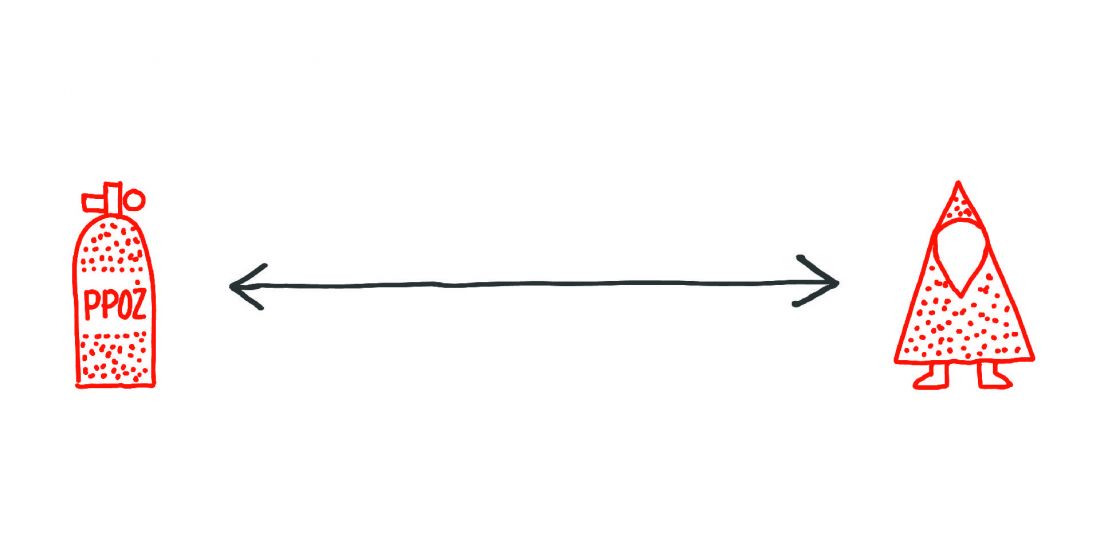
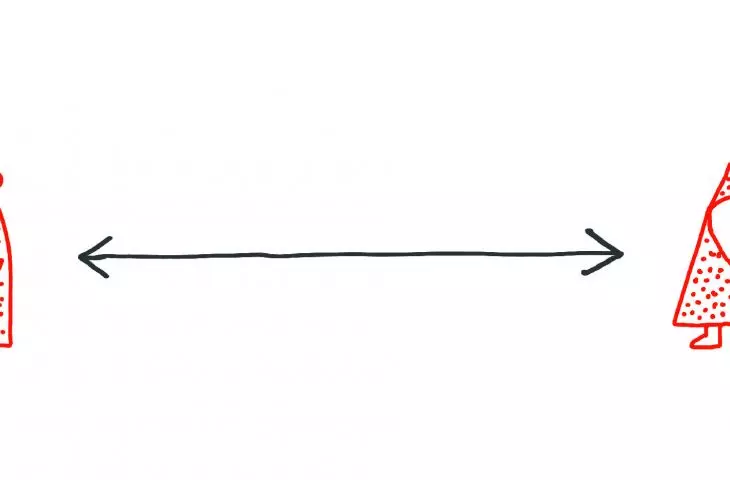
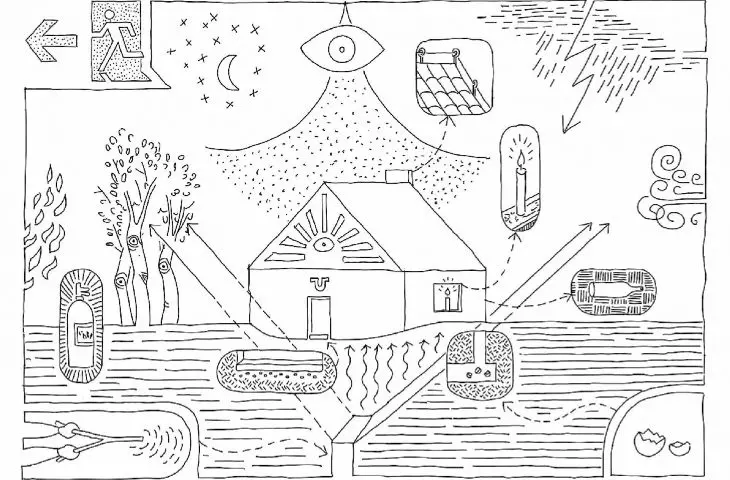
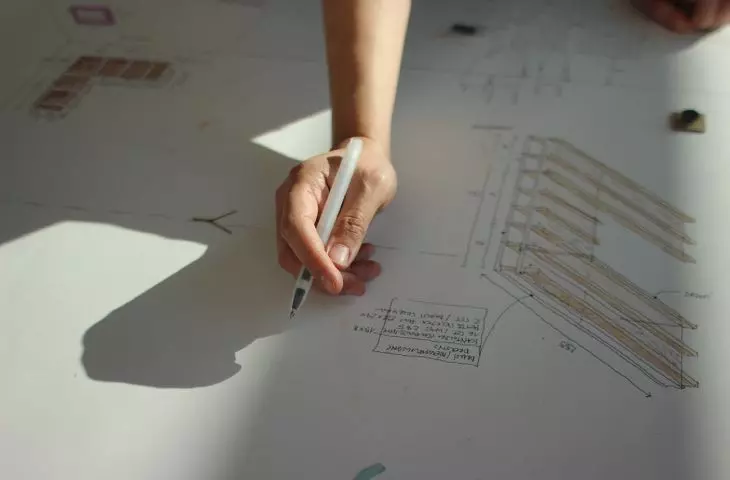
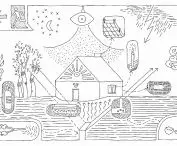
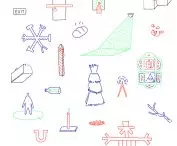
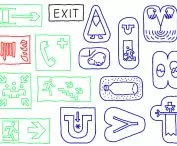
Maciej Siuda's design drawing for the exhibition „Lares and Penates”.
© Maciej Siuda
Przemyslaw Ciępka: Let me start with a question that many visitors to your exhibition probably ask themselves — what are the title lares and penates?
Aleksandra Kędziorek: Maybe I'll explain, since this title was suggested by me. Lares and penates were deities who in ancient Rome took care of homes, were supposed to bring prosperity and protect from dangers. Their names are not as widely known today, but they once functioned in various languages as a metaphor for the house and the objects inside it. We refer to them as a certain universal code, expressing the age—old human need to feel safe in the space they inhabit.
Przemyslaw Ciępka: So what are you talking about in the „Lares and Penates” exhibition?
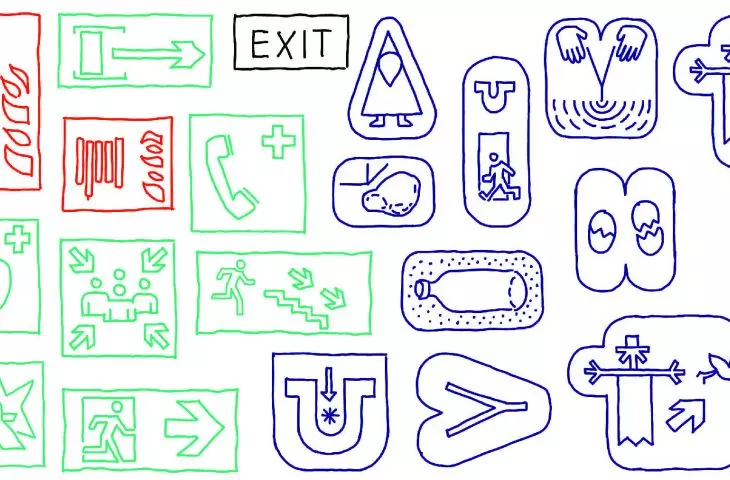
Maciej Siuda: We are trying to explore how people deal with their fears in architecture through various types of objects. The objects we show in the exhibition come from two orders: safety and sense of security. Examples of exhibits representing the first order might be fire extinguishers or cameras, while the order of feeling safe includes horseshoes placed over doors or topping outs hung at the end of construction. We try to present these phenomena in the face of fears, both those accompanying people from time immemorial and contemporary, globally increasing ones.
Aleksandra Kędziorek: Security topics are resounding very strongly these days. We are operating in a world where decisions about our security are made at the geopolitical level, as individuals we have no influence over them. People are beginning to look for ways to cope with all this, if only psychologically. We can see a resurgence of various practices related to spirituality, the growing popularity of tarot or horoscopes. We, while refraining from assessing the effectiveness of these phenomena, examine how analogous mechanisms work in the field of architecture. The exhibition features both „technical” elements, resulting from contemporary regulations, such as alarms, fire extinguishers or cameras, but also practices with centuries of history, perpetuated by communities, repetitive and easily accessible. They express anxieties, and at the same time allow us to feel more secure when we indulge in them.
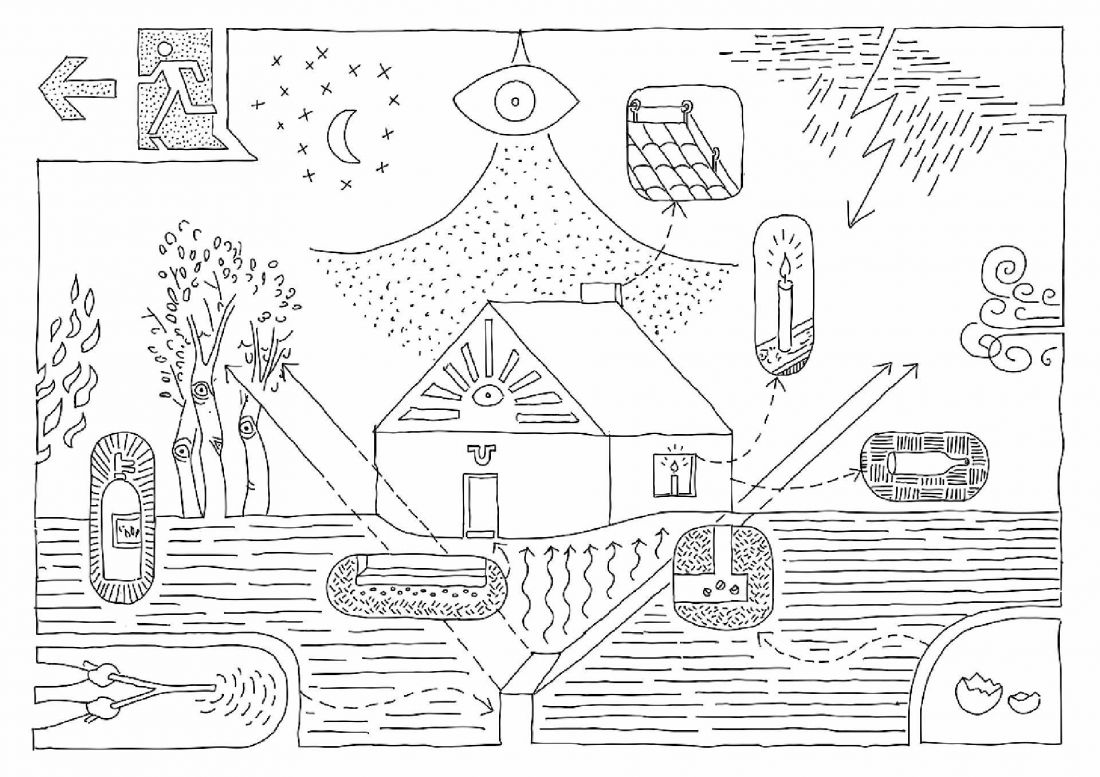
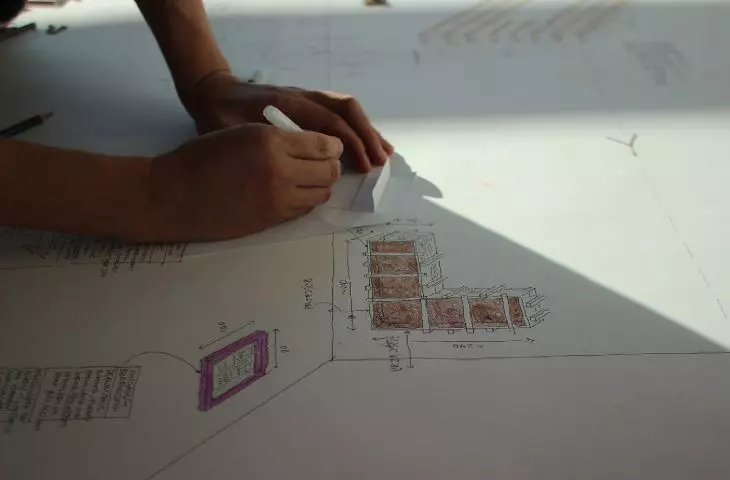
Maciej Siuda's design drawing for the exhibition „Lares and Penates”.
© Maciej Siuda
Przemyslaw Ciępka: When choosing protection measures or practices that build a sense of security in architecture, you had to create a catalog of dangers they are meant to counteract. So what does architecture protect against? Do these dangers change over time?
Aleksandra Kędzorek: Many of them have not changed, for example, in the 18th century Marc—Antoine Laugier, looking for the origins of architecture, pointed to protection against rain, wind, cold and the elements. However, this catalog of threats grew over time, defensive architecture and even protection from germs emerged, on which much of the architectural practice of modernism was built. We also have more contemporary fears, such as fear of the effects of climate catastrophe, wars, but also electrosmog or the impact of 5G.
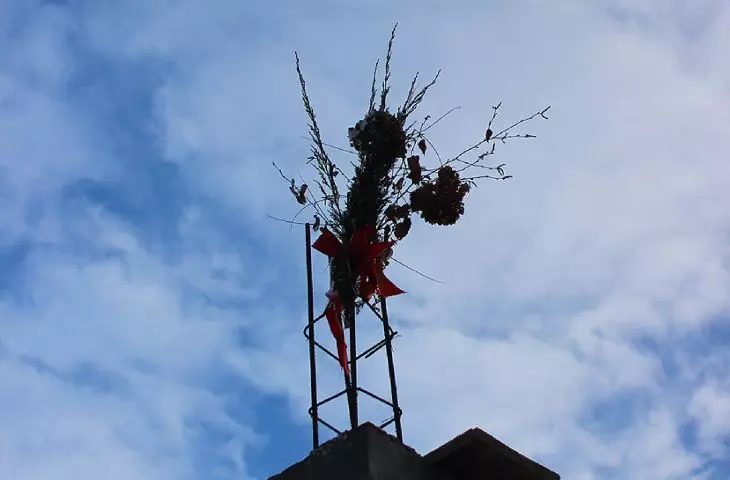
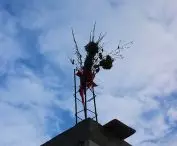
Longevity is an important aspect of the practices we highlight in the exhibition. When the MSN building in Warsaw was completed in 2022, the construction was topped out. It was a completely unmodern gesture, still derived from pre—Enlightenment thinking. Nonetheless, topping out is a practice still performed today — asking about it at construction or development companies, we learned that it is the way to finish the construction of any big—city skyscraper!
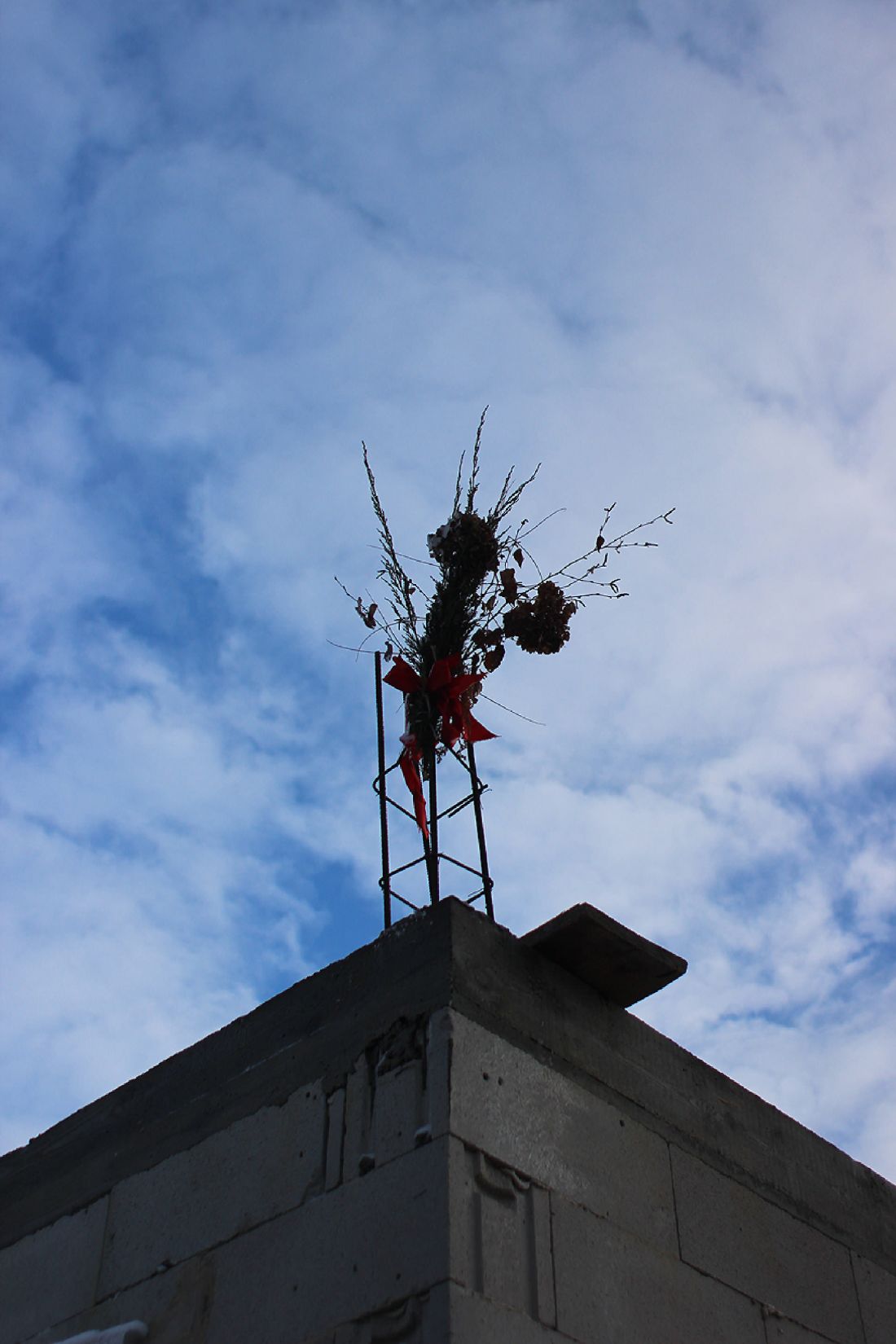
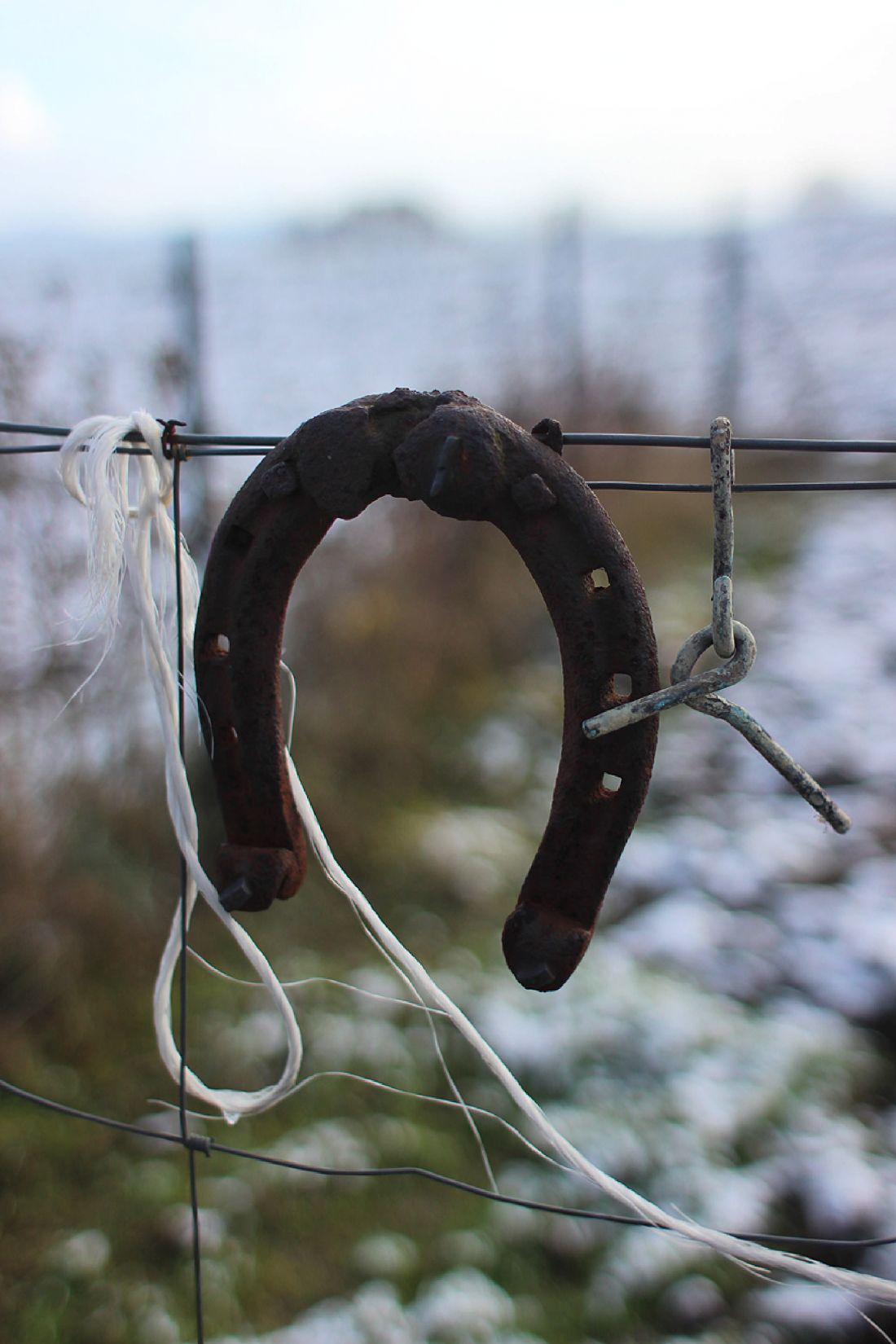
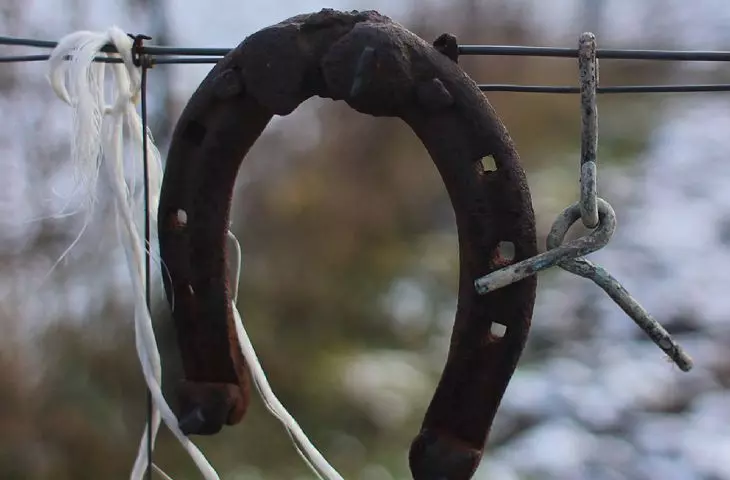
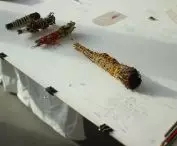
Topping out and horseshoe
Photo: Krzysztof Maniak
Przemysław Ciępka: I get the impression that practices belonging to the first, „rational” order can be much more effective in providing protection. Do you want to juxtapose them with activities from the pre—Enlightenment order by way of contrast?
Katherine Przezwańska: On the contrary, we equate these orders with each other, we are careful not to talk about the order of feeling safe „magically”. In a sense, a fire extinguisher can also belong to the order of sense of security, if we don't know how to use it. It then becomes a symbol or even a gadget. The same is true of the camera, which belongs to both orders, and can also be a tool of oppression at the same time.
Krzysztof Maniak: These things are often of a more preventive nature — in the face of a disaster, a fire extinguisher is also of little use. A horseshoe over the door will help dismiss negative thoughts that something bad could fall on our house.
Przemyslaw Ciępka: What role, then, sense of safety practices play, if they cannot provide direct protection from dangers?
Aleksandra Kędziorek: They have a completely different dimension: they give people a sense of empowerment. It's not so much that they actually protect, but that they help psychologically.
Katarzyna Przezwańska: But also a sense of community; they are often traditions practiced together within a community, giving an excuse to be together.
Krzysztof Maniak: An example is traditional ritual arts — the joint creation of handcrafted protective items accompanying various holidays, often associated with the symbolism of the season. This is how straw mobiles were created during the Christmas season and Easter time to symbolize good luck and fertility in the new year.
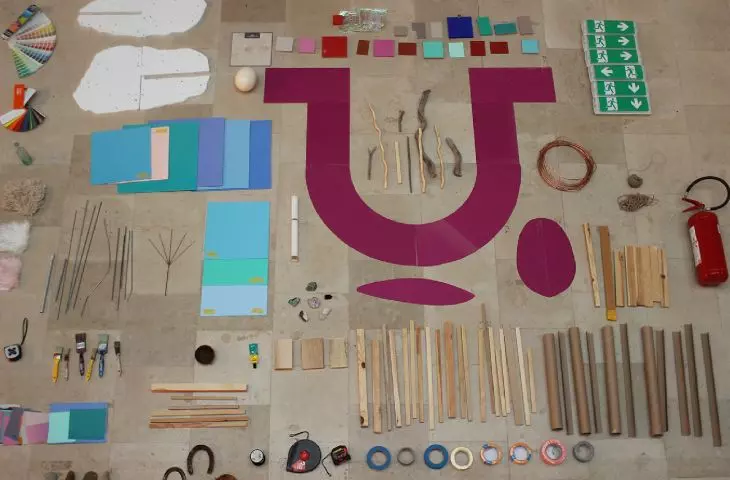
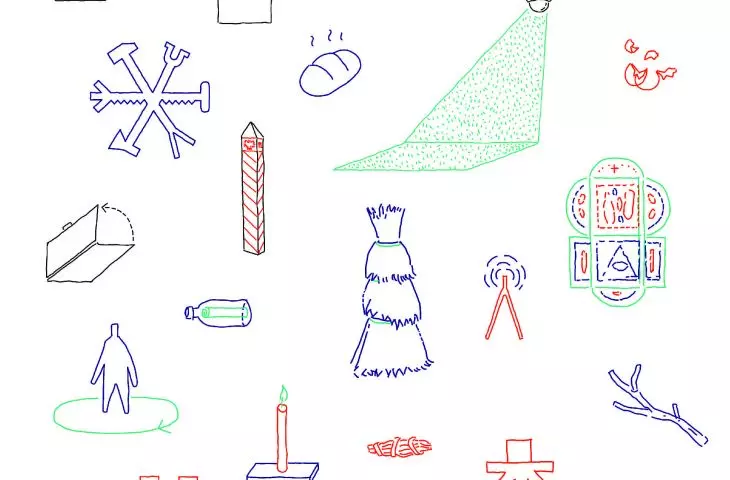
Aleksandra Kędzorek: This exhibition is, in a sense, a collection of props — objects that are emanations of fears and at the same time responses to them. They are used to perform various preventive, protective practices. We are trying to mix the orders we just mentioned, next to the fire extinguisher, for example, there is a divining rod. In this way we blur the division between effective and ineffective, rational and irrational practices. Instead, we show these objects with specific „instruction manuals” to draw attention to the fact that it's not so much about effectiveness as about the action itself. In this sense, the exhibition is very performative, treating movement, action and causality. About what we can do to build our own sense of security. „Lares and Penates” is thus an atlas of the technical and cultural practices we use to take care of our own mental well—being.
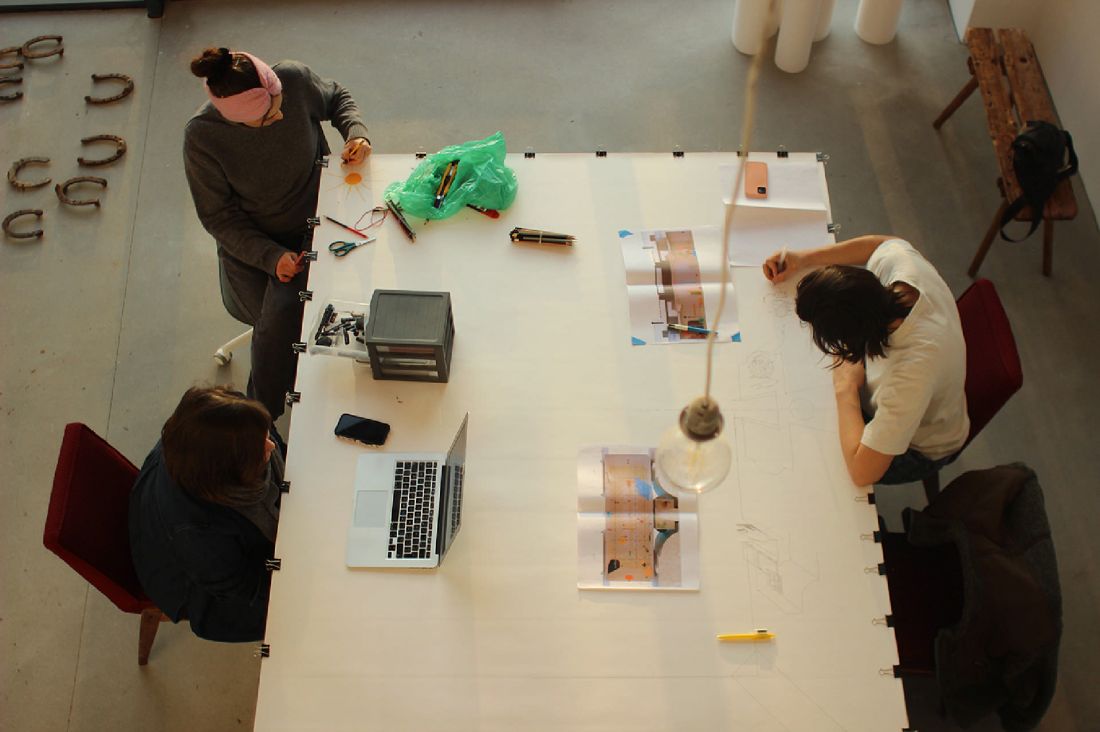
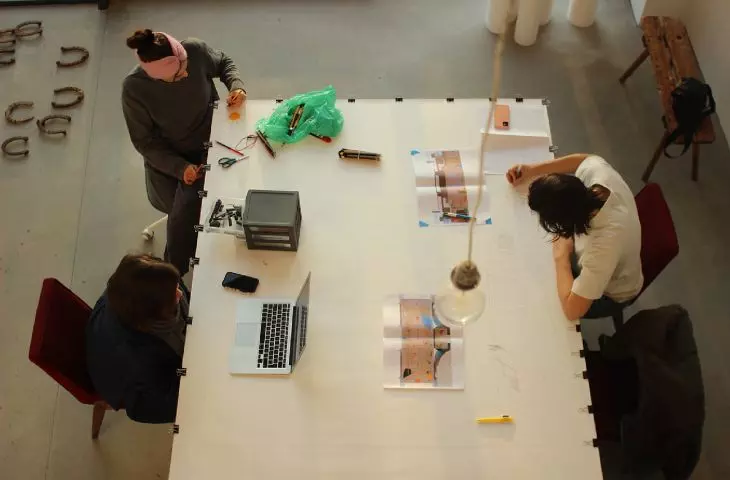
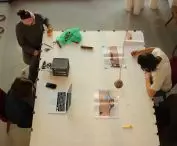
The team worked on the exhibition project in Tuchów
photo: Krzysztof Maniak
Przemysław Ciępka: When Katarzyna talked about the sense of community, I thought of your team. How did you work on the exhibition?
Aleksandra Kędziorek: We worked in a team consisting of an architect, a performing artist, a visual artist and a researcher. Each of us added a component to this exhibition that we work with on a daily basis and that we feel comfortable with — from working with space, to working with the body and visuality, to handling words and humanistic research. This has the hallmarks of an experiment, in which we show that architecture can also be practiced in this way. We are moving away from the archetype of the demiurge architect, who reaches out to representatives of other disciplines only to design some element accompanying buildings, such as greenery. We are trying to show that people functioning in very different fields can think about space together.
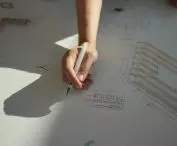
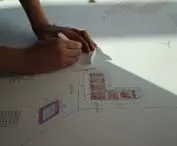
Katarzyna Przezwańska: Our concept evolved a lot during the talks. We also had two important workshop trips. The first one took place in Venice. During it we realized a 1:1 model of the exhibition in the pavilion to see how the concept works in space. Then we went to Tuchow, to Krzysztof Maniak. There, together we created a drawing of the exhibition, which helped us find out whether each of us understood the things we were talking about as well as the rest of the team.
Aleksandra Kędziorek: It's also important that we work very analog. We work a lot with drawing, with mock—ups or performing spaces.
Maciej Siuda: Analog work is also really body work. It allowed us to introduce elements into design that do not belong to the rational order, but come from intuition or corporeality. Nowadays, we have strongly relied on technology, the sciences and the intellect, and in our exhibition we try to look again at attitudes that cannot be fully explained in a logical way. These are practices that are emanations of inner, unparametrizable human feelings. On this level, our analog way of working connects with the idea of the exhibition.
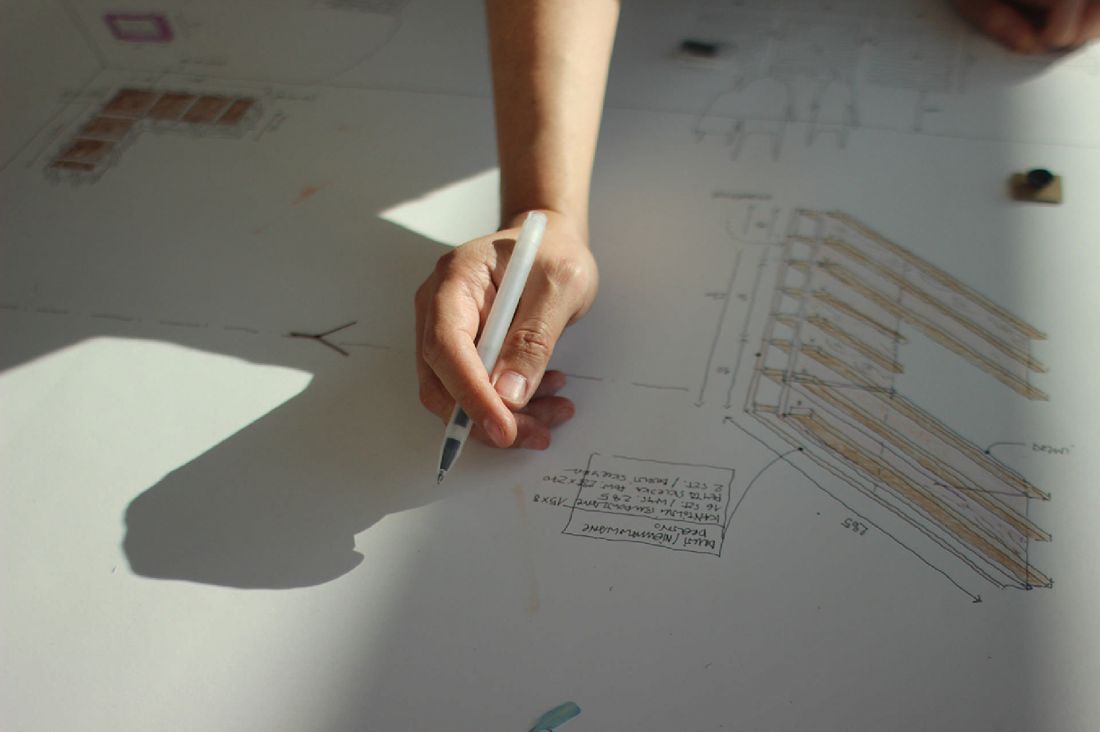
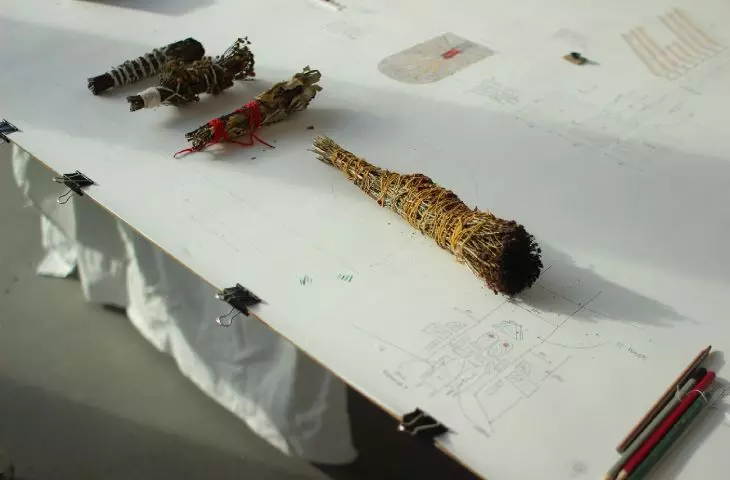
The team's work has the hallmarks of an experiment — it combines the activities of an architect, artists and researchers
photo: Krzysztof Maniak
Krzysztof Maniak: I also like very much the analogue nature of our creative process — working on material samples, mock—ups, with „living matter”. Sometimes it may seem impractical, like carrying in a suitcase to Venice sample divining rods, bowls, horseshoes filling half of the shipped luggage, but it is an important gesture. By doing so, we make friends with objects, begin to believe in them and treat them as partners. The performativity we are talking about is more related to entering into a relationship with living matter, walking, practicing attentiveness, taking on unusual challenges than the art of performance itself, which is present in my artistic practice and of which I bring a piece to the project. It's more about creating unusual situations that are triggered by our creative process. Of course, on another level, the very practices and rituals we refer to are strongly performative. Some of them, such as the practice of creating a furrow in the ground before construction begins, sound like performance scenarios ready to be recreated.
Przemyslaw Ciępka: What do you want visitors to take away from their visit to the exhibition?
Aleksandra Kędziorek: The sense of anxiety or insecurity is current and common to all of us. We rely on examples from Poland, but we know very well that some of these practices have counterparts in other countries and cultural circles. Topping outs, for example, appear in Scandinavia, Germany or the United Kingdom. These customs not only cover a wide geographical area, they are also very deeply rooted in history. During our search for the exhibition, we came across information in "Ten Books on Architecture," a classic treatise by Leone Battista Alberti, that the ancients, through various precautionary measures, chose the right moment to begin construction — the luck of the future building depended on it. Alberti himself claimed not to fully believe in these practices, but it couldn't hurt to try. In the 17th century, the art of putting horoscopes before the start of construction flourished, Tylman of Gameren even had a suitable instrument for this in his studio.
Katarzyna Przezwańska: „Lares and Penates” also speak a lot about emotions in architecture, the whole spectrum of these emotions.
Krzysztof Maniak: And also about the fact that the recipients or users of architecture are an integral part of it and have the right to decide on its shape, taking into account even the most unusual needs.
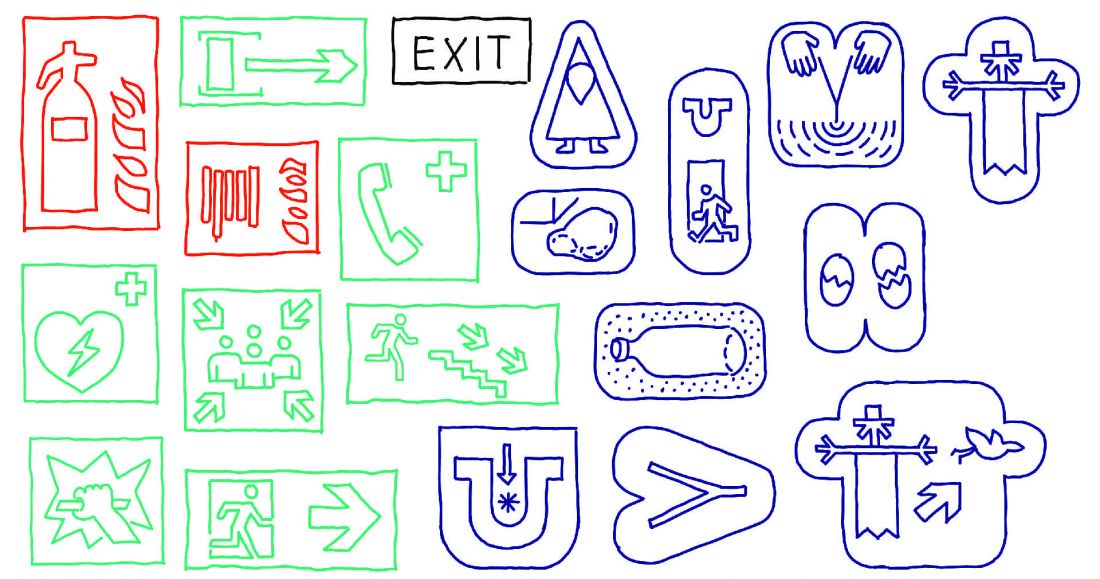
Maciej Siuda's design drawing for the exhibition „Lares and Penates”
© Maciej Siuda
Przemyslaw Ciępka: Where do the objects you are showing in the Polish Pavilion during this year's Biennale come from?
Maciej Siuda: The exhibits can be divided into three groups. A great number of objects come from Tuchow, which is Krzysztof Maniak's hometown. His practice of looking closely at reality and extracting from it elements with a strong emotional charge or meaning is an example of embodied knowledge, coming from outside the rational order, which seemed to us to be adequate in the context of the thinking we wanted to show in „Laers and Penates”. All these objects have a very interesting genesis, some of them donated by Krzysztof's neighbors, some found in the woods, and some prepared by himself. Many of them will be returned, either to their original owners or to nature itself.
Some items have a performative aspect. We designed the architectural elements as temporary, ephemeral objects, using simple techniques such as folding or stacking things on top of each other. Although they form elements in our arrangement, such as doors or walls with windows, they can easily be taken apart and reassembled, or the material used to build them can be reclaimed. In an ideal world, our exhibition would disappear completely, blurred.
The third group is interventions in the pavilion of a painting and painting—sculpture nature. In our team, this was primarily handled by Katarzyna.
Przemyslaw Ciępka: Do you have any favorite elements of this exhibition?
Aleksandra Kędziorek: Not necessarily a favorite, but one that visitors will definitely pay attention to is the axis around which the exhibition is organized. Already from in front of the pavilion you can see the panicle mounted on the roof, the horseshoe hanging over the door and the fire extinguisher, located in a niche on the axis of the entrance to the building. This whole triad not only works on a visual level and enters into a dialogue with the architecture of the pavilion, but also tells the story of the two orders that we show in the exhibition. It's such a foretaste of what awaits visitors inside.
Katarzyna Przezwańska: For me it is the fire extinguisher on the main axis of the building. I designed it as a „sacred” object, placed in a niche reminiscent of a Rococo grotto, against a background of mosaics and stone rays to sanctify it.
Krzysztof Maniak: In addition to the triad mentioned by Aleksandra and Katarzyna, from myself I would add the threshold of the house — an old, heavily excavated entrance threshold. I got it from a friend from Tuchów, who cut it out of the door frame especially for the exhibition. Before I got to it, I visited a lot of old houses in and around Tuchów. The threshold we had before our eyes as the perfect one was not easy to get. After all, it is from my neighborhood, comes from a house that is more than a century old, and has a very interesting Tuchów history. But that's not why I'm listing it as relevant to the exhibition. The object is important to me simply as a threshold — an object with a strong symbolic charge. It is a place between the domesticated interior and the often dangerous and untamed exterior, a kind of boundary. This is the origin of quite a few beliefs and sayings, and the most famous one, not to greet each other across the threshold.
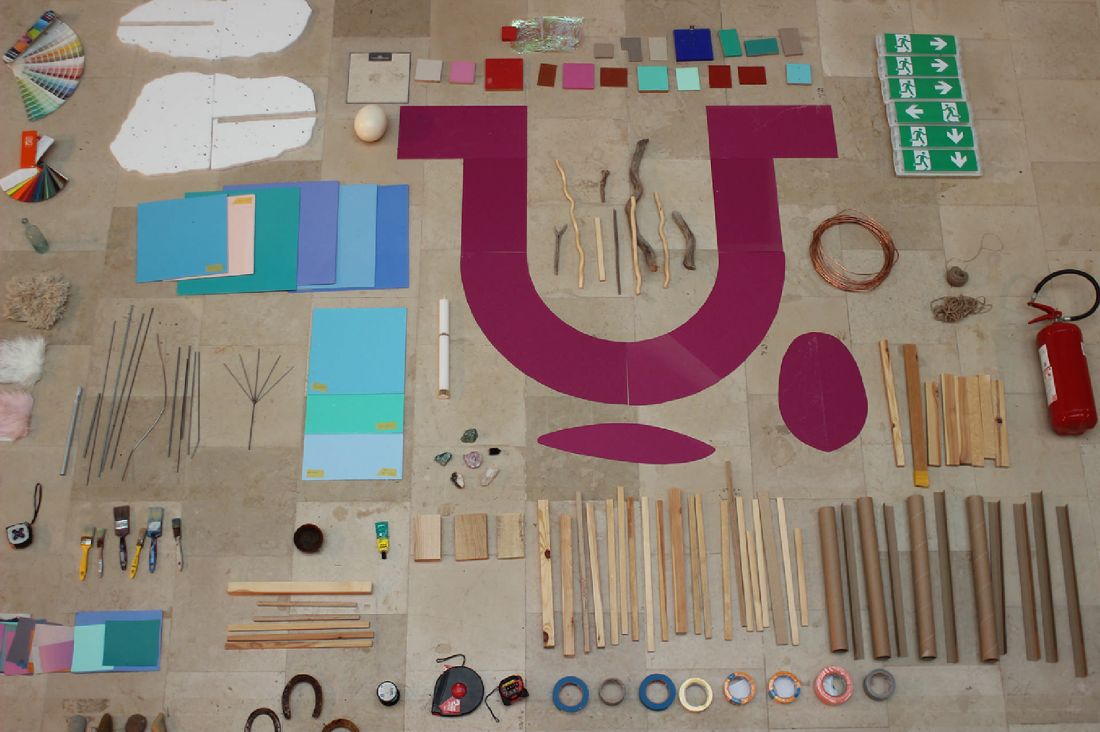
The exhibition shows objects from two orders: security and sense of security
photo: Krzysztof Maniak
Przemyslaw Ciępka: How do „Lares and Penates” relate to „Intelligens”, the slogan of the current edition of the Biennale?
Aleksandra Kędziorek: We refer to the main slogan very strongly, although in a way that Carlo Ratti probably did not anticipate. „Intelligens” talks about intelligence, which is natural, artificial and shared. We understand it through the prism of the same categories, only that in a pre—Enlightenment way. It is not based only on the power of reason, but also on emotions or communality. „Lares and Penates” is an atlas of collective knowledge. Carlo Ratti strongly emphasizes the last syllable of the main slogan — gens, which means people. In our work we pay attention to their needs and the anxieties that accompany them. A reference to the main slogan is even the title of the exhibition, which is, after all, derived from Latin.
Przemysław Ciępka: Thank you for the interview!
Przemysław Ciępka
Illustrations courtesy of Zachęta — National Gallery of Art.
more: A&B 5/2025 — ECOLOGY,
download free e—publications of A&B