




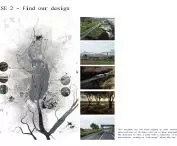
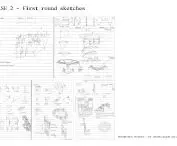
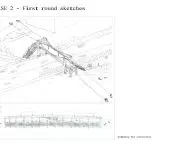
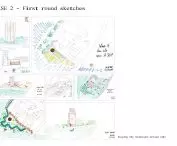
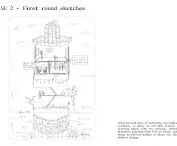
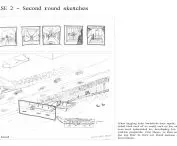
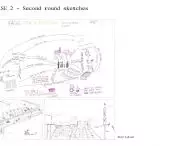
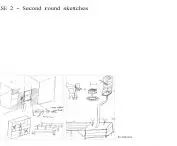
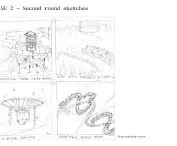
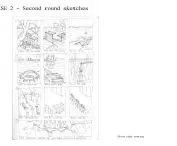
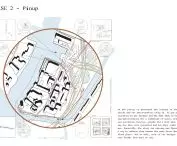
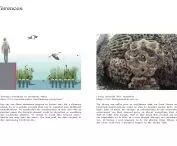
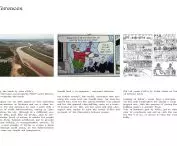

Marieholm in Gothenburg is a place that, at first glance, appears to be solely an industrial hinterland of the city. Halls, warehouses, containers and technical infrastructure make up a landscape dominated by logistics and manufacturing. However, between the rivers, tracks and factories, there are still fragments of nature - wild green belts, wastelands and waterfronts that remind us of the area's former, more organic character. It is from this relationship between industry and nature that the project "Marieholm - A Love Story. How Can Marieholm Be Seen - By the Bird, the Fish and the In-Between?" by Samuel Björkeström, Marie Holst, Leyuan Li and Julia Robak - students and first-year master's students in Architecture and Urban Design at Chalmers University of Technology in Gothenburg, Sweden. The project was created as part of the Building on Context course, under the supervision of Naima Callenberg and Peter Christensson, and is an attempt to give a new reading to Marieholm as a space shared by humans, animals and nature.
© Samuel Björkeström, Marie Holst, Leyuan Li, Julia Robak
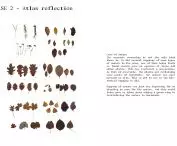
industry, water and forgotten greenery
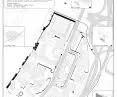
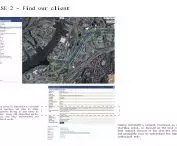
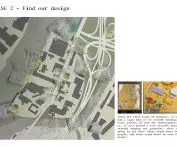
Marieholm is a heavily industrialized part of Gothenburg that is rarely visited by locals for recreation. During the week, however, the place is bustling with intense, working activity: delivery trucks run here, numerous companies and warehouses operate, and the rhythm of the day is determined by work.
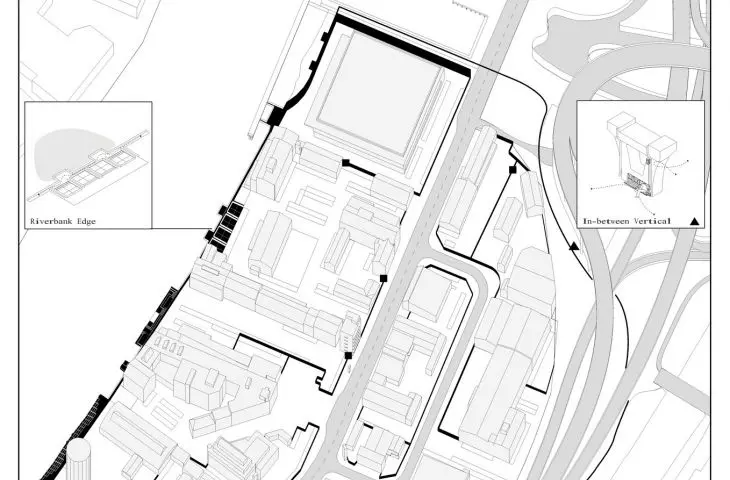
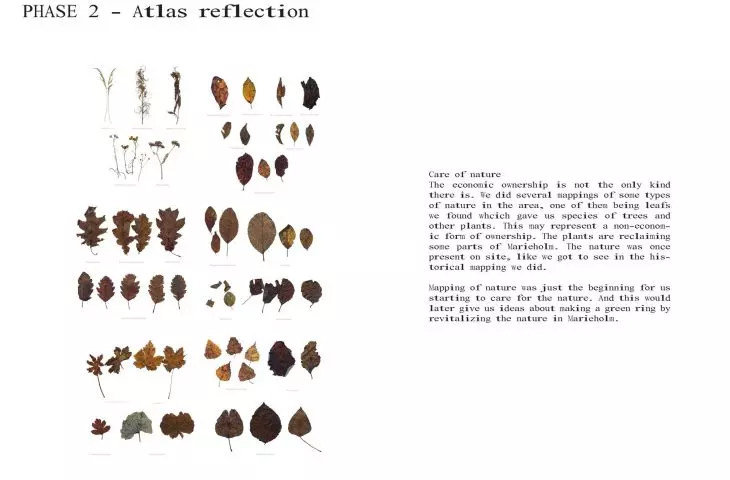
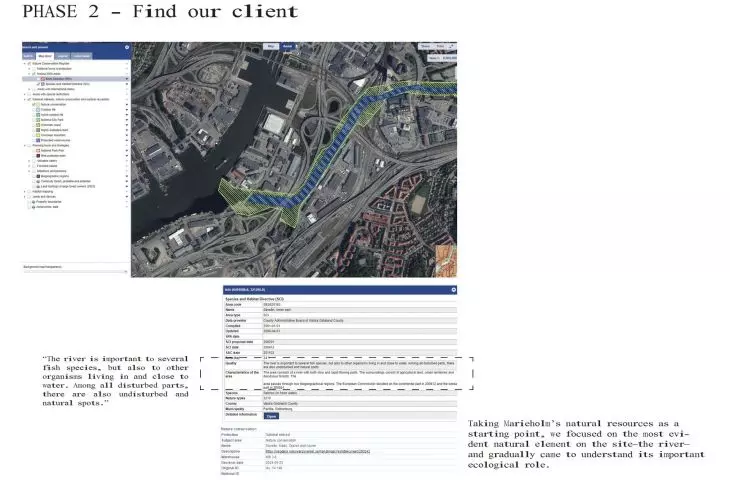
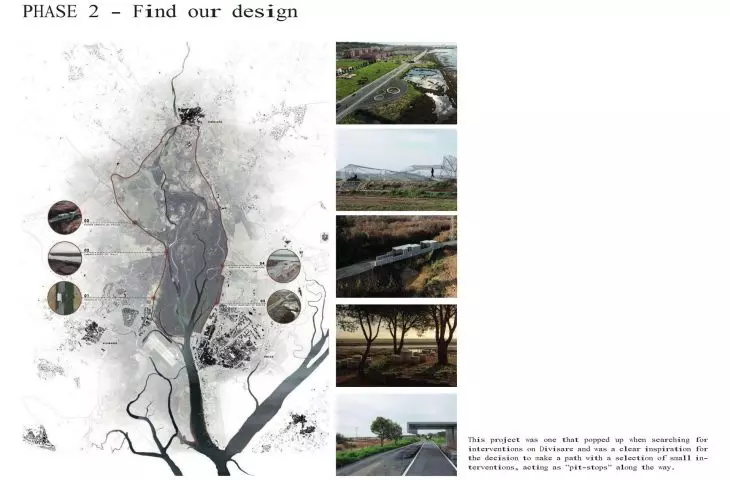
The area lies between two rivers. It was their banks, along with strips of uncontrolled greenery, that became the key starting point for the authors of the project - a vestige of the former landscape, which today functions somewhere "between" infrastructure and nature.
observation of what is temporary
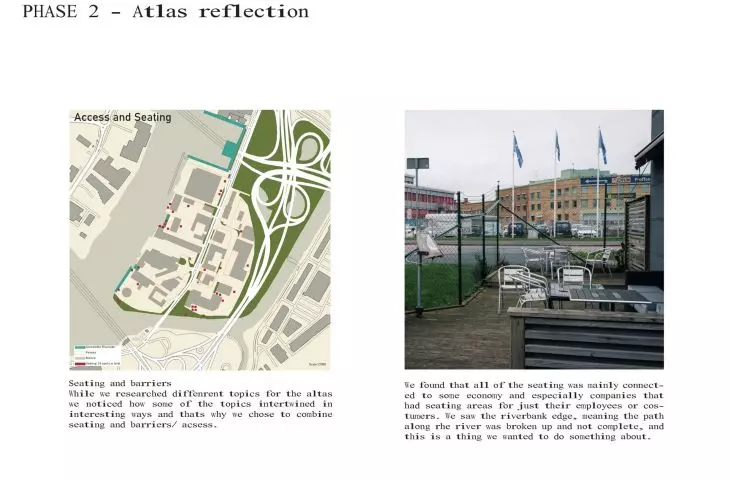
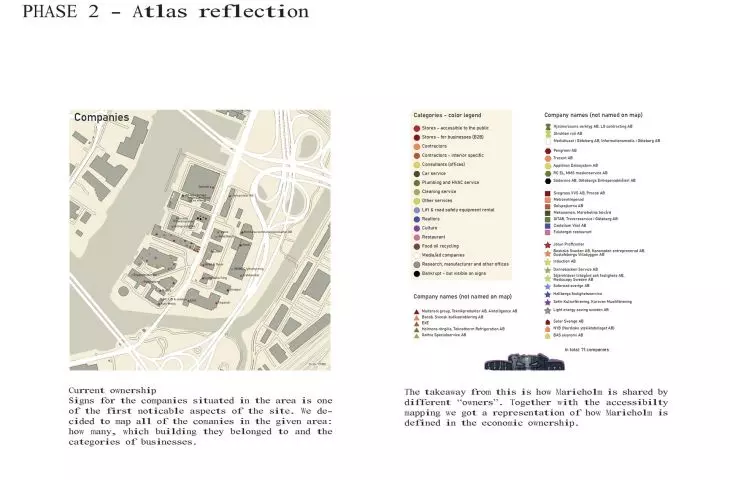
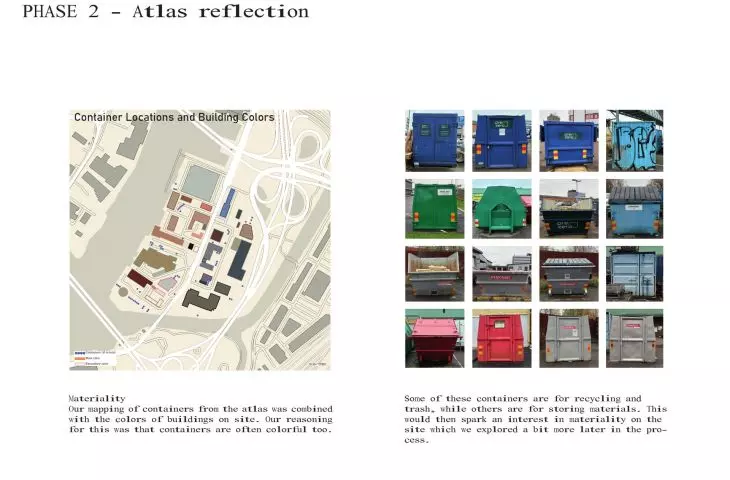
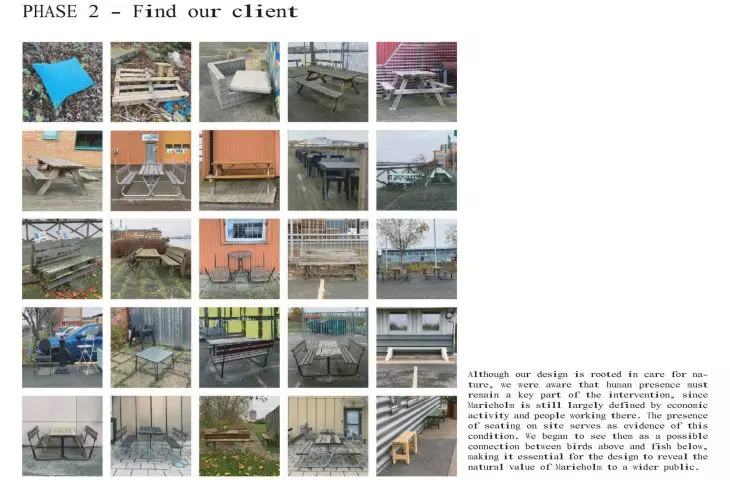
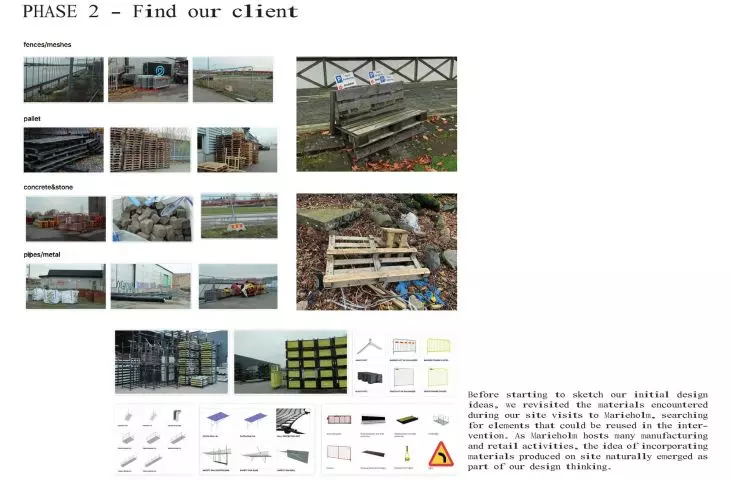
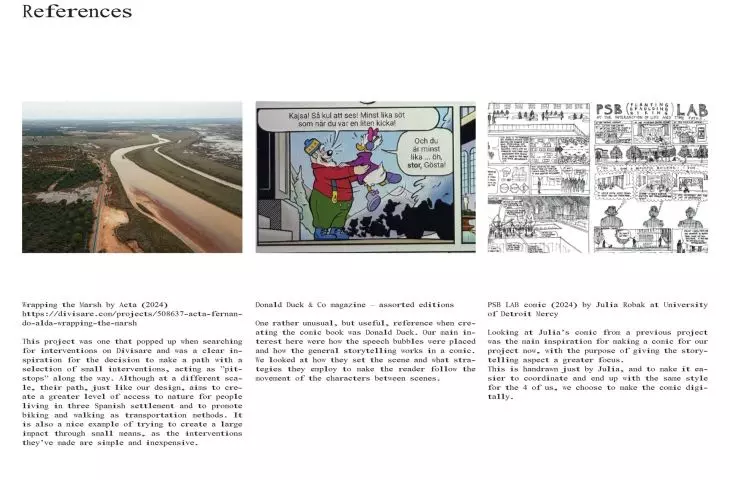
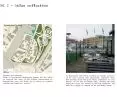
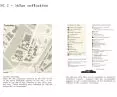
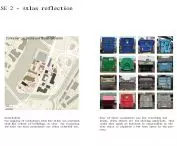
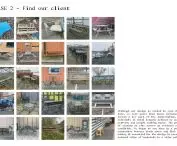
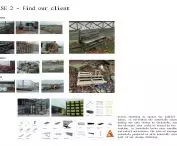
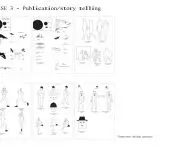
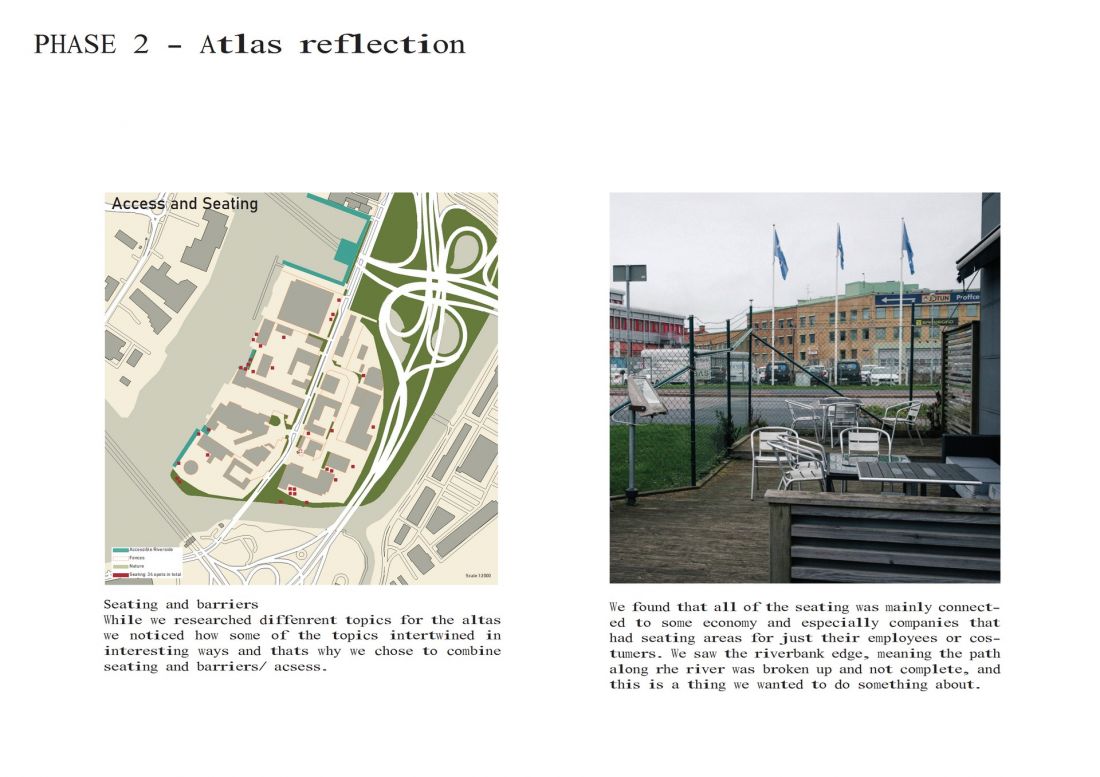
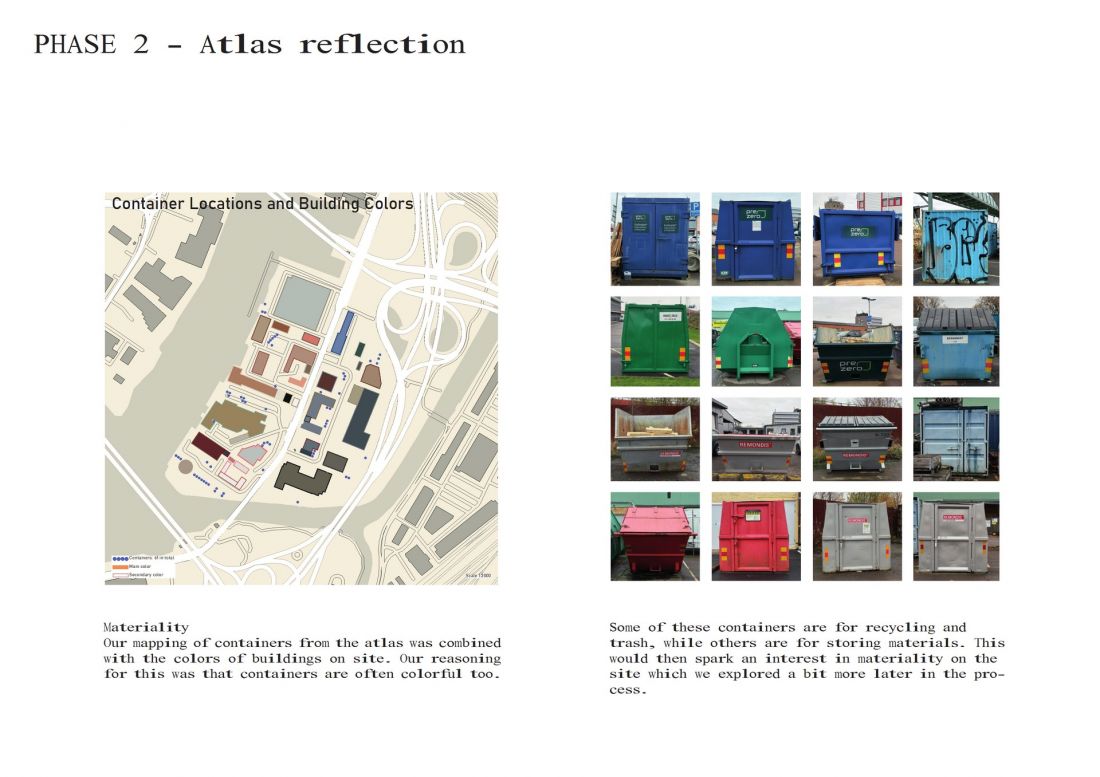
During their many visits to the site, the designers noticed recurring elements: containers, euro pallets, makeshift seating, signs with company names. It was these temporary structures that betrayed the true nature of the site - its accessibility, ownership divisions and the ways in which the space was used informally.
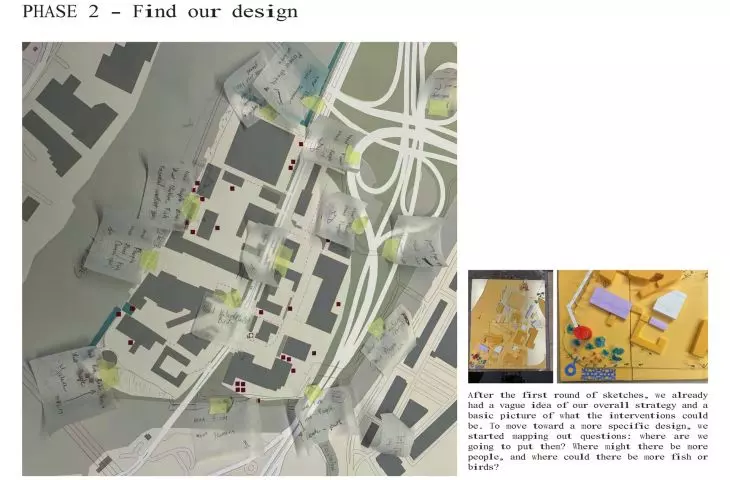
The key question that accompanied the entire design process was: who are we creating this place for? The answer was clear - the project is meant to support the current users of Marieholm, strengthen their relationship with the site and at the same time restore greenery as a universal urban value.
© Samuel Björkeström, Marie Holst, Leyuan Li, Julia Robak
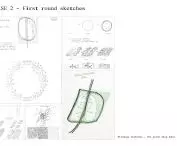
green ring
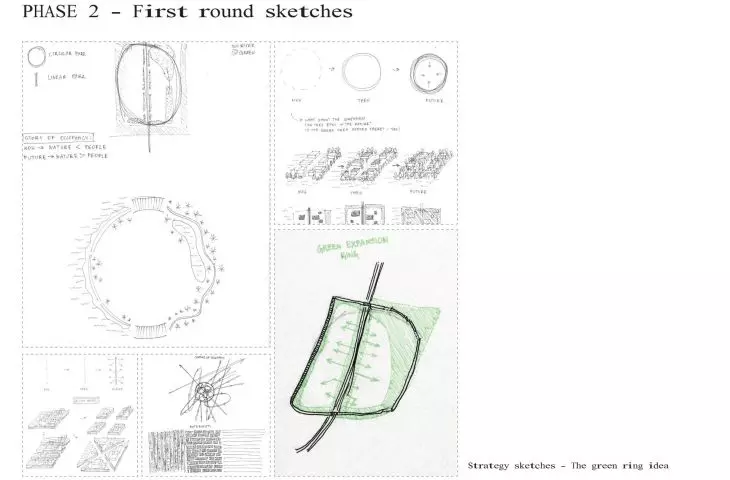
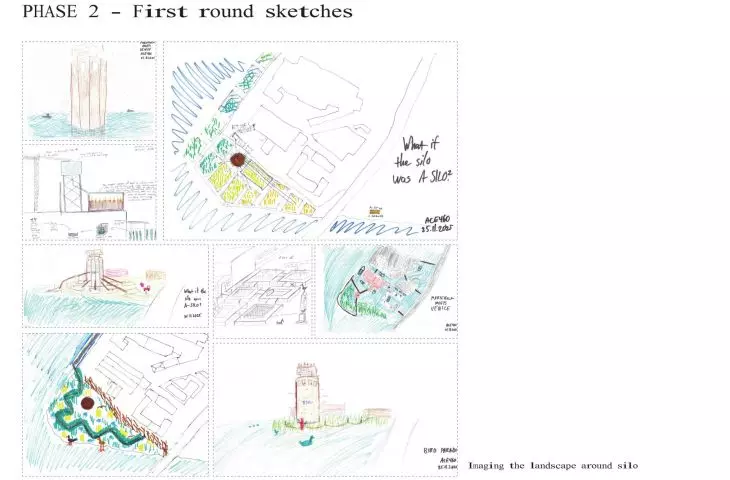
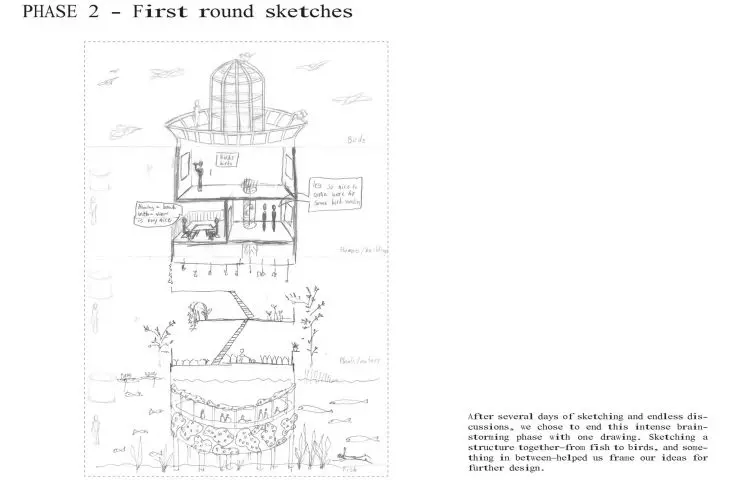
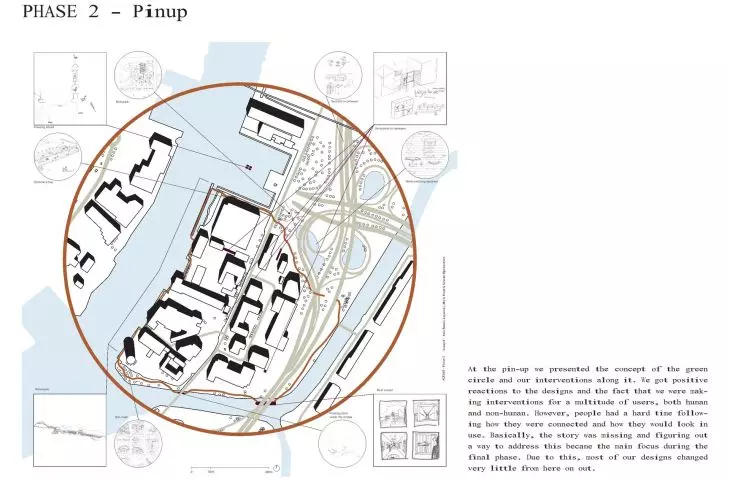
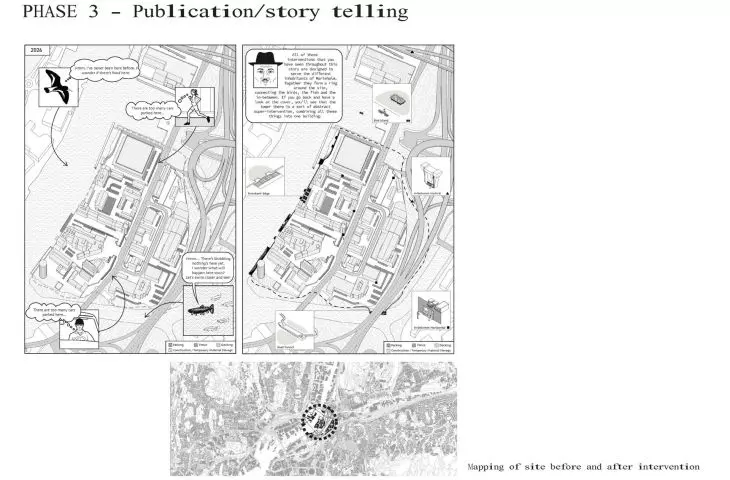
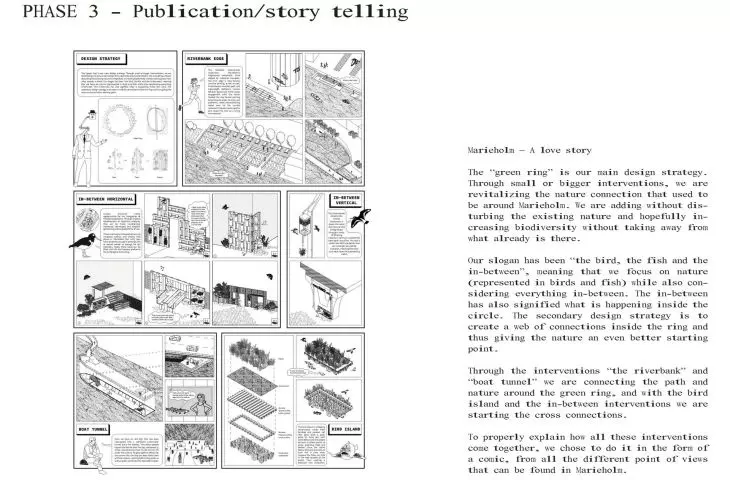
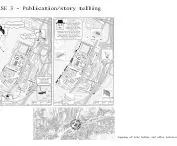
The "green ring " - a system of small and larger interventions to reconnect nature with Marieholm's industrial landscape - has become the project's central idea.
The slogan "the bird, the fish and the in-between" means looking from three perspectives:
- the bird - that is, what is above the city,
- the fish - what's below the surface of the water,
- and the in-between - people, space and micro-ecosystems.
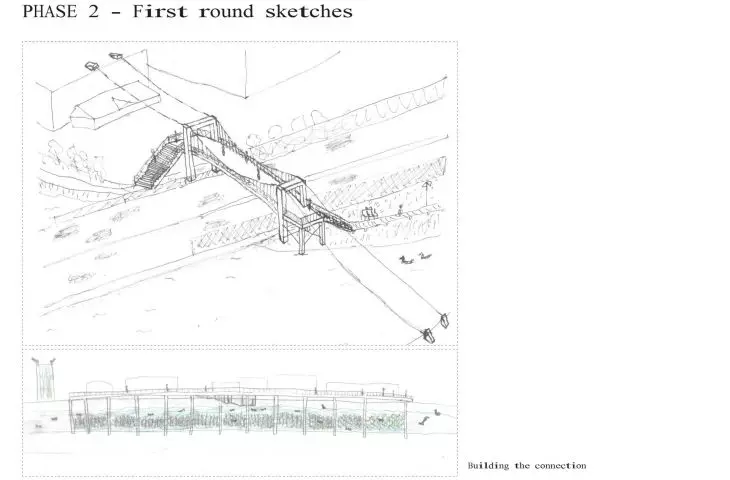
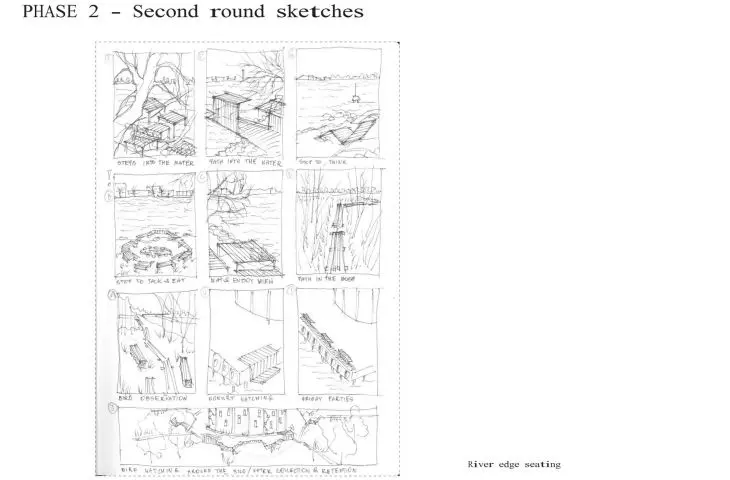
Inside the ring, a network of connections is created that enhances biodiversity and creates a new, soft structure for future forms of urban life. The project restores the continuity of the waterfront through a path along the river, terraces and light platforms. Former parking lots are transformed into steps and seating areas. Planting zones improve water quality and reveal the river as a living organism, not just a piece of infrastructure.
© Samuel Björkeström, Marie Holst, Leyuan Li, Julia Robak
life between buildings
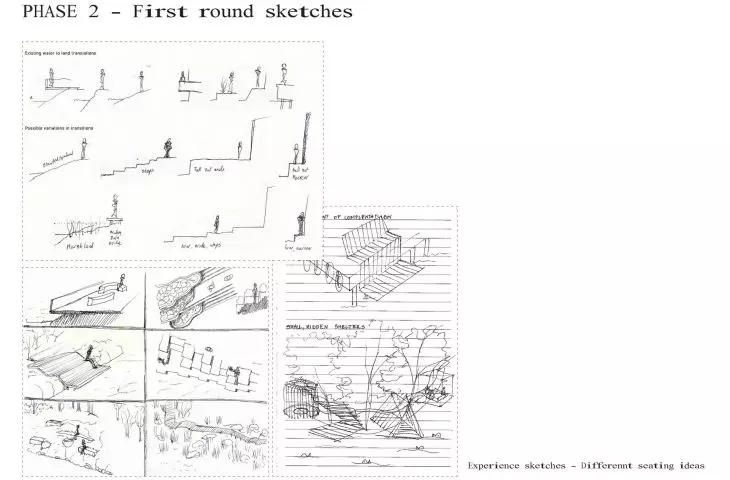
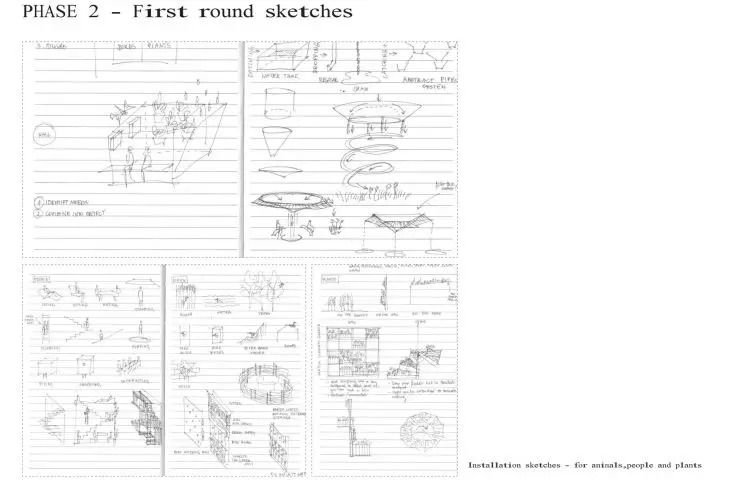
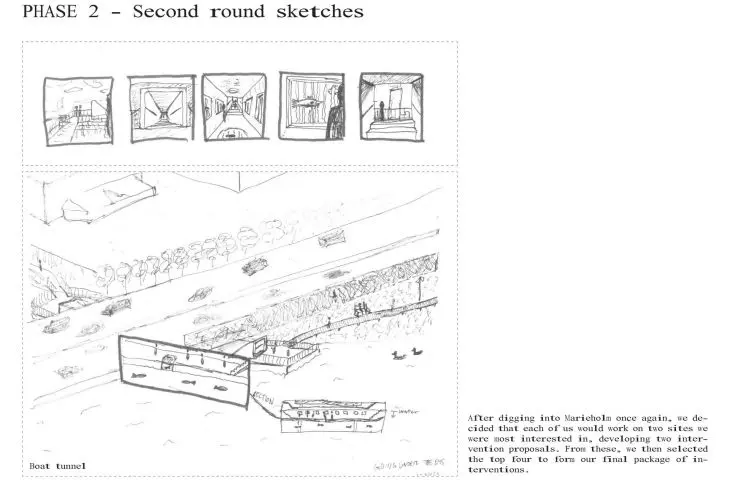
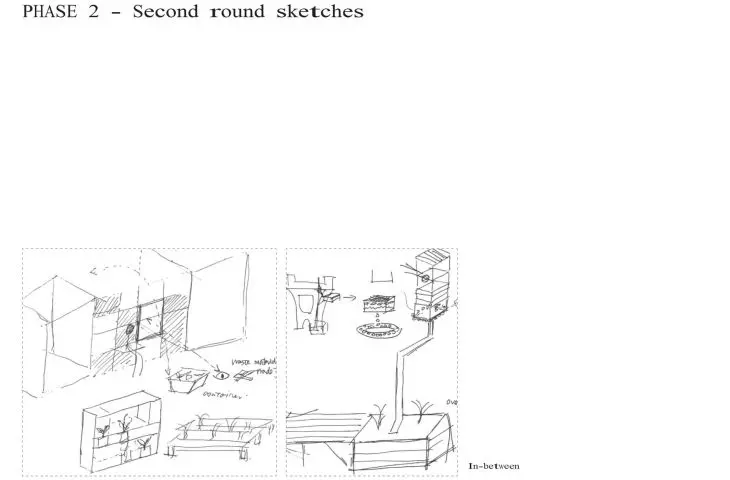
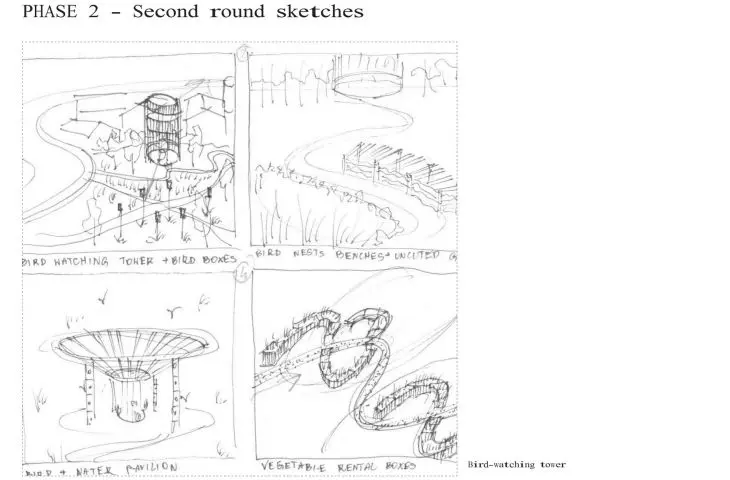
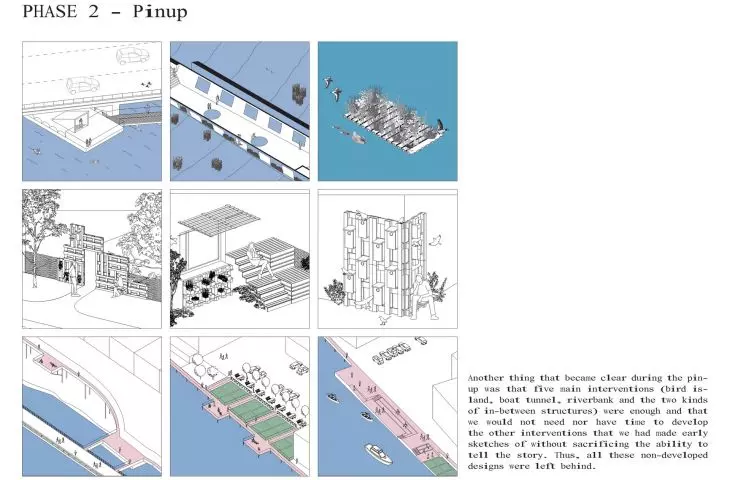
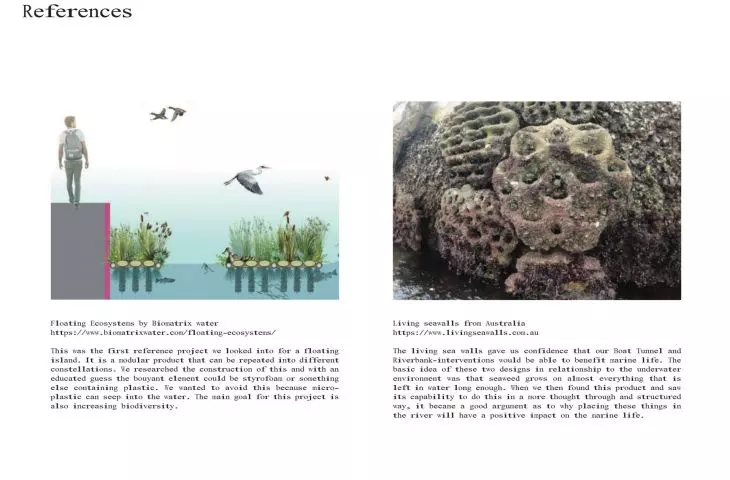
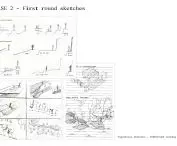
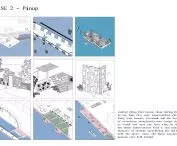
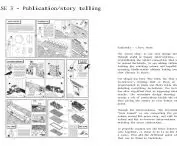
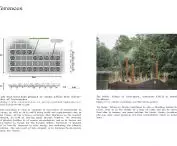
Vertical structures made of Euro pallets - modular, flexible and transformable - appear between the halls. They can serve as seats, bird shelters and plant structures. One of the interventions filters rainwater running off the bridge - before it reaches the plants and birds. Seats are created from pallets retired from transportation, giving them a new urban life. An old ship is transformed into an underwater tunnel for people and a habitat for fish. It allows people to pass under the highway, while showing life under the surface of the water. Stone structures and vegetation create hiding places for fauna and promote algae growth.
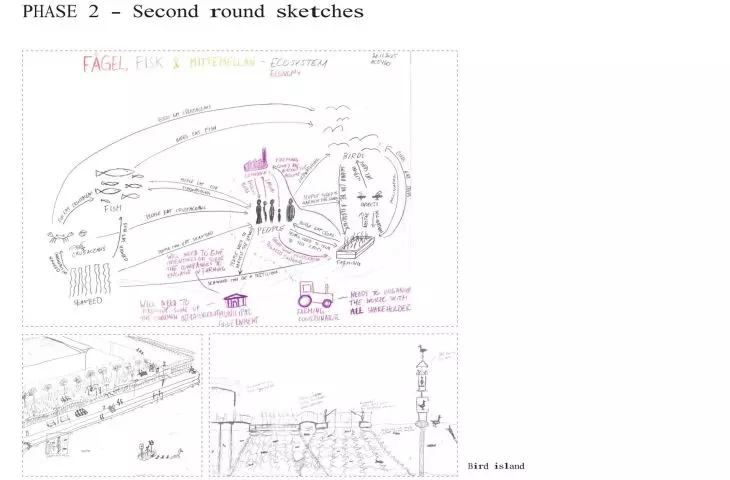
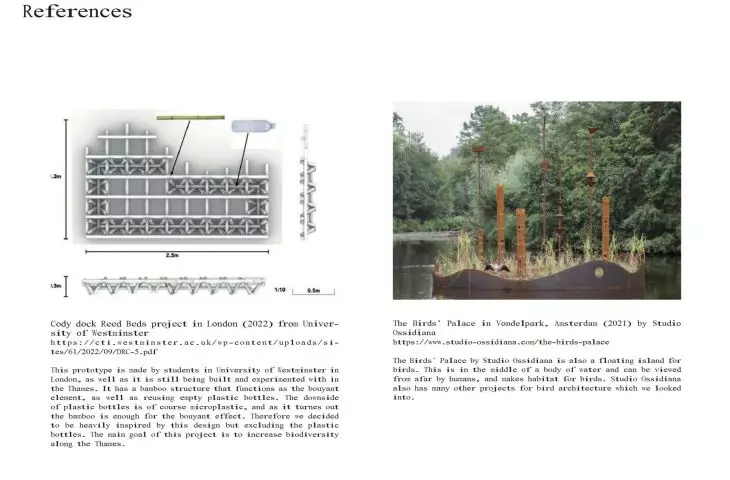
A floating island made of bamboo and coconut fiber becomes a refuge for birds. Plants provide shelter and food, and a root system creates a safe place for fish. It's a small, self-sustaining ecosystem balancing water and air.
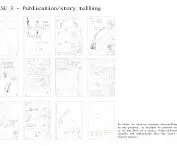
"Marieholm - A Love Story" is not a project about a single building. It's a narrative about relationships: between industry and nature, man and landscape, past and future. It's an attempt to see the city through the eyes of a bird, a fish and what's in between - and an invitation to think of architecture as a delicate, careful intervention in the existing world.