












Monday does not have to be synonymous with tension, a return to routine and a drop in energy. Rather, it is increasingly a warning sign for the employer: if people are reluctant to return to the office, it is worth asking not only about their responsibilities, but also about the atmosphere, relationships and where they spend much of the week.
Monday says more than it seems
A reluctance to start the week is easy to turn into a joke. In practice, however, it can show that the day-to-day work experience does not give employees enough comfort, a sense of impact and regeneration. It's this aspect that SKOLL's report "To Like Mondays" highlights, which treats Monday's mood not as a meme, but as a starting point for a conversation about the quality of the work environment.
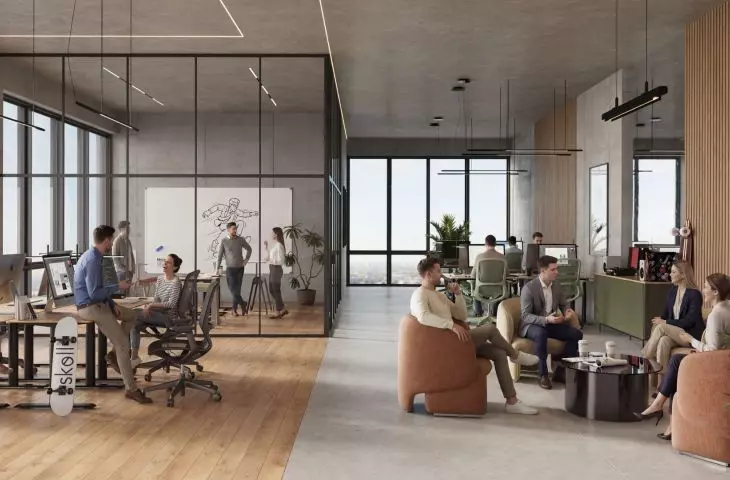
Attitude to work is influenced by many factors: the way tasks are organized, management style, team relationships, but also space. An office can enhance focus, encourage contact and organize the day. It can also work the other way around: tiring with noise, chaos, lack of privacy and anonymous decor.
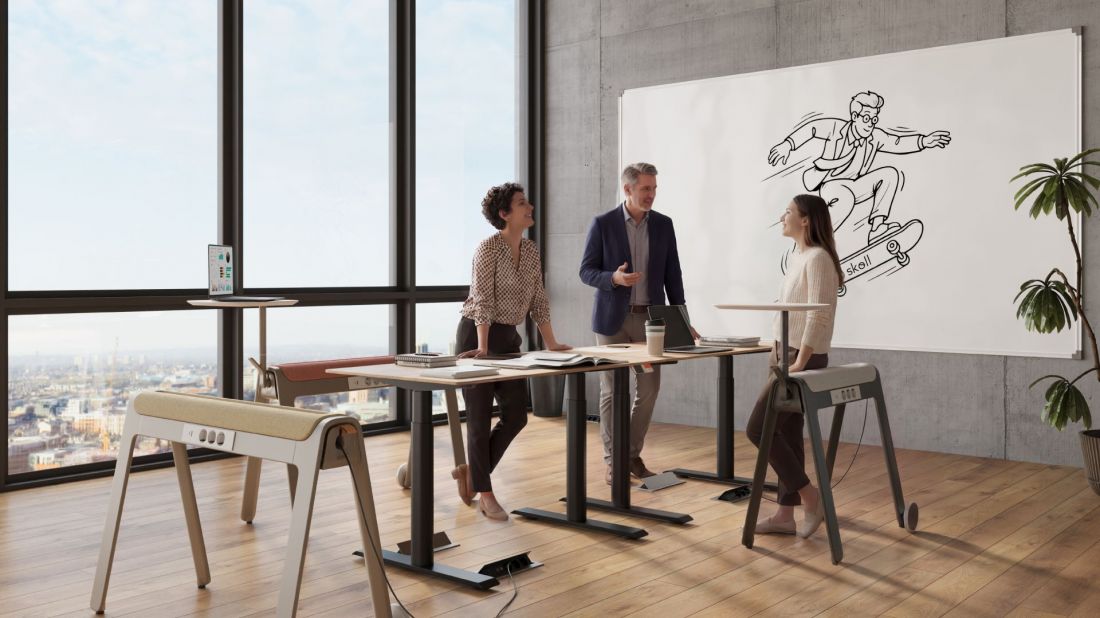
How a well-designed office can change the energy at work
© SKOLL
Efficient&fun, or efficiency in a good atmosphere
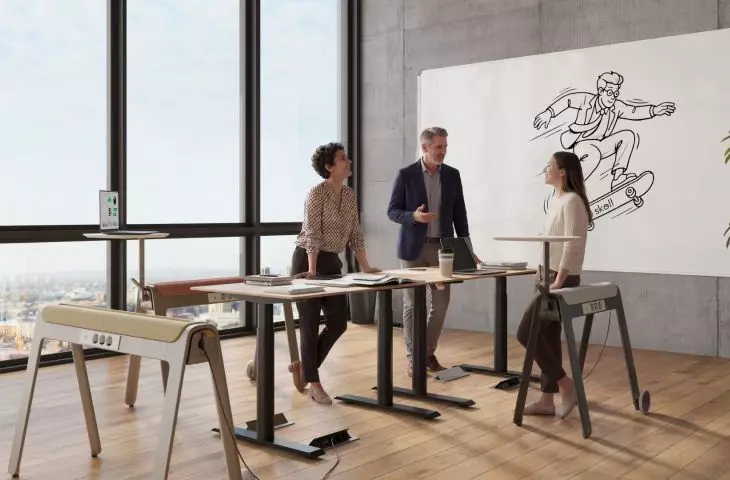
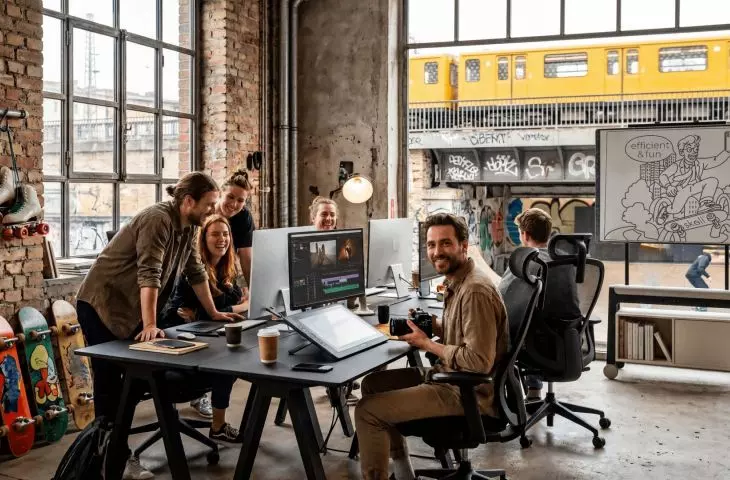
SKOLL builds its approach around the idea of efficient&fun. It's the premise that work can be professional, well-organized and efficient, while also being friendly, casual and engaging. "Fun" here does not mean entertainment instead of duties. It's about everyday lightness: a comfortable place to talk, aesthetically pleasing surroundings, functional common areas and solutions that don't get in the way, but help.
In times of fatigue, declining engagement and growing discussion of professional burnout, such a perspective is strategic. Space is no substitute for good management, but it can become one of the tools to promote well-being, relationships and better work organization.
The offerings available at the SKOLL store show how this philosophy can be translated into specific furnishings for offices, horeca spaces and commercial interiors.
Burnout rarely starts with one big problem
Work fatigue often builds up slowly. It consists of overload, prolonged stress, lack of recovery, unclear processes and an environment that adds further stimuli instead of support. Seemingly small elements of everyday life can make a big difference: uncomfortable furniture, lack of space for quiet conversation, monotonous aesthetics, mismatched zoning, or noise that impedes concentration.
That's why the conversation about the office should not end with the square footage and number of workstations. A well-planned space takes into account the different rhythms of work: concentration, collaboration, spontaneous meetings, relaxation and quick exchanges of information. The better it meets these needs, the easier it is to build a positive experience of the day.
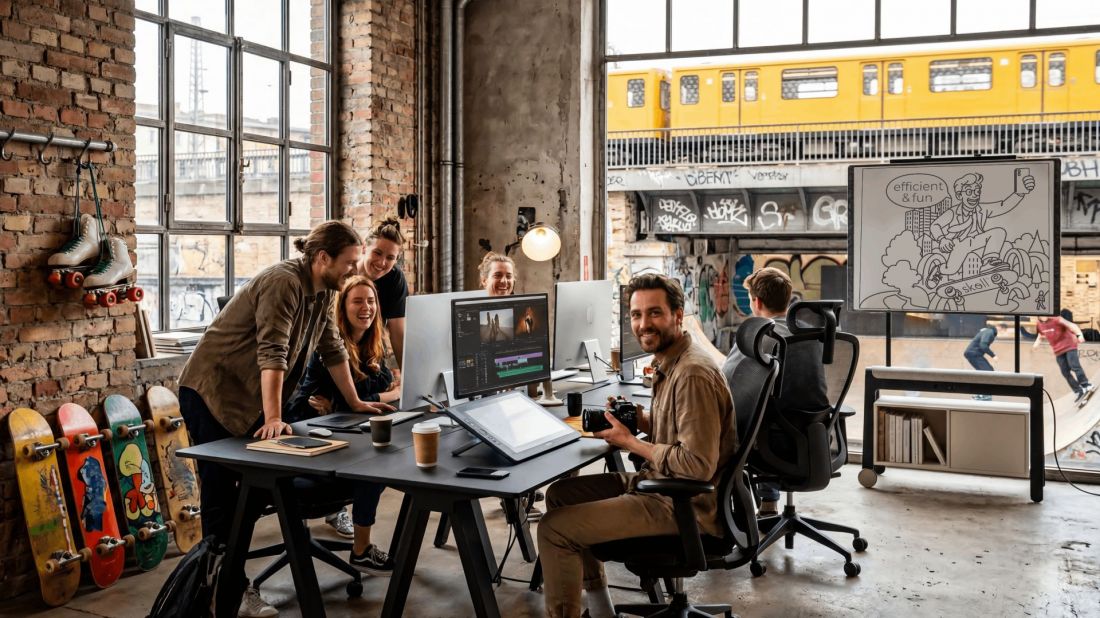
How a well-designed office can change the energy at work
© SKOLL
The office as a tool for organizational culture
A modern office is more than a company address. It's a place where organizational culture becomes visible: in the way meetings are conducted, the availability of common spaces, the quality of rest, and whether people feel invited to collaborate.
Space can shorten distance, facilitate conversation and foster a sense of community. It can also reinforce isolation if it is too rigid, impersonal or subject only to control and order. That's why more and more companies are looking at equipment not just as a purchase, but as part of a work strategy.
Organizations that are planning a major change or want to tailor solutions to the specifics of the team can take advantage of the B2B contact option from SKOLL.
Furniture that influences behavior
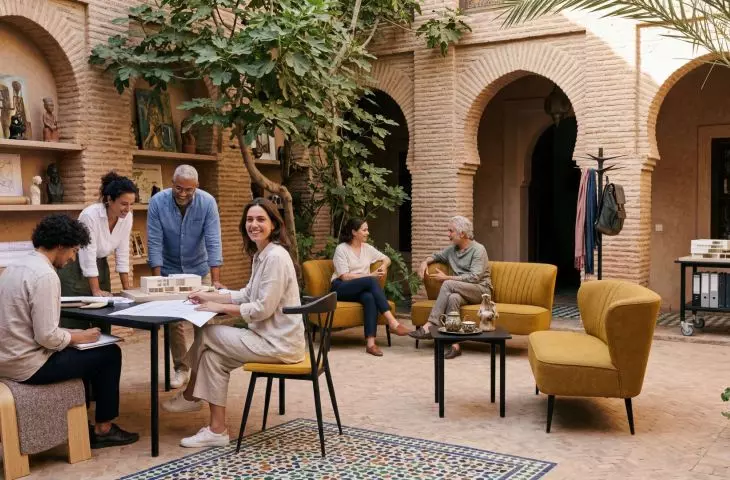
Office furniture is sometimes thought of as a neutral backdrop, though it actually shapes how people use the space. Seating arrangements can either encourage conversation or impede it. Materials can build a sense of durability and quality. Color and form can introduce energy, order or coziness.
SKOLL solutions combine functionality with a positive user experience. They are meant to support work, but also to create an environment where it is easier to interact, relax and take a moment to breathe. This is especially important in offices that are meant to encourage people to come back, not just fulfill a formal presence requirement.
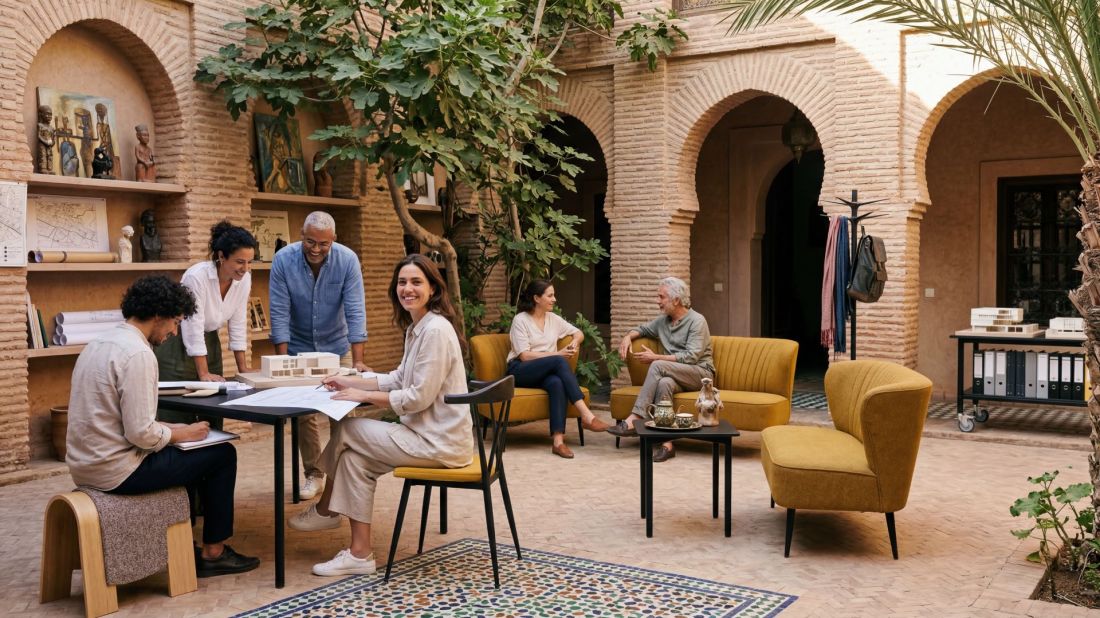
How a well-designed office can change the energy at work
© SKOLL
What should a good work space provide?
A well-designed office should help with communication, reduce daily stress, enhance concentration, stimulate creativity and build an atmosphere where people feel more taken care of. Durability is also important, as common spaces, meeting rooms, lounge areas or horeca interiors are heavily used and quickly verify the quality of solutions.
SKOLL responds to these needs by combining a design approach, manufacturing facilities and materials that withstand daily use, such as compact HPL laminate. As a result, the products can perform well in offices as well as hotels, restaurants, meeting rooms or service spaces.
For inspiration, realizations and brand news, follow SKOLL on Facebook.
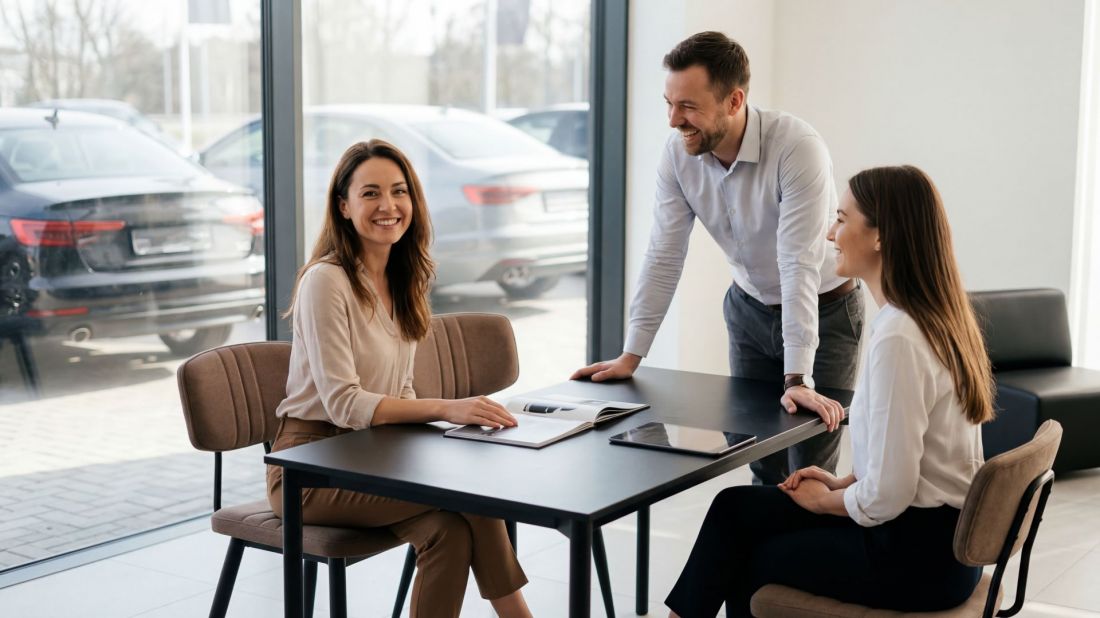
How a well-designed office can transform the energy at work
© SKOLL
Why should companies take the office seriously?
Many organizations today are looking for answers to the question of how to keep people engaged and meaningfully encourage stationary work. Simply deciding to be in the office is not enough. Employees need to see value in the place they return to: the opportunity to collaborate better, communicate more efficiently, build relationships and work in an environment that doesn't take away their energy.
In this sense, the office becomes part of the employee experience. It can support business goals, but also show that the company understands people's daily needs. Aesthetics, ergonomics and flexibility are not add-ons. They are elements of whether the space actually works.
A broader conversation about workplace design, commercial spaces and the Efficient&fun approach is also worth watching on SKOLL's LinkedIn profile.
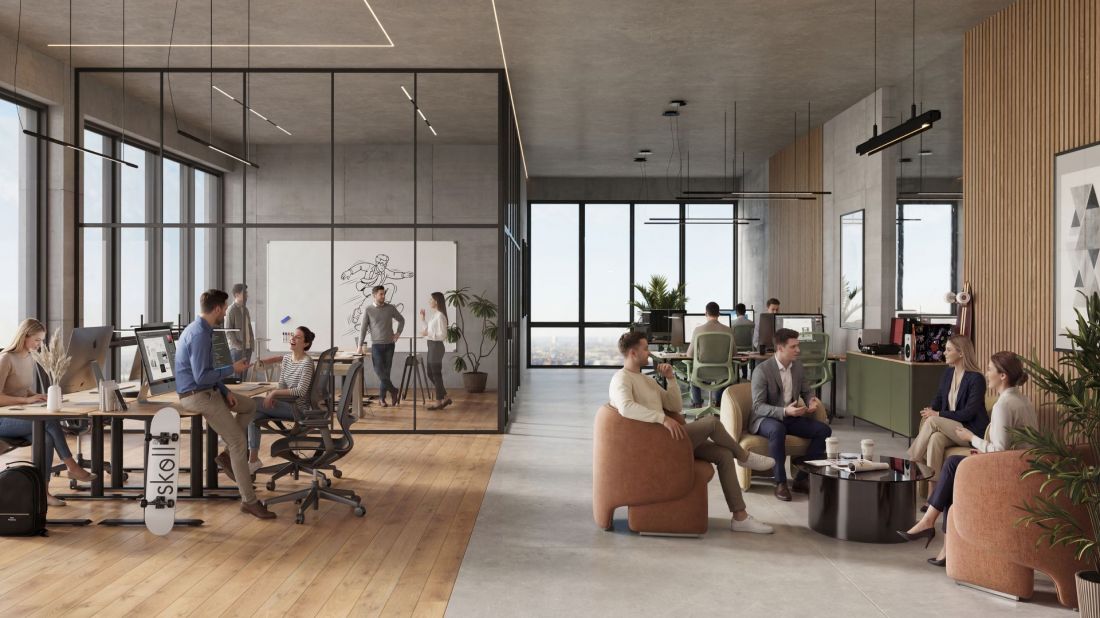
How a well-designed office can change the energy at work
© SKOLL
Liking Mondays starts with the everyday
There is no single piece of furniture or arrangement that will solve all challenges related to motivation, stress or burnout. But there are a number of design decisions that can incrementally change the quality of work: a comfortable meeting space, a flexible common area, a welcoming aesthetic, durable materials and a layout that supports the team's natural behavior.
It is the sum of such experiences that determines whether an office is associated solely with duty, or also with energy, relationships and a sense of purpose. If the space helps people work more effectively, talk more freely and feel more comfortable throughout the day, Monday really can become easier.
Check out SKOLL's solutions and see how well-designed furnishings can support people, relationships and efficiency in your organization.
sponsored article