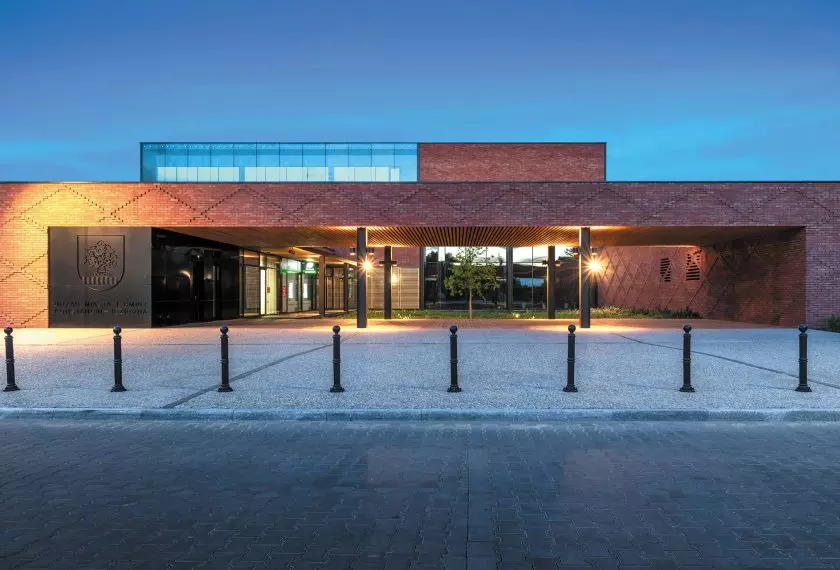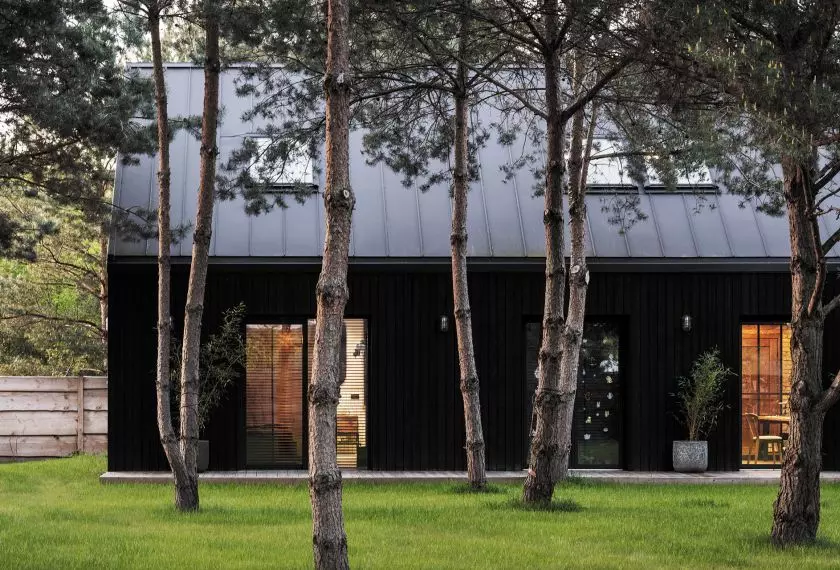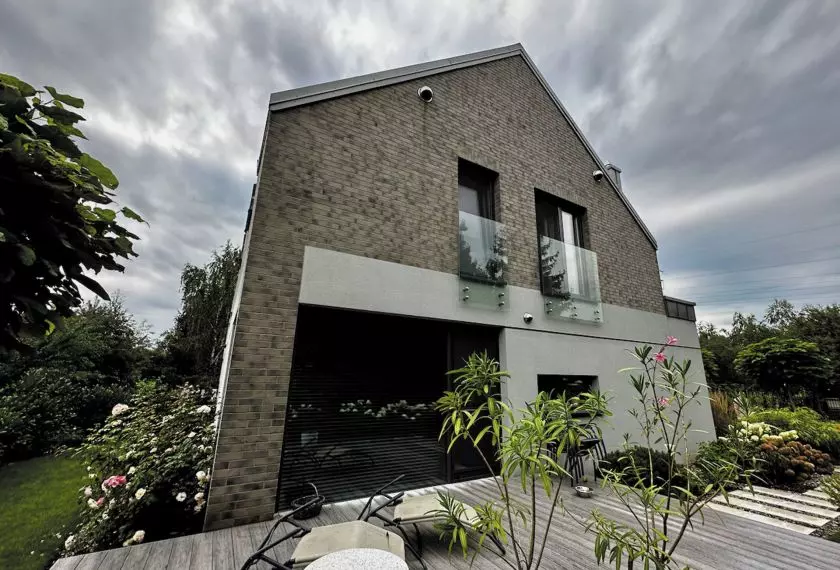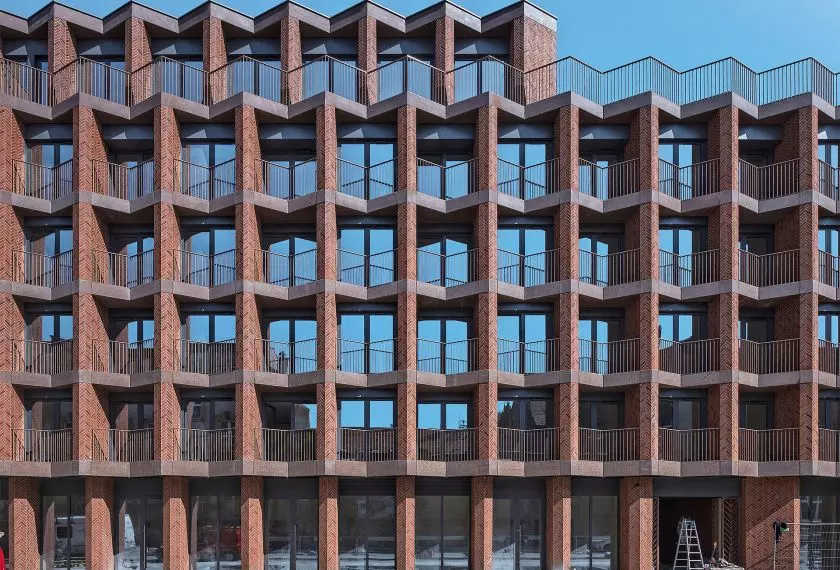


With GreenCoat® steel, we create solutions for roofs, facades, gutter systems and industrial applications. We help architects, designers and roofers in their work to add character, creativity and craftsmanship to the world around us.
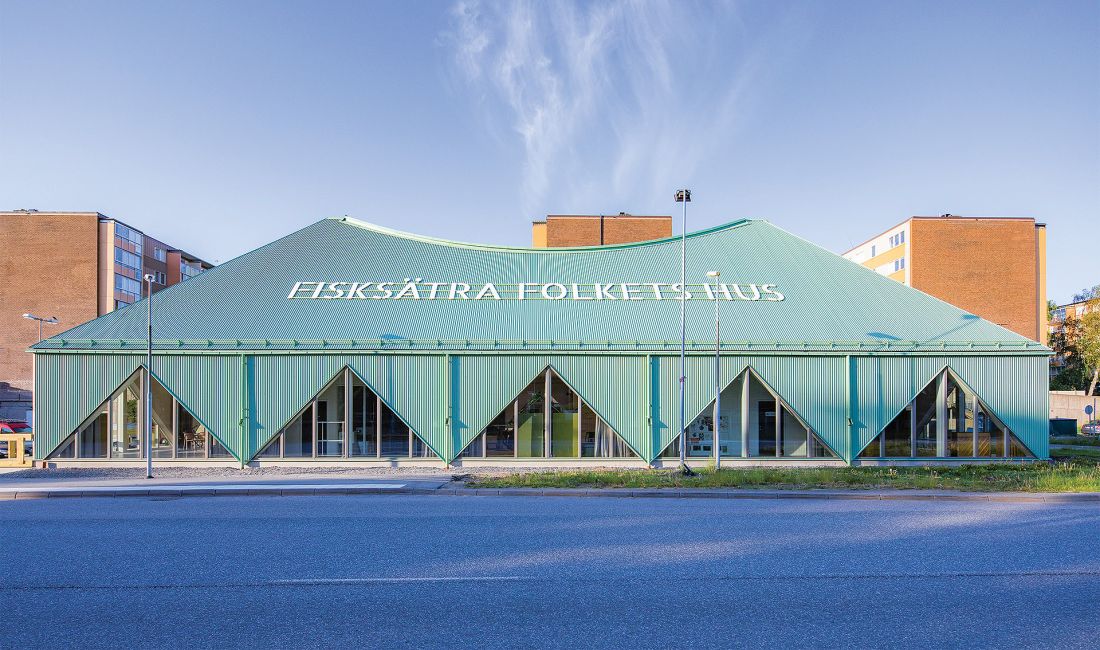
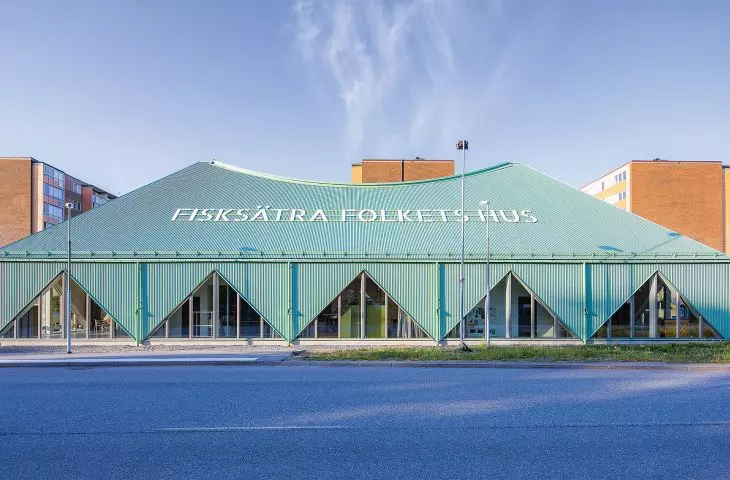
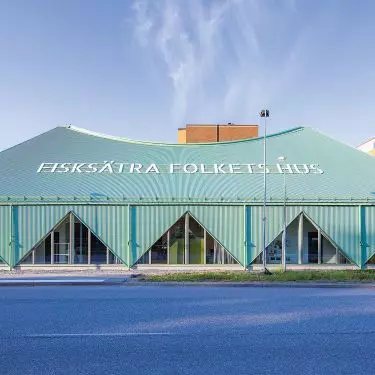
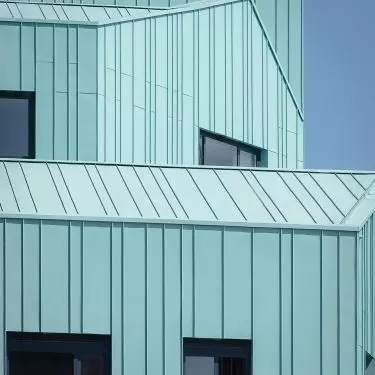
Fisksätra Folkets Hus, Sweden, by sandellsandberg arkitekter, Stockholm. GreenCoat Pro BT in Silver Fir Green
© SSAB
Our expertise in producing steel with long-lasting properties is deeply rooted at SSAB and dates back to the 19th century. Most of our colors contain rapeseed oil, a pioneering Nordic formula that has been shown to withstand all weather conditions.
A world of colors built of steel.
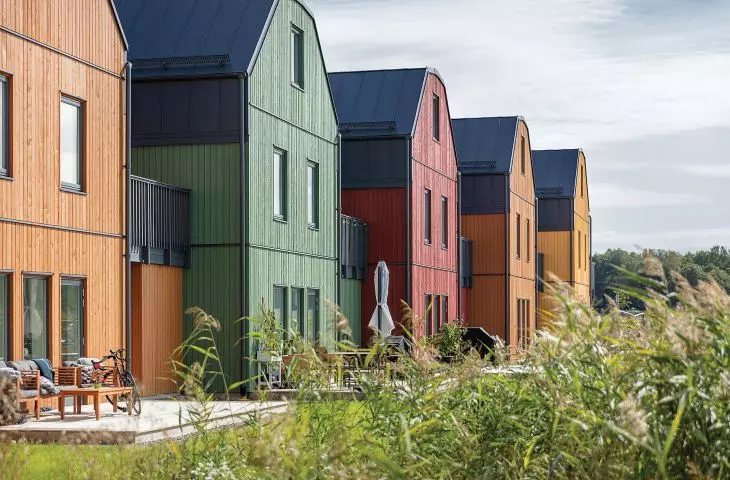
Some designs are created to be eye-catching, while others are created to blend in with their surroundings. Working with artists, architects and designers, we have developed a palette of 28 colors that meet both criteria. For projects that require more than our selection, custom colors are available with a minimum order quantity.
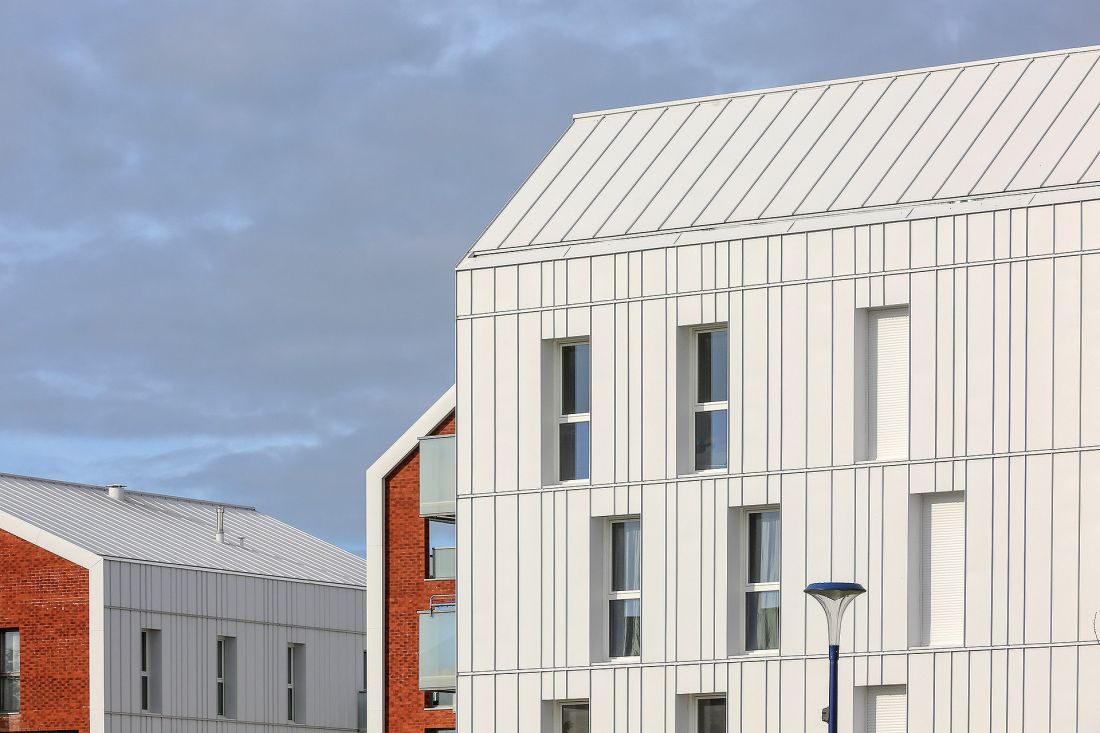
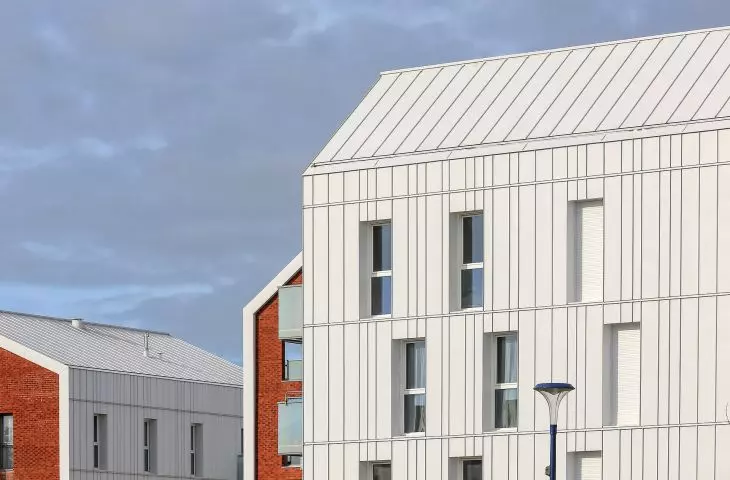
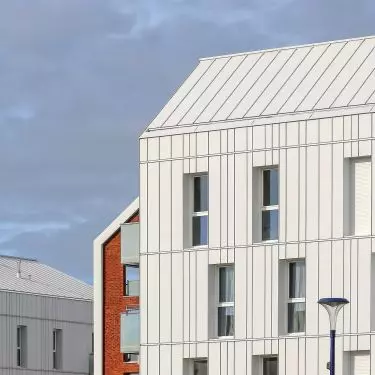
"Le Jardin des Libellules" (The Dragonfly Garden), France by GBL Architectes, France. GreenCoat® color coated steel in Snow White
© SSAB
GreenCoat® environmental product declaration (EPD)
Today, the product life cycle is increasingly important. As a result, documents must cover life cycle phases, product content, as well as production and the best way to recycle or reuse materials.
We have two EPDs for GreenCoat® - one for our blast furnace-based steel and one for our SSAB Zero™ substrate steel. The EPDs are available on our website.
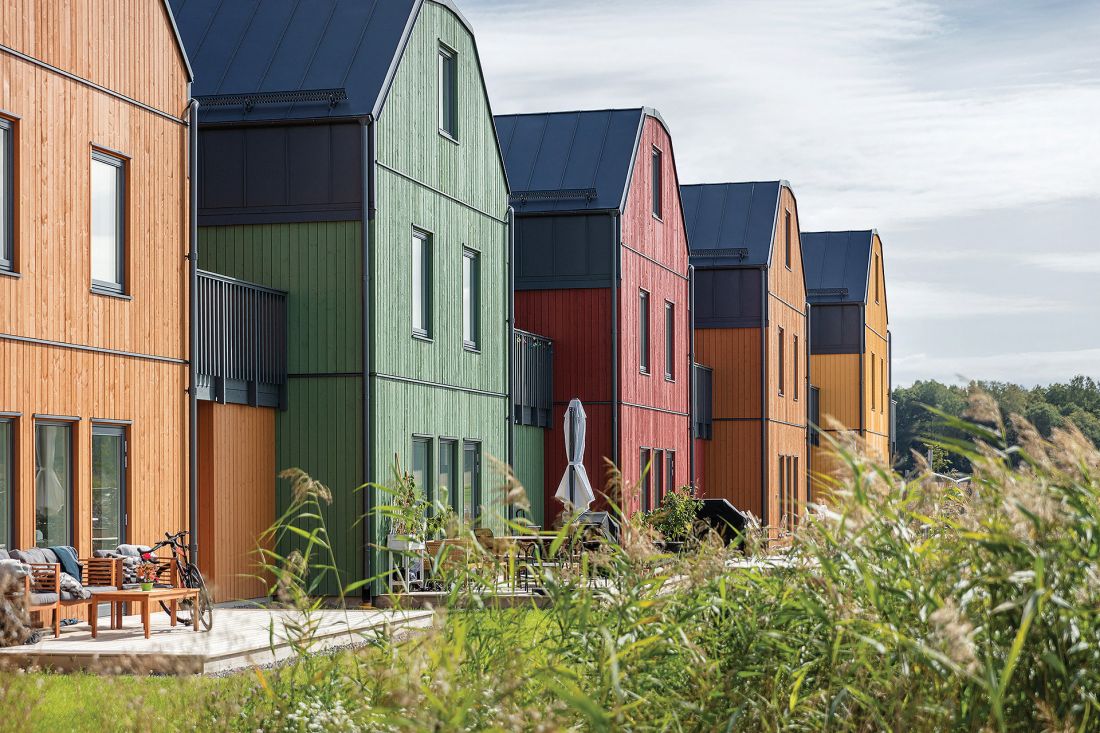
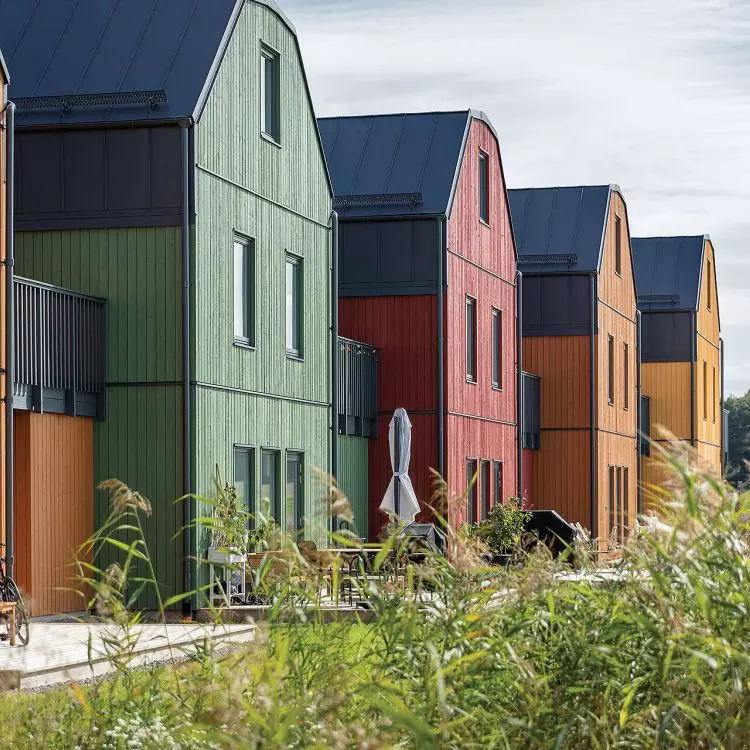
Kvarteret Rördrommen, Sweden, by Sweco. GreenCoat Pro BT in Anthracite Grey
© SSAB
Why steel?
Steel in buildings is not new. GreenCoat® steel products are easy to form, less prone to buckling and other unwanted deformations, and maintain their uniform appearance for many years, providing a longer service life. When it comes to sustainability, steel is one of the few materials that can be 100% recycled. Steel emits less CO₂ during production than other building materials, such as aluminum. Steel is the preferred material for buildings. Many countries prohibit the use of non-ferrous metals, such as zinc or copper, in buildings because of the risk of soil contamination during rainfall.
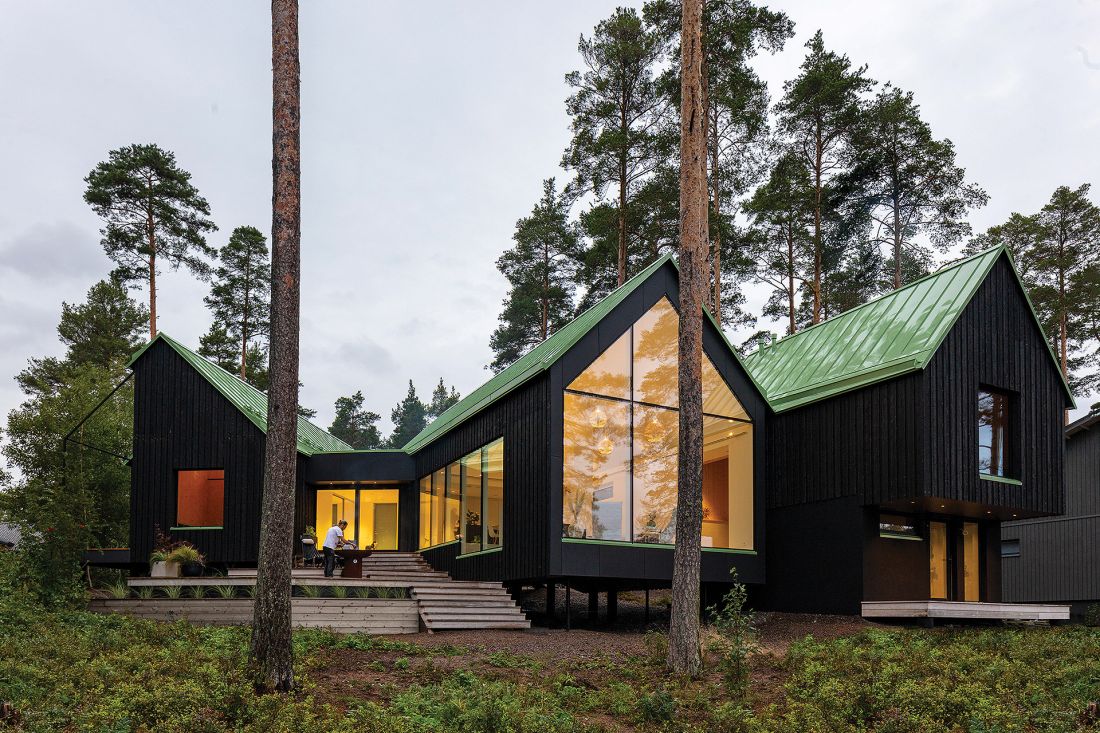
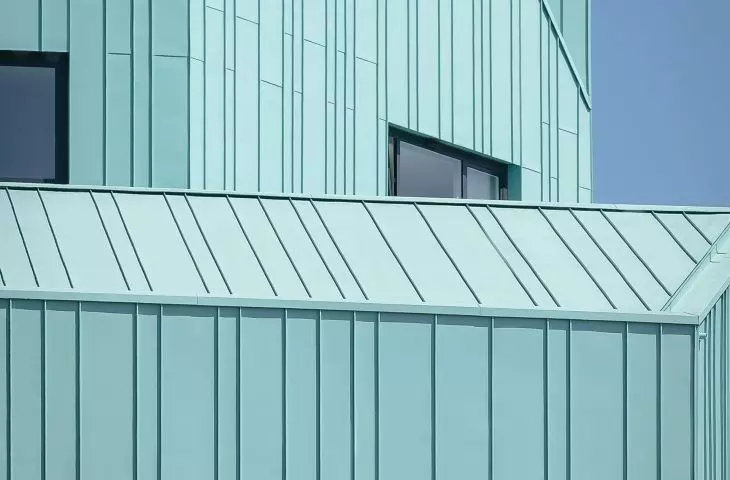
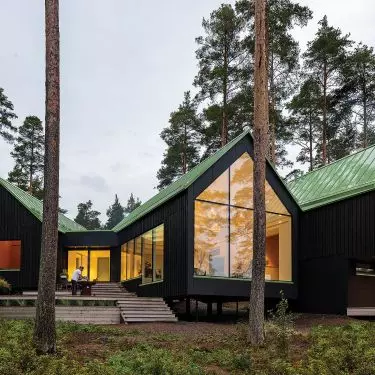
Dogs & Doctors house, Finland, by Pirinen Salo. GreenCoat Pural BT in Pale Green.
© SSAB
A side effect during steel production at SSAB will soon be water, not CO₂. Steel without fossil fuels thanks to HYBRIT technology
In 2016, SSAB, LKAB and Vattenfall joined forces to create the HYBRIT project. HYBRIT aims to convert coking coal, traditionally used to make steel from iron ore, into hydrogen derived from renewable energy. The byproduct obtained in steelmaking would be water rather than carbon dioxide.
For more information, visit the company's SSAB Poland Sp. z o.o. page on the A&B portal.