


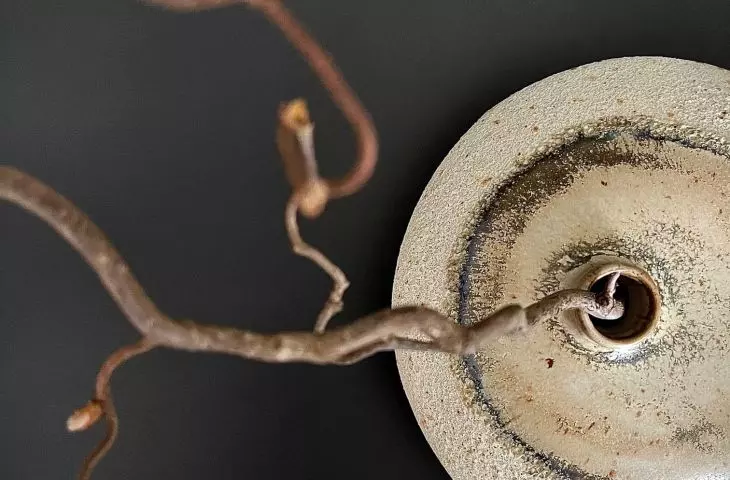
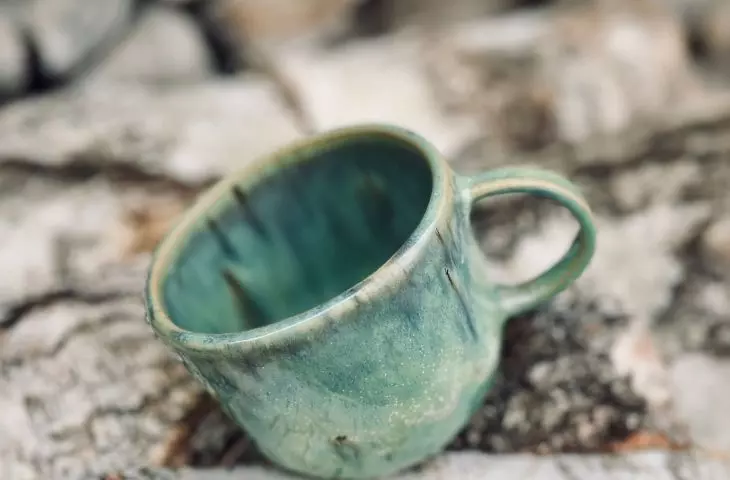
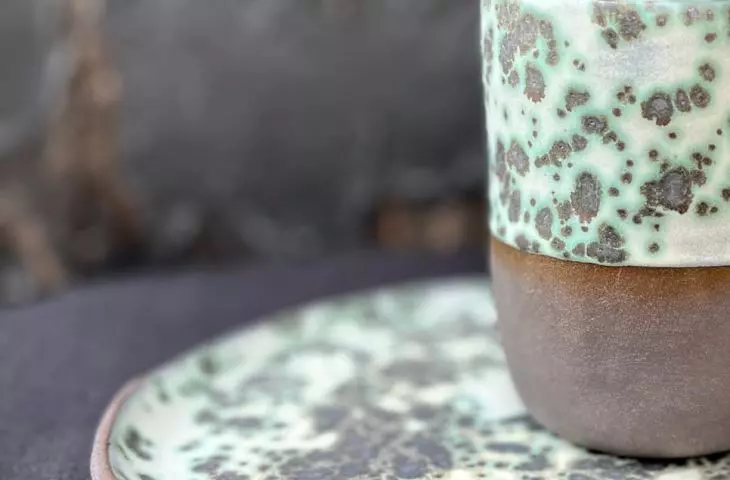
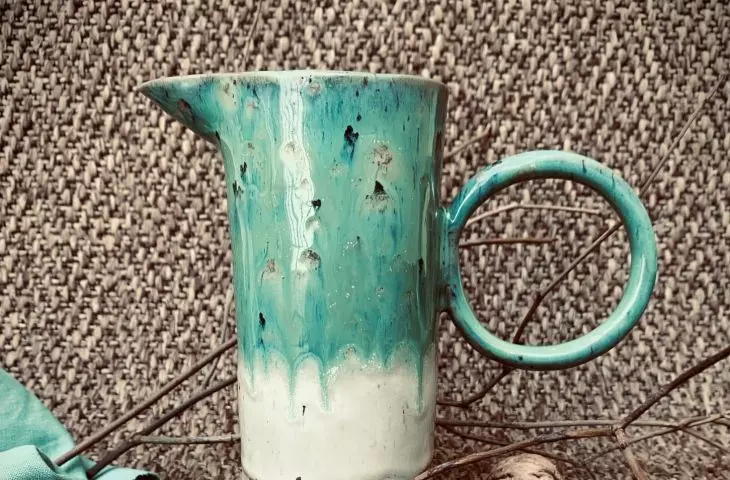

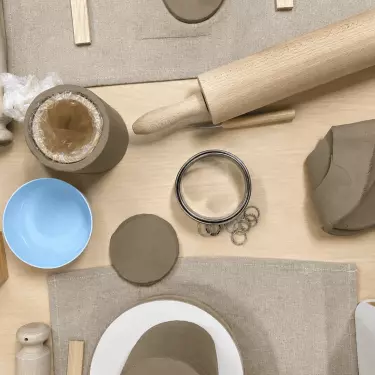
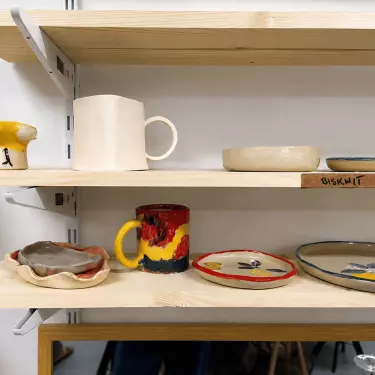
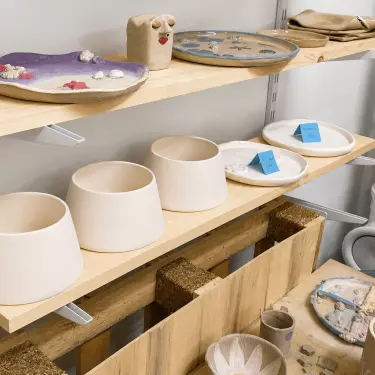
Clay is very popular —not only among those who enjoy creative hobbies, but also among people who want to use handmade crafts to bring a nostalgic atmosphere and a personal touch to their homes. We talk with Patrycja Szarek (SZARACeramika) and Karolina Iwańska (Mała Ceramika) about the process behind creating handmade decorations.
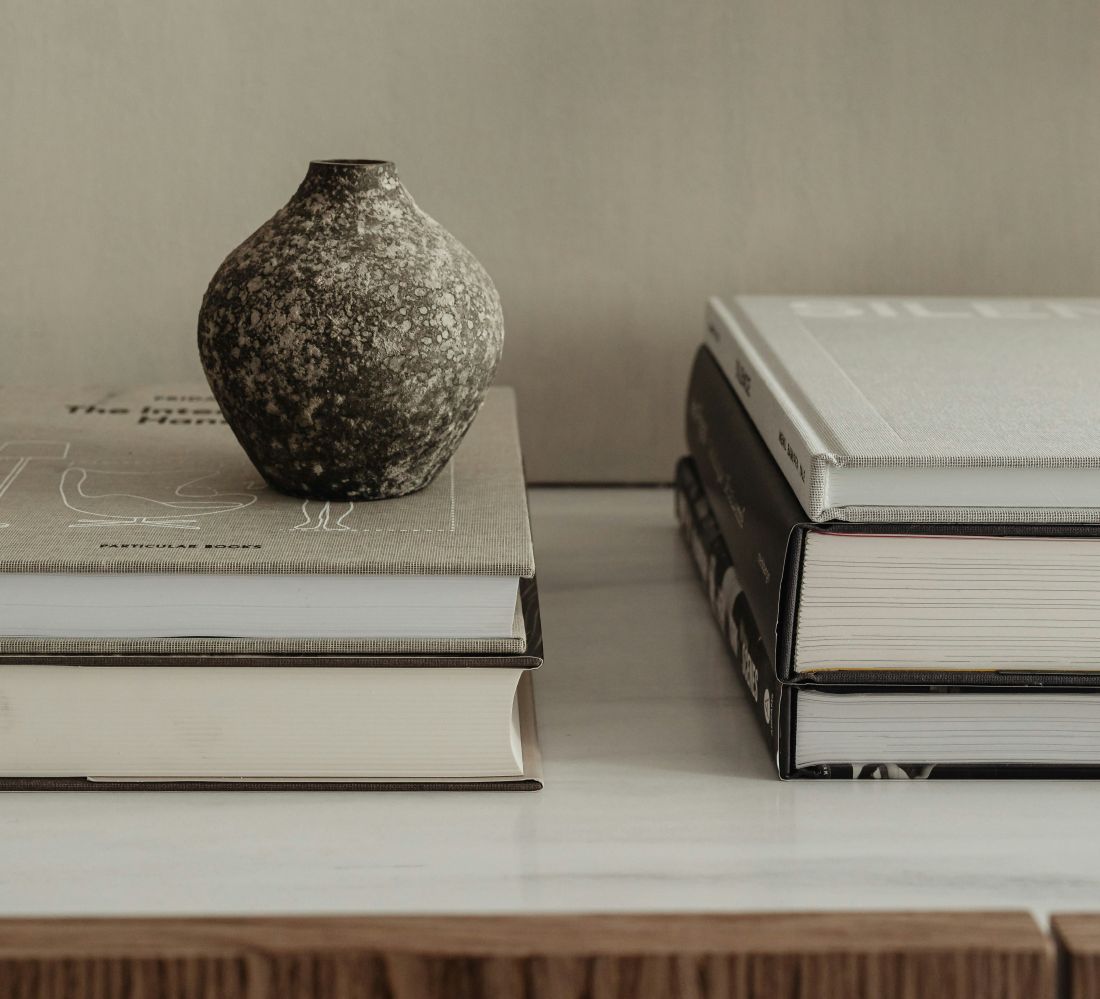
Ceramics in the Home — Photo by KarolinaGrabowska©
1. Why do people today want to surround themselves with imperfect objects?
People are increasingly choosing imperfect objects because they’re seeking authenticity and products that aren’t mass-produced or repetitive. The traces of handwork, irregularities, and texture give a sense of connection to a person, rather than a factory. This aesthetic also has a calming effect; it conveys naturalness and a lack of pressure or perfectionism. In a sense, it’s also a reaction to the glut of perfect, mass-produced items from chain stores.
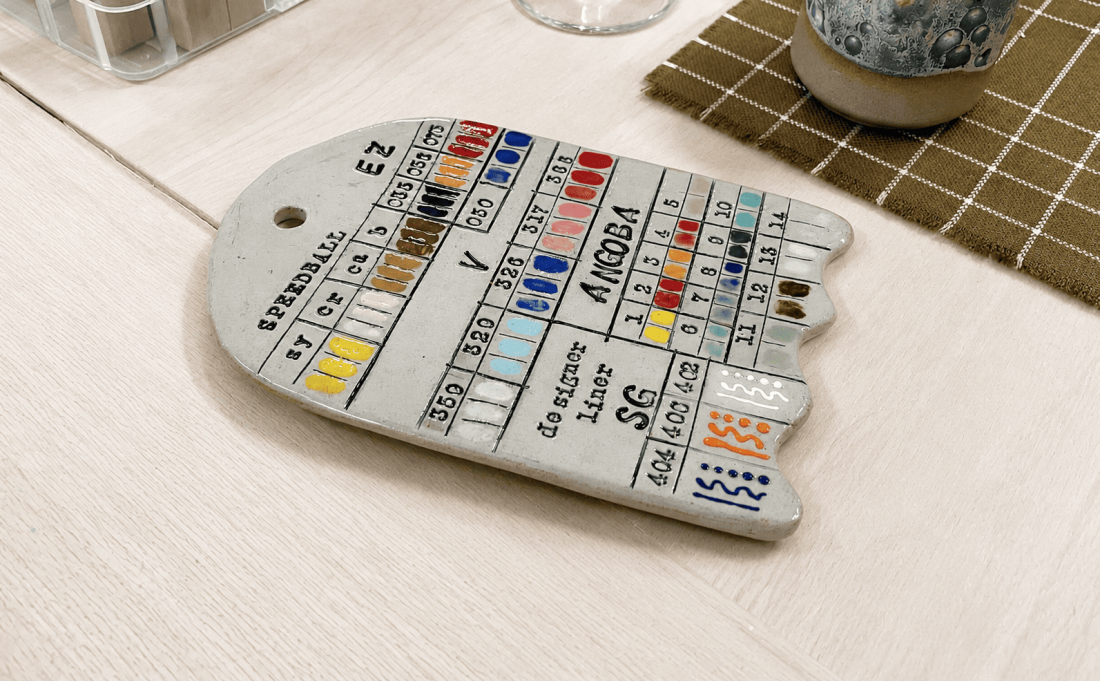
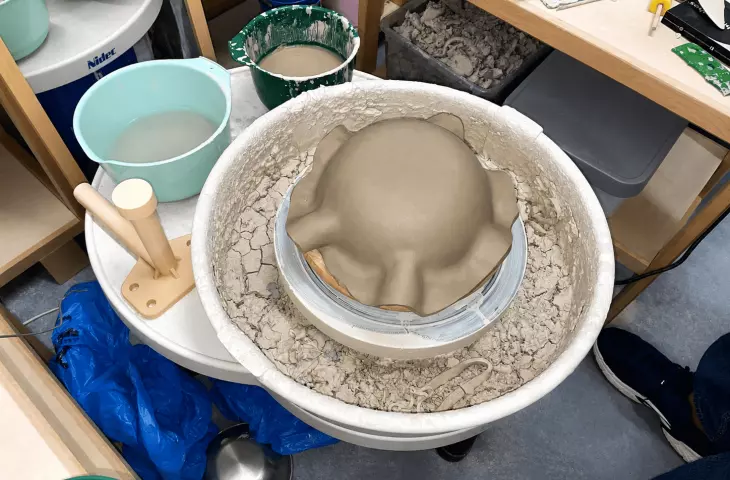
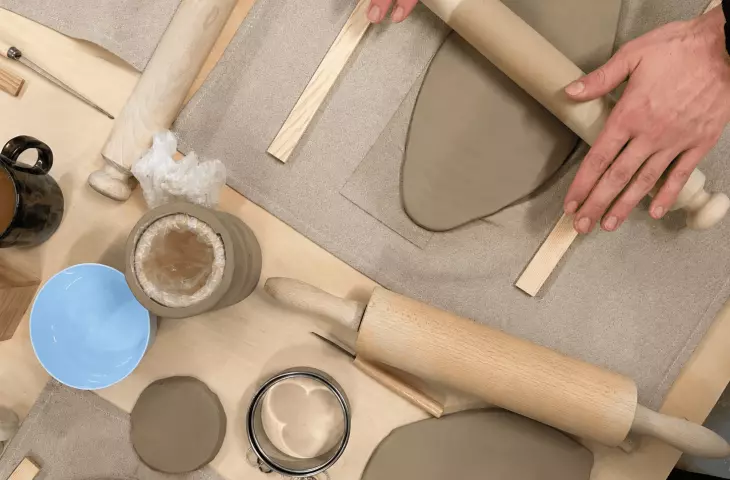
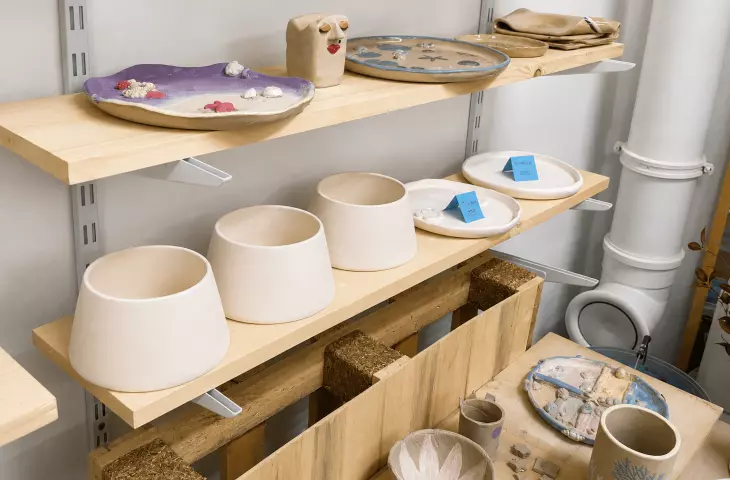
Workshops organized by Studio Mała Ceramika — Photo: Małgorzata Figiel
2. Dohandmade ceramics compete with mass-produced items, or do they rather complement them?
Usually, it complements them. Customers often buy basic furnishings in stores and choose unique ceramics as elements that give the interior a personal touch, highlighting the originality and value of handmade crafts.
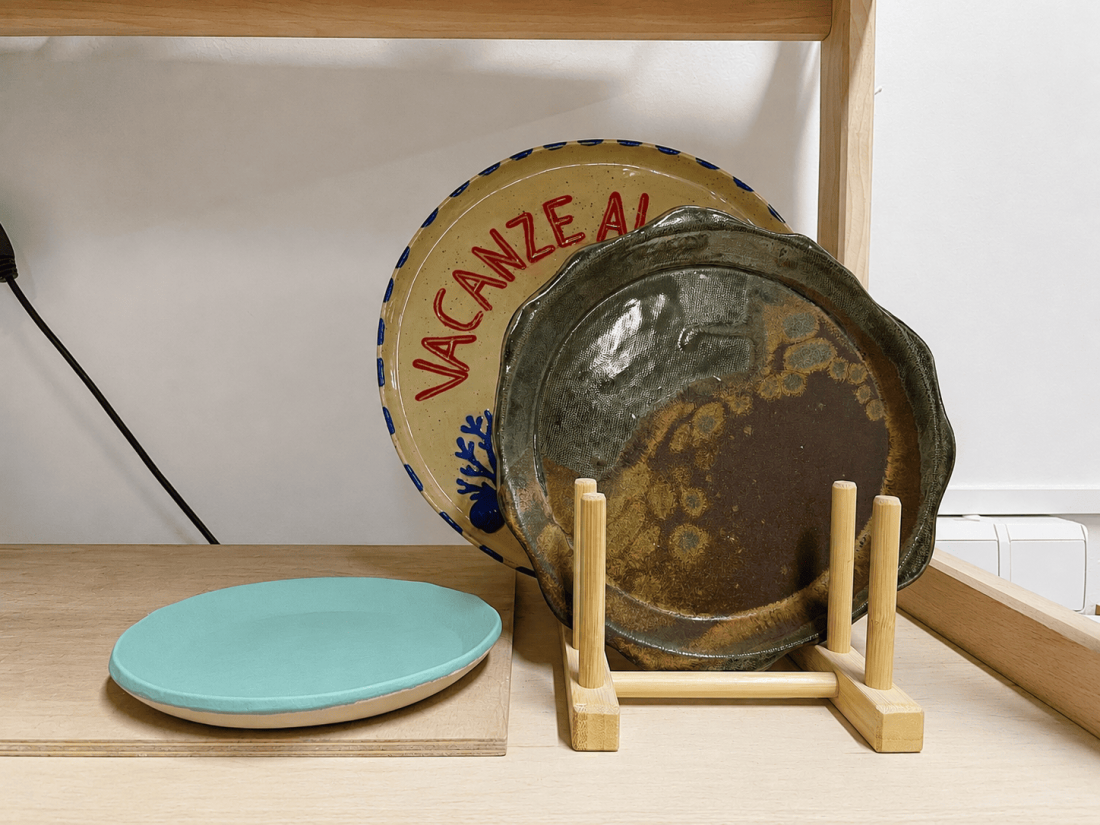
Ceramics give an interior a unique character — Photo: Małgorzata Figiel
3. Do you observe any specific trends in ceramic design?
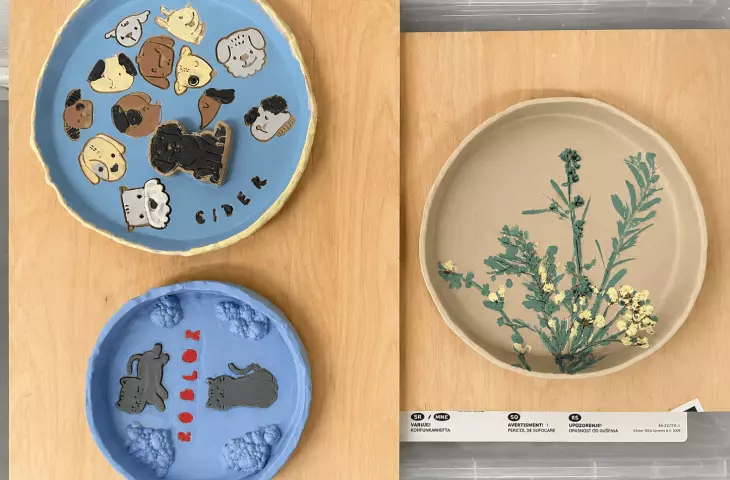
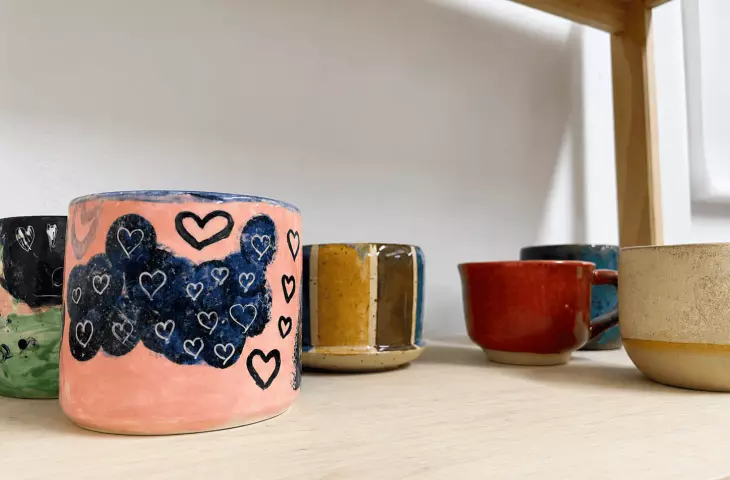
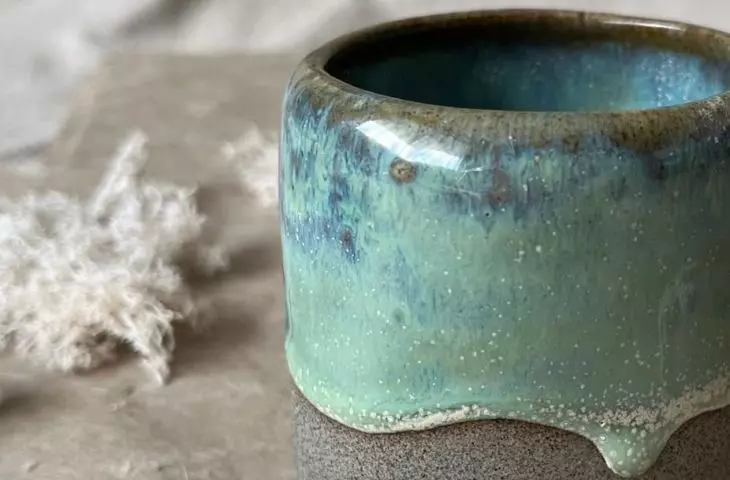
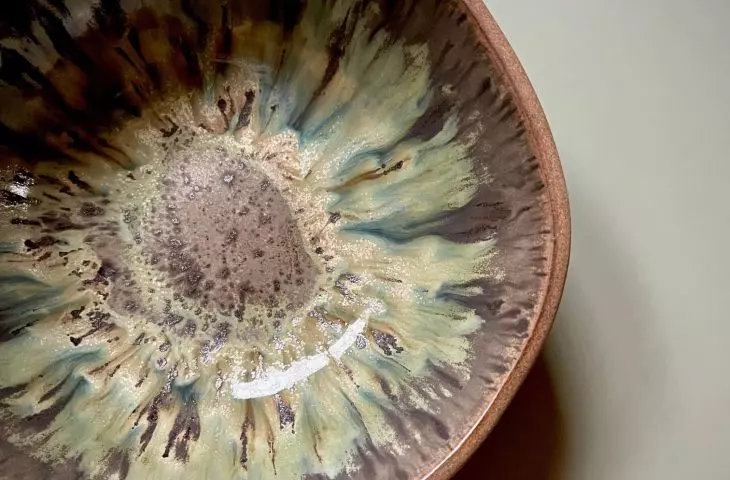
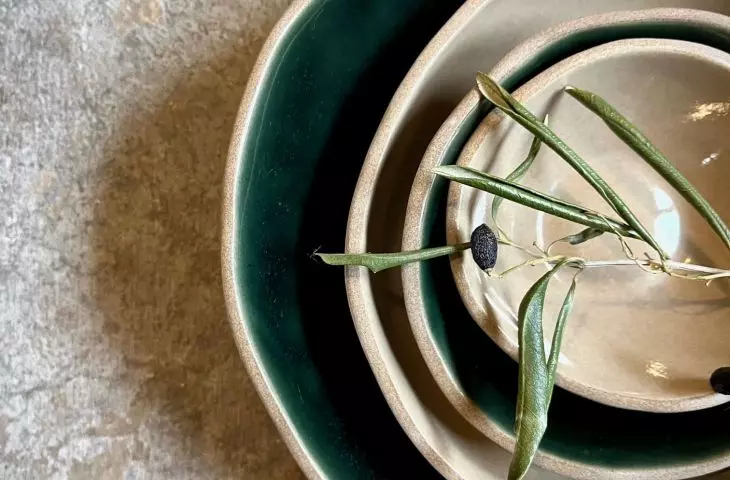
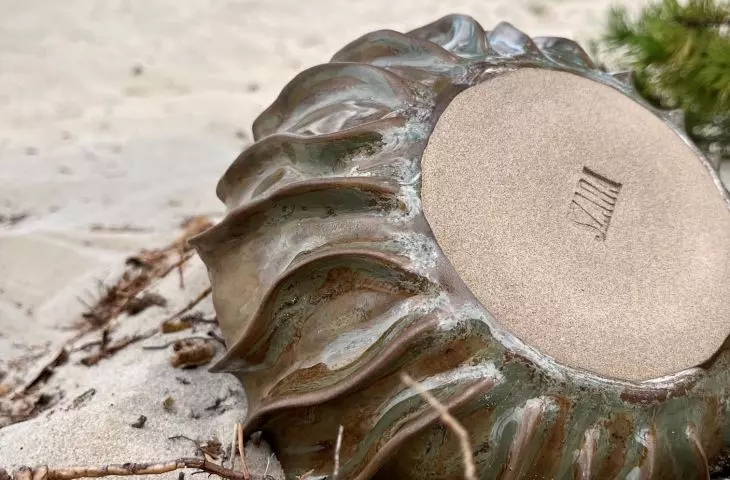
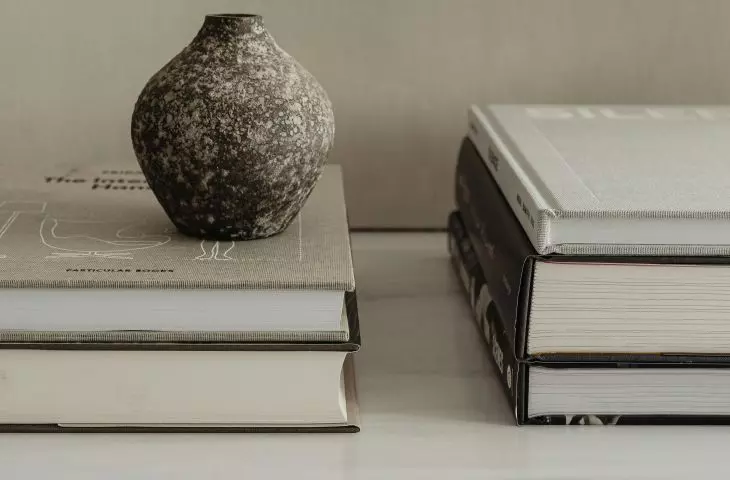
Contemporary ceramic design is currently evolving in two main directions. On the one hand, naturalness and imperfection are in vogue— irregular shapes, traces of handwork, fingerprints, raw textures, and earthy colors such as beiges, grays, and shades of sand. On the other hand, colorful and artistic ceramics are becoming increasingly popular , featuring intense colors, hand-drawn illustrations, painted patterns, and original decorations. In both trends, originality, the artist’s individual style, and the unique character of each piece are particularly valued.
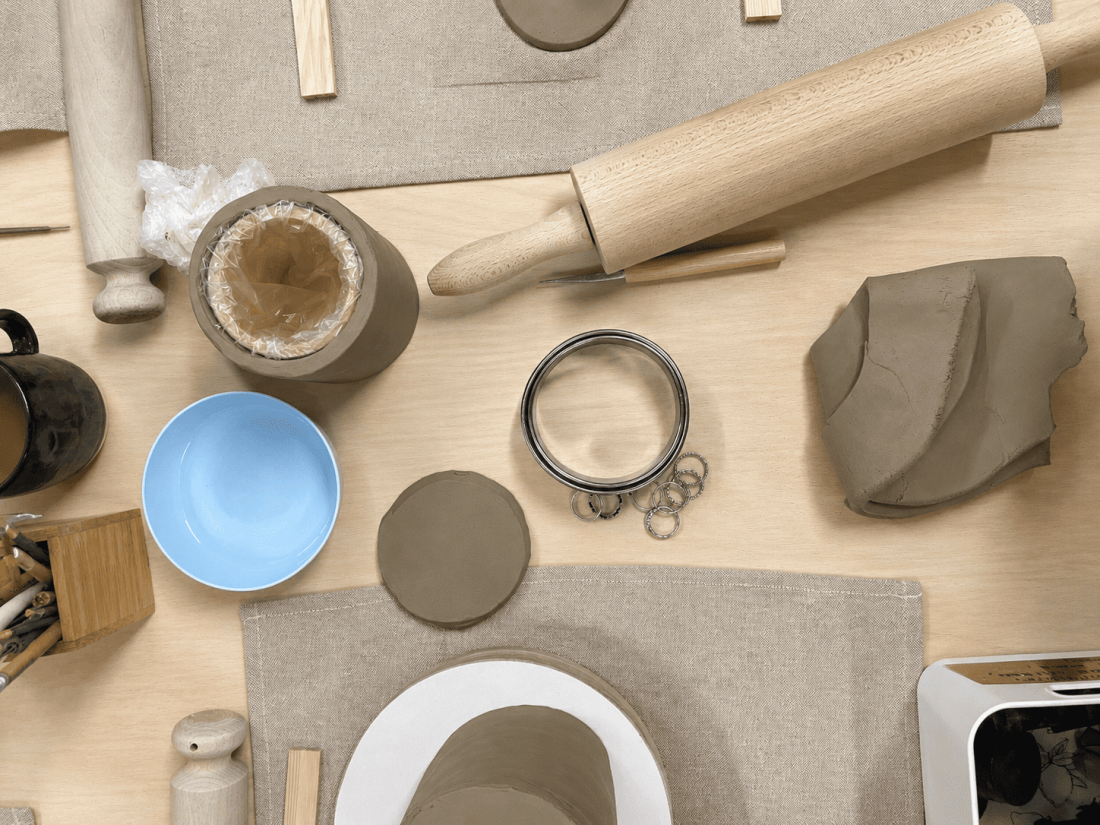
Naturalness and imperfection have become fashionable — Photo: Małgorzata Figiel
4. What role do ceramics play in contemporary interiors?
Ceramics in contemporary interiors serve both a functional and a decorative purpose. They are increasingly viewed as an element that emphasizes a connection to nature, craftsmanship, and authenticity.
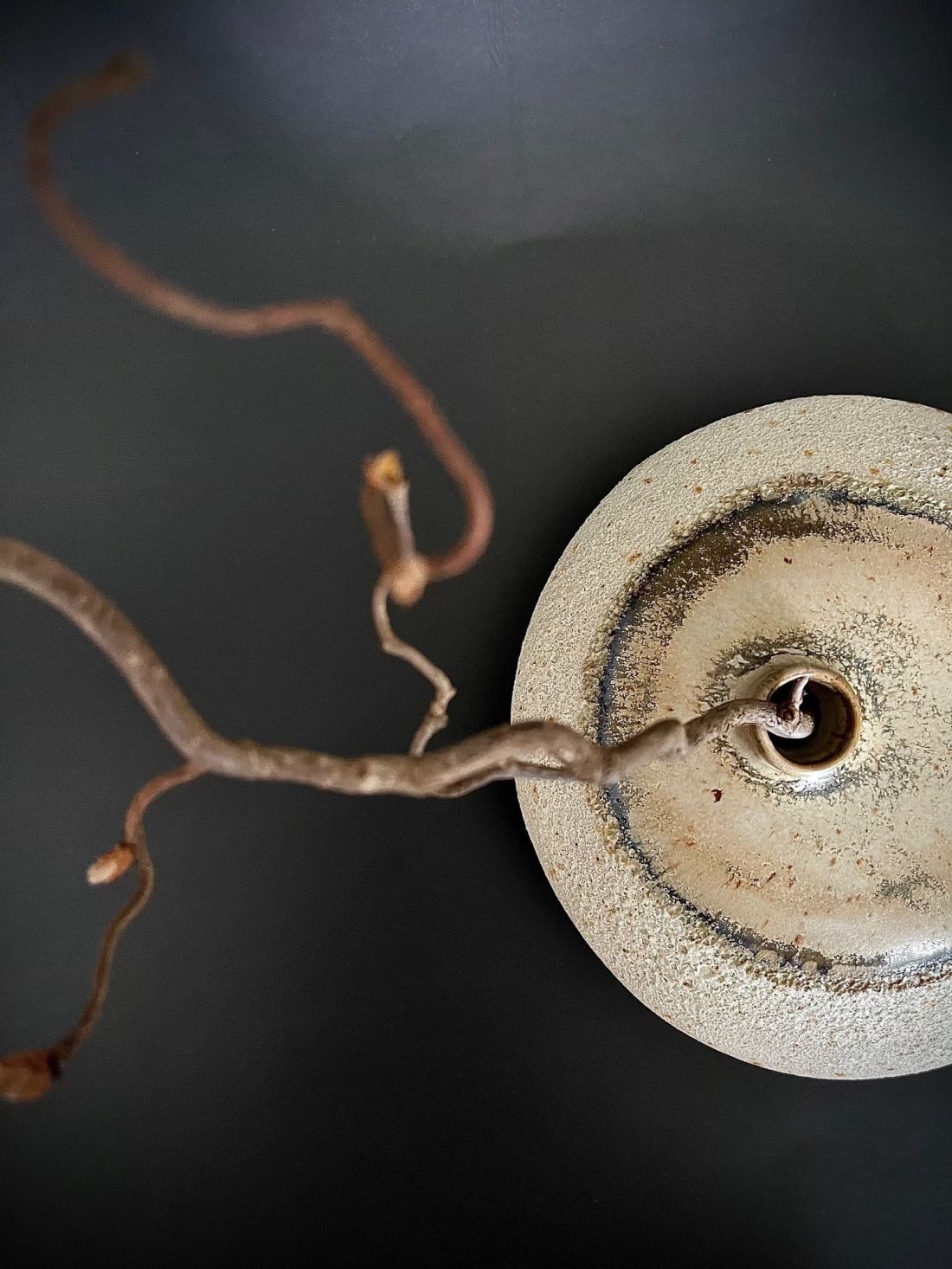
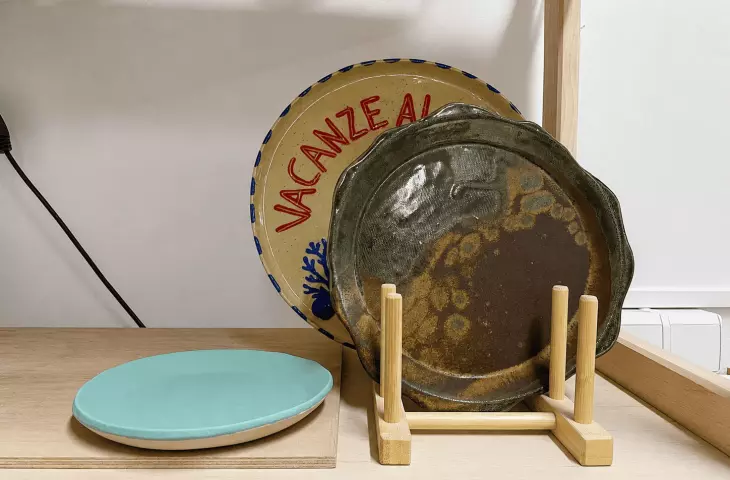
Ceramics serve both a functional and decorative purpose — Photo: Patrycja Szarek©
5. What makes a mug or vase a well-designed functional product?
First and foremost, testing. Testing a specific clay or slip —to see if it’s easy to work with. Testing the clay’s compatibility with the glaze to prevent cracking. Water absorption tests to ensure that our mug won’t leak or develop mold. We have to test most things in practice to determine what opening, shape, and height of the vase will work best in a given display.
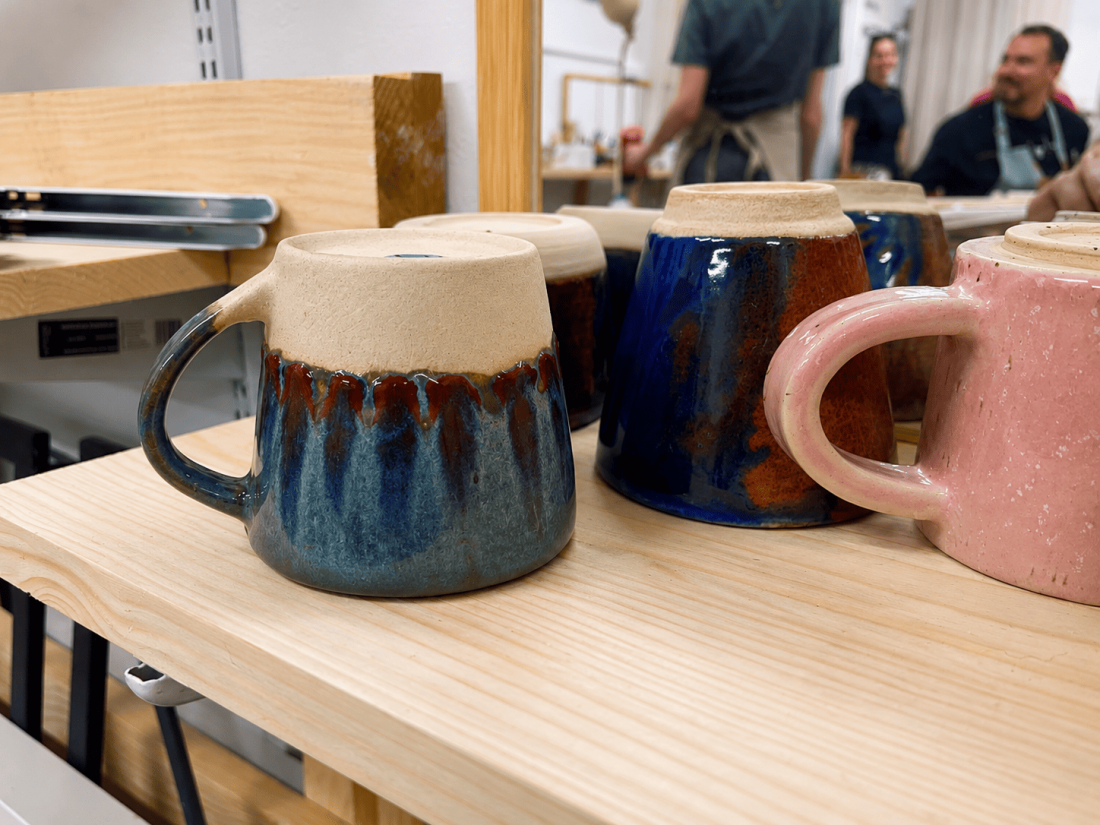
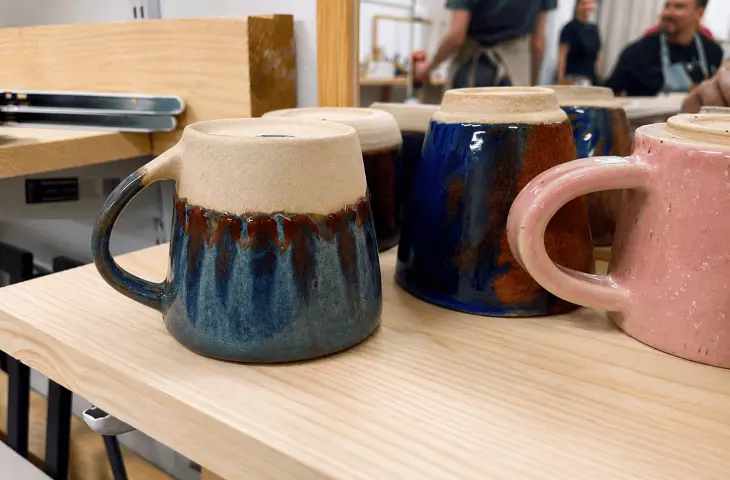
Customers prefer vibrant, rich colors — Photo: Małgorzata Figiel
6. What shapes, colors, and textures are currently in highest demand?
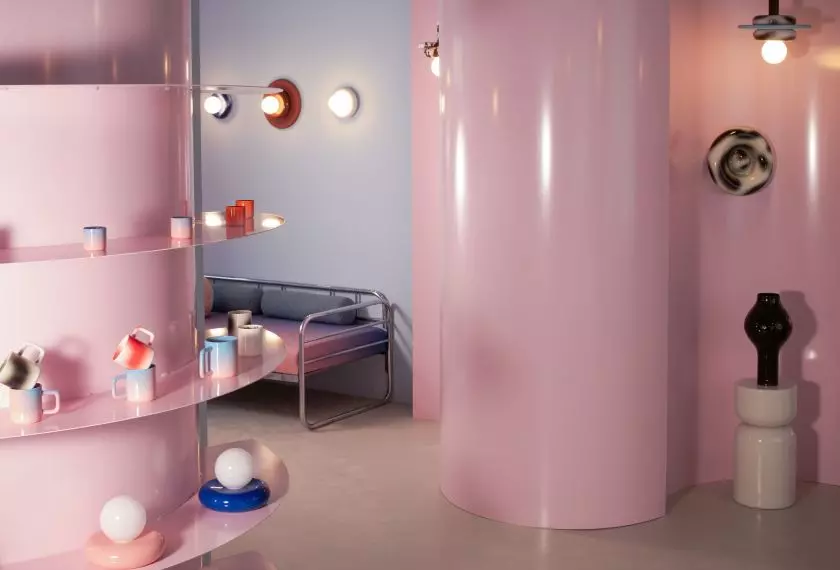
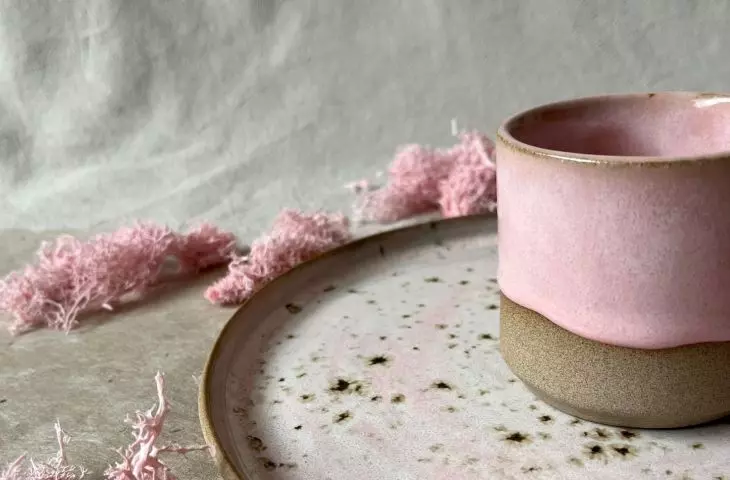
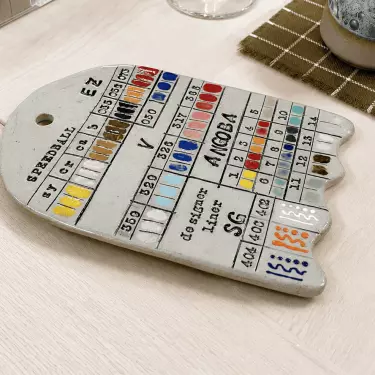
Lately , vibrant, intense, even candy-like colors have been leading the way. Pinks, baby blue, but also cobalt blues and oranges. When it comes to shapes and textures, rounded, soft, and smooth forms that are pleasant to the touch are very popular.
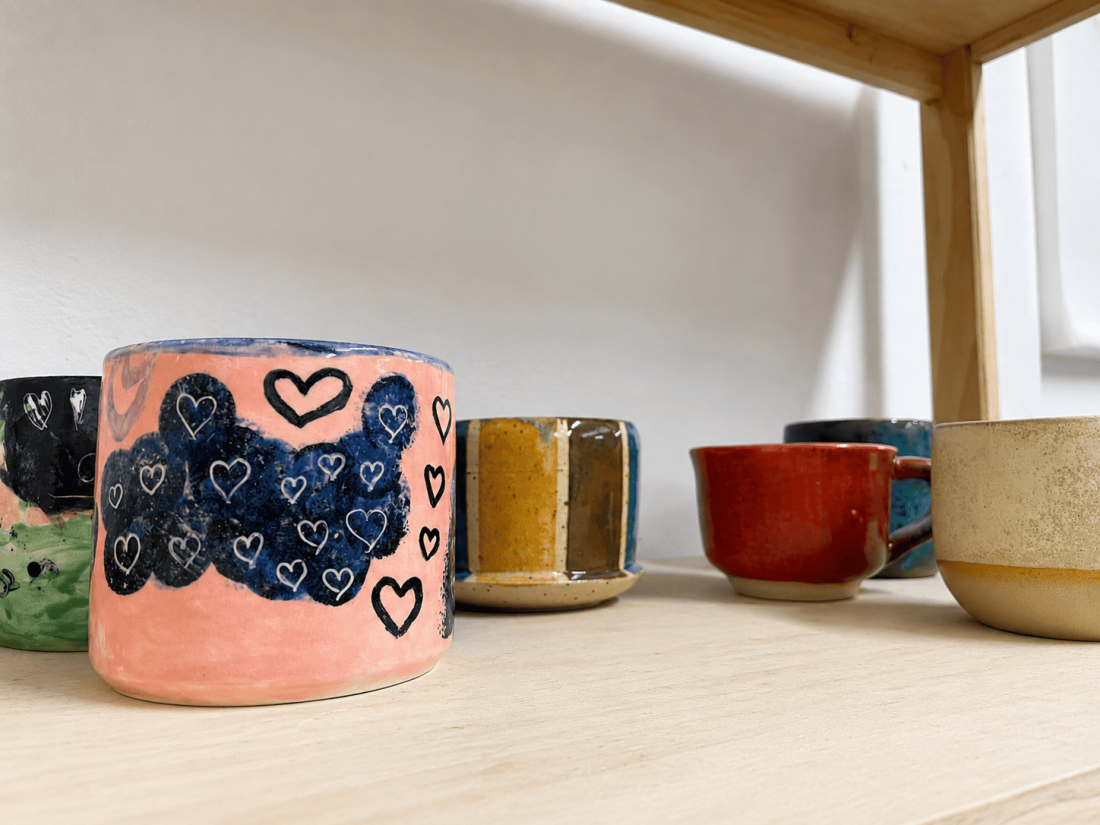
Soft and rounded shapes — Photo: Małgorzata Figiel
7. How do you choose ceramic accessories for your interior so they’re not just decoration?
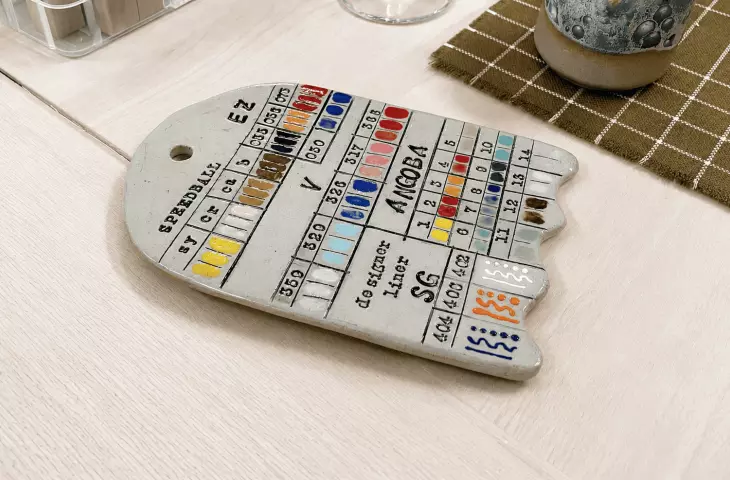
You need to rethink your approach to ceramics. It’s a very versatile medium. Ceramics aren’t just ordinary mugs, plates, vases, or figurines. They’re also a way to express yourself through useful objects, like ceramic lamps that become so-called “statement pieces.” Bold, large, and in unusual shapes, yet still providing much-needed light. Ceramics can reflect our personality. Do you love flowers? Consider unique planters suspended on the wall. Are you a fan of jewelry? A stand for earrings or rings could be a display tray in an unusual shape—something that stimulates the senses while also serving a practical purpose. Every home needs light switches, for example—but what if they were made of clay or stoneware? Functional, yet beautiful and, above all, durable.
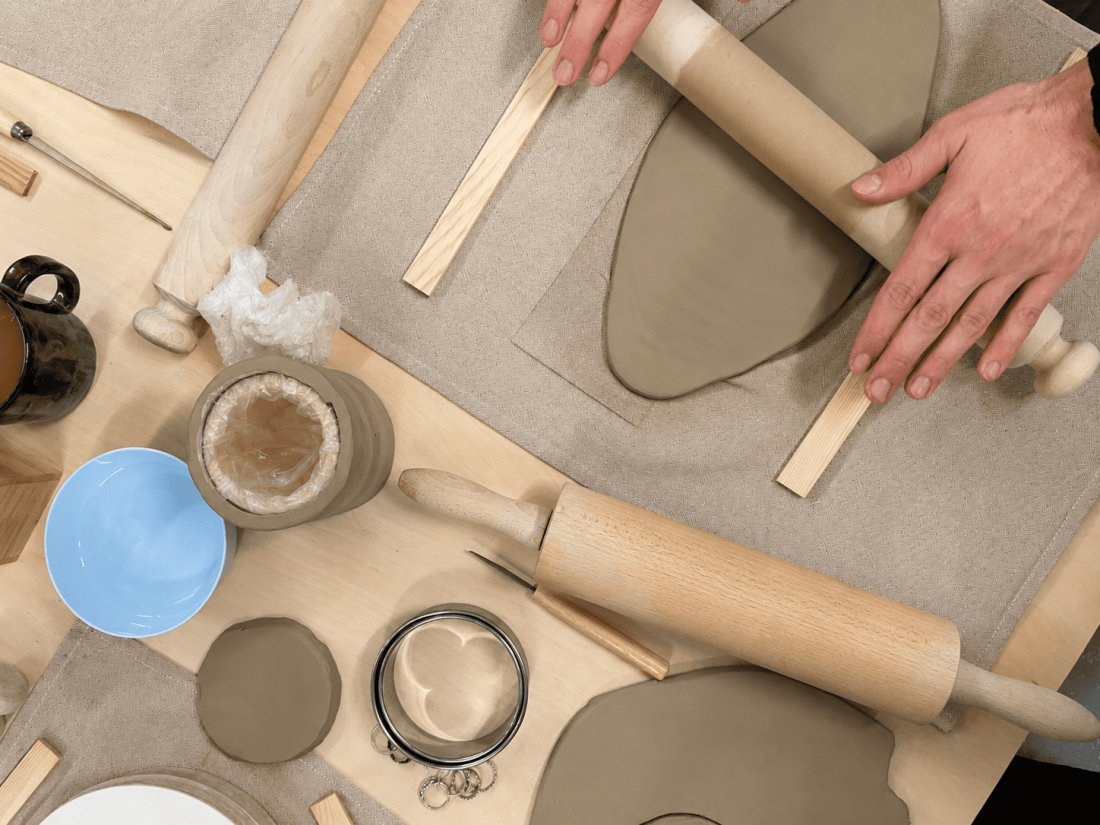
We create ceramics not only to meet our own needs but also to complement the interior—Photo: Małgorzata Figiel
8. How are customers’ expectations regarding handmade items changing?
First and foremost, the customer’s attitude itself is changing— they’re more attentive. They aren’t afraid to ask whether a given item meets mass-production standards—whether it will hold up against modern appliances like a dishwasher or microwave (laughs), or whether it will scratch the kitchen countertop or their beloved table. Customers are also increasingly interested in the story behind a product— how it was made, what the firing temperature was, and whether the glazes used are safe for food contact. At the same time, we’re more aware as users, but we still appreciate the little nuances of handmade craftsmanship— the traces of human hands, the imperfections.
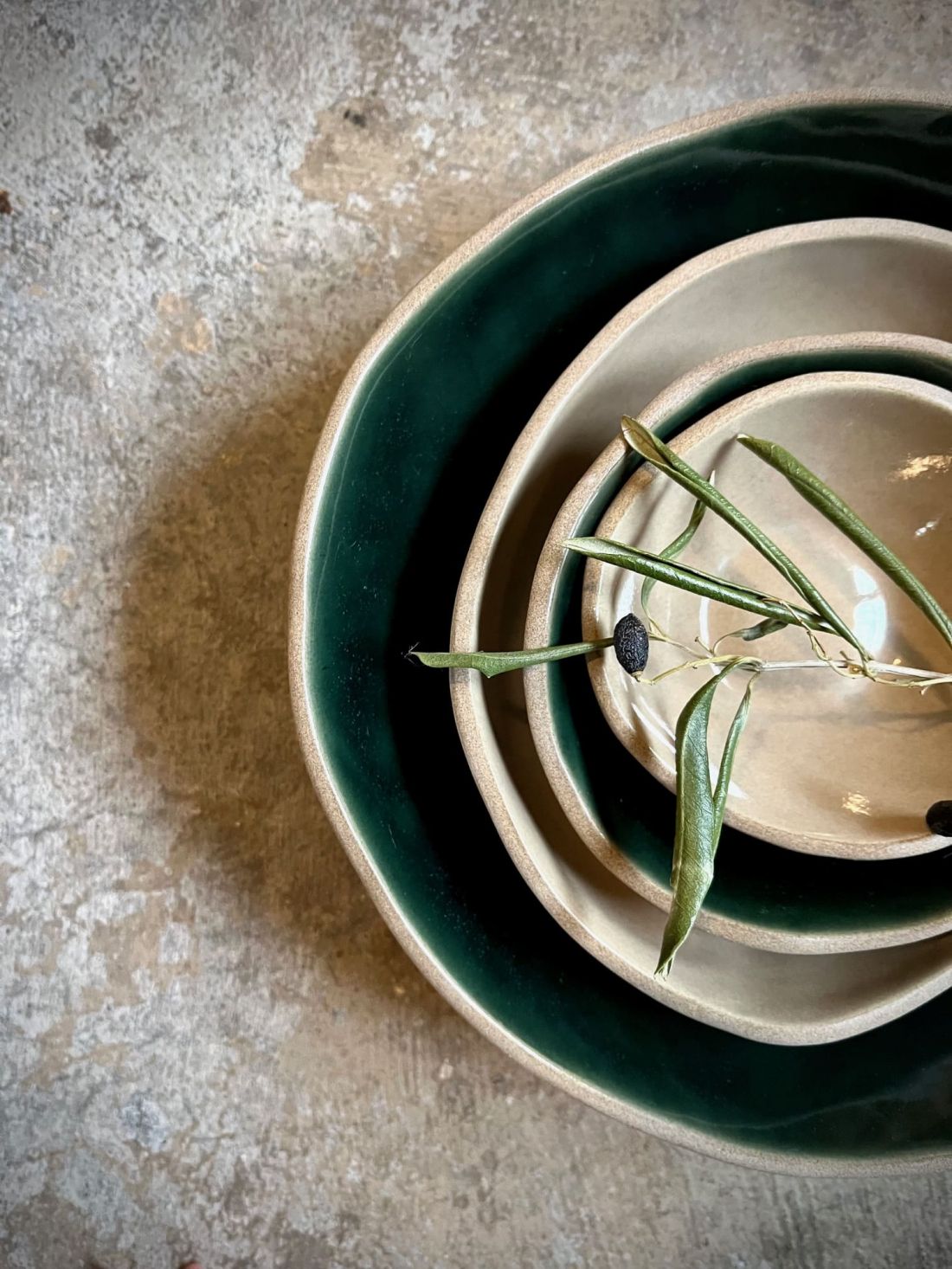
We appreciate the imperfections and traces of human hands—Photo: Patrycja Szarek©
9. Is there still room for experimentation and innovation in ceramics?
Absolutely. Artists and designers are constantly seeking new forms, decorative techniques, glazes, and ways to combine clay with other materials, thanks to which traditional craftsmanship is constantly taking on new, contemporary forms.
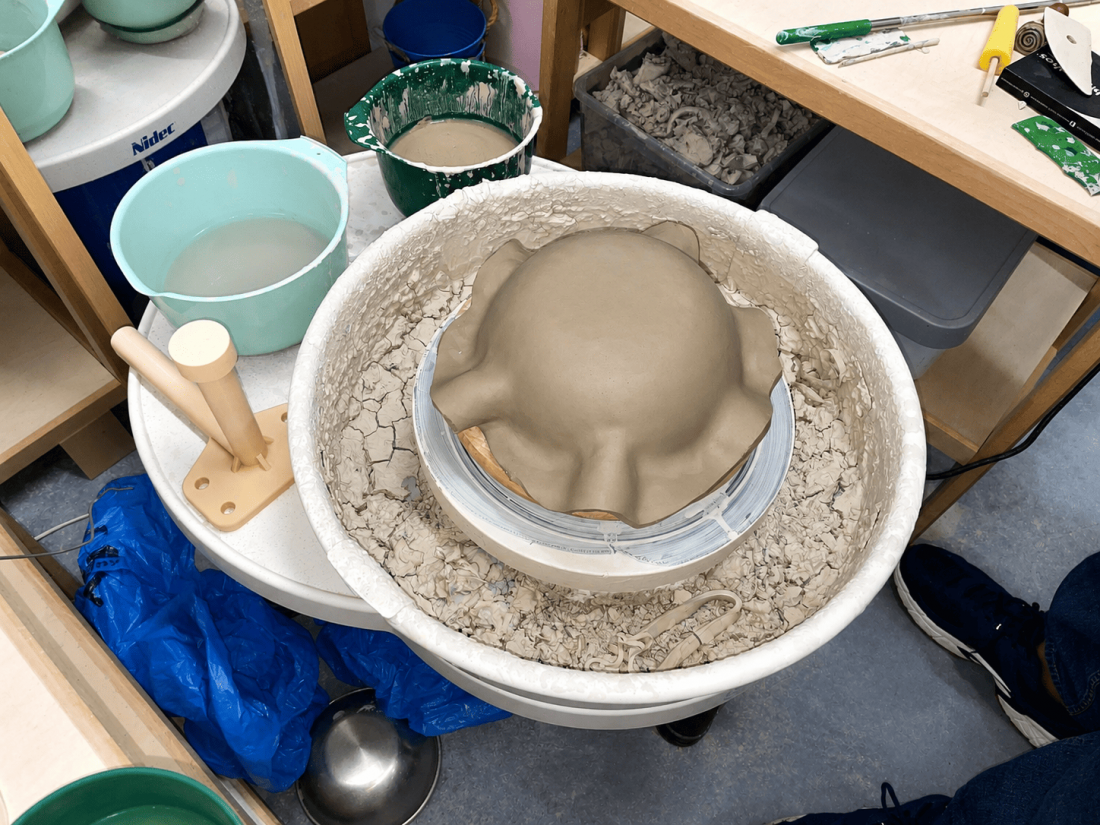
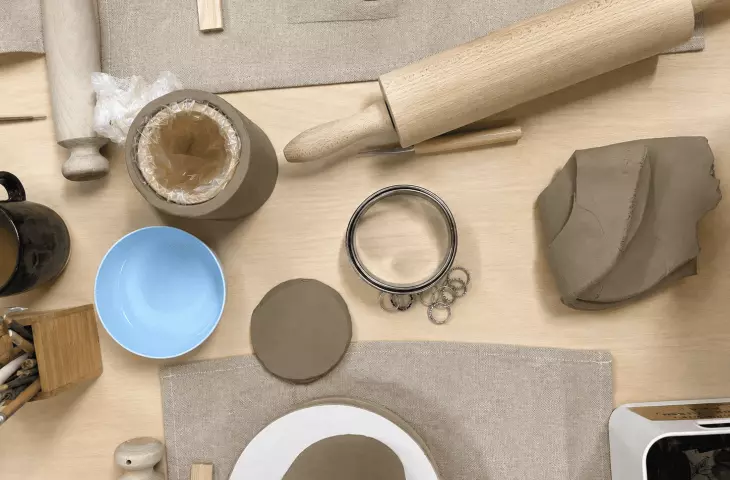
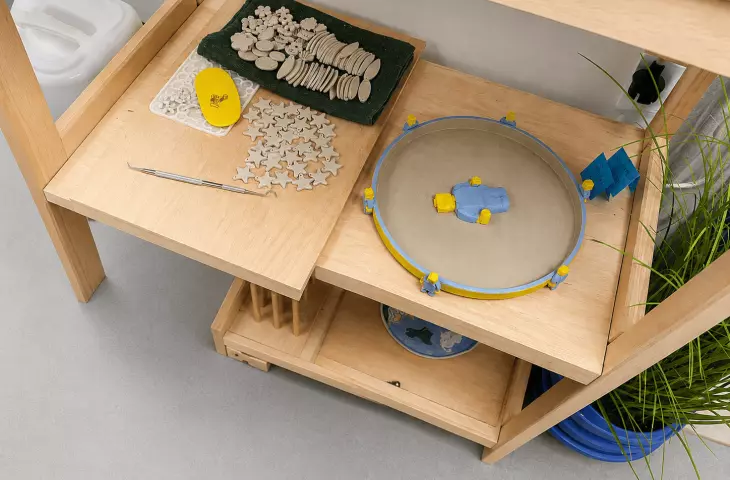
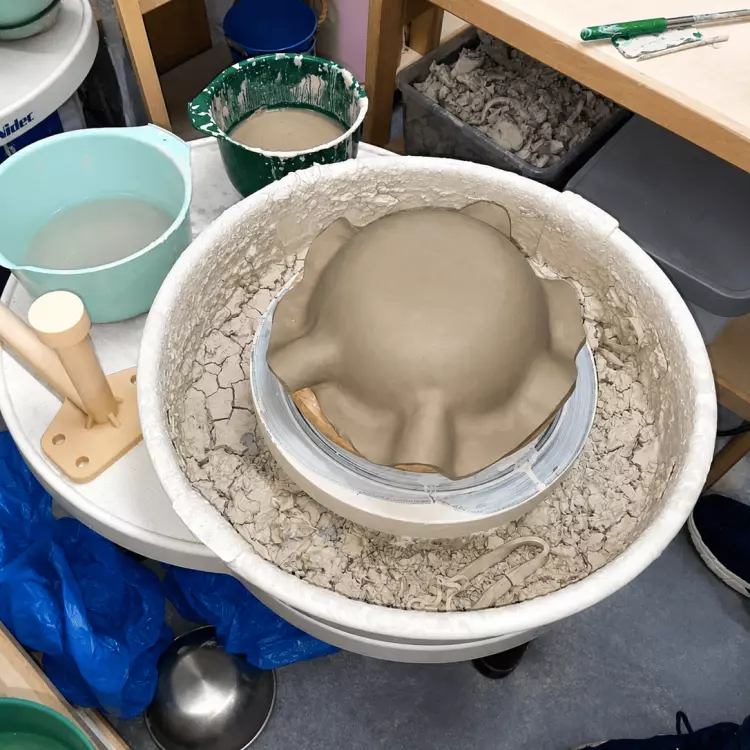
In our workshops, we explore new forms and techniques — Photo: Małgorzata Figiel
10. How important is handcrafting to the quality of the product?
It provides greater control over the final result and the refinement of every detail. By constantly testing different clays, glazes, and shapes, it’s ultimately easier to guarantee the ceramist that a given product is made from material with specific properties and will perform well in practice.
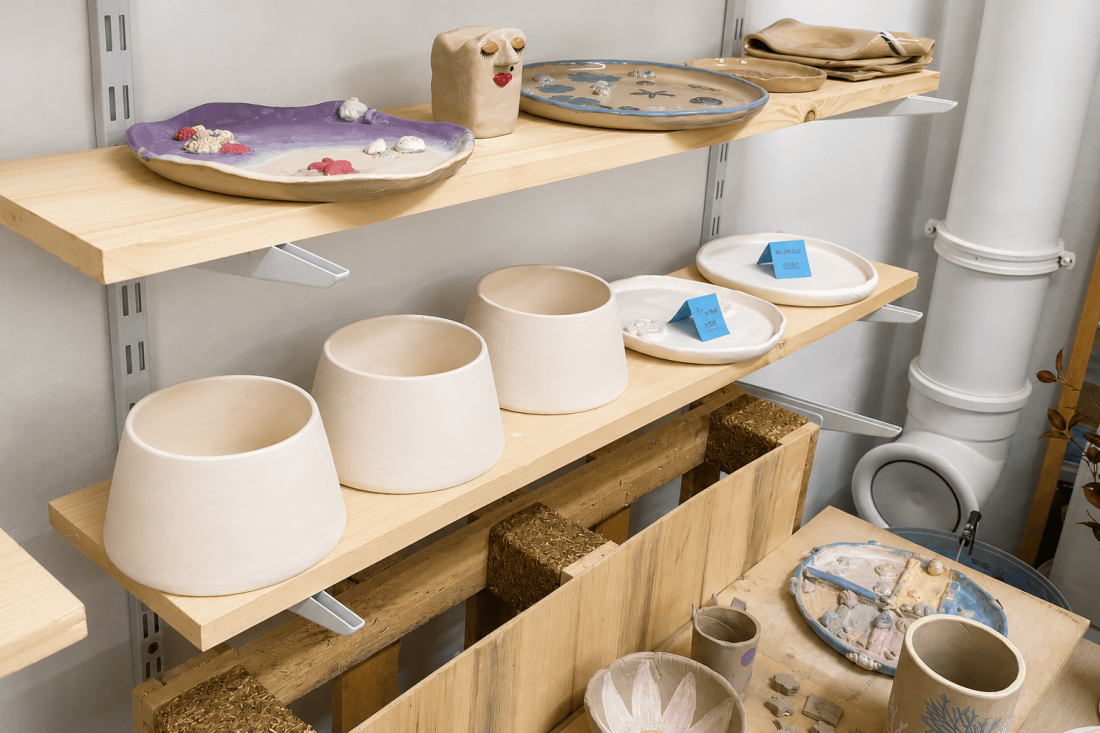
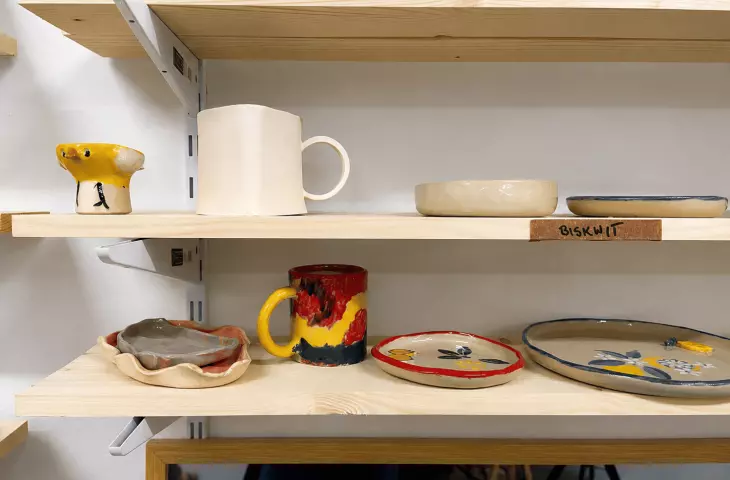
Products from Mała Ceramika — Photo: Małgorzata Figiel
11. How has interest in ceramics changed in recent years?
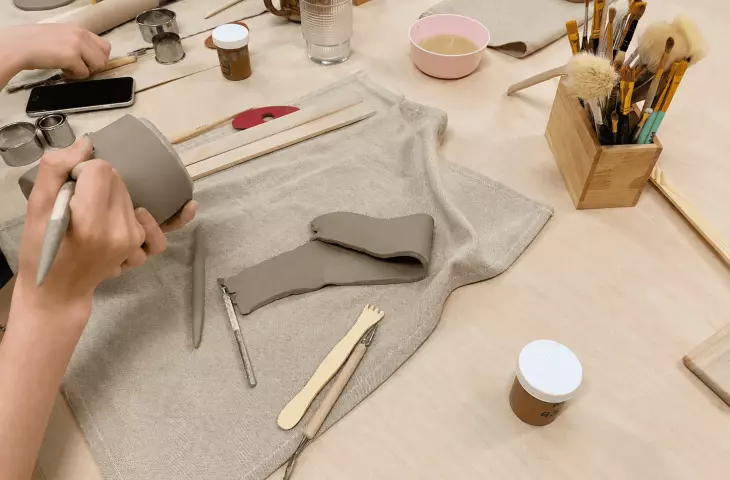
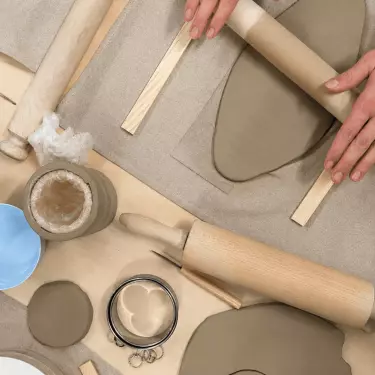
Interest in ceramics has grown significantly in recent years. More and more people appreciate the value of handcrafted work and are looking for unique items for which they are willing to pay more than for mass-produced goods from chain stores. Ceramics workshops are also very popular, allowing participants to create their own one-of-a-kind pieces.
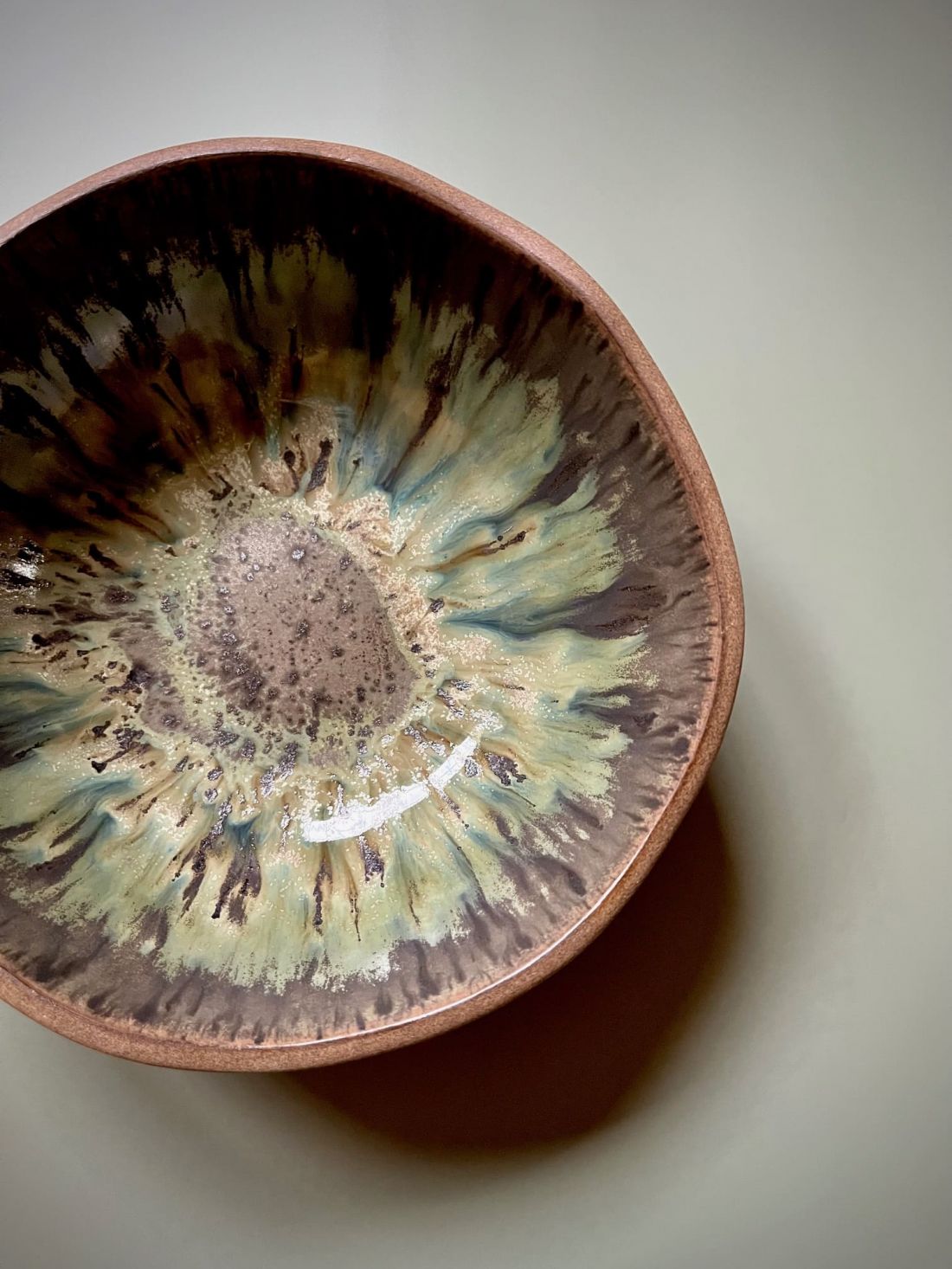
Every item made from clay is different — Photo: Patrycja Szarek©
12. What role will ceramics play in the interior design market in the future?
Given the current boom in handmade items created without the use of AI, I think the value of handmade ceramics will continue to rise. Ceramic designs are becoming increasingly bold in form and color, and entirely new decorative glazes are emerging. Just as we used to decorate our homes with paintings, ceramics are now becoming art once again— a contemporary version of Chinese porcelain.
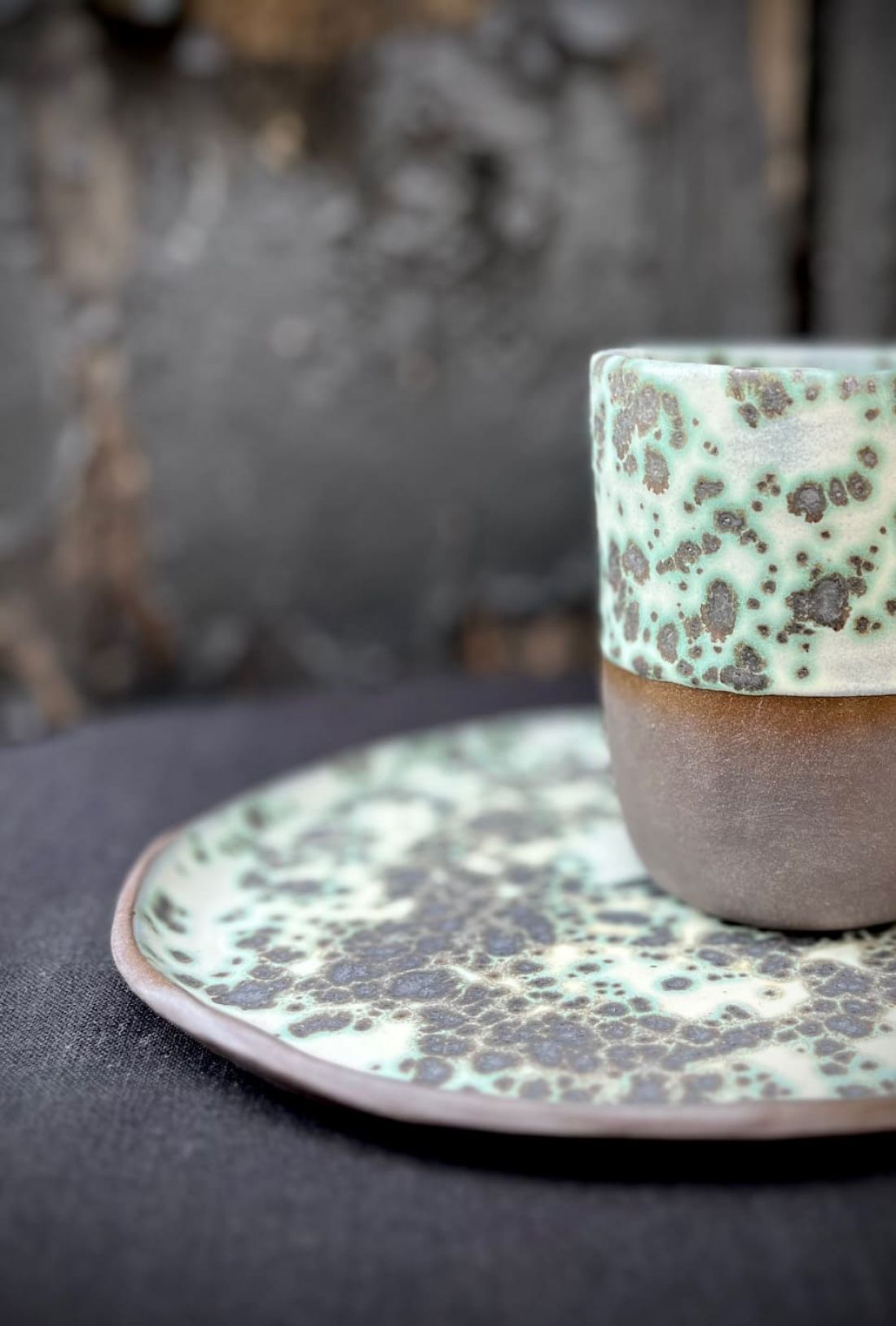
We’re experimenting with new shapes and colors — Photo: Patrycja Szarek©
13. What’s the most unusual thing someone has created during your workshops?
Great question! There have been quite a few, but our favorite projects are probably a vase with snake-shaped handles, a huge wall-mounted candleholder, and a flowerpot shaped like an elephant’s head —with a trunk, huge ears, and a tail tied with a bow. Isn’t that adorable?
Interviewed by Małgorzata Figiel