




from the series "Ecological solutions - trends, technologies 2025"
In an era of growing environmental awareness, more and more attention is being paid to building materials that combine durability and aesthetics with care for the environment. One example of such a solution is the metal tile - a modern roofing material that is gaining popularity not only for its utility value, but also for its ecological nature. Once associated mainly with a substitute for ceramic tiles, today - thanks to technological advances - sheet metal roofing is an important element of sustainable construction.
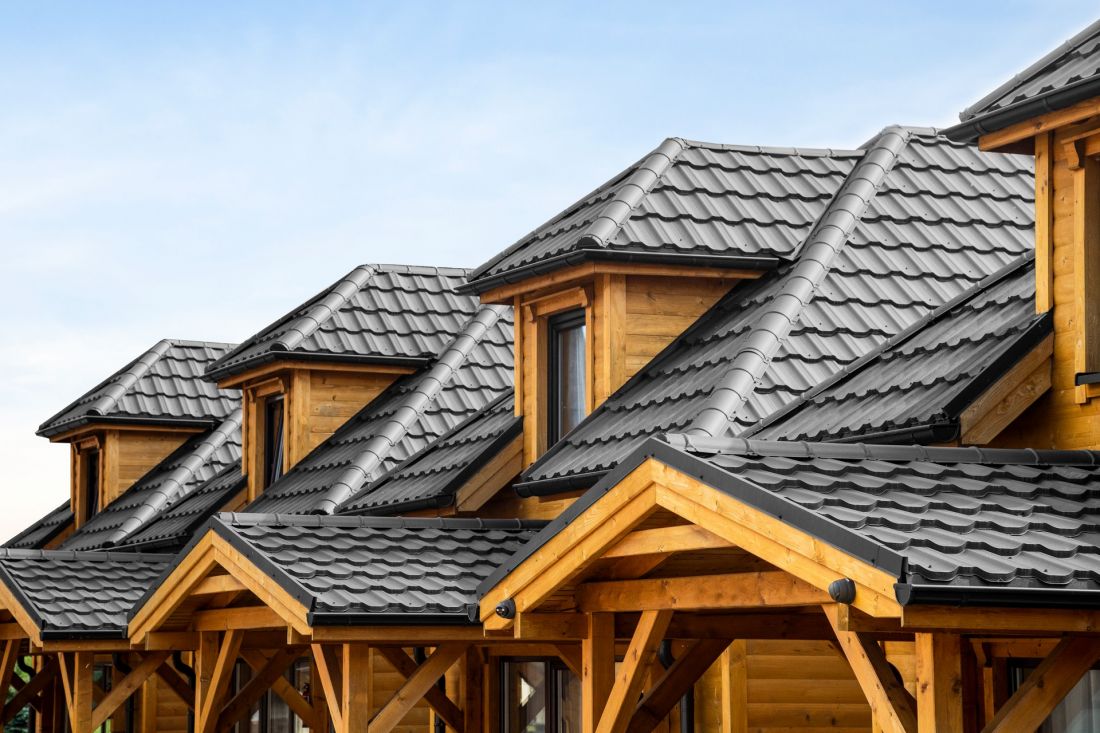
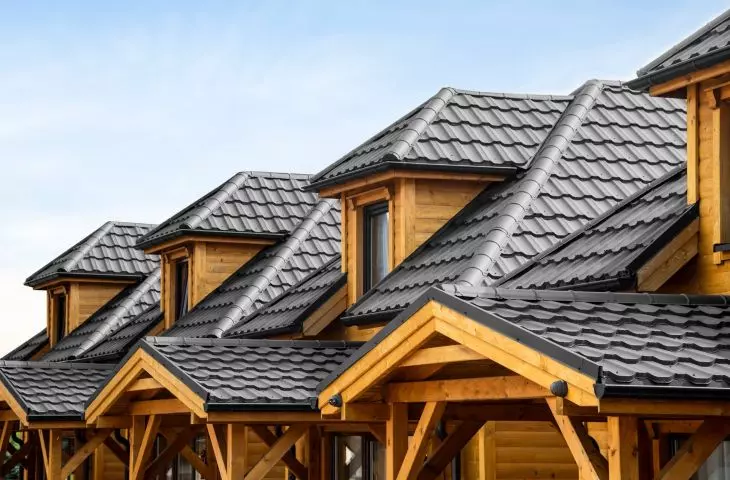
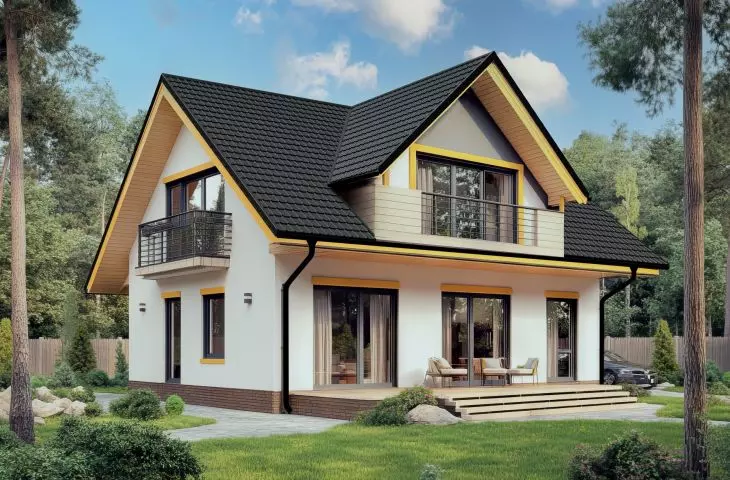
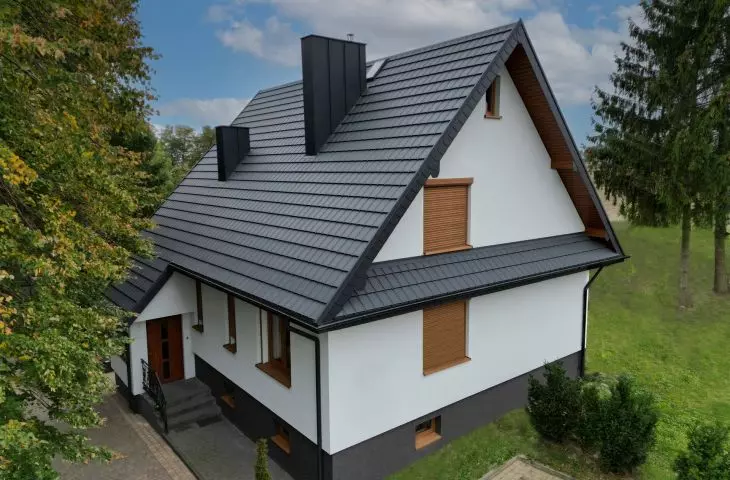
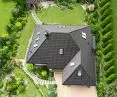
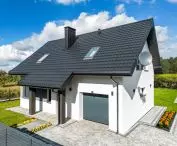
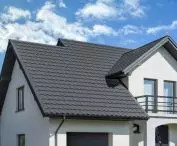
Finezja metal roofing tile
© FLORIAN CENTRUM
What kind of roofing is a sheet metal roofing?
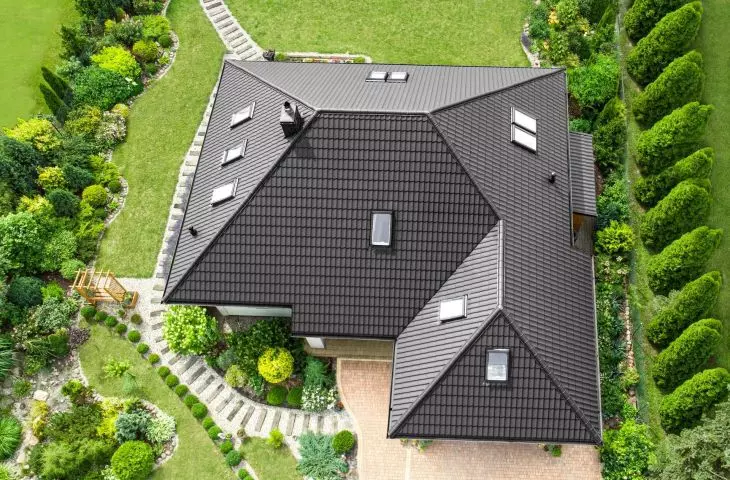
Tin roofing is a lightweight, profiled roofing material made of steel or aluminum sheets coated with protective layers - zinc to protect the steel from corrosion and a decorative and protective coating. Although at first sheet metal roofing resembled in appearance mainly classic ceramic tiles, today manufacturers offer these coverings in a varied form - many shapes of sheet metal roofing are available. The weight of metal roofing tiles is considerably lower than that of ceramic or concrete tiles, which makes installation easier and reduces the load on the roof structure. In addition, they are available in many colors and profiles - this makes them an attractive choice for both individual investors and developers.
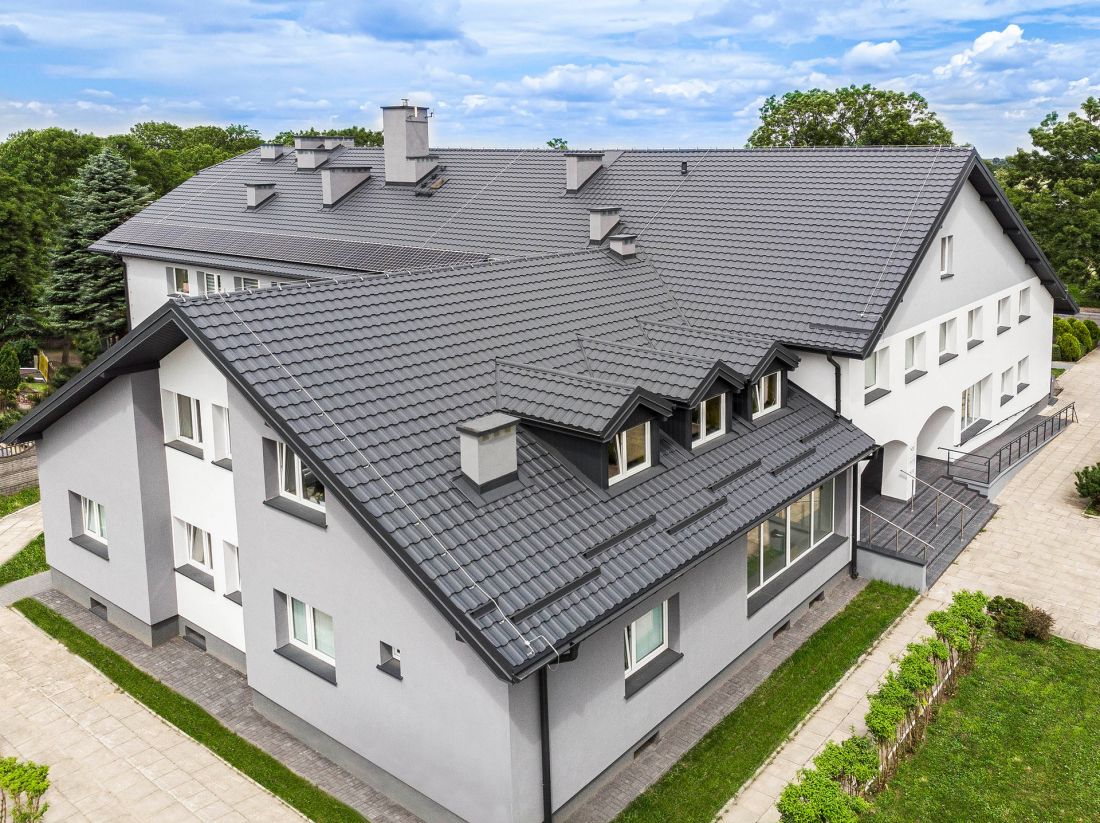
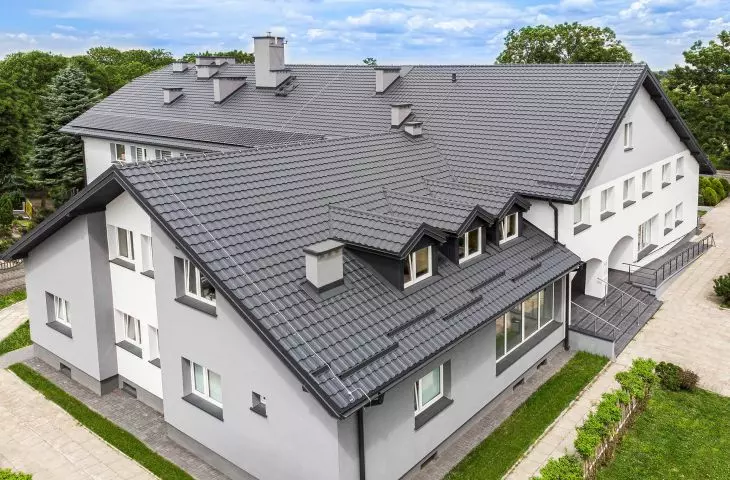
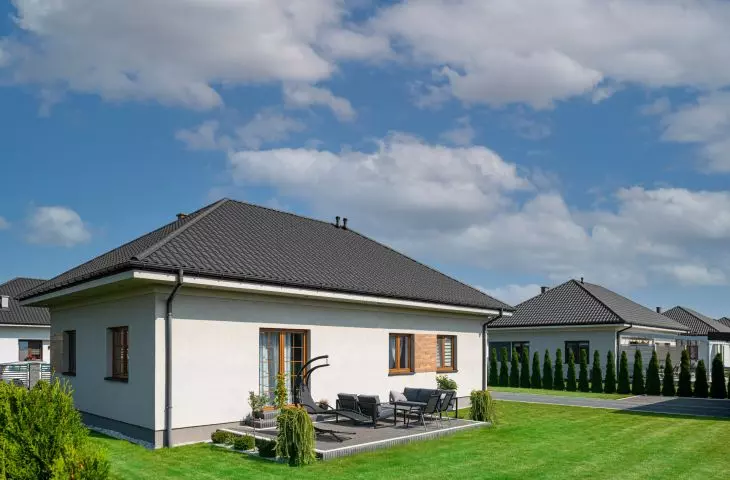
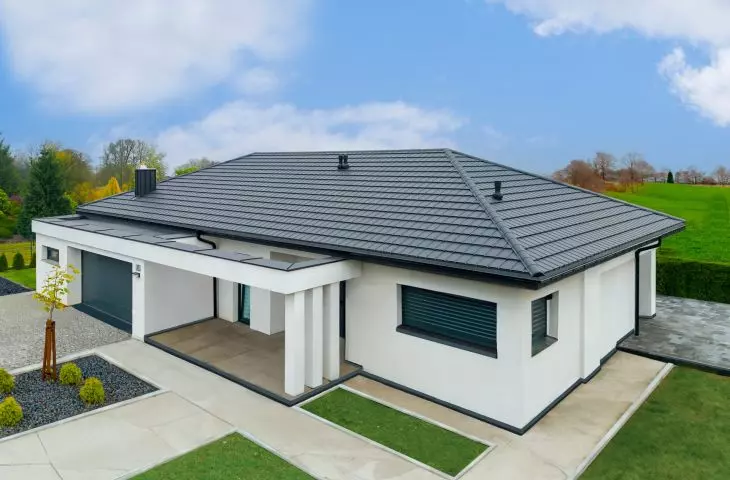
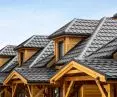
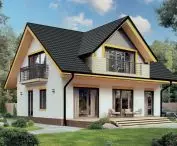
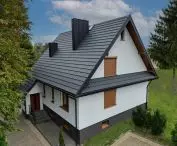
Finezja modular metal roofing tile
© FLORIAN CENTRUM
Ecology vs. sheet metal tile production
Today, sheet metal tile production is based on sustainable principles. The steel used to make tin roofing can be recycled. The steel industry has implemented advanced material recovery technologies, so it can be recycled many times without loss of quality. Recycling metals requires much less energy than their original production, which is beneficial for reducing CO₂ emissions.
In addition, the modern decorative and protective coatings used in roofing sheets are increasingly environmentally friendly - they do not contain harmful heavy metals and are characterized by increased durability. As a result, roofs do not require frequent maintenance and retain their properties longer. This reduces wear and tear on materials over the long term.
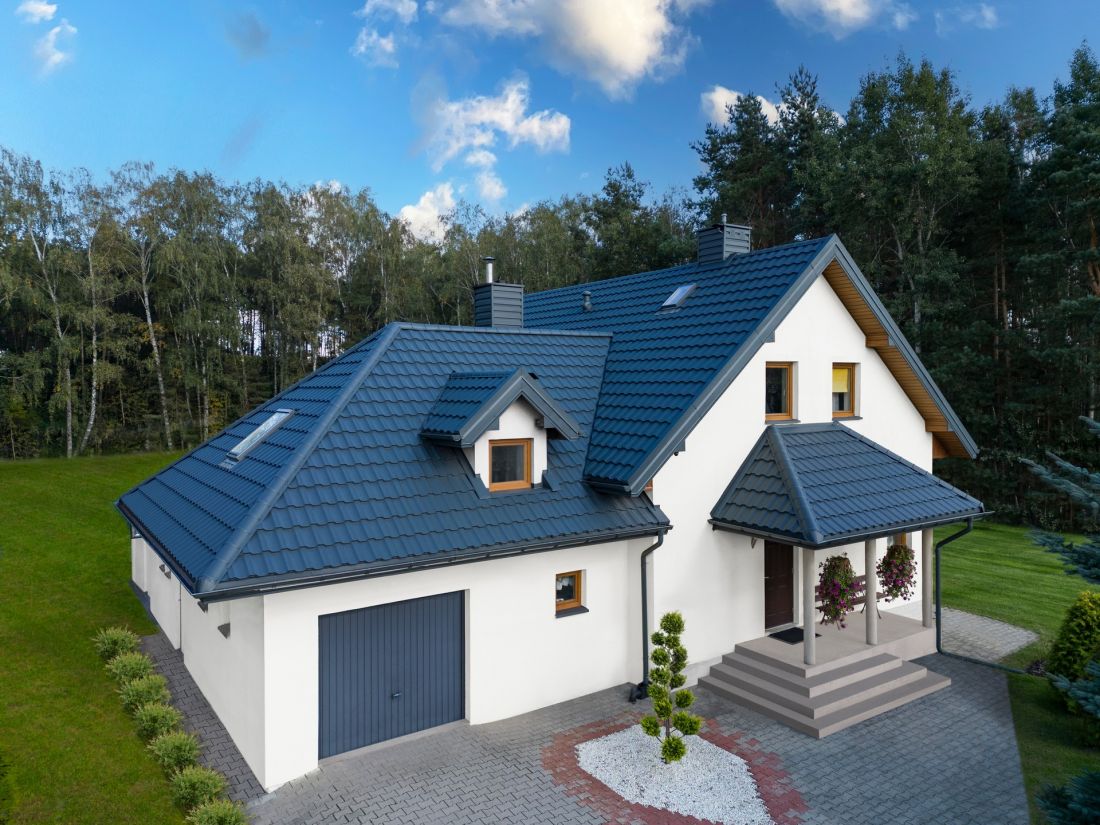
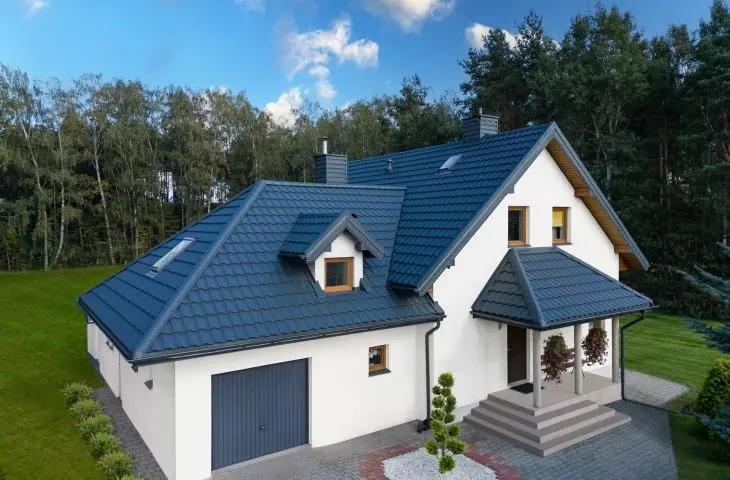
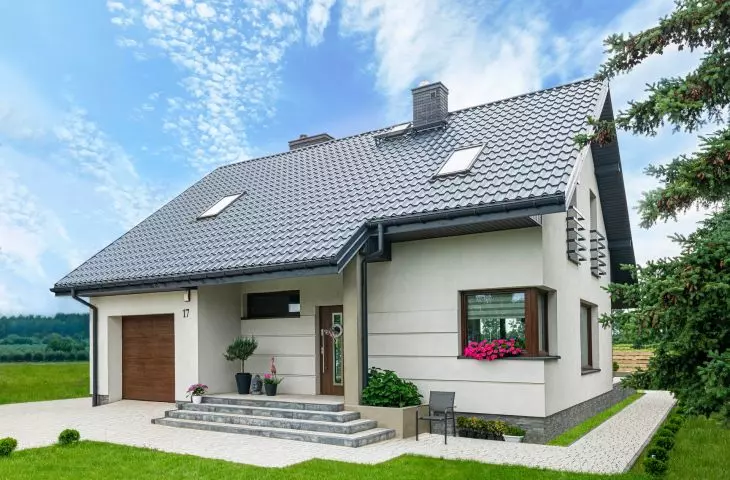
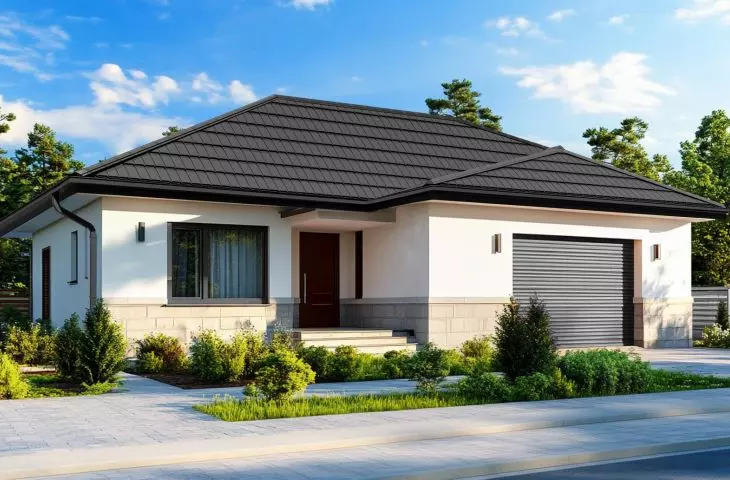
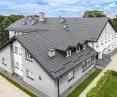
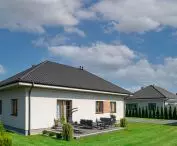
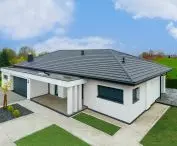
Finezja modular metal roofing tile
© FLORIAN CENTRUM
Durability of the material
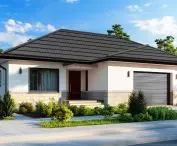
One of the advantages of choosing a metal roofing tile is the durability of the material. Sheet metal with dedicated decorative and protective coatings can last up to 50 years, if properly installed and maintained. The long-term durability of this type of roofing reduces construction waste. Moreover, due to the lightness and simplicity of installation, the consumption of energy and resources in building or renovating a roof is reduced. The weight of the sheet metal roofing has another important advantage - it allows the construction of lighter load-bearing structures, which is also associated with less material consumption. In the case of energy-efficient houses, passive or modular buildings - this is a huge advantage.
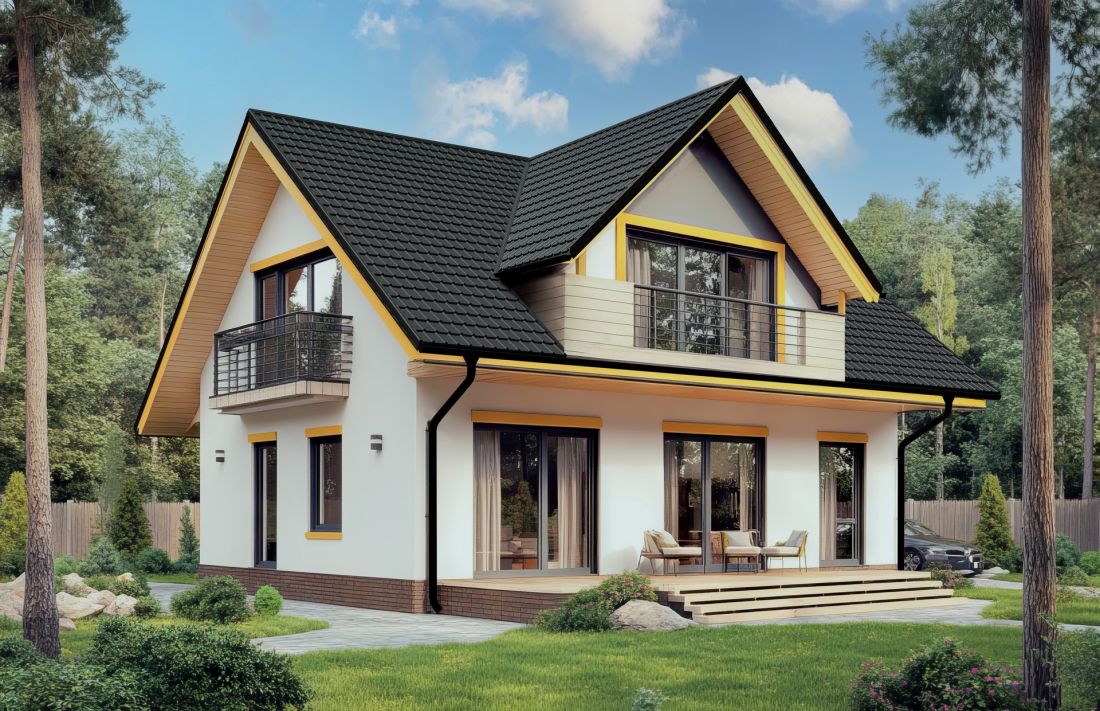
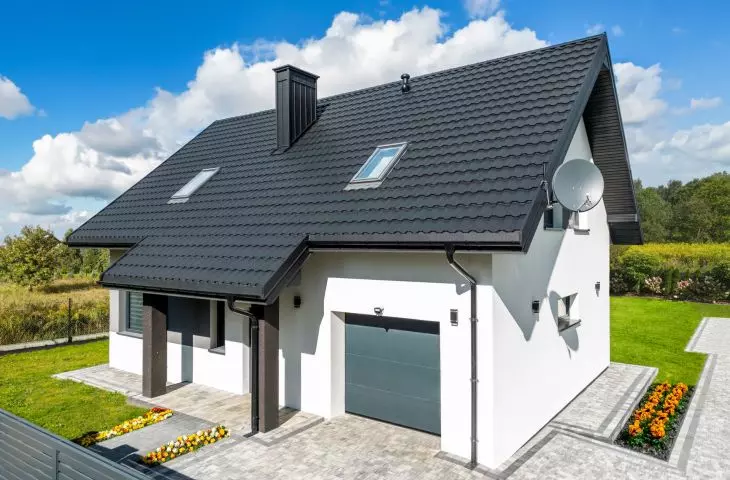
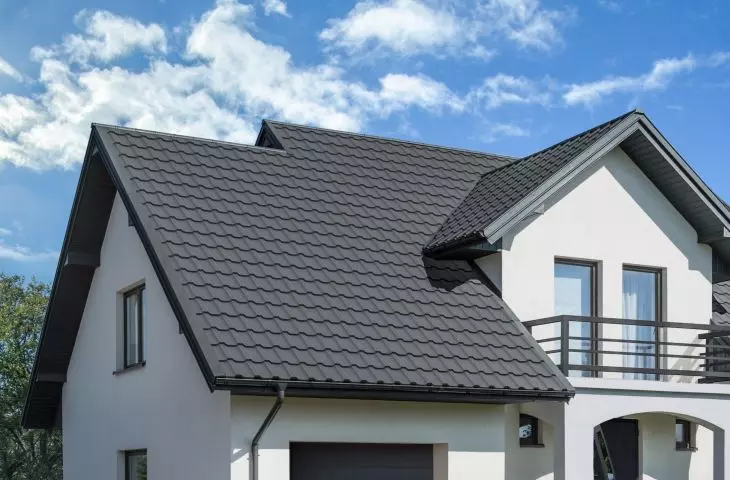
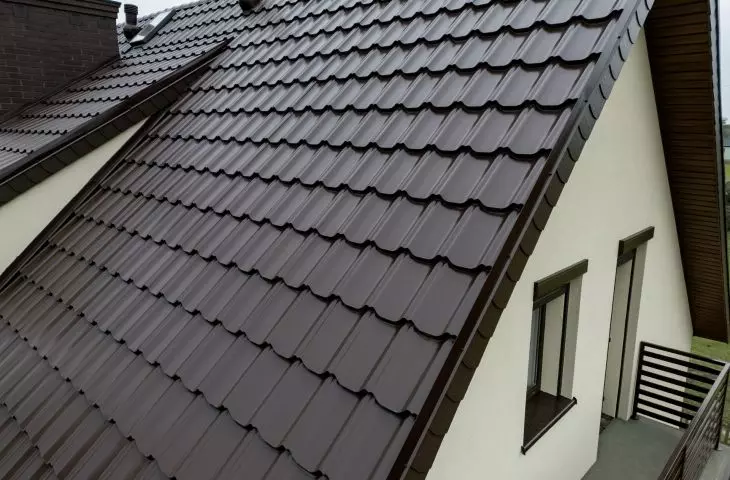
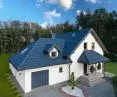
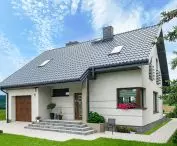
Freja modular metal roofing tile
© FLORIAN CENTRUM
Tile and energy efficiency
If a sheet metal tile is properly installed on the roof, it supports proper thermal insulation and ventilation of the roof slope. This translates into lower consumption of energy needed to heat or cool rooms. This aspect also reduces costs.
Integration with renewable technologies
Another step toward green building is the ease with which sheet metal roofing can be integrated with modern energy technologies. Its smooth and regular surface is conducive to the installation of photovoltaic panels. What's more, tile manufacturers are increasingly offering dedicated mounting systems integrated with photovoltaic panels. Thus, homeowners can bet on Renewable Energy Sources and increase energy independence and reduce greenhouse gas emissions.
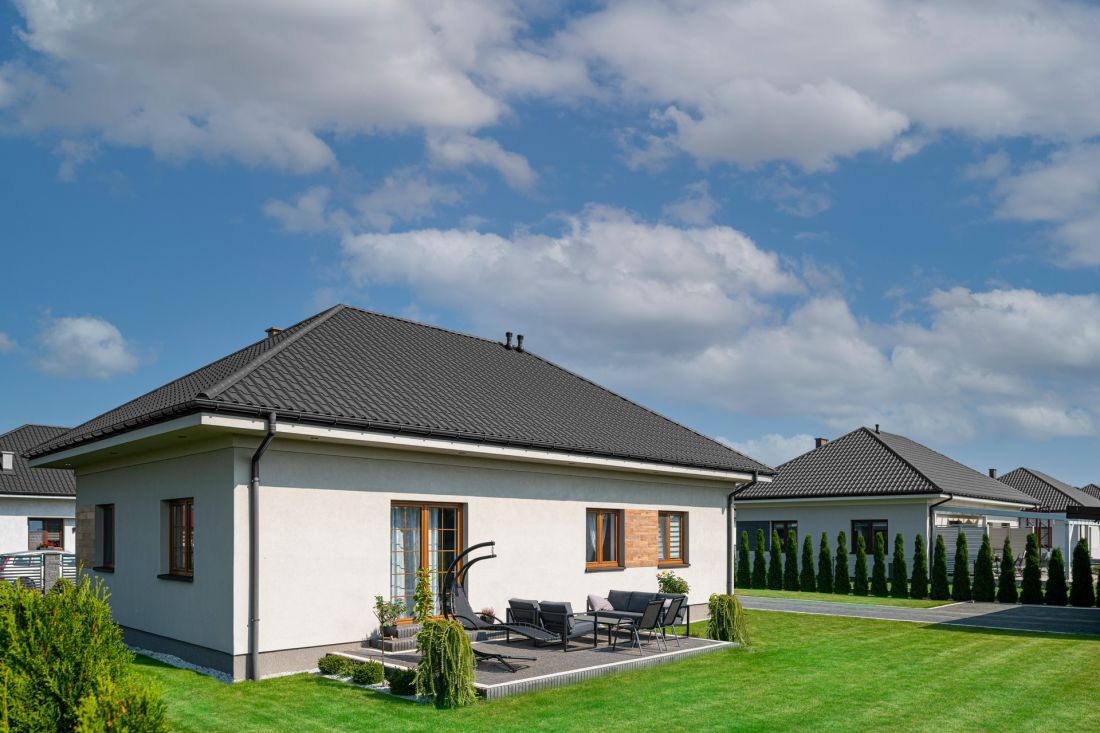
Klara sheet metal roofing
© FLORIAN CENTER
Life cycle of tin roofing
At the end of its useful life, sheet metal roofing can be fully recycled. Both steel and aluminum are among the best recycled materials in the world. Importantly, they do not lose their properties even after repeated processing. As a result, the waste created from a tin roof can be reused to produce new materials. This reduces the need for natural resources and the emissions associated with their extraction and transportation.
Challenges and prospects
Although tin roofing has many advantages, there are still some challenges associated with its use. In areas subject to heavy rainfall or hailstorms, an improperly selected product can generate noise or be damaged. That's why it's important to choose high-quality sheet metal from proven manufacturers.
Florian Centrum, a manufacturer and distributor of steel roofing and accessories that has been on the market for years, offers a wide range of sheet metal tiles - both in modular and cut-to-size forms.
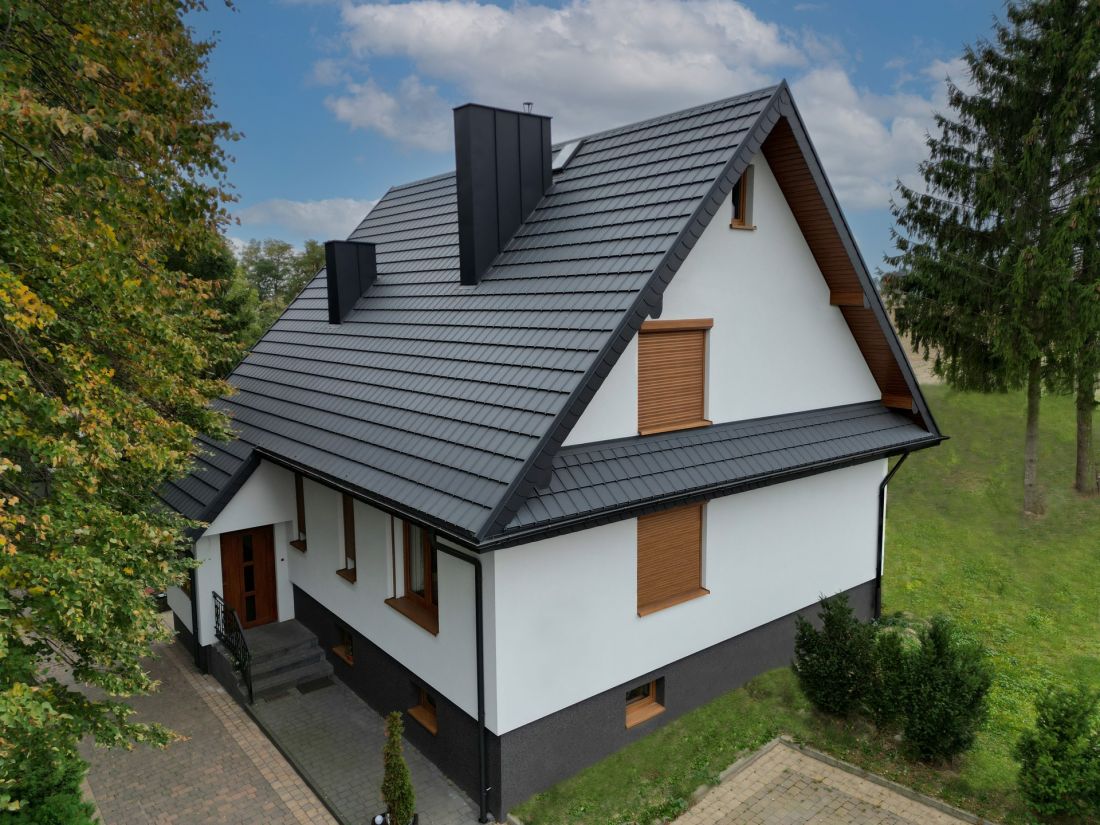
Nel modular metal roofing tile
© FLORIAN CENTRUM
Summary
Tile is an example of how modern materials can combine functionality with environmental concerns. With its advanced manufacturing technology, recyclability, long life and ease of integration with renewable energy sources, it fits in with the idea of sustainable construction. At a time when energy efficiency, durability and environmental impact are becoming as important as aesthetics and price, sheet metal shows that innovation and ecology can go hand in hand.
For more information, visit the company's Florian Centrum page on the PdA portal.