


from the series "Roofs, accessories - trends, technologies 2025"
The roof performs many important functions, including stabilizing the structure of the building and protecting it from harmful atmospheric factors such as rain, wind, snow and extreme temperatures. It is also a very important design element, significantly affecting the final appearance of the building. That is why it is so important to choose the right type of covering. Fiber-cement materials, such as Cedral small-format tiles, thanks to their versatility and technical properties, are increasingly being used on roofs to protect and enhance the unique character of the project. In this article we take a closer look at their properties, design possibilities and inspiring realizations in which they have been used.
A brief history of fiber-cement
Fiber-cement is most often associated with modern architecture. However, its history dates back to the late 19th century. At that time Ludwig Hatschek, in a simple filtration process, combined the basic elements of the Earth: minerals, water, air and fire (heat). He patented his invention in 1901 and since then it has attracted more and more interest every year.
In 1905, Etex (owner of the Cedral, Equitone and Euronit brands) began producing fiber-cement. Over the years, the company has perfected processes to deliver products of the highest quality and aesthetic value. Its exceptional resistance to mechanical damage, moisture and extreme temperatures makes the facade panels, corrugated panels and roof tiles created from it, perfect for both commercial buildings and individual developments.
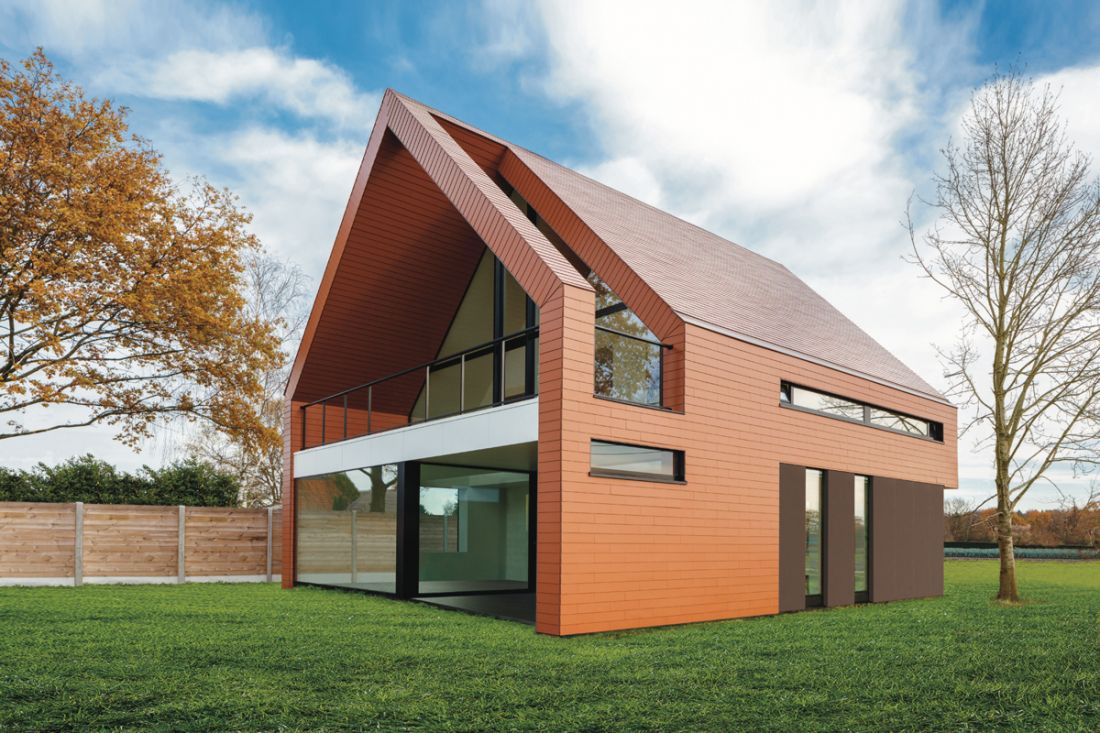
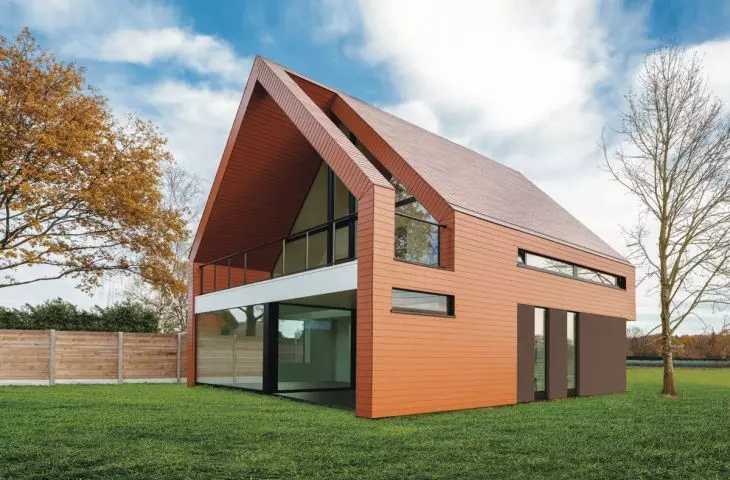
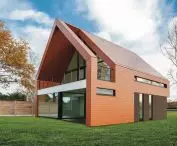
House in Heist-Op-Den-Berg - proj.: BNE Architecten
© Cedral
Why do fiber-cement materials work well on the roof?
The roof is a part of the building that is constantly exposed to the elements. Cedral's fiber-cement tiles perfectly handle this challenge. Among their greatest advantages are resistance to extreme weather conditions, such as strong winds, rainfall or temperature changes , and UV radiation. Covered with high-quality acrylic paint, they do not lose their colors for many years (the life span of the material is more than 50 years). In addition, virtually no additional maintenance work is required, which in practice means lower operating costs. In case of dirt, it is enough to wash them with water and mild detergent (or soap).
Cedral tiles are non-flammable, which is confirmed by the A2-s1, d0 fire classification (according to DIN EN 13501-1). They can be safely used on objects with higher fire protection requirements (schools, kindergartens, multi-family buildings, hotels). They belong to the group of lightweight roofing materials, so they also perform very well on historic buildings, not requiring additional reinforcement of the supporting structure.
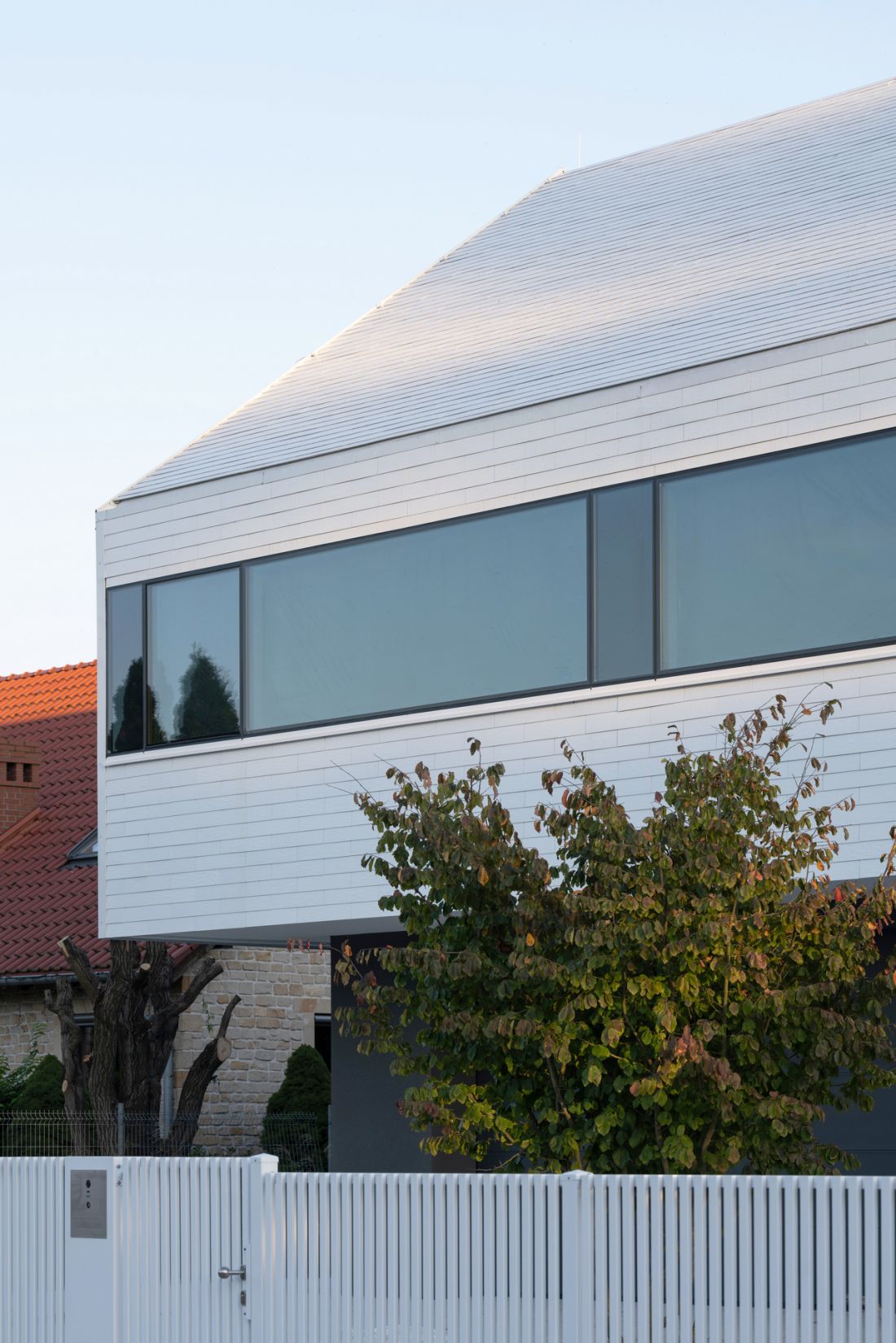
Single-family house in Lower Silesia - proj.: 3XA
© Cedral
Aesthetics and form
As we mentioned earlier, the roof plays an important role in the aesthetics of a building. It shapes the character of the building, emphasizing its simplicity or dynamic character. Cedral tiles are available in a wide range of colors, formats and shapes, as well as two surface finishes (smooth and natural slate texture). They allow the creation of multiple coverage patterns, such as double coverage, French coverage and rectangular Linum. They thus offer design freedom combined with the certainty of a high-quality solution applied.
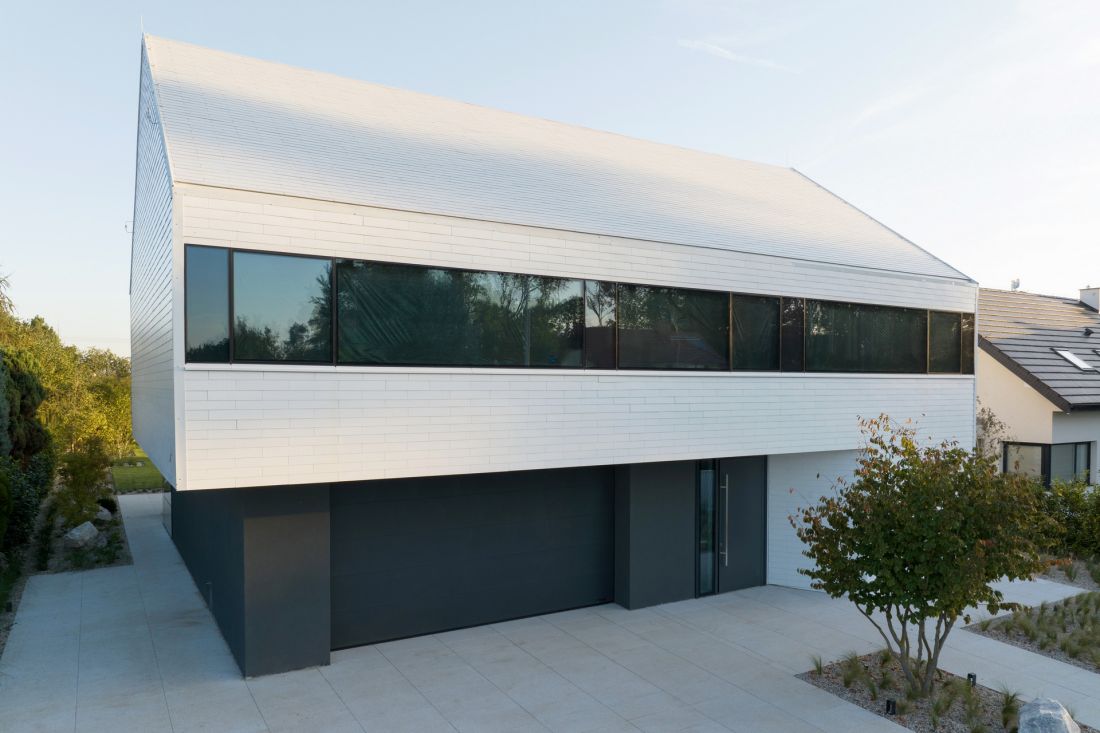
Single-family house in Lower Silesia - proj.: 3XA
© Cedral
What else is particularly appreciated by architects is that the tiles can be used on vertical walls. Not only can they be used to finish a chimney or dormers, but also the entire facade, creating a coherent whole with the roof.
Another material, made of fiber-cement, used on roofs is Euronit corrugated board. Equally durable and resistant as tiles, it is slowly making a comeback on the Polish market, attracting the interest of investors from various sectors, including private homeowners. This quick-to-install solution can also be used on a facade, demonstrating what an innovative and versatile material fiber-cement is.
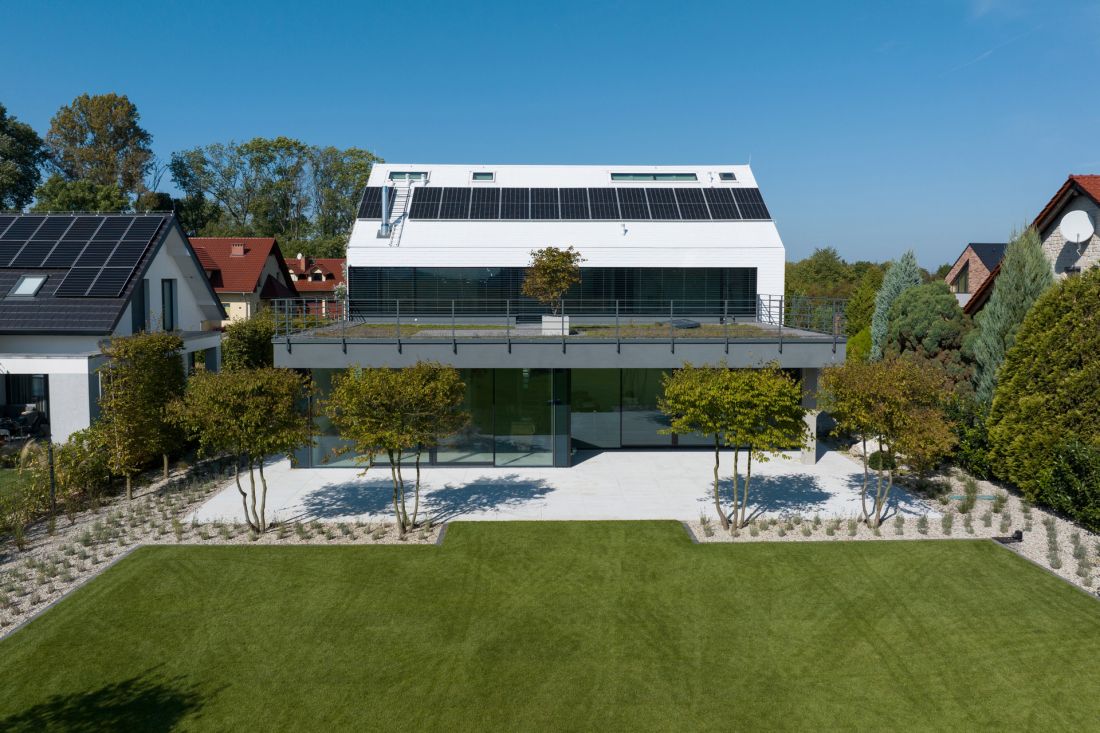
Single-family house in Lower Silesia - proj.: 3XA
© Cedral
Sustainable development
Sustainability is of great importance to Etex. The company places high demands on environmental protection and the promotion of circular architecture. Cedral tiles are made from natural and environmentally and health-neutral raw materials, sourced largely locally, which reduces not only the cost of transportation, but especially the carbon footprint. Etex regularly publishes a report showcasing its sustainability goals and achievements, and promotes a green approach in the construction industry.
The exact environmental impact of Cedral tiles is presented in the Environmental Product Declaration, available at www.cedral.world under the document tab.
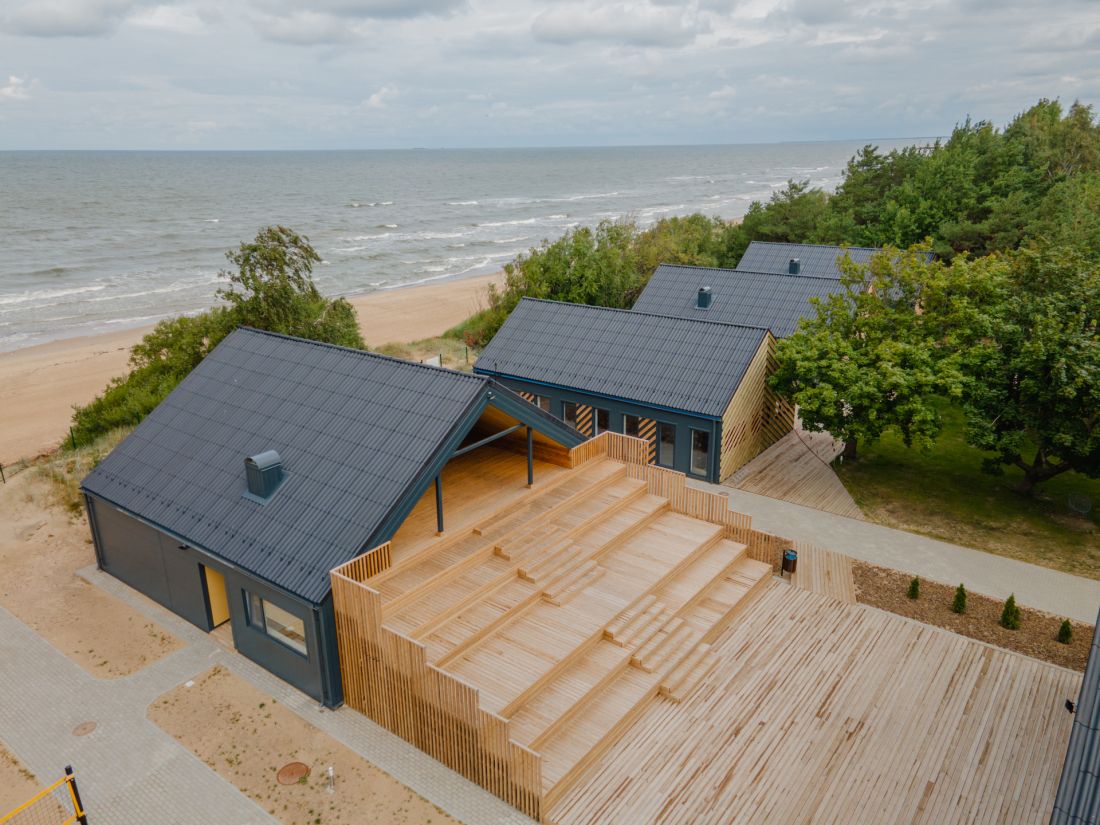
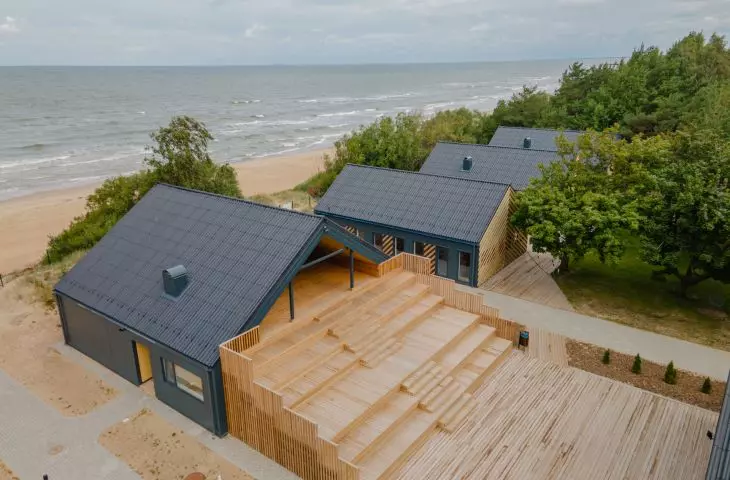
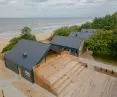
Center for Art Education in Lithuania
© Cedral
Inspirations from Poland and the world
Cedral fiber-cement tiles have been chosen by architects for many years, not only for their technical performance, but also for the aesthetic potential they offer. Thanks to it, they appear both on roofs and facades of single-family houses, or public buildings such as schools.
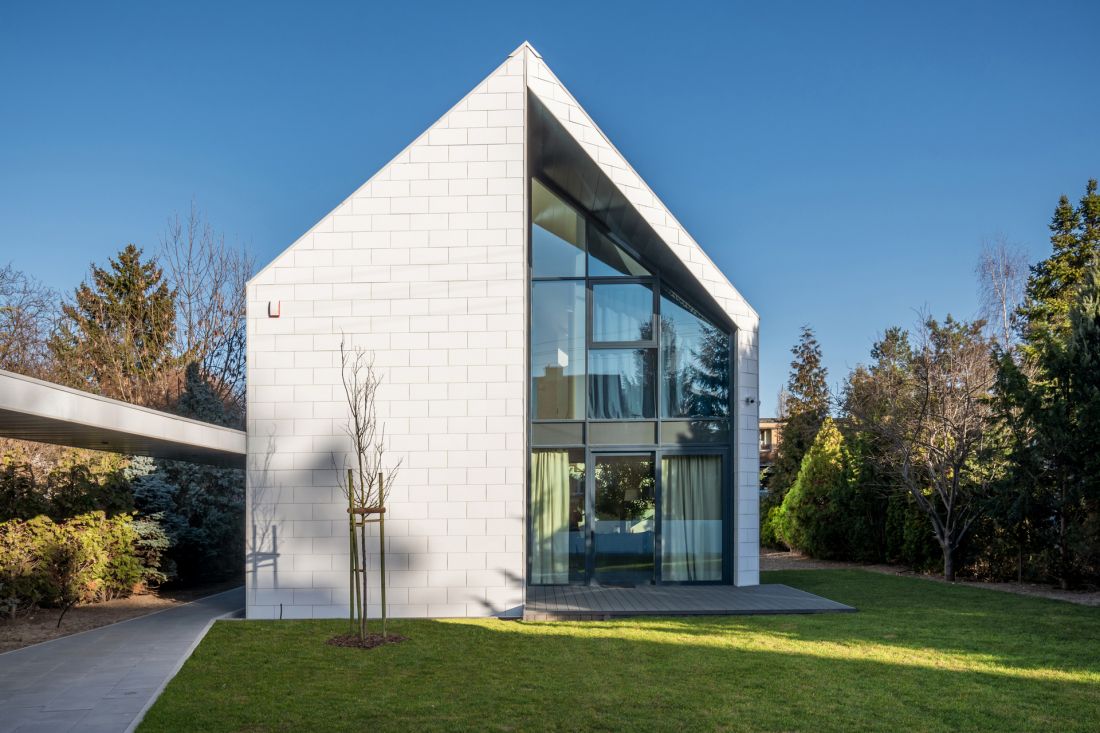
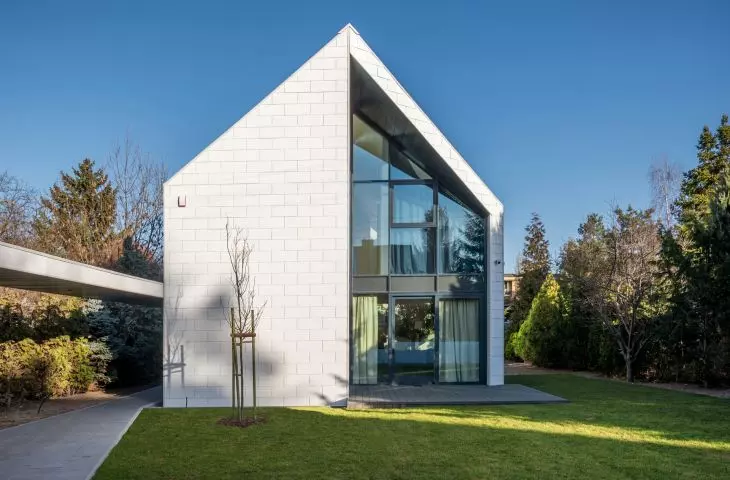
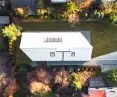
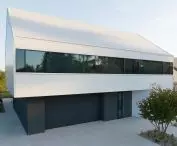
House with a flair - proj.: Pracownia Architektury Głowacki PAG
© Cedral
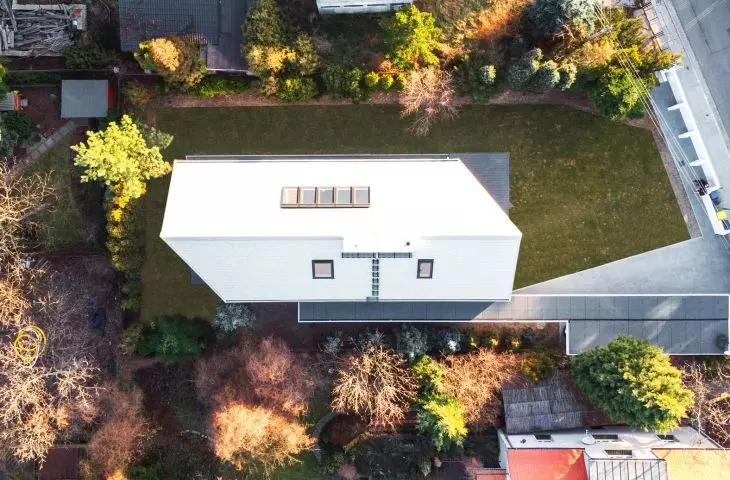
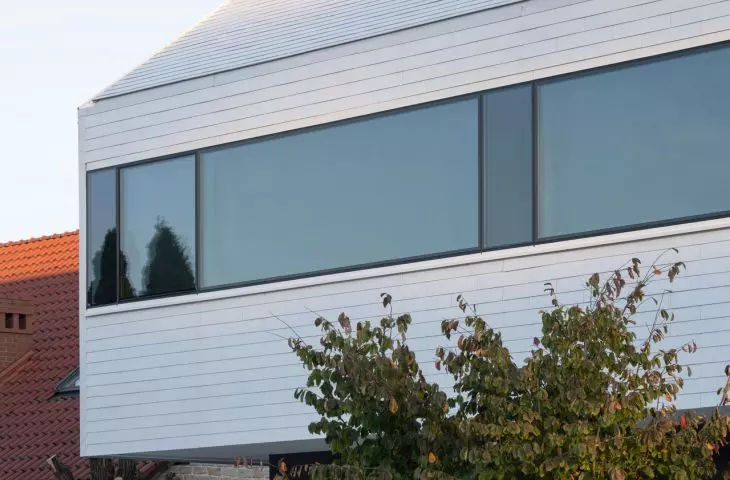
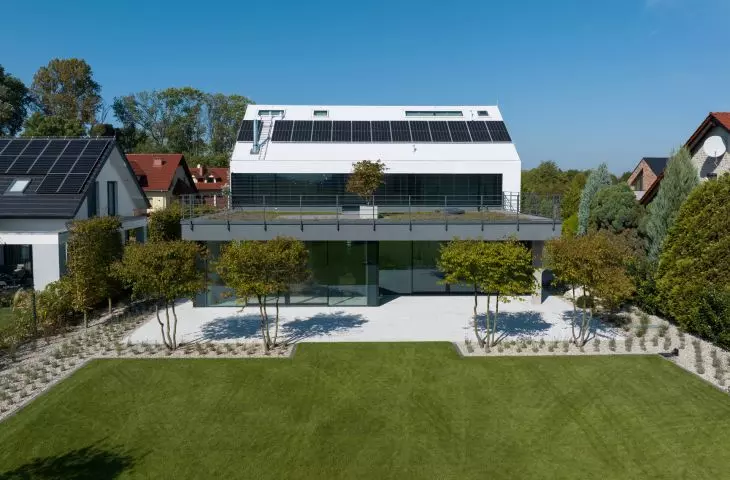
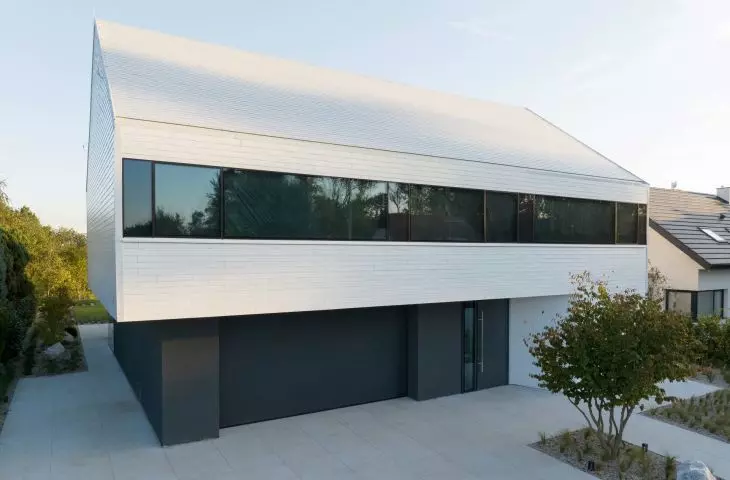
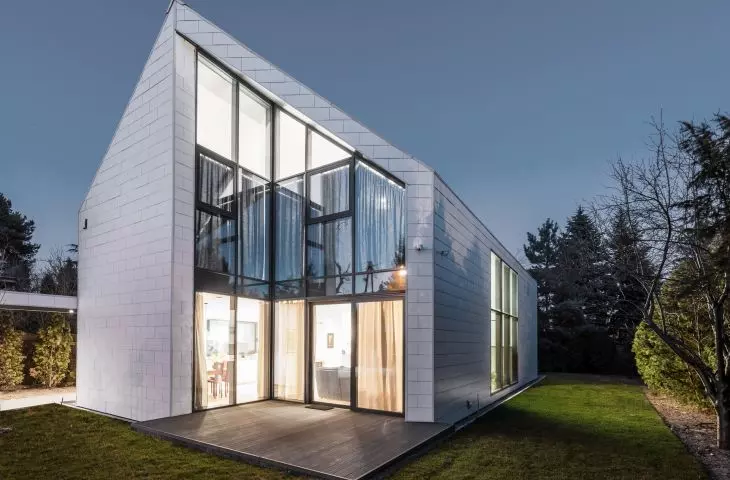
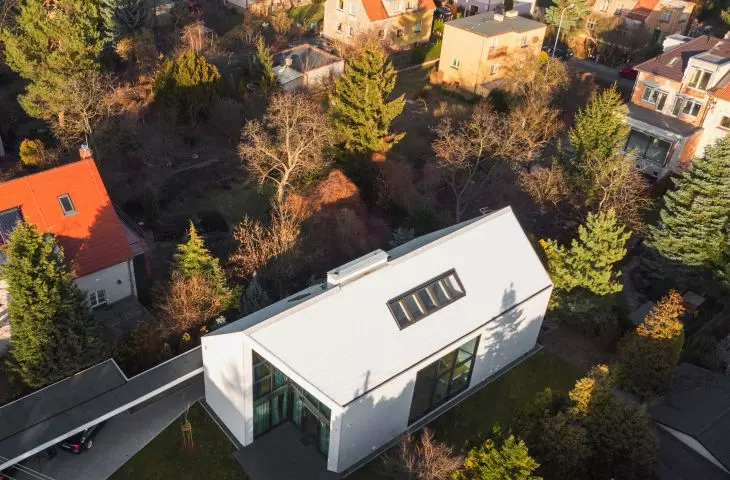
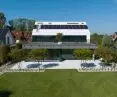
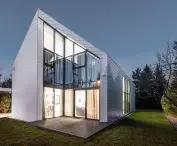
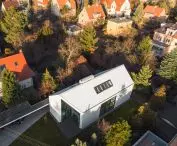
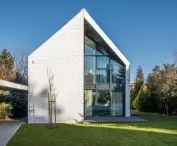
One of the most interesting realizations with Cedral tile in Poland is Dom z zacięcie, realized according to the design of Pracownia Architektury Głowacki PAG. Two corners were cut diagonally from the beautiful body of the building in the form of deep loggias, covered by a truncated roof. They are glazed over their entire height, thus opening the house to the outside. Cedral small-format tile in white with a structured surface was used on the facade and roof of the building.
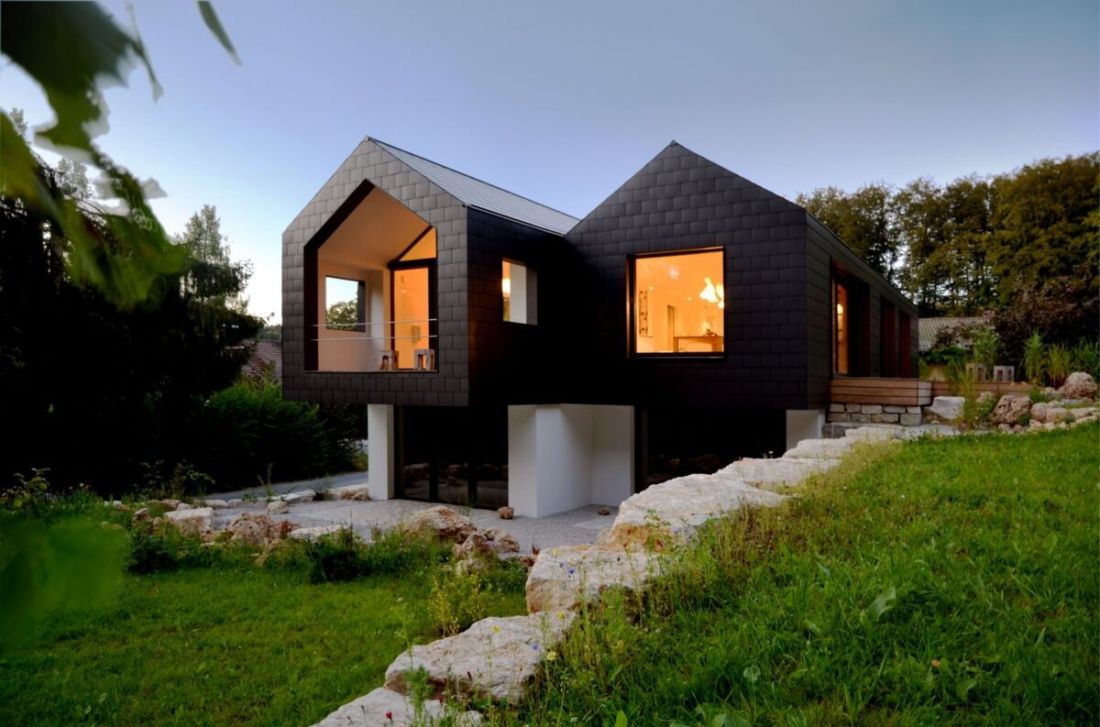
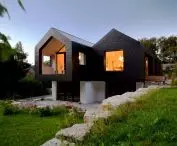
Single-family house in Betzenstein - designed by Bucher | Hüttinger Architektur.
© Cedral
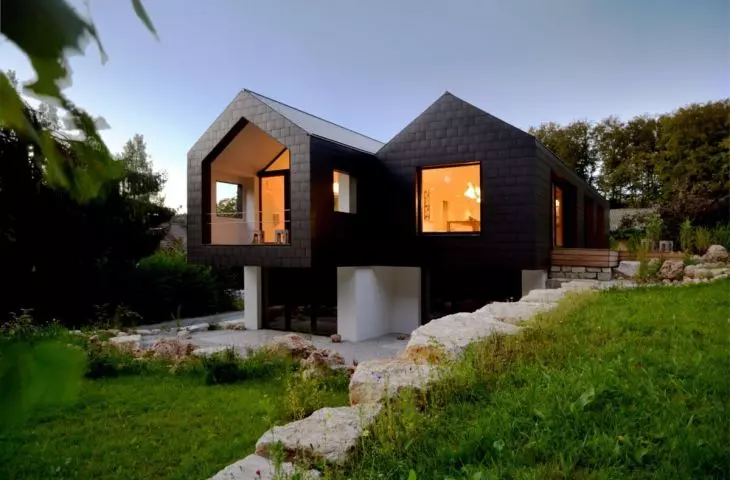
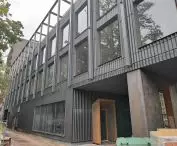
Another example of a realization with Cedral tile is a single-family house in Betzenstein, Germany. The project was designed by Bucher | Hüttinger Architektur. Surrounded by the green hills of Bavaria, the building stands out for its interesting form, highlighted by the graphite Cedral tiles laid on the facade and roof of the building.
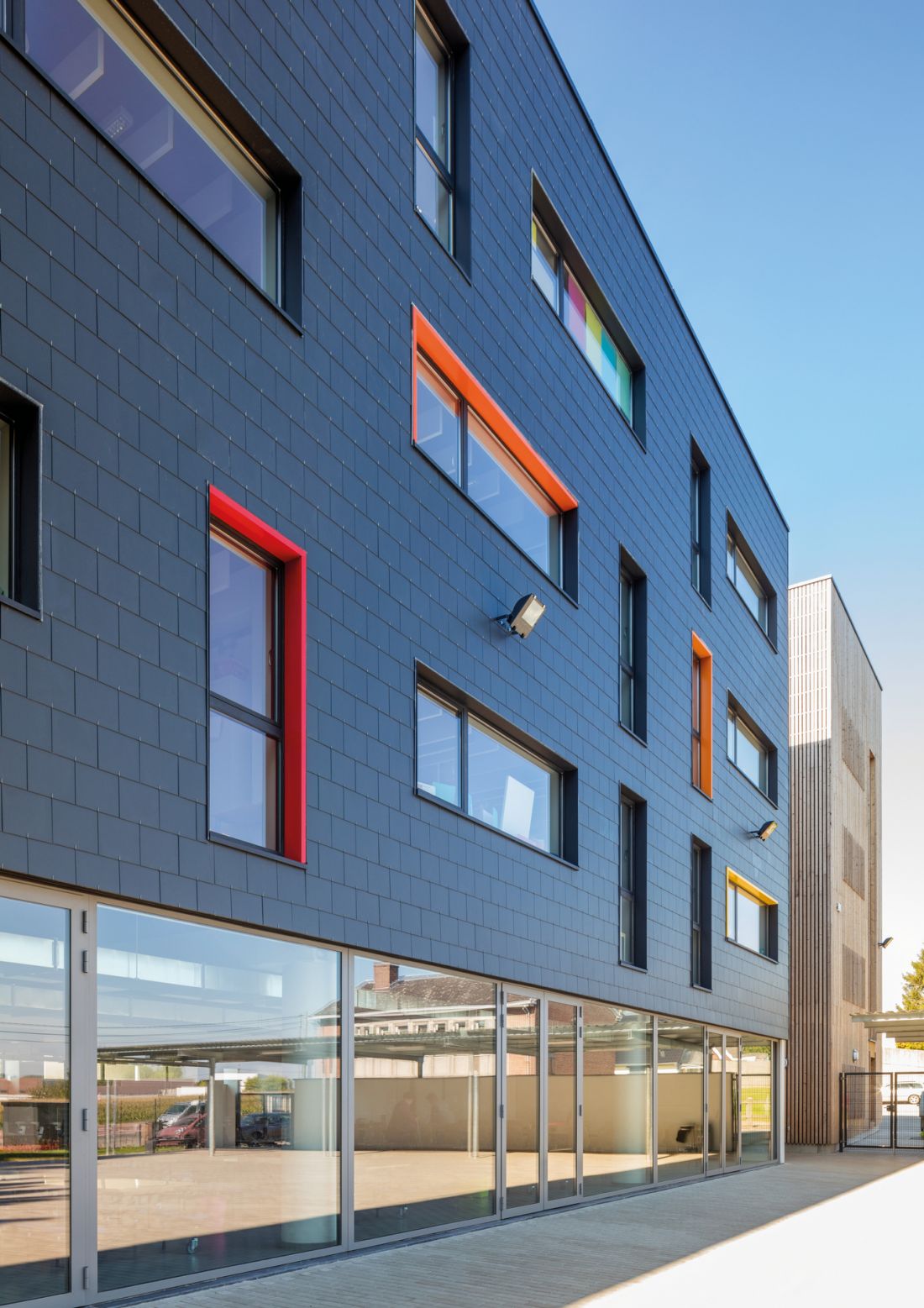
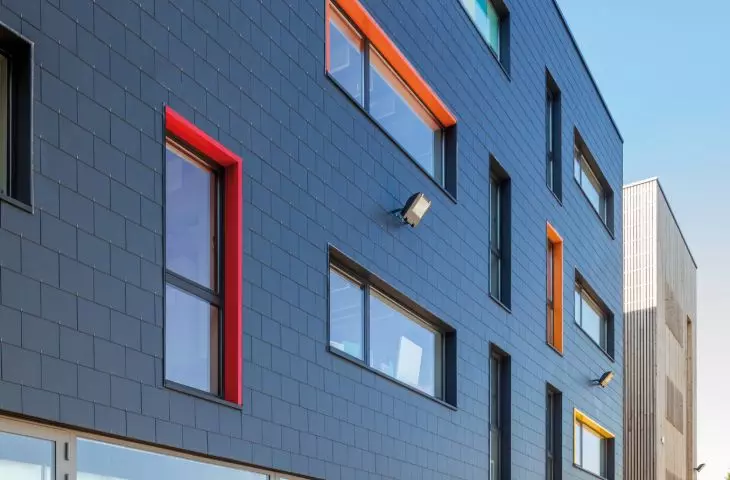
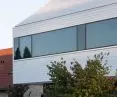
School in Anvaing - designed by Luc Moulin & Ass.
© Cedral
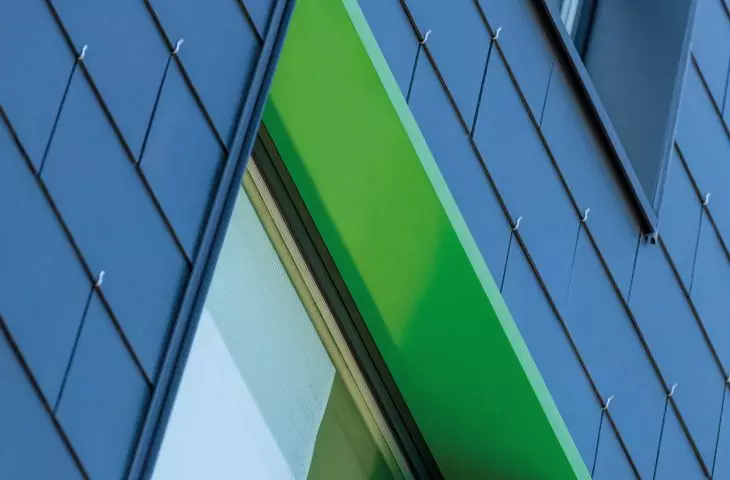
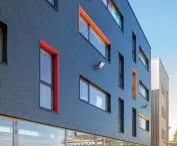
Another example of the use of tiles is a school in Anvaing, Belgium. Luc Moulin & Ass's design is distinguished by an interesting play of colors. Graphite Cedral tiles with a smooth surface were laid on the building's facade. On the other hand, colored frames were used around the windows. This added lightness to the realization and emphasized the character of the building.
The above realizations are centered around buildings with a modern form. However, it is worth noting that Cedral tiles also work well in projects whose main task is to restore the historic luster of historic buildings, an example of which is the restoration of the water tower in Zabrze.
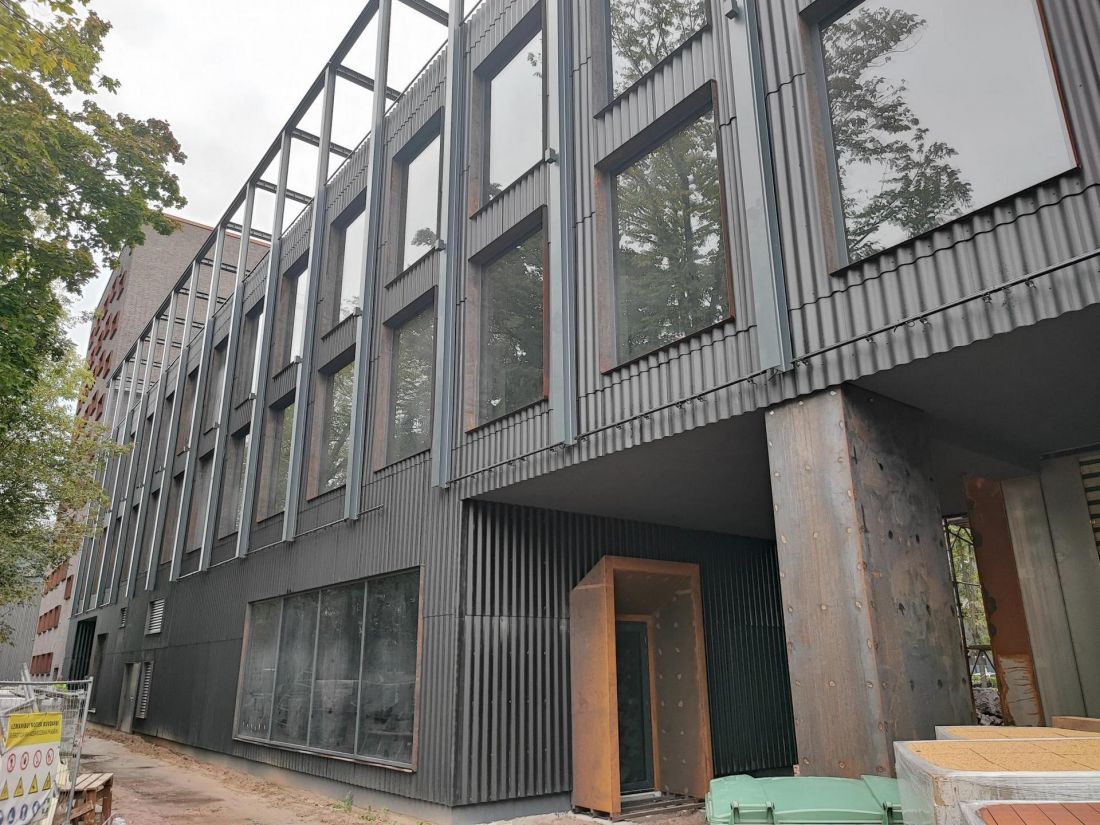
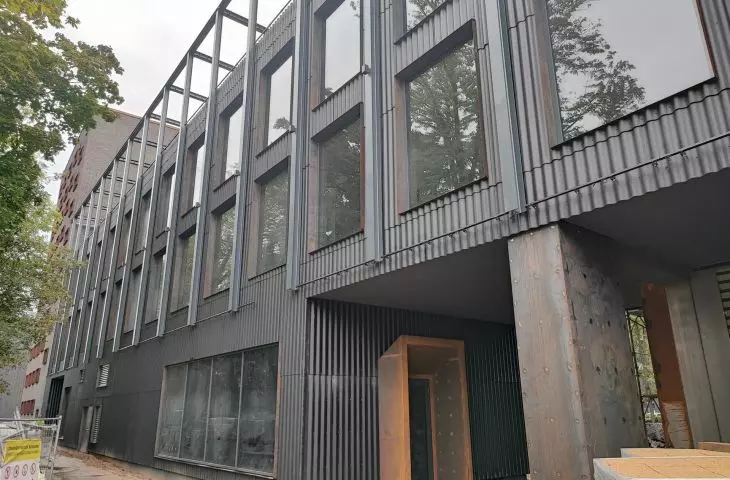
Office and commercial complex in Riga - proj.: Open Architecture Design
© Cedral
If we would also like to look at corrugated board on this occasion, it is not only the solutions on the roofs of buildings such as stud farms or industrial buildings that can arouse interest. An interesting development, for example, is an office and commercial complex in Riga, where it was used on the facade. Created by the Open Architecture Design office under the direction of Zane Tetere-Šulce, the project gave a new luster to the former "Rīgas adītājs" factory.
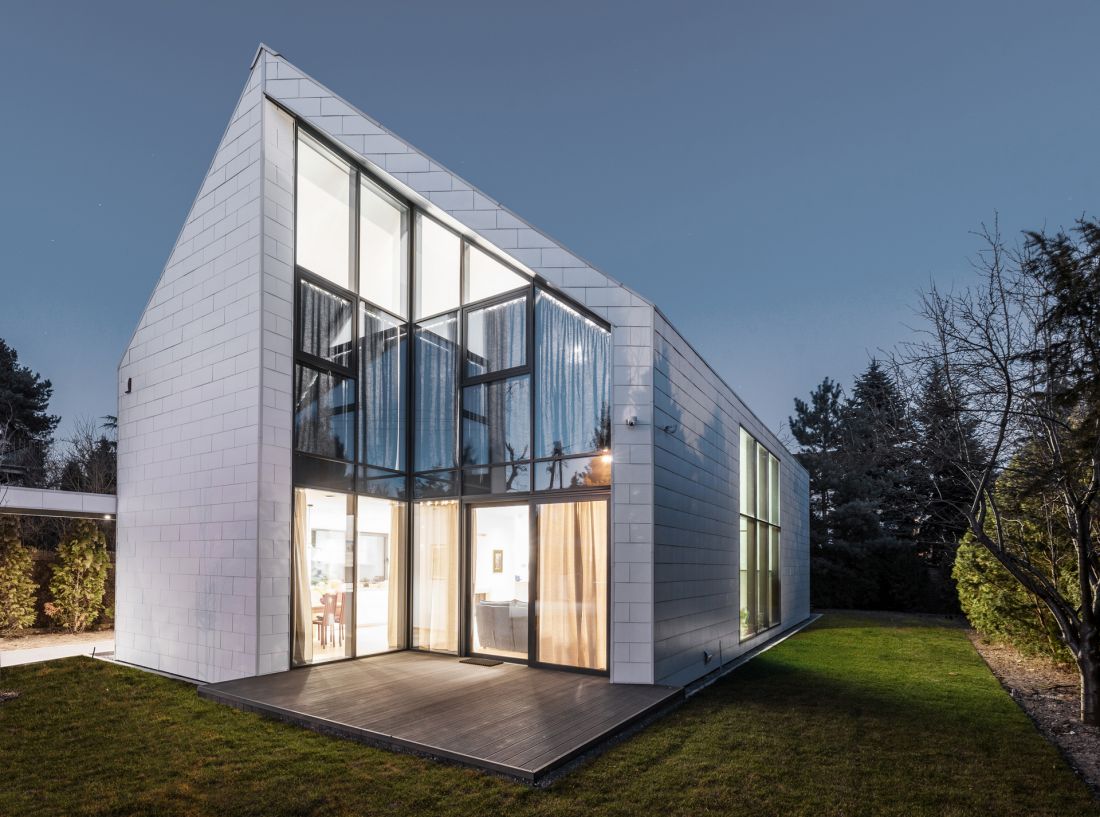
House with a fierceness - proj.: Pracownia Architektury Glowacki PAG
© Cedral
Practical aspects of design
From an architect's perspective, Cedral fiber-cement tiles are a material that combines design freedom with execution predictability. Thanks to the availability of multiple formats, ease of cutting, and a wide range of accessories, the process of going from concept to completion is smooth and without surprises. This is especially important in projects where both precision of detail and budget matter.
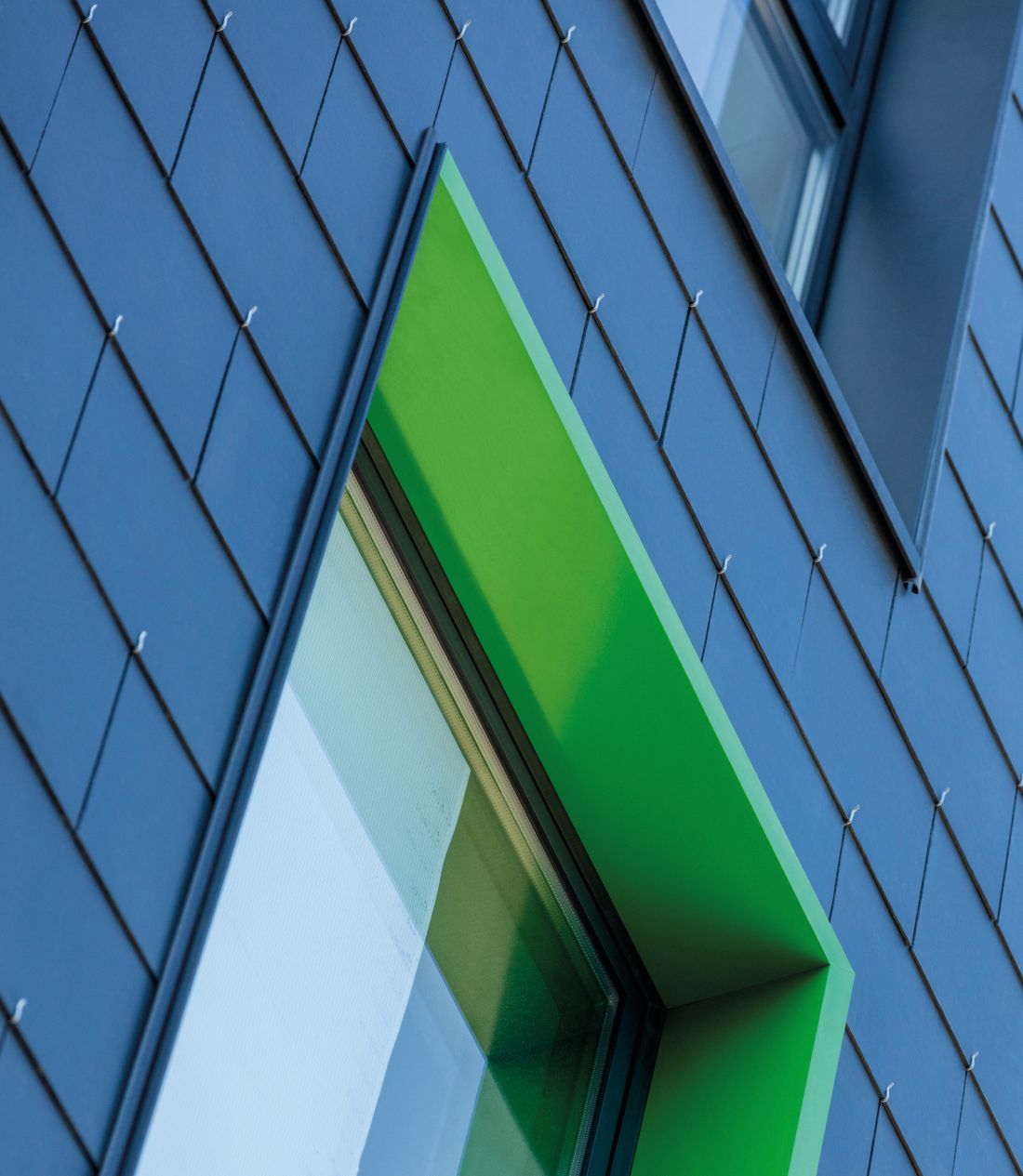
School in Anvaing - proj.: Luc Moulin & Ass
© Cedral
Cedral tiles can be used on roofs of various slopes - both steep slopes and flatter forms. They are lightweight, which is sometimes crucial, for example, in attic adaptations or renovations of historic buildings.
Service issues are also not negligible - fiber cement roofs require virtually no maintenance, and any dirt is easily washed away by rain in most cases. This means lower maintenance costs and confidence that the designed visual effect will stand the test of time.
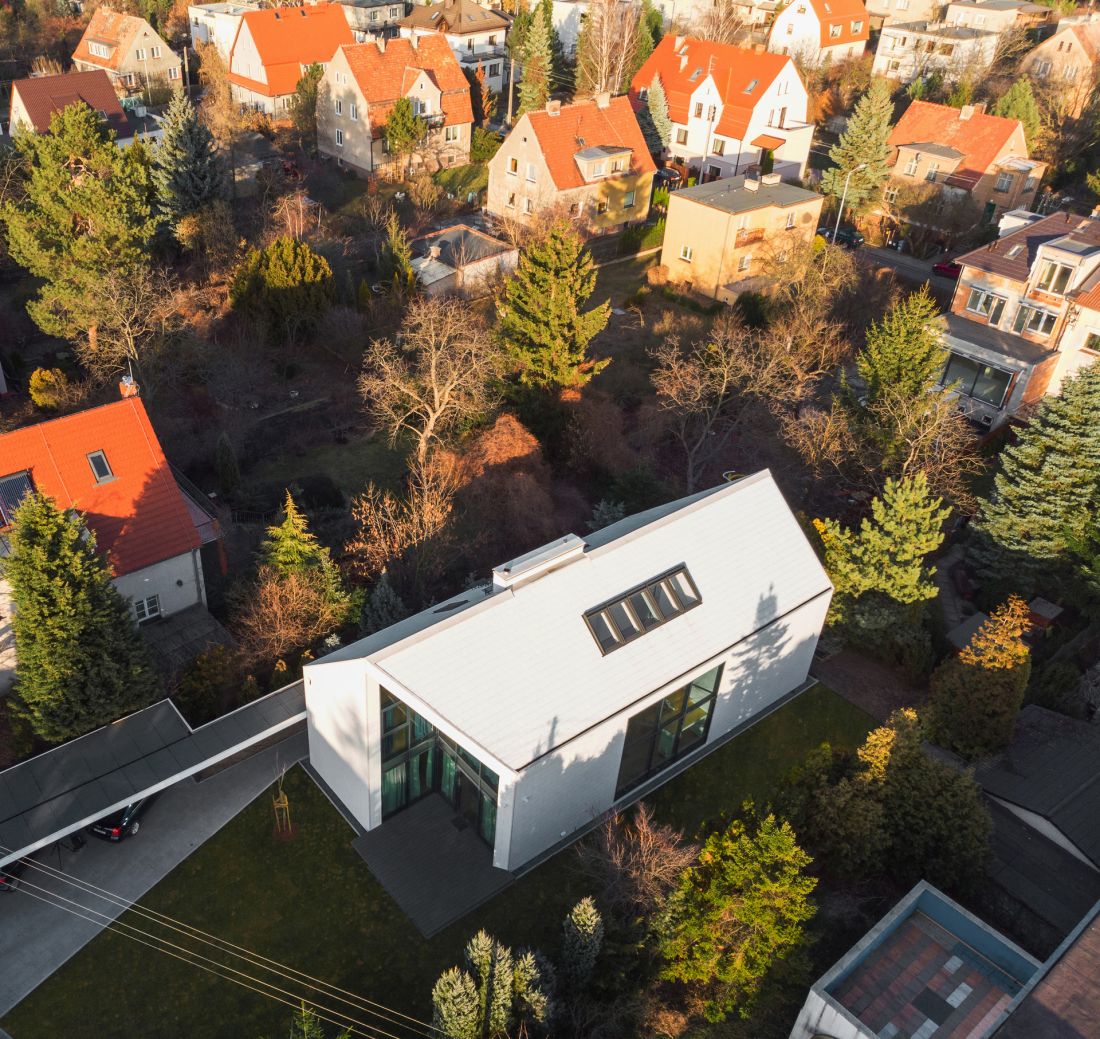
House with a flair - proj.: Pracownia Architektury Głowacki PAG
© Cedral
Fiber-cement is a material that successfully combines tradition and modernity. It is durable, non-flammable, weather-resistant and extremely flexible in design. It responds to many modern challenges - from technical requirements to environmental certifications to aesthetic expectations.
A roof made of fiber-cement tiles ceases to be a background - it becomes an active architectural element that co-creates the character of the building and emphasizes it. It is a material that allows you to design boldly and responsibly.
For more information, visit the company's {tag:Manufacturer} page on the PdA portal.