






from the series "Lighting, fixtures, smart solutions - trends, technologies 2025"
Museum and gallery lighting is not only a matter of aesthetics, but also a matter of protecting collections and properly directing the viewer's attention. HSK LEDY spotlights from the LIRA series are equipment for special tasks - they were designed for cultural institutions, design offices and collectors who need flexible and reliable solutions. With rail mounting, high color rendering index and the ability to precisely adjust the light, LIRA luminaires work well in both historic spaces and modern exhibition halls.
Designers of museums, exhibitions and displays know that light is a key tool that shapes the atmosphere of an interior and determines where viewers' attention is directed. They most often work with objects that force the use of light with high, specific parameters and characteristics dictated by conservation requirements. Spotlights for such interiors must have the ability to fully adjust the direction, intensity and focus of the light to easily build an effect that will make viewers and customers marvel at the objects being illuminated. That's why we equip HSK LEDY spotlights with components that give maximum flexibility and control over light of the highest quality.
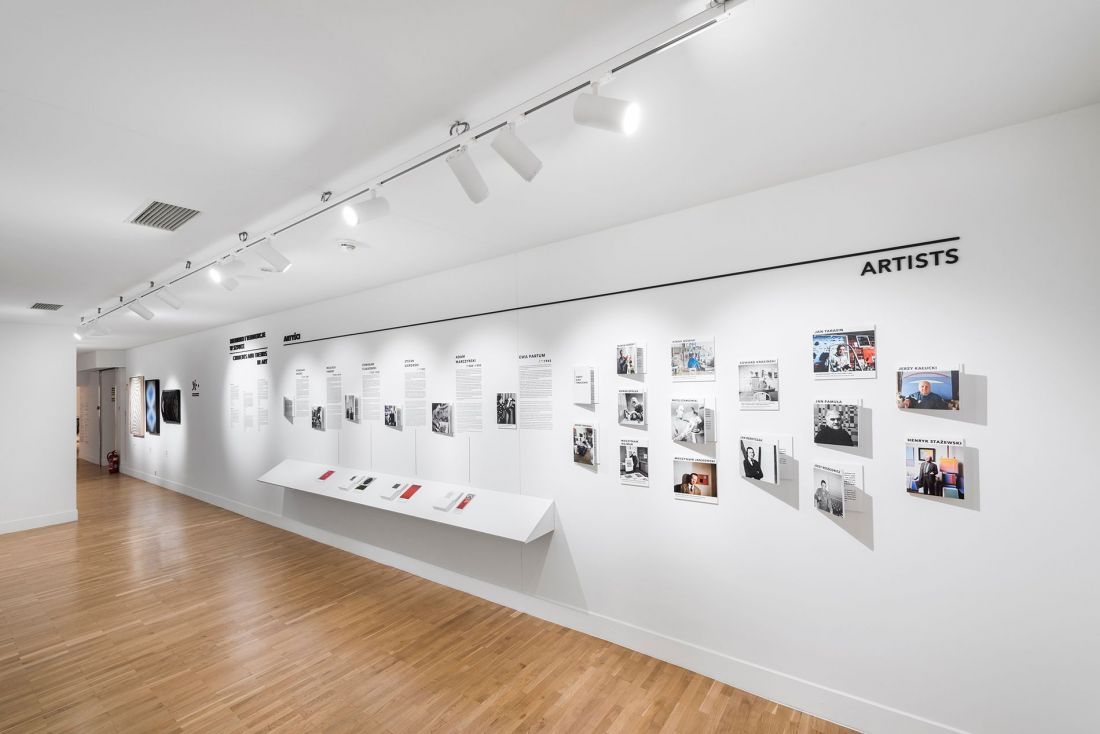
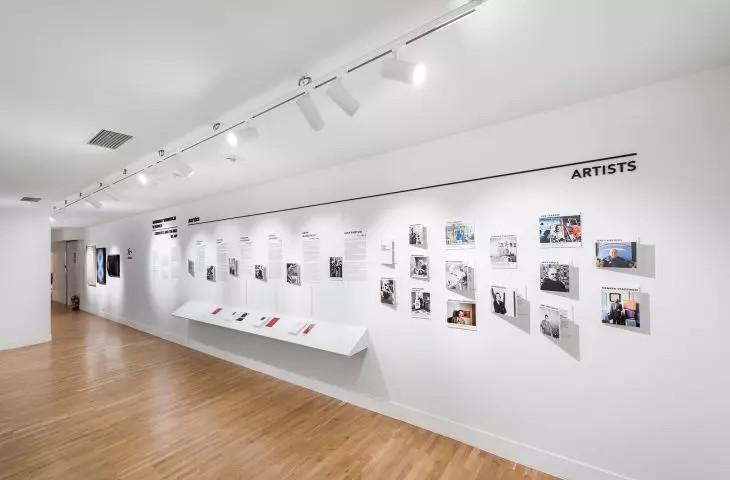
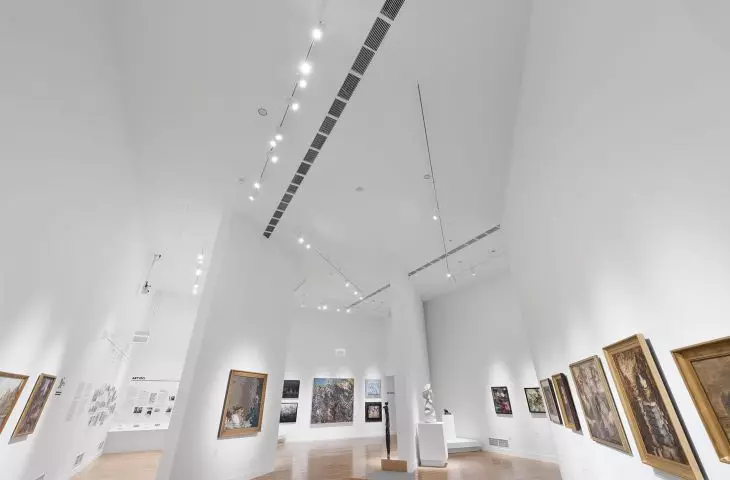
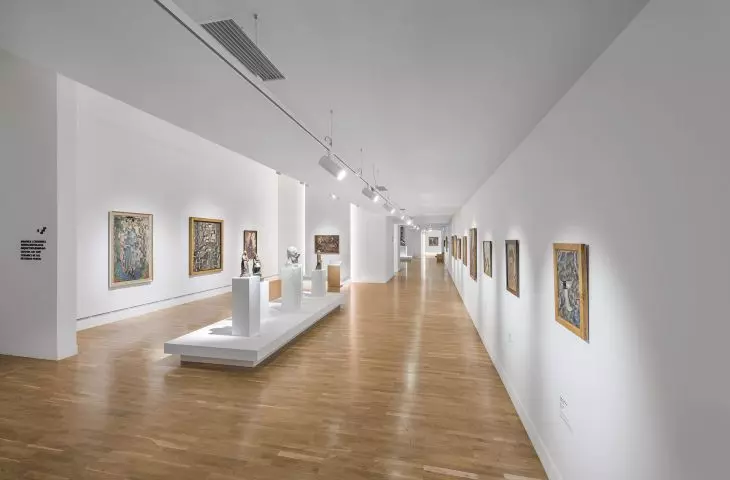
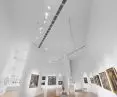
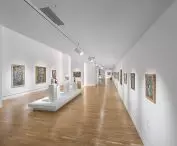
Lira spotlights at the National Museum in Krakow - "XX-XXI Gallery of Polish Art" exhibition.
© HSK Ledy
3f LIRA - lighting ready for change
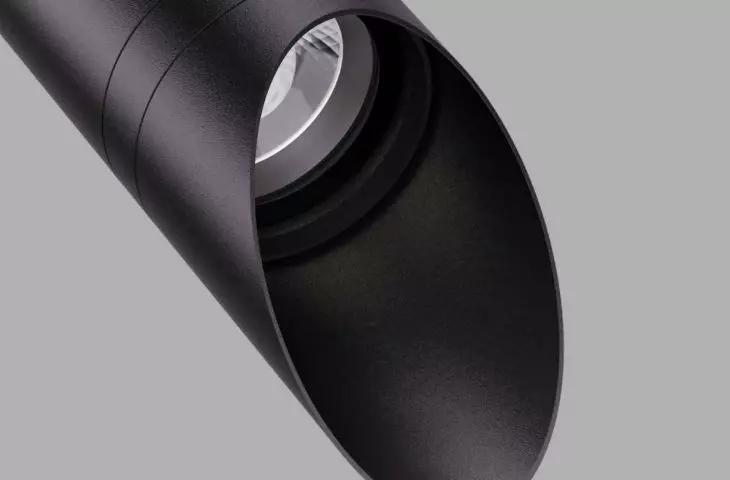
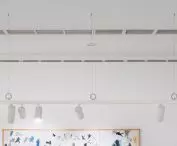
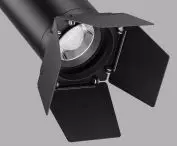
The 3f LIRA rail spotlights from HSK LEDY are perfect for cultural institutions, galleries and museums, and wherever the interior design is changing. Rearranging the lighting of an exhibition is fabulously easy, fast and does not require the support of professional electricians thanks to the thoughtful design of the luminaires:
-
0°-350° horizontal rotation
-
Vertical adjustment 0°- 90°
-
Connectors (adapters) compatible with GLOBAL and EUTRACK rail systems - tool-free installation on rails.
-
Thanks to the use of a three-phase cable, the luminaires can be divided into independently switched sections using an intuitive switch on the connector of each luminaire.
The spotlights can also be mounted directly to the ceiling with a mounting bracket and can be integrated with Antilia A-69 lines for additional illumination of vaults.
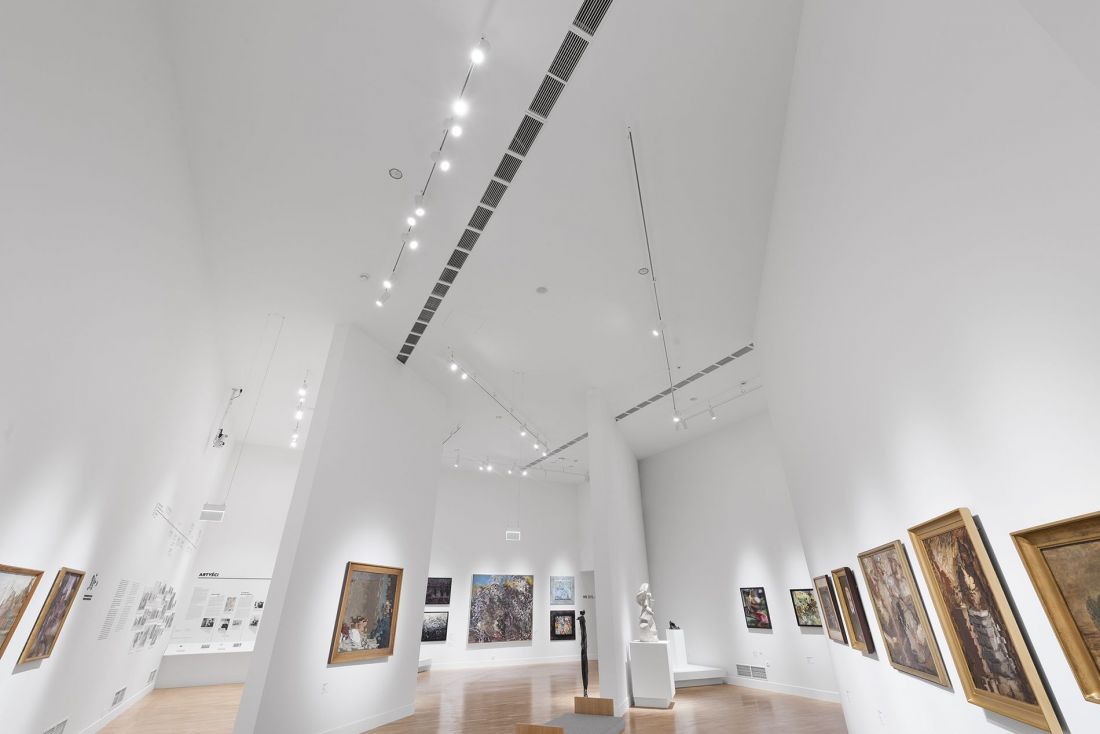
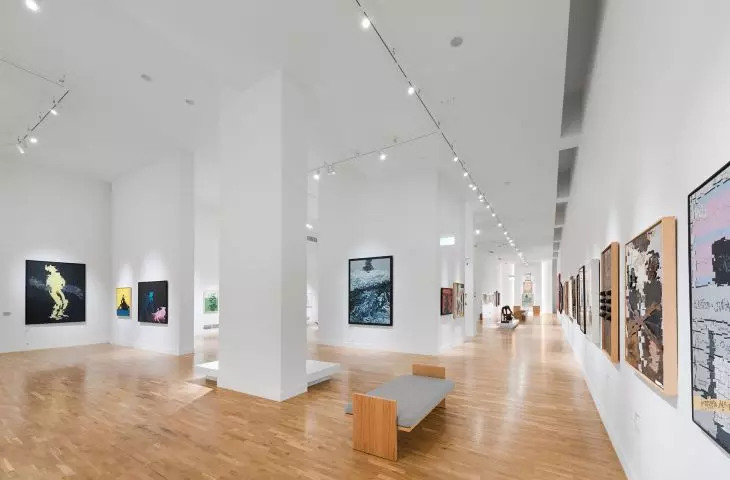
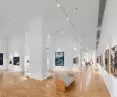
Lira spotlights in the National Museum in Cracow - "XX-XXI Gallery of Polish Art" exhibition.
© HSK Ledy
SpotLights - spot lighting
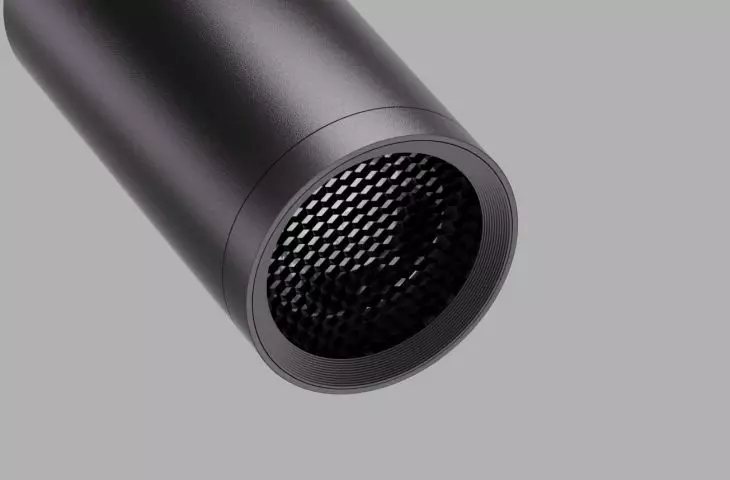
Track spotlights are otherwise known as SpotLights, or spot lighting. Depending on the height of the luminaire installation and how focused the light is to be, lenses are selected with the appropriate angle of light distribution, from 10° to 60°. However, museums, galleries and other exhibitions often need many different angles of light distribution - that's when Zoom and Target spotlights with easy manual beam adjustment come to the rescue:
-
The movable lens on the LIRA ZOOM with lens system allows you to adjust the angle of the world's distribution and, as a result, the size of the light spot while maintaining its perfect uniformity,
-
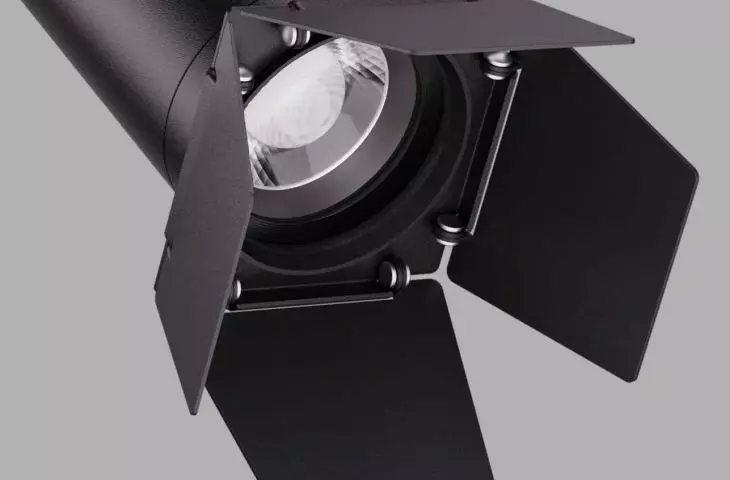
The 4 independent apertures in LIRA TARGET allow you to give any shape to the light spot. At the same time, the lenticular lens makes it possible to keep the edges of the light perfectly sharp.
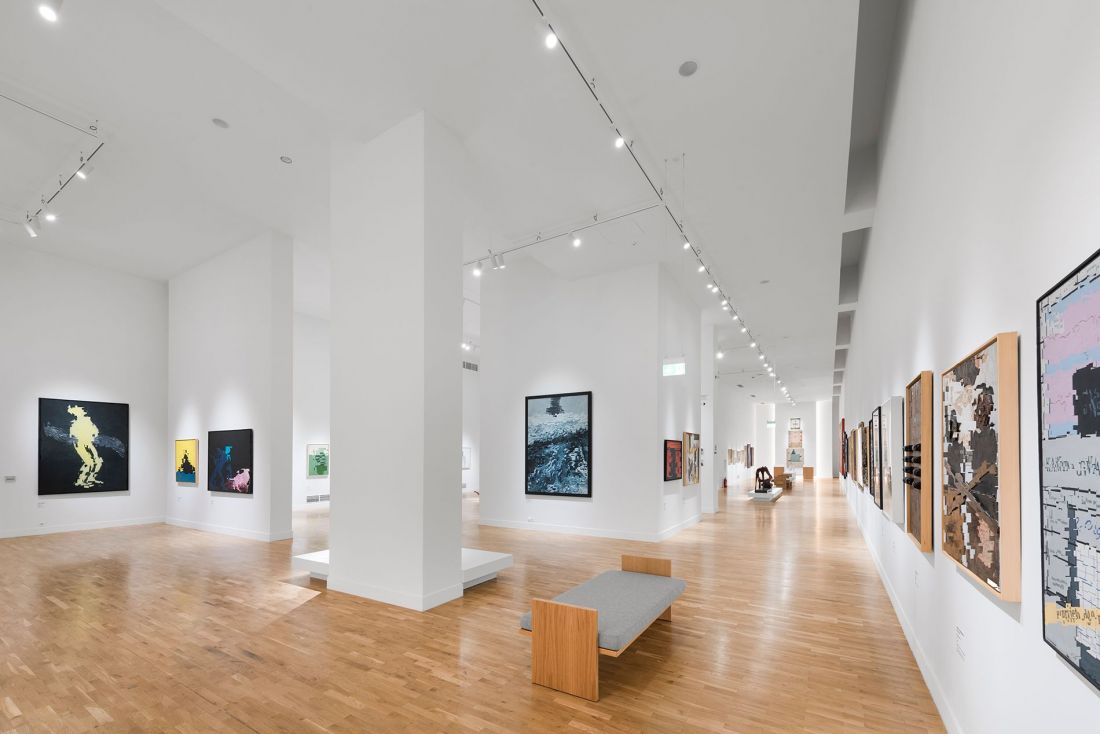
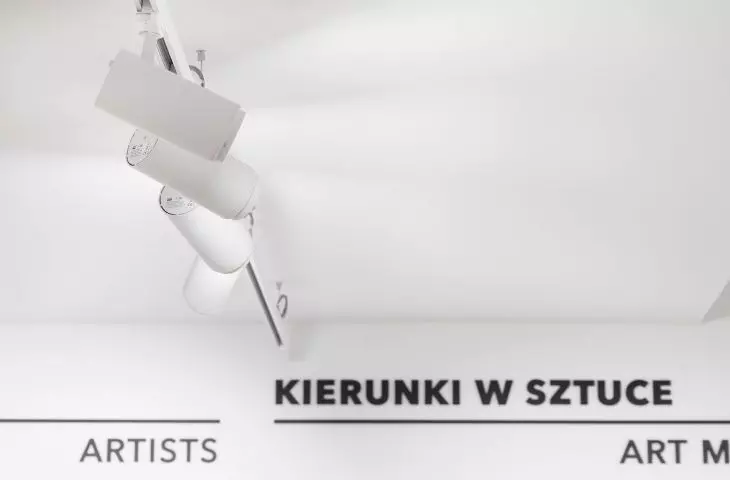
Lira reflectors in the National Museum in Cracow - exhibition "XX-XXI Gallery of Polish Art".
© HSK Ledy
precious collections, safe lighting
In museums, where some works of art must be protected from excess light, it is necessary to dim each fixture independently. Lira spotlights allow dimming, i.e. light intensity adjustment realized in many ways, depending on the customer's expectations:
-
manual control of individual luminaires (potentiometers);
-
remote control systems based on timed programs, predefined scenes;
-
dynamic intensity control depending on sensor indications.
Communication with luminaires is possible by wire(DALI), radio or Bluetooth, depending on the needs of the illuminated object.
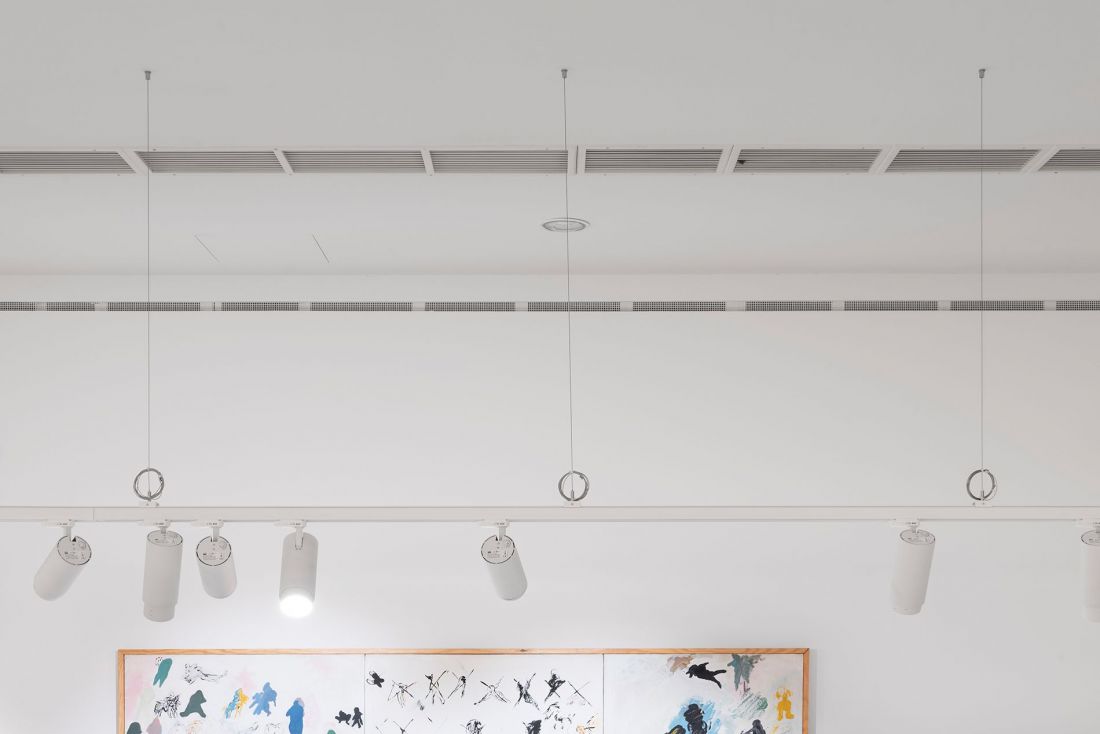
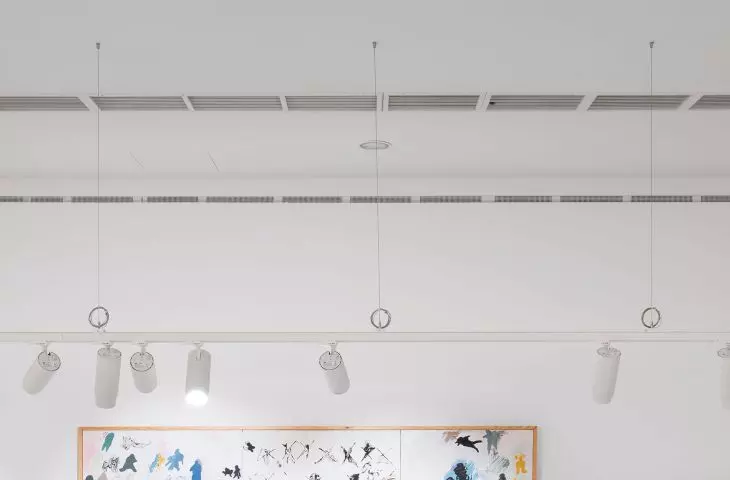
Lira spotlights in the National Museum in Cracow - "XX-XXI Gallery of Polish Art" exhibition.
© HSK Ledy
light is (not) equal to light
For museums and art galleries, the quality of light is crucial. The colors of works of art must, in the light of the gallery, look exactly as they do in the artist's studio in daylight.
-
LIRA luminaires for museums are equipped with diodes with increased CRI (Color Rendering Index), that is, a color rendering index of Ra>97 or Ra>92.
-
We also supply luminaires with Vivid White LEDs or with increased color rendering in the selected band (R1-R15, Rf skin).
-
Our LEDs guarantee excellent color rendering regardless of the level of light intensity, so you can use dimming (dimming) luminaires near the most sensitive works of art without fear.
The diodes in Lira luminaires undergo meticulous testing in a photometric laboratory. Their spectrum is only visible light - this means excluding ultraviolet and infrared radiation, which can be harmful to works of art and cause degradation of sensitive materials.
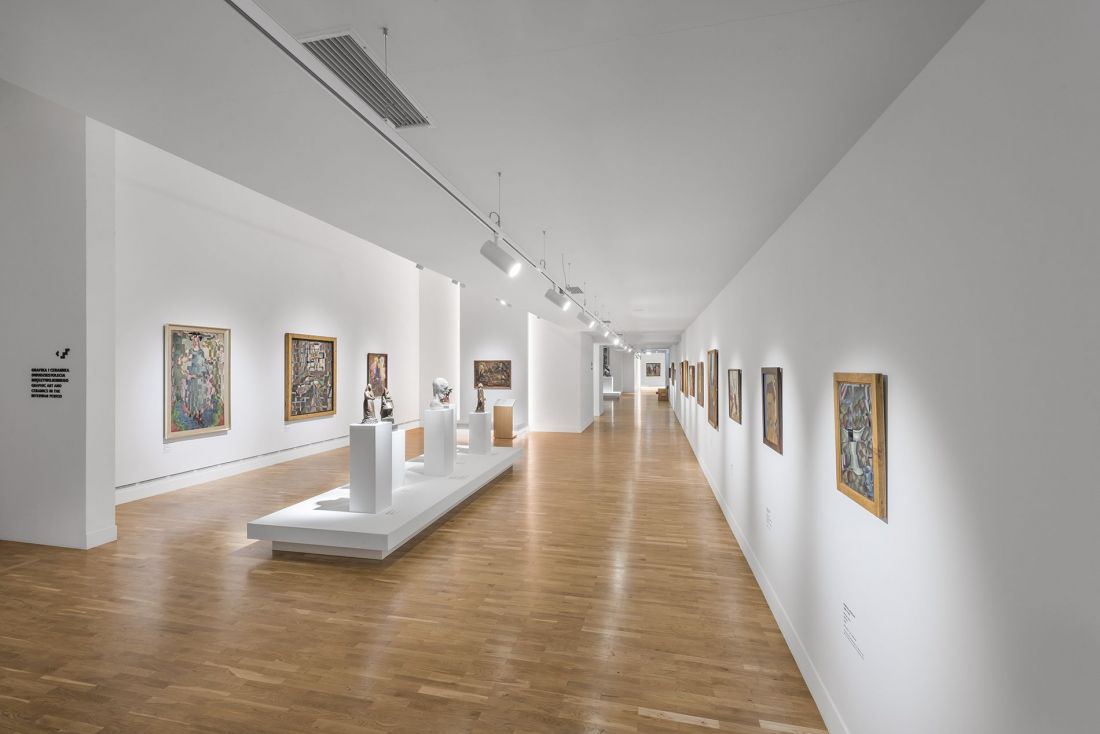
Lira reflectors at the National Museum in Cracow - "XX-XXI Gallery of Polish Art" exhibition.
© HSK Ledy
LIRA lighting fixtures - a bright issue
Lighting a museum exhibition is sometimes thousands of lighting points. Regardless of the size of the object, there must be no human-perceivable differences between the color temperatures of individual luminaires.
Excellent light repeatability in all Lira luminaires is guaranteed by maintaining the SDCM (Standard Deviation Color Matching) parameter at <3 or even <2. Our diodes come from reliable suppliers, and in addition, we regularly check this parameter as part of our in-house quality control processes.
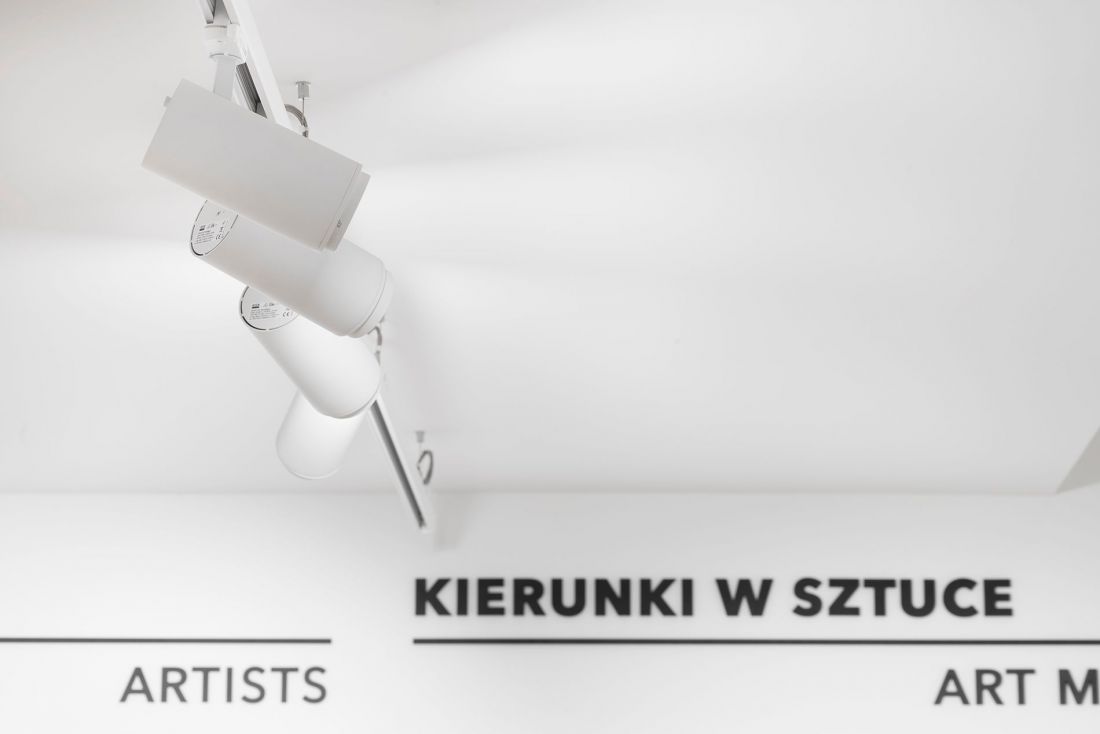
Lira reflectors in the National Museum in Cracow - "XX-XXI Gallery of Polish Art" exhibition.
© HSK Ledy
art in good light
More than 700 Lira Zoom-TD spotlights illuminate the new permanent exhibition in the Main Building of the National Museum in Krakow. The exhibition "XX+XXI Gallery of Polish Art" is a new installment of one of the finest collections of Polish art, presenting an overview of the most outstanding works of the last 120 years. The lighting supplied by us guarantees excellent lighting conditions for visitors, while meeting the Museum's conservation requirements. Lira luminaires emit light with a very high color rendering index, a key feature of good lighting of works of art.
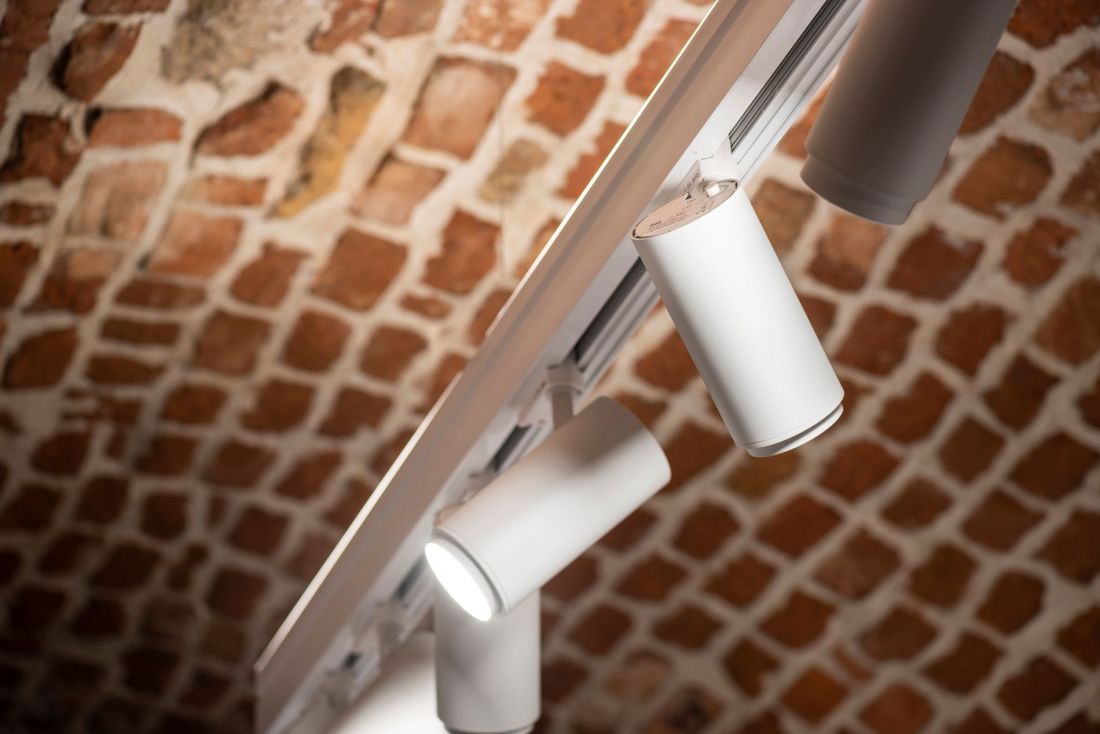
Lira Zoom spotlights at the Cervantes Institute in Krakow.
© HSK LEDY
The lenticular system of manual adjustment of the light distribution angle of 15°-65° allowed the creators of the exhibition to illuminate to the dimensions of individual works and the climate of each museum room. In addition, at the request of the MNK, the luminaires were equipped with a manual adjustment of light output 10-100%. This is important especially where the works on display (mainly prints and pastels) need to be protected from degradation by limiting illumination. For the most valuable works, illumination intensity must be limited even below 50lx!
Lira series luminaires, which we supply to museums, are equipped with high-end power supplies and diodes that, even with such a high power reduction, maintain excellent color rendering Ra>95 and show no flickering or ripple. Lighting a museum with HSK rail spotlights is an investment for many years. The quality of the light will not change for many thousands of hours of operation, and if the exhibit is rearranged or the lighting level needs to be changed, the Museum team has the ability to easily adjust the position of the luminaires without tools, change their intensities and light angles.
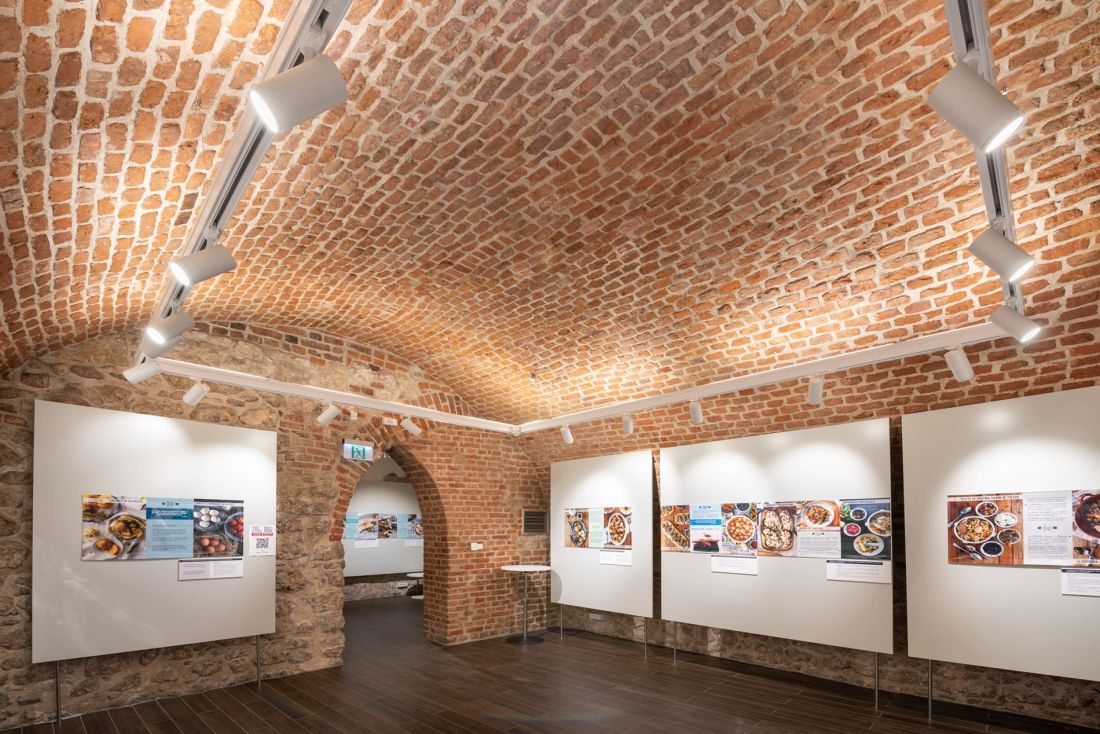
Lira spotlights at the Cervantes Institute in Krakow - Lira Zoom Series
© HSK Ledy
LIRA - museum lighting in historic spaces
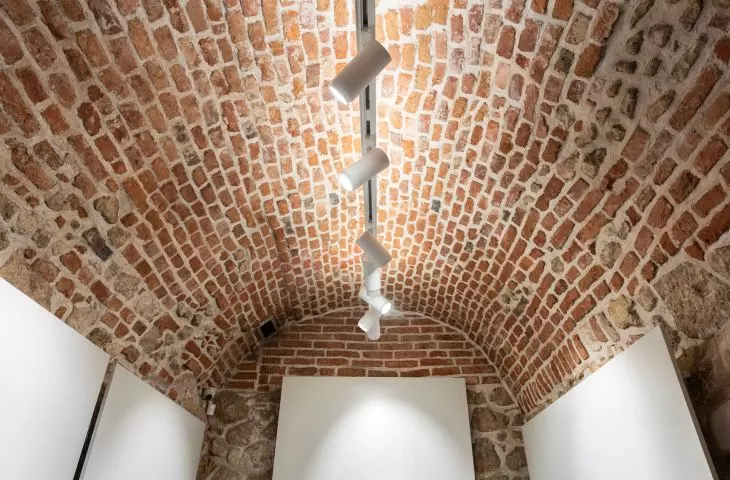
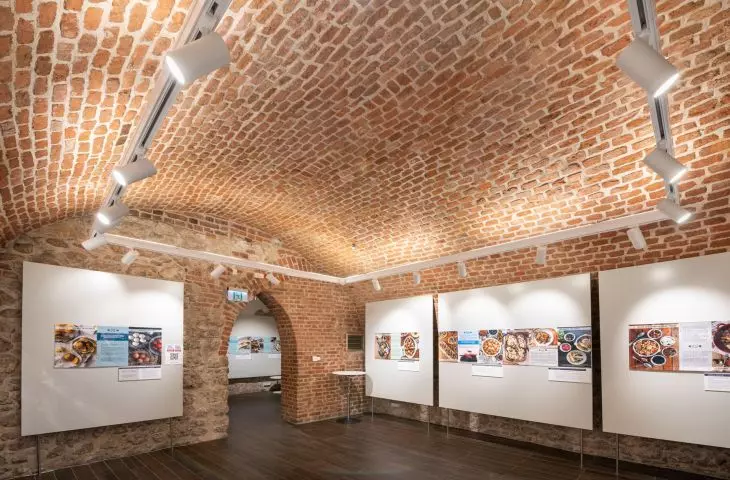
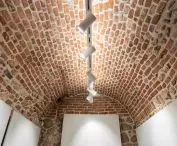
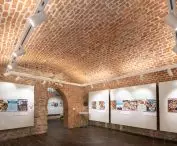
LIRA series lighting is perfect for difficult to illuminate historic interiors, such as the basement of the Cervantes Institute on Kanonicza Street in Krakow. ZOOM spotlights with the ability to adjust the angle of illumination and light intensity using a potentiometer on the housing. Mounted in custom-made Antilia A-69 light lines shining upwards. The spotlights allow the lighting to adapt to the regularly changing exhibitions at the Cervantes Institute, and the illumination of the historic vaults brings out the character of the interiors. The entire project was adapted to the conservation requirements of the building - no additional drilling was done, the entire installation is hidden in the light lines. In addition, the entire system is controlled by motion sensors built into the luminaires.
Illuminating churches is an interesting task for designers - most often high ceilings and complex interior shapes go hand in hand there with special requirements for spot lighting of the most important elements such as altars, pulpits or historic frescoes and sculptures. This was also the case this time. At St. Mark's Church in Cracow, near the Main Square, we installed spotlights to illuminate selected elements of the church. The effect of intense, focused light on the altar was achieved by using high-power LED Lira spotlights with a narrow angle of light distribution. Sectional installation of the luminaires at selected points of the interior allows easy manipulation of the level of illumination in the sanctuary and creation of the right atmosphere for celebration.
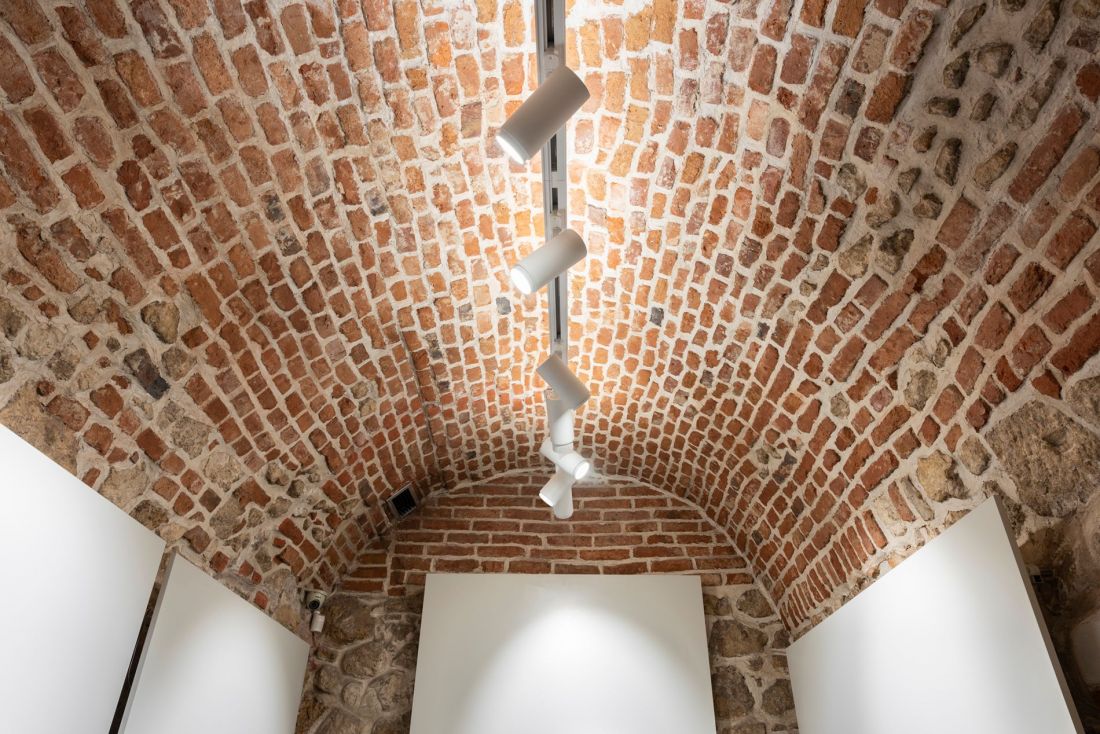
Lira spotlights at the Cervantes Institute in Krakow - Lira Zoom series
© HSK Ledy
LIRA spot lights from HSK LEDY combine advanced technology, safety for works of art and ease of use. Proven in museums, galleries and sacred spaces, they provide ideal display conditions while protecting collections for the long term. This is a recommended solution for institutions, designers and collectors who are looking for museum lighting of the highest level - reliable both today and in the perspective of many years of use.
For more information, visit the company's HSK LEDY page on the PdA portal.