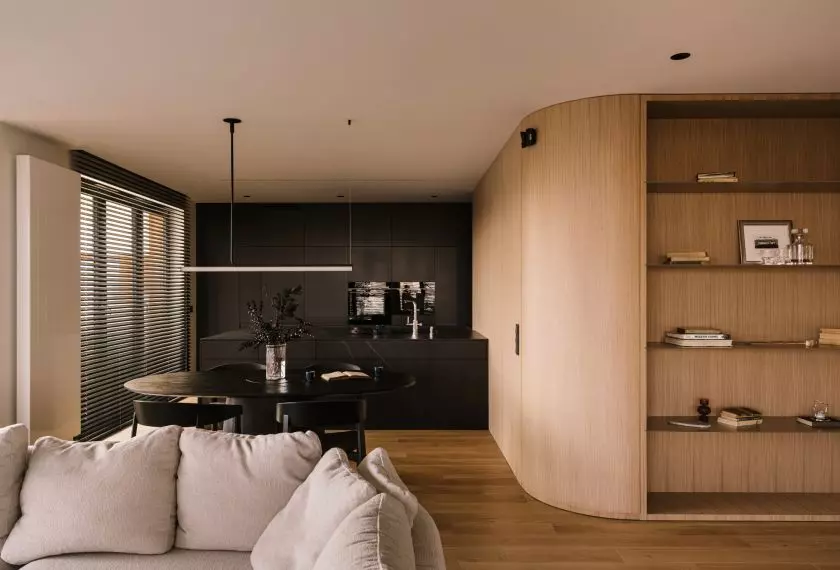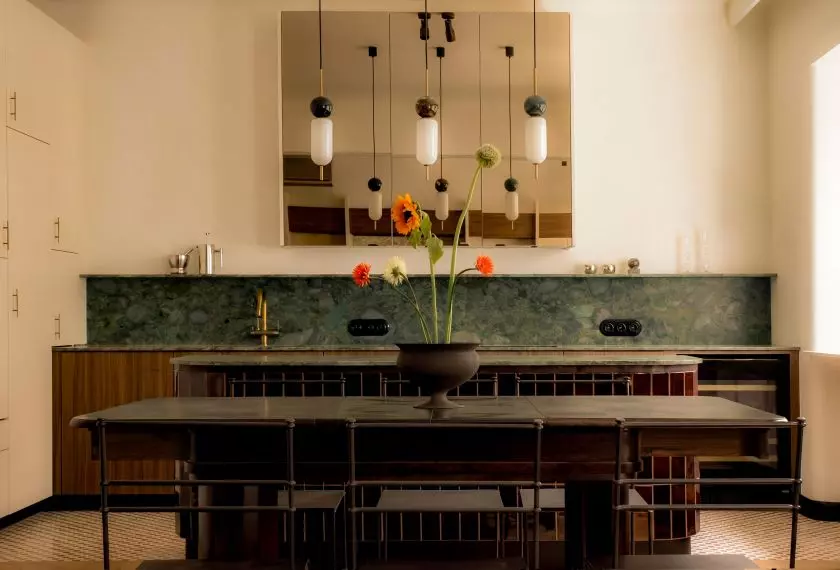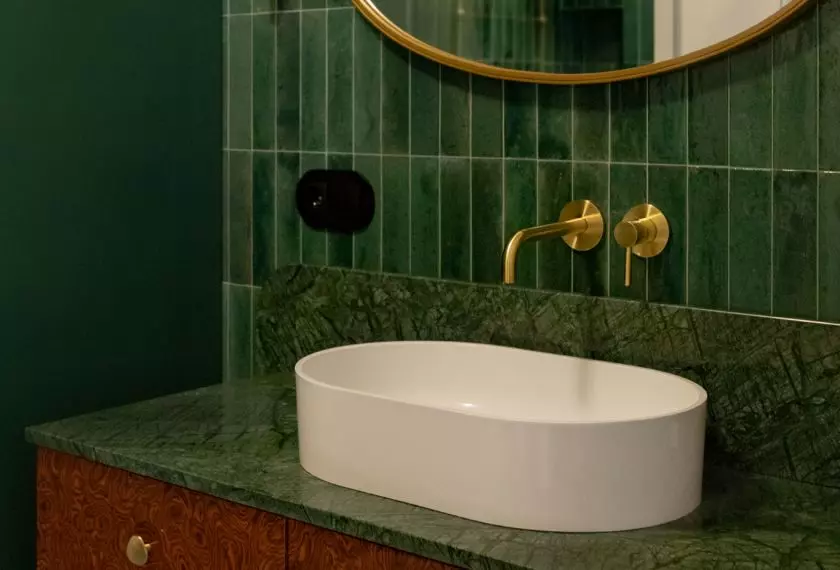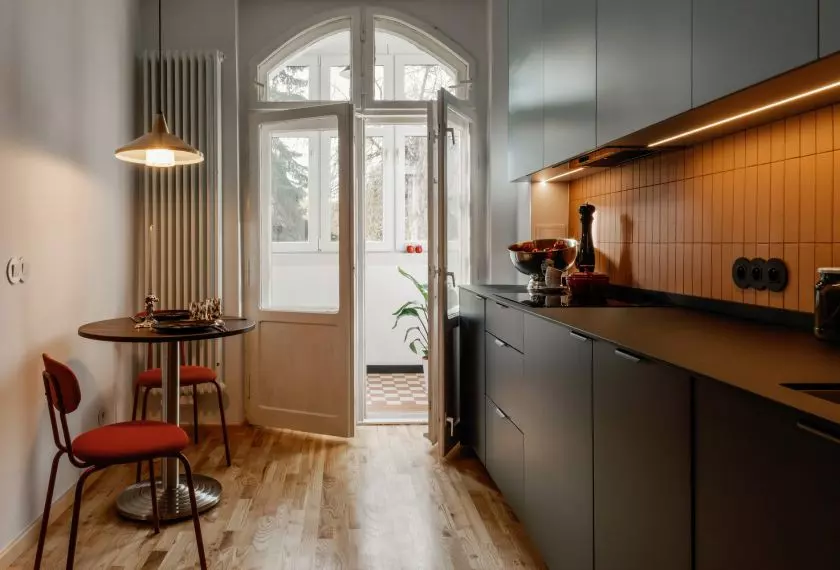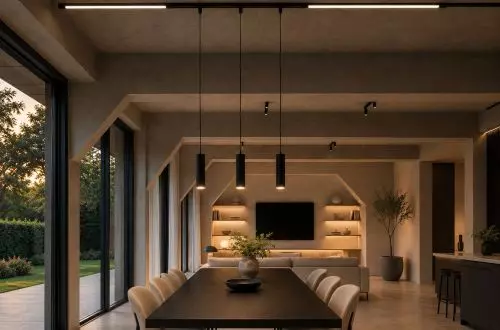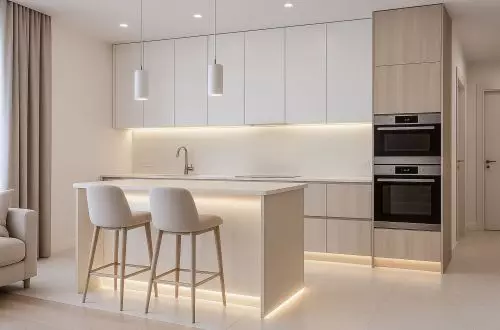




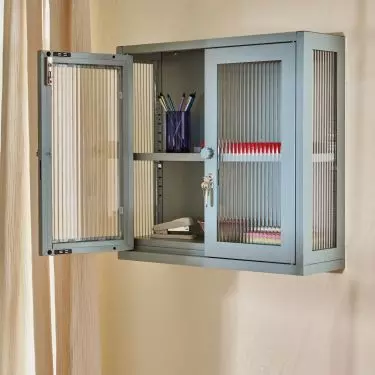
With the arrival of summer, our expectations of home space are shifting. The rhythm of the day changes - we get up earlier, go to bed later. Work moves closer to the window, life - to the terrace, balcony, garden. The boundaries between the functions of the various zones are blurring: the kitchen can be used for work, the loggia becomes a meeting place, and the children's room becomes a common coworking area. In this seasonal mode, two characteristics of space become particularly important: flexibility and airiness. Interiors should not be heavy or too formal - we need freedom, mobile solutions, materials that breathe, and arrangements that are easily adaptable to the changing needs of the day.
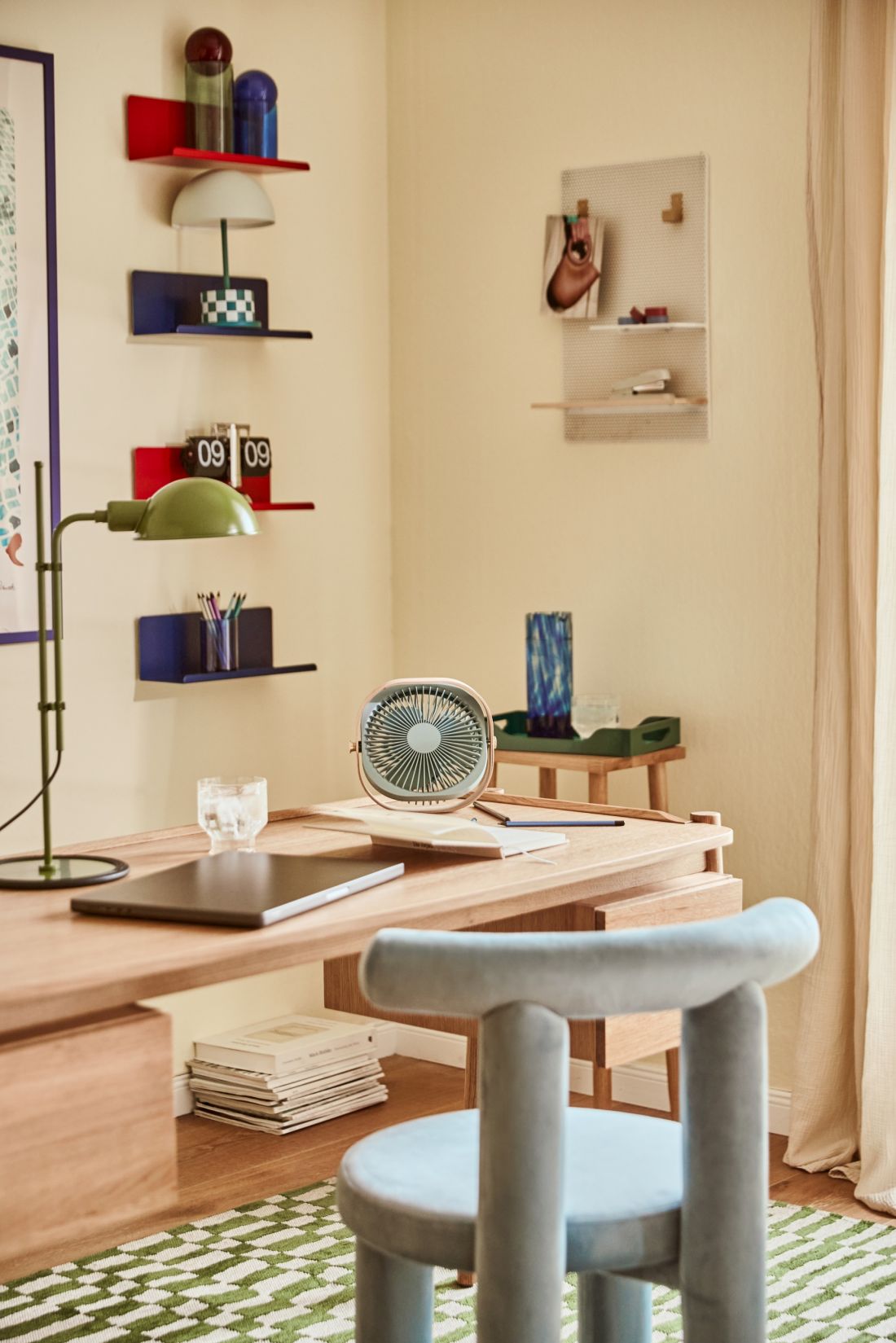
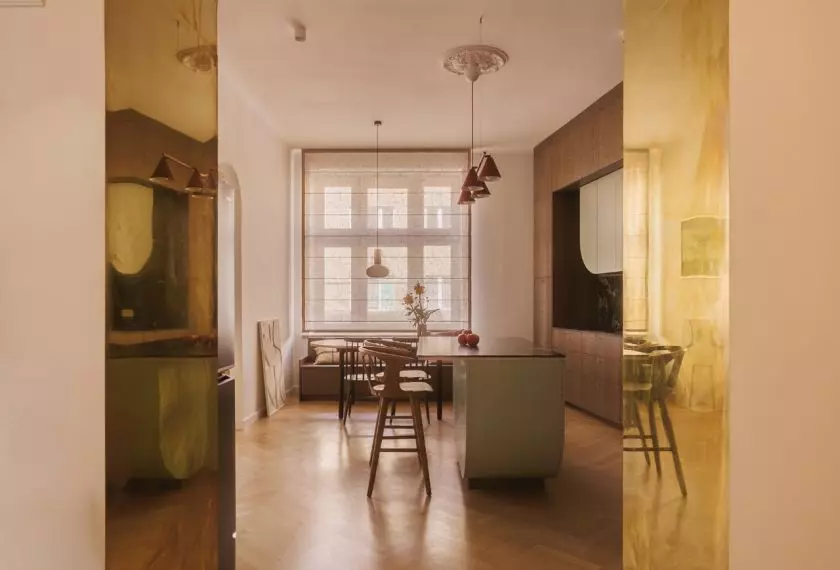
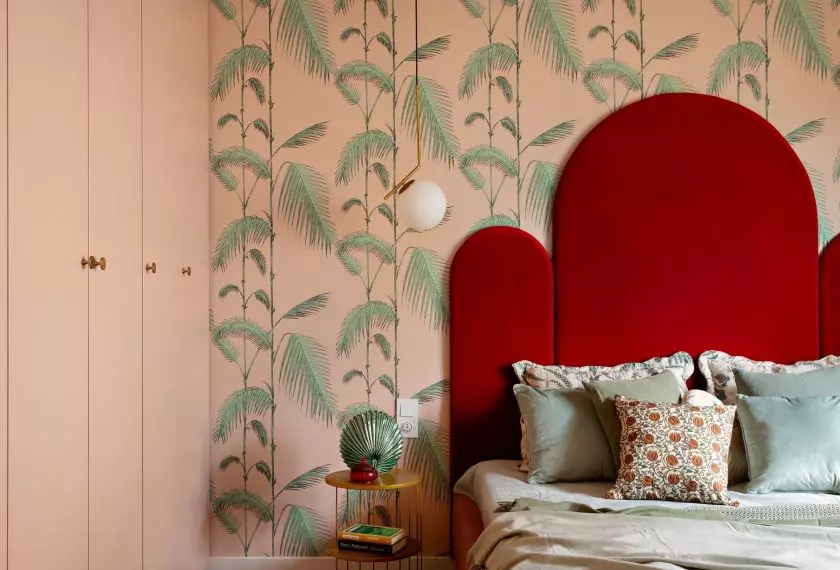
Daylight can be the best designer - just don't disturb it
© Westwing
Summer home office - how to design it so that it doesn't interfere, but supports it
In the summer, the workspace should act discreetly - be functional, but not imposing. The need for isolation disappears, while there is a need for lightness, light and contact with nature. Working in a stuffy room with a curtained window becomes unbearable - and it doesn't have to look that way at all.
Here are specific, proven solutions to make your home office support the rhythm of the day, rather than disrupt it:
1. light - direction one
The best place for a workstation during the summer months is a space that is bright, but not overheating. A northern or eastern exposure will be ideal - the light here is natural, but soft. Avoid glare that tires the eyes, but benefit from daylighting.
What works:
- Light blinds made of light-filtering fabrics.
- Linen or cotton curtains that provide shade but don't cut off the surroundings.
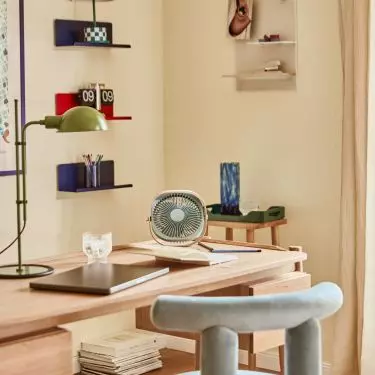
- Positioning the desk sideways to the window - this is the safest arrangement for the eyesight.
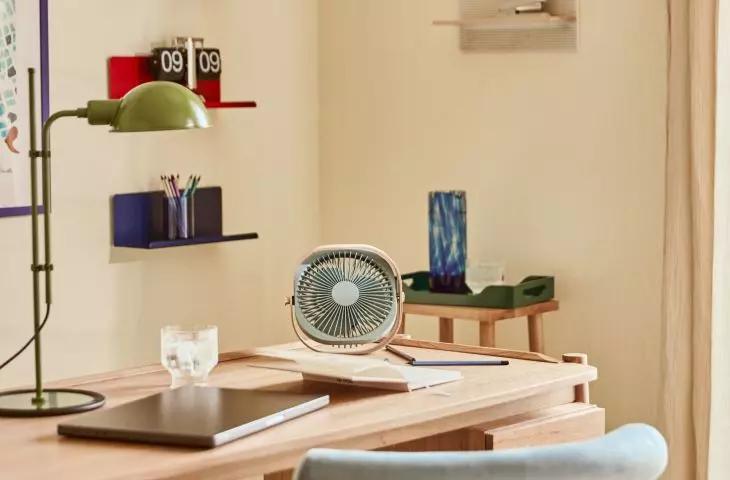
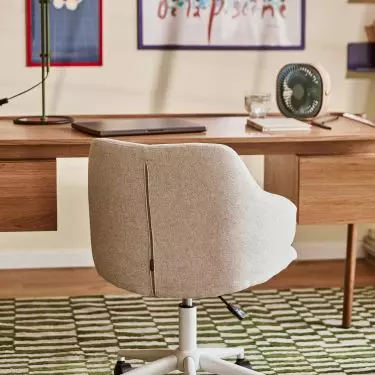
In summer, light becomes the "interior designer". - It is worth not disturbing it, but let it work for the benefit of your well-being.
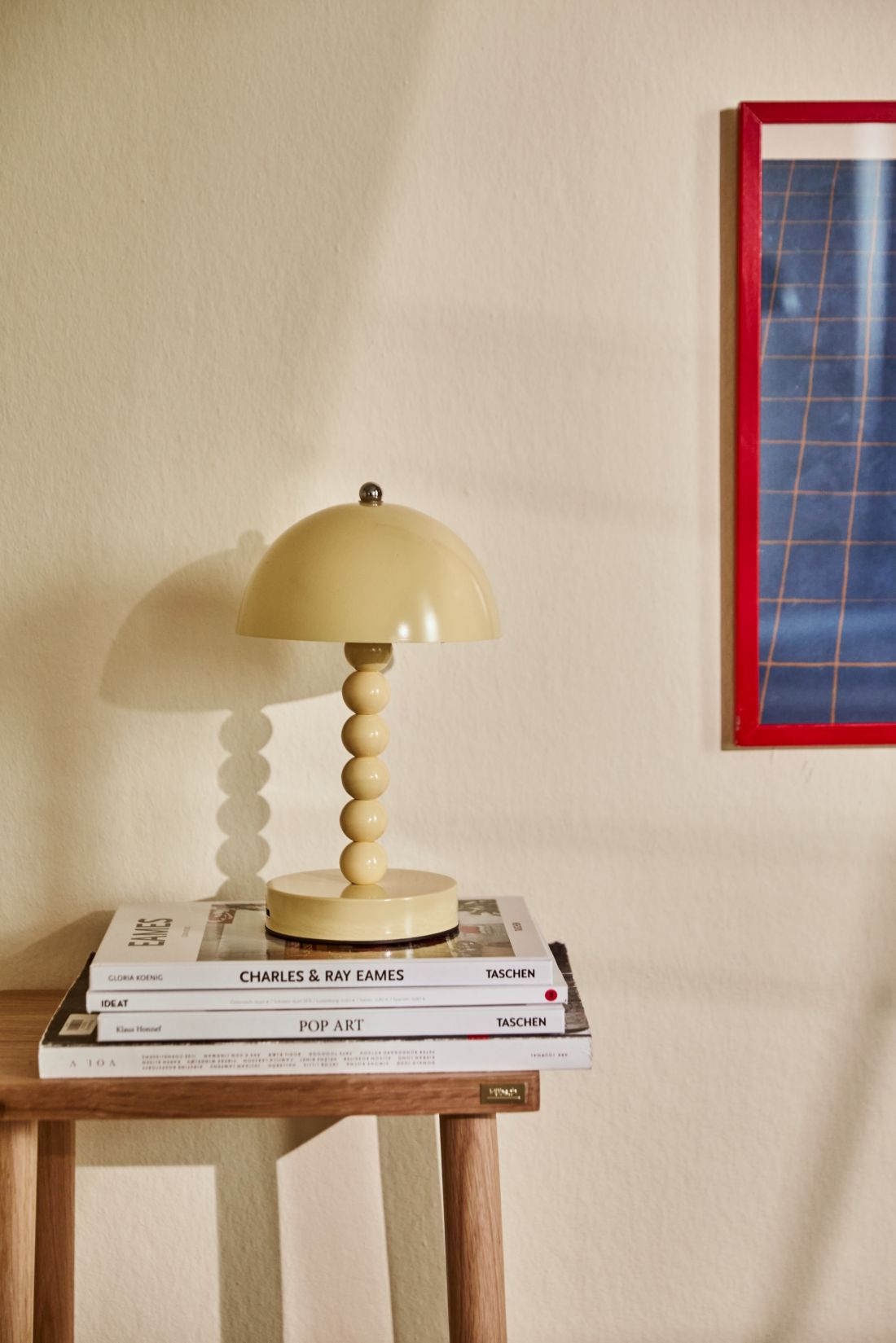
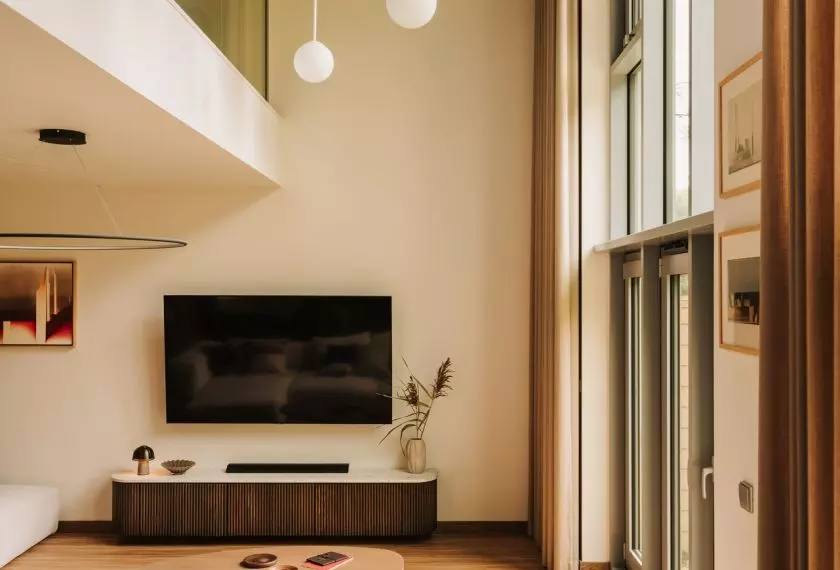
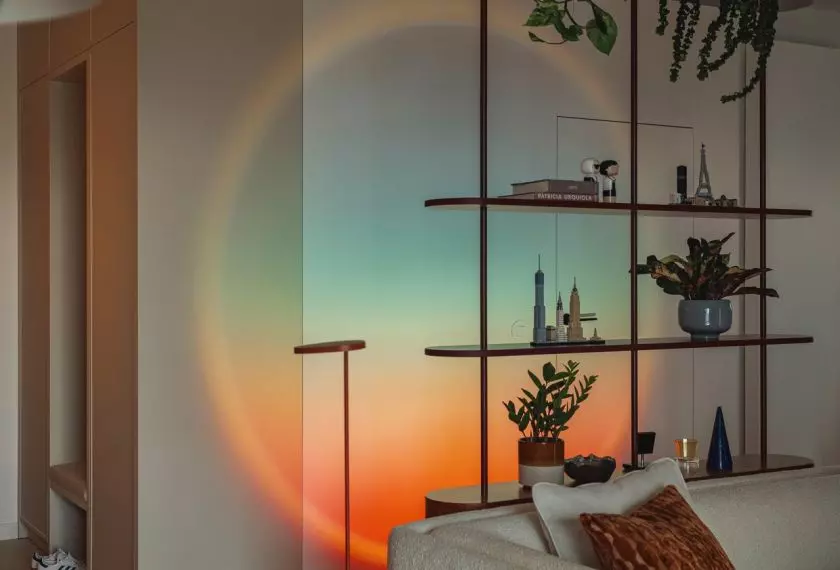
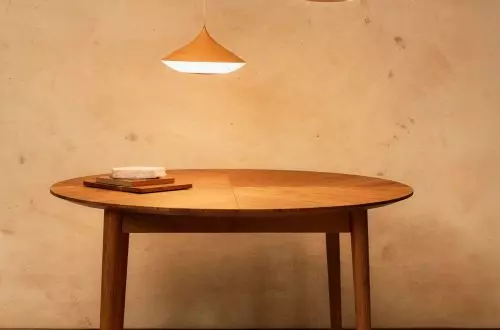
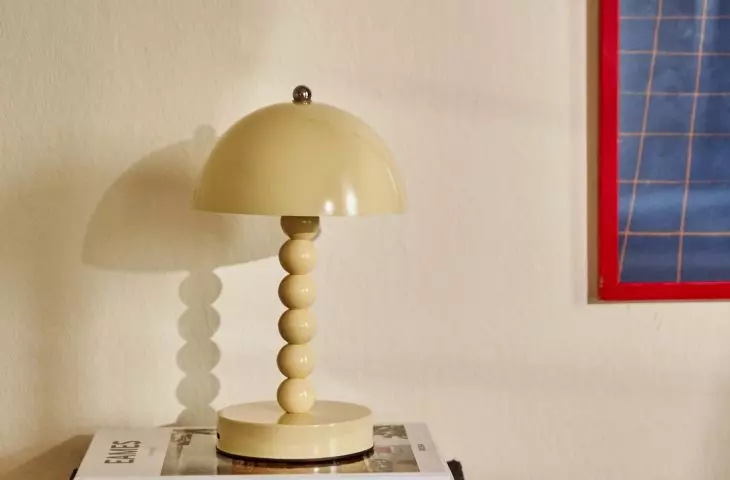
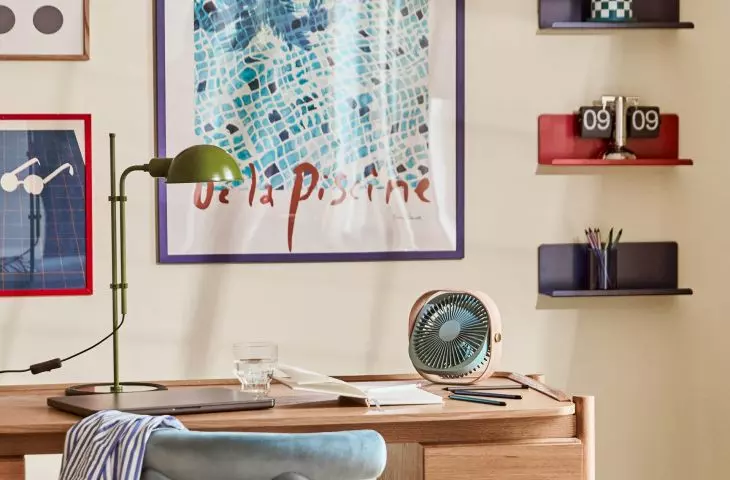
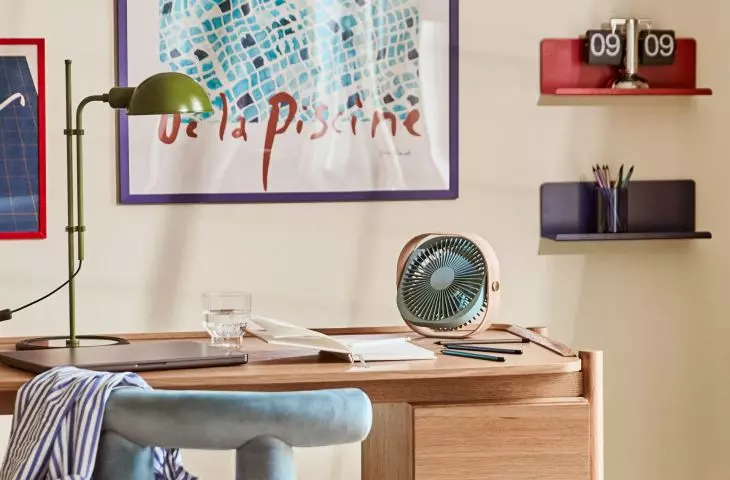
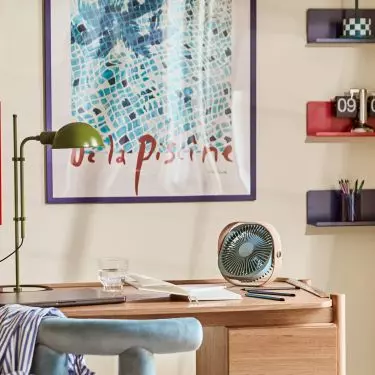
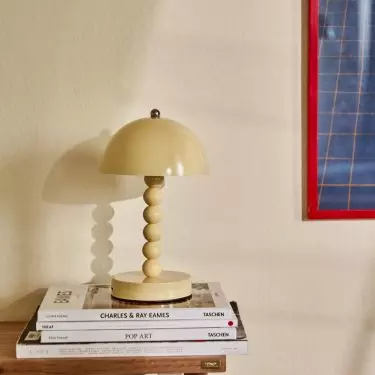
It is worth remembering the accessories - lamps or paintings will give the interior a unique character
© Westwing
2 Air circulation - comfort at work in the heat
High temperatures can effectively take away the will to work. Even if you do not have air conditioning, you can introduce solutions that realistically improve thermal comfort:
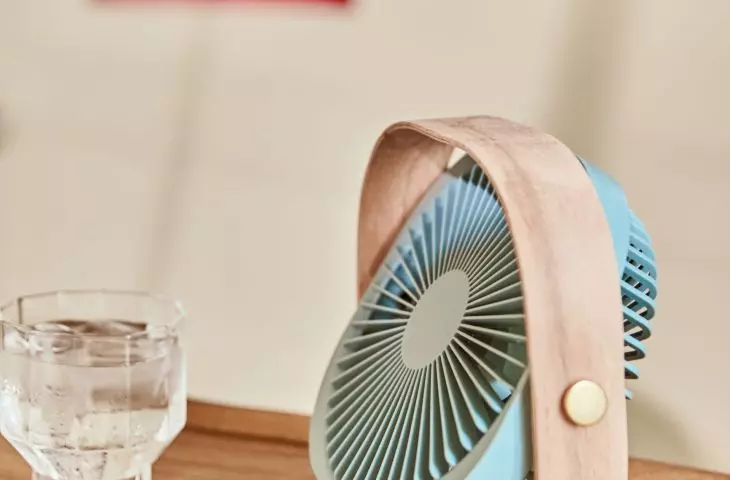
- A high-quality column fan - quiet and efficient.
- Plants by the window - not only filter the air, but lower the temperature.
- Thermal curtains or blinds that reflect UV rays.
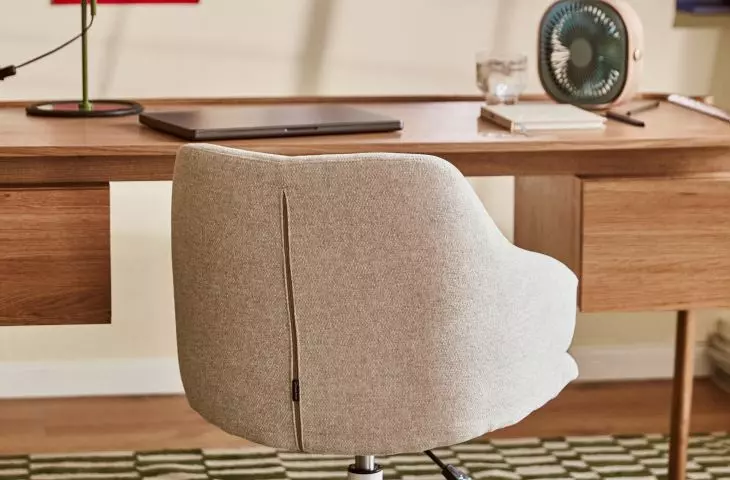
- A chair with a ventilation mesh - definitely more pleasant than classic upholstered chairs.
Good to know:
In hot weather, do not place your desk right next to a south-facing window - even the prettiest view will not compensate for overheating.
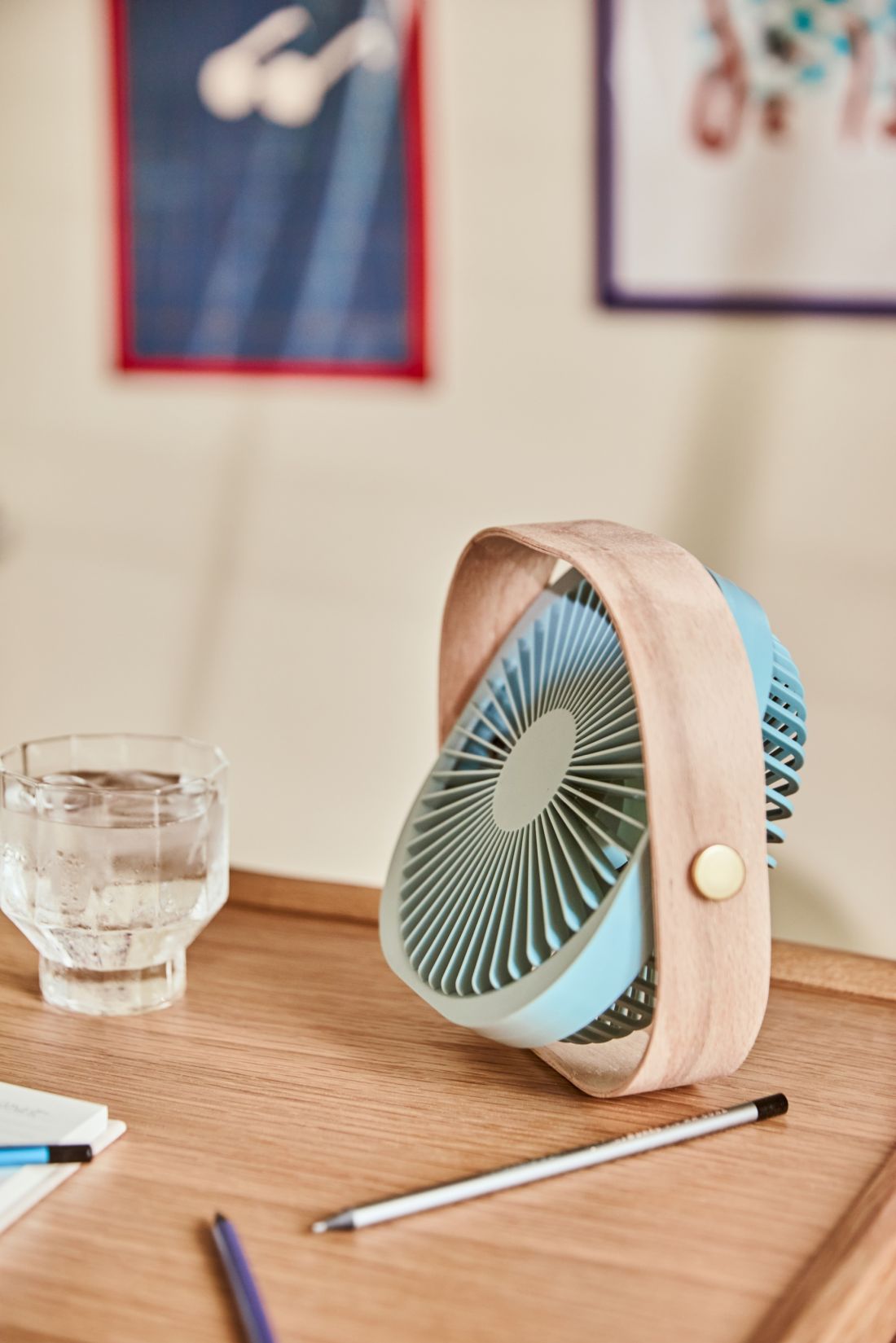
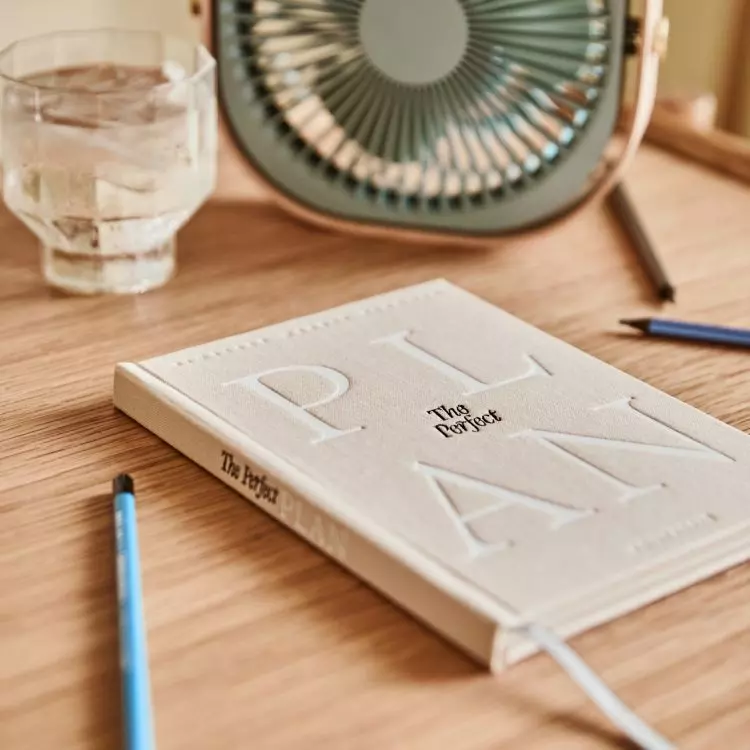
High temperatures can effectively take away the will to work, so it is worth remembering, for example, fans
© Westwing
3 Furniture that works with the rhythm of the day
Summer is a time of movement - also in the interior. An office that can be quickly folded, moved, stowed away or transformed into another zone responds perfectly to seasonal dynamics.
What to keep on hand:
- A folding desk (such as one with a drop-down top).
- A chair with wheels or a lightweight chair that is easy to move.
- A mobile pedestal with drawers - easy to tuck under the table.
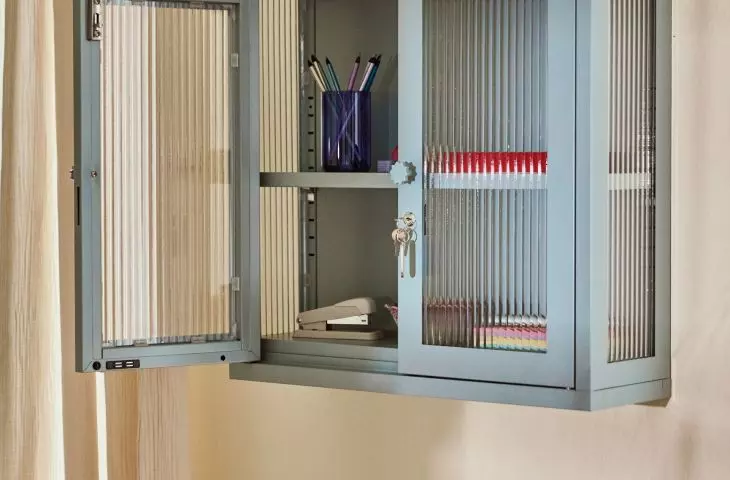
- A document container that disappears from view in the evening.
The office does not have to dominate the space - it can be a part of the daily composition, which does not interfere with the summer rhythm of life.
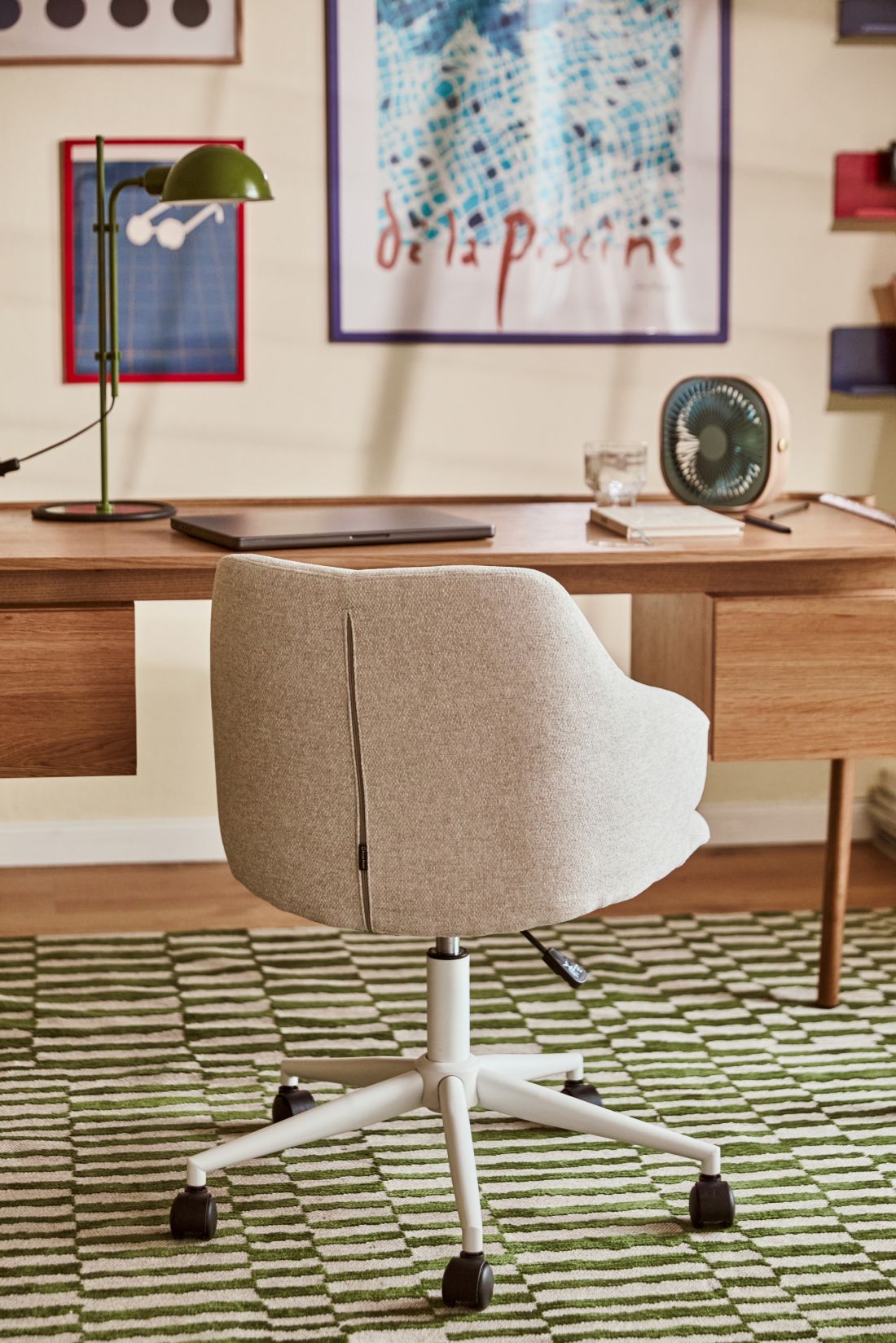
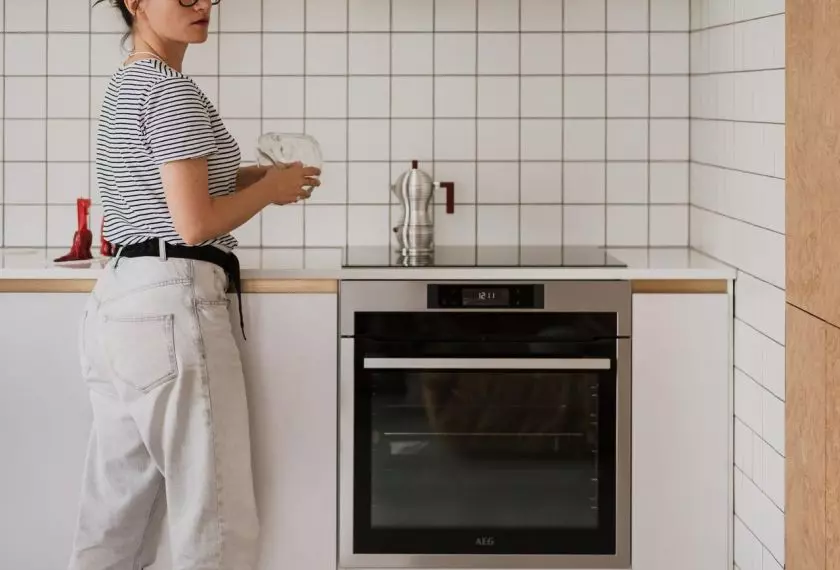
You don't need big metamorphoses to feel the change - sometimes it's enough to rearrange the desk or open the door to the balcony
© Westwing
4 Ergonomics with a light touch
Summertime work doesn't exempt you from concerns about the health of your spine or eyesight. Ergonomics remains just as important, though it takes a slightly lighter form.
Choose:
- Chairs with airy backs and adjustable lumbar support.
- Monitors set at eye level - a wooden stand can be used.
- Desk lamps with the ability to change the light color - from warm in the morning to cool in the afternoon.
Detail with effect:
Small pillow of linen or cotton under the back or seat - improves comfort and does not overheat like foam or leather.
5. greenery as a natural filter and mental buffer
Plants in a work space act as a silent ally. They bring harmony, regulate humidity, purify the air and relieve stress. Importantly - they don't require much.
Recommended species:
- Wingflower - elegant and hardy.
- Sansewieria - does not require watering for several days.
- Zamioculcas - tolerates shade and dry air well.
- Spring ficus - purifies the air and likes the sun.
They can be used to create a "green screen" separating the work zone from the rest of the interior - this is especially useful in apartments without a separate study.
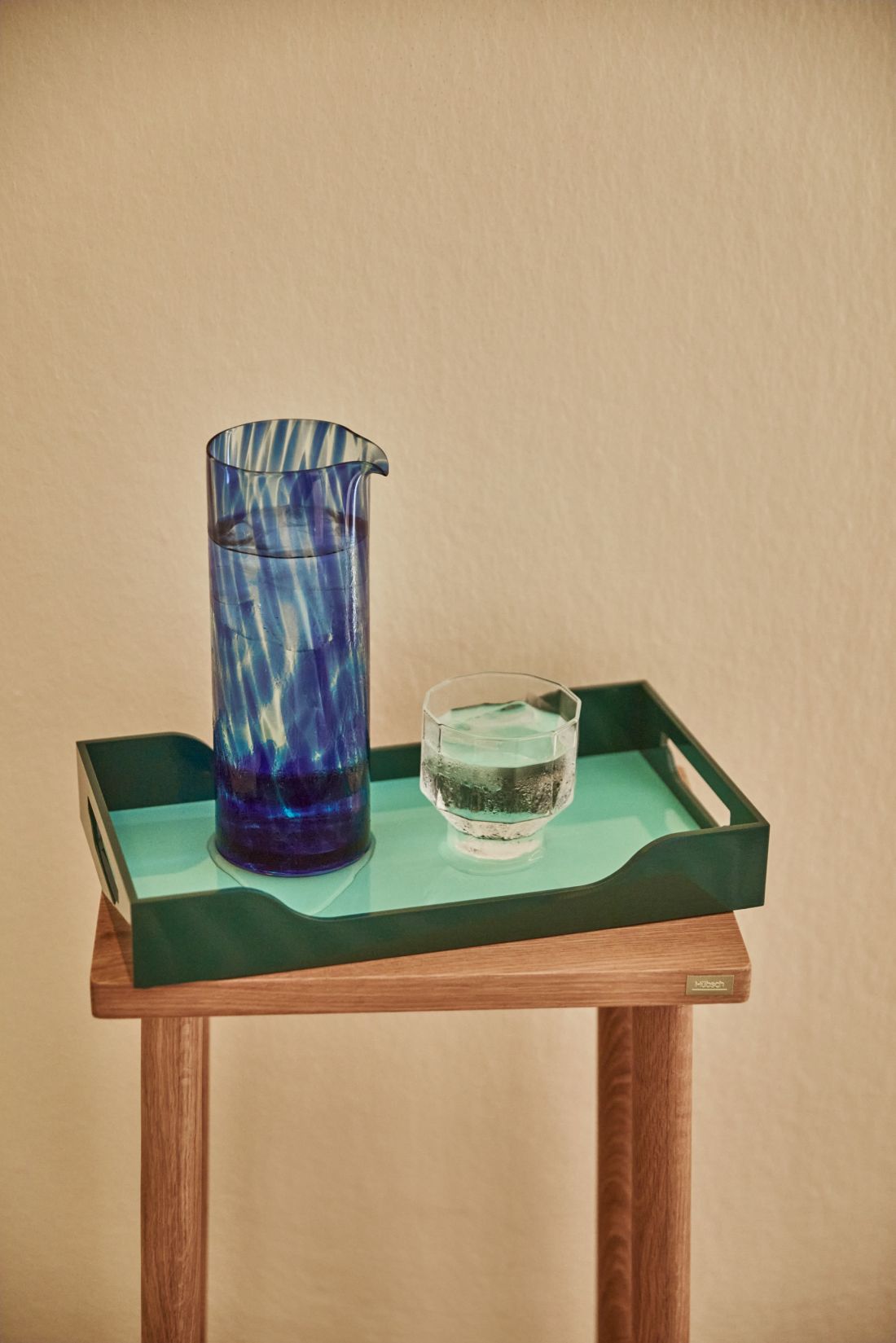
In summer, work needs air, light and silence. And the interior - a bit of lightness.
© Westwing
An office for summer is not a fad - it's a conscious adaptation to the season
The summer way of functioning requires the space to be completely different from the winter flexibility. It's not about rearranging everything - rather, it's about creating an environment conducive to focus without sacrificing the seasonal lifestyle. An office can be functional but light. It can support work, but not dominate the entire home. It can be present - but only when needed.
The most important rules for a summer office:
- Bright, but not hot.
- Airy, but no drafts.
- Functional, but mobile.
- Green - because nature improves concentration.
- Quiet - with room to rest between tasks.
Summer is the time when interior design ceases to be purely aesthetic, and becomes the art of responding to variability - of the day, of light, of rhythm. This is when you can see most clearly how conscious design can support not only lifestyle, but also daily well-being.