





from the series “Eco-Friendly Solutions — Trends and Technologies 2026”
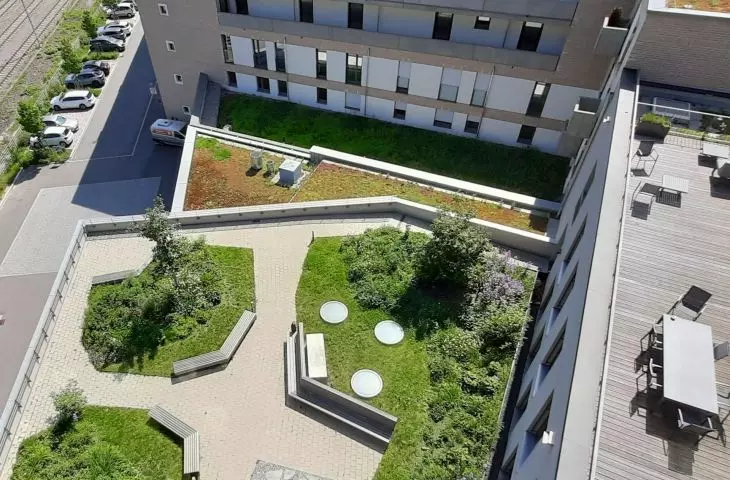
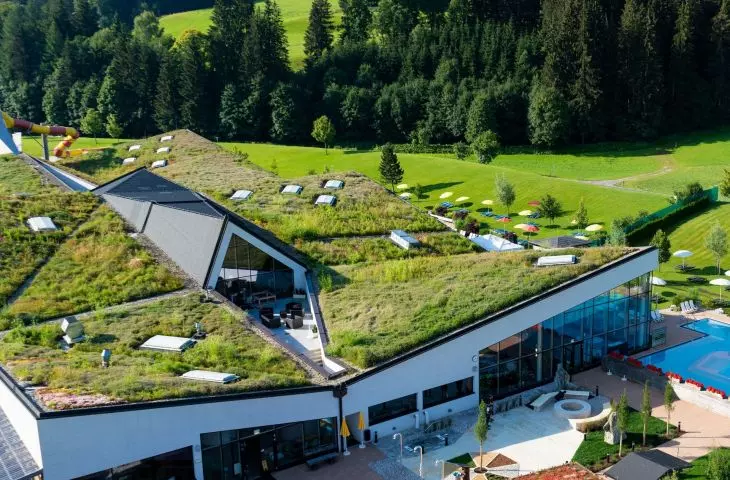
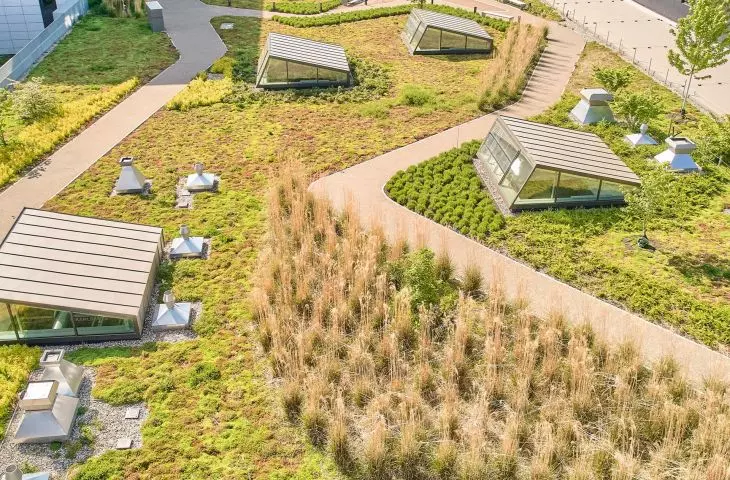
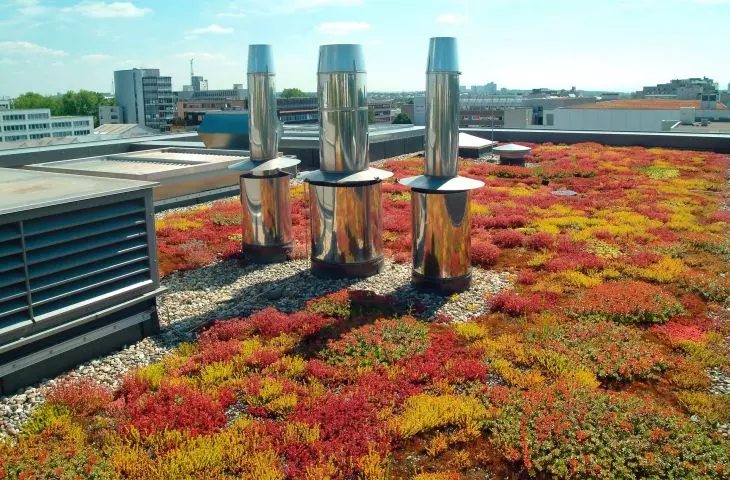
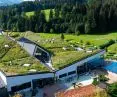
Green building is a growing trend, and green roofs are being installed as a compensatory measure. They add an ecological dimension to the roof system and make a significant contribution to its longevity. With every green roof, a new living space is created on the roof. Intensive greening in the form of grasses and plants, vegetated surfaces, and living spaces can be landscaped and used like a garden, whereas extensive greening consists mainly of low-maintenance, low-growing plants that are easier to care for and can be walked on. Bauder Polska offers solutions for both of these scenarios.
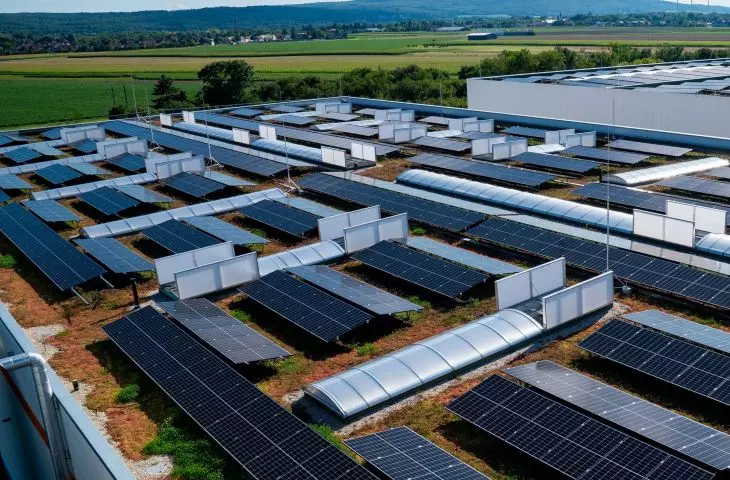
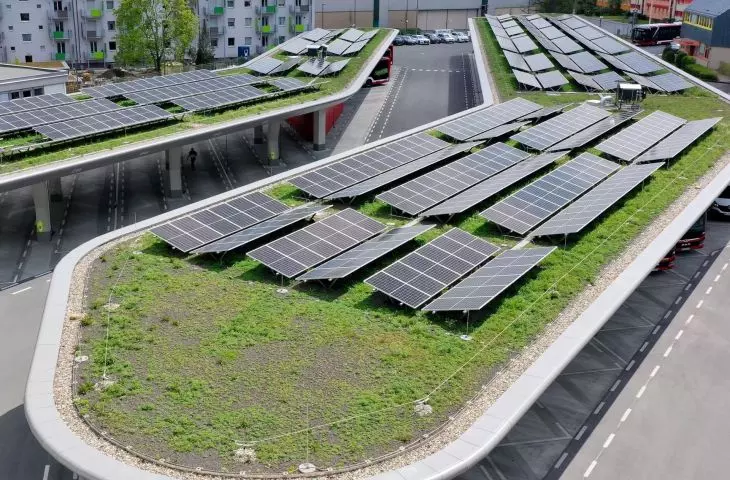
Green roofs naturally store water, trap dust, and do not heat up significantly in extreme temperatures. They protect the roof waterproofing even more effectively against environmental stresses than gravel ballast and extend its expected service life. By reducing surface sealing fees, money can be saved in many municipalities where wastewater disposal fees are separate.
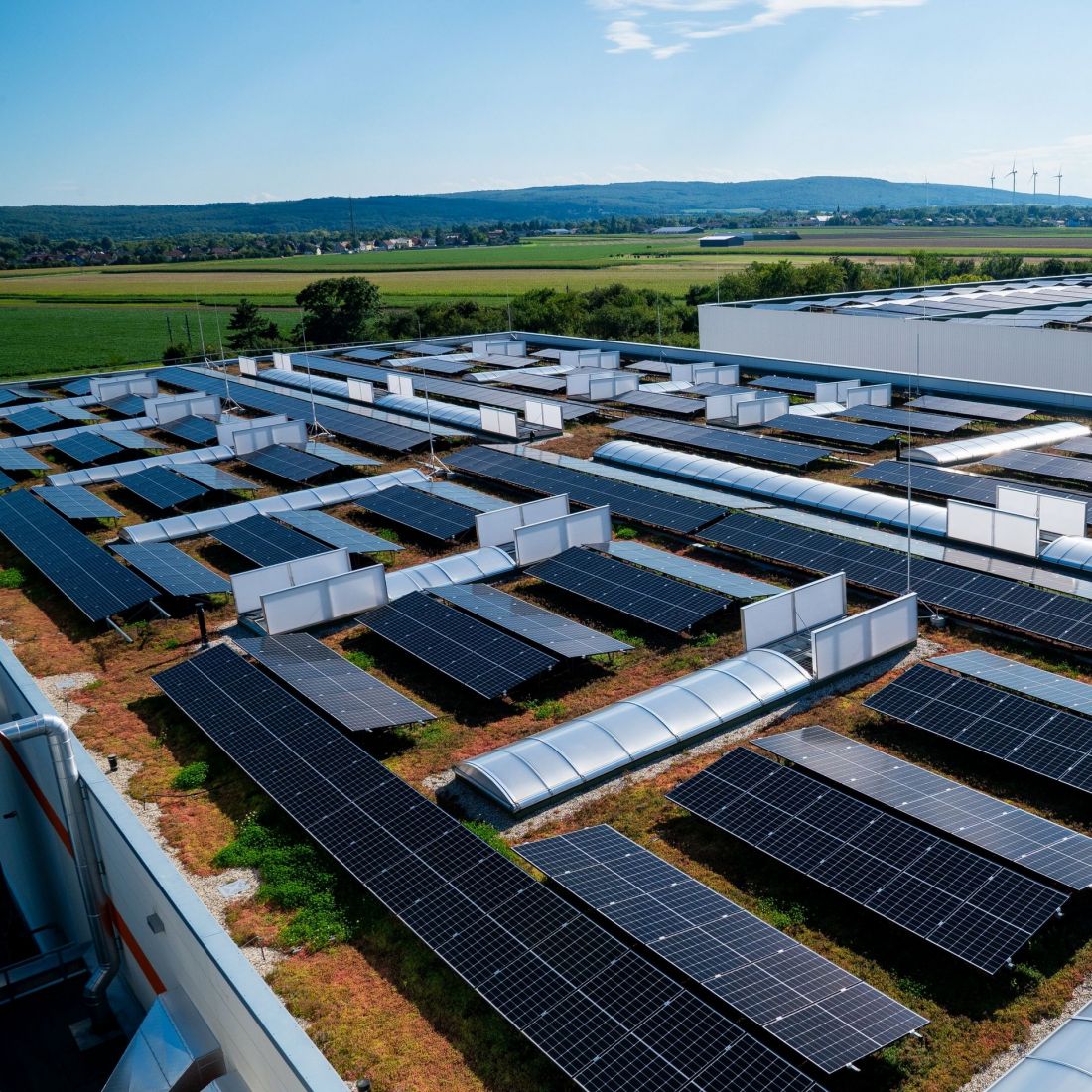
Bauder Green Roofs
© Bauder
Advantages of Green Roofs
As part of a growing trend, green roofs are either required in building codes or at least recognized as compensatory measures. They create valuable habitats for nature.
Green roofs increase the value of buildings by:
-
storing rainwater and delaying its runoff
-
reducing surface sealing fees in municipalities with separate sewage discharge fees
-
improving thermal and acoustic insulation
-
protecting the roof waterproofing from extreme temperatures, UV radiation, and mechanical damage, as well as extending its expected service life
-
improving the microclimate by trapping dust, balancing temperatures, and regulating air humidity
-
creation of ecological, high-value alternative habitats for plants and animals
-
enhancing the appearance and increasing the functional utility of roof surfaces.
The benefits of green roofs extend beyond just environmental sustainability and aesthetics. Their positive impact on stormwater runoff and temperature is significant and results in cost savings.
Water Retention
Well over half of the rainfall is stored within the layers of a green roof and evaporates from the surface of the substrate and vegetation. The runoff of excess water is significantly delayed and evaporated. In contrast, a gravel roof has no significant effect on runoff. Rainfall is drained away almost immediately.
Temperature Distribution
Even at the substrate surface, the temperature increase is minimal compared to that of a gravel roof. Even greater differences occur at the lower edge of the substrate or, if present, the gravel layer. A green roof heats up more slowly and to a much lesser extent.
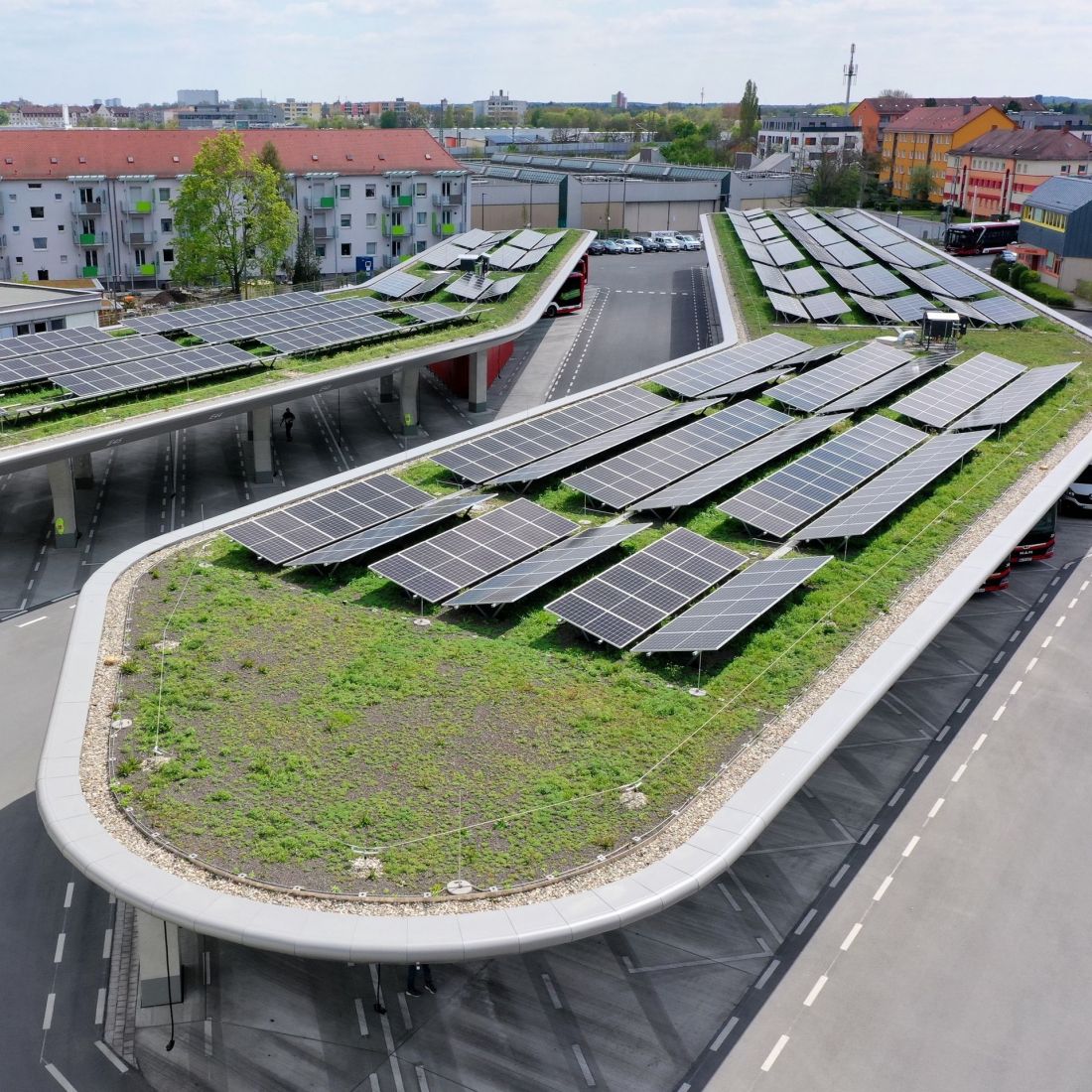
Bauder Green Roofs
© Bauder
Extensive green roofs
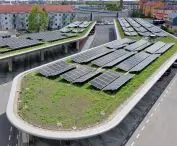
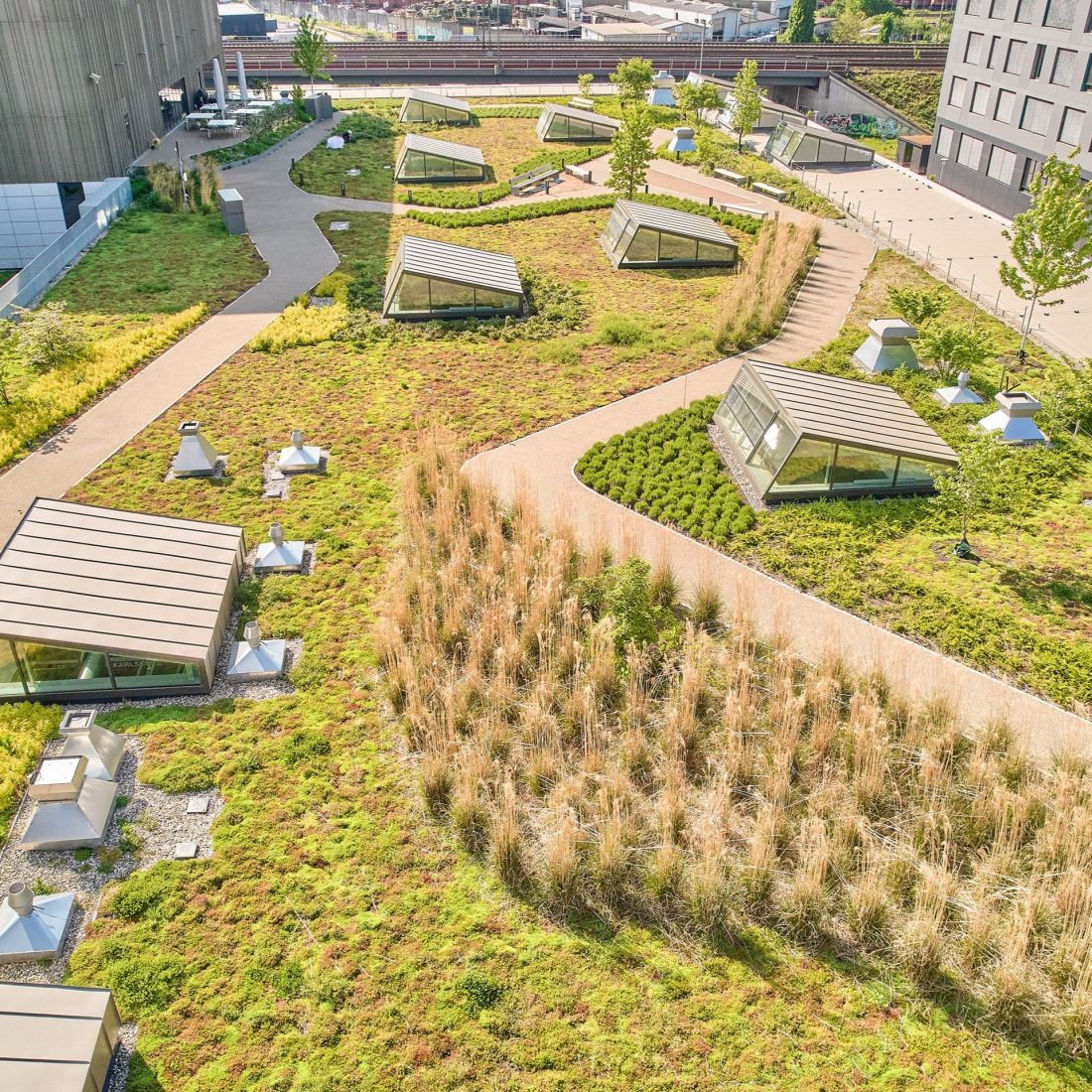
The goal of extensive greening is to create natural vegetation with low surface weight and minimal maintenance requirements. Various types of sedums are often used as plants in this system. In addition, drought-tolerant herbs can be used, which, together with the sedums, will form a plant community.
Multi-layered structures with separate vegetative, filtration, and drainage functions have been established as a guideline for the layering of extensive green roofs. The functions of the vegetation layer are performed by a mineral substrate with a low organic matter content. The substrate must be able to store water and nutrients, as well as provide the plants with sufficient root space. Water that is not absorbed by the plants should be reliably drained away. For this purpose, a drainage layer is installed, consisting of a combination of a water-storage layer and a drainage layer. Between the substrate and the drainage layer is a filter fabric that traps fine particles from the substrate, ensuring long-term drainage performance.
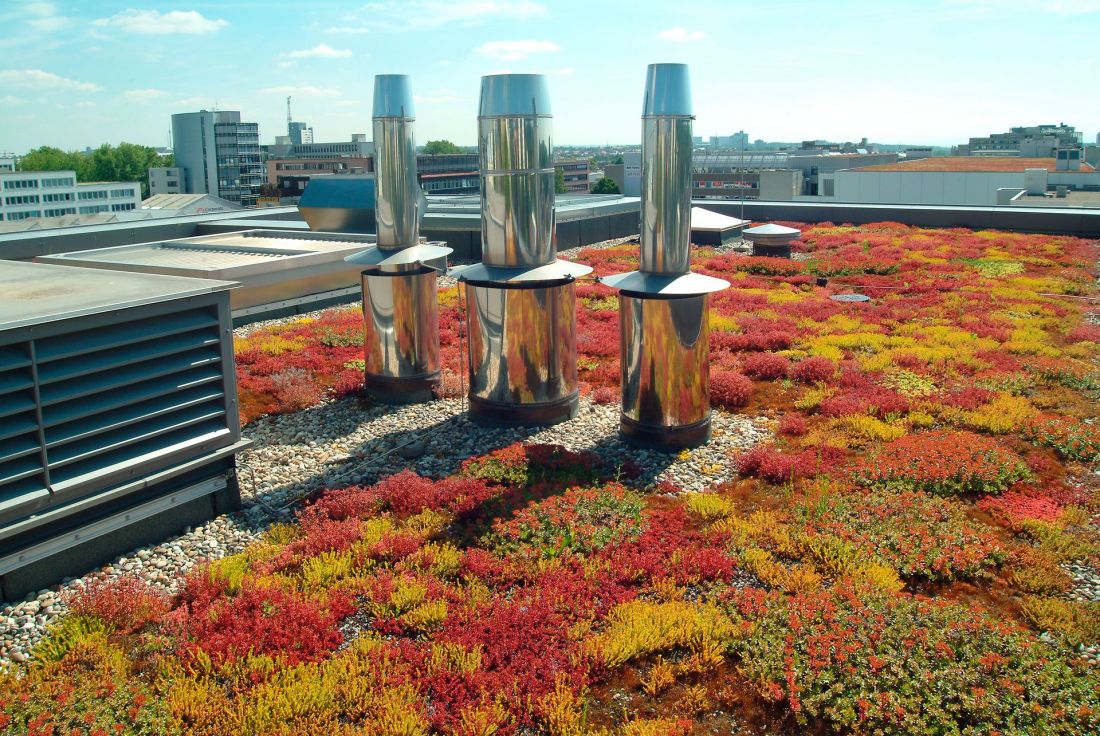
Bauder Green Roofs
© Bauder
The surface weights of the layered system are determined primarily by the substrate. Each centimeter of thickness of commercially available substrate layers corresponds to a weight of approximately 10 to 13 kg/m² when saturated with water. For sedum-based green roofs, the recommended substrate layer thickness is at least 6 cm.
Including the vegetation, filtration, and drainage layers, the surface weights range from approximately 70 to 100 kg/m². The weights of green roofs using sedums and herbs with at least 8 cm of root space range from approximately 90 to 130 kg/m². In a lightweight green roof system for roof structures with low load-bearing capacity, the total weight is less than 70 kg/m². In this case, however, the vegetation has limited root space available.
Extensive greening does not require a great deal of maintenance, but it is not entirely maintenance-free. Regular removal of unwanted plants and fertilization as needed are the most important maintenance measures. Watering is not necessary, at least for traditional extensive greening. Emergency watering may be required only for new plantings during periods of drought. Until the desired vegetation has developed and covered the entire surface after one or two growing seasons, more intensive maintenance is required. After that, two maintenance treatments per year will suffice, ideally in early spring and fall.
Bauder Green Roofs
© Bauder
Intensive green roofs
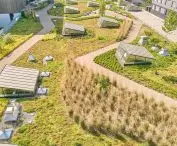
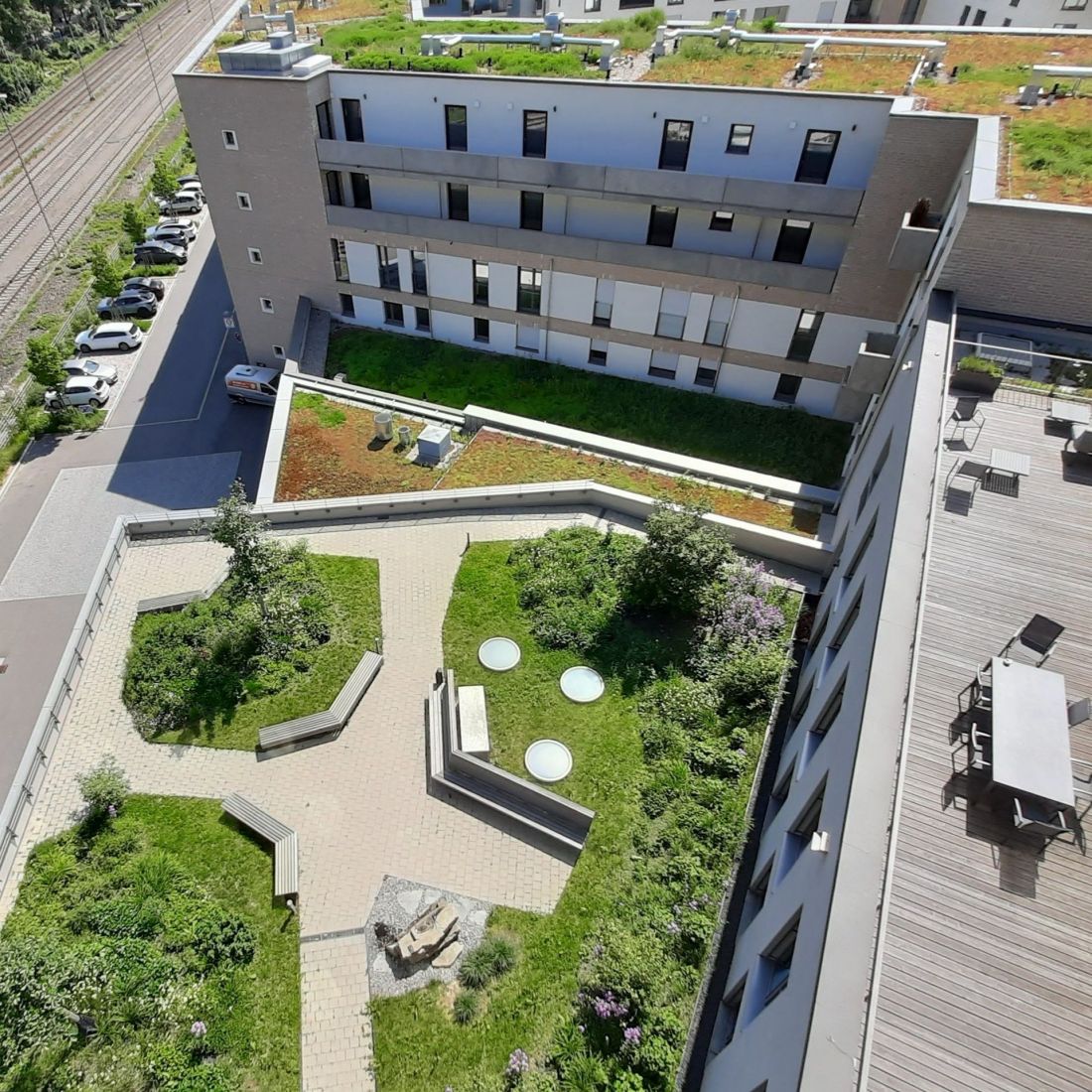
Intensive greening offers a wide range of design possibilities and, when properly installed, can be used as a rooftop garden. It is possible to create a lawn or plant trees.
With proper sizing of the vegetation support layer, sufficient irrigation, and a supply of nutrients, the conditions for plant growth on the roof are nearly the same as on normal soil. Attention should be paid, for example, to the stability of woody plants or potential negative impacts on the building, such as the effect of light reflected off the facades.
Bauder Green Roofs
© Bauder
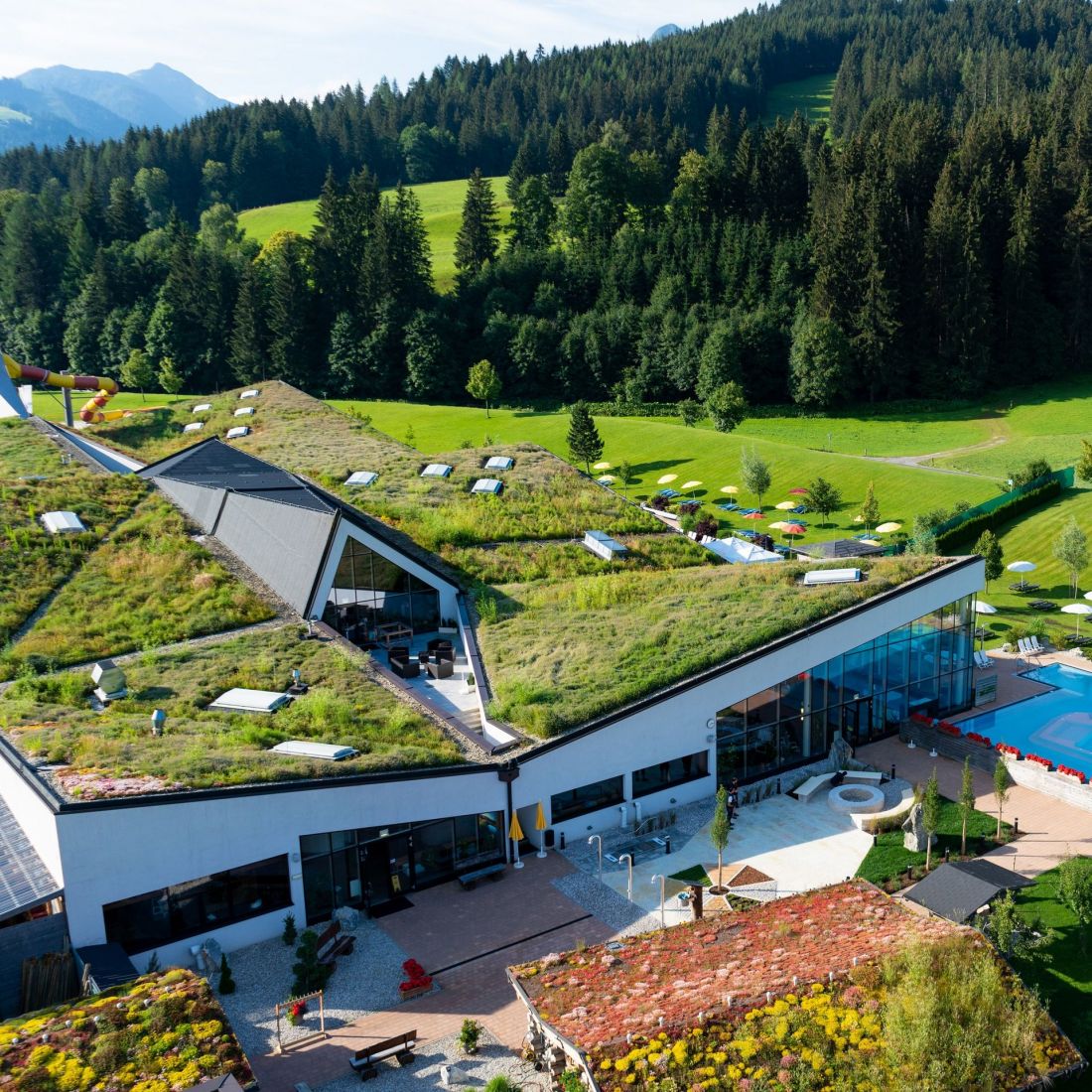
Planning intensive greening—and, in particular, selecting the right plants for a given structure—requires expert knowledge. To correctly determine the thickness of the vegetation support layer, a simple formula can be used: “plant height/10 = substrate layer thickness.” Grasses and creeping plants require at least 20 cm of substrate.
Despite the substrate’s high water-retention capacity, areas with intensive greening—and especially grass—must be regularly irrigated during dry periods. Just as in any home garden, there is a direct correlation between the condition of the vegetation and the level of care provided. Given the wide range of intensive greening systems, it is recommended to determine the scope of maintenance for a specific site, as the maintenance effort is significantly higher than with extensive greening.
Bauder Green Roofs
© Bauder
Greening Steep Roofs
Greening steep roofs requires a special green roof system. It is necessary to ensure structural stability and increase water retention to compensate for greater water runoff and increased drying compared to flat roofs.
Both of these conditions can be easily met for roof slopes of up to 15° using a directly installed Bauder WSP panel. For roof slopes exceeding 15°, additional measures are required. An additional wooden grid serves as an installation aid and temporary protection against slippage until roots establish themselves in the substrate layer. Efforts should be made to quickly cover the surface with a layer of vegetation. This can be achieved by using a larger number of seedlings or by providing supplemental irrigation during the plant growth period. Ongoing maintenance of steep green roofs is particularly important.
On gable roofs with slopes facing north and south, vegetation growth in the two sections may differ from one another.
Bauder’s green roof systems for steep roofs are suitable for roofs with a slope of up to 25°. To improve protection against slippage on roofs with a slope greater than 5°, it is recommended to fill the WSP panel chambers directly with substrate. No additional anti-slippage measures are required on the roof surface.
For more information, visit the BAUDER POLSKA Sp. z o.o. website on the PdA portal.