





The dynamic development of cities brings with it a number of difficulties, such as intensive urbanization, climate change and the need for effective management of rainwater and snowmelt. One of the solutions supporting the sustainable development of urban spaces are innovative construction materials - water-permeable pavements. They combine practicality, aesthetics and environmental concerns, making them an attractive choice for designers and urban planners.
Characteristics of water-permeable concrete pavements
The PERVIA system is a concrete with a porous structure that allows water to permeate the surface. The key element is high permeability, achieved through properly selected aggregates and reduction of fine fractions. As a result, pores are created that allow liquids and air to flow freely.
Benefits of using water-permeable pavements
In cities covered with impermeable materials, rainfall often leads to overloaded drains and local flooding. PERVIA concrete allows water to soak into the ground naturally, reducing the risk of flooding and relieving pressure on drainage systems. In addition, by reducing surface heating, it helps combat the urban heat island effect. It is compatible with green building principles and can be considered in projects seeking environmental certifications such as LEED or BREEAM.
Wide range of application possibilities
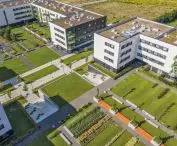
PERVIA concrete works well in a wide range of spaces: alleys, parking lots, bicycle paths, city squares, as well as rain gardens or parks. Thanks to the availability of various colors, it is possible to create visually appealing pavements that fit in with the aesthetics of modern cities. It is particularly suitable for revitalization projects, where it is important to combine functionality with concern for nature.
Technical parameters - durability and practicality
In order for a pavement to fulfill its purpose, several important parameters must be taken into account. PERVIA concrete is characterized by a permeability of more than 100 liters per minute per square meter and a compressive strength of at least 20 MPa - sufficient for vehicle traffic of up to 3.5 tons. It is crucial to use an appropriate drainage layer, such as crushed aggregate, and to maintain the correct thickness of concrete (e.g., 20 cm on parking lots). It is also important that the concrete is laid in favorable weather conditions to prevent it from drying out too quickly.
New quality of urban spaces
Water-permeable pavements are a material of the future that can significantly improve the quality of life in cities. In addition to efficient water management, they offer aesthetics and design flexibility. The ability to color and mold the surface makes them the perfect tool for architects and urban planners to create modern, environmentally friendly and climate-resilient urban spaces.
Want to learn more? Contact the Product Manager:
Michal Kaluzynski
[email protected] | tel: 605744260