





Do you dream of a garden that combines elegance with functionality? Wooden garden furniture is the essence of style and closeness to nature, but do you know how to take care of its durability? Along with the beauty of wood comes the responsibility of caring for it - from protecting it from rain to protecting it from UV rays. In this article, you will discover how to make your garden furniture look like new for many seasons. You'll learn how to choose the right species of wood, how to maintain it effectively and how to store it to enjoy it for years to come. Ready to make your garden an oasis of style and durability?
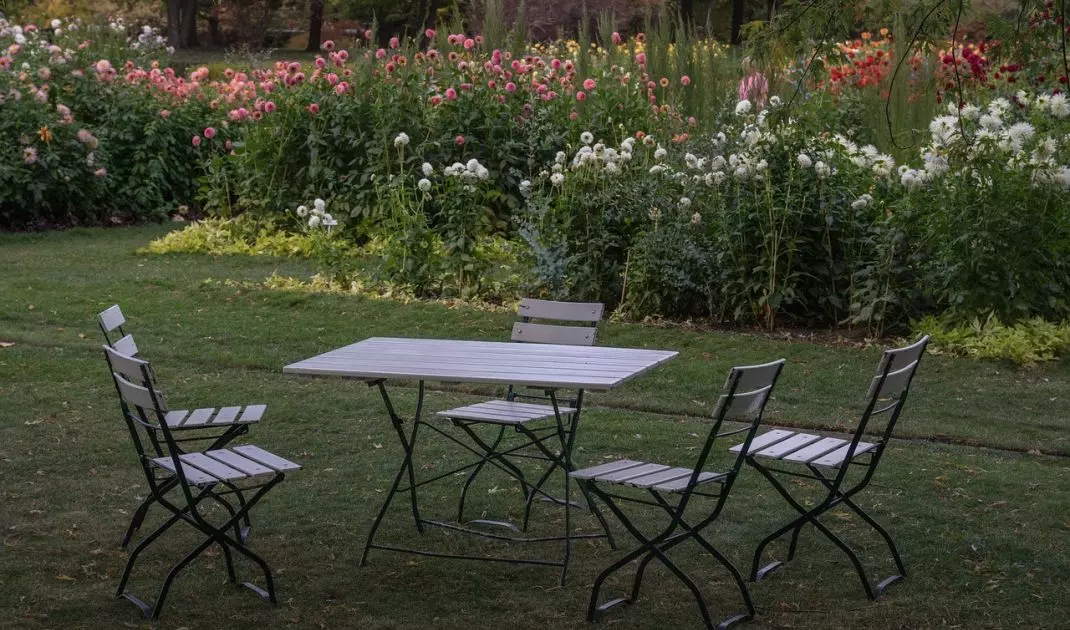
Maintenance of wooden garden furniture is a process that ensures its longevity and beautiful appearance
photo by Shai Aharony © Flickr
Choosing the right wood for garden furniture
Choosing wood for garden furniture is a key step that affects its durability and aesthetics. Not every wood is suitable for outdoor use, so it's worth knowing the species that will work best in the garden. Exotic woods, such as teak or eucalyptus, are resistant to moisture and temperature changes, while domestic species, such as pine or oak, require additional protection. Which wood should you choose to enjoy your furniture for years?
Exotic woods - teak and acacia
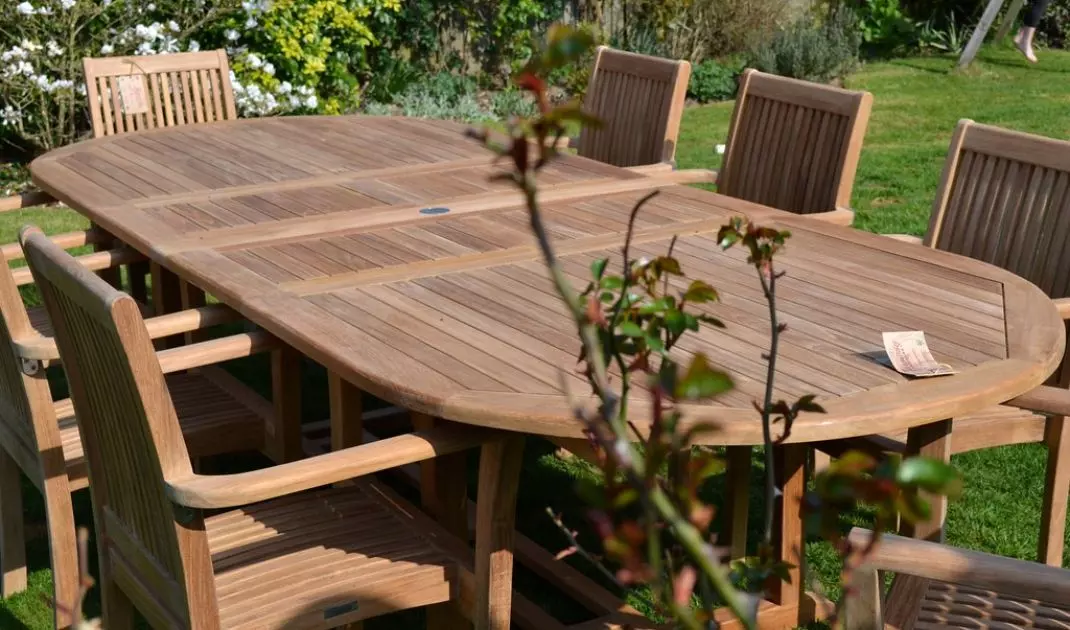
Teak is one of the most durable wood species, valued for its high content of natural oils that protect against moisture and pests. Furniture made of teak, such as the garden chair BALI Armchair Natura (price about 4500 PLN), is resistant to weather conditions and over time acquires a noble, silvery patina. Acacia, a wood with a warm honey tone and interesting texture, is a cheaper alternative. It is resistant to moisture, but requires regular impregnation. An example is an acacia table (price about PLN 1000-1500).
Domestic wood - pine and oak
Pine is popular because of its affordability, but requires frequent maintenance. It is a light and bright wood, unfortunately, not resistant to scratches. A pine set (price about PLN 1,900) will work well in covered spaces. Oak is more durable, but more expensive - its natural resistance to moisture makes it a good choice for gardens.
Teak and acacia are an investment in durability, but pine will do well on a limited budget if you give it adequate protection.
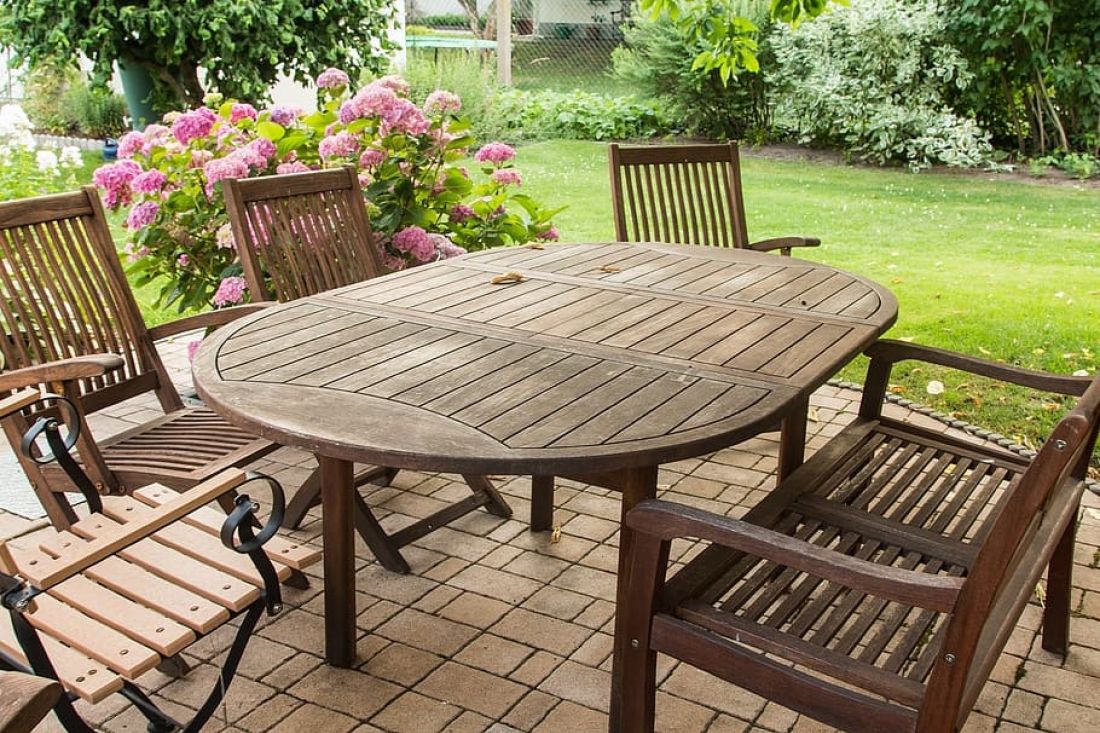
Storing wooden garden furniture in the right conditions is the key to its longevity
© Pikrepo
Maintenance and impregnation of wooden garden furniture
- how to oil wood effectively? Practical tips
Maintenance of wooden garden furniture is a process that ensures its longevity and beautiful appearance. Regular application of impregnants, oils or varnishes protects the wood from moisture, UV rays and pests.
How to oil wood effectively? Practical tips
Oiling wood is one of the most effective methods of preservation, especially for garden furniture or exotic wood items. The process involves the application of oil, which deeply penetrates the structure of the wood, creating a protective barrier against moisture, UV rays, fungi and mechanical damage. What's more, oiling enhances the natural beauty of the wood, accentuating its unique grain and colors. Regular use of this method not only prolongs the life of wooden surfaces, but also makes the furniture retain its aesthetic appearance for many years. So how to oil wood to achieve the best results?
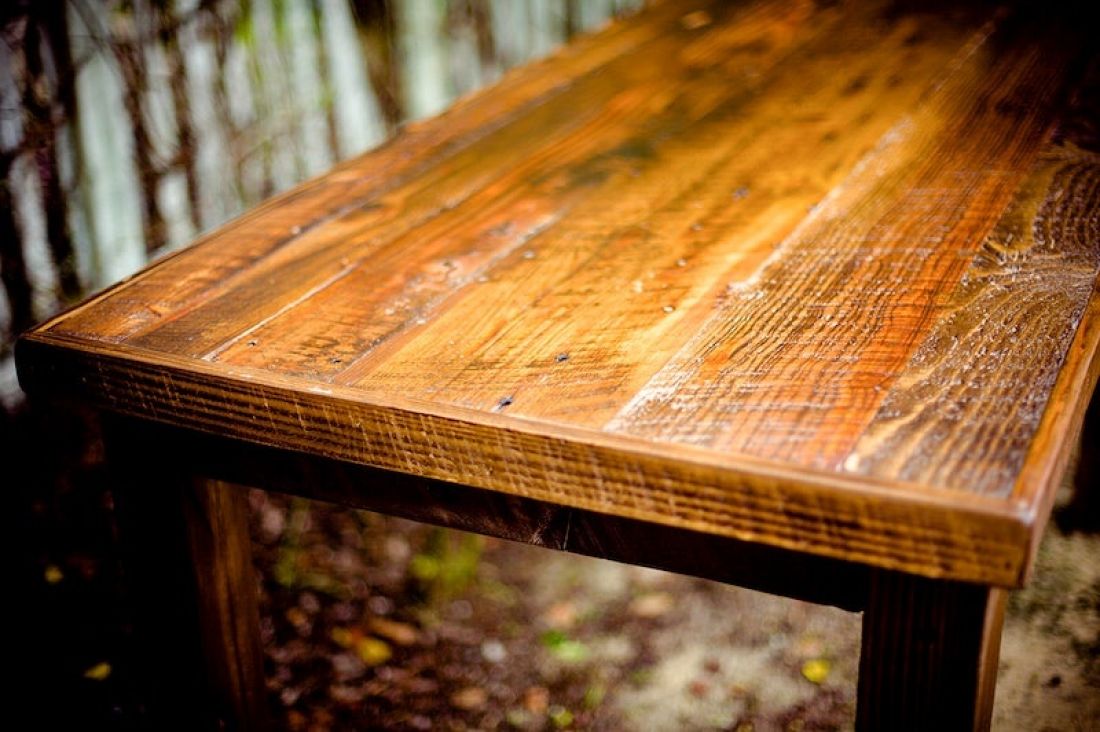
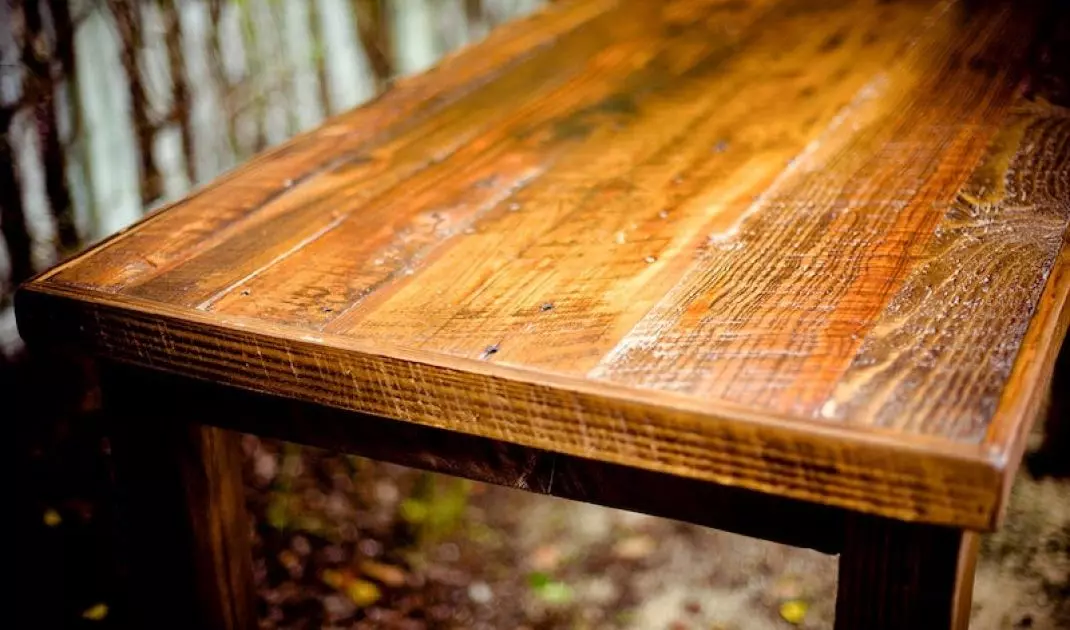
By using the right products and techniques, you can preserve the aesthetics of the wood
© rawpixel
Preparation for oiling - the key to success
Before oiling, the wood must be properly prepared so that the oil can effectively penetrate its structure. The first step is to thoroughly clean the surface of dust, dirt or remnants of previous coatings. You can use a damp cloth with a mild detergent, and then thoroughly dry the wood. For older furniture, it is worth gently sanding the surface with fine-grained sandpaper (e.g. 180-240) to remove irregularities and open the pores of the wood. To apply the oil, you need simple tools: a clean cotton cloth or brush to apply the oil, and an additional dry cloth to wipe off excess. It is important to keep all accessories free of dirt to prevent streaks or stains on the wood.
Which oil to choose for wood?
Choosing the right oil is crucial to the durability and appearance of wooden surfaces. Each type of oil has its own unique properties, which should be matched to the type of wood and operating conditions. Linseed oil, all-natural and environmentally friendly, is ideal for indoor furniture, but its long drying time (even several days) requires patience. Tung oil, known for its exceptional durability, forms a waterproof coating and is great for garden furniture, such as teak or acacia. Dedicated to exotic woods , teak oil offers excellent protection against UV rays and moisture, adding a subtle sheen to surfaces. Synthetic oils, enriched with chemical additives, are extremely resistant to changing weather conditions, making them a popular choice for decks or pergolas. An alternative is oil wax, which combines the properties of oil with the velvety finish of wax, although its protection is less deep. An example of a product is Osmo Teak Oil (price about PLN 120), which combines ease of application with high effectiveness.
How to oil wood properly?
The oiling process is simple, but requires precision to achieve an even effect. Oil should be applied in a thin layer with a brush or cotton cloth, spreading it along the grain of the wood for better absorption. After application, leave the oil on the surface for 10-15 minutes to allow it to penetrate the wood. Then, with a dry, clean cloth, remove excess oil - leaving it can cause stickiness and unevenness. Depending on the type of wood and oil, the process can be repeated after 24-48 hours to increase protection. After oiling, the wood should dry in a dry, well-ventilated place, away from direct sunlight. Regular oiling, preferably 1-2 times a year, provides the wood not only with protection, but also with a beautiful, natural look.

Maintenance of wooden garden furniture is a process that ensures its longevity and beautiful appearance
© Remarkable Outdoor Living, CC BY-NC 4.0
How to stain wood? A comprehensive guide
What is wood staining and why should it be used?
Wood staining is a process that combines changing the color of a surface with its impregnation, allowing the natural grain pattern to be preserved. The stain, which is a solution or suspension of dyes in a solvent, penetrates the pores of the wood, giving it the desired shade - from delicate pastels to deep, intense colors. Importantly, the stain also acts as an impregnant, protecting the wood from moisture, fungi and minor mechanical damage. This gives your furniture, floors or decorative elements not only a new look, but also a longer life. Do you want to transform your wooden surfaces in a simple way? Staining is the ideal solution for anyone who values aesthetics and durability.
Preparing the wood - the basis for successful staining
Successful staining depends on proper surface preparation. The wood must be clean, dry and smooth for the stain to penetrate its structure evenly. Start by sanding the surface with 120-200 grit sandpaper, which will smooth the wood and open its pores. You can do this by hand or with an electric sander. If the wood was previously painted or varnished, use a solvent, such as nitro, to remove old coatings. Then thoroughly dust off the surface with a dry cloth or vacuum cleaner to avoid dirt. It is important to work at a temperature of 5-30°C and in a well-ventilated area to ensure optimal conditions for stain application. Preparation is the key to achieving a professional result - don't skip this step!
Which stain should I choose and how does the type of wood affect it?
The choice of stain depends on the type of wood and the desired effect. High-density woods, such as ebony or walnut, absorb less dye for a more subtle effect, while softer woods, such as pine or spruce, allow for intense colors due to their larger pores. Water-based stains are eco-friendly and easy to apply, but dry more slowly, while solvent-based stains provide faster drying and better moisture resistance. There are also stains on the market with a primer that can be applied to painted surfaces, making it easier to refinish older furniture. Check the properties of the wood before choosing a stain to achieve the desired color effect.
Step-by-step staining process
Staining wood is easy if you follow a few rules. Use a soft bristle brush, roller (for large areas like floors) or cotton cloth (for details and furniture) for application. Apply a generous coat of stain, spreading it evenly along the grain to prevent streaks. After 5-10 minutes, remove excess product with a dry cloth, rubbing it vigorously into the wood to achieve a uniform color. If you want a more intense shade, apply another coat after the first one has dried - see the manufacturer's instructions for drying time (usually 4-12 hours). After staining, sand the surface with fine sandpaper (such as 240) to remove raised fibers, and dust it off. Finally, protect the wood with varnish or oil, which will further enhance the protection.
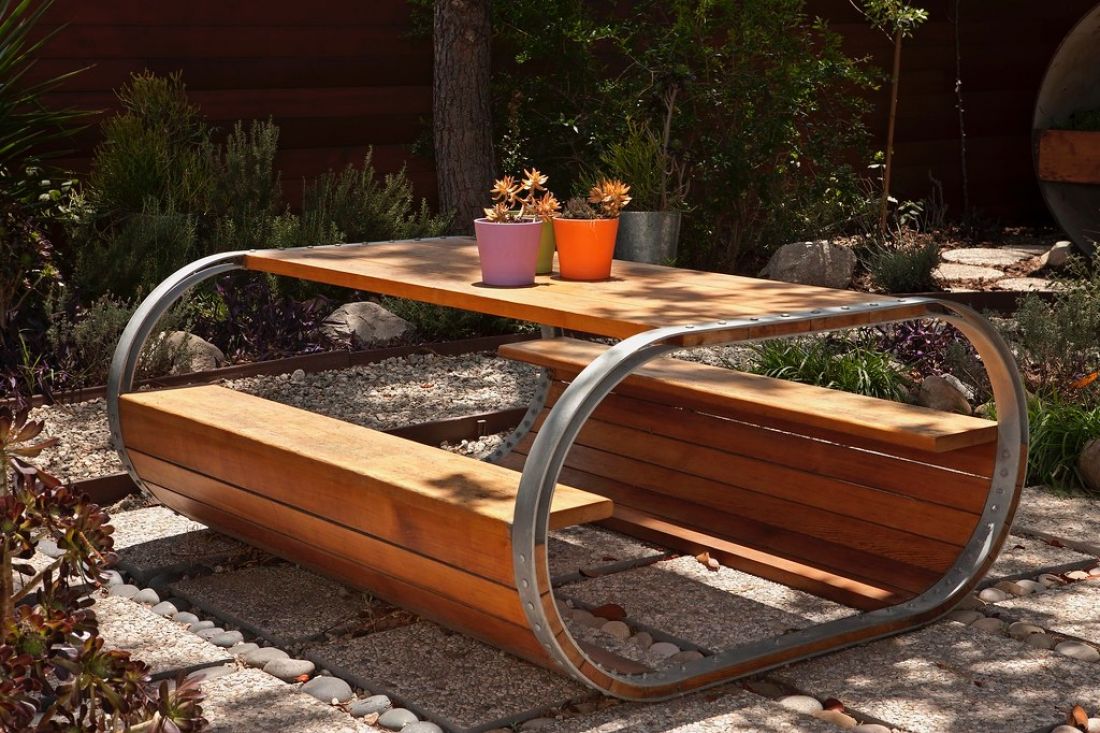
Wooden garden furniture is the essence of style and closeness to nature
photo by Jeremy Levine © Flickr
Varnishing wood - a quick guide
Why varnish wood?
Varnishing wood is a popular surface protection method that creates a durable coating that is resistant to moisture and mechanical damage. Varnish not only protects wood from external factors such as rain and UV rays, but also gives it an aesthetic finish - from matte to high-gloss. It is ideal for garden furniture, floors or decorative elements, especially from domestic woods such as pine or oak.
How to varnish wood in a few steps?
Before varnishing,prepare the wood: clean it, sand it with sandpaper (gradation 120-180) and dust it off. Apply varnish with a brush or roller in thin layers, along the grain, at a temperature of 10-25°C. After the first coat dries (usually 4-8 hours, check manufacturer's instructions), gently sand the surface and apply another coat for better protection. Regular renewal of the coating every 1-2 years ensures the wood will last and look beautiful. You can find a detailed guide on varnishing here.

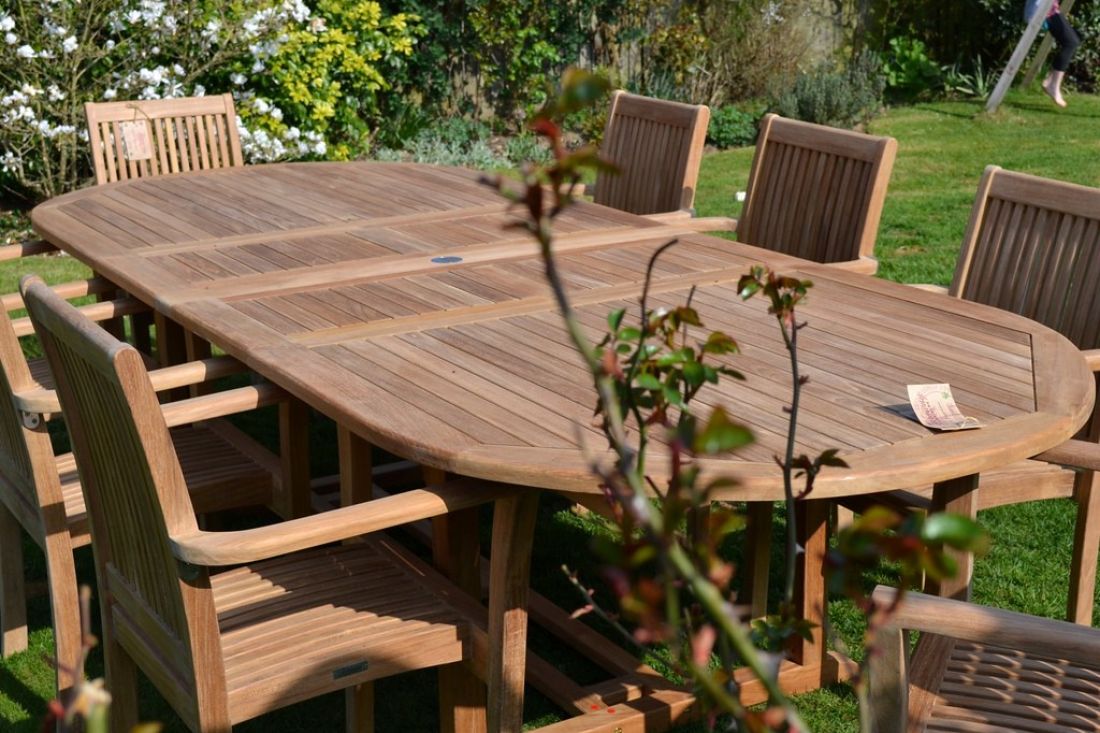
Choosing the right wood, like teak or acacia, is the first step to success
photo by Deniz Kamer Altun © Pexels
Storing garden furniture out of season
Storing wooden garden furniture in the right conditions is key to its longevity. Moisture and frost can damage even the best-impregnated wood, so it's a good idea to make sure you have the right place for the winter. How do you store your furniture so that it retains its form?
Indoor storage
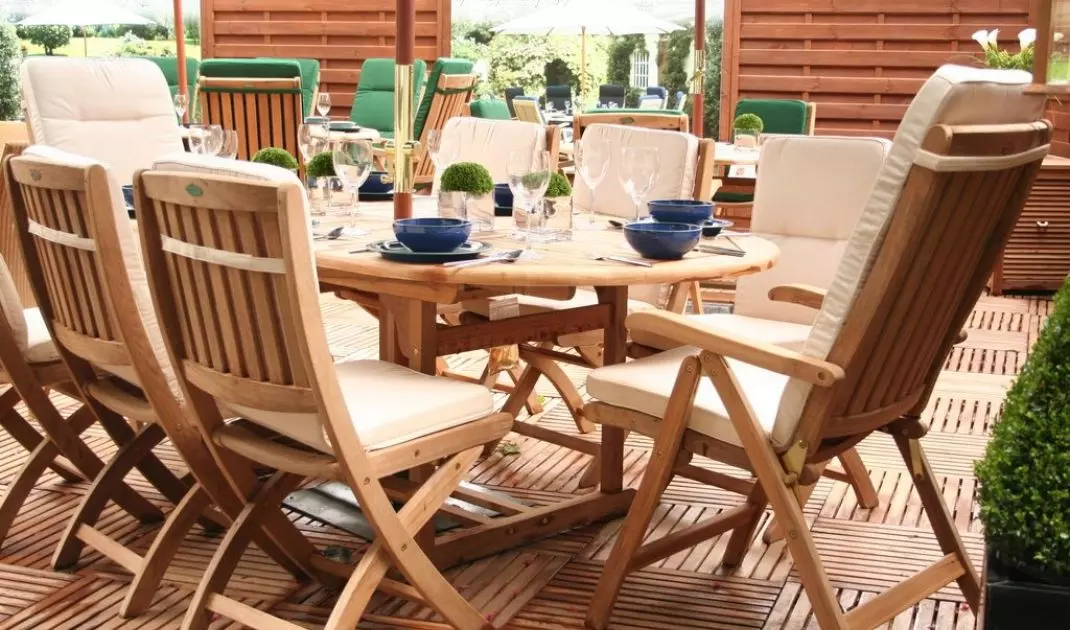
Ideally , furniture should be stored in a dry, well-ventilated room, such as a garage or basement. Before storing, furniture should be thoroughly cleaned and dried to prevent mold. Protective covers, such as the AeroCover (price about $500), further protect against dust. In case of lack of space in the room, you can consider folding furniture, such as the Sydney Comfort Acacia Folding Set (price about PLN 870).
Outdoor protection
If storage indoors is not possible, the furniture can be left outdoors, provided that waterproof covers and leg pads are used to avoid contact with moist soil. It is important to regularly check the condition of the furniture during the winter. Indoor storage is safest, but good quality covers allow you to protect your outdoor furniture with minimal risk of damage.
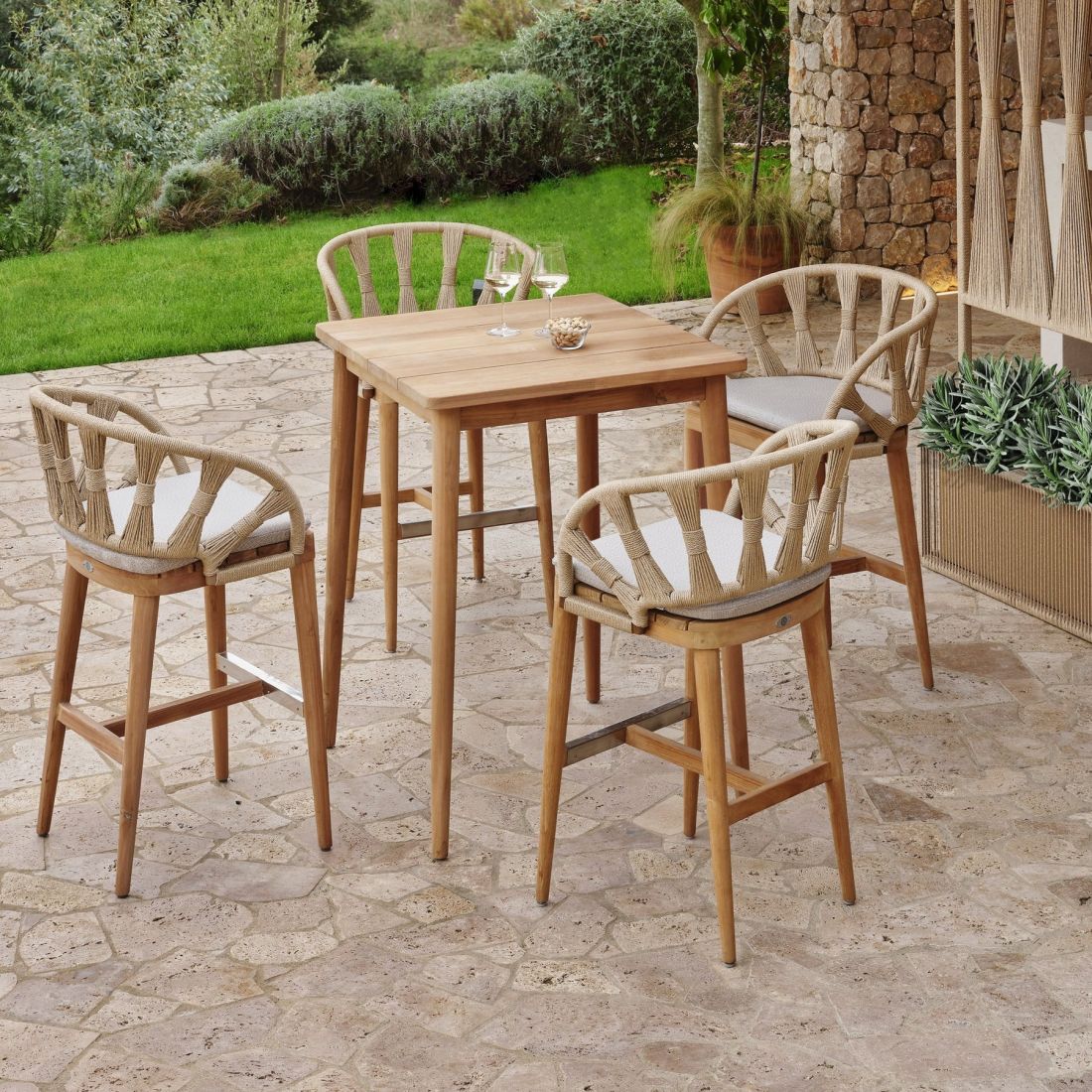
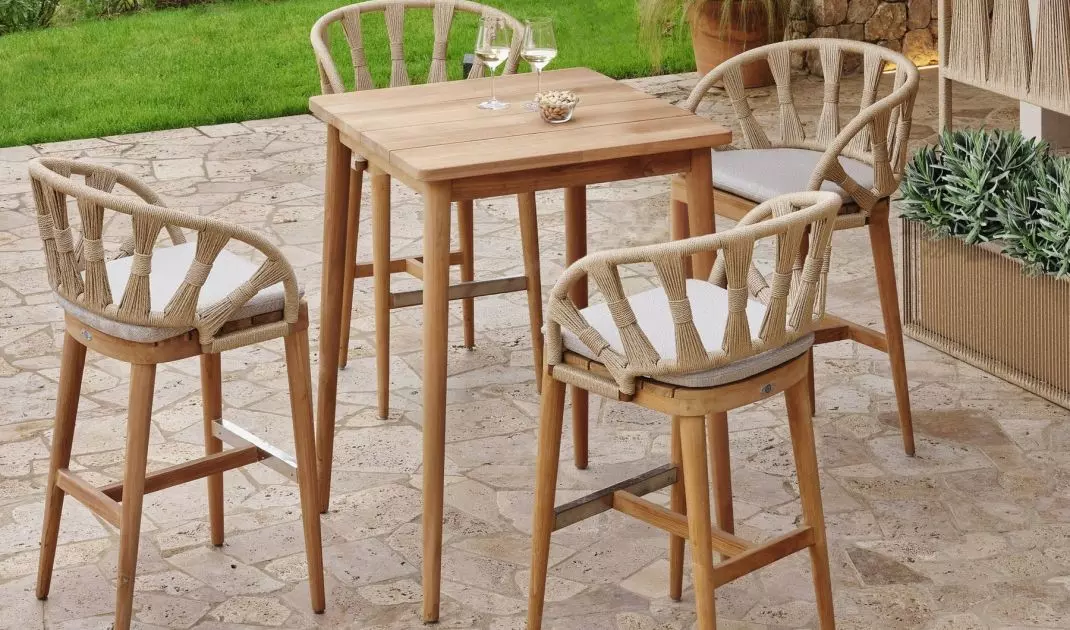
Ideally, furniture should be stored in a dry, well-ventilated room
© modernwicker
Cleaning wooden garden furniture
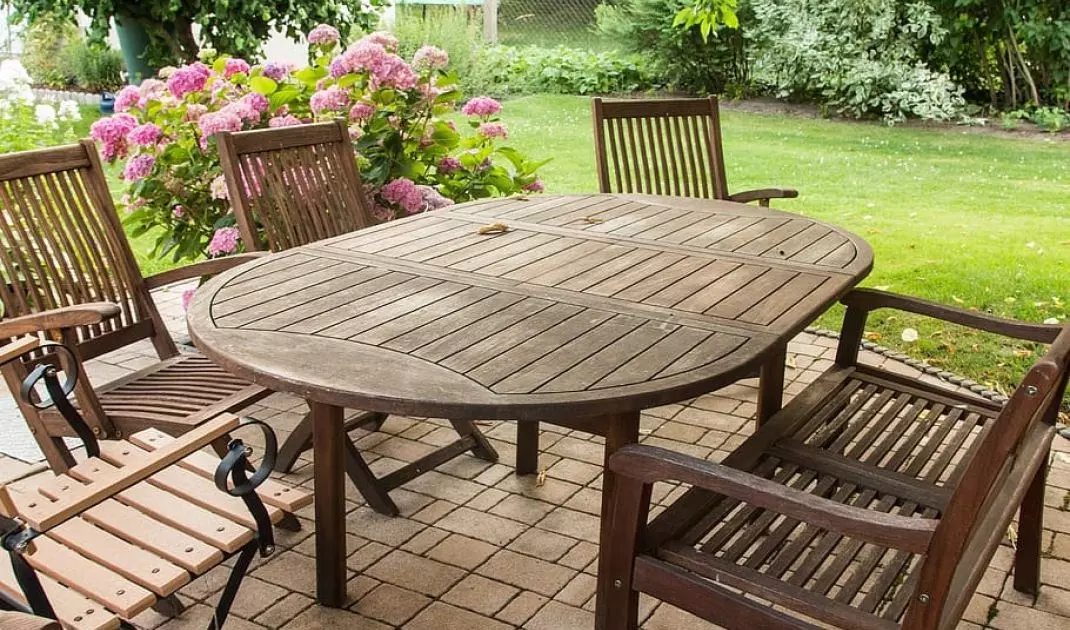
Cleaning wooden garden furniture is a mainstay of its care, but it requires care not to damage the surface. By using the right means and techniques, you can preserve the aesthetics of the wood. How to effectively clean furniture so that it looks like new?
Cleaning agents and tools
To clean wood, it is best to use mild detergents, such as liquid soap diluted in water, and a soft brush or sponge. Specialized preparations, such as Starwax Preparation for Wood (price about PLN 60 per liter), effectively remove dirt without damaging the impregnation. Avoid pressure washers, which can damage the wood structure.
Removing stains and discoloration
Stains from food or drink can be removed with baking soda mixed with water. For more difficult stains, such as mold, it is advisable to reach for anti-fungal preparations, such as Boramon (price about PLN 70 for 5 liters). After cleaning, the furniture should be thoroughly dried and protected with oil or varnish. Regular cleaning with gentle agents is the key to maintaining aesthetics, but specialized preparations are indispensable for more difficult stains.
How to make wooden garden furniture delightful for years?
Wooden garden furniture is an investment in style and durability, but its beauty depends on your care. Choosing the right wood, like teak or acacia, is the first step to success. Regular maintenance with oils or varnishes protects against moisture and UV, and proper storage ensures longevity. Let's go back to the question from the beginning: can your garden become an oasis of style? Of course, if you apply our tips!