






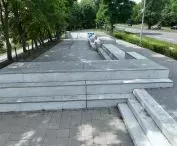


from the series "Outdoor spaces - trends, technologies 2025"
Outdoor spaces in Polish cities are undergoing an intense metamorphosis, determined by leading trends in small architecture. The 2000s brought a marked change in the approach to the creation of places for meetings and activities - it is not only functionality and aesthetics that matter, but above all the integration of different social groups, ecology and flexibility of space. Urban skateparks, designed and built by, among others, the company skateparki.pl, are an excellent barometer of these changes. Projects such as the Urban Sports Square at the Arsenal subway station in Warsaw, obstacles in the park at Pole Mokotowskie or the skatepark in Gniezno by the lake illustrate the directions of development of modern, inclusive recreational infrastructure.
Key trends in small architecture - background for the development of skateparks
Architects are increasingly willing to combine spaces for sports with surrounding greenery: skateparks are built among trees that provide shade and integrate places for both physical activity and recreation.
Multifunctionality and modularity of urban spaces
The trend is also to combine different functions: sports obstacles are used as seats, benches or even art installations. Modular solutions offer the possibility to arrange spaces flexibly, with different users in mind.
Technological innovation and safety
Technology is changing the face of skateparks - energy-efficient LED lighting systems, monolithic pavements with advanced drainage systems, monitoring for improved safety and informative mobile apps are emerging.
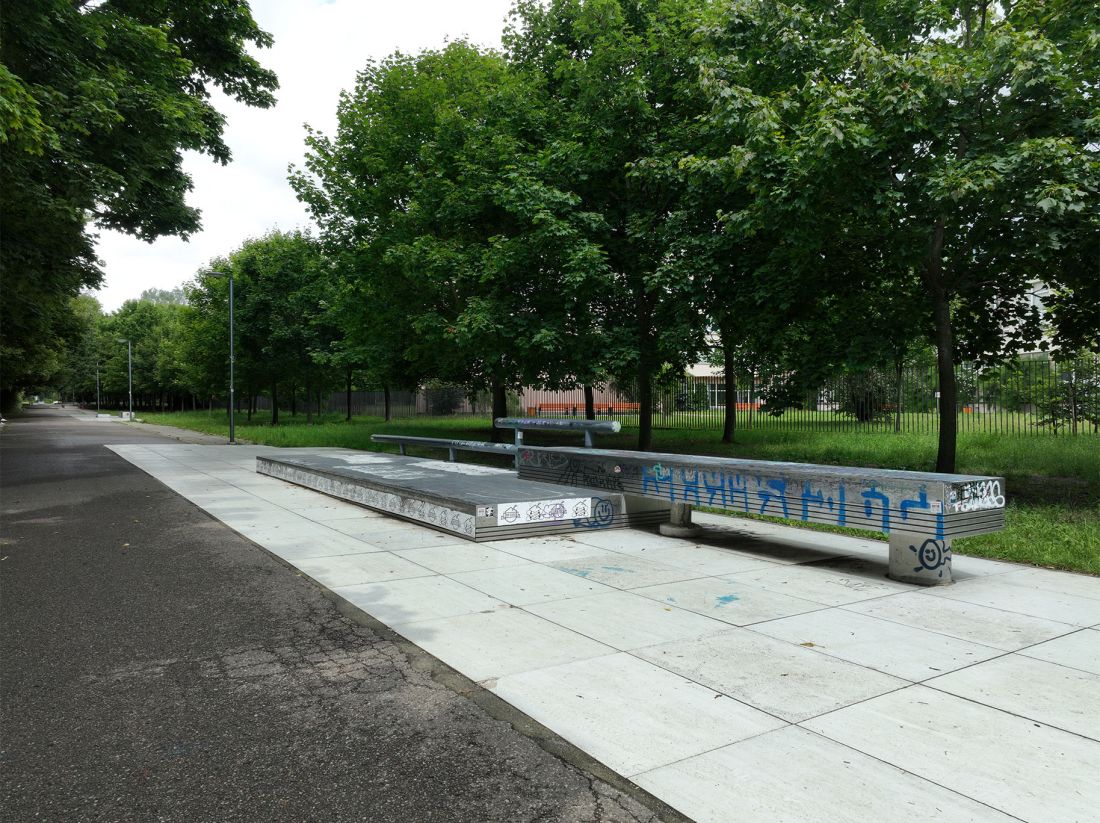
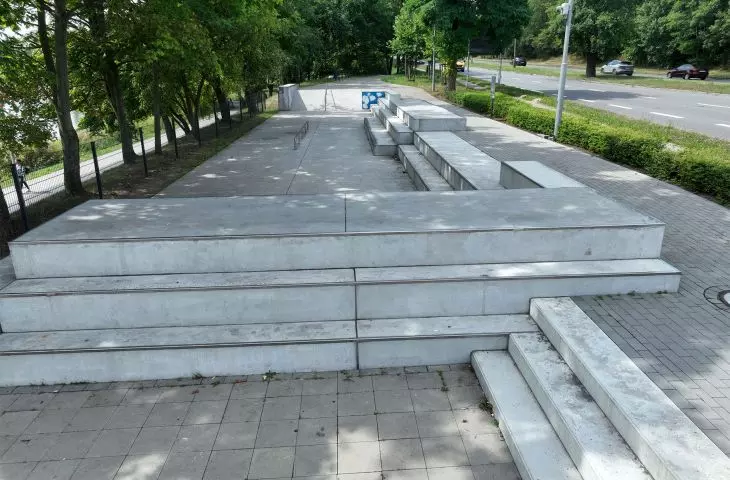
Skatespot park Pole Mokotowskie- Realizations skateparki.pl
© skateparki.pl
Groundbreaking realizations of skateparki.pl as examples of trends
Arsenal Urban Sports Square, Warsaw
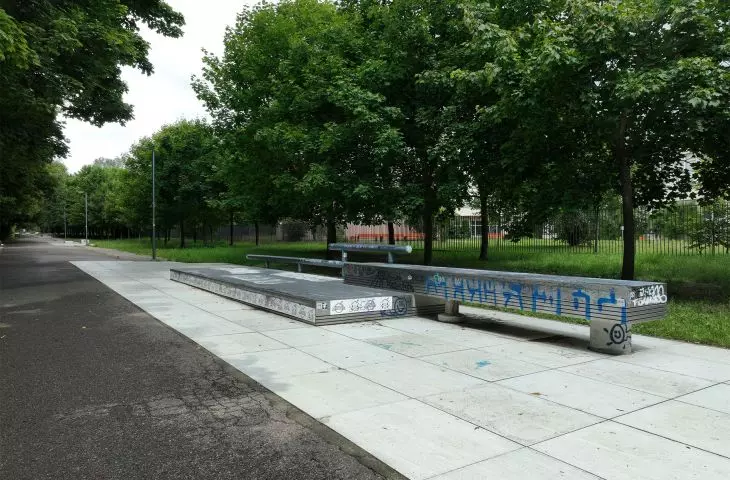
In the very center of the capital, right next to the Ratusz Arsenal subway station, an innovative skatespot realized by skateparki.pl was created. The facility combines recreational and sports spaces - granite walls, manualpads, stairs and skateboxes have been designed to provide not only excellent riding conditions, but also the opportunity to relax and socialize. The square has been integrated into the existing green urban fabric - numerous trees and shrubs create a microclimate conducive to relaxation, while water-permeable surfaces promote sustainable rainwater management. The site is fully accessible to people with disabilities and open to different age groups - from children to adults, integrating the community.
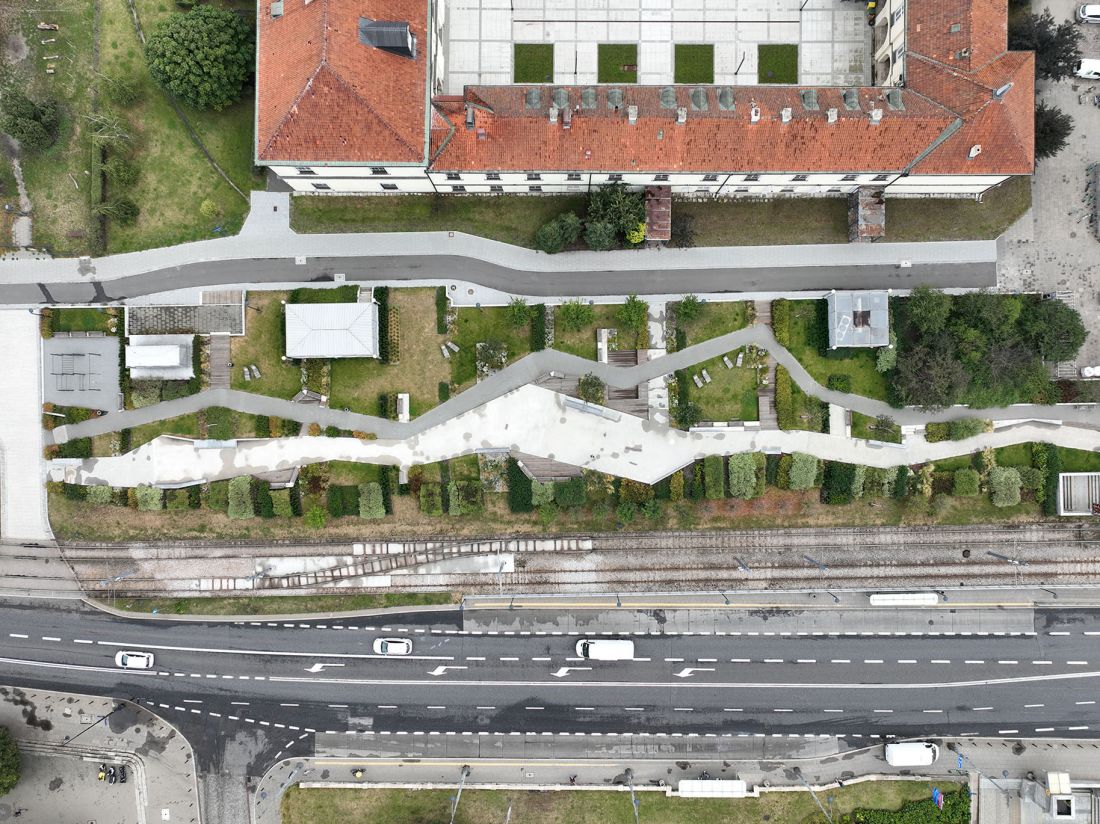
Arsenal City Sports Square, Warsaw
implementation © skateparki.pl
Skatespot park Pole Mokotowskie, Warsaw.
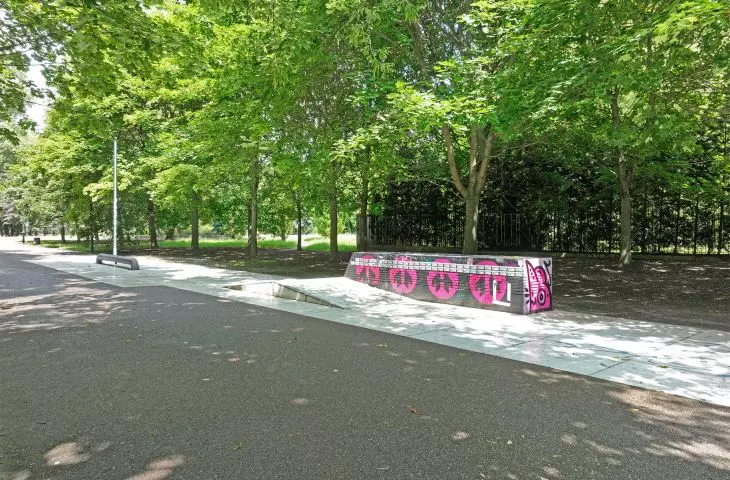
Another example in the trend of combining nature with architecture is a set of obstacles in Pole Mokotowskie. This place is not a typical skatepark, but a scattered set of three independent obstacles integrated into the walking alleys of the green heart of Warsaw. Users will find manual pads, granite walls, handrails and pipes, among others. The facility attracts both experienced riders and novice urban sports enthusiasts. Convenient access, an intimate atmosphere and proximity to other recreation zones make the space a great example of urban integration and adaptation of urban trails for movement enthusiasts. On June 21, 2025, the spot was the starting point for Warsaw skateboarders to celebrate World Skateboard Day.
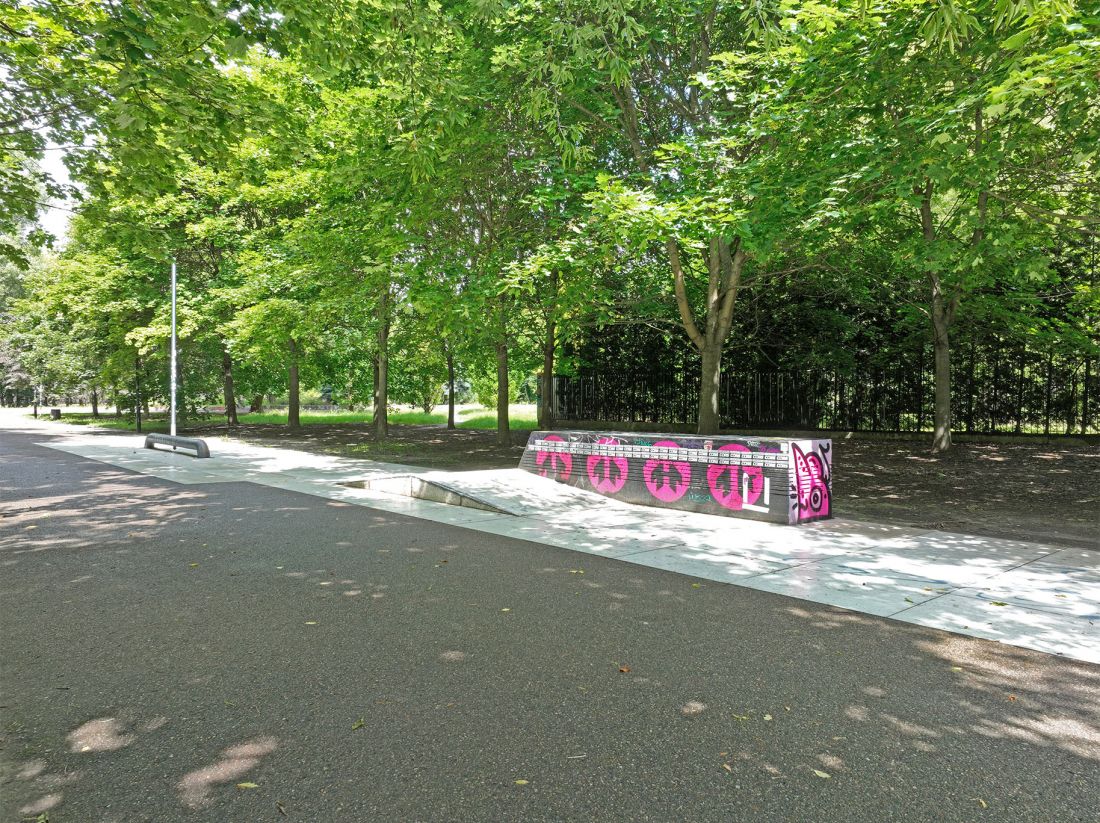
Skatespot park Pole Mokotowskie, Warsaw - Realizations skateparki.pl
© skateparki.pl
Skatepark Gniezno at the lake
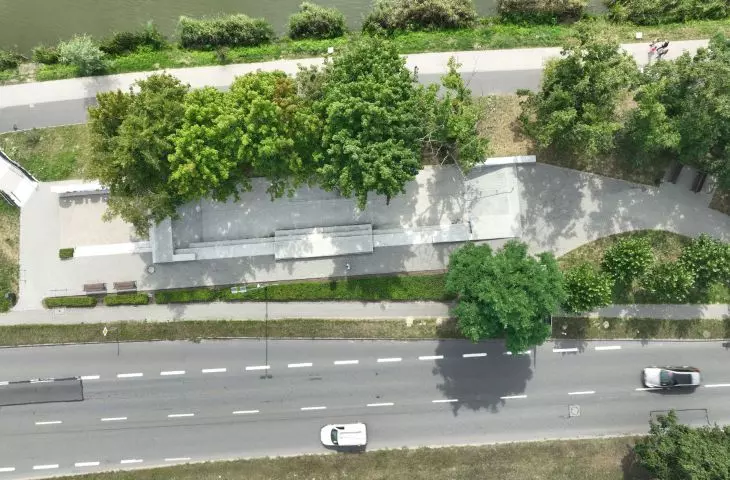
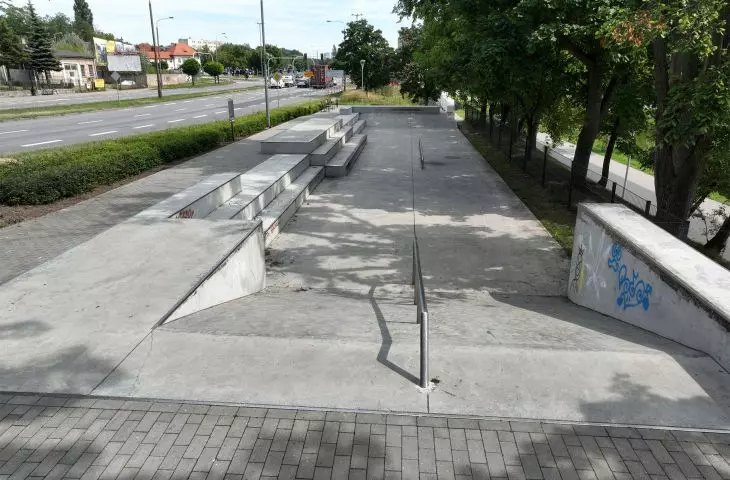
Skatepark in Gniezno is a model example of an investment that combines pedestrian communication with active recreation and access to nature. The facility, built using modular technology, has been blended into a walking trail stretching along the lake shore. It includes banks, tubes, grindboxes and elements for riding at different levels of skill. It thus functions as an integrative point on the trail, ensuring a seamless transition between classic park infrastructure and modern urban sports zones. Amenities such as seating overlooking the water, convenient access and proximity to greenery perfectly reflect the spirit of the skatepark's multifunctionality and social role.
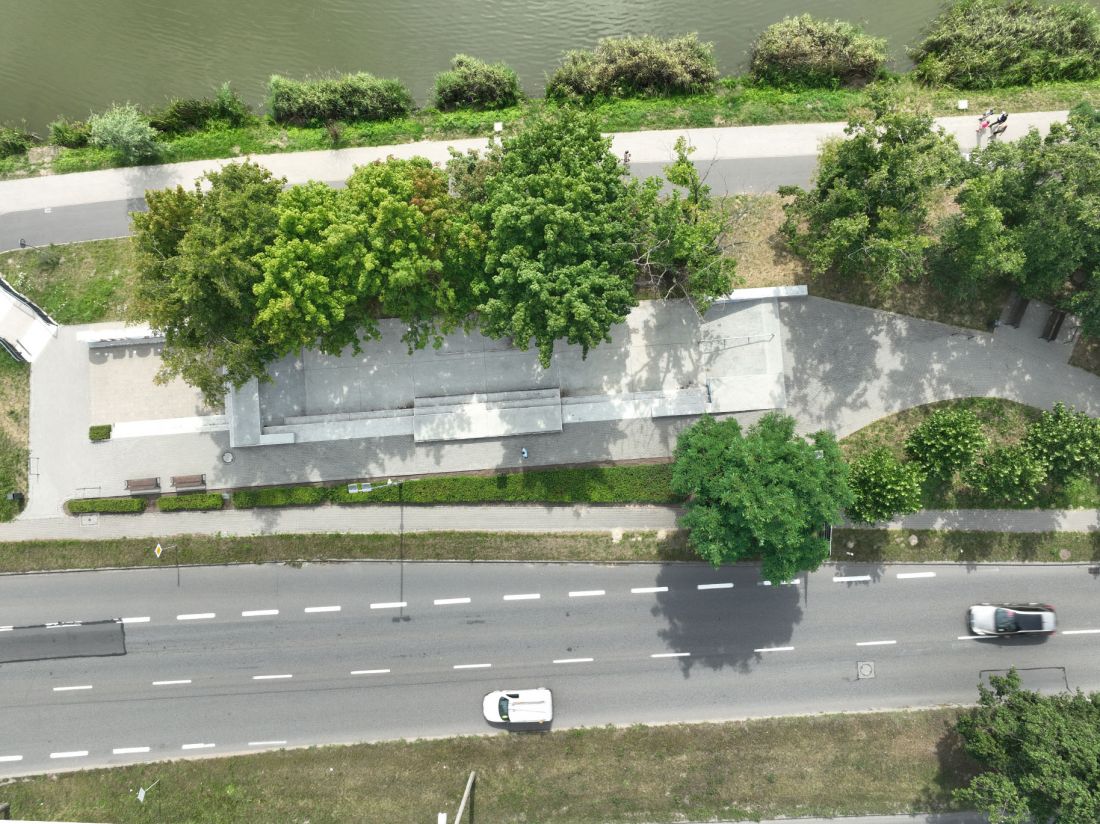
Skatepark Gniezno on the lake - Realizacje skateparki.pl
© skateparki.pl
Image of a modern skatepark - a combination of design, ecology and community
Small architecture as a binder of urban space
Modern skatespots, in line with trends, are increasingly seen as a collection of well-thought-out objects of small architecture that affect the comfort and identity of the place. In projects implemented with the participation of skateparks.pl, we will meet, among others, modern benches, bicycle racks, seats, energy-saving lamps or deck chairs, and even equipment for street workout and calisthenics.
Integration of local identity and art
Another trend is the display of details that relate to the history and local character of a place. In both Warsaw and Gniezno, skatepark obstacles are not only of practical value, but often also symbolic and artistic. Thanks to the involvement of the community and local artists, unique realizations can be created that distinguish the urban space.
Social function and safety
Modern skateparks are not just a place for extreme stunts, but community centers that bring together sports enthusiasts, families, seniors and children. Thoughtful urban planning, wide avenues, vantage points, lighting and monitoring, as well as elements that increase safety (non-slip surfaces, soft rest areas) make skateparks open spaces that encourage joint activity.
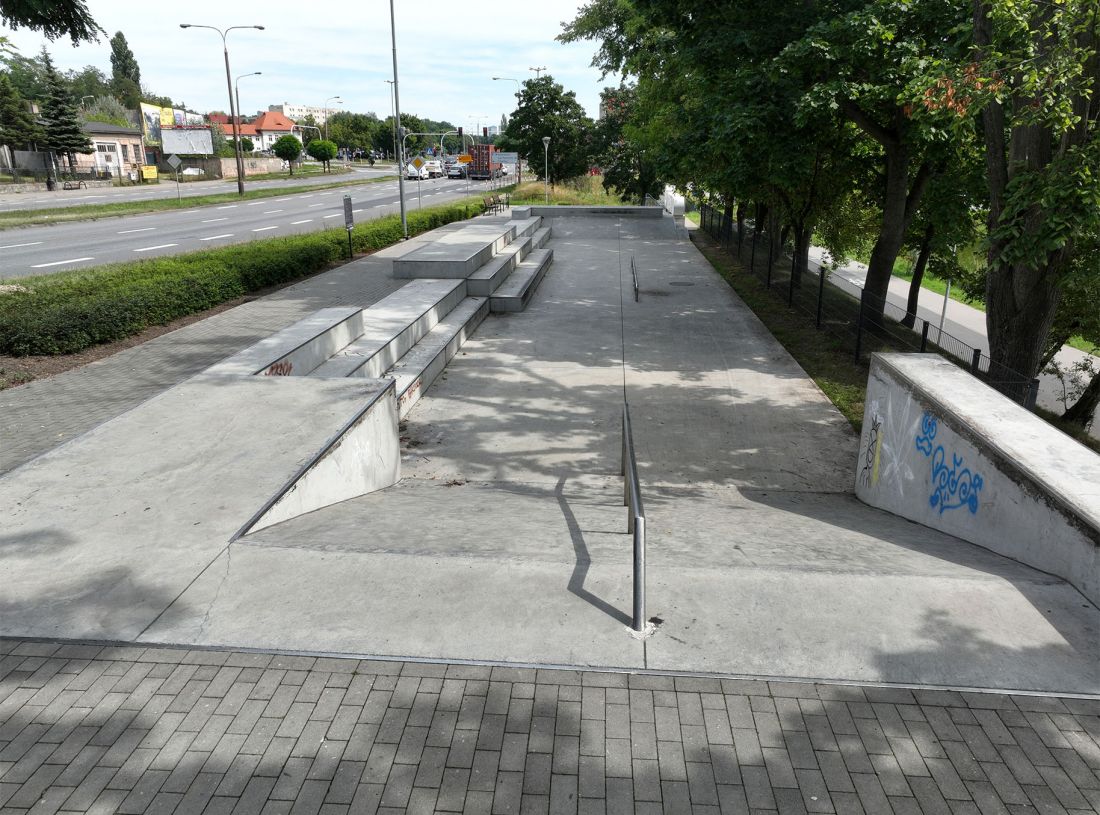
Skatepark Gniezno on the lake - Realizacje skateparki.pl
© skateparki.pl
| Trend | Realization of skateparki.pl | Activities carried out |
| Ecology and green integration | Arsenal City Sports Square, Pole Mokotowskie park | Trees, greenery, water-permeable surfaces |
| Modularity | Skatepark Gniezno | Adjustable obstacles, distributed configuration |
| Multifunctionality and flexibility | Arsenal Urban Sports Square, Pole Mokotowskie park | Sports elements acting as seats |
| Local identity | Arsenal City Sports Square | Details that relate to the history of the site |
| Accessibility and inclusiveness | All of the above mentioned developments | Driveways, wide alleys, no barriers |
The 2000s set new standards in the design and use of urban skateparks. Small architecture combines ecological, functional, technological and social aspects, turning skateparks into open, aesthetically pleasing, accessible and safe spaces for all ages and social groups. The realizations of the company skateparki.pl show how the modern vision of sports investments fits into the global trends of changing the urban landscape - skatespots and parks are no longer an enclave of athletes, but the heart of urban meetings, integration and active recreation.
For more information, visit the company's SKATEPARKI.PL page on PdA.