










from the series "Windows, doors, hardware, guards - trends 2026"
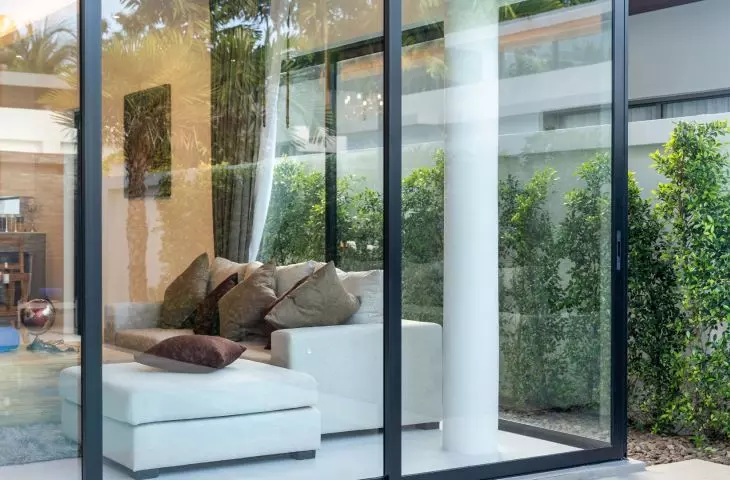
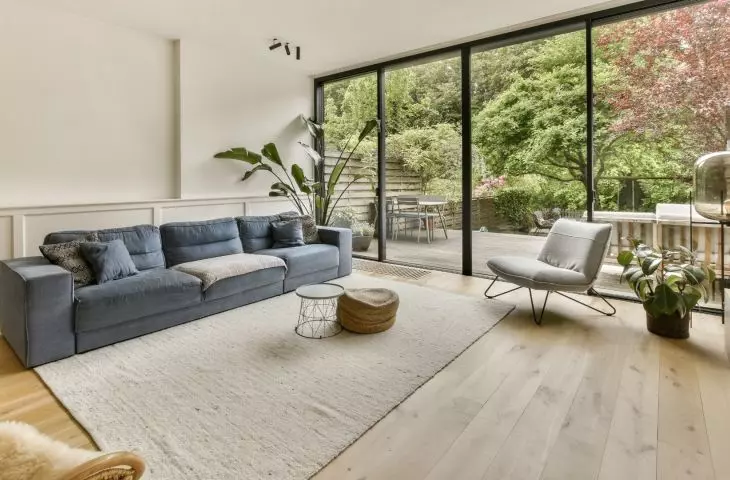
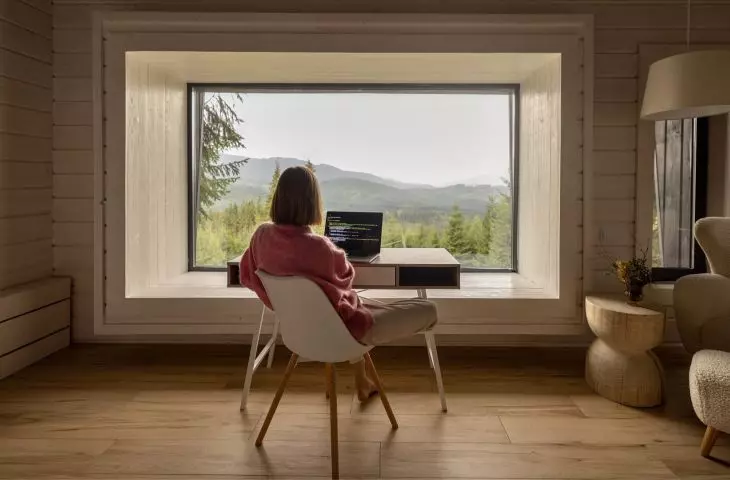
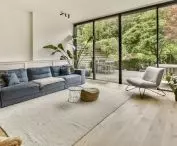
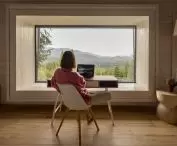
Large glazings are one of the most desirable elements of modern architecture. They open up interiors to the landscape, bring in daylight and give buildings lightness. In 2026, however, it is no longer just about striking transparency, but about technology that allows large-scale glass to be combined with high performance.
From the idea of a glass house to a conscious choice of parameters
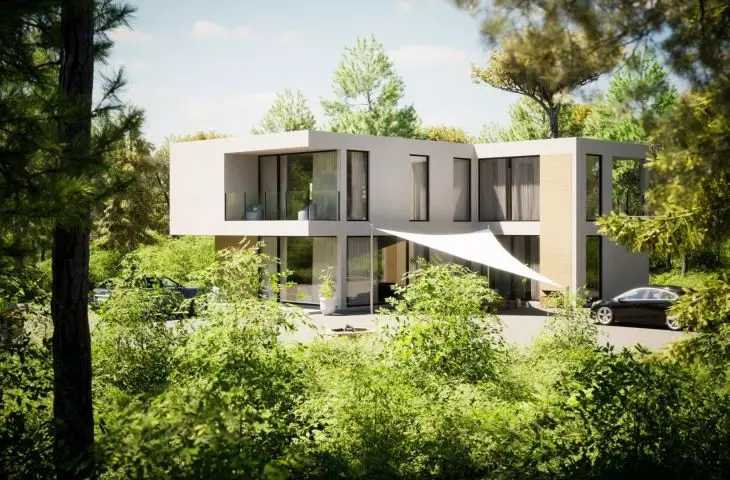
The motif of "glass houses" functioned for decades in the Polish imagination as a symbol of the future. Today it is no longer just a literary metaphor. Indeed, architecture is striving to blur the boundary between interior and exterior, so that the garden, forest or city skyline increasingly penetrate the daily experience of users of a building.
This change, however, brings specific technical requirements. A large sheet of glass must not be the weak point of a partition. It must support the energy balance, protect against overheating in summer, improve acoustic comfort and respond to security needs. Therefore, in modern joinery, glass ceases to be merely a frame filler. It becomes one of the most important components determining the quality of the entire solution.
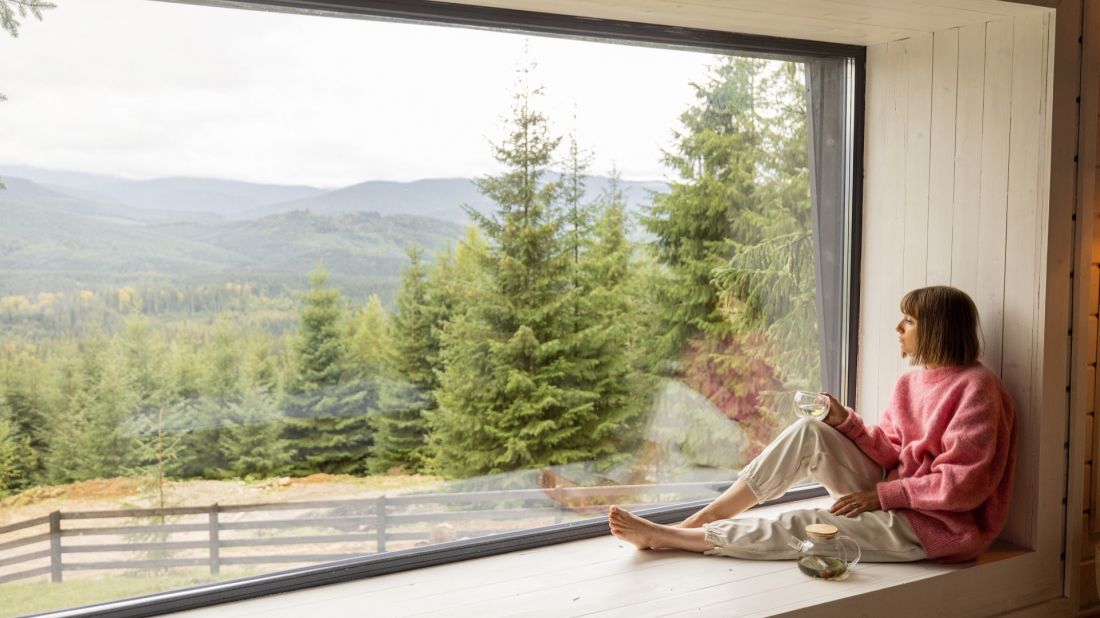
CLIMATOP® PRIME, a line of premium glazing units from Glassolutions, a brand of the Saint-Gobain Group, responds to this need. It enables the precise selection of parameters in relation to building location, exposure, room function and expected standard of use. In this way, glazing becomes a tool and an element of conscious building design.
© SAINT GOBAIN
Multifunctionality as a premium differentiator
The most important feature of CLIMATOP® PRIME is the ability to combine several functions in a single glazing package. In practice, this means that one configuration can be responsible for thermal insulation, solar control, acoustics and resistance at the same time.
The line is based on the integration of advanced Saint-Gobain glass technologies. ECLAZ® LUMI provides high thermal insulation and increased access to daylight. COOL-LITE® reduces overheating in rooms exposed to intense sunlight. STADIP® SILENCE improves acoustic comfort by reducing outside noise. STADIP® PROTECT and SECURIT strengthen the resistance of the panes and reduce the risks associated with damage or attempted breakage.

© SAINT GOBAIN
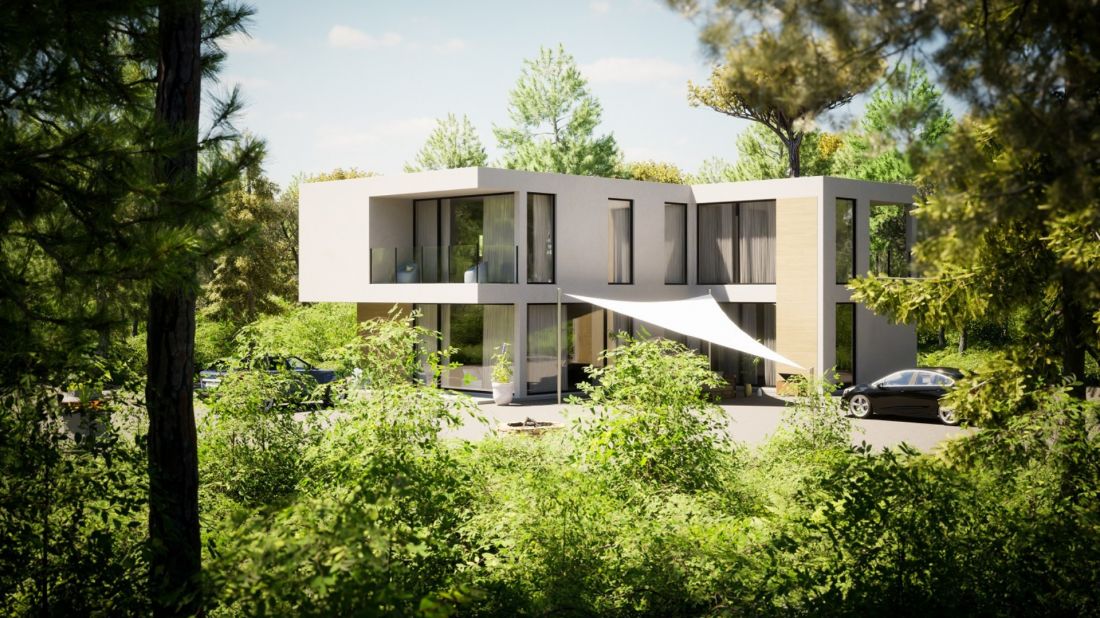
This design of the entire solution fits well with the direction in which the window joinery market is developing. It is becoming increasingly important to design not only around technical parameters, but also specific conditions of use. Northern glazing should primarily provide access to light and reduce heat loss. A large panel from the south or southwest, on the other hand, needs to control solar gain and reduce the risk of interior overheating. On the other hand, in buildings located on busy streets, railroad tracks or in dense urban areas, acoustic insulation becomes a priority. CLIMATOP® PRIME makes it possible to select glass contextually, according to how the building is to function on a daily basis.
© SAINT GOBAIN
Balance between light and energy
One of the biggest challenges in the design of large glazing remains reconciling high access to daylight with thermal comfort. In the past, large windows were often associated with cooling interiors in winter and a greenhouse effect in summer. Modern glazing packages make it possible to break this stereotype.
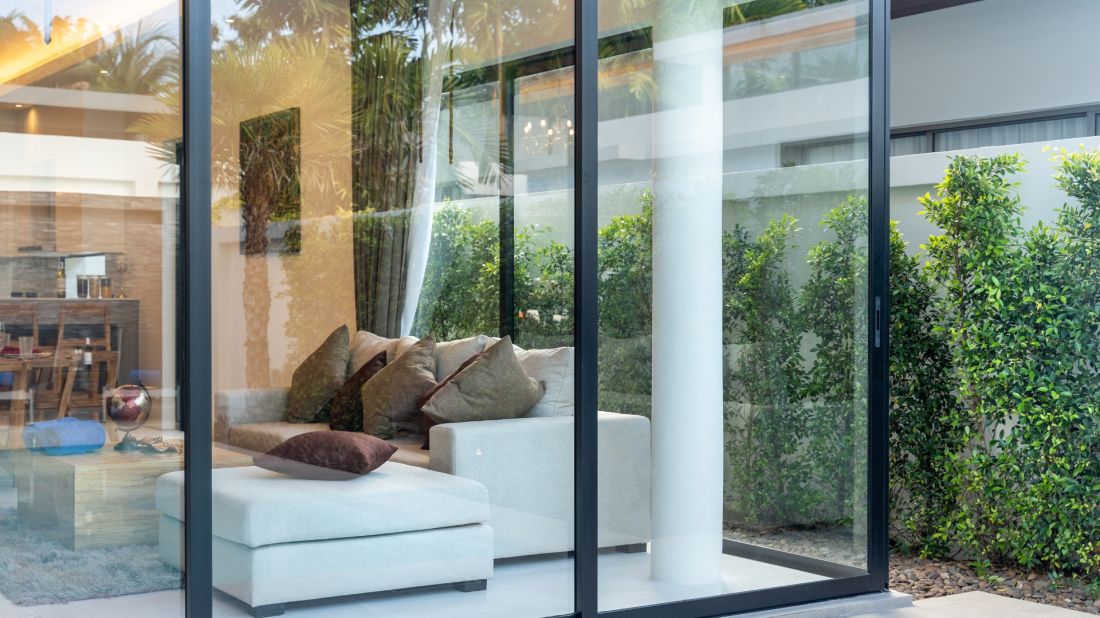
In CLIMATOP® PRIME, ECLAZ® LUMI technology promotes high thermal insulation while maintaining very good room illumination. For selected triple-glazing packages, the heat transfer coefficient Ug can be up to 0.5 W/m²K, and the daylight transmittance Lt can exceed 60%, depending on the configuration. This makes glass an active component of a building's energy strategy, rather than just a potential source of loss.
© SAINT GOBAIN
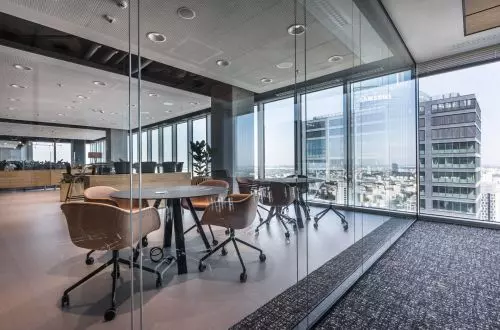
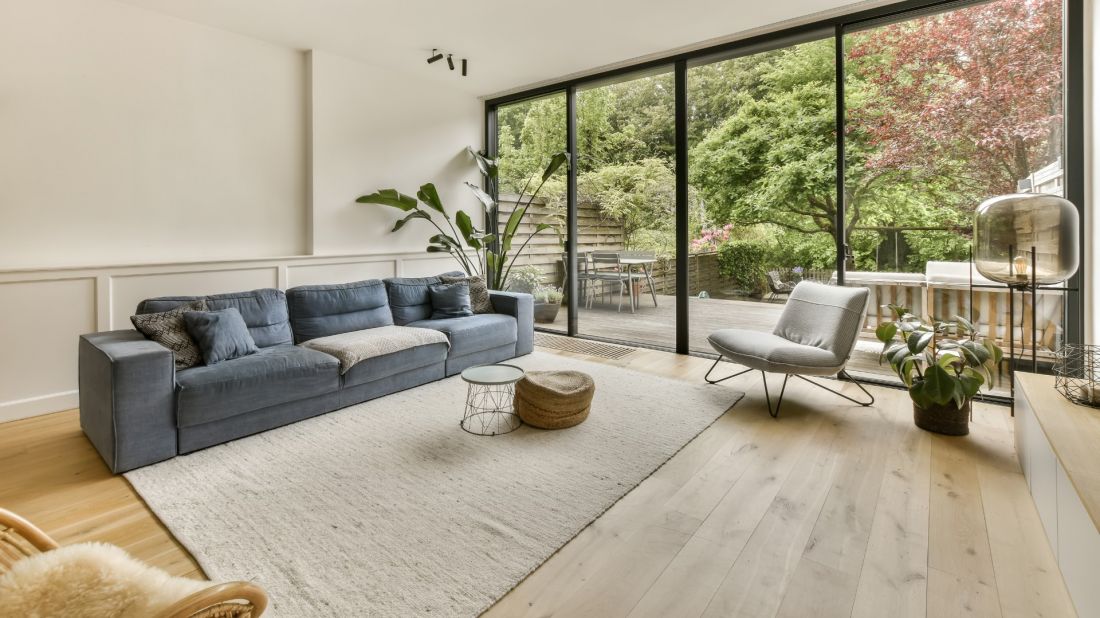
Equally important is protection against overheating. With large areas of glazing, especially on the south and southwest sides, the importance of solar control glazing is increasing. COOL-LITE® technology helps reduce excessive interior heating while maintaining access to natural light. In practice, this can reduce the need for cooling and improve the stability of indoor conditions, which is important in single-family homes and apartments, as well as in offices and public facilities.
© SAINT GOBAIN
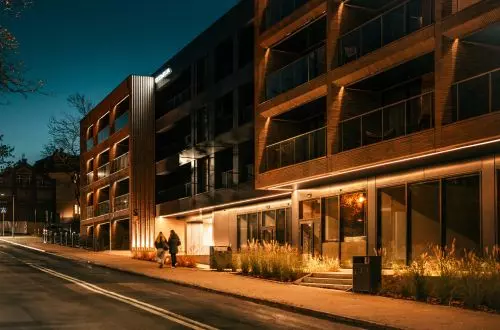
The topic of acoustics resonates strongly in window trends for 2026. Densifying cities, heavy traffic and the development of investments in difficult locations make silence an important parameter of space quality. However, the large scale of glass should not mean a compromise in sound insulation.
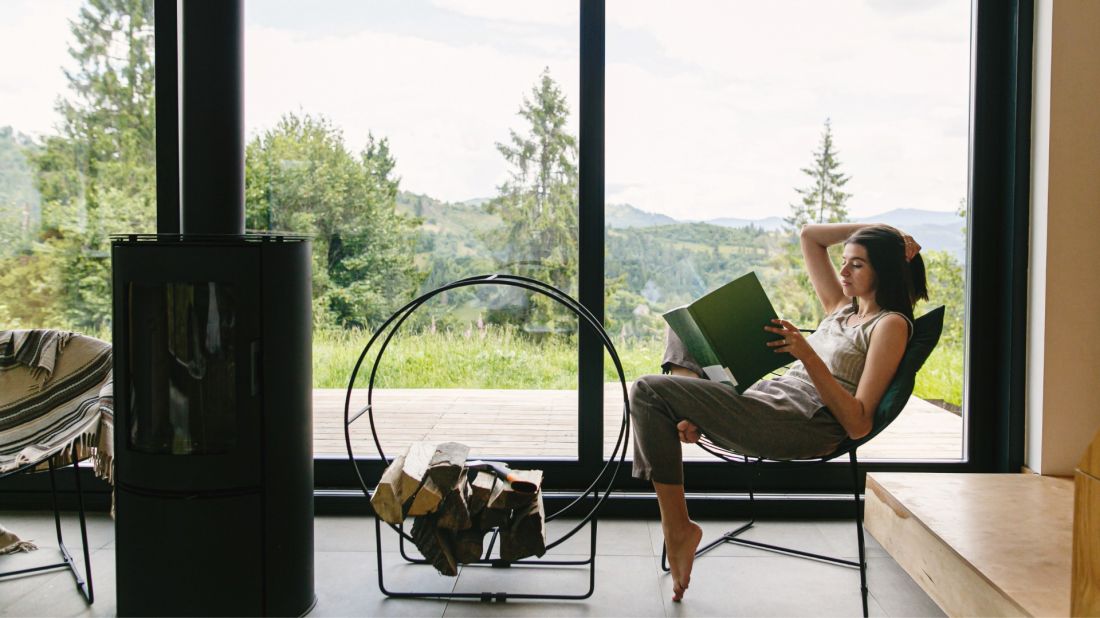
In the CLIMATOP® PRIME line, STADIP® SILENCE, a laminated acoustic glass with a special PVB film, is responsible for this. Its function is to absorb and disperse sound waves, thereby reducing noise penetrating into the interior. In selected configurations, the packages can provide noise reduction in the range of 32dB to over 50 dB.
© SAINT GOBAIN
Safety remains no less important. STADIP® PROTECT and SECURIT make it possible to design glazing with increased resistance. Laminated glass remains bound by a film after impact, reducing the risk of injury and making it more difficult to force the partition. Tempered glass, on the other hand, increases mechanical resistance and safety of use in particularly stressed areas. This is important, among others, on the first floor, at terraces, balconies, entrances and in buildings requiring increased resistance.

© SAINT GOBAIN
Glazing as a strategic decision
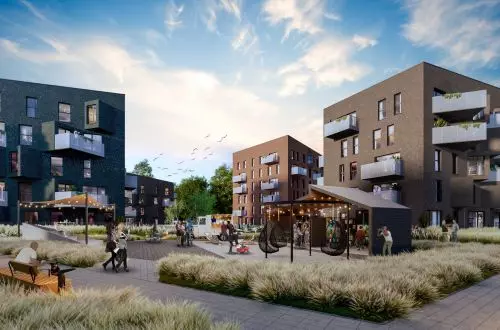
CLIMATOP® PRIME is used in single-family homes, multi-family buildings, apartments, offices, public buildings, as well as in modernized and thermo-modernized investments.
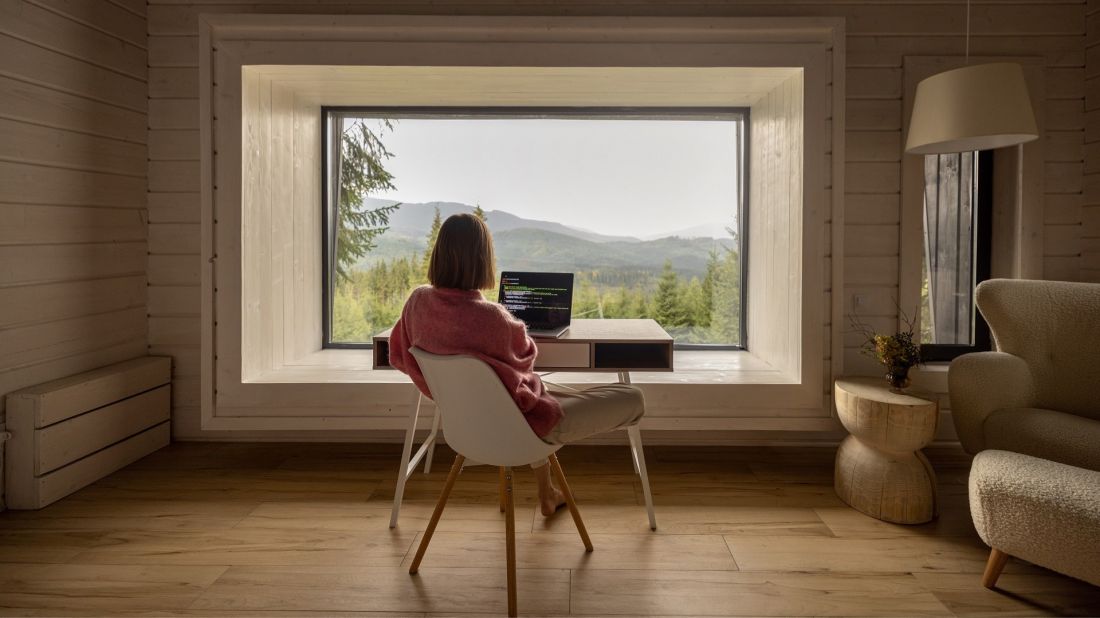
Products throughout the CLIMATOP® PRIME group have EPD environmental declarations and PHI Darmstadt certification confirming their applicability in passive construction. This is important in the context of the growing importance of environmental declarations, building life cycle analysis and responsible design. Window joinery is increasingly rarely evaluated solely through the prism of appearance or basic technical parameters. Instead, what matters more and more is its impact on the operation of the building, the comfort of users and the long-term value of the investment.
© SAINT GOBAIN
CLIMATOP® PRIME fits well in this direction, shifting the conversation about windows from the level of aesthetics alone to the quality of everyday use of the premises. In this view, the modern "glass house" is no longer an architectural promise of the future, but a space where openness to the environment, comfort and environmental responsibility can coexist in a single, consciously designed solution.
For more information: https://www.glassolutions.pl/climatop-prime?utm_source=architektura-biznes&utm_medium=article&utm_campaign=climatop-prime.