

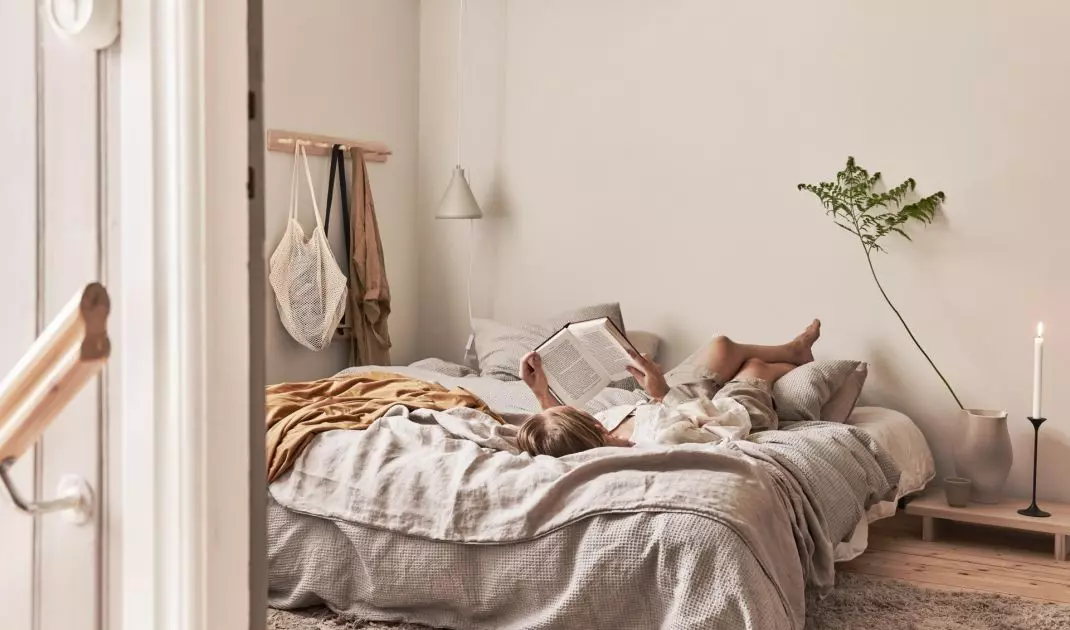

In the world of interior design , trends come and go, but some have the potential to permanently revolutionize our approach to living spaces. One such phenomenon is color drenching, a technique that is gaining popularity among designers, architects and interior design enthusiasts. What is color drenching? How to introduce it into your home? What colors to choose and how to avoid arrangement chaos? In this article you will find everything you need to know to transform your apartment into a cohesive, stylish and characterful space.
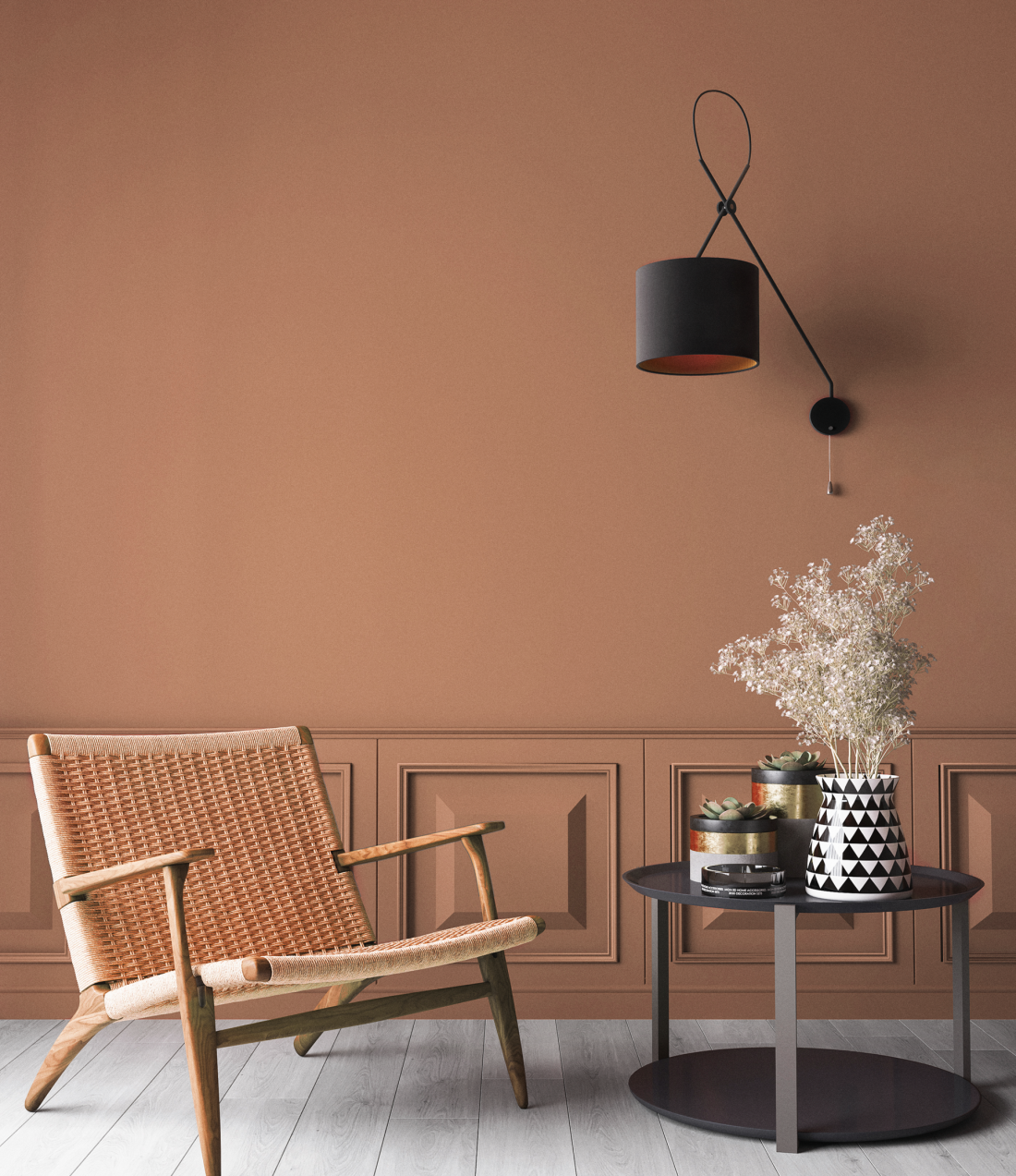
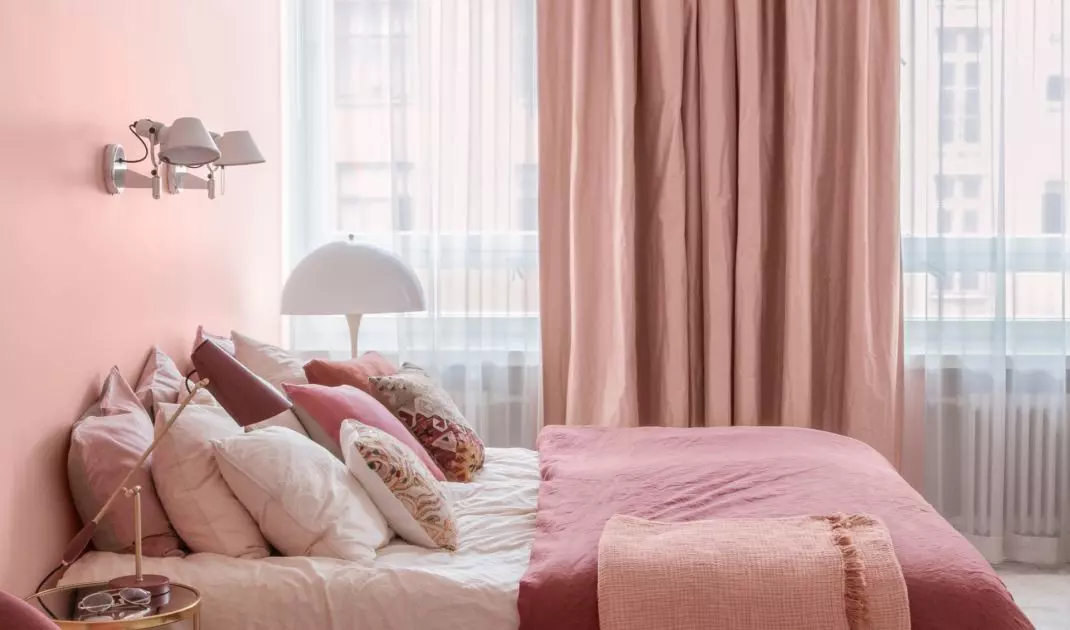
Color draining is a technique in which color becomes the main character of the interior
© Beckers Designer
What is color drenching?
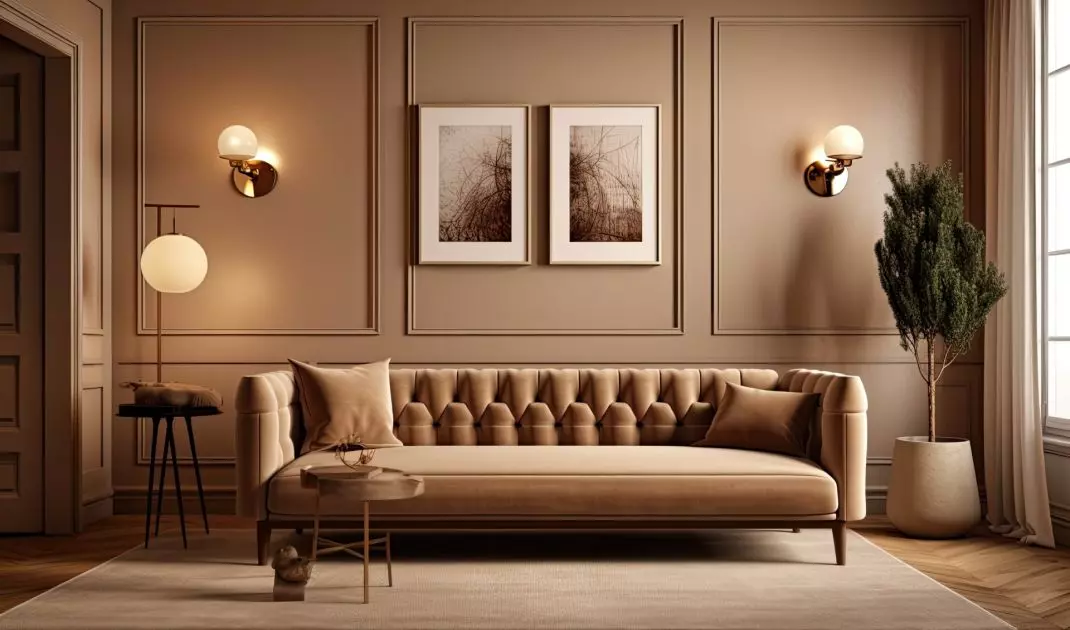
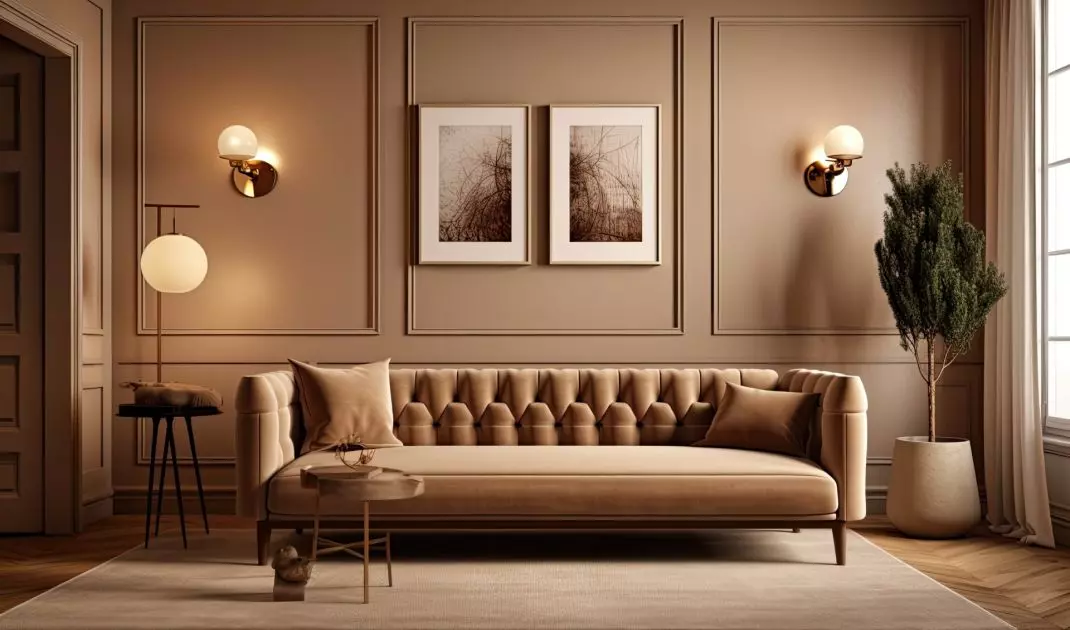
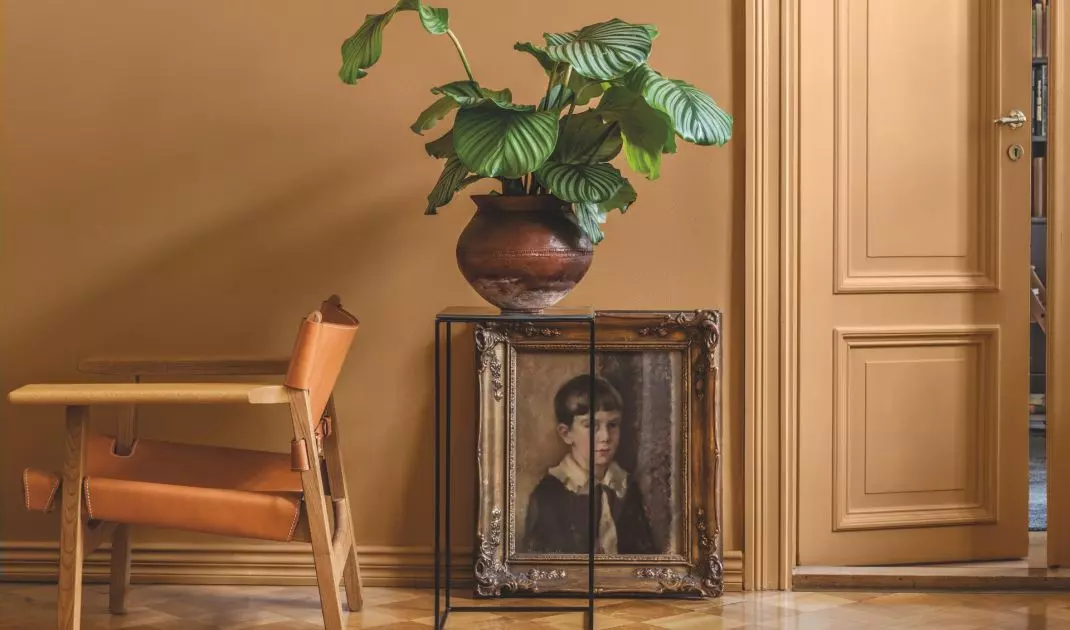
Color drenching, or literally "color immersion, " is an interior design technique that involves covering the entire space - walls, ceiling, furniture and even finishing details - with one dominant color or its shades. Unlike the traditional approach, where color is only an accent, here it becomes the main character of the interior. This is a bold step away from minimalist whites and grays to full immersion in the chosen color palette.
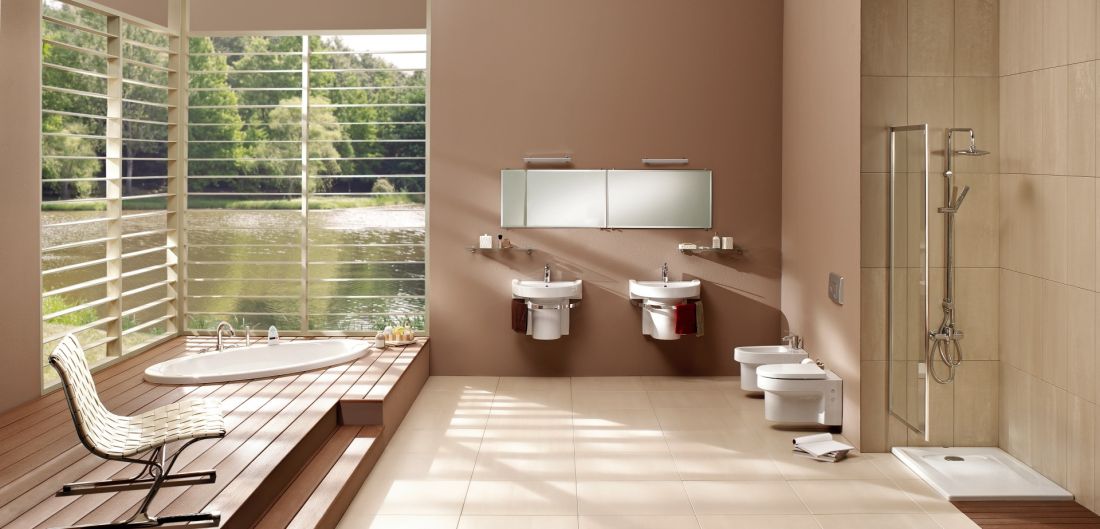
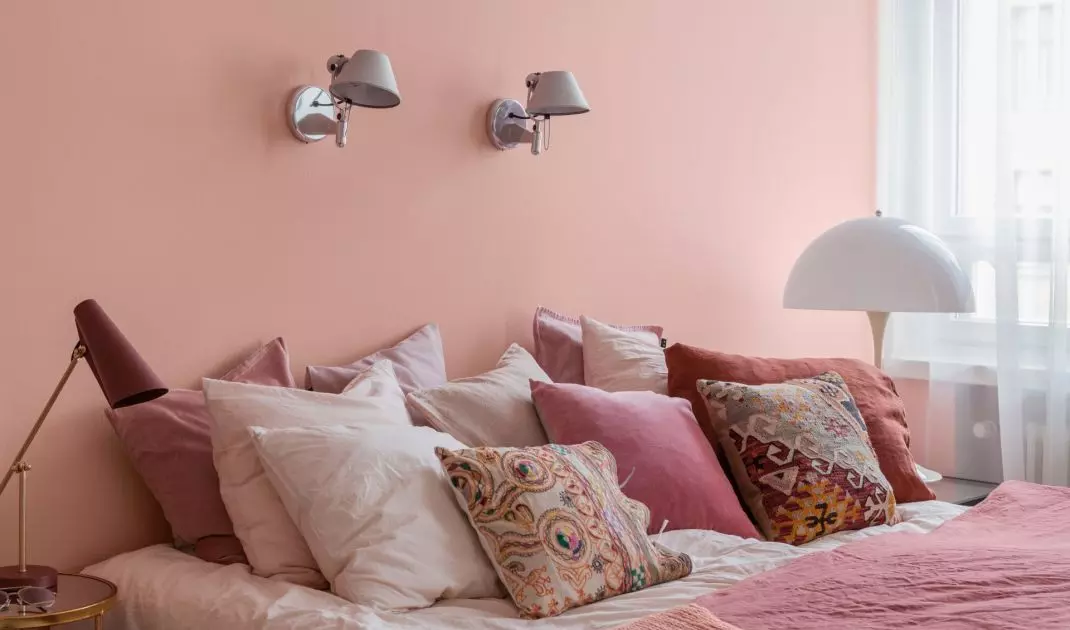
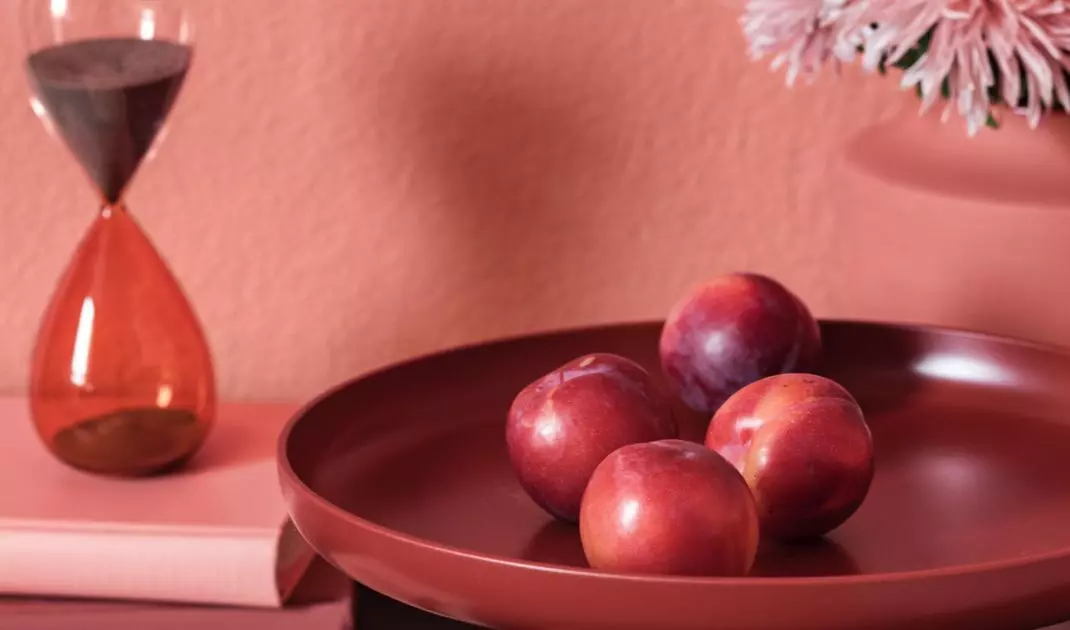
The uniform color optically connects the different planes, eliminating the impression of chaos or tightness
© Beckers Designer
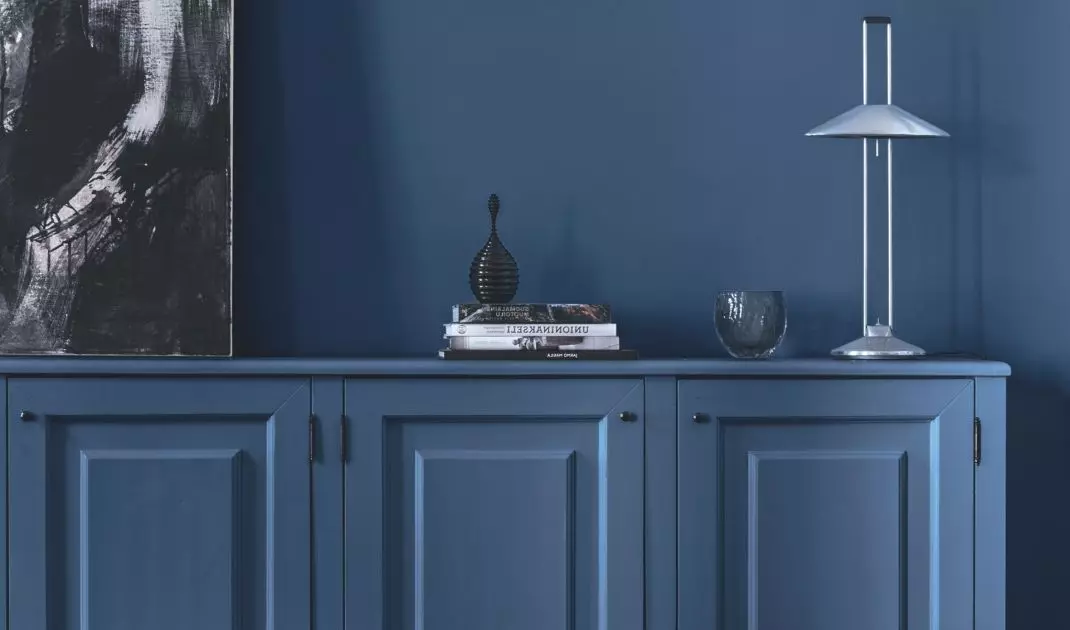
This trend comes from the desire to create spaces that are at once cozy, cohesive and expressive. Instead of contrasts or accents, color drenching focuses on harmony and depth. Imagine a bedroom where the walls, ceiling, bed frame and even the curtains are the same shade of deep navy blue. The effect? Engaging, almost theatrical, but surprisingly elegant.
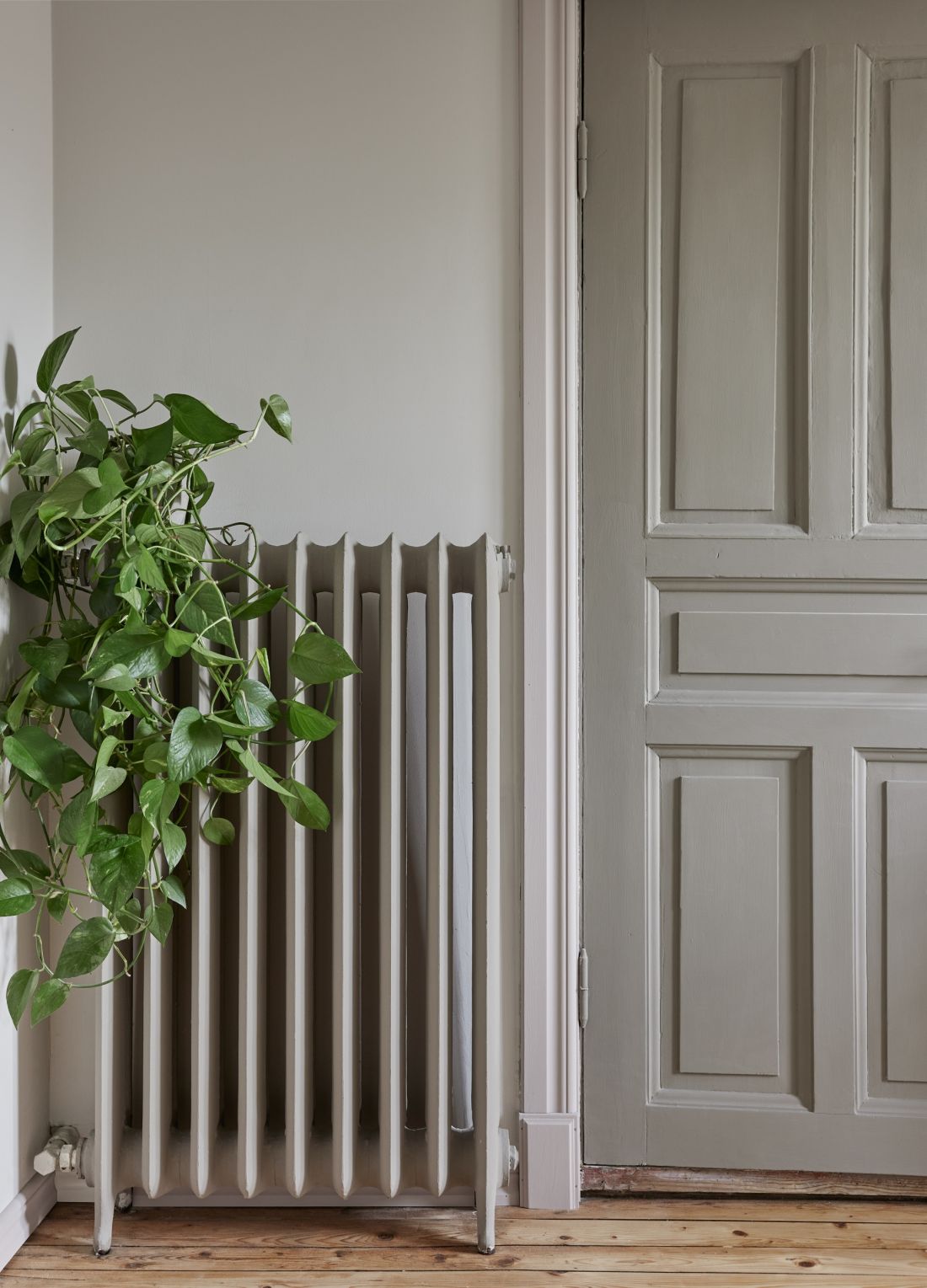
This Trent departs from minimalist whites and grays
© Beckers Designer Collection
Why is color drenching gaining popularity?
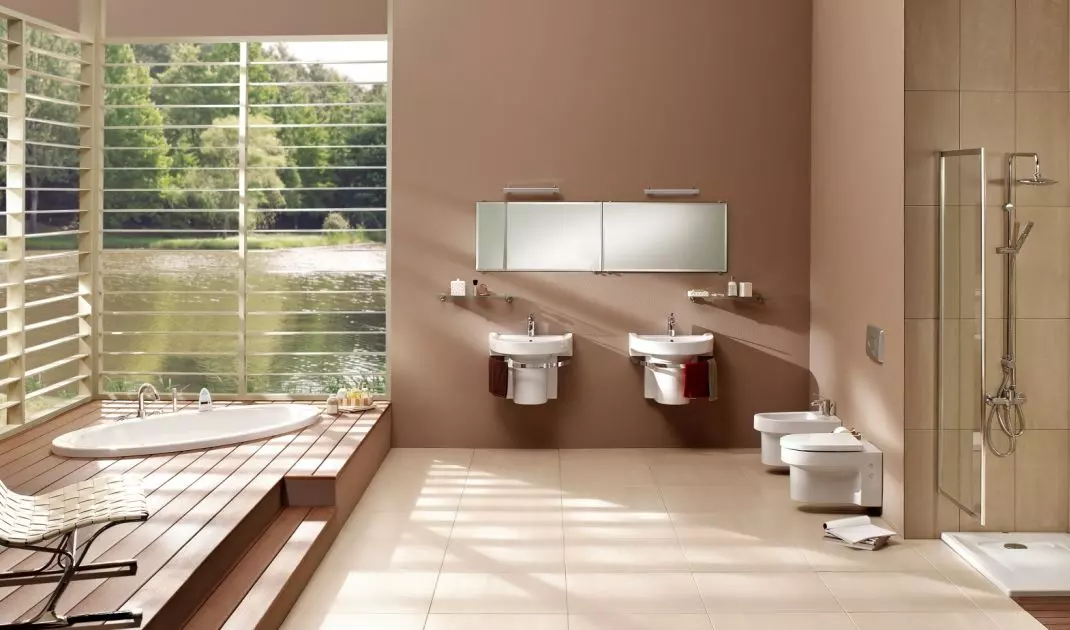
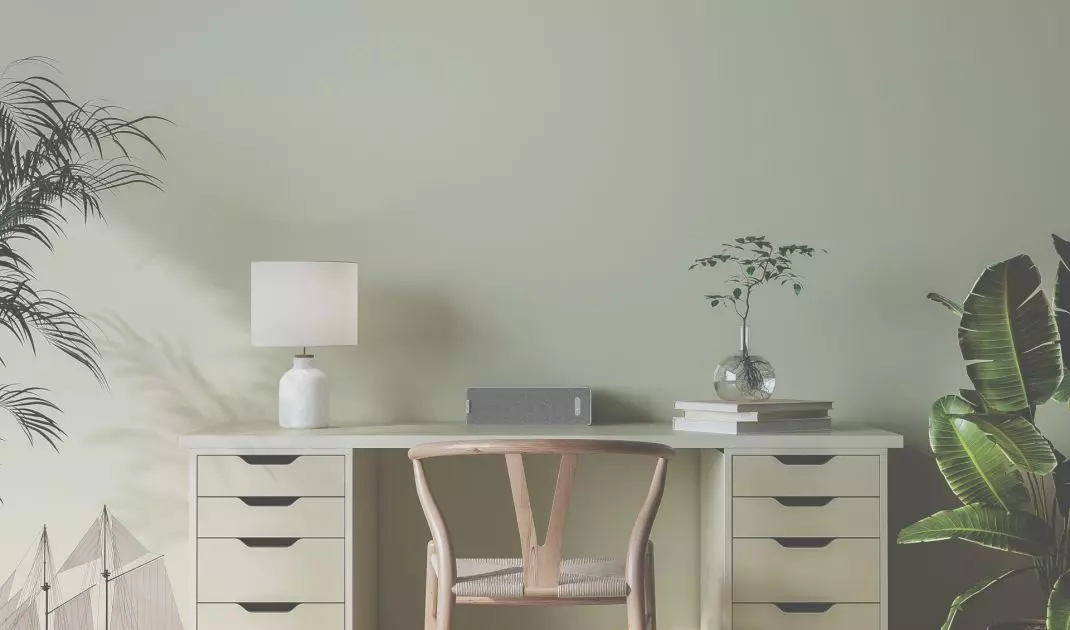
Contemporary interiors often suffer from an excess of neutrals. White, beige or gray dominate many homes, making spaces predictable and devoid of personality. Color draining is the answer to this monotony. It's a technique for those who aren't afraid to experiment and want their home to reflect their character. In addition, color drenching works well in smaller spaces. A uniform color visually unites different planes, eliminating the impression of chaos or cramped space. As a result, even a small room can appear more spacious and orderly. It's also a way to stand out - in the age of Instagram and Pinterest, where everyone looks for inspiration, interiors "drenched in color" attract attention and are memorable.
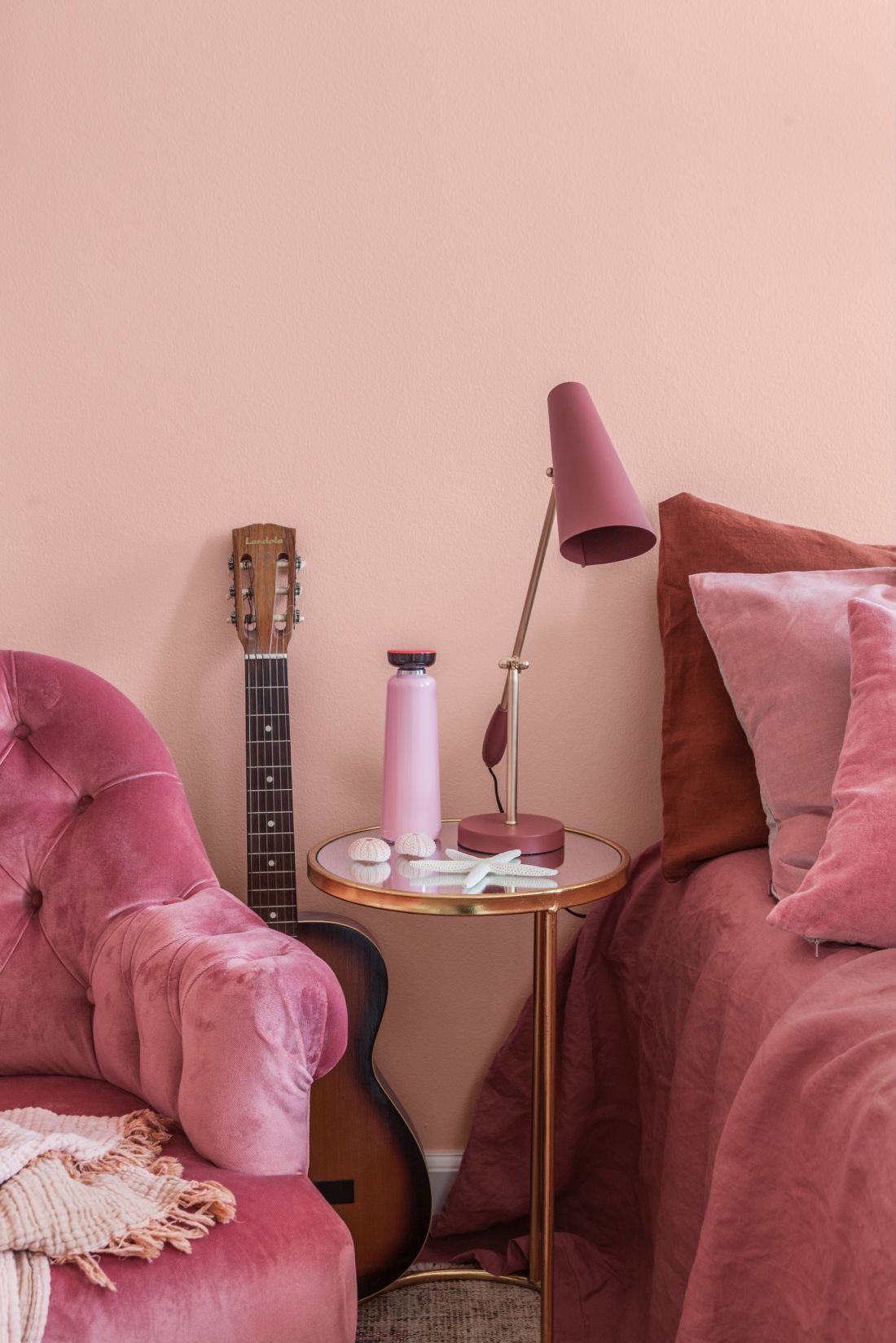
Color drenching can make even a small room seem more spacious and orderly
© Tikkurila
How to introduce color drenching into your home?
Before you grab your paintbrush, it's a good idea to plan your actions. Here's a step-by-step guide on how to successfully introduce color drenching to your interior:
Choose a base color
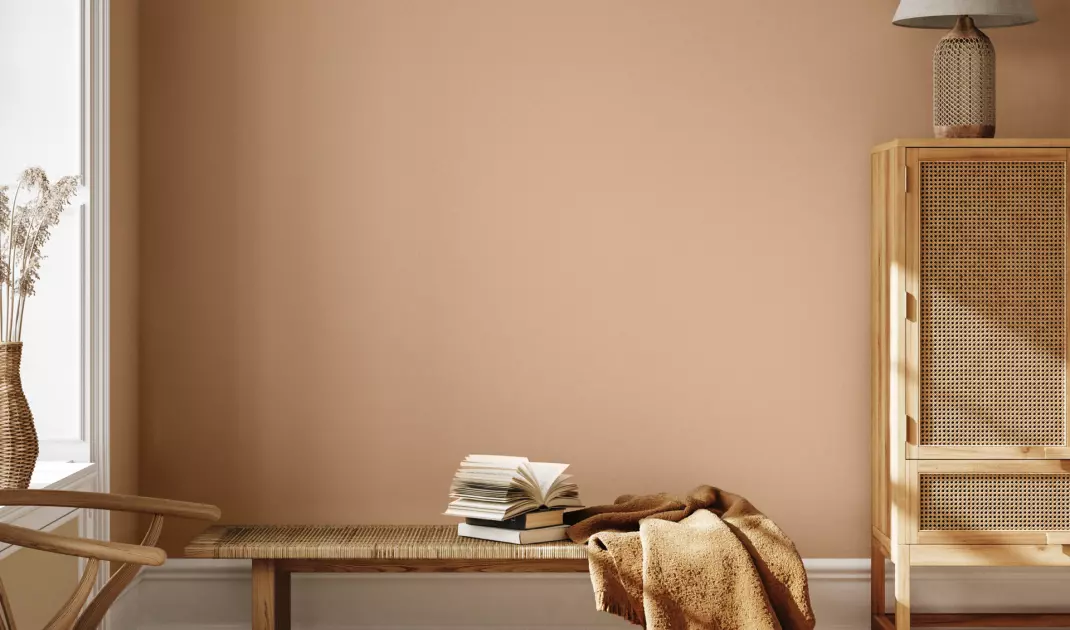
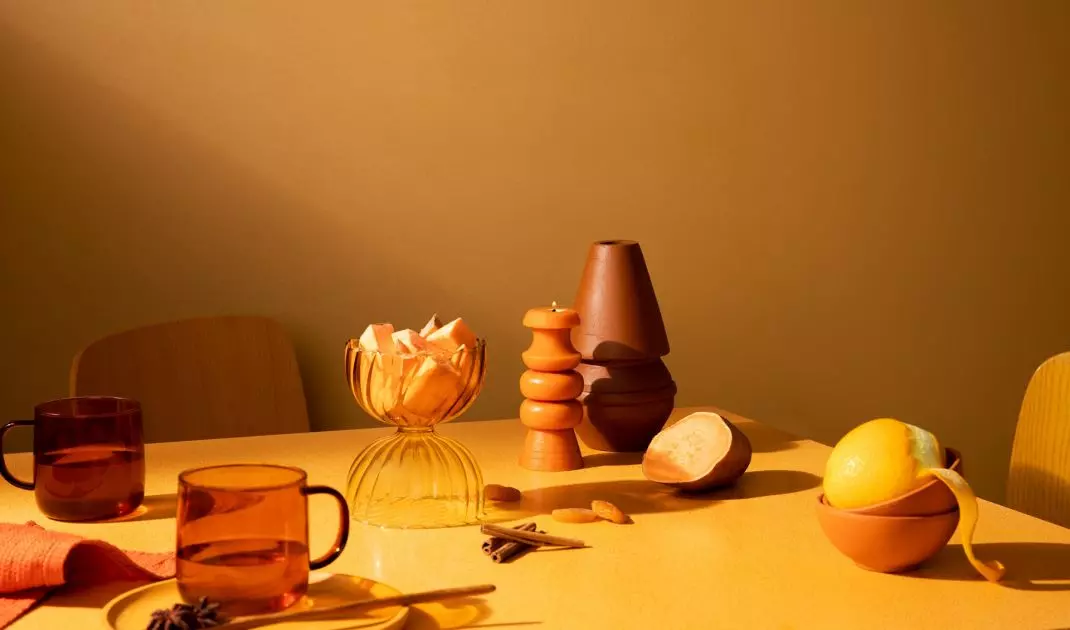
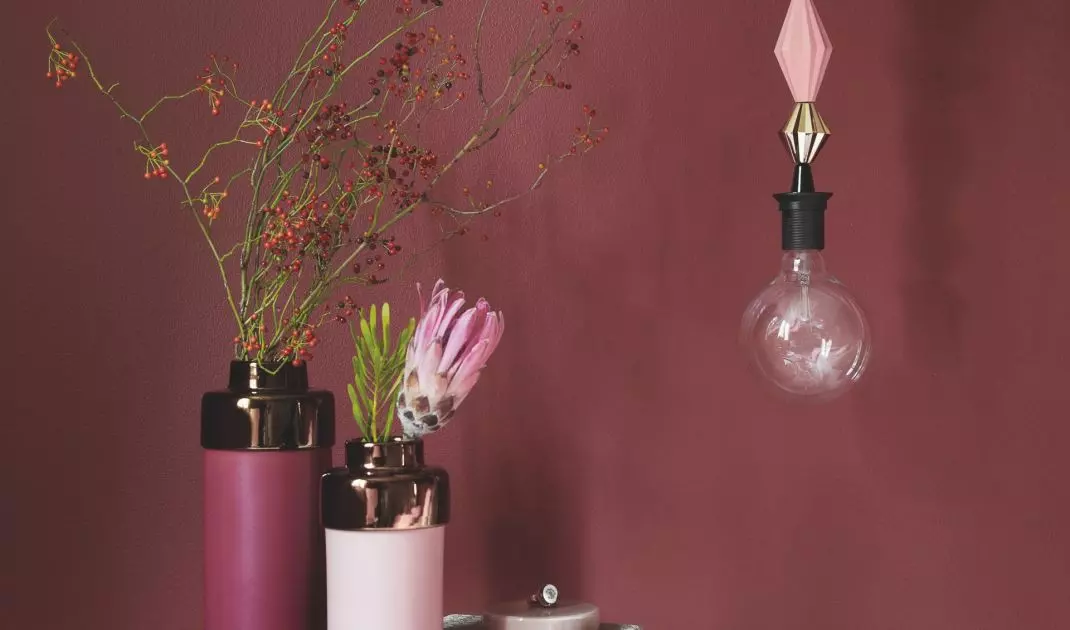
The key to success lies in a well-chosen shade. Think about the mood you want to create. Deep greens and navy blues have a calming effect, ideal for a bedroom or living room. Warm shades of terracotta or mustard add energy and would work well in a dining room. Pastel pinks and sage greens are also fashionable - subtle, but still expressive. Remember to make sure that the color matches the lighting of the room - in darker rooms it is better to avoid too intense colors that can overwhelm.
Decide on the range
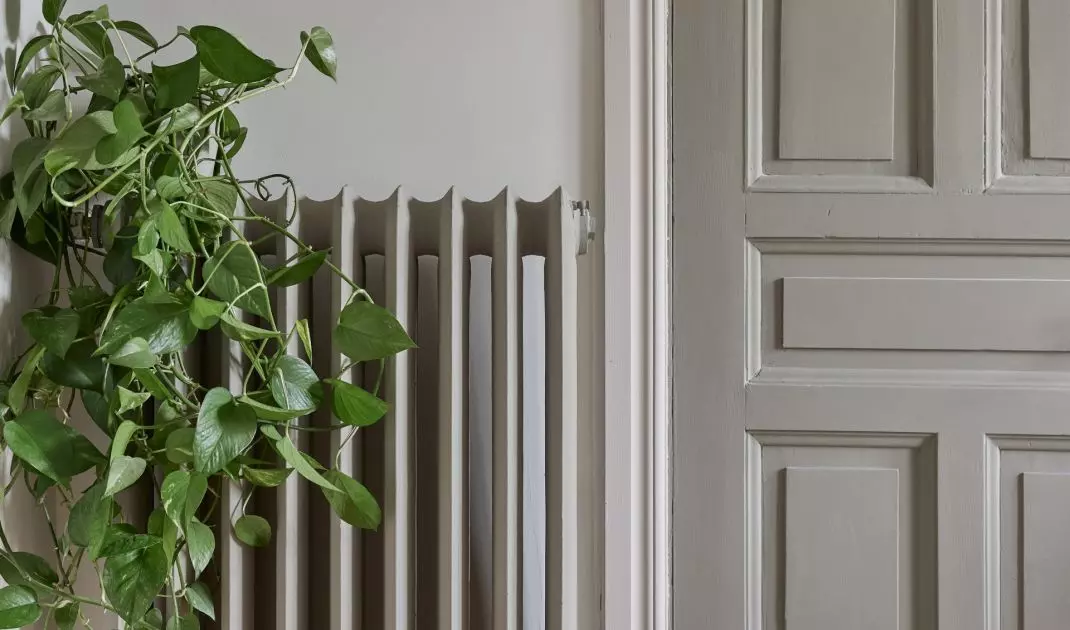
Color drenching doesn't have to mean painting everything. You can start with the walls and ceiling, gradually adding elements such as doors, baseboards or furniture. In its full version, the technique even includes accessories - pillows, lamps or carpets in the same hue. It is important to maintain consistency.
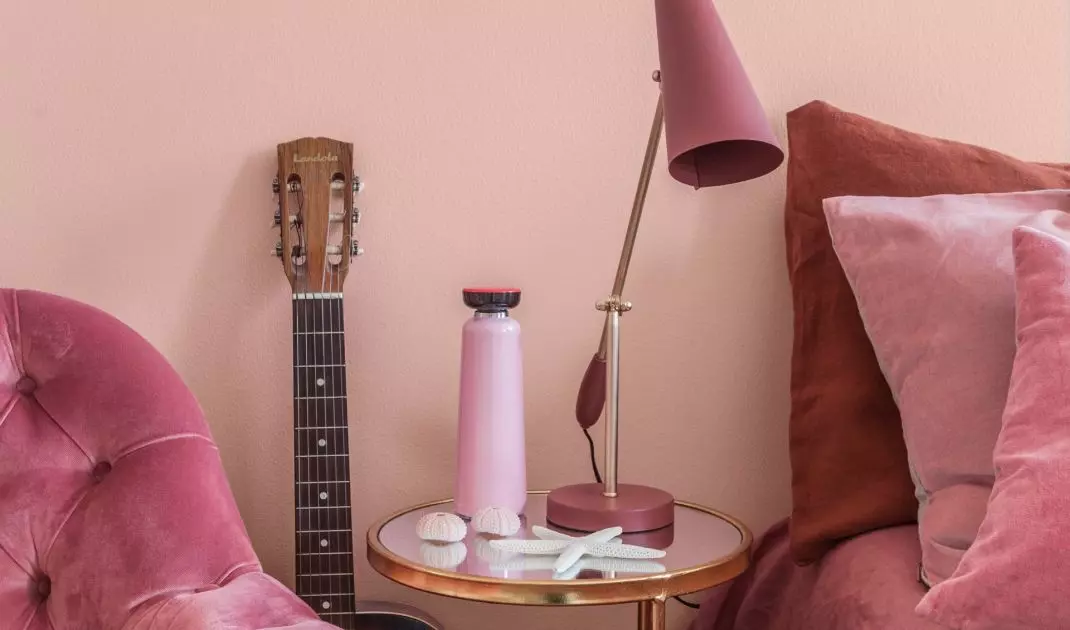
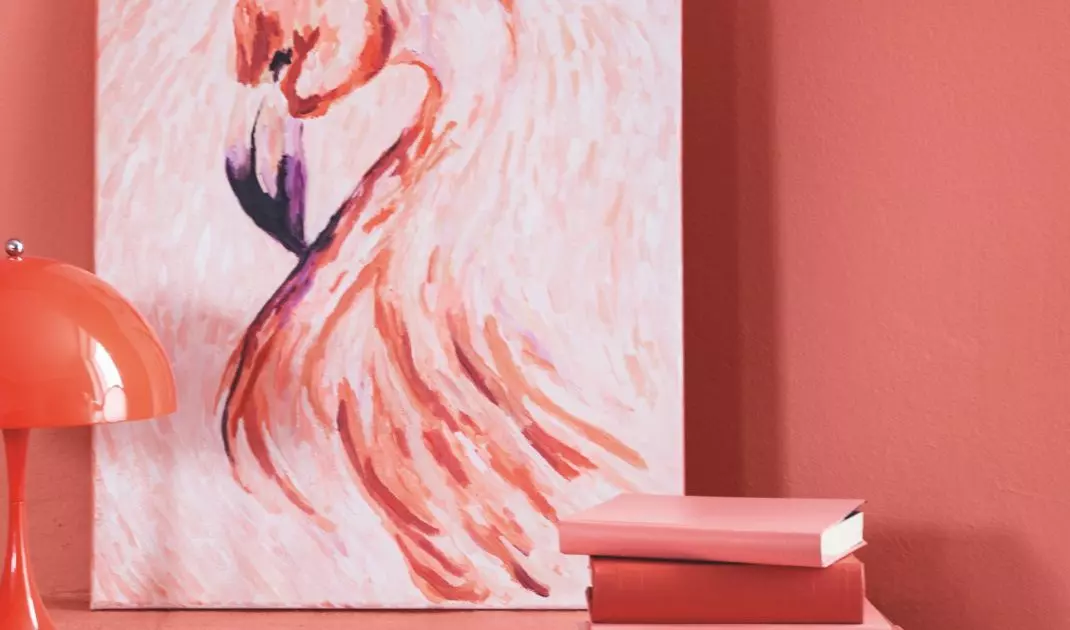
In the full version, the technique even includes accessories - pillows, lamps or carpets in the same tones
© Tikkurila
Experiment with shades
If one color seems too monotonous to you, use different tones of it. For example: a light blue on the ceiling, a medium one on the walls, and a darker one on the furniture. Such a gradient will add depth to the interior, but will not ruin the harmony.
Pay attention to the finish
Matte paints will emphasize elegance and depth of color, while glossy finishes will add modernity and reflect light. The choice depends on the style you want to achieve.
Choose the right accessories
In color drenching , less is more. Instead of introducing contrasting elements, go for textures - velour pillows, wooden accents or metal details in the same shade as the base.
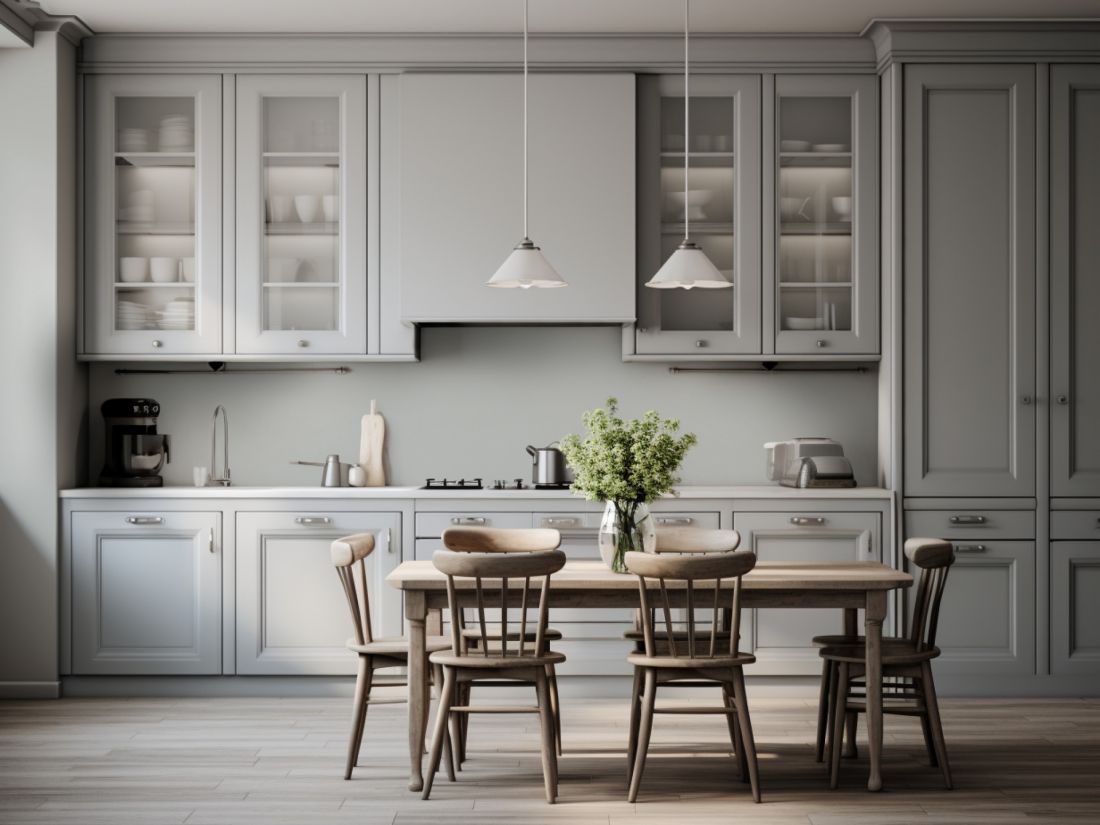
Color drenching doesn't have to mean painting everything
© Dekoral Effect
Best colors for color drenching
Not every color will work well with this technique. Here are some suggestions that are popular and give great results:
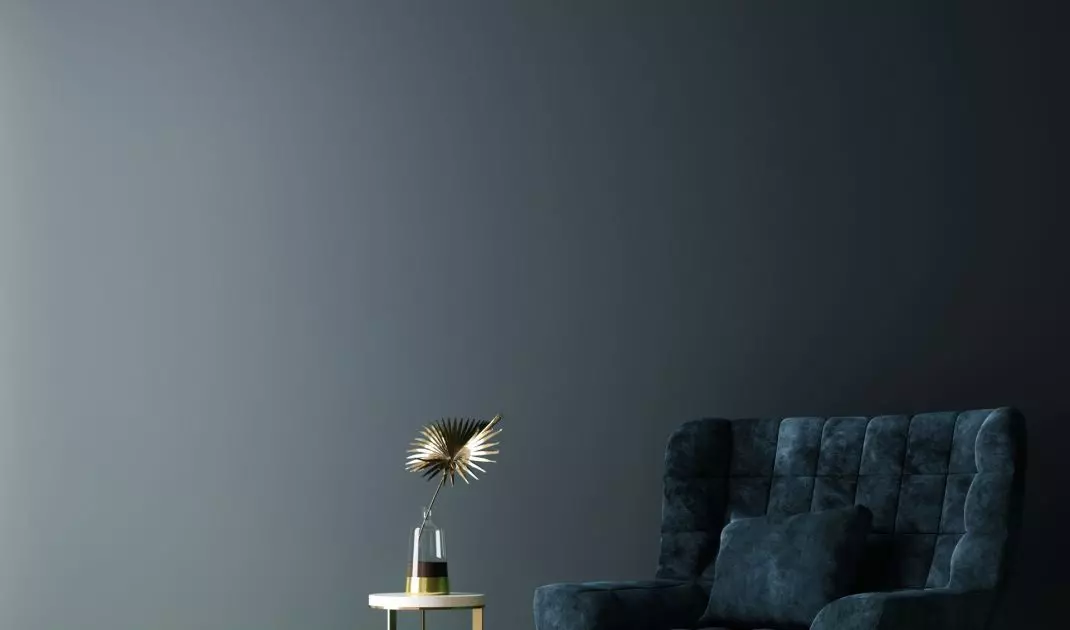
- Deep navy blue - classic, elegant, perfect for a bedroom or study.
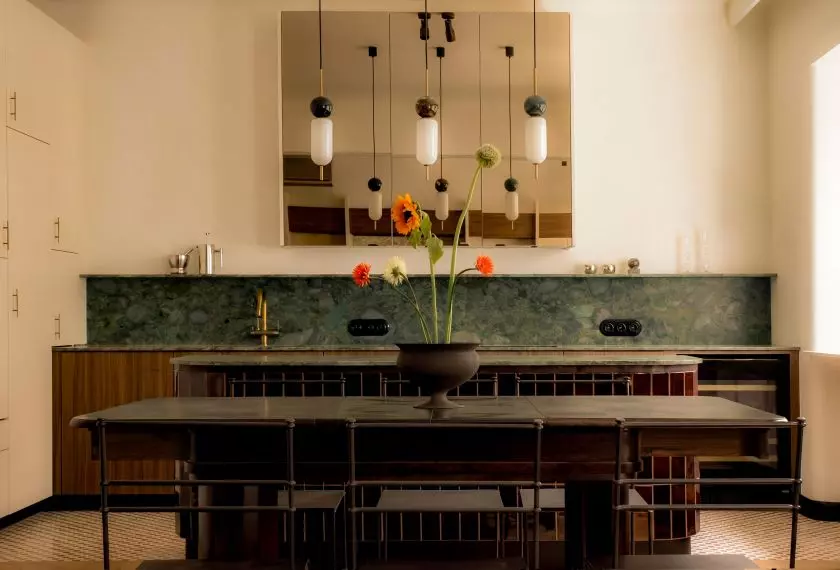
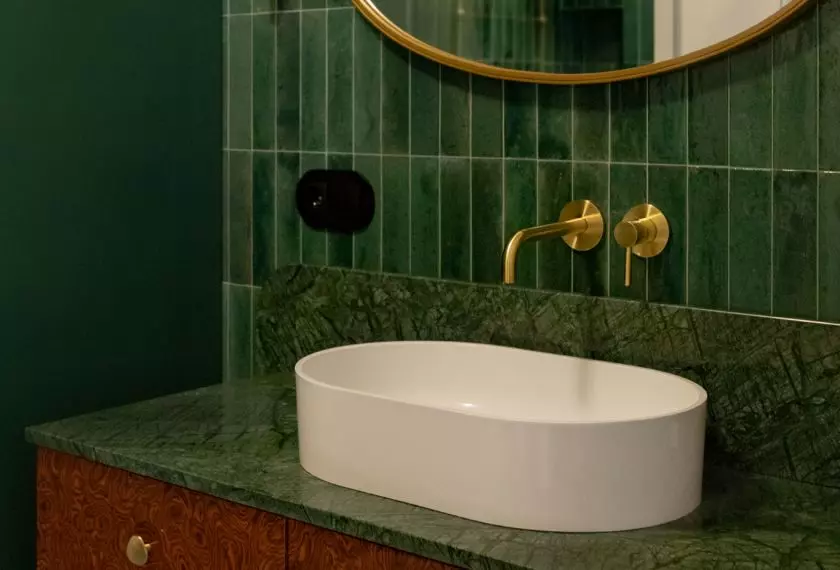
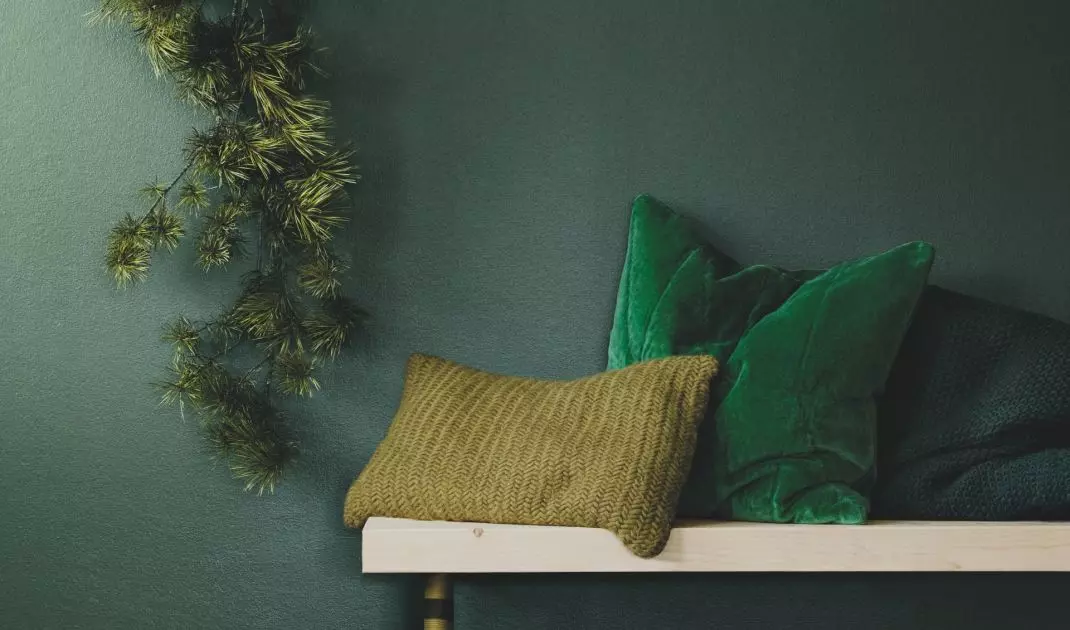
- Bottle green - natural, relaxing, suitable for the living room and bathroom.
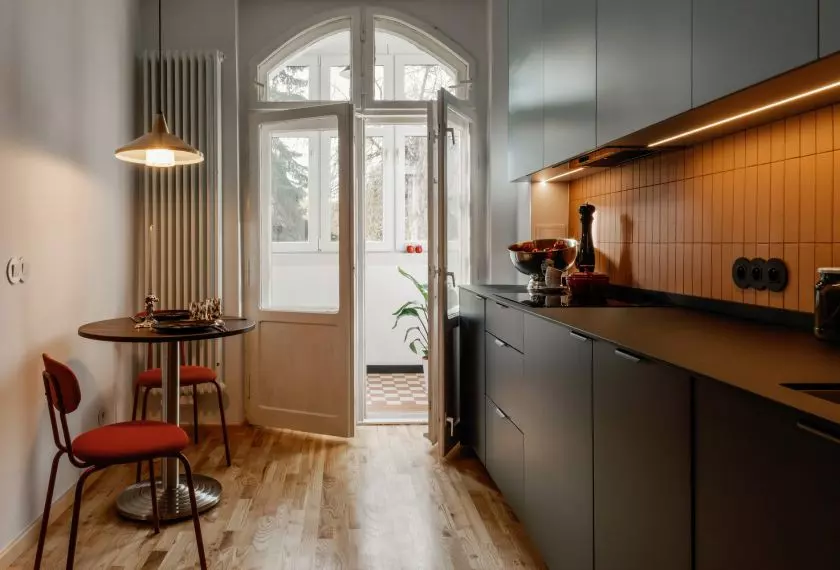
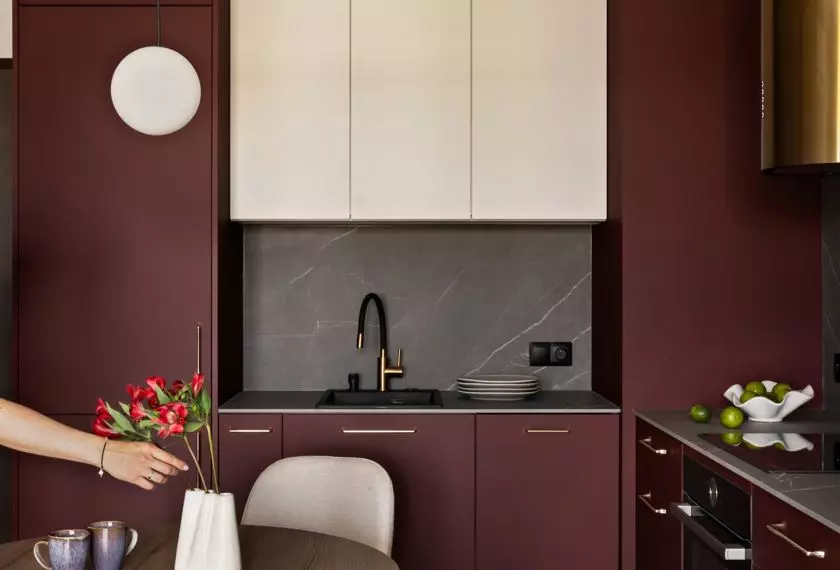
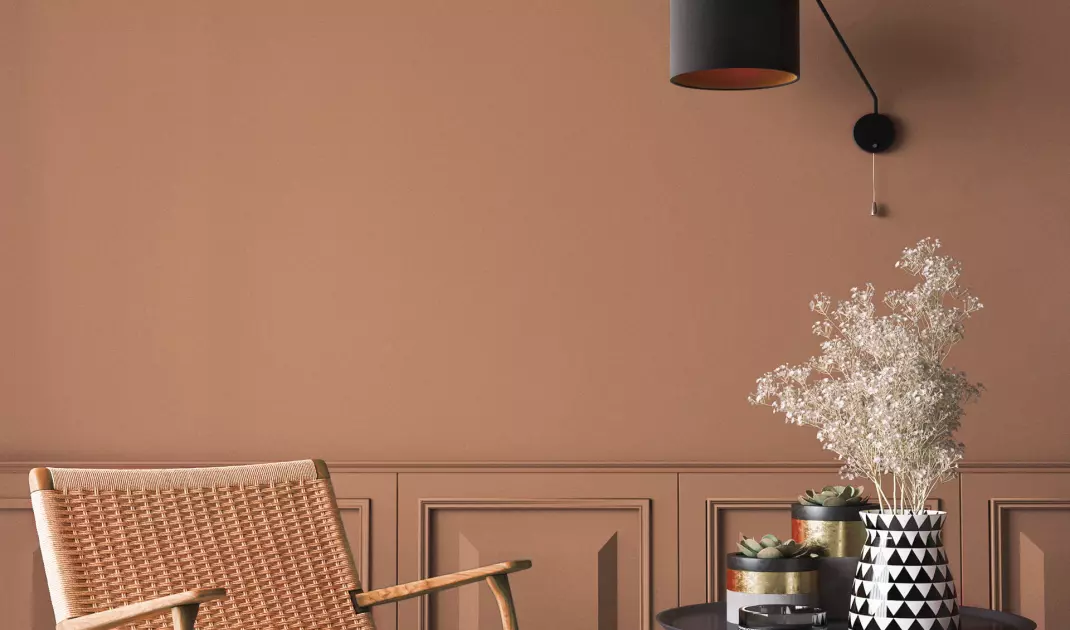
- Terracotta - warm, cozy, perfect for a dining room or kitchen.
- Mustard yellow - bold but sophisticated, will enliven any space.
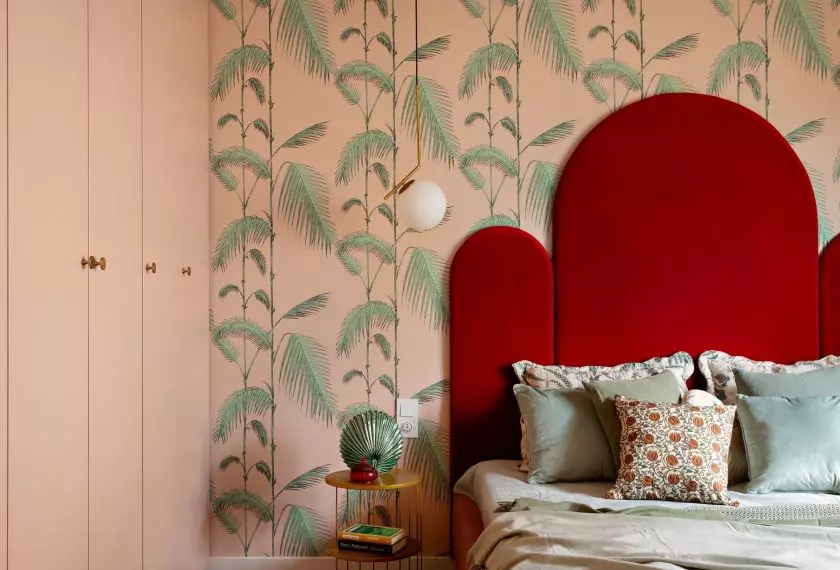
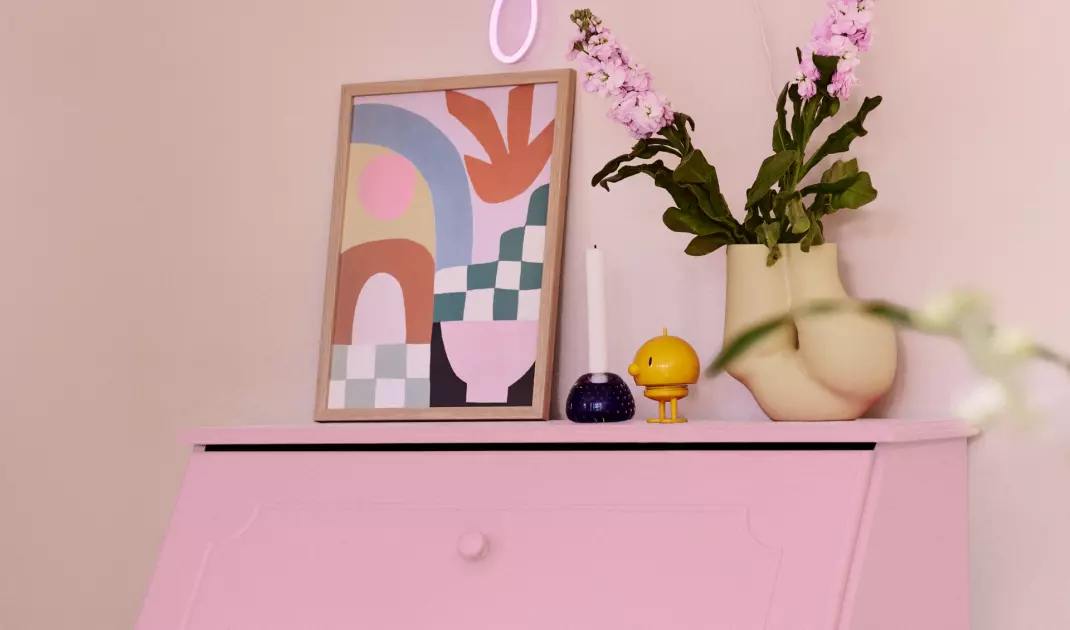
- Millennial pink - subtle, modern, great for small spaces.
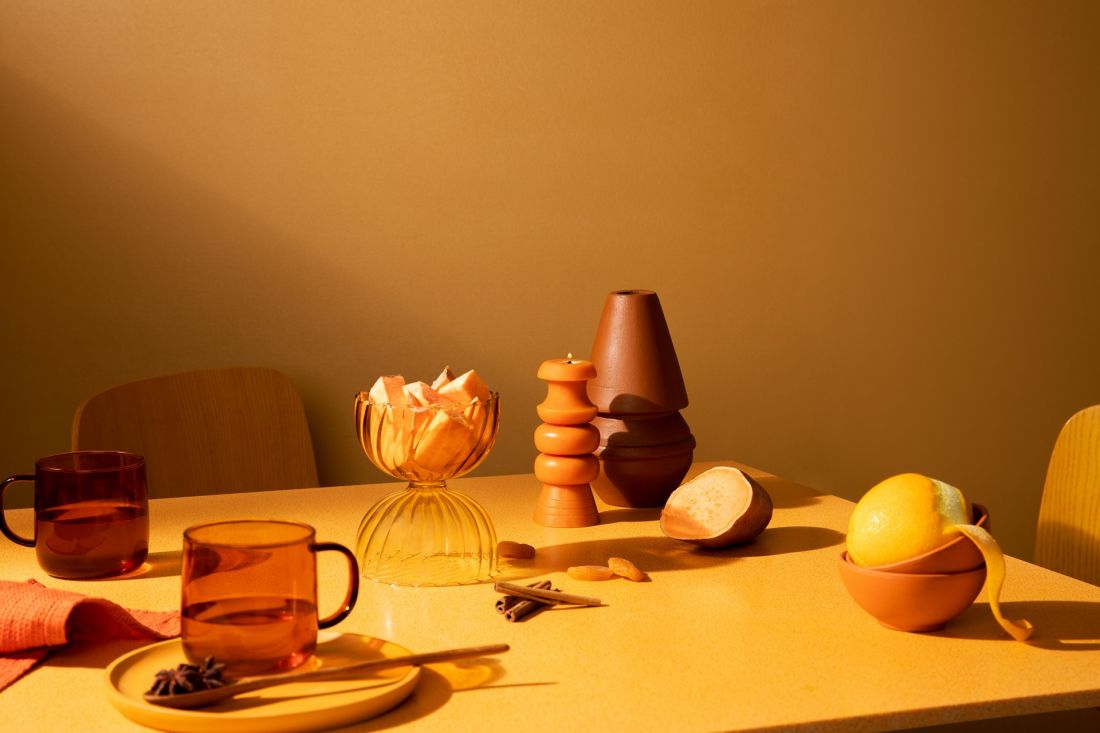
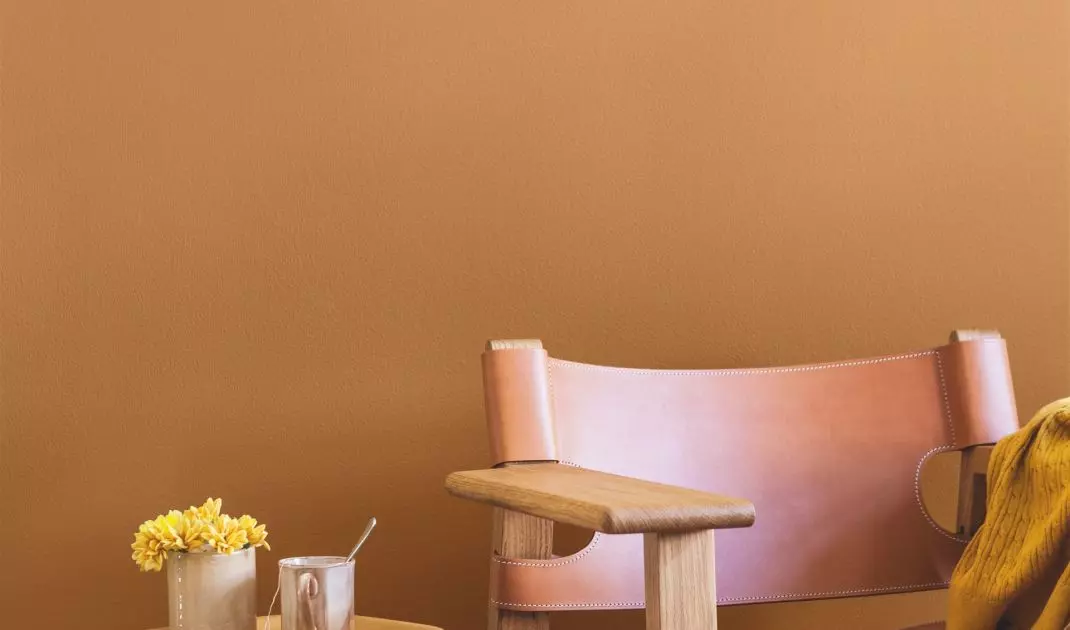
Mustard yellow - bold but sophisticated, will enliven any space
© Tikkurila
Color drenching in practice - inspiration
Bedroom in shades of sage green
Walls, ceiling and bedding in soft green create an oasis of calm. Add wooden furniture in a natural finish and linen curtains in the same color - the effect is minimalist, but warm.
Living room in navy blue
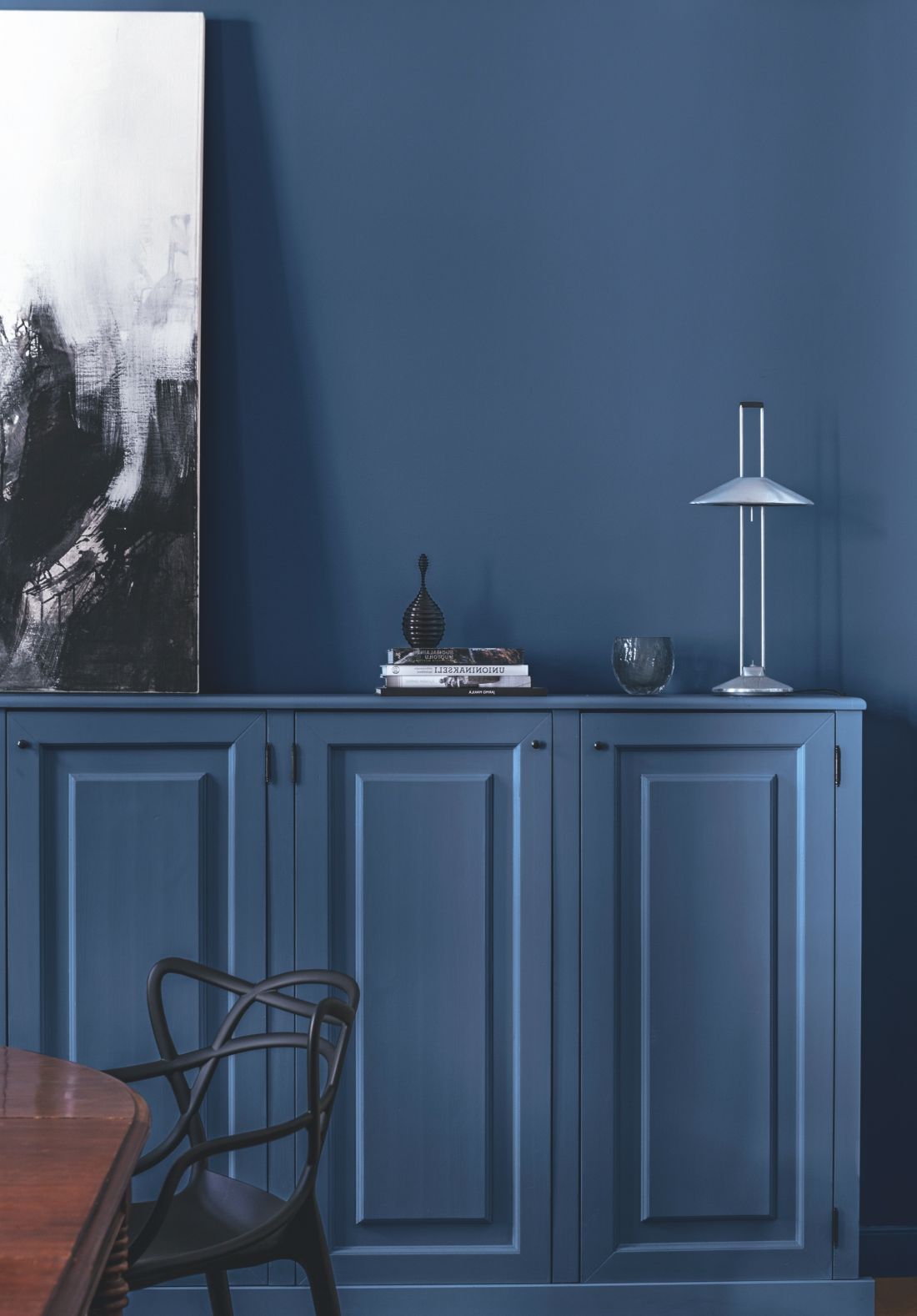
Deep navy blue on the walls, sofa and curtains, broken by gold accents (such as a lamp or mirror frame). This is an interior that exudes luxury and confidence.
Kitchen in terracotta
Paint the cabinets, walls and ceiling a warm shade of terracotta. Add ceramic accessories and plants - the kitchen becomes the heart of the house.
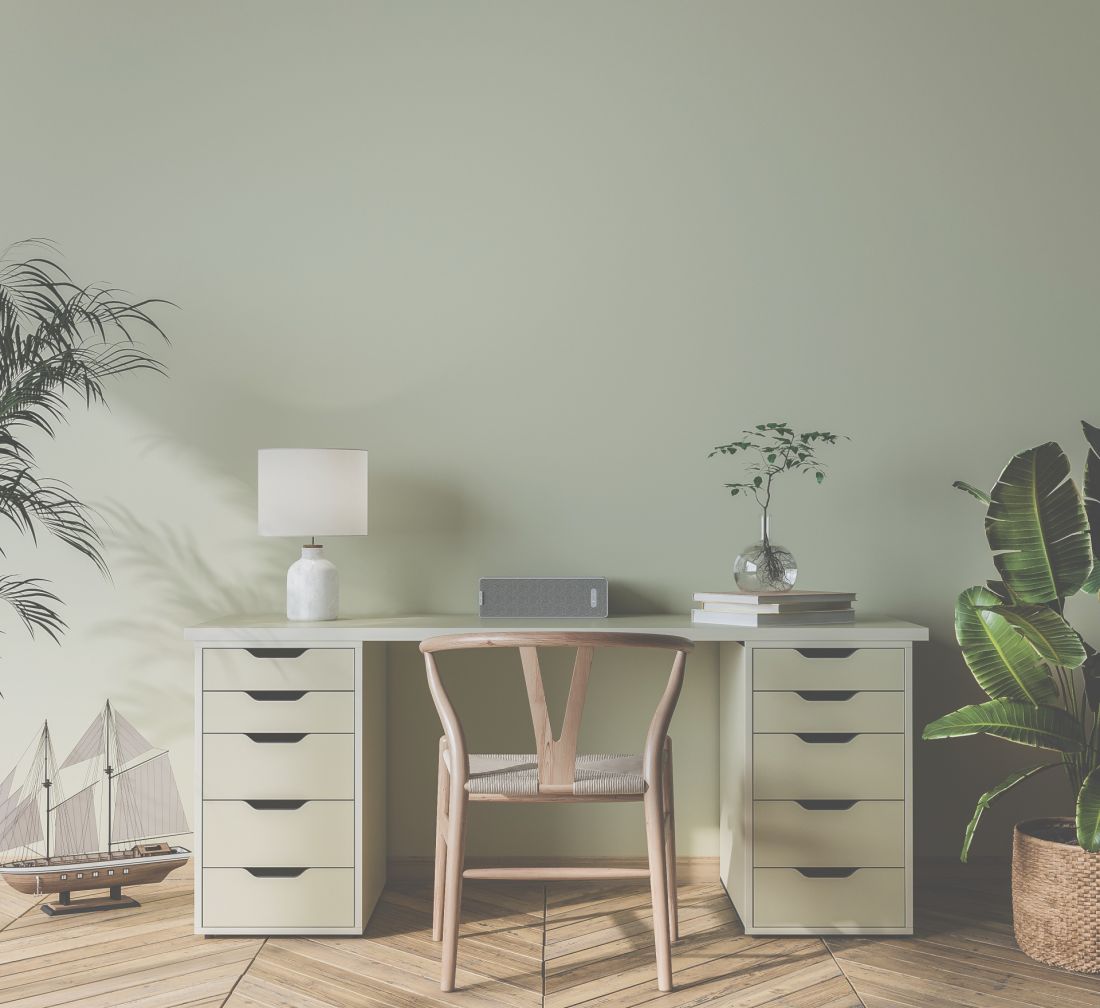
An interior in shades of soft green creates an oasis of tranquility
© Tikkurila
How to avoid mistakes?
Color draining is a technique that requires moderation and sensitivity. Here are the most common pitfalls and how to avoid them:
- Too dark a color in a small room - if space is limited, choose lighter shades or limit color drenching to one wall and ceiling.
- Lack of texture - a uniform color without a variety of materials can make the interior feel flat. Add rugs, pillows or curtains.
- Chaos in accessories - avoid contrasting colors that can disrupt harmony.
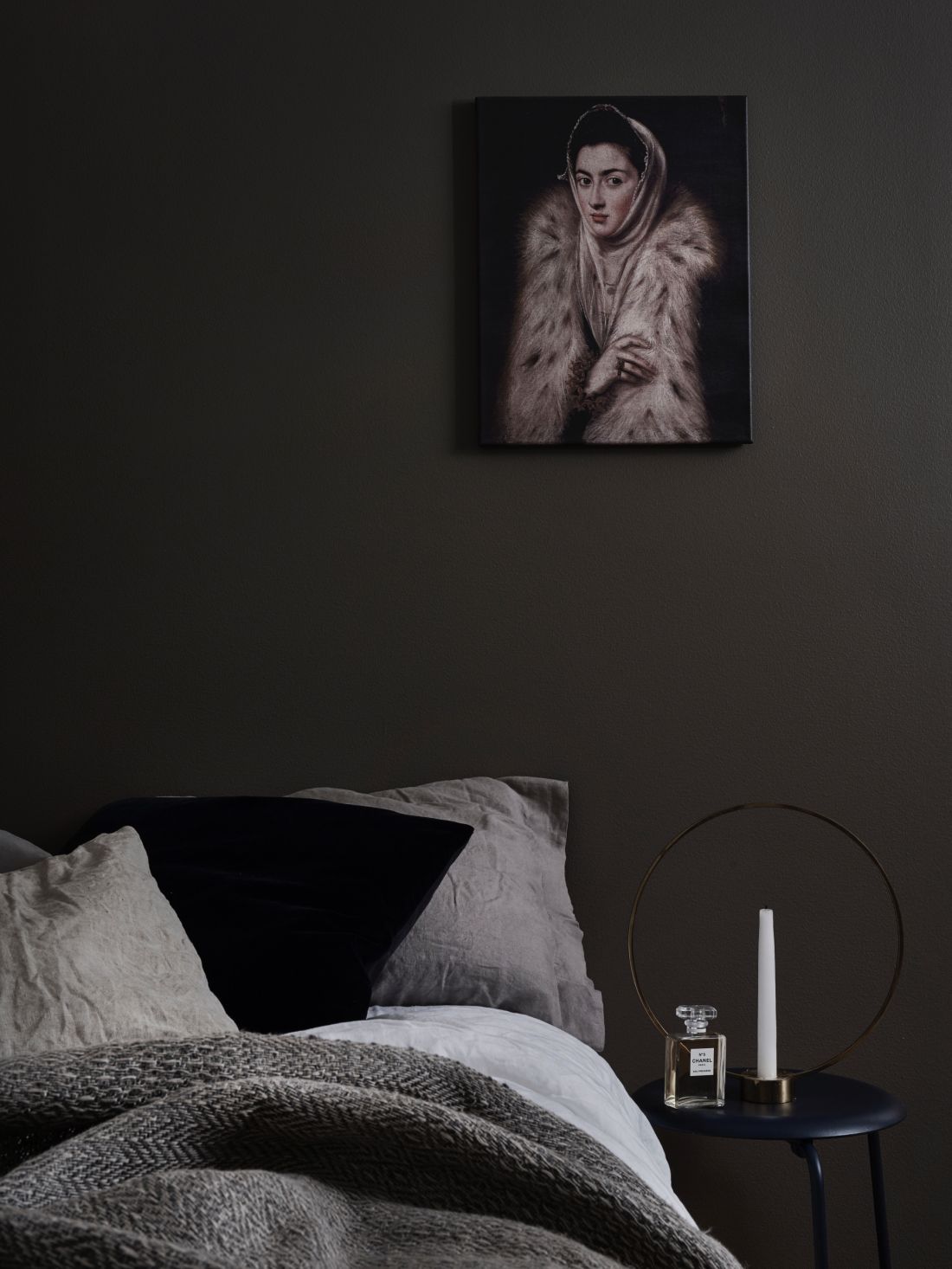
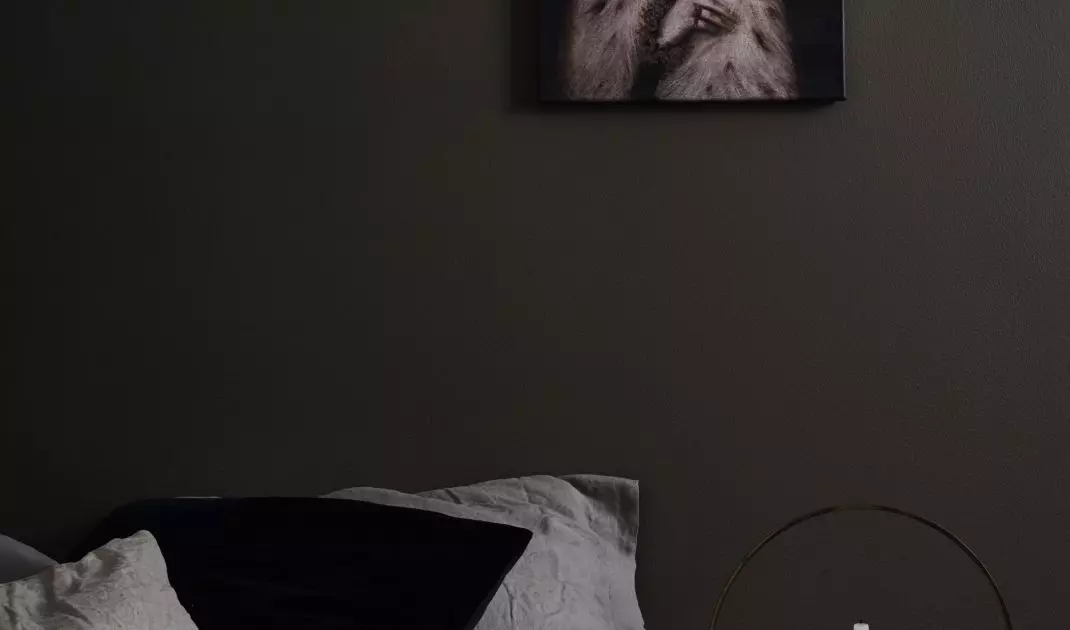
A bedroom in dark shades exudes luxury
© Tikkurila
Color draining is more than a fad - it's a design philosophy that allows you to express yourself through your space. Whether you choose a muted green, a bold navy blue or a warm terra cotta, this technique gives you the chance to create an interior that is at once cohesive, modern and unique. Get inspired, experiment and let color dominate your home - the results may surprise you!