





Yuyarina Pacha Community Library,
design: Al Borde
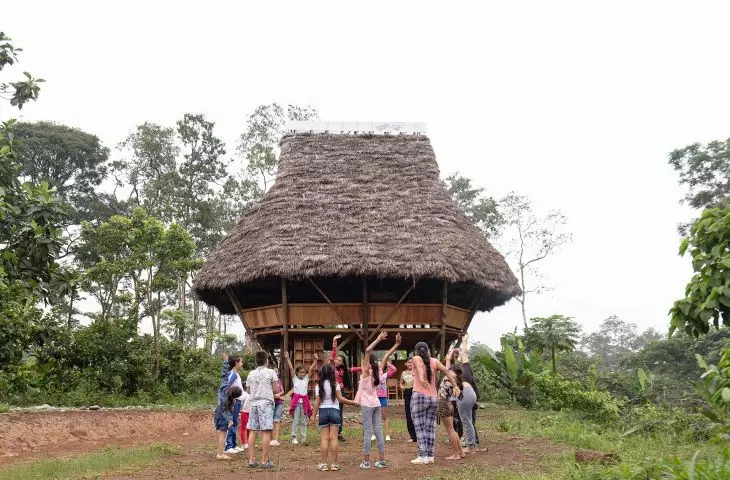
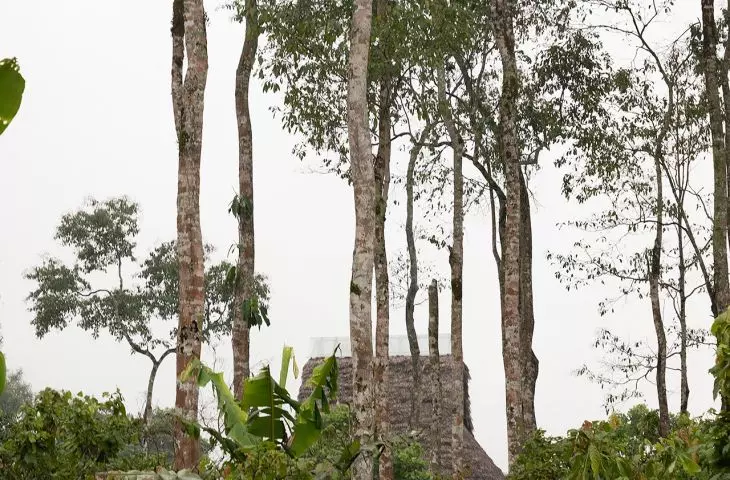
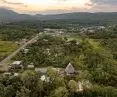
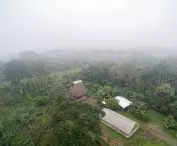
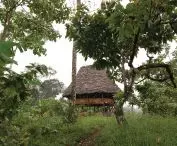
The Yuyarina Pacha Community Library was established in Huaticocha, in the Ecuadorian Amazon, as a place for learning, play, and socializing for local children. The studio Al Borde designed the library using chonta —a palm tree that has been used in local construction for generations. It is a small project, but it clearly demonstrates how architecture can strengthen a community when it grows out of local knowledge, materials, and everyday needs.
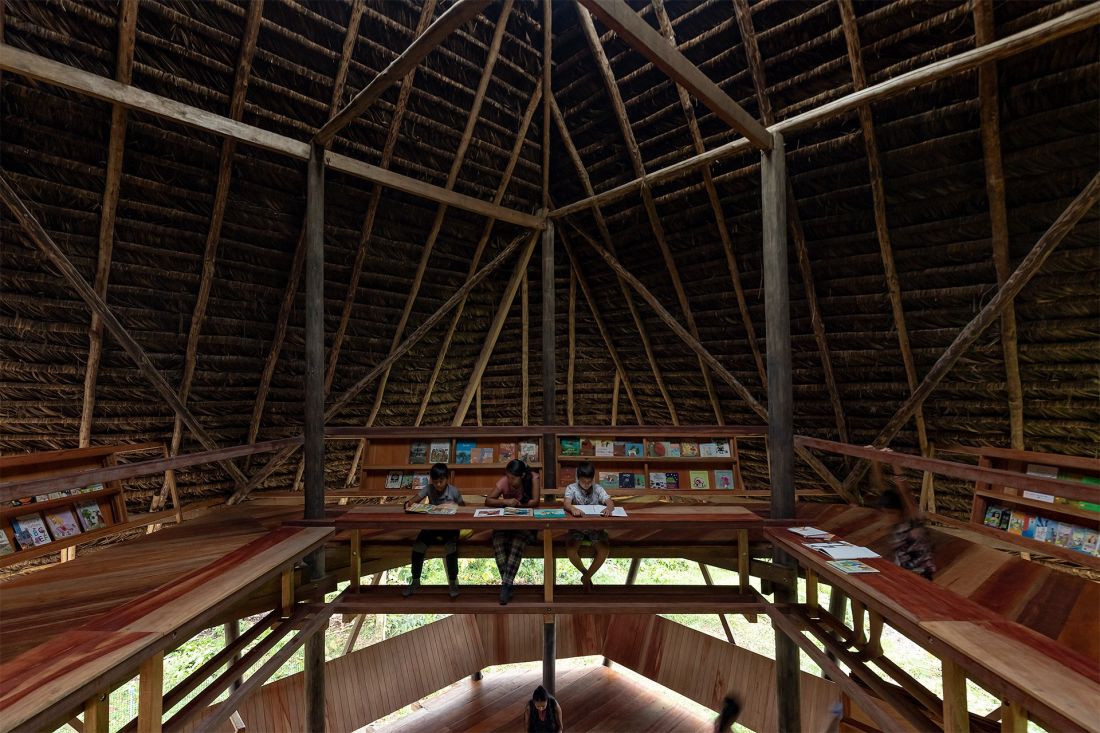
Biblioteca Comunitaria Yuyarina Pacha in Huaticocha — © JAG Studio
a library on the edge of a biosphere reserve
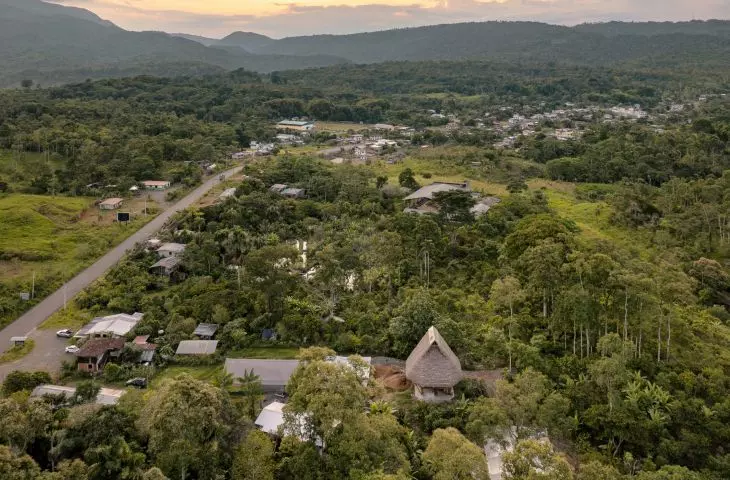
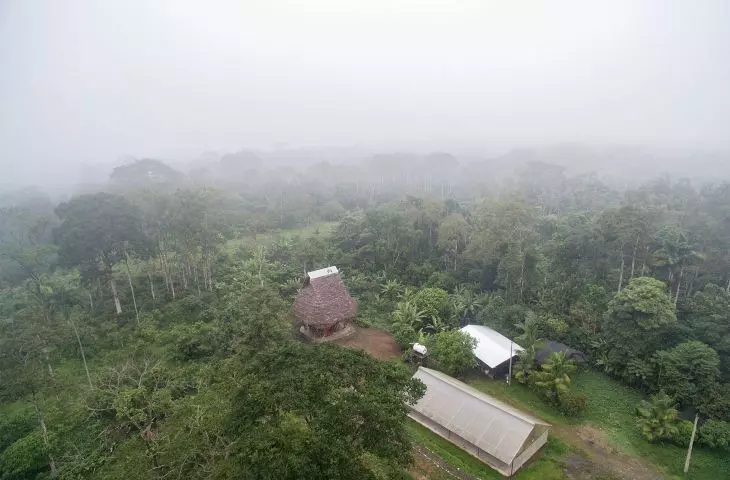
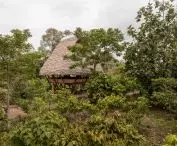
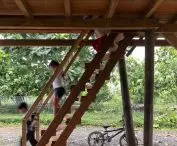
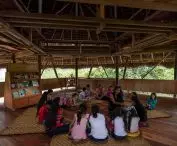
Huaticocha lies within the buffer zone of the Sumaco Biosphere Reserve, in a landscape where the forest, humidity, and local building techniques carry greater weight than catalog standards. The name Yuyarina Pacha comes from the Kichwa language and means “time and space for thinking.” In the case of this library, it is not an abstract slogan but a very concrete description of a place that brings together reading, learning, play, and socializing. The project grew out of an initiative by Laboratorio Creativo Sarawarmi and Witoca—an agricultural organization involved in coffee cultivation in Huaticocha. In 2019, they launched pilot educational classes for local children, held outside the school curriculum. Initially, it was a reading club. Over time, it became a safe space where children could read, create, and spend time together.
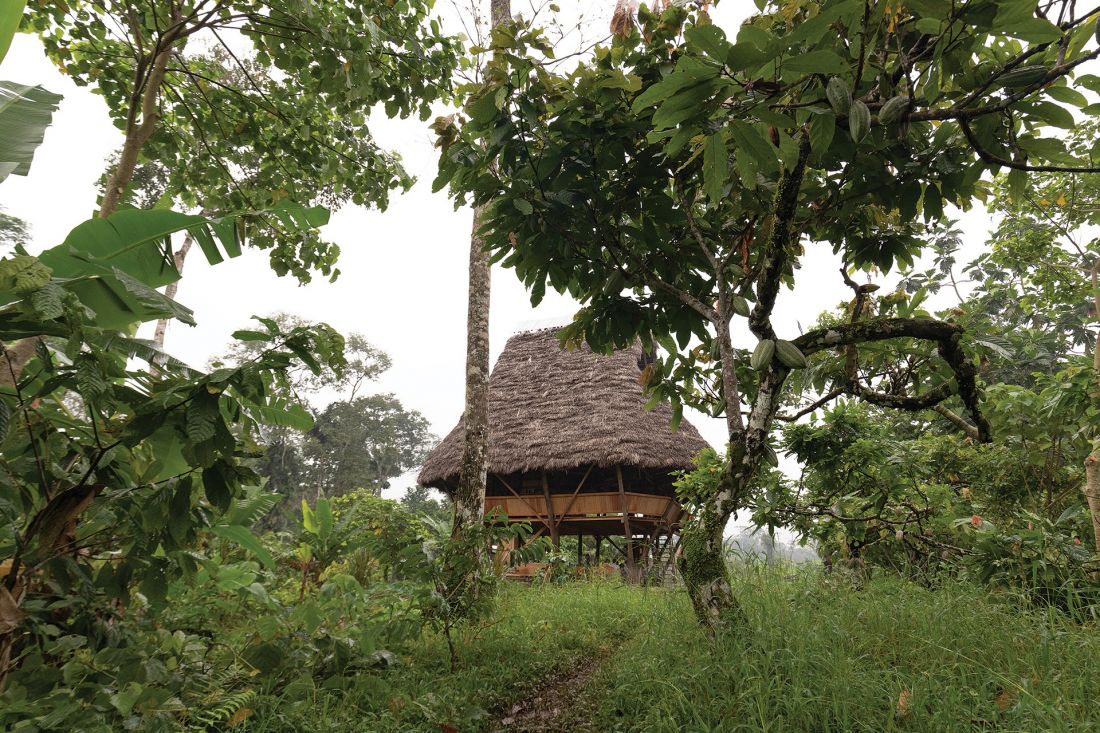
Biblioteca Comunitaria Yuyarina Pacha in Huaticocha — © JAG Studio
From a reading club to a community hub
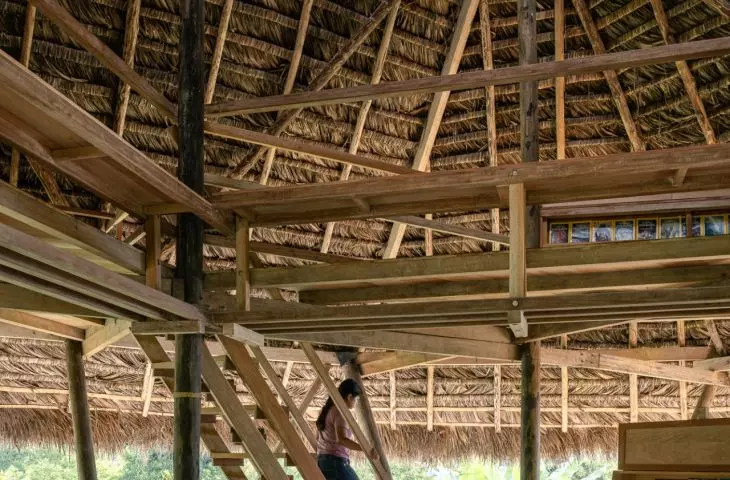
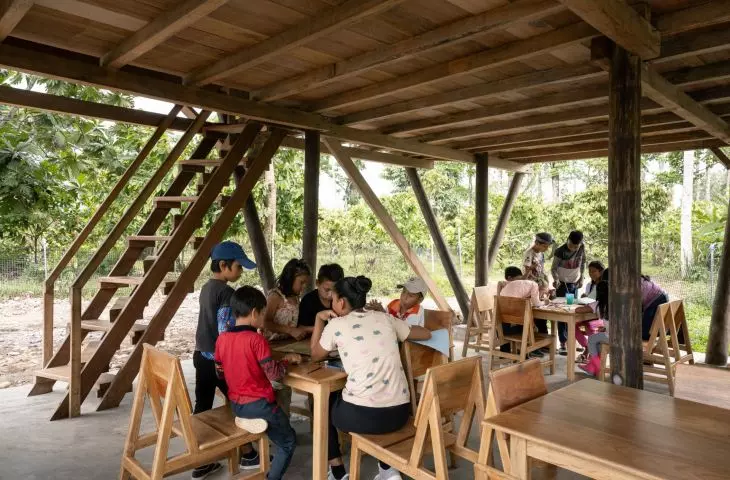
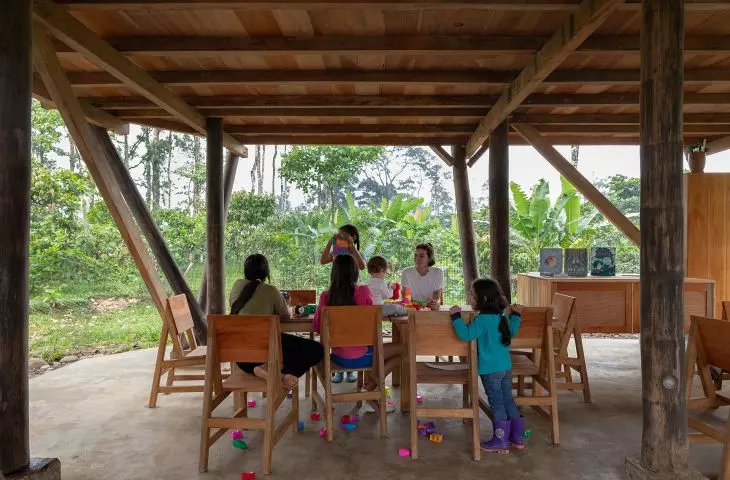
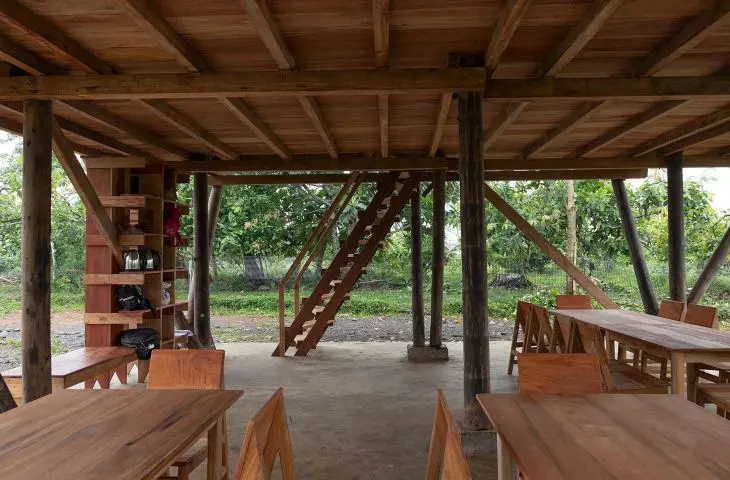
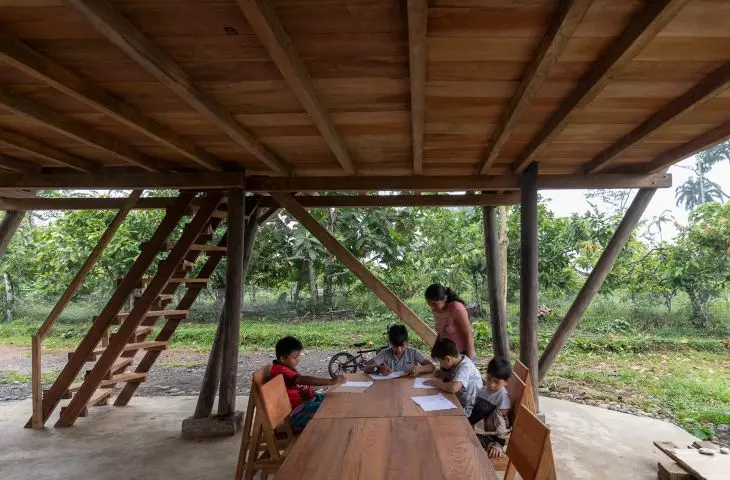
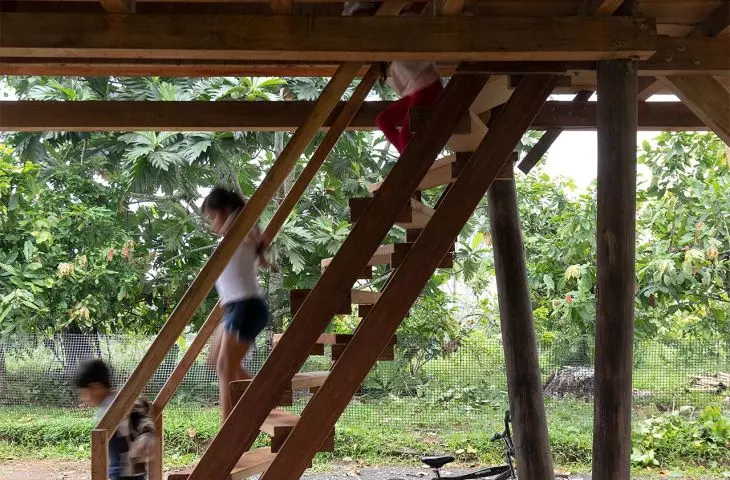
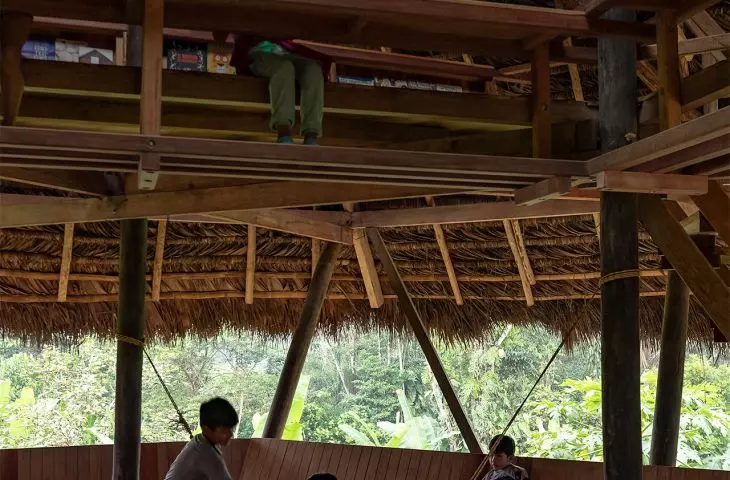
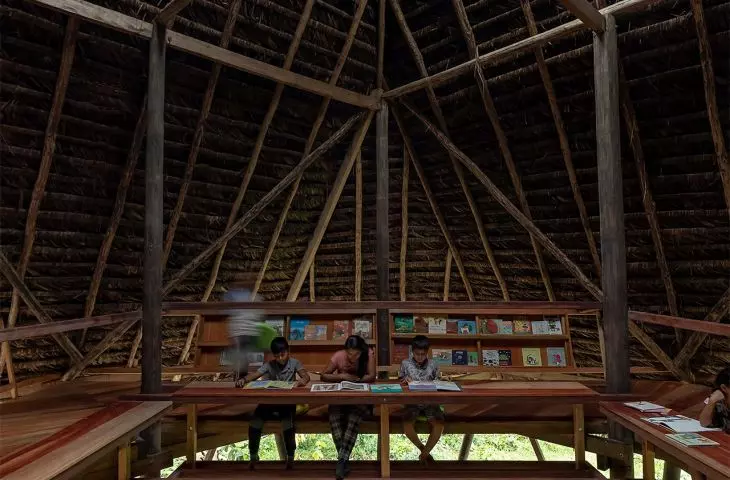
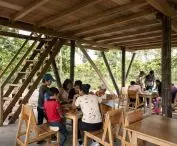
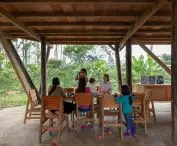
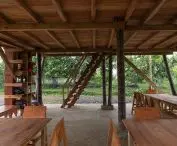
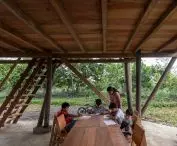
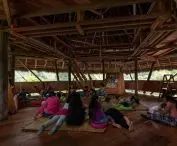
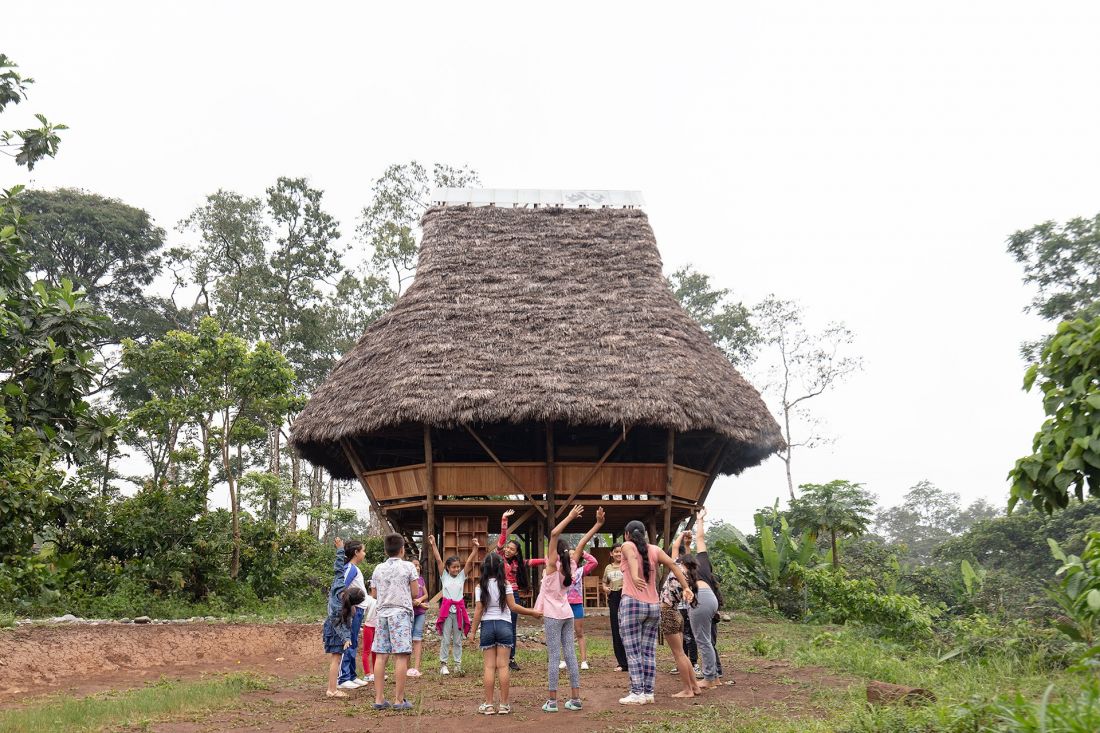
The club’s success quickly made it clear that the existing space was too small. What was needed was not only a full-fledged library but also a space that the entire community had been lacking—a place for workshops, meetings, events, and spontaneous gatherings. Al Borde responded to these needs with a simple, three-story structure. The ground floor remains open and adapted for activities that require greater freedom: artistic and scientific workshops, as well as work involving water, food, or art supplies. It is also a space where the organization can hold meetings, classes, and less formal activities.
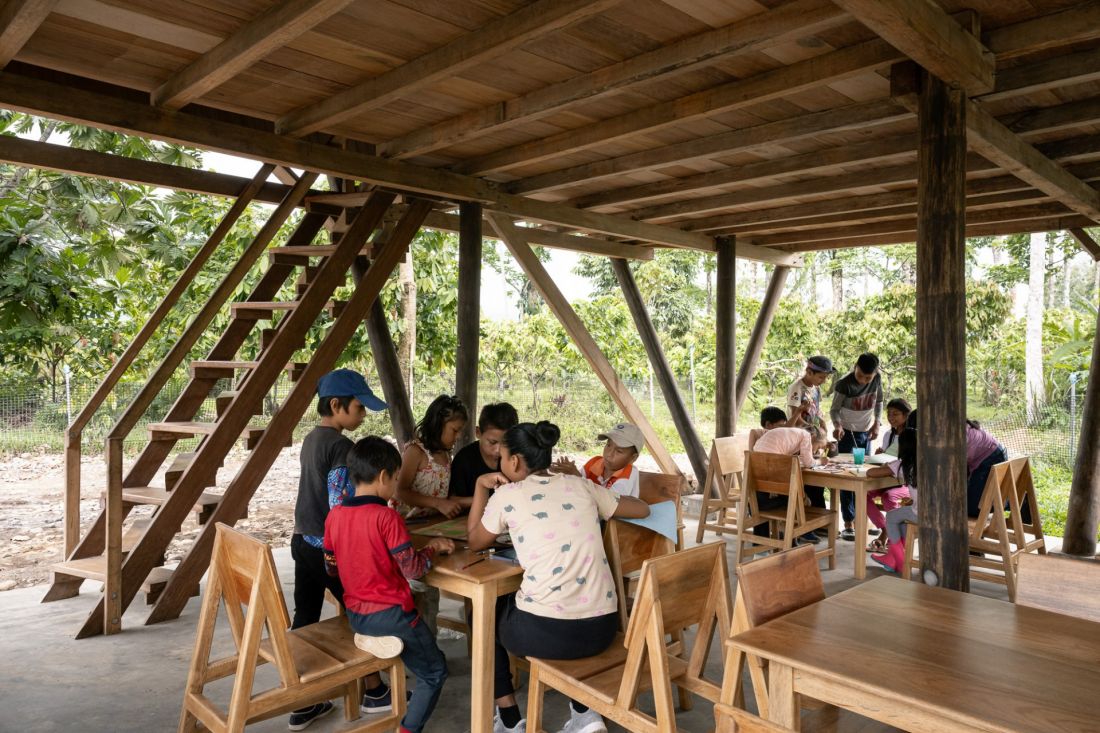
Biblioteca Comunitaria Yuyarina Pacha in Huaticocha — © Francesco Russo
Three Levels for Books, Workshops, and Memory
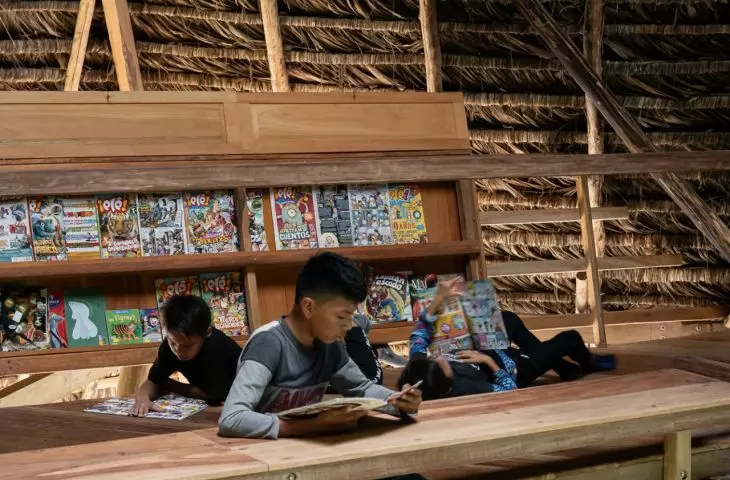
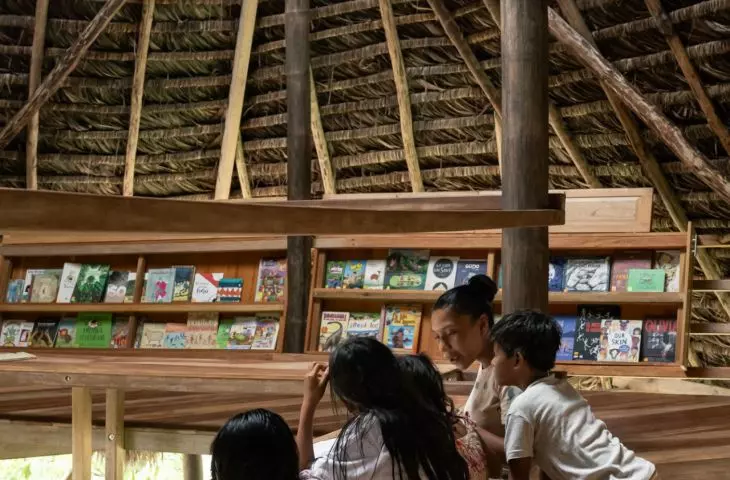
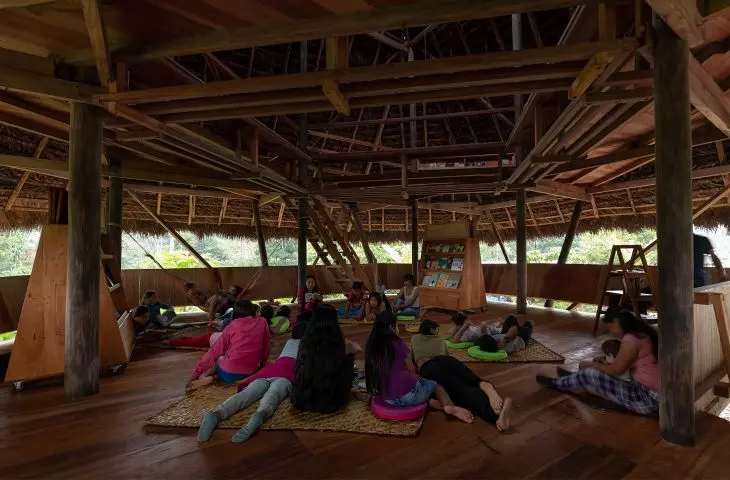
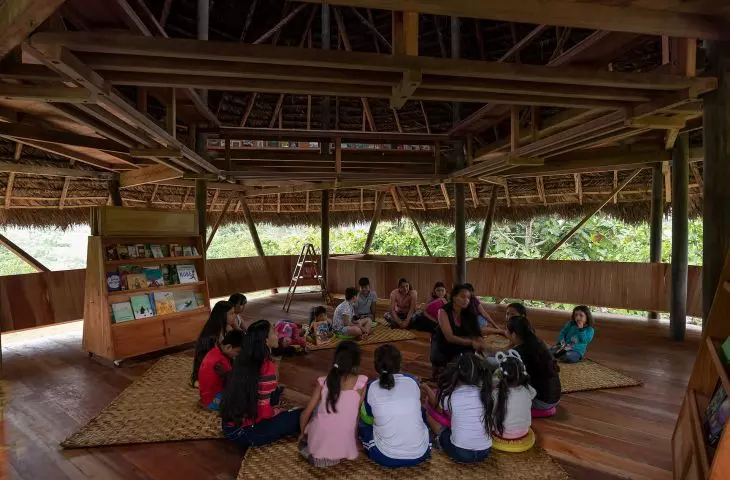
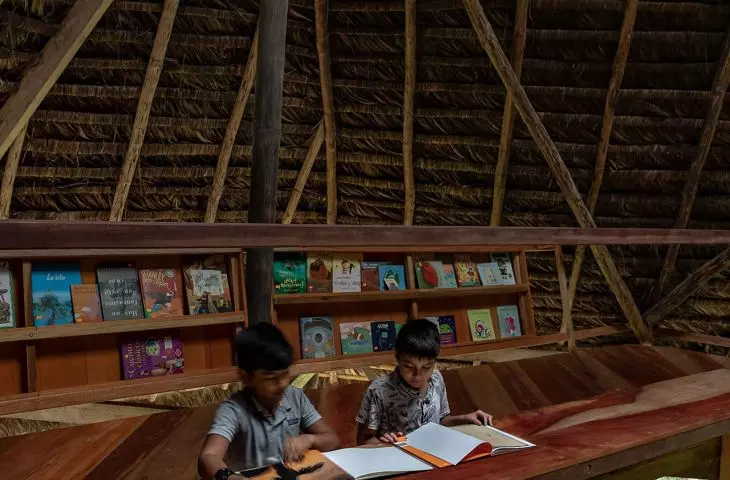
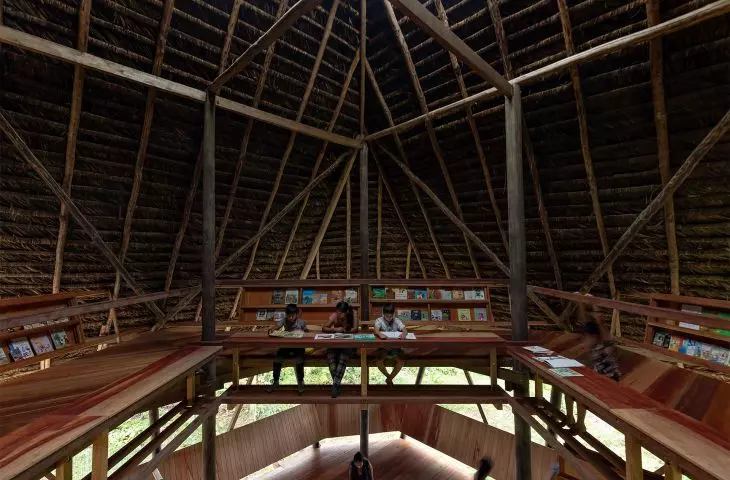
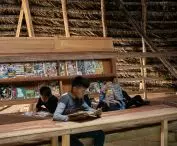
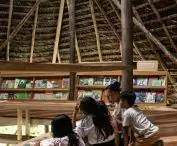
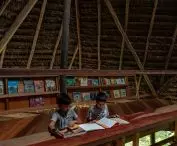
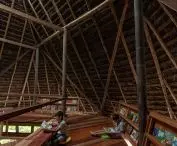
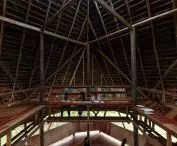
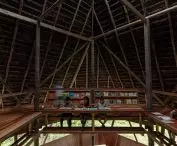
The library’s collection is located on the first floor. The books are arranged on open shelves so that children can reach them on their own. This is one of the organization’s largest spaces, which is why it also serves as a venue for gatherings and community activities. Tablets and computers are located on the top floor and are used to record local stories passed down orally from generation to generation. In this way , the library becomes not only a place for reading but also a small archive of Huaticocha’s collective memory. Next to it is a collection of magazines and a protruding reading table that opens onto the central part of the building.
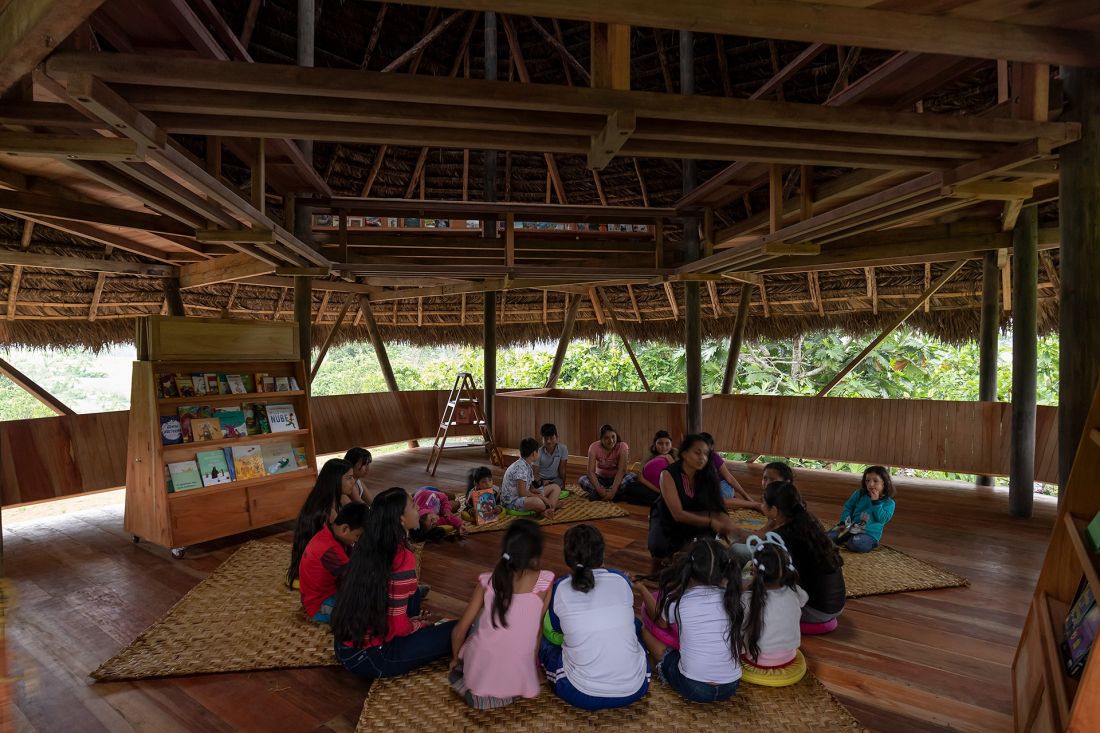
Biblioteca Comunitaria Yuyarina Pacha in Huaticocha — © JAG Studio
Chonta Instead of Catalog Perfection
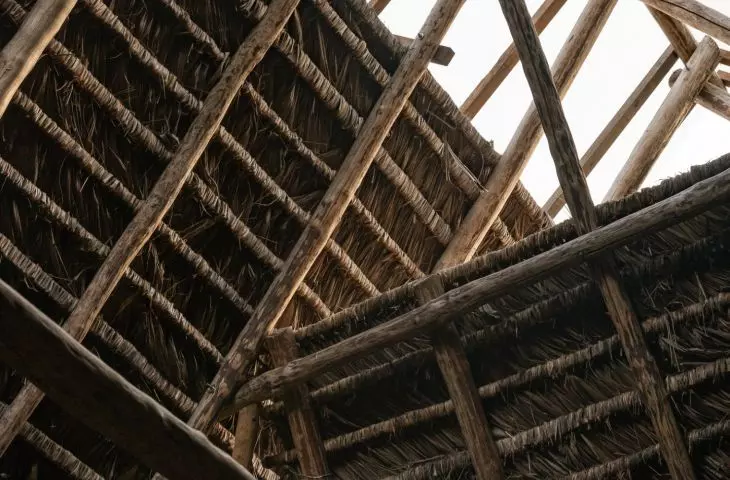
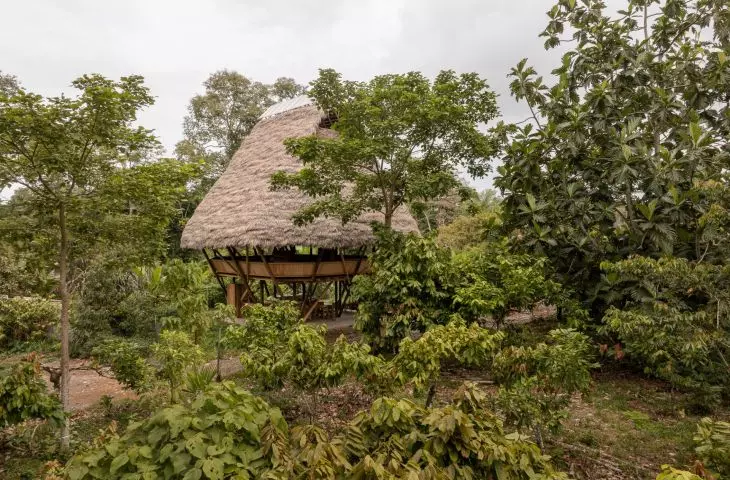
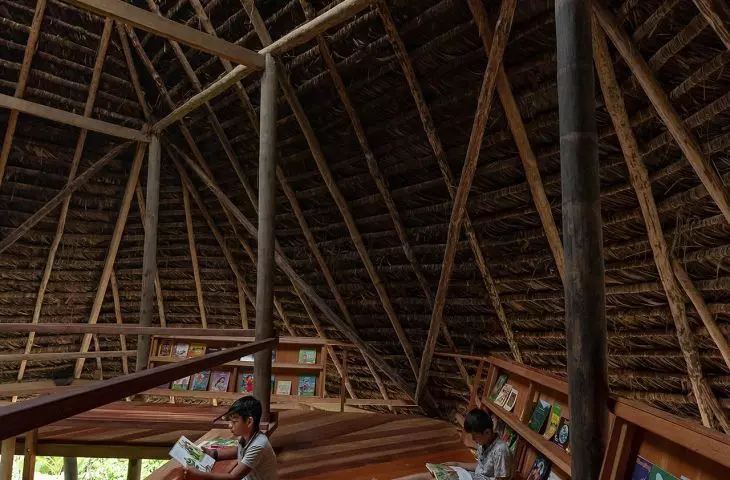
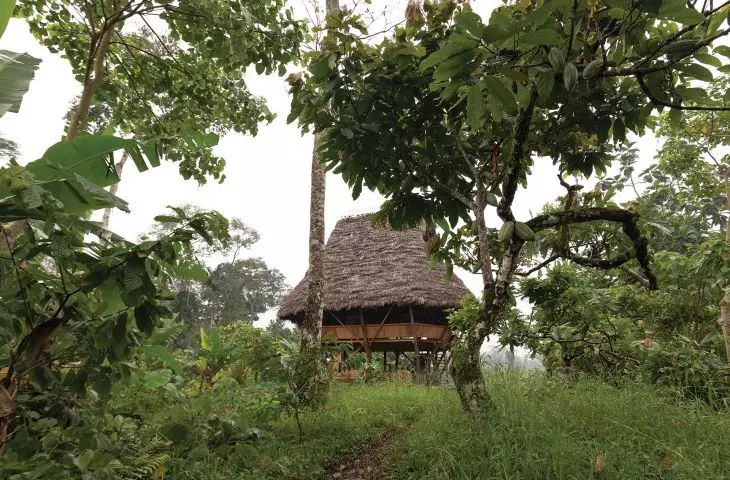
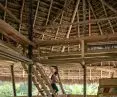
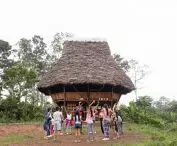
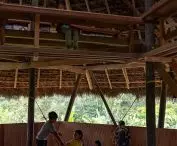
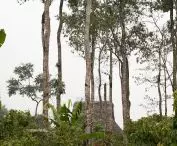
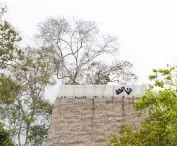
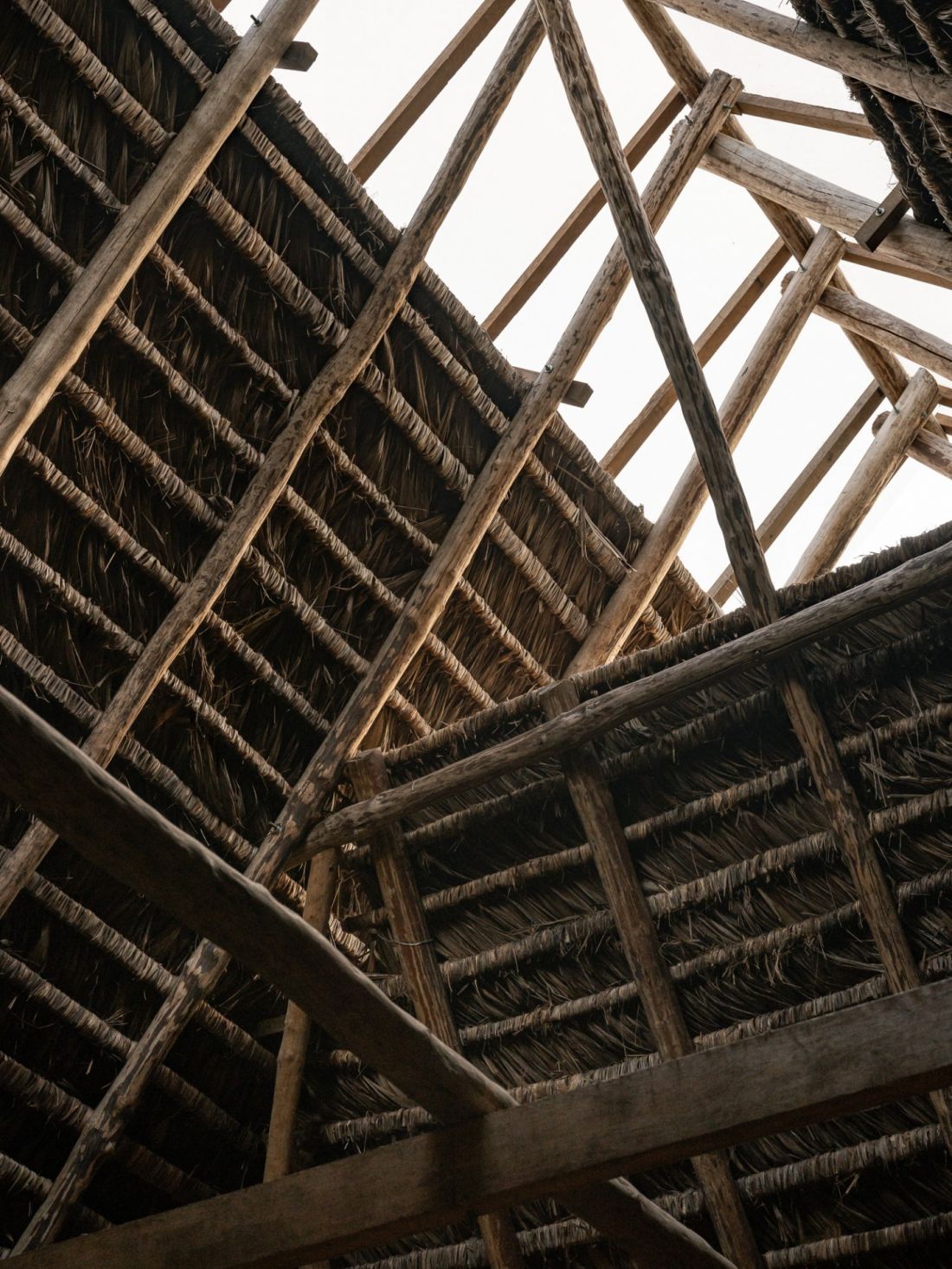
The most important building material is chonta—an Amazonian palm known for its high durability and resilience. It has been used in local construction for generations, in part because its components can be embedded directly into the ground without additional protection against moisture. The library’s architecture does not treat this knowledge as folklore. It makes practical use of it and adapts it to a contemporary program. Nor does the design attempt to smooth out the material’s natural irregularities. Since chonta elements vary from one another, the structure was designed to accommodate these variations rather than hide them behind forced precision.
Biblioteca Comunitaria Yuyarina Pacha in Huaticocha — © Francesco Russo
Light Under the Roof of the Biblioteca Comunitaria Yuyarina Pacha
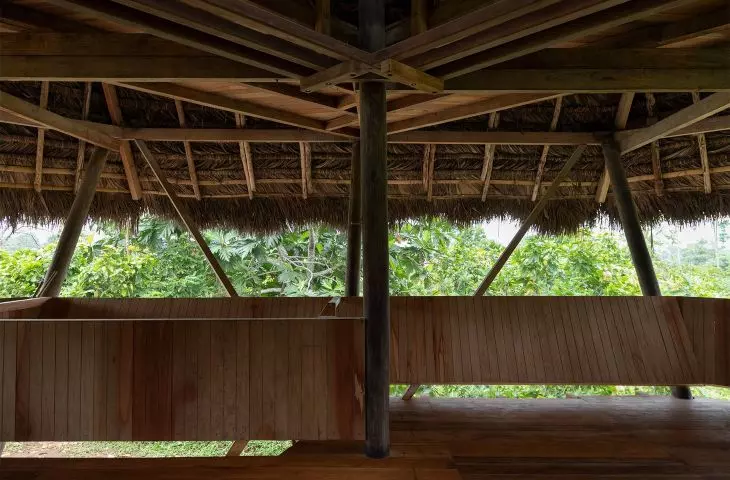
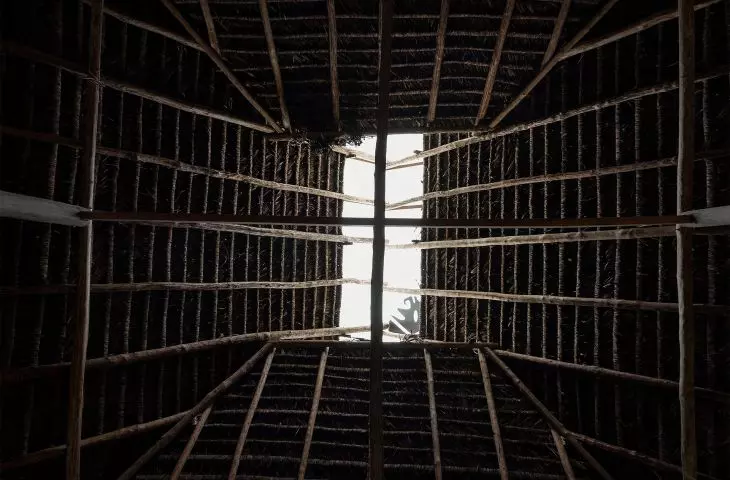
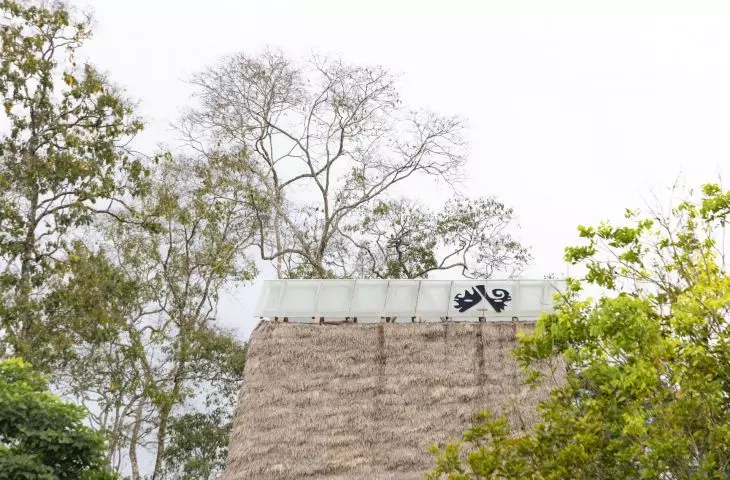
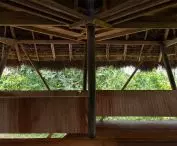
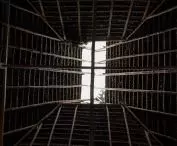
The thatched roof has a steep pitch, which is suited to the region’s rainy climate. A glass skylight is located at the ridge. This simple solution serves several purposes at once: it illuminates the interior from above, facilitates construction, and simplifies future maintenance. In traditional thatched roofs, the ridge is one of the most challenging areas. It is where damage and leaks are most likely to occur, which is why this section requires special attention. At the Al Borde library, this technical challenge became an integral part of the design —practical, yet also crucial to the interior’s atmosphere. The light streaming in from beneath the ridge organizes the space and reinforces its serene character.
Biblioteca Comunitaria Yuyarina Pacha in Huaticocha — © JAG Studio
architecture you can hold in your hands
The Biblioteca Comunitaria Yuyarina Pacha is a project based on sustainability and self-reliance. Residents began using the building even before construction was completed. The first meeting took place there before the building was officially finished. This clearly shows that, from the very beginning, the library was not an alien structure, but a place that the community gradually made its own. In Huaticocha, therefore, the library is not just a space for books. It combines education, play, social gatherings, and the preservation of local stories. Here, Al Borde presents an architecture that does not impose ready-made solutions from the outside, but rather draws out and strengthens the potential of the local community. The result is a modest, resilient building that is deeply rooted in its surroundings—one that helps the community thrive on its own terms.