









From the series “Floors and Flooring — Trends for 2026”
Contemporary interior design strives for formal minimalism, shifting the aesthetic focus to the quality of details and the refinement of finishing materials. Spaces devoid of traditional radiators, open floor plans, and seamless, threshold-free transitions between the interior of the home and the outdoor area—such as a terrace or balcony—have become the norm. For large-format cladding made of stone, quartz sintered materials, exotic wood, or resin flooring to continue to impress with their flawless surfaces for years to come, what is invisible to the eye is crucial. A subfloor with high technical specifications is the foundation of modern design. The solution is Holcim’s integrated systems approach, aligned with the market requirements of 2026.
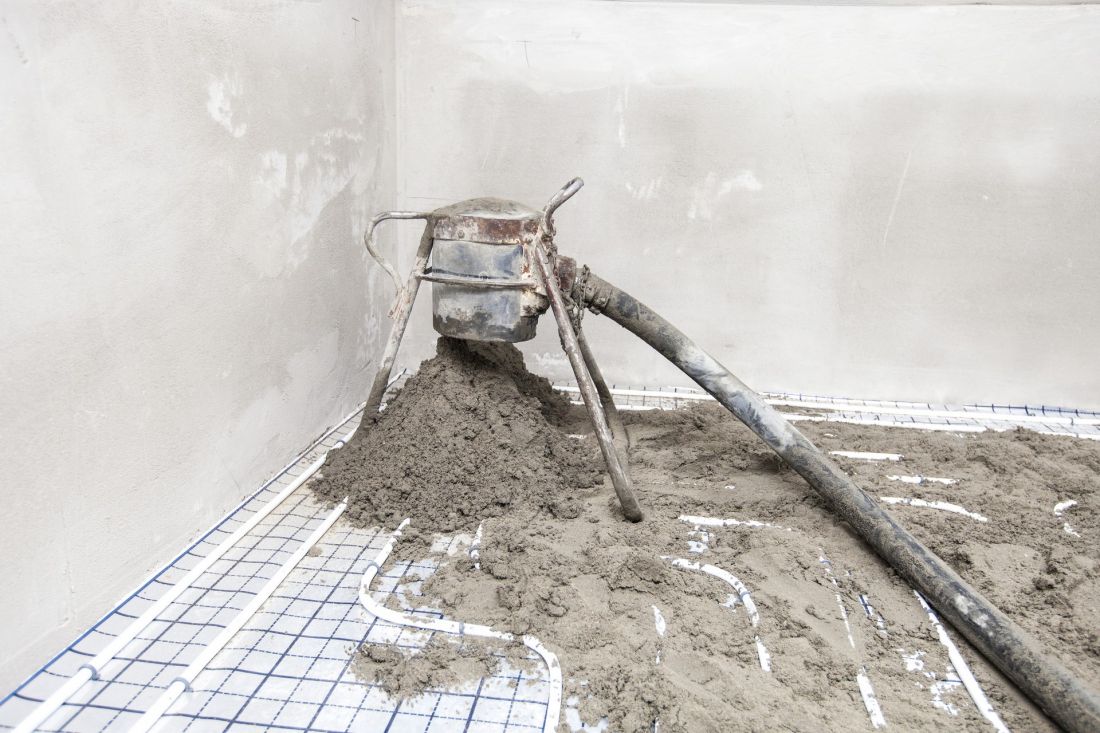
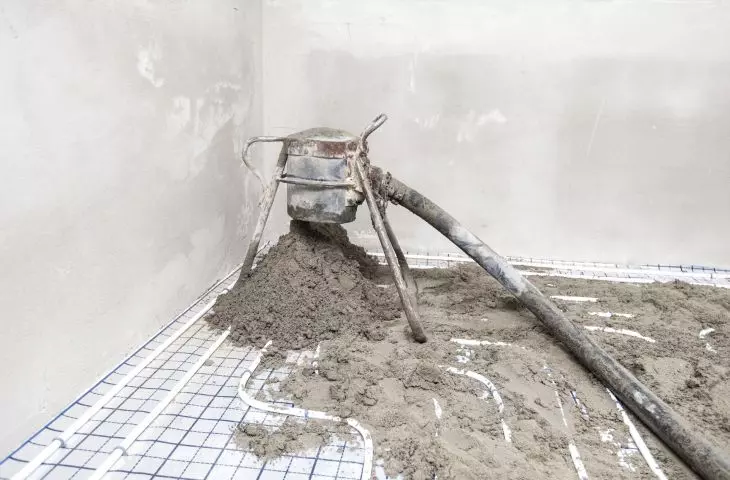
iX CPP20 is a cement screed for underfloor heating—it effectively conducts heat and enhances the system’s efficiency.
© HOLCIM
Heat Under Control: Floor Energy Efficiency
In an era of stringent sustainable construction standards and growing requirements for building energy performance, the floor screed must function as an active component of the heating system. Holcim’s solution—the iX CPP20 cement-based floor screed (also available in a basalt-fiber version, iX CPP20 Fibro)—significantly improves the efficiency of the interaction between the subfloor and surface-mounted systems.
Thanks to its innovative formulation, a screed made with iX CPP20 features high thermal conductivity at λ = 1.3–1.6 W/(mK). Standard cement screeds typically have thermal conductivity values around 1.0 W/(mK).
What does this mean in terms of design and operation?
-
The iX CPP20 system ensures uniform coverage of the installation pipes, which shortens the response time of the underfloor heating and speeds up the heating of rooms.
-
Up to 30% higher thermal conductivity allows for a lower supply temperature of the heating medium, which can result in lower energy bills.
-
At the same time, the reduction of local thermal stresses protects finishing materials, such as large-format tiles or hardwood floors, from cracking, warping, and delamination from the subfloor.
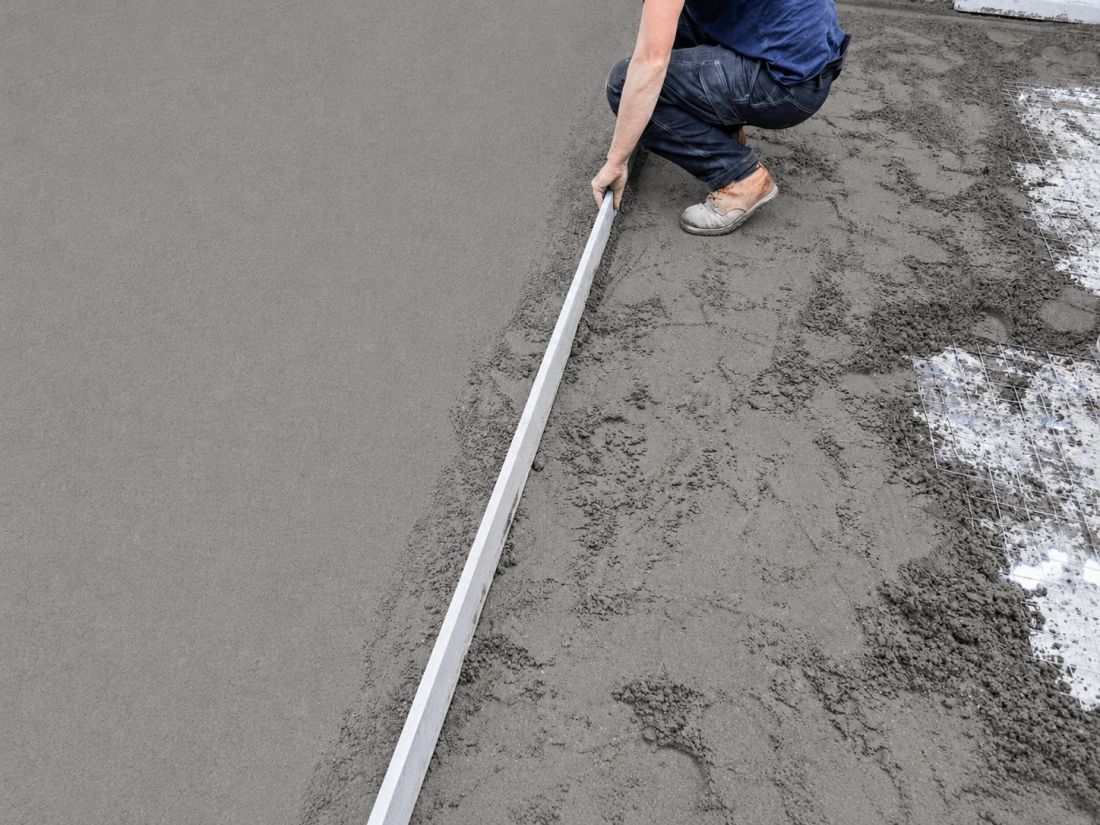
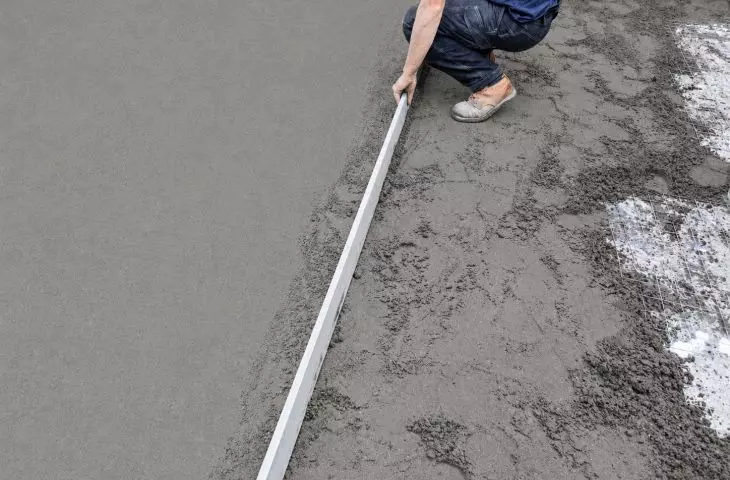
Easy application and convenient troweling make working with iX CPP20 faster, more efficient, and less taxing for the contractor
© HOLCIM
Holistic synergy: an integrated flooring system
From the perspective of the architect, contractor, and developer, a key factor for success on a construction site is the consistency of parameters and the minimization of human error. Randomly selecting sand, cement, and untested admixtures on the construction site is a common cause of flooring problems. Holcim addresses this issue by providing a compatible flooring system in which iX CPP20 / iX CPP20 Fibro works in conjunction with dedicated Holcim EPS Styrofoam insulation boards.
The system is designed in variants for specific building partitions:
-
In the ground-level version, the combination of iX CPP20 screed with EPS Styrofoam in a 6 cm + 8 cm configuration ensures good thermal insulation from the ground (Uc = 0.24 W/(m²K)), high structural rigidity, and secure protection for building services.
-
For the ceiling version, the system has been optimized for room heights using a 6 cm iX CPP20 + 5 cm EPS configuration. The total thickness of the floor assembly is only 11 cm, while maintaining sound insulation parameters, including impact sound attenuation and high mechanical strength.
Using this pre-configured, factory-made system reduces the time required for floor installation by up to 20%. Since the products do not require on-site mixing of components, every square meter of the screed has a consistent density and strength class—CT-C16-F3—in accordance with the PN-EN 13813 standard.
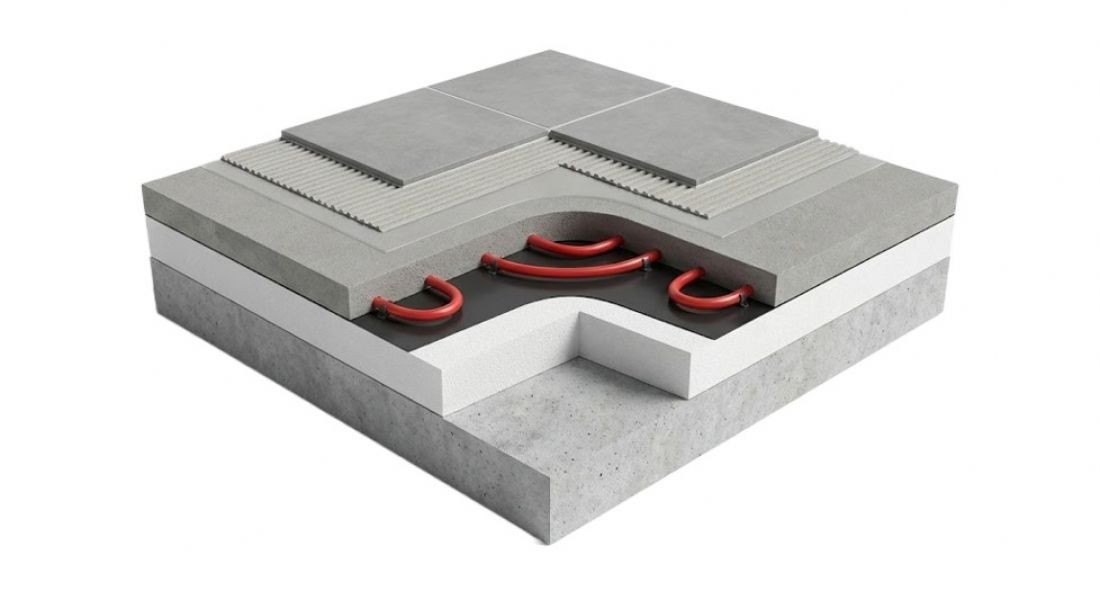
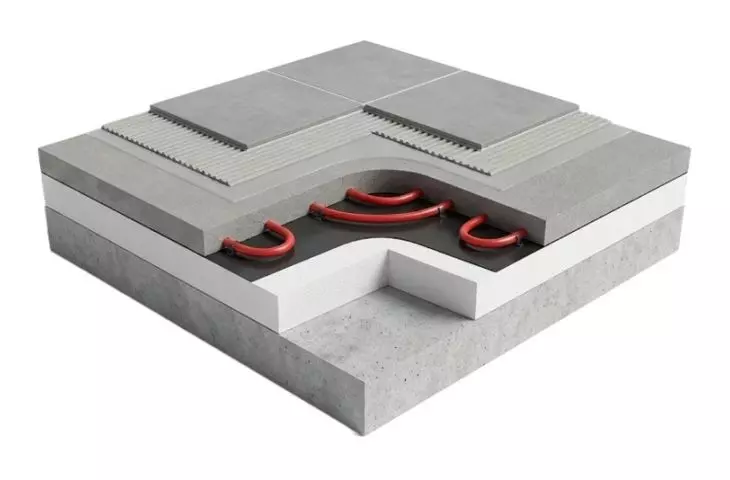
iX CPP20 cement-based screed over underfloor heating – floor layer configuration.
© HOLCIM
One technology, many zones: optimizing construction site operations
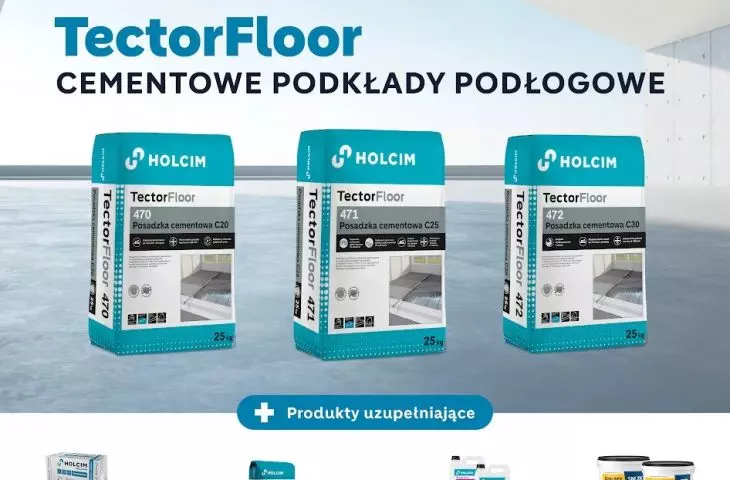
In today’s construction process, time and logistics are key budget factors. The more technologies, machines, and subcontractors on the construction site, the greater the risk of downtime, conflicts of jurisdiction, and errors at the interface between different types of work.The solution is technological integration, which Holcim is implementing by combining its iX CPP20 internal screeds with the TectorFloor line of cementitious underlayments, designed for both indoor and outdoor applications.
In practice, this means that even a complex residential project can be completed using a single concrete mixer:
-
Inside the building, the machine dispenses a workable, easy-to-apply iX CPP20 or iX CPP20 Fibro cement screed, characterized by a long open time and suitable for large areas with underfloor heating.
-
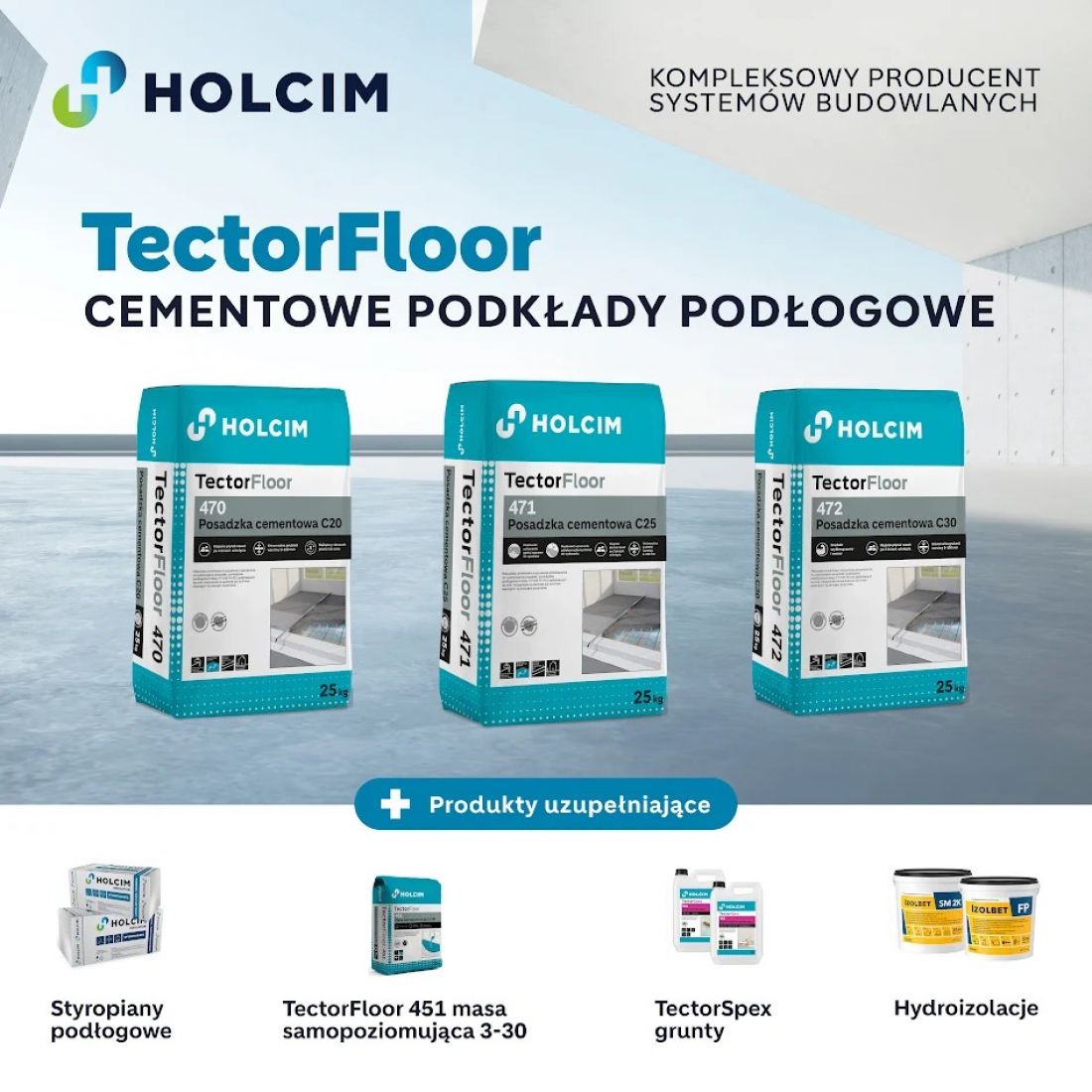
Outside—on balconies and terraces—the same flooring machine delivers a ready-mix of aggregates and cements from the TectorFloor series, specifically designed for outdoor use. Its viscous consistency allows for the precise and stable formation of slope layers beneath exterior cladding.
This approach simplifies construction site logistics. The developer optimizes transportation costs, the contractor works with a single, familiar piece of equipment, and the process proceeds continuously. Reducing the number of “wet” processes lowers the risk of excessive residual moisture and accelerates the transition to subsequent finishing stages.
© HOLCIM
Designing outdoor areas requires consideration of weather factors such as freeze-thaw cycles and rainwater. To ensure the protection of the terrace structure, a properly selected waterproofing layer is crucial. This is where the strength of Holcim’s portfolio—of which the IZOLBET brand is an integral part—truly shines. Experts recommend waterproofing using the two-component, mineral-polymer micro-mortar IZOLBET SM 2K, applied directly to properly prepared and primed TectorFloor substrates. This system creates a moisture barrier and ensures chemical and mechanical compatibility within a single manufacturer’s ecosystem, thereby reducing the risk of installation errors.
A Perfect Finish: TectorFloor 451 and TectorSpex for Interior Applications
Modern interior design trends often require perfectly smooth, thin-layer surfaces—for example, for LVT flooring, large-format sintered tiles, microcement, or resin systems. For such projects indoors, the system is complemented by the TectorFloor 451 cement-based self-leveling compound. It features a long open time of 60 minutes, fast drying—tile installation is possible after just 24 hours—and excellent flow, ensuring an even subfloor.
To ensure maximum adhesion, controlled substrate absorbency, and a durable bond between structural layers, the system is complemented by professional primers from the TectorSpex series. TectorSpex 902 Deep-Penetrating Primer is a good choice.
Summary: Design freedom grounded in business fundamentals
The modern design process involves striking a balance between the architect’s aesthetic vision, technical requirements, and the investor’s budgetary realities. By choosing Holcim’s integrated system solutions—including cement-based floor screeds from the iX CPP20 line, cement-based floor screeds and self-leveling compounds from the TectorFloor line, TectorSpex primers, dedicated expanded polystyrene floor underlays, and IZOLBET waterproofing—the market receives a complete, well-thought-out system.
For the architect, this ensures that threshold-free transitions from the living room to the terrace will maintain structural integrity. For the contractor, it means ease of work based on standardized equipment. For the investor, this translates to tangible benefits: a project completion time that’s up to 20% shorter, the potential to reduce energy costs thanks to high thermal conductivity (λ), and the security that comes from using compatible solutions from a single manufacturer. Smart, safe, and integrated solutions are leading the trends for 2026.
For more information, visit the HOLCIM Polska company page on the PdA portal.